
Review · CHENGDU COOKING CLASSES
Chengdu Sichuan Cuisine Cooking Class and Savor Local Snacks
The best part of this Chengdu experience is that it treats Sichuan food as more than a hot meal. You tour a museum, see old cooking tools and ingredients, honor the Kitchen God, then step into a working kitchen to prepare three dishes yourself. I like the hands-on cooking class and the chance to taste snacks such as pea jelly, tofu pudding, and Zhong’s dumplings.
I also like the playful details, including blindfolded knife cutting of golden silk noodles and a stop for covered-bowl tea and Mahjong. The main drawback is the location: the museum is 23 kilometers from downtown, and transport is not included. People with food allergies or limited mobility should choose another activity.
Key points to know before you book
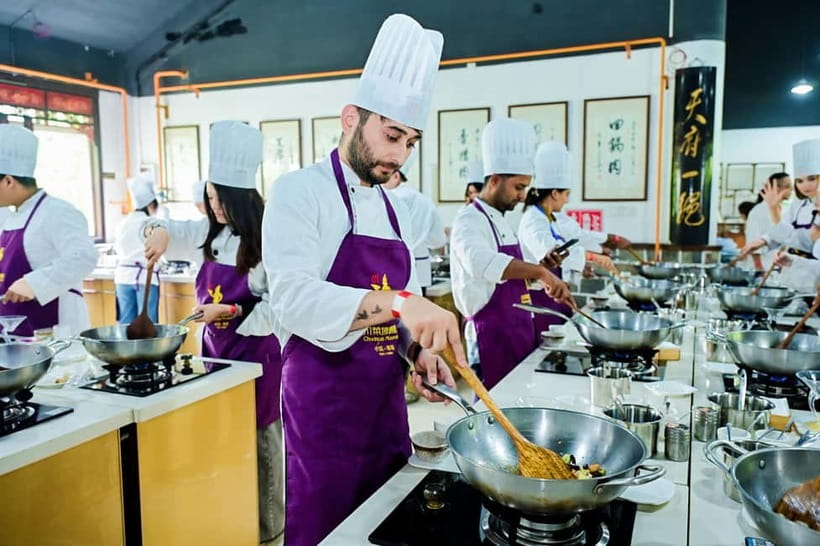
- Cook three Sichuan dishes: Senior chefs guide you through wok cooking, quick stir-frying, and presentation.
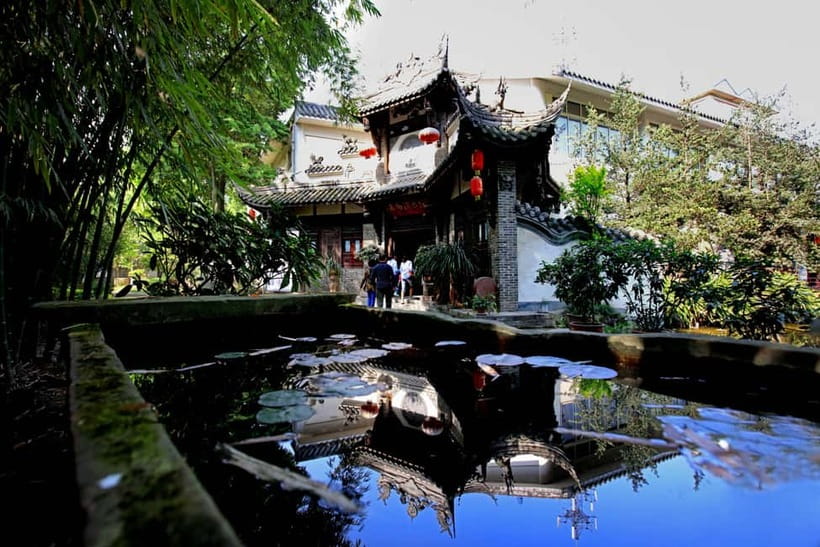
- See a food museum with unusual exhibits: The collection includes more than 6,000 items, a famous pickle jar, old tools, and traditional ingredients.
- Visit the world’s largest Kitchen God Ancestral Hall: The ritual adds a cultural side to what could otherwise be only a cooking lesson.
- Finish with a full tasting session: Eat your cooked dishes, sample local snacks, and relax with tea in a traditional tea house.
- Allow extra time for the journey: The meeting point is outside central Chengdu, on Shaxi Road in Pidu district.
- Expect a private group: English and Chinese guiding is available, and the total experience takes about 2.5 to 4 hours.
Why this is more than a cooking lesson
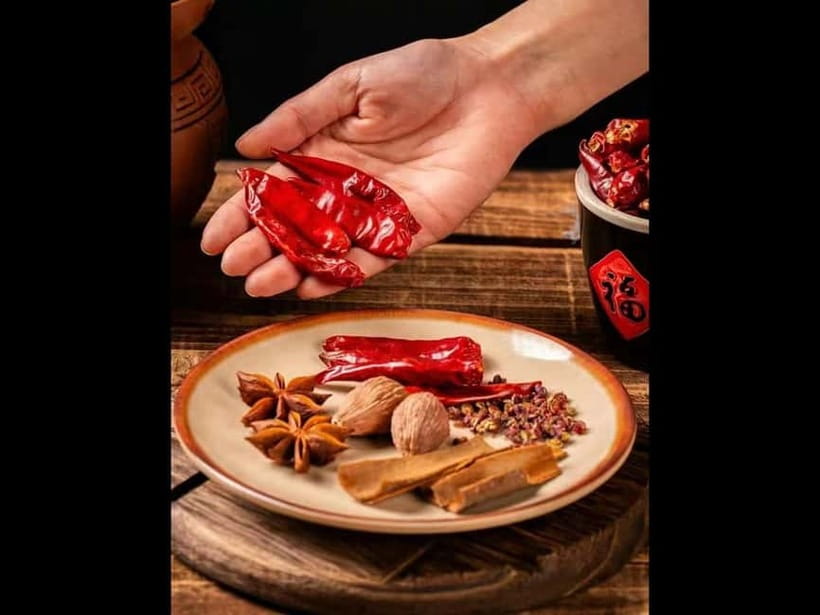
Sichuan food is famous for heat, but the key to this cuisine is not simply adding chilies. Cooking also depends on fermented seasonings, quick work over high heat, texture, and careful balance. This experience gives you a short look at that wider food culture before asking you to cook.
The setting helps. The Sichuan Cuisine Museum is described as the only eatable museum in the world, a playful name for a place where the displays lead naturally to lunch. You do not spend the entire visit behind glass. You see ingredients, processing tools, old food customs, and cooking traditions, then use some of those ideas in the kitchen.
I find that structure useful. A standard class can teach you a recipe without explaining why the ingredients matter. Here, the museum visit gives you a little context first. You learn about Sichuan cuisine’s development, the role of chili bean paste, and the respect given to food in traditional culture.
The activity is private, which matters if you prefer asking questions without speaking over a large class. The guide can work in English or Chinese. No guide names are provided, so you should not book this expecting a particular instructor. The available rating is 4.4 out of 5 from two reviews, with the experience described as amusing, instructive, and well organized.
More Cooking Classes in China:
- Half-Day Chengdu Cooking Class with a Local Market Visit
★ 5.0 · 465 reviews - Chengdu: Cooking Class with Fresh Market Half Day Experience
★ 5.0 · 42 reviews - Shanghai-Cooking Dumpling & Meal in Local Family-w/Vegan
★ 4.9 · 36 reviews
Touring the western Sichuan garden and food collection
Your visit begins at the Sichuan Cuisine Museum, located in Gucheng county in Pidu district. The museum is about 23 kilometers from downtown Chengdu by way of Shaxi Road, so reaching the starting point is your responsibility. A taxi or private ride will be more practical than trying to fit the museum into a busy central walking day.
The first guided portion takes about an hour. You walk through a western-Sichuan garden and see cultural relics connected with food and cooking. The collection contains more than 6,000 pieces dating back as far as 4,000 years, giving the visit a long view of kitchen life and dining customs.
Some displays are unusual rather than grand. You see what is described as the world’s most expensive pickle jar, along with old household and restaurant objects. The exact reason for the jar’s value is not specified, so treat it as a curious talking point rather than a major museum masterpiece.
This section suits anyone who likes local culture with a practical purpose. You are not only looking at antiques. You are getting clues about how people stored food, prepared ingredients, and organized a kitchen before modern equipment. If you have little interest in food history, the hour may feel slower than the cooking class that follows.
Meeting the ingredients before they reach the wok
The raw material display area is one of the more useful stops because it brings the food back to its starting point. You see organic vegetables, poultry, and livestock being raised at the site. That connection between the growing area and the meal gives the tour a farm-to-kitchen feel without requiring a separate countryside visit.
You also learn about the 300-year tradition of making Pixian chili bean paste. This fermented paste is a central Sichuan seasoning, valued for its salty, spicy, savory flavor. The class gives you a reason to pay attention to it. Sichuan cooking is not just about fresh chilies and peppercorns. Fermented ingredients help build the base of many dishes.
Another memorable detail is the traditional raincoat woven from palm leaves. You may try it on during the visit. It is a small, slightly comic moment, but it shows how practical plant materials once fit into daily life. Bring a camera if you enjoy recording these visual details, since the tour has several unusual photo opportunities.
This stop can be especially helpful for first-time visitors to China who want food culture explained in plain terms. You see ingredients as working materials, not just finished dishes on a restaurant table. The limitation is that the supplied information does not name the specific vegetables or livestock you will see on the day, so the exact display may vary.
The Kitchen God and the meaning of a meal
The Kitchen God Ancestral Hall is a major part of the visit. It is described as the largest in the world, and the tour explains the Kitchen God as a grandmaster of Chinese chefs. The figure links cooking with the home, family, food, and daily behavior.
You take part in a ritual by offering incense. This is not simply a photo stop. The activity presents it as a chance to think about cherishing food, drinks, families, and the things people have been given. That message gives the cooking class a little more weight. You are not only learning how to make lunch. You are being asked to consider why meals matter.
You should be comfortable taking part respectfully. The experience includes a worshipful ritual, so it may not suit you if you want a purely secular cooking class. The description does not provide details about the length or exact form of the ritual, but it clearly forms part of the cultural program rather than an optional side attraction.
For me, this is the section that separates the activity from a basic restaurant lesson. It connects food with household tradition. You may forget a knife technique after a few days, but the Kitchen God visit gives the meal a memorable cultural frame.
Same region, a different dish to learn:
- Flavors of Beijing: Eat Like A Real Chinese
★ 5.0 · 78 reviews - Private Cooking Class: Make Your Own Dim Sum In Shanghai
★ 5.0 · 27 reviews - Half-Day steamed Buns Cooking Class with a Local Market Visit
★ 5.0 · 26 reviews - Half-Day Professional Mapo Tofu Cooking with a Local Market Visit
★ 5.0 · 19 reviews
Old restaurant streets and hands-on kitchen work
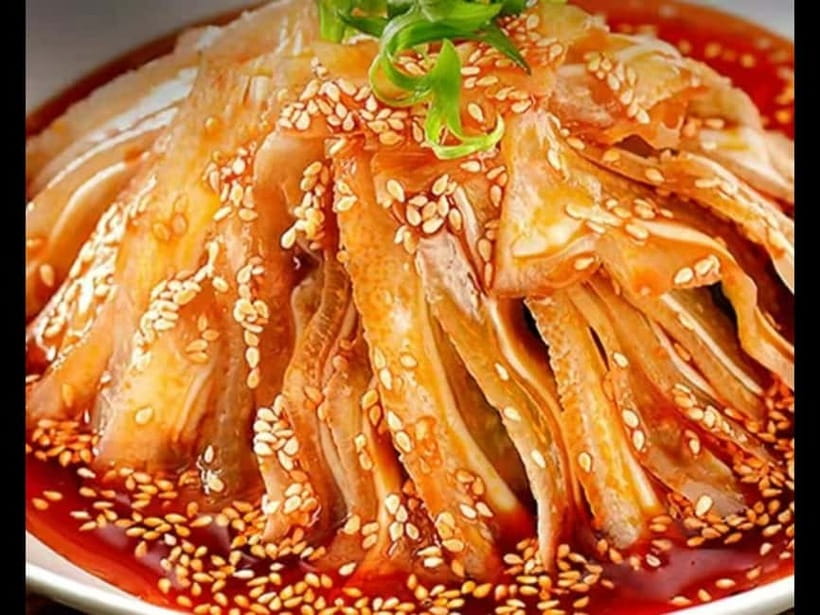
The tour then moves through an old Sichuan restaurant alley and a display of traditional raw-material processing tools. These spaces help bridge the gap between museum exhibits and the modern cooking lesson. You can see how ingredients were handled before electric appliances and commercial kitchens made the work faster.
After this, you change into a chef uniform and begin the cooking class. Senior chefs guide you as you prepare three typical Sichuan dishes. The specific dishes are not named, so you should not book this expecting a particular recipe such as mapo tofu or kung pao chicken.
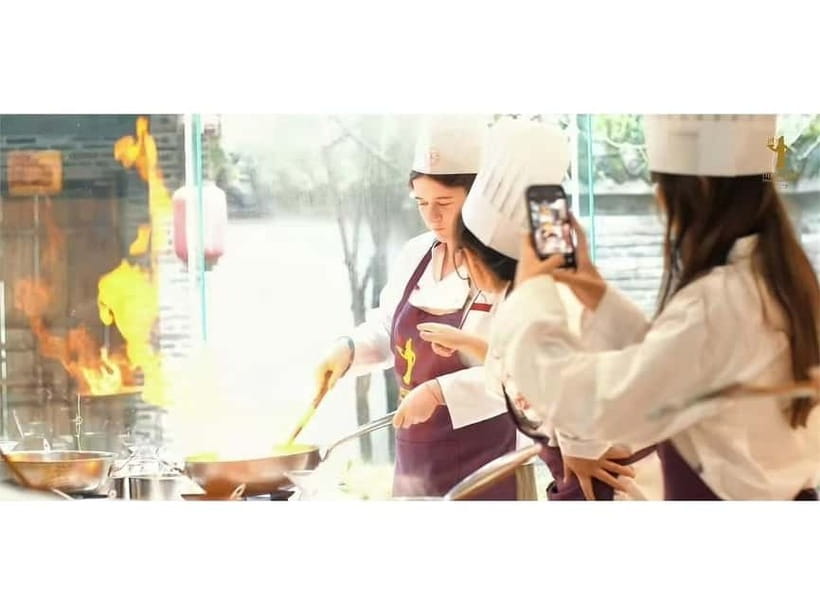
The class focuses on movement and timing. You fire the wok, stir-fry quickly, and work on presentation. Sichuan cooking often rewards speed because ingredients can overcook in moments. The class lets you feel that rhythm rather than only watching someone else do it.
One included activity is blindfolded knife cutting of golden silk noodles. This sounds playful, and it is best treated as a novelty rather than serious knife training. You should follow the chef’s instructions carefully, especially when a blindfold is involved. Comfortable shoes are recommended because the experience includes walking through the museum and moving around during the kitchen session.
The cooking period takes about an hour. That is enough time for a lively introduction, but not enough for a detailed professional culinary course. You will learn the basic process and take part in the preparation, but you should not expect advanced chef certification as part of the standard price.
At the end, the executive chef comments on the results and awards a rookie master chef certificate. It is a fun souvenir, not a professional qualification. The certificate works best as a family photo prop or a lighthearted reminder of the day.
Eating what you prepared, plus Sichuan snacks
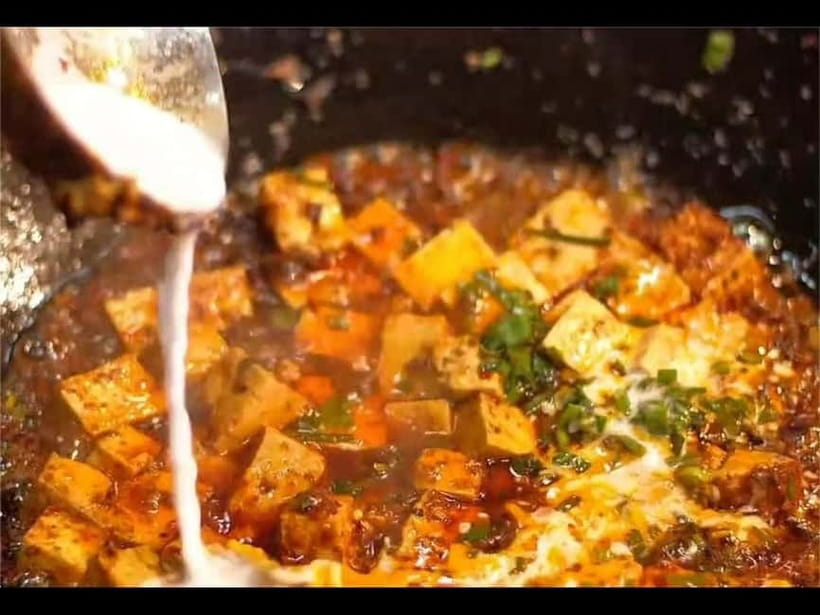
The tasting portion takes about an hour and begins with your own cooked dishes. This is one of the strongest reasons to choose the activity. You see the ingredients, handle the wok, and then sit down to taste the result. A dish can seem very different when you know exactly how it was made.
The meal includes daily soup, steamed rice, pickles, and fruit juice. You can also order or use extra drinks such as tea, wine, soft drinks, and beer if that option is selected. Traditional Chinese medicine wine is also offered as part of the drink selection. Since unlimited drinks are listed as optional, check the final booking terms before assuming they are included in the $54 price.
The standard experience includes unlimited local snack tasting. You may try Northern-Sichuan style pea jelly, tofu pudding, and Zhong’s dumplings. These snacks give you a broader sample of Sichuan eating than the three cooked dishes alone.
Pea jelly offers a cool, soft texture with a savory seasoning. Tofu pudding is gentle and smooth. Zhong’s dumplings add a familiar dumpling form with a local Chengdu identity. The descriptions do not specify every topping or level of spice, so anyone sensitive to heat should ask the guide before tasting.
Food allergies are a stated reason not to take this activity. The menu includes several dishes, sauces, pickles, and drinks, and the class involves shared culinary ingredients. If you have an allergy, this is not the place to hope for easy substitutions. The experience is also not suitable for wheelchair users.
Tea, Mahjong, and a slower end to the afternoon
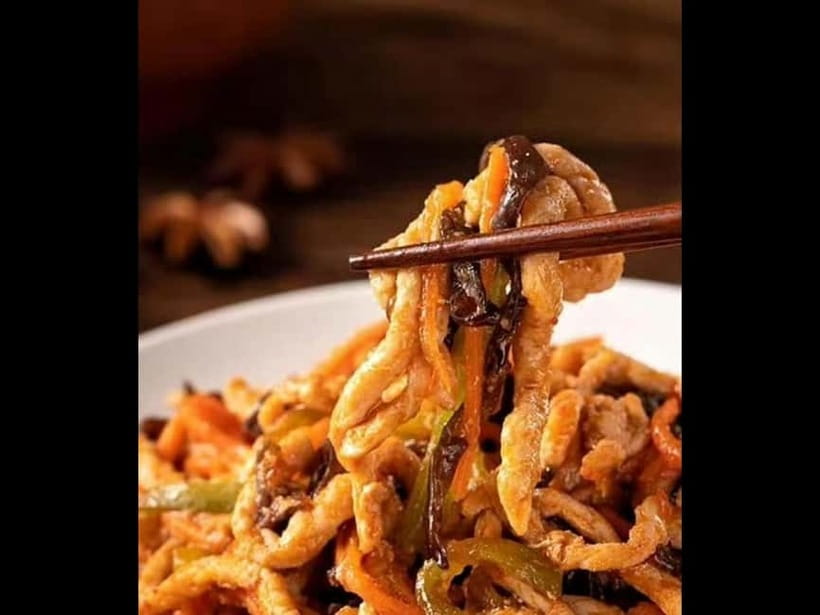
After the meal, you can rest in a bamboo chair and desk at the Sichuan tea house. The pace changes here. Instead of cooking or walking, you sip covered-bowl tea, play Mahjong, and take in a traditional social setting.
Covered-bowl tea is served in a lidded cup. You hold or adjust the lid to drink while keeping the leaves inside. The activity presents this as a chance to act like a local, but you do not need prior tea knowledge to enjoy it. If you have already spent a busy day seeing Chengdu’s sights, this quiet pause may be welcome.
Mahjong adds another local touch, though the supplied details do not say whether you receive a formal lesson. Think of it as a chance to handle the tiles and enjoy the setting rather than a guaranteed full game with instruction.
The tea house is a good reason not to rush away after the food. The total duration is listed as 2.5 to 4 hours, and the longer end likely allows more time for tasting and leisure. Starting times vary, so check availability when booking and leave enough space in your day.
Is $54 a fair price?
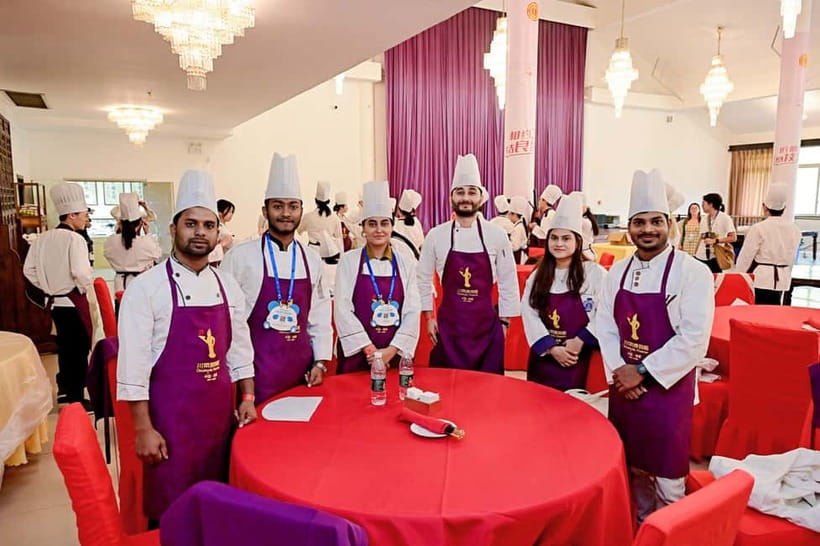
At $54 per person, the value depends on how much of the full program you use. You are paying for a museum visit, a guided cultural tour, an ingredient display, a cooking class, the meal you prepare, local snacks, tea-house time, and a private group format. That is a substantial package for a half-day activity.
The price is particularly reasonable if you want several experiences in one outing. Instead of arranging a museum visit, a cooking class, and a snack tour separately, you get all three in one place. The certificate and unusual Kitchen God visit add personality, even if they have little practical value.
The value drops if you only want to learn a specific Sichuan recipe. The dishes are not named in advance, and the class lasts about an hour. A specialist cooking school may provide more recipe detail, but this museum experience offers more cultural material around the cooking.
Remember the extra costs. Transport to and from the museum is not included, and the museum sits outside central Chengdu. Private dining rooms with rice, soup, and other accompaniments are optional, as are unlimited drinks and the separate Sichuan Cuisine Master certificates. Check what is included in your chosen package before paying.
Free cancellation up to 24 hours before the start gives you useful flexibility. You can also reserve now and pay later. Provide a valid phone number and email address so you receive meeting information.
Who should book this Chengdu food experience?
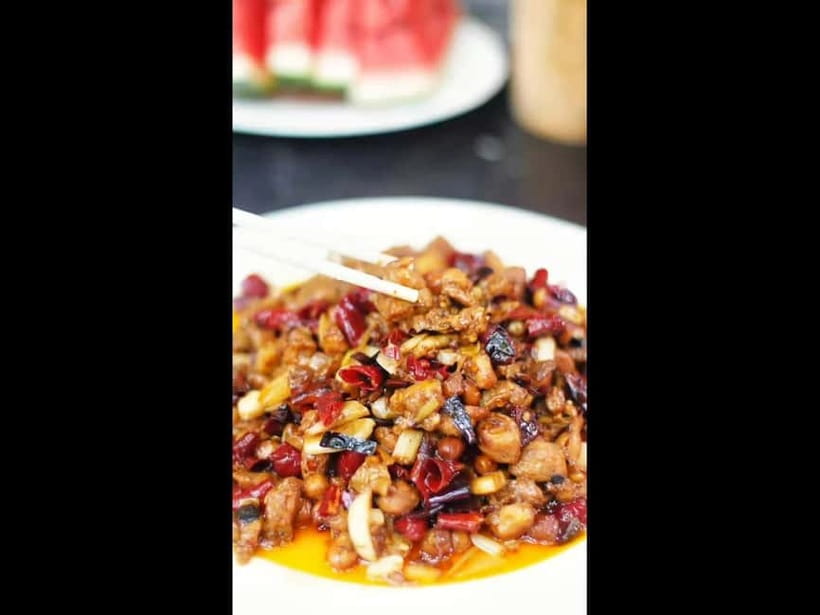
I would choose this for someone who wants to understand Sichuan food through several angles: objects, ingredients, ritual, cooking, and tasting. It suits couples, families, and private groups that enjoy taking part rather than simply watching a demonstration.
It is also a good choice for people who like unusual attractions. The pickle jar, palm-leaf raincoat, Kitchen God hall, blindfolded noodle cutting, and rookie chef certificate give the day a playful quality. The experience is instructive without being solemn all the way through.
You should think twice if your Chengdu schedule is tight and you are staying in the city center. The 23-kilometer journey each way can take a noticeable part of your day, and transport is your responsibility. You should also avoid it if you have food allergies, use a wheelchair, or want a fully specified menu.
The English and Chinese guide options make it suitable for international visitors, though no individual guide is assigned in the available details. Booking ahead is sensible, especially if you want a particular start time or a private group.
Should you book the Sichuan Cuisine Museum class?
Book it if you want a broad food and culture outing, not just a recipe lesson. The strongest parts are the private format, the three-dish cooking class, the Kitchen God ritual, and the chance to sample snacks that you may not order on your own.
Skip it if central Chengdu convenience matters more than the setting, or if you need strict control over ingredients. For everyone else, $54 buys a well-filled half-day with plenty of food, some good oddities, and a direct way to meet Sichuan cuisine at its source.
FAQ
Where does the Sichuan cooking experience start and finish?
It starts and finishes at the Sichuan Cuisine Museum in Gucheng county, Pidu district, Chengdu, Sichuan province. The museum is about 23 kilometers from downtown by Shaxi Road.
How long does the activity last?
The experience takes about 2.5 to 4 hours. The guided museum visit, cooking class, food tasting, and tea-house time are included in that range.
Is transportation to the museum included?
No. Transportation to and from the museum is not included, so you need to arrange your own way to the meeting point.
What languages are available?
The activity offers live guiding in English and Chinese.
What food and drinks are included?
You cook three Sichuan dishes and eat them with daily soup, steamed rice, pickles, and fruit juice. Unlimited local snack tasting is included. Unlimited tea, wine, soft drinks, and other beverages are listed as optional.
Is the experience suitable for people with allergies or wheelchair users?
No. The activity is not suitable for people with food allergies or wheelchair users. Comfortable shoes are recommended for walking.
Newest classes around China
- Private Panda Tour with Cooking Class One-day Trip★ 5.0 · 11 reviews
- Half-day Chengdu Handmade Tofu Making and Mapo Tofu Cooking Class★ 5.0 · 3 reviews
- Half-day Dandan Noodles Cooking Class with a Local Market Visit★ 5.0 · 8 reviews
- Half-Day Private Hot-Pot Cooking Class with a Local Market Visit★ 5.0 · 3 reviews
- Half-Day Sichuan Cooking Class Experience in Chengdu★ 4.0 · 17 reviews
- Half day Chengdu Dumpling Class: Make from Scratch★ 5.0 · 8 reviews
- Chengdu Dujiangyan Leshan Buddha Tea Plantation and Sichuan Cooking 3 Days★ 5.0 · 2 reviews
- Beijing: Private Dumpling Cooking Class in Local Family★ 5.0 · 3 reviews
Chengdu Cooking Classes, compared.
Half-Day Chengdu Cooking Class with a Local Market Visit
Read our review →
Cooking Class with Fresh Market Half Day Experience
Read our review →
Half-Day steamed Buns Cooking Class with a Local Market Visit
Read our review →
Half-Day Professional Mapo Tofu Cooking with a Local Market Visit
Read our review →
Half-Day Sichuan Cooking Class Experience in Chengdu
Read our review →
Private Panda Tour with Cooking Class One-day Trip
Read our review →
Half day Chengdu Dumpling Class: Make from Scratch
Read our review →
Half-day Dandan Noodles Cooking Class with a Local Market Visit
Read our review →Browse the lists this tour appears in