
Review · CHENGDU COOKING CLASSES
Half-Day Chengdu Cooking Class with a Local Market Visit
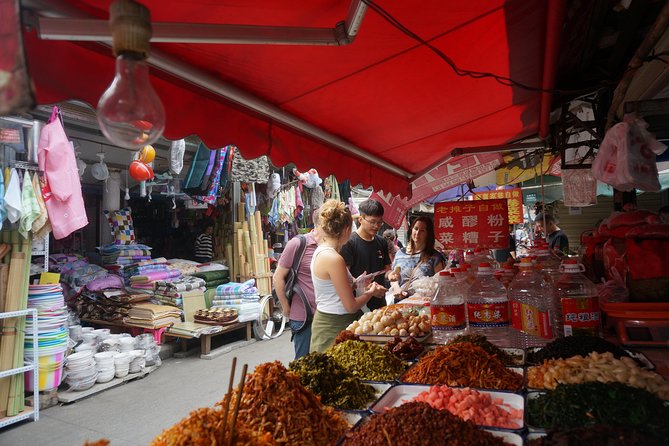
Chengdu’s best food lesson starts before you reach the stove. At Liangjiaxiang market, you’ll see the ingredients that give Sichuan food its punch, then take them to Chilli Cool’s kitchen and turn them into lunch or dinner. Lance and Jerry help bridge the language gap, while the chef shows you how to handle a hot wok, dumplings, tofu, meat, and local spices.
I like two things here. First, the market walk gives the cooking class a reason and a place: you learn what the ingredients are before someone asks you to use them. Second, you eat the dishes you prepare, with drinks and recipes included. The main consideration is the pace. Four hours is enough for a market visit and several dishes, but not enough for a slow, formal cooking school.
Key points to know before booking
- Liangjiaxiang market comes first: You explore a real local market in Jinniu District, examine spices and produce, and may sample small foods along the way.
- Lance and Jerry guide the experience: They explain local food customs and translate the chef’s instructions into clear English.
- You cook several Sichuan dishes: Past classes have included mapo tofu, kung pao chicken, twice-cooked pork, stir-fried cabbage, cucumber salad, dumplings, and wontons.
- The meal is part of the class: You sit down to eat the food you made, with beverages, light refreshments, and sometimes extra dumplings included.
- Vegetarian cooking is possible: Tell the operator when booking so the menu can be adjusted.
- The group stays manageable: The maximum is 15 people, and private options are available.
Why this Chengdu cooking class works so well
I see this as two experiences joined together. The first is a guided look at everyday food shopping. The second is a hands-on Sichuan cooking lesson. That combination matters because Sichuan food can look simple on the plate, yet its flavor depends on small choices: which chili, how much oil, when to add the pepper, and how long to cook.
A restaurant meal lets you taste the result. Here, you get a better idea of how the result happens. You will still eat well if your dumplings look a little untidy or your wok technique needs work. The chef cooks alongside you, so you can compare your dish with the professional version.
The tour is listed at $90 per person. That is not a bargain class by Chengdu standards simply because it is short, but the price covers the guide, market tour, ingredients, food tasting, a full meal, drinks or beer, light refreshments, and recipes. You are also paying for translation and the work of organizing a market visit, kitchen session, and meal in one outing.
I consider the price reasonable for visitors who want more than a restaurant meal and do not want to arrange ingredients, transport, translation, and a kitchen on their own. It is less appealing if your only goal is to eat as cheaply as possible or if you already have strong Sichuan cooking skills.
More Cooking Classes with a Market Tour in China
- Chengdu: Cooking Class with Fresh Market Half Day Experience
★ 5.0 · 42 reviews - Half-Day steamed Buns Cooking Class with a Local Market Visit
★ 5.0 · 26 reviews - Half-Day Professional Mapo Tofu Cooking with a Local Market Visit
★ 5.0 · 19 reviews
Starting at Liangjiaxiang market
The meeting point is at 163-11 Yi Huan Lu Bei San Duan in Jinniu District. The activity begins and ends there, and the location is near public transportation. Several visitors have found the subway a practical way to reach the class, though you should allow time to identify the exact meeting spot.
The market is the part of the tour you cannot easily reproduce by wandering through Chengdu alone. With a guide, you can ask what unfamiliar vegetables are used for, how local shoppers choose ingredients, and which spices matter in Sichuan cooking. Lance has been praised for his clear English and friendly explanations, while Jerry has also led market walks and helped visitors understand local food and daily life.
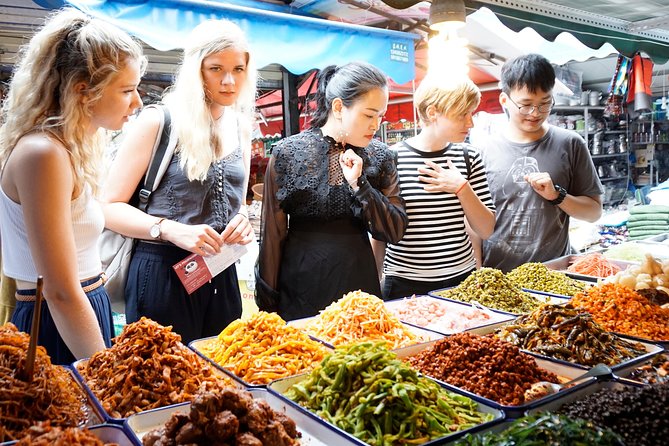
Expect a working market rather than a polished food hall. You may see vegetables, fruit, chilies, spices, snacks, and other ingredients used in home cooking. The point is not simply to take pictures. You are learning to recognize the building blocks of dishes you may have already eaten in Chengdu.
This is also where the class gains its local character. Guides have helped visitors try fruit, sweets, dumplings, and other small foods, and some have stopped at a baijiu shop for samples. Those extras are not the core promise of the class, so treat them as possible additions rather than guaranteed stops.
Wear comfortable walking shoes. The market portion involves moving between stalls, and the tour operates in all weather, so you should dress for the conditions.
Learning the spices before touching the wok
Sichuan cooking is famous for heat, but heat is only part of the picture. The class introduces you to the mix of chilies, Sichuan pepper, fermented ingredients, aromatics, vegetables, tofu, meat, and sauces that create the cuisine’s particular taste.
The market walk gives you a useful lesson in contrast. Some ingredients bring heat. Others add fragrance, salt, sourness, sweetness, or the numbing sensation associated with Sichuan pepper. That distinction is valuable when you try to repeat a dish at home. A recipe is easier to understand when you know what each ingredient contributes.
The guides also add cultural context. Lance has answered questions about food and local life while translating in the kitchen. Jerry has helped explain the significance of the area and the ingredients on display. This is a good fit if you want food stories tied to ordinary Chengdu life, not just a list of restaurant recommendations.
Do not expect a specialist lecture on every spice. The class is active and social, and time is shared between shopping, preparation, cooking, and eating. You will learn the useful basics, then put them to work.
Tea, refreshments, and the move to Chilli Cool’s kitchen
After the market, the group goes to Chilli Cool’s kitchen. The setting has been described as clean, comfortable, homelike, and well equipped. You may have tea and light refreshments before cooking begins, which gives the group a chance to settle in.
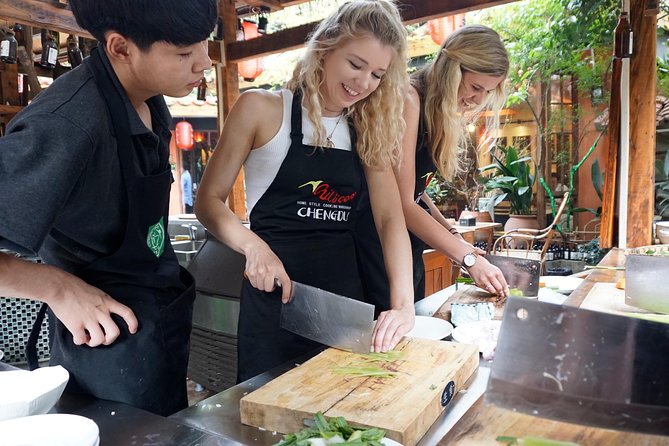
The kitchen is not only a demonstration room. You take part. Depending on the session and menu, you may chop vegetables, fold dumplings or wontons, prepare tofu, season meat, and work with the wok. The chef demonstrates the technique, then you follow along with help from the guide.
Translation is an important part of the experience. Some classes have included Lance translating the chef’s instructions as the group cooks. This lets you ask questions in English and hear why a step matters rather than simply copy a motion.
The class is not designed to turn you into a Chinese chef in one afternoon. It does give you practical habits you can use at home: prepare everything before heating the wok, control the order of ingredients, watch the oil, and cook quickly once the pan is hot.
Same region, a different dish to learn:
- Flavors of Beijing: Eat Like A Real Chinese
★ 5.0 · 78 reviews - Shanghai-Cooking Dumpling & Meal in Local Family-w/Vegan
★ 4.9 · 36 reviews - Private Cooking Class: Make Your Own Dim Sum In Shanghai
★ 5.0 · 27 reviews - Half-Day Sichuan Cooking Class Experience in Chengdu
★ 4.0 · 17 reviews
What you might cook during the four hours
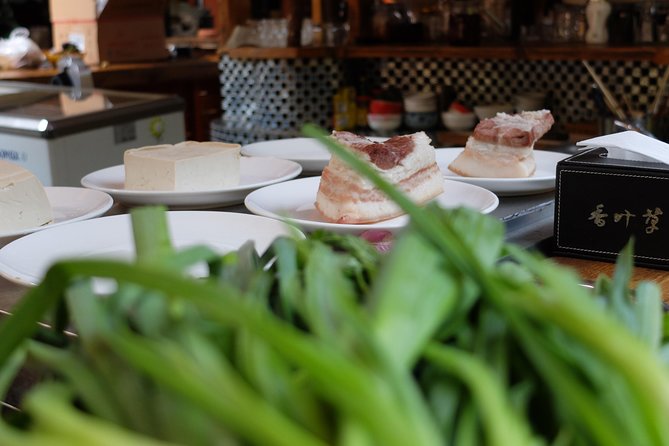
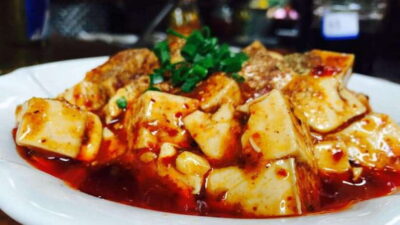
The exact menu can vary, but the cooking has included three main dishes and, in some sessions, dumplings or wontons. Reported examples include mapo tofu, kung pao chicken, twice-cooked pork, stir-fried cabbage, cucumber salad, and dumplings.
Mapo tofu is a useful choice for a lesson because the finished dish depends on balance. The tofu must keep its shape, while the sauce needs enough chili, spice, and savory depth. If this is a favorite restaurant dish of yours, making it yourself gives you a much clearer sense of its structure.
Kung pao chicken shows another side of Sichuan food. It is not only about chili. Timing, texture, and the balance of sauce and aromatics matter. Twice-cooked pork offers a different lesson, with a richer preparation and a strong link to traditional home-style cooking.
Dumplings and wontons add a playful hands-on task. Folding is harder than it looks, and beginners should expect a few rough shapes. That is part of the fun, not a failure. The class gives you a chance to try a food you might otherwise only order.
Vegetarians should contact Chilli Cool China when booking. The class can provide vegetarian options, and several sessions have adapted dishes successfully. Do not wait until you arrive, since the ingredients and menu need to be planned in advance.
Sitting down to eat what you made
The final meal is one of the strongest parts of the experience. You do not cook a dish and then hurry off to the next attraction. You sit down and eat the food with the group, usually with drinks or beer included.
This is where the class feels rewarding. A restaurant can give you a perfect plate, but your own version carries the memory of the market, the chopping, the heat of the wok, and the mistakes along the way. You can also compare your result with the chef’s version and ask what you would change next time.
Food is included, so you should not need to plan a separate lunch or dinner around the class. The tour schedule determines which meal you receive. Recipes are also provided, giving you a practical way to continue the experience at home.
The social side matters, too. A maximum of 15 people means the class can still feel like a group activity, though a full session will not offer the same individual attention as a private class. Solo visitors are welcome, and private bookings may suit families or small groups that want more control over the pace.
Guides, chefs, and the tone of the class
The guides are a major part of the experience. Lance is often involved in translation and market explanations, and Jerry has led friendly, detailed walks and helped with practical needs. The chef may be introduced as Chef Lee or another member of the kitchen team, depending on the session.
The teaching style is hands-on rather than formal. You can ask questions about ingredients, cooking methods, local customs, and Chinese phrases. Some guides have also helped visitors buy spices as souvenirs or find other local products after class.
That personal help is useful, but it can also make the experience less predictable. The exact guide, chef, dishes, and side stops may vary. If you need a fixed menu or a very quiet, private lesson, confirm those details before paying.
The atmosphere is friendly and relaxed. You do not need professional cooking ability. Families can bring children from age five, but younger children may enjoy the market and dumpling work more than the hot-wok portion. Adults who want to learn several dishes in depth may prefer a private option.
Practical details that affect your choice
The class lasts about four hours. That is a good half-day use of your schedule, especially if you want to leave room for pandas, temples, or a Chengdu teahouse later. It is long enough to avoid a rushed demonstration but short enough to fit into a busy visit.
The maximum group size is 15. Group discounts are available, and the experience can be booked as a small-group or private activity. A mobile ticket makes the booking simple, and confirmation is provided at the time of booking.
You need to provide each participant’s passport name, number, expiry date, and country at booking. That is an easy detail to miss, so have the information ready.
Free cancellation is available up to 24 hours before the start time. Cancellations or changes made less than 24 hours ahead are not accepted, and the local time in Chengdu controls the deadline.
The tour runs in all weather. Comfortable shoes are the main clothing advice, but a rain layer or sun protection may be sensible depending on the forecast.
Who should book this Chengdu food experience?
I would choose this class if you want to understand Sichuan food rather than simply order it. It suits food-focused visitors, first-time cooks, solo visitors, couples, families with older children, and anyone who enjoys meeting local people through a shared meal.
It is especially useful early in your Chengdu stay. After learning about chilies, pepper, tofu, and sauces, you may recognize more on restaurant menus and feel less cautious about ordering unfamiliar dishes.
I would hesitate if you dislike spicy food, crowded markets, group activities, or hands-on cooking. You can ask for adjustments, but the heart of the experience is Sichuan cuisine, a local market, and active participation. It is not a sightseeing tour with a cooking demonstration added on.
Should you book the Liangjiaxiang market and cooking class?
Yes, if you want a practical half-day built around local food. The strongest reason to book is the connection between market and kitchen. You see the ingredients, hear how they are used, cook several dishes, and then eat your own work.
At $90, the value comes from the complete package rather than the meal alone. You receive translation, instruction, ingredients, food, beverages, recipes, and a guided look at a market that would be harder to understand on your own.
Book it with an open schedule and a willingness to try. If that sounds like your kind of Chengdu afternoon, Chilli Cool China offers a useful, tasty introduction to Sichuan cooking.
FAQ
How long does the Chengdu cooking class last?
The experience lasts approximately four hours, including the market visit, refreshments, cooking lesson, and meal.
Where does the tour start and finish?
It starts at 163-11 Yi Huan Lu Bei San Duan in Jinniu District, Chengdu, and ends back at the same meeting point.
What is included in the price?
The tour includes an English-speaking guide, market tour, food ingredients, beverages or beer, light refreshments, food tasting, lunch or dinner depending on the schedule, and recipes.
Is a vegetarian option available?
Yes. Vegetarian cooking is available, but you must advise Chilli Cool China when booking.
How many people can join the class?
The activity has a maximum of 15 participants. Small-group and private options are available, and group discounts may apply.
Can I cancel the booking?
You can cancel for a full refund up to 24 hours before the experience starts. Cancellations or changes made less than 24 hours before the start time are not accepted.
More Half-Day Outings in China
- Half-day Dandan Noodles Cooking Class with a Local Market Visit
★ 5.0 · 8 reviews - Half-day Chengdu Handmade Tofu Making and Mapo Tofu Cooking Class
★ 5.0 · 3 reviews - Half-Day Private Hot-Pot Cooking Class with a Local Market Visit
★ 5.0 · 3 reviews - Half-Day Thai Cooking Class at Organic Farm in Chiang Mai
★ 5.0 · 19,087 reviews
Newest classes around China
- Private Panda Tour with Cooking Class One-day Trip★ 5.0 · 11 reviews
- Half-day Chengdu Handmade Tofu Making and Mapo Tofu Cooking Class★ 5.0 · 3 reviews
- Half-day Dandan Noodles Cooking Class with a Local Market Visit★ 5.0 · 8 reviews
- Half-Day Private Hot-Pot Cooking Class with a Local Market Visit★ 5.0 · 3 reviews
- Half-Day Sichuan Cooking Class Experience in Chengdu★ 4.0 · 17 reviews
- Half day Chengdu Dumpling Class: Make from Scratch★ 5.0 · 8 reviews
- Chengdu Dujiangyan Leshan Buddha Tea Plantation and Sichuan Cooking 3 Days★ 5.0 · 2 reviews
- Beijing: Private Dumpling Cooking Class in Local Family★ 5.0 · 3 reviews
Chengdu Cooking Classes, compared.
Cooking Class with Fresh Market Half Day Experience
Read our review →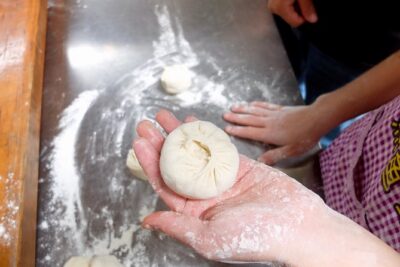
Half-Day steamed Buns Cooking Class with a Local Market Visit
Read our review →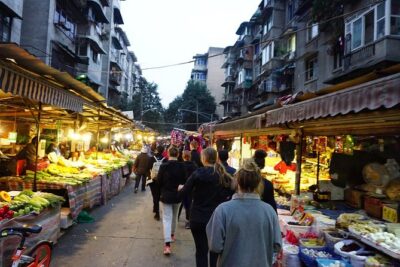
Half-Day Professional Mapo Tofu Cooking with a Local Market Visit
Read our review →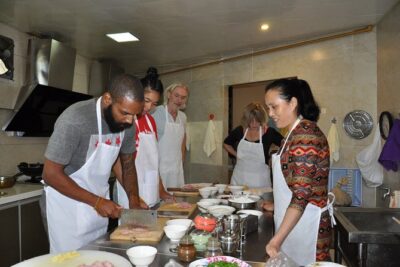
Half-Day Sichuan Cooking Class Experience in Chengdu
Read our review →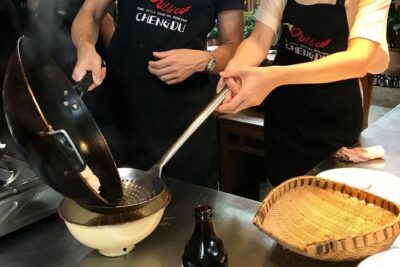
Private Panda Tour with Cooking Class One-day Trip
Read our review →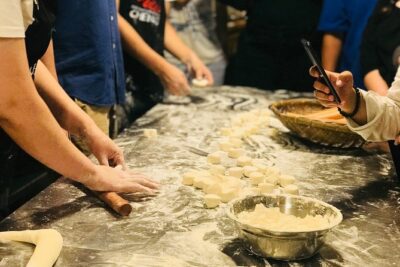
Half day Chengdu Dumpling Class: Make from Scratch
Read our review →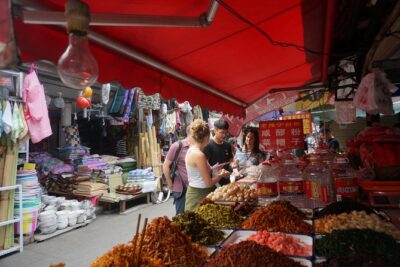
Half-day Dandan Noodles Cooking Class with a Local Market Visit
Read our review →
Half-Day Private Hot-Pot Cooking Class with a Local Market Visit
Read our review →Browse the lists this tour appears in