
Review · ATHENS COOKING CLASSES
Greek Meze Cooking class and dinner with an Acropolis view
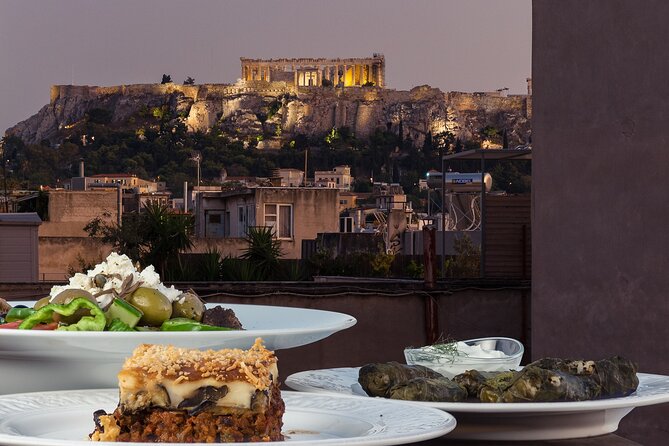
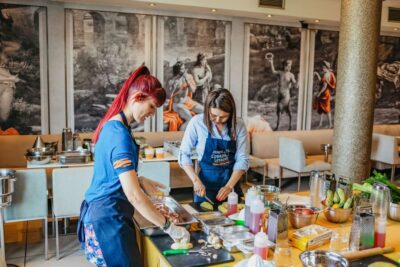
The best part of this Athens experience is simple: you do not just eat Greek food, you learn how to make a full meze spread and then sit down to enjoy it with wine and an Acropolis view. In about three hours, you work through at least seven dishes, from tzatziki and cheese pies to dolmades, soutzoukakia, and baklava rolls.
I like the hands-on format, especially the promise that everyone makes important parts of the meal, including dough for pies from scratch. I also like the useful take-home value: you receive recipes and cooking tips that can shape the rest of your stay and help you recreate Greek food at home.
The main consideration is the amount of food and activity packed into a short class. You will cook a lot, eat a lot, and spend time around other people, so this is better for social cooks than for anyone seeking a quiet, leisurely dinner.
Key points to know before booking

- Seven or more Greek dishes: You may prepare tzatziki, cheese pies, dolmades, stuffed peppers, baklava rolls, soutzoukakia, and eggplant with tomato and cheese.
- Real participation: Important techniques are shared among the group, including making phyllo dough from scratch.
- Dinner with wine: You eat the food you prepared together after the cooking is finished.
- Dietary flexibility: Vegetarian and vegan versions are available when requested in advance.
- Small-group setting: The class accepts up to 15 people, with a minimum of four needed to operate.
- Central Athens meeting point: You meet at CookinAthens, Evripidou 90, at 3:00 p.m., and finish there.
Why this Greek meze class works so well
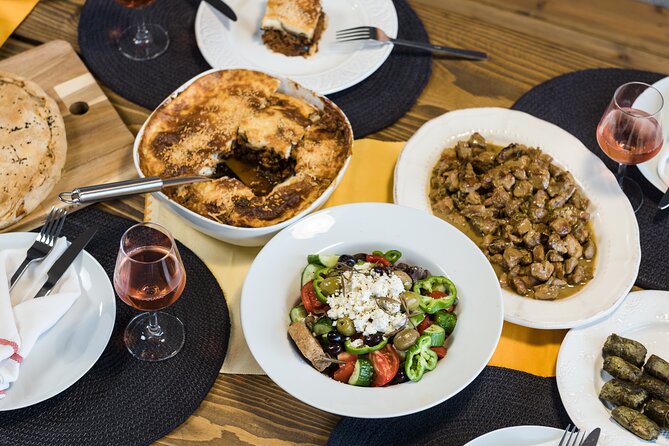
Greek meze is not one grand dish placed in front of you. It is a table of small plates, hot and cold, meant to accompany drinks and keep conversation going. That makes this class a good match for the way many Greeks eat socially: a little dip, a stuffed vegetable, a pastry, a meat dish, and something sweet, all shared over time.
I like that the class teaches this style of eating rather than focusing on one famous recipe. You get a broader picture of Greek home cooking. Tzatziki shows the cool, garlicky side of the meal. Dolmades bring rice, herbs, and vine leaves. Soutzoukakia add spiced beef and pita. Baklava closes the meal with phyllo, almonds, and warm spices.
The menu also gives you useful range. Some dishes are simple enough for a home kitchen, while others teach a technique you may not have tried before. Handmade phyllo is the clearest example. You are not simply watching an instructor stretch or fold pastry. Key parts of the dough-making process are carried out by the class so you leave with a better chance of repeating it.
More Greek Classes in Athens:
- Greek Cooking Class in Athens Including Rooftop Dinner with Acropolis View
★ 5.0 · 826 reviews - Greek Small-Group Athens Cooking Class & Dinner
★ 5.0 · 574 reviews - Athens: Greek Cooking Class & Dinner on a Rooftop
★ 5.0 · 383 reviews
Arriving at CookinAthens on Evripidou Street
The meeting point is CookinAthens, Evripidou 90, Athens 105 53. The activity starts at 3:00 p.m. and ends back at the same place, which keeps the logistics tidy. You do not need to arrange a second meeting point for dinner or find your way across town after the meal.
The class is offered in English and uses a mobile ticket. It is also near public transportation, a useful detail in Athens, where a short taxi ride or transit connection can save you from walking in the afternoon heat.
Plan to arrive with enough time to find Evripidou Street and settle in. The practical reason is that this is a timed cooking session, not a drop-in food market visit. If you arrive late, you may miss the opening conversation about the menu or an early preparation step.
The kitchen is described as clean and well equipped, with an event-style setup. That matters because a group cooking several dishes needs room to work, clear stations, and tools that can handle both pastry and prepared foods. The maximum group size is 15, so this is still a social class rather than a private lesson. For a more personal format, private classes can be arranged on request.
The opening conversation sets up the meal
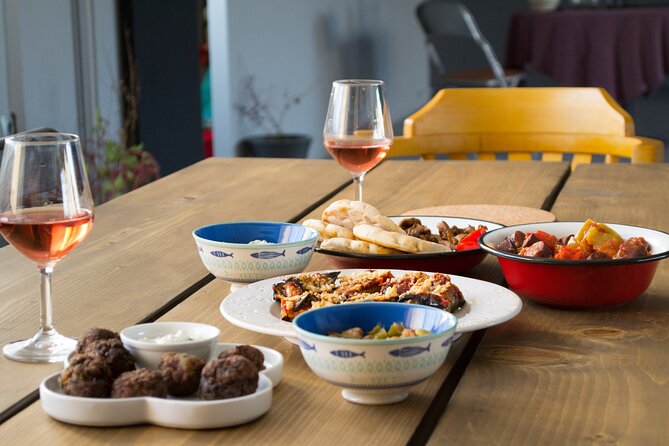
The session begins by getting the group acquainted and explaining the menu. This first stage is more important than it may sound. Meze cooking depends on timing, shared tasks, and a loose understanding of how the dishes fit together. You learn not just what goes into each recipe, but how a Greek spread is assembled.
Marilena and Katarina are among the hosts associated with the class. Their teaching style, as described in the experience details, is warm, patient, and practical. Marilena is also noted for offering local tips and recommendations, which can add value if you want food ideas for the rest of your Athens stay.
The class works well for mixed ability levels. You do not need to be a confident cook to participate, and you are not expected to arrive with advanced pastry skills. The instructors guide the process, while the class members take part in the important steps.
That balance is worth noting. Some cooking classes let you watch a professional do most of the work, then hand you a plate at the end. Here, the stated goal is different: by the finish, you should be able to recreate the full menu at home.
Making the seven-dish meze menu
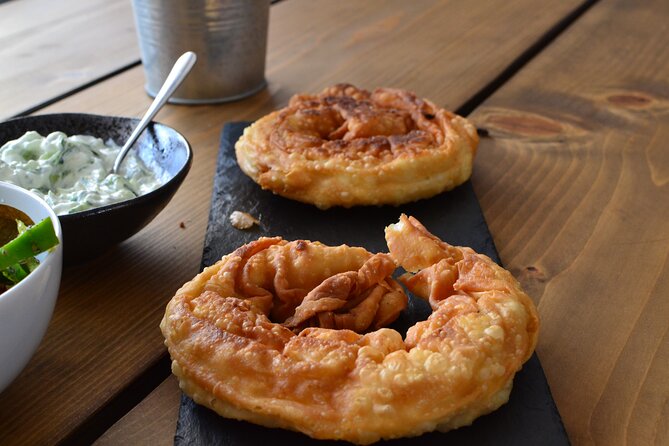
The sample menu includes seven dishes, though the exact number may reach eight depending on the session.
More Dinners Out in Athens:
- Athens: Greek Cuisine Cooking Class and 3-Course Dinner
★ 4.8 · 270 reviews - Traditional Greek cooking class and lunch or dinner with an Acropolis view
★ 5.0 · 250 reviews - Pasta Making & Wine Tasting with Dinner in Frascati from Rome
★ 5.0 · 1,326 reviews - Rome: Pasta Making with Wine Tasting and Dinner in Frascati
★ 4.9 · 979 reviews
Tzatziki and eggplant
Tzatziki is a cool yogurt dip made with garlic, cucumber, and dill. It is a practical first recipe because it gives you an immediate understanding of a basic Greek flavor combination. The dip also becomes part of the final table, ready to serve alongside other dishes.
The eggplant preparation uses tomato sauce and cheese. This adds a warm, soft dish with a different texture from the chilled tzatziki. For you, the value is in seeing how everyday vegetables become a substantial part of a Greek meal without complicated equipment or elaborate presentation.
Small cheese pies with handmade phyllo
The small cheese pies are one of the most distinctive parts of the class. The pastry uses handmade phyllo, and the class takes part in making the dough. This is likely to be the most technique-heavy section of the afternoon.
You may find this slower than assembling a ready-made pie, but that is also the point. Phyllo is central to many Greek pastries, and learning the basic process gives you a skill you can use for both savory pies and desserts. The cheese filling keeps the dish approachable, while the pastry provides the class with a useful challenge.
If you enjoy cooking with your hands, this is one of the strongest reasons to book. If you prefer a relaxed meal with little active work, it may feel like the class asks a lot from you.
Dolmades with rice and herbs
Dolmades use vine leaves wrapped around a rice and herb filling. They are a classic example of Greek food that looks more complicated than it is once the steps are explained.
The value here is repetition and assembly. You learn how to prepare a filling, place it in a leaf, and form a neat parcel. It is the sort of recipe that becomes easier after one guided attempt, and the finished dolmades bring a distinctly Greek look to the shared table.
Stuffed banana peppers
The stuffed peppers are banana peppers filled with cheese and baked in the oven. This dish adds color, sweetness, and a warm cheese element to the spread.
It also gives the meal a useful vegetable option beyond salad or dip. If you request a vegetarian class, this kind of dish can remain central rather than becoming a substitute added at the last minute. You should still disclose every allergy or dislike when booking so the menu can be planned properly.
Soutzoukakia with pita bread
Soutzoukakia are spiced beef served with pita bread. This is the main meat dish in the sample menu and gives the meal a stronger, savory center.
The seasoning is the important idea. Greek cooking is not only about olive oil, lemon, and herbs. Spiced meat dishes add another layer, and making soutzoukakia helps you understand how a few seasonings can change the character of ground beef.
The pita also makes the dish easy to share. You can pair it with the dips and vegetables already on the table, which is exactly how a meze meal builds variety from small portions.
Baklava rolls
Dessert comes in the form of baklava rolls made with phyllo, almonds, and spices. Since the class has already worked with phyllo for the cheese pies, the dessert lets you see the same basic ingredient used in a sweet preparation.
This is a smart way to finish the menu. You learn a technique once, then apply it in two different directions. The rolls also provide a satisfying final course after the savory dishes and give you another recipe to make for friends at home.
Sitting down to eat what you made
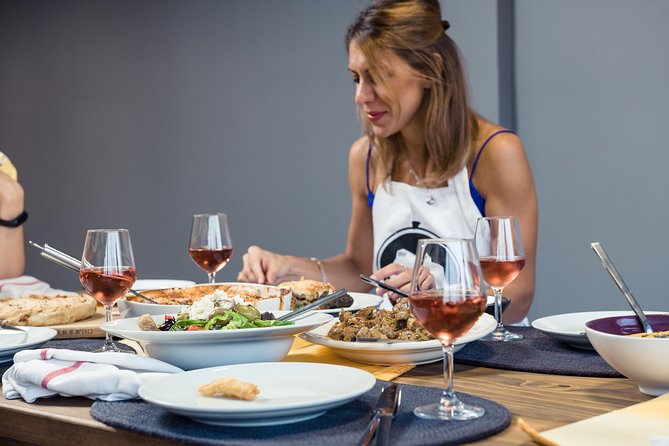
Once the cooking is complete, the class becomes dinner. You share the dishes, talk with the group, and drink Greek wine while taking in the Acropolis view. This is the part that turns a practical lesson into a social Athens evening.
The meal is substantial. You are not preparing seven tiny samples and then going elsewhere for dinner. The class description specifically warns you to bring your appetite, and the menu includes dips, pastries, vegetables, meat, and dessert.
I like this finish because it rewards the work without separating you from it. You understand what went into each plate, and you can compare the different dishes while they are fresh. It also gives you a chance to meet people from other parts of the world. One class even brought together people later traveling on the same cruise from Athens, an example of the easy connections that can happen around a shared table.
The Acropolis view adds atmosphere, but it should not be the only reason you book. The view is a bonus to a real cooking class and meal. If your main goal is a rooftop dinner with minimal effort, another venue may suit you better. If you want dinner plus a skill you can take home, this experience offers more.
Dietary needs and group fit
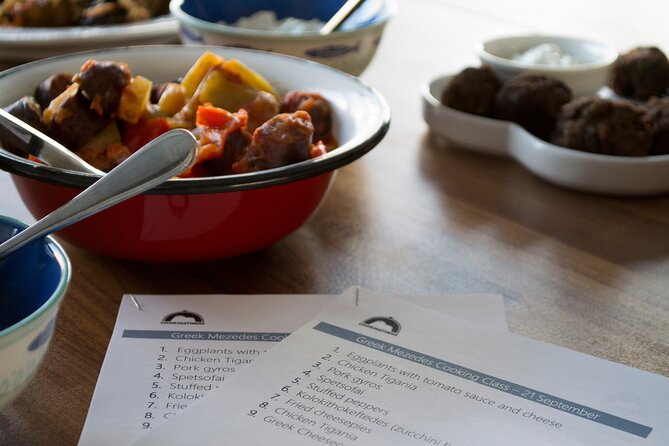
Vegetarian and vegan versions are available by request. You need to mention your diet, allergies, and dislikes when booking rather than waiting until you arrive. That gives the cooking team a chance to adjust the ingredients and plan the preparation.
The class can work well for families. An 18-year-old and a picky 12-year-old were both included in positive experiences, with the format allowing everyone to take part. Children and teenagers who like mixing, filling, shaping, or assembling may get more from this than from a standard restaurant meal.
It is also suitable for first-time cooks. The instructors are described as patient and encouraging, and the recipes are considered accessible enough to repeat at home. Still, the three-hour session involves several dishes and shared work, so very young children may find the pace or attention required difficult.
The group maximum is 15 people, with at least four required for the class to run. That means the mood may vary with the day. A group of six could receive more direct attention than a full class of 15, while a larger group may provide more conversation and new acquaintances.
What the $114.14 price includes in practical terms
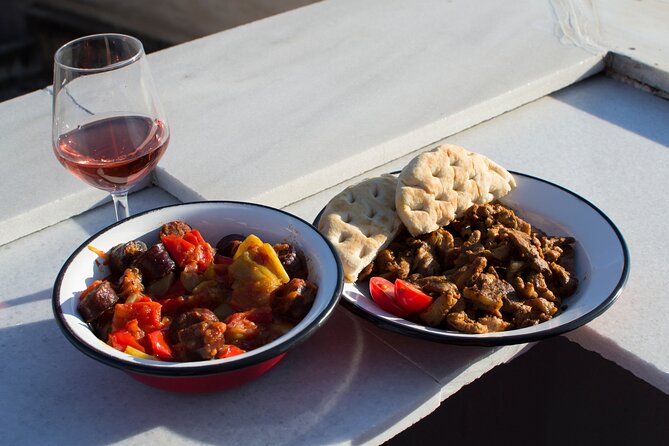
At $114.14 per person, this costs more than simply ordering a Greek dinner. The comparison is not quite fair, though, because you are paying for instruction, ingredients, a full meal, wine, the cooking space, and recipes to use later.
The price becomes more reasonable if you value the lesson itself. You prepare at least seven dishes, eat them afterward, and leave with methods that can be repeated at home. A restaurant gives you the finished food. This class gives you food plus a practical souvenir.
It is still worth asking yourself what kind of evening you want. If you are trying to keep costs low or have a long list of Athens sights to cover, a three-hour cooking class may not fit your schedule or budget. If you want one evening that combines dinner, local food culture, and a social activity, the cost is easier to justify.
The strong rating, 5 out of 5 from 41 ratings, and a 100 percent recommendation figure suggest a very consistent experience so far. I would still focus on the format rather than the numbers: book it because you want to cook with a group, not simply because it has a high score.
Timing, cancellation, and useful planning notes
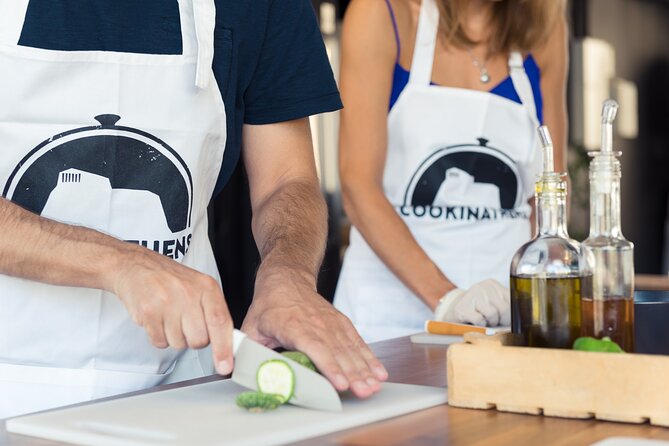
The listed start time is 3:00 p.m., with the class lasting about three hours. That makes it a good afternoon-to-evening plan. You can spend the earlier part of the day sightseeing, then finish with dinner without needing another restaurant reservation.
The experience offers free cancellation if you cancel at least 24 hours before the local start time. Changes or cancellations inside that 24-hour window are not refunded. The class also requires a minimum of four people, so an insufficient number can lead to a different date or a full refund.
It is booked an average of 72 days ahead, which tells me you should not leave it until the last minute if the date matters to you. This is especially true for cruise visitors or families working with a fixed Athens schedule.
Service animals are allowed, and the meeting point is near public transportation. The activity ends where it begins, which keeps the return trip simple.
Who should book this Athens cooking class?
Book this if you like learning by doing, want a full Greek meal, and enjoy meeting people over shared food. It is especially good for couples, families with older children, friends, and solo visitors who want an easy social setting.
It is also a strong choice if you have been eating Greek food but want to understand how dishes such as dolmades, baklava, and soutzoukakia are made. The recipes and techniques give the experience lasting value after you leave Athens.
Think twice if you dislike group activities, have a very limited food budget, or want a quiet dinner with no kitchen work. The class is active, social, and packed with dishes. You should arrive ready to participate, not just watch.
For most food-focused visitors, I would book it, particularly if you can make good use of the recipes at home. The Acropolis view makes the final meal memorable, but the real reason to go is the combination of hands-on cooking, generous food, helpful instruction, and a table shared with new people.
FAQ
Where does the Greek meze cooking class meet?
You meet at CookinAthens, Evripidou 90, Athina 105 53, Greece. The activity also ends back at the same meeting point.
What time does the class start?
The listed start time is 3:00 p.m., and the experience lasts about three hours.
How many dishes will I cook?
You will learn to prepare at least seven Greek meze dishes. The sample menu includes tzatziki, small cheese pies, dolmades, stuffed banana peppers, baklava rolls, soutzoukakia, and eggplant with tomato sauce and cheese.
Can the class accommodate vegetarians and vegans?
Yes. Vegetarian and vegan classes are available upon request. You should also provide details about allergies and food dislikes when booking.
How large is the group?
The activity accepts a maximum of 15 people. It requires a minimum of four participants to operate.
What is the cancellation policy?
You can cancel for a full refund up to 24 hours before the local start time. Cancellations or changes made less than 24 hours before the start are not refunded. If the minimum number of participants is not reached and the class is canceled, you will be offered another date or experience, or a full refund.
More Places to Eat in Athens
- Palermo: Pizza and Gelato Cooking Class with Dinner and Wine
★ 4.9 · 951 reviews - Seville: Spanish Cooking Class with Dinner
★ 4.9 · 900 reviews - Tuscan Cooking Class and Dinner in Florence
★ 4.5 · 732 reviews - Paella Cooking Class with Professional Chef: Four Course Dinner
★ 5.0 · 561 reviews
Newest classes around Athens
- Greek Cooking Class with Acropolis View★ 5.0 · 76 reviews
- Private Walking Meze Cooking Course★ 5.0 · 6 reviews
- Cook with Katerina: Authentic Greek Home Cooking Class in Athens★ 5.0 · 15 reviews
- Private Greek Cooking Class in Athens-Learn to Cook with Angelina★ 5.0 · 3 reviews
- Hands On Greek Cooking Classes in Athens★ 5.0 · 7 reviews
- Athens: Traditional Vegan Cooking Class incl. Drinks★ 5.0 · 41 reviews
- Cooking Class in Athens: Learn the Art of Phyllo with Christina★ 5.0 · 24 reviews
- “Fetaverse” Private Cooking Class in Koukaki Athens★ 5.0 · 3 reviews
Athens Cooking Classes, compared.
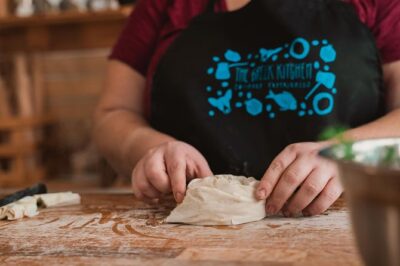
Classic Cooking Class with Market Visit and Wine
Read our review →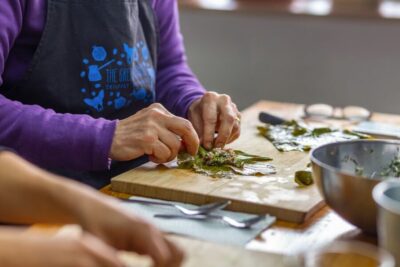
Food Market Visit and Cooking Class with Wine
Read our review →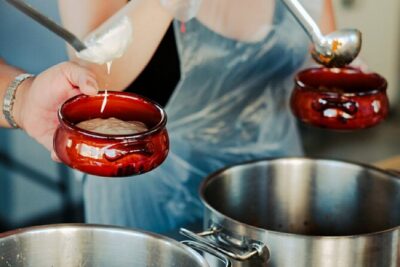
Greek Cooking Class in Athens Including Rooftop Dinner with Acropolis View
Read our review →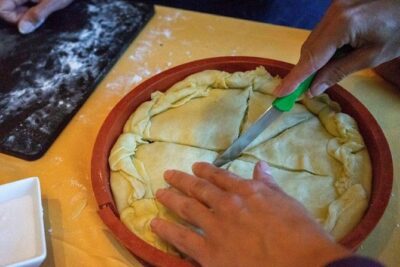
Greek Small-Group Athens Cooking Class & Dinner
Read our review →
Greek Cuisine Cooking Class and 3-Course Dinner
Read our review →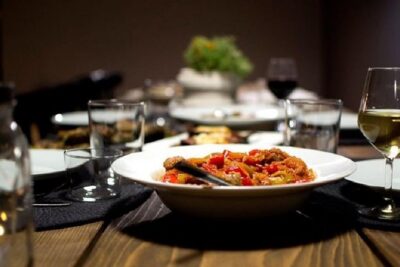
Traditional Greek cooking class and lunch or dinner with an Acropolis view
Read our review →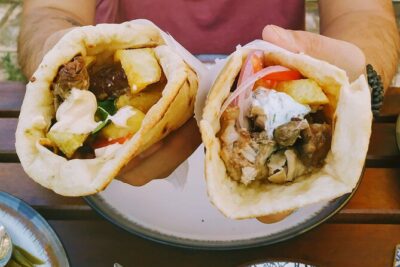
Athens Greek Cooking Class Pita Gyros from Scratch with a Local
Read our review →Browse the lists this tour appears in