
Review · SAN SEBASTIAN COOKING CLASSES
San Sebastian: Authentic Basque Cooking Class
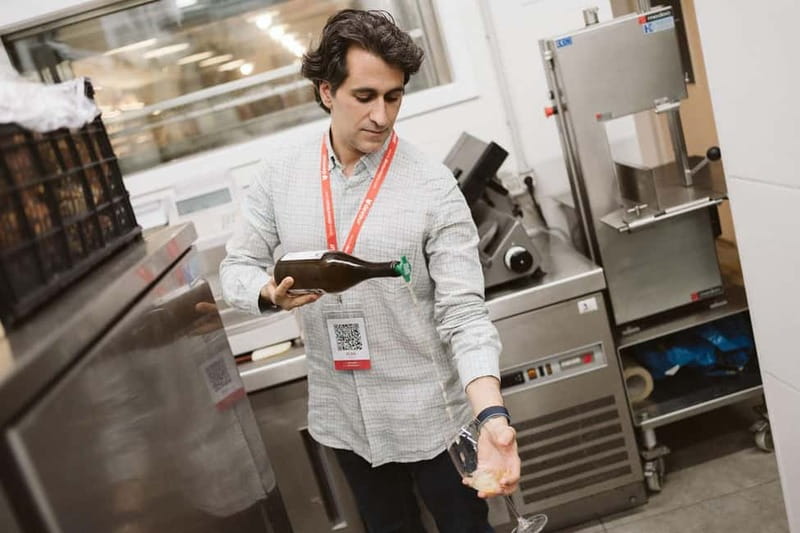
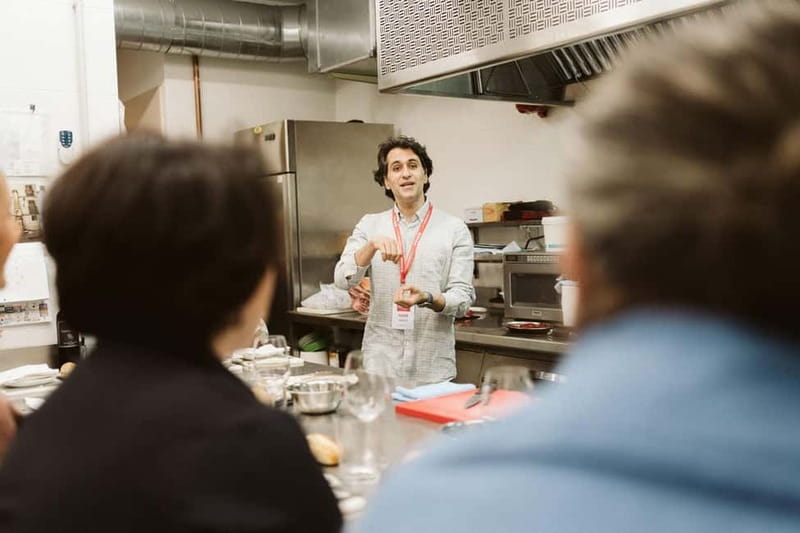
The best part of this San Sebastián experience is that you cook inside a working restaurant kitchen, not a polished demonstration studio. A chef shows you the moves behind five Basque staples, while a local guide adds the food stories and practical tips that turn a meal into something you can recreate at home.
I like the small group of 10 or fewer, which gives you room to handle ingredients without fighting for a place at the counter. I also like that this is a full meal, paired with Basque cider, wine, and ice apple cider, with recipes and an apron to take home. The main drawback is that the class is more guided than fully independent, so serious cooks looking for several hours of hands-on preparation may find it a little light.
Key points to know before booking
- Five Basque dishes in one sitting: Prepare a Gilda pintxo, potato omelet, cod in pil pil sauce, piquillo peppers, and burnt cheesecake.
- A real restaurant kitchen: A family-run Old Town restaurant opens its professional kitchen for the group.
- Two hosts: A chef leads the cooking, while an English-speaking guide explains the food, customs, and local background.
- A generous finish: You eat everything prepared, with cider, white and red wine, and ice apple cider.
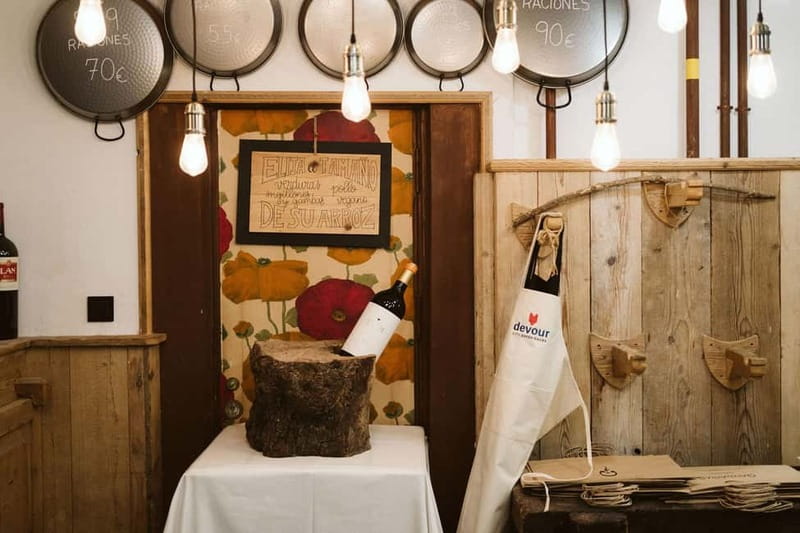
- Useful take-home extras: You receive the recipes and your apron, so the class continues in your own kitchen.
- Standing and walking required: The meeting point is in a pedestrian part of the Old Town, and the entire class takes place on your feet.
Starting in De Biteri Plaza
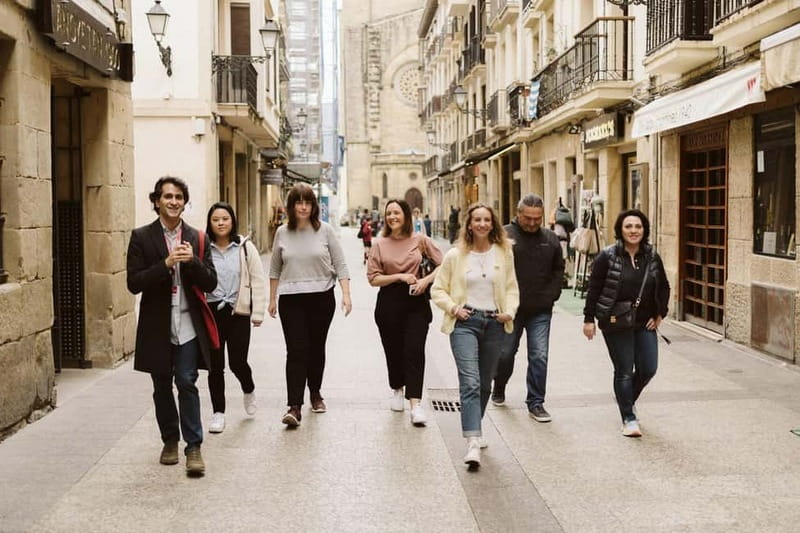
Your meeting point is De Biteri Plaza, 1, in front of San Ignatius church. Arrive 15 minutes early and look for a guide carrying a red bag or a Devour Tours sign.
This is a pedestrian part of San Sebastián’s Old Town, so plan to walk to the meeting point rather than expect a vehicle to pull up outside. The cooking venue is nearby in the same central area, but you should still wear comfortable shoes. The class lasts two and a half hours, and the cooking itself is done standing.
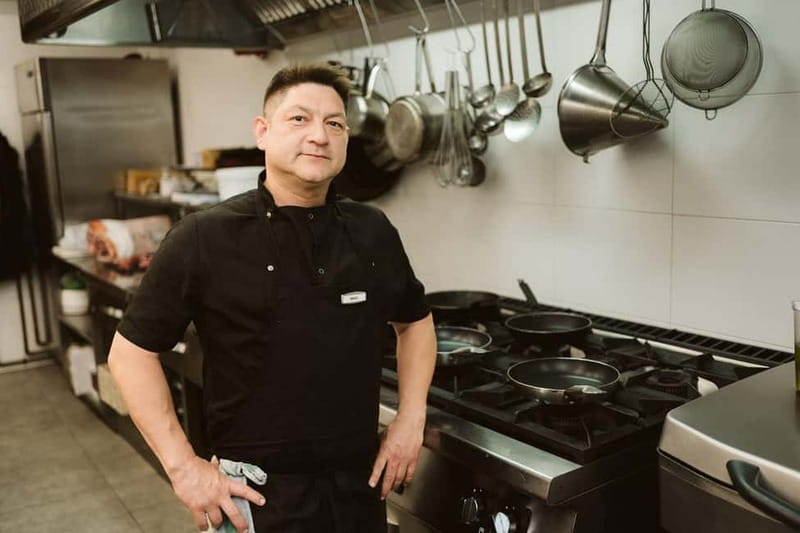
The opening walk is short, but it helps set the tone. You are not being sent straight into a generic kitchen classroom. You meet your guide in the Old Town, then enter a historic family-run restaurant whose kitchen has been reserved for your group. That restaurant setting gives the food a practical context: these are dishes connected to the way people eat in the Basque Country, not simply recipes chosen for a tourist lesson.
The English-speaking guide handles more than directions. Guides such as Carlos, Silvia, Mila, Hector, and others have led sessions, and the strongest part of this format is the partnership between the guide and chef. The chef explains technique, while the guide fills in the local meaning of the food and keeps the group moving.
More Cooking Classes in Spain:
- Barcelona: Paella Cooking Experience & Boqueria Market Tour
★ 4.8 · 3,661 reviews - Barcelona Paella Cooking Class with Market Visit, Tapas & Sangria
★ 5.0 · 2,531 reviews - Barcelona Interactive Spanish Cooking Experience
★ 4.5 · 2,155 reviews
Inside the family-run restaurant kitchen
Once inside, you meet the professional chef and settle into the work area. The small group limit matters here. With 10 people or fewer, you can take part at your own pace, ask questions, and watch the chef’s hands without standing far back.
The class is designed for mixed ability. You do not need advanced kitchen skills, and the instruction is broken into clear steps. At the same time, experienced cooks can pick up useful details, especially around timing, texture, and the small gestures that make familiar dishes work.
The hands-on level is worth understanding before you pay. You will prepare food and take part in the process, but this is not an independent cooking course where each person makes every dish from start to finish. The chef directs much of the work, and some stages are best understood as demonstration. One person may handle a particular task while the rest of the group watches or helps with another.
That arrangement keeps the evening relaxed and makes the class suitable for beginners. It also explains the one recurring reservation about value: if your main goal is constant knife work and individual cooking time, you may feel you are watching more than you expected. If your goal is to learn, eat well, and avoid kitchen stress, the format works better.
The Gilda, a small opening with a big local identity
The first dish is a Gilda pintxo, one of the simplest ways to meet Basque bar food. It combines the sharp, salty character of preserved ingredients in a small bite, and the preparation shows how Basque cooking often relies on a few strong flavors rather than a long ingredient list.
This is a good opening lesson because you learn that pintxos are not merely snacks to photograph in a bar. They are carefully balanced bites, often built around texture, acidity, salt, and heat. Your guide also has a chance to explain how small dishes fit into San Sebastián’s food culture before the class moves into larger recipes.
The Gilda does not take long to prepare, but it gives you an early success. Even a beginner can follow the assembly, and you get to eat the result before moving on.
Turning the potato omelet
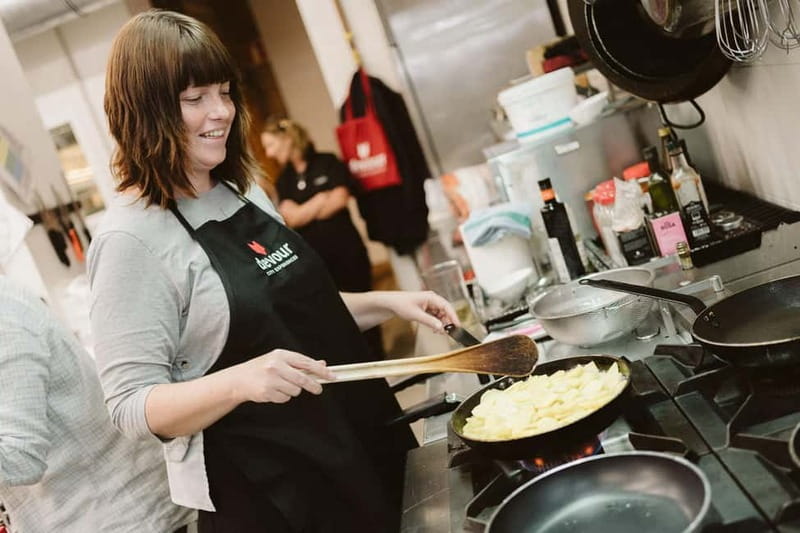
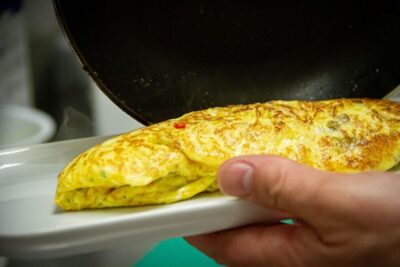
The potato omelet, or tortilla de patatas, is one of the class’s most useful lessons. The ingredients are familiar, but the technique is not always easy to repeat at home. You learn how to manage the mixture and, most importantly, how to turn the omelet without a specialist tool.
A practical tip shared in the class is that a regular plate can replace a traditional tortilla-flipping dish if you use a quick, confident wrist movement. That is exactly the kind of advice that makes a cooking class worthwhile. It solves a real problem with equipment already in your kitchen.
This part also shows the benefit of a chef working in front of you. Written recipes tell you quantities and cooking times, but they do not always show the look of the mixture or the firmness needed before the flip. Watching the chef handle the pan gives you a better sense of the process.
The tortilla has been a favorite for many people because it feels both traditional and achievable. You are learning a dish you can make for breakfast, lunch, or a casual dinner, not a complicated showpiece that will sit untouched in your recipe folder.
Same region, a different dish to learn:
- Spanish Cooking Class Paella Tapas and Sangria in Madrid
★ 5.0 · 1,340 reviews - Paella Cooking Class, Wine Tasting & Central Market in Valencia
★ 5.0 · 1,150 reviews - Paella Cooking Class in Madrid with Bottomless Wine Pairing
★ 5.0 · 985 reviews - Seville: Spanish Cooking Class with Dinner
★ 4.9 · 900 reviews
Cod with pil pil sauce
The cod in pil pil sauce brings a more technical Basque preparation to the table. The sauce depends on the relationship between the fish, oil, and cooking movement, so this is where the chef’s small corrections matter.
You will see how the sauce is brought together rather than simply poured from a separate container. The lesson is less about memorizing a long method and more about recognizing when the texture is right. That is useful knowledge for any cook who wants to make fish without covering it in heavy seasoning.
The dish also fits the class’s wider purpose. Basque cooking is often built around excellent local products treated with care. Cod is the center of the plate, and the technique is there to support it. Your guide adds the cultural context, helping you understand why certain ingredients and preparations appear so often in the region.
This course is adaptable for pescatarians, and non-alcoholic pairings are available. If you are pregnant, the experience can also be adapted. You should state your needs when booking, since the standard menu includes fish and alcoholic drinks.
Piquillo peppers and the changing main course
Red piquillo peppers are another classic Basque ingredient, with a sweet, concentrated flavor that works well in a filled preparation. The published menu lists piquillo peppers, while past sessions have included beef-stuffed peppers. The exact treatment may vary, so do not assume every date will feature the same filling.
That variation is not necessarily a problem. It reflects the way a restaurant kitchen works and gives the chef some freedom to use the best available ingredients. It does mean you should treat the menu as a guide rather than a rigid promise if one particular version is the main reason you are booking.
The peppers are also where the class feels more like a proper meal than a series of small samples. By this stage, you have made several dishes, and the food begins to build into a full dinner. One session included a steak with sweet peppers, while the stated menu focuses on piquillo peppers, so the main savory course can differ.
If you do not eat meat, this is an important point to check. The experience can adapt for pescatarians, but it is not recommended for vegetarians, vegans, or people requiring kosher food.
Burnt cheesecake for the final course
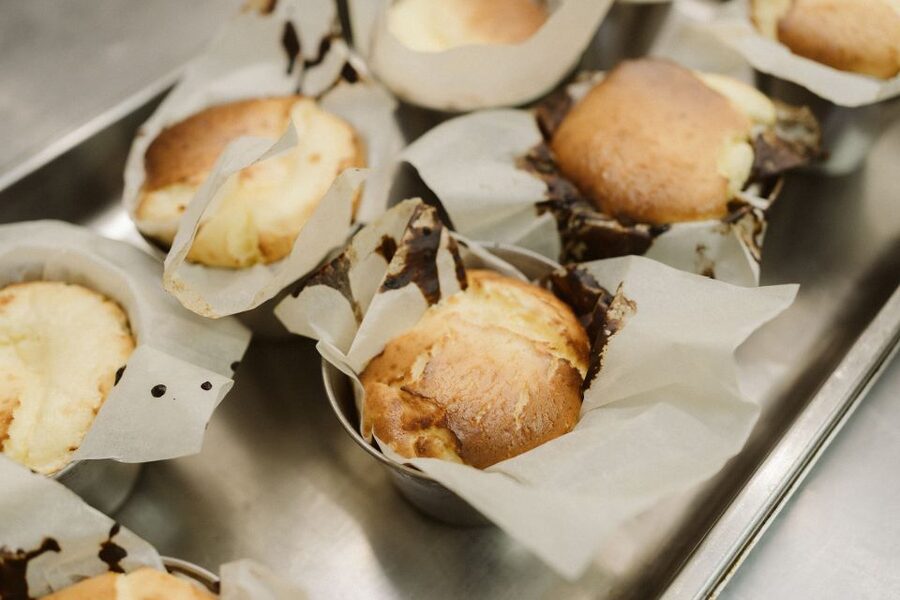
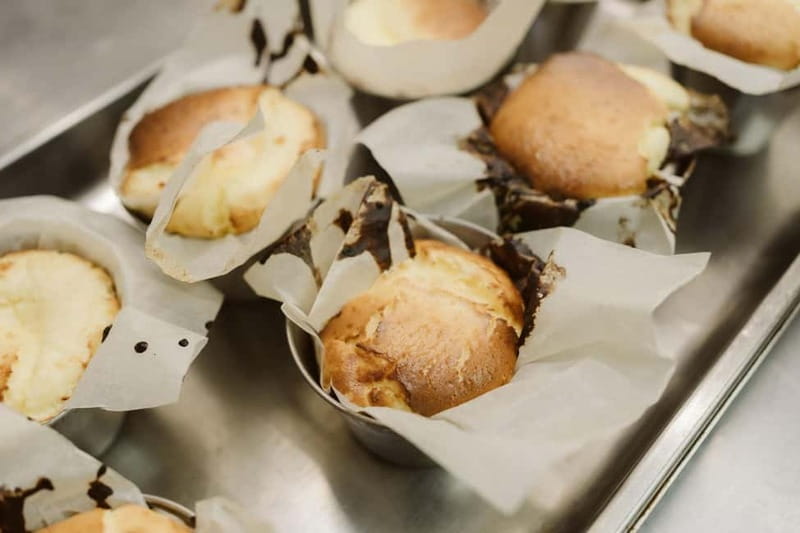
The burnt Basque cheesecake is the natural finale. Its dark top and soft center make it look more dramatic than the method suggests, but the chef breaks the process into steps that home cooks can understand.
This is not a delicate plated dessert that demands restaurant equipment. The appeal is its directness: a few ingredients, careful baking, and a finish that does not need elaborate decoration. You learn what the cheesecake should look like when it comes out, which is often more useful than a strict baking time.
The dessert also gives the class a strong ending because you finish with something you can make for friends at home. Several menu items are practical home recipes, but the cheesecake is the one most likely to become a repeat project after your trip.
Cider, wine, and ice apple cider
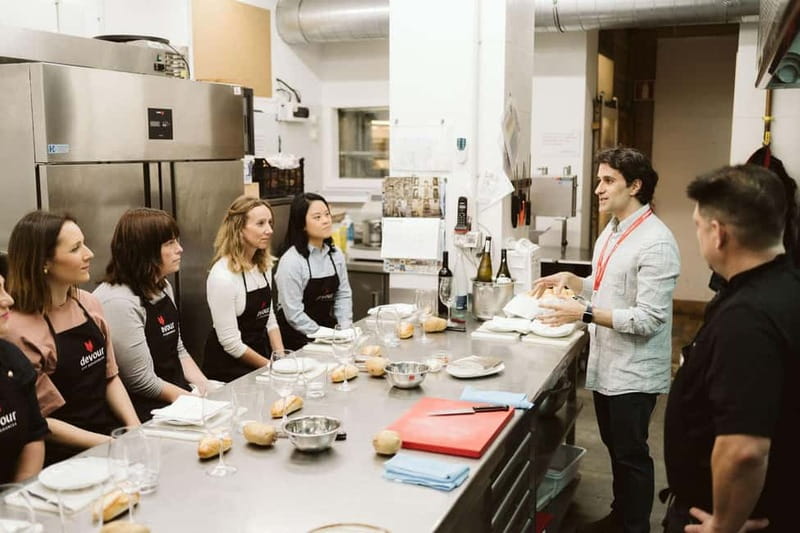
The drink pairings are part of the lesson rather than an afterthought. You may receive Basque cider, white wine, red wine, and ice apple cider, a fermented drink made from the natural juices of frozen apples.
You also learn how to pour Basque cider, which adds a small piece of local custom to the meal. The pouring technique is a fun break between cooking tasks, and it gives the group something easy to do together.
The pairings help you understand how the dishes are meant to be enjoyed. A sharp cider can cut through rich food, while wine gives the fish, peppers, and other courses a different balance. The ice apple cider adds a less familiar local drink to the experience.
Because the class includes a full meal, do not plan a large dinner afterward. The food may look modest as each dish is prepared, but the portions add up. The result is a substantial evening meal, not just a tasting.
What the $164 price includes
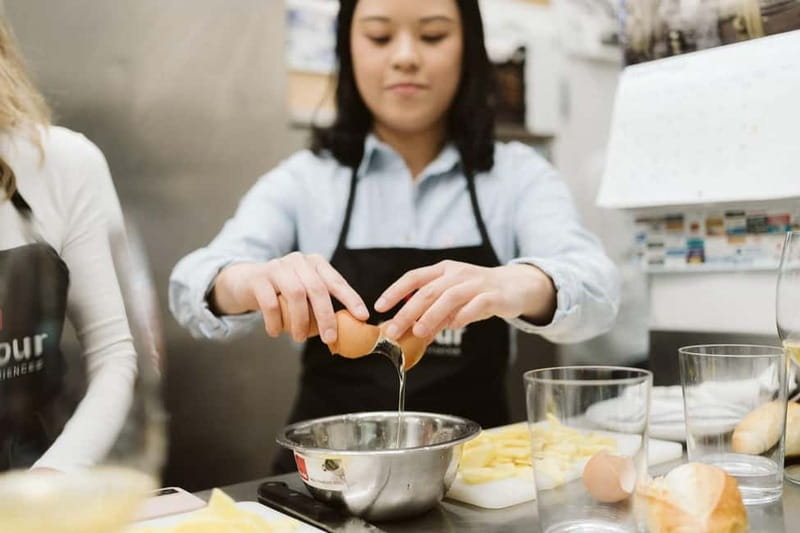
At $164 per person, this is not a budget activity. You are paying for a small group, a professional chef, a local guide, a full meal, several drink pairings, the private use of a restaurant kitchen, and the instruction itself.
The value depends on how you measure a cooking class. If you compare it with a quick market visit or a pintxo crawl, it costs more. Those activities may show you more of the city for less money. This class gives you something different: an evening of food, instruction, and recipes you can use after San Sebastián.
The small group size improves the value. A class of 10 or fewer is far more workable than a large demonstration, especially when the chef is showing a delicate technique such as pil pil sauce or the tortilla flip. You also get two hosts, so the guide can answer questions and explain the food while the chef concentrates on cooking.
The apron and recipes help justify the price, but the lasting value is the knowledge. If you make even two or three of the dishes at home, the class offers more than a meal that ends when you leave the restaurant.
The main caution is the amount of individual cooking time. One person who expected a fully hands-on course felt it was closer to a demonstration. I would book it for the combination of instruction and dinner, not if you need every participant to prepare every step personally.
Who will enjoy this class most
I would recommend it to food-focused visitors who want an activity with a social side. The group is small enough to talk with other people, and the hosts encourage everyone to take part. It is a good choice for couples, friends, and solo visitors who like meeting people around a shared table.
It also suits beginners. The chef explains each step clearly, and you can participate as much or as little as you wish. More experienced cooks should enjoy the practical tricks, especially the tortilla turn and the sauce techniques, but should keep expectations realistic about independent cooking time.
This is not a family activity for young children. It is also a poor match if you need to sit throughout the session. The entire experience takes place standing, and you need to walk at a moderate pace through the pedestrian Old Town.
Food restrictions require care. Pescatarians, people avoiding alcohol, pregnant participants, and people eating gluten-free but not requiring a strictly celiac-safe kitchen can be accommodated. The class is not recommended for vegetarians, vegans, or people following a kosher diet.
Practical details for a smoother evening
Bring comfortable shoes and water. Leave bulky belongings in the closed storage space available at the venue, but avoid bringing anything you need to keep beside you during the cooking.
The tour is conducted in English, with a live guide. No hotel pickup or drop-off is included, so you are responsible for reaching De Biteri Plaza. Since the meeting point and restaurant are in the Old Town pedestrian area, allow extra time if you are unfamiliar with the streets.
You can cancel up to 24 hours before the start for a full refund, and the reserve-now, pay-later option keeps your plans flexible. Check the available start times when booking, since the exact schedule can vary.
Should you book the Basque cooking class?
Book this if you want a full Basque meal with instruction, not just a restaurant reservation. The combination of a real kitchen, two hosts, local drinks, recipes, and an apron gives the evening more substance than a standard food tasting.
I would be especially keen to book early in a San Sebastián visit. The guide’s food and city context can help you understand later pintxo stops, and the recipes give you a way to carry the trip home.
Skip it if you want a highly technical course with uninterrupted individual work, or if you cannot stand for two and a half hours. For everyone else, the 4.9 rating from 102 bookings fits the experience’s strongest qualities: friendly hosts, clear instruction, generous food, and a relaxed setting where a group of strangers can cook and eat together.
FAQ
Where does the San Sebastian cooking class meet?
The class meets at De Biteri Plaza, 1, 20001 Donostia, Gipuzkoa, in front of San Ignatius church. Look for a guide carrying a red bag or a Devour Tours sign.
How early should I arrive?
Arrive 15 minutes before the scheduled start time.
How long does the cooking class last?
The experience lasts two and a half hours.
How many people are in the group?
The group is limited to 10 participants or fewer.
What dishes do you prepare?
The stated menu includes a Gilda pintxo, potato omelet, codfish in pil pil sauce, red piquillo peppers, and burnt Basque cheesecake.
Are drinks included?
Yes. The five dishes are paired with Basque cider, white and red wine, and ice apple cider. Non-alcoholic options are available.
Is the class suitable for dietary restrictions?
The class can adapt for pescatarians, gluten-free diets that are not celiac diets, non-alcoholic preferences, and pregnant participants. It is not recommended for vegetarians, vegans, or people following a kosher diet.
Is the experience suitable for wheelchair users, strollers, or children?
No. The tour is not suitable for guests with mobility impairments, wheelchairs, or strollers, and it is not suitable for children. The entire class takes place standing, and participants should be able to walk at a moderate pace.
Newest classes around Spain
- Pintxos and Tapas Cooking Class in Bilbao★ 5.0 · 38 reviews
- Basque Pintxos and Tapas Cooking Class in Bilbao★ 5.0 · 73 reviews
- Small-group Immersive Basque Cooking Class in Bilbao with Open Bar★ 5.0 · 65 reviews
- Paella and Burnt Basque Cheesecake Cooking Class (in Bilbao)★ 5.0 · 46 reviews
- Rooftop Paella Seafood Cooking Class Experience in Barcelona★ 5.0 · 59 reviews
- Private Authentic Paella Cooking Class in Barcelona with Josh★ 5.0 · 3 reviews
- Barcelona Tapas Cooking & Cocktail Class with Veronique & Mattias★ 5.0 · 3 reviews
- Barcelona Rooftop Paella Cooking Class with Sangria & Local Host★ 5.0 · 48 reviews
San Sebastian Cooking Classes, compared.
Basque Cooking Experience: Market Tour & Hands-On Class English
Read our review →
Authentic Basque Cooking Class in San Sebastian Old Town
Read our review →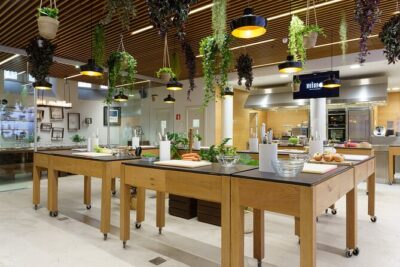
San Sebastián: Market Tour and Basque Cooking Class English
Read our review →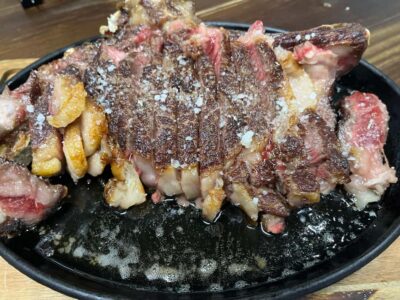
San Sebastián: Market Tour, Cooking Class, & Meal
Read our review →Browse the lists this tour appears in