
Review · SAN SEBASTIAN COOKING CLASSES
Basque cooking class in San Sebastian
San Sebastián’s best food lesson is not a lecture. It is a hot pan, a slippery cod sauce, a slab of txuleta, and a cheesecake that looks simple but takes care. This small-group cooking class puts you in a private Old Town kitchen for about two hours and 45 minutes, with a chef guiding you from chopping board to shared table.
I like two things right away: you actually cook the signature dishes, rather than simply watch a demonstration, and the meal comes with local wine, txakoli, or cider. The small group also gives you useful help with knife work, timing, and sauces. The main consideration is the price, $153 per person, which is a serious spend for a 2.5-hour activity, especially if you prefer simply eating your way through San Sebastián.
Key points at a glance
- Cook four Basque favorites: Prepare Spanish omelette, cod al pil pil, txuleta, and Basque cheesecake.
- Work in the Old Town: Meet at San Sebastián’s tourism office and walk to a private kitchen.
- Expect personal instruction: The group is limited to a small number, with the supplied information listing up to 8 in one place and up to 10 in another.
- Finish with a full tasting: Eat what you prepare with wine, txakoli, or cider.
- English support is included: An English-speaking instructor leads the class, with translation available if needed.
- Learn from local cooks: Chefs named in the experience include Angel, Juan, Natalia, Imanol, and Simone.
From the Boulevard to a private Old Town kitchen
You meet your guide outside the San Sebastián tourism main office at Alameda del Boulevard, 8. This is a practical central meeting point in Donostia, and you should wait outside the office rather than go inside looking for the group.
From there, your guide takes you through the Old Town to one of the company’s private kitchens. The walk is part of the setup, not a separate sightseeing tour, but it gives the class a useful sense of place. You are moving from the city’s public food scene into the working space where your meal will be prepared.
The guide can also serve as a translator. English is the listed language, and the class is designed to work for English speakers. Some chefs speak enough English to teach directly, while the guide can help with finer points or any language gaps. In one particularly small session, the guide also offered nearby attraction tips, which can be useful if this is your first afternoon in San Sebastián.
The kitchen is described as private and tucked into the Old Town. That means you should expect a hands-on workshop rather than a restaurant meal with a chef occasionally stopping by your table. You will be involved from the start.
More Cooking Classes in Spain:
- Barcelona: Paella Cooking Experience & Boqueria Market Tour
★ 4.8 · 3,661 reviews - Barcelona Paella Cooking Class with Market Visit, Tapas & Sangria
★ 5.0 · 2,531 reviews - Barcelona Interactive Spanish Cooking Experience
★ 4.5 · 2,155 reviews
The class begins with Basque cooking basics
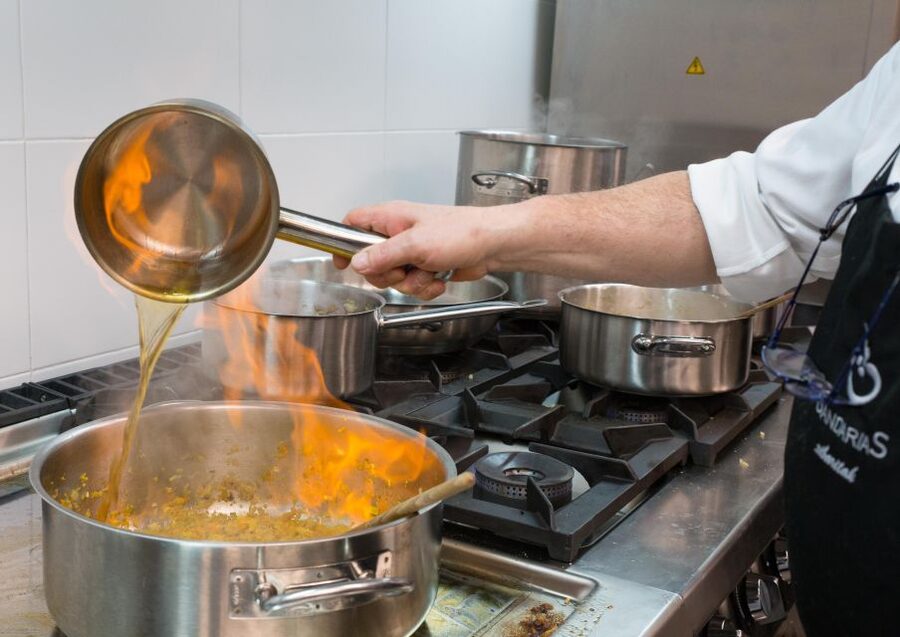
The cooking lesson focuses on the methods behind the dishes. You will get guidance on knife skills, heat, timing, sauces, and choosing good local ingredients. These are the details that make the class useful after your holiday, since a recipe alone will not tell you when a sauce has reached the right texture or how gently to handle a delicate fish.
The format balances watching and doing. You may see the chef demonstrate a step, then take over part of the preparation yourself. That arrangement works well for beginners because you are not left alone with a pan, but you still get the satisfaction of making the food.
Expect a relaxed lesson rather than a formal culinary-school session. The chefs named for this experience include Angel, Juan, Natalia, Imanol, and Simone. The particular chef on your date may differ, but the pattern is clear: the cooking team takes an active role, explains the dishes, and adjusts help to the group.
A small class matters here. With up to 8 people in the main description and up to 10 in the general activity details, this is not a large demonstration where you watch from the back. The exact number can vary. One session had only two participants, which allowed unusually close attention, but you should book for the advertised small-group format rather than count on a private class.
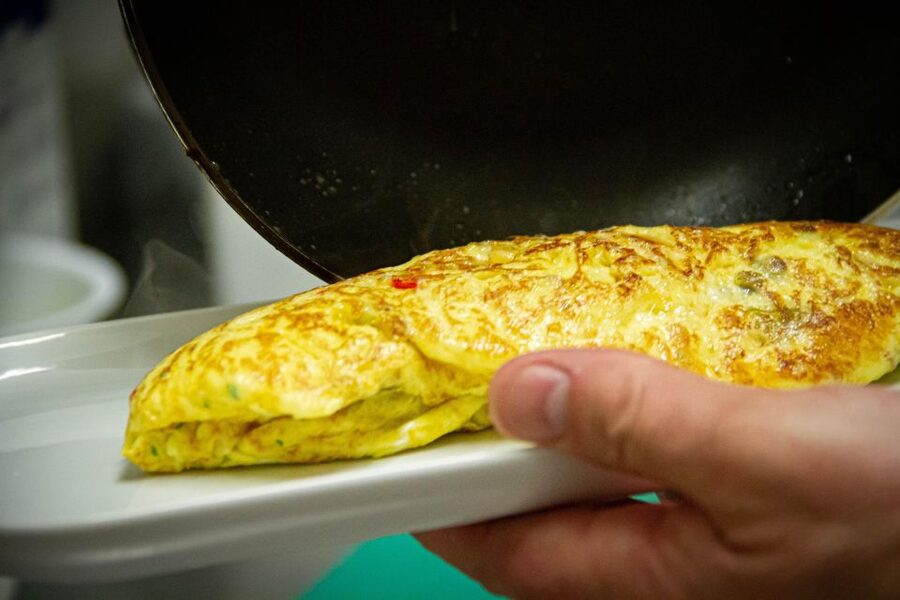
Spanish omelette: a simple dish that rewards care
The Spanish omelette, or tortilla, is one of the first useful tests of technique. Its ingredients are familiar, but the texture depends on timing and control. You will learn how the mixture comes together and how to judge the point at which the center stays creamy without becoming runny.
This is a good dish for a class because it looks easy on paper. At home, many cooks discover that the heat is too high, the mixture is too dry, or the flip is awkward. The chef’s guidance can help you avoid those traps.
You should also see how a traditional Basque meal is built around a short list of good ingredients rather than a long list of complicated additions. That lesson is worth more than simply being handed a finished tortilla in a pintxos bar.
Cod al pil pil and the art of the emulsion
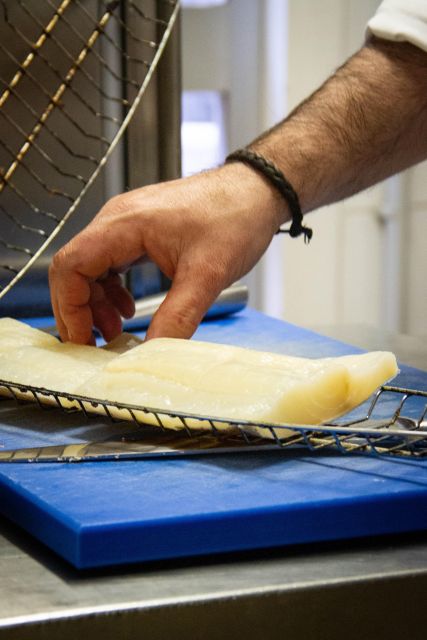
Cod al pil pil is likely to be the most technical part of the meal. The sauce is an emulsion made from the fish’s natural oils, olive oil, and careful movement. It should be creamy, but it does not rely on dairy to get there.
The key lesson is control. You will see how the pan, oil, and cod work together and why patience matters. This is the kind of Basque technique that explains the region’s reputation for precision. The dish is not showy, but the finished sauce has a silky texture that depends on getting several small choices right.
This section may appeal most to cooks who want more than a souvenir recipe. You will take home practical advice about sauce-making and timing. It is also the part of the class where the chef’s presence matters most, since the right moment is easier to understand when someone is watching the pan with you.
Same region, a different dish to learn:
- Spanish Cooking Class Paella Tapas and Sangria in Madrid
★ 5.0 · 1,340 reviews - Paella Cooking Class, Wine Tasting & Central Market in Valencia
★ 5.0 · 1,150 reviews - Paella Cooking Class in Madrid with Bottomless Wine Pairing
★ 5.0 · 985 reviews - Seville: Spanish Cooking Class with Dinner
★ 4.9 · 900 reviews
Txuleta brings the meal to the grill
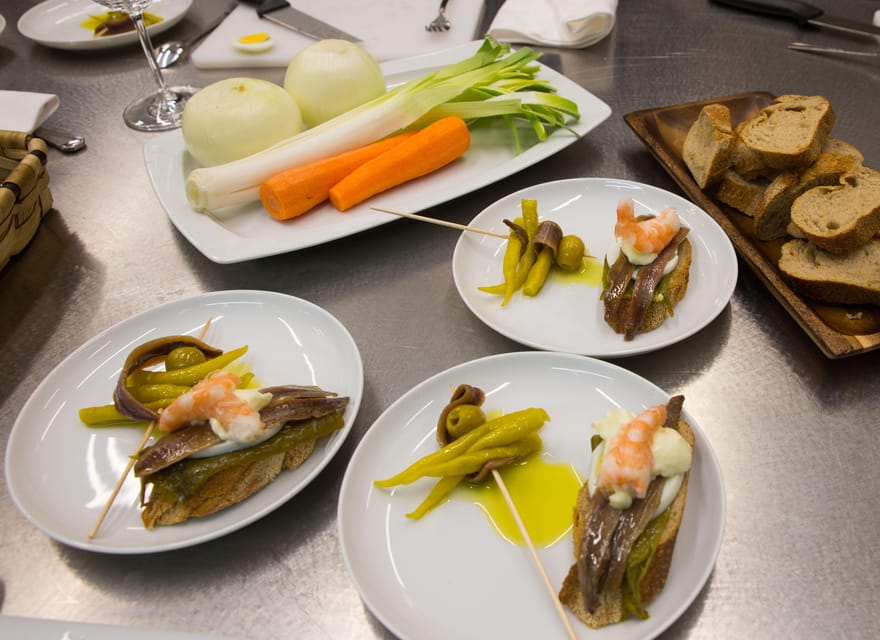
The txuleta is the hearty course: a thick, charred steak associated with Basque cooking. The dish keeps the focus on the meat, heat, salt, and doneness rather than a busy sauce or elaborate garnish.
You will learn how the chef handles the cut and how the outside develops its char while the inside remains properly cooked. The supplied menu descriptions call it a charred txuleta, while one detailed account identifies the cut as a New York strip steak. The exact cut or portion may depend on the session, so do not assume you will receive a restaurant-sized steak to yourself.
This course also gives the class a good rhythm. After the careful emulsion for the cod, the steak is direct and bold. You prepare it, sit down, and taste it with the local drinks. For many people, it will be the most immediately satisfying part of the meal.
Basque cheesecake finishes the cooking
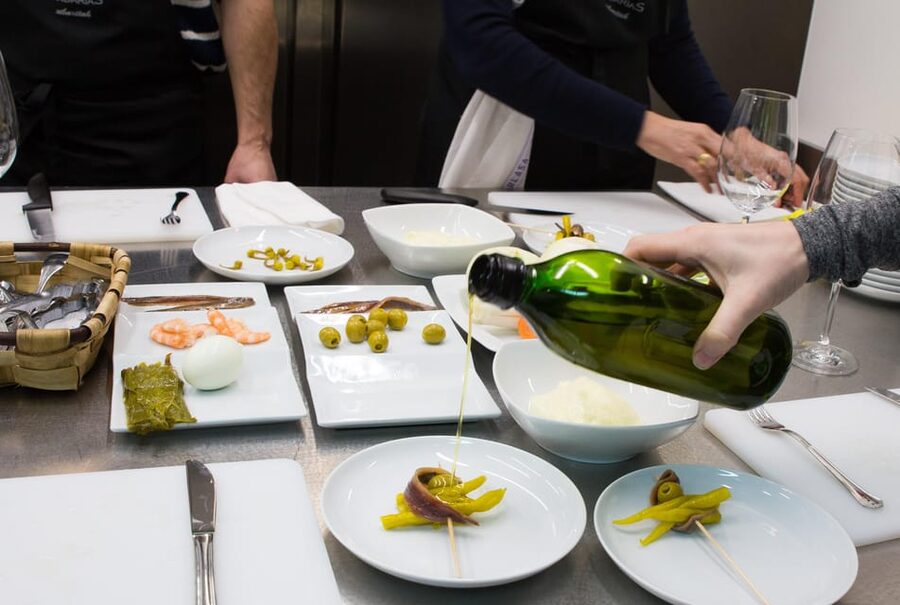
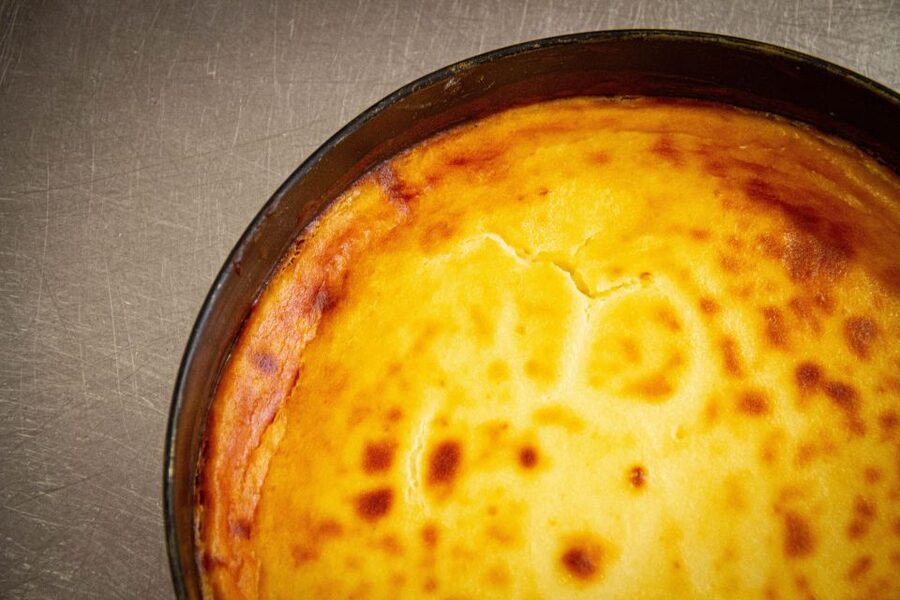
Basque cheesecake is famous for its dark top and soft center. It has a rustic look, but getting the middle right still requires attention to temperature and timing.
The class gives you a chance to see why the cake is not simply an underbaked version of a standard cheesecake. The deeply browned surface and creamy interior are the point. Your chef will guide the preparation, and the dessert becomes a natural final course once the savory dishes are ready.
There is a practical benefit here. The tortilla, cod, steak, and cheesecake cover several kinds of cooking: stovetop work, sauce-making, high-heat cooking, and baking. You leave with a wider set of techniques than you would get from a class focused on one dish.
Sitting down with wine, txakoli, or cider
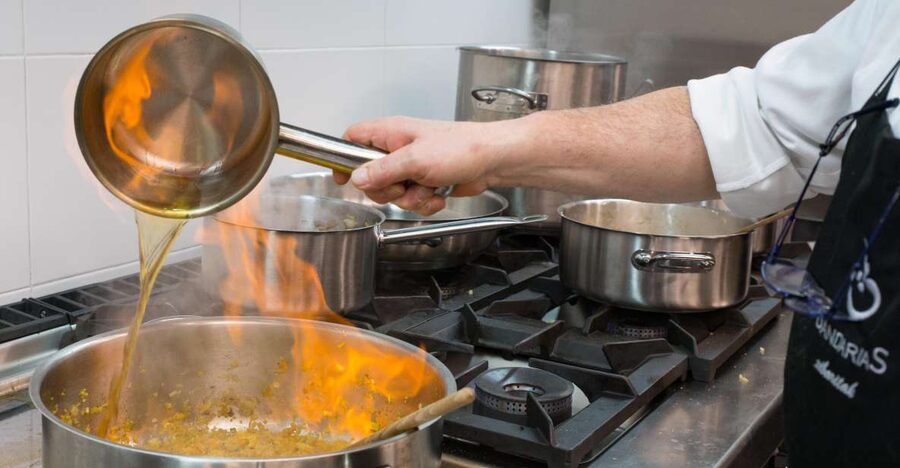
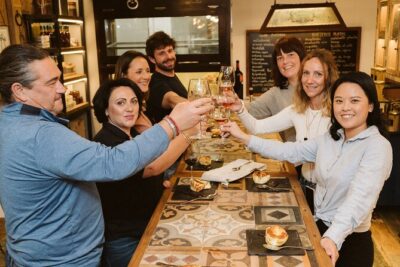
After the preparation, you taste the food together. Ingredients, food, and drinks are included, with local wine, txakoli, or cider offered alongside the meal. Txakoli is the region’s light, lively wine, while Basque cider gives you a different and more rustic match for the food.
The drink pairing is not an optional extra added at the end. It is part of what turns the workshop into a complete meal. You are not cooking four courses and then sent off to find lunch. The food you make becomes the reason to sit down and talk.
The experience includes the listed food and wines, but extra food and wines are not included. That distinction matters if you arrive very hungry or want to keep ordering beyond the planned tasting. One small-group session produced enough food to leave the participants comfortably full, but portions can vary with the menu and group.
What $153 really gets you
At $153 per person, this is not the cheapest way to eat in San Sebastián. You can spend far less on pintxos, and the city has plenty of restaurants where someone else will do the cooking.
The value is in the combination of instruction, a meal, drinks, and access to a private kitchen in the Old Town. You are paying for the chef’s time, ingredients, translation support, and the chance to practice dishes that would be difficult to understand from a recipe alone. If you are interested in food and plan to cook at home, that package can make sense.
The price is harder to justify if you mainly want a quick meal or already have a packed restaurant schedule. The class lasts about two and a half hours, or 2 hours and 45 minutes in the detailed description, so it uses a meaningful part of your day. In return, you get a fixed culinary experience with a clear beginning, middle, and end.
I would compare the fee with the cost of a food tour plus lunch. The class offers less wandering and fewer stops, but more participation and a longer look at how the dishes are made. If you value skills, conversation, and a meal you helped prepare, the price is easier to defend.
Who will get the most from this class
This experience suits you if food is a major reason for visiting San Sebastián. It is especially useful for home cooks who want to recreate Basque dishes and understand the techniques behind them.
It also works for couples, friends, and small family groups. The class has hosted very small sessions as well as groups of up to the stated limit. That range can change the feel: two people may receive near-constant attention, while a fuller group brings more conversation but slightly less individual time at the counter.
You do not need advanced cooking skills. The class is built around essential techniques, and the chef guides you through the difficult parts. Still, you should be ready to participate. This is not the right pick if you want to sit quietly while someone else prepares everything.
The class may also suit you if you want a social evening without committing to a formal restaurant tasting menu. The pace includes cooking, eating, drinking, and conversation. Several chefs have been described as welcoming and accommodating, and the guides have helped make the experience comfortable for different needs.
Practical details that affect your day
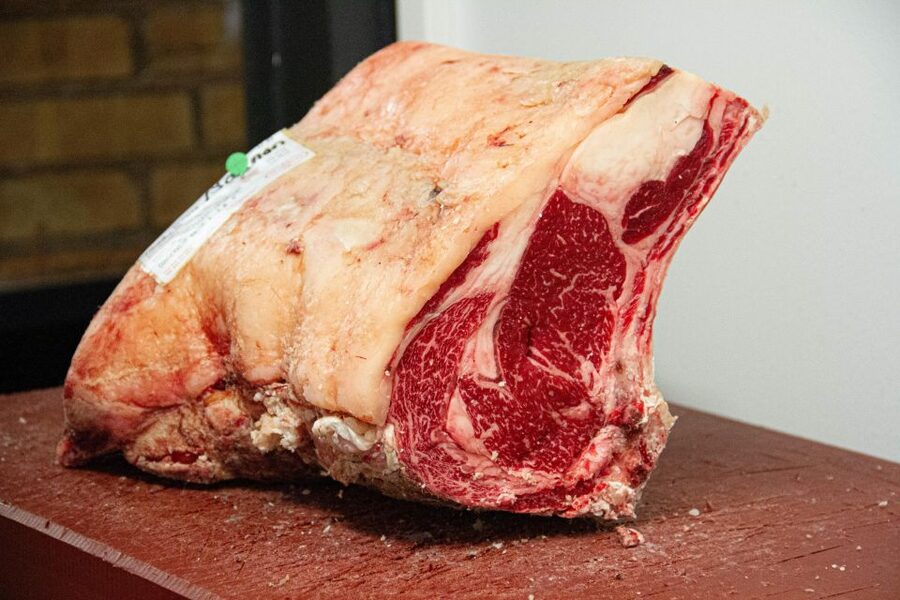
The activity is listed at 2.5 hours, with the detailed schedule describing 2 hours and 45 minutes. Allow the longer time when planning meals or reservations afterward. You will want enough room to finish the food and drinks without rushing.
Check the available starting times before booking. The meeting point is the San Sebastián tourism main office, Alameda del Boulevard, 8, 20003 Donostia-San Sebastián, Gipuzkoa. Wait outside for the guide.
English is the stated language. Translation is included if needed, and a Spanish-language session has also been arranged when requested. If language matters to your group, raise the question at booking rather than assume every chef will teach in your preferred language.
The activity offers free cancellation up to 24 hours before the start time for a full refund. You can also reserve now and pay later, which helps if your San Sebastián plans are still shifting. A separate entrance is provided for the activity, so you do not need to wait in a general attraction line.
The strongest part, and the one caution
The most praised part of this experience is the staff. Angel, Juan, Natalia, Imanol, Simone, Ana, and Fabio are specifically associated with warm instruction, helpful translation, local context, and a welcoming tone. The cooking itself is the main event, but good teaching makes a big difference when you are handling an emulsion or timing a cheesecake.
The food and drink also receive consistent approval. You prepare a four-course menu, and the chance to pair it with local wine, txakoli, or cider gives the session a real sense of place. You are learning Basque cuisine while eating the results, not practicing isolated techniques with no connection to the region.
The caution is the changing group size and timing. The activity information gives both 8 and 10 as the maximum, and the duration is described as both 2.5 hours and 2 hours and 45 minutes. Neither issue is serious, but you should plan for a small-group class lasting close to three hours rather than expect a tightly timed 150-minute appointment.
Should you book this San Sebastián cooking class?
Book it if you want to understand why Basque food is so respected, not simply sample it. The menu covers the essentials, the class is small, the chef provides hands-on help, and the meal includes local drinks. You also receive recipes and practical advice for choosing ingredients at home.
Skip it if your budget is tight or your priority is trying as many pintxos bars as possible. For $153, you should want the instruction as much as the meal.
For food-focused visitors, I think the class is a strong choice, especially early in your stay. You can use what you learn when ordering later, and the Old Town meeting point makes it easy to continue exploring Donostia afterward.
FAQ
Where does the Basque cooking class meet?
Meet your guide outside the San Sebastián tourism main office at Alameda del Boulevard, 8, 20003 Donostia-San Sebastián, Gipuzkoa.
How long does the cooking class last?
The activity is listed as 2.5 hours, while the detailed description gives a duration of 2 hours and 45 minutes. Plan for the longer time.
What dishes will I prepare?
The menu includes a creamy Spanish omelette, cod al pil pil, charred txuleta, and Basque cheesecake.
Are food and drinks included?
Yes. Ingredients, the prepared food, and local wine, txakoli, or cider are included. Extra food and wines are not included.
What language is the class taught in?
English is the listed language. Translation is included if needed, and a Spanish-language session has been arranged when requested.
How large is the group?
The experience is described as a small group. One description lists a maximum of 8 people, while the general activity details list up to 10 participants.
What is the price?
The listed price is $153 per person.
Can I cancel the activity?
You can cancel up to 24 hours in advance for a full refund. The activity also allows you to reserve now and pay later.
Newest classes around Spain
- Pintxos and Tapas Cooking Class in Bilbao★ 5.0 · 38 reviews
- Basque Pintxos and Tapas Cooking Class in Bilbao★ 5.0 · 73 reviews
- Small-group Immersive Basque Cooking Class in Bilbao with Open Bar★ 5.0 · 65 reviews
- Paella and Burnt Basque Cheesecake Cooking Class (in Bilbao)★ 5.0 · 46 reviews
- Rooftop Paella Seafood Cooking Class Experience in Barcelona★ 5.0 · 59 reviews
- Private Authentic Paella Cooking Class in Barcelona with Josh★ 5.0 · 3 reviews
- Barcelona Tapas Cooking & Cocktail Class with Veronique & Mattias★ 5.0 · 3 reviews
- Private Barcelona Market Tour & Paella Cooking Class with Josh★ 5.0 · 4 reviews
San Sebastian Cooking Classes, compared.
Basque Cooking Experience: Market Tour & Hands-On Class English
Read our review →
Authentic Basque Cooking Class in San Sebastian Old Town
Read our review →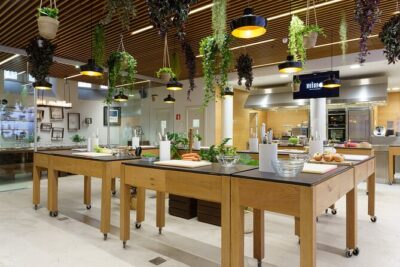
San Sebastián: Market Tour and Basque Cooking Class English
Read our review →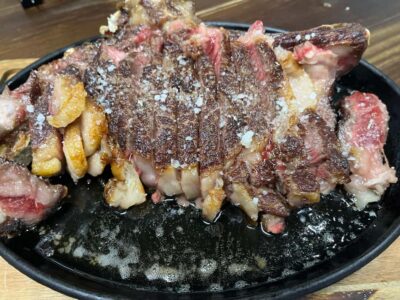
San Sebastián: Market Tour, Cooking Class, & Meal
Read our review →Browse the lists this tour appears in