
Review · SAN SEBASTIAN COOKING CLASSES
San Sebastián: Market Tour and Basque Cooking Class English
San Sebastián’s food culture makes the most sense when you begin at the market, not at the stove. You see the ingredients before they become dinner, meet the people who sell them, and learn why Basque cooks treat fish, peppers, beef, and dairy with such care. Then you cook the meal yourself in a small English-language class.
I like the market-to-table flow, and I like the smart drink pairings: cider with cod omelette, txakoli with hake, and Rioja with ribeye. The class also keeps the group small, with no more than 10 people. The main drawback is the early start and walking involved, and the information about accessibility is inconsistent, so anyone with mobility needs should confirm the current setup before booking.
Key points to know before booking
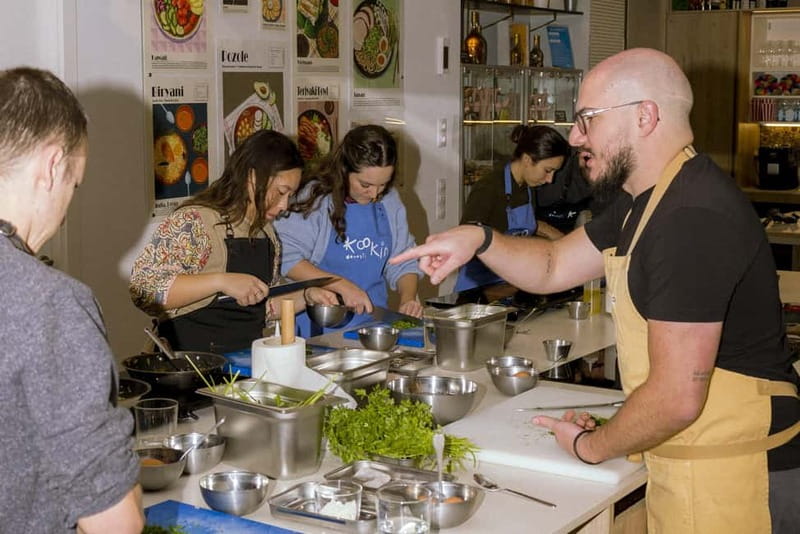
- Four classic Basque dishes: Cook cod omelette, hake in green sauce, grilled ribeye with piquillo peppers, and burnt Basque cheesecake.
- A real market visit first: Meet vendors, learn about local products, and help connect the shopping trip to the meal.
- Drinks are part of the lesson: Taste local cider, txakoli, and Rioja with the dishes they suit best.
- Small English-speaking group: The class is limited to 10 people, which gives you more room around the stove.
- A 3.5-hour morning experience: Wear comfortable shoes and clothing that can handle kitchen work.
- Carlos may be your chef: One of the named instructors is Carlos, praised for clear explanations and a warm approach.
Why the market comes before the cooking
The best part of this experience is its order. You do not simply arrive at a kitchen, follow recipes, and go home with a full stomach. You first see where the ingredients enter the local food system.
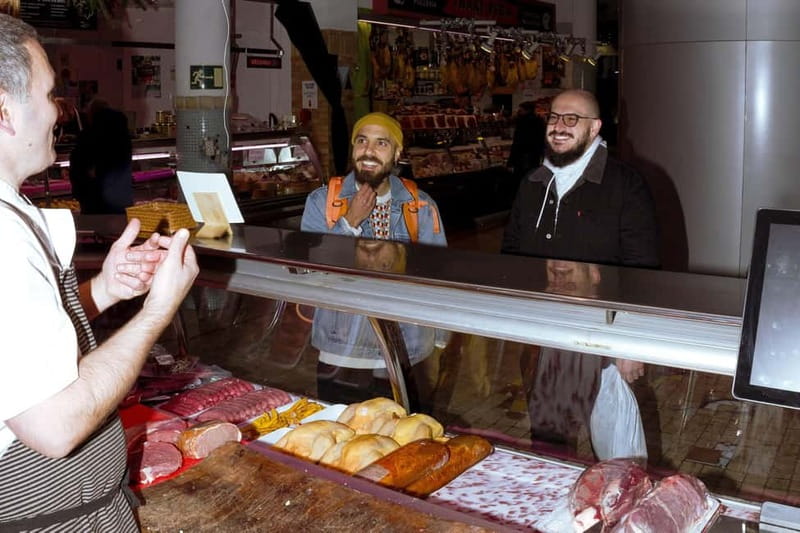
The day begins outside the San Sebastián tourist office. From there, you go to a local market as the city wakes up and stalls open. The exact market route and starting time can vary, so check the schedule when you book. The important point is that the market visit is not filler. It is a central part of the class.
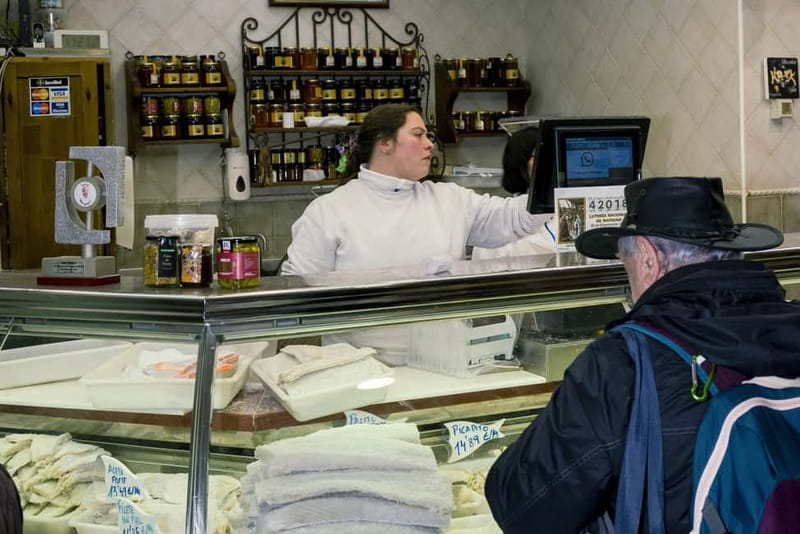
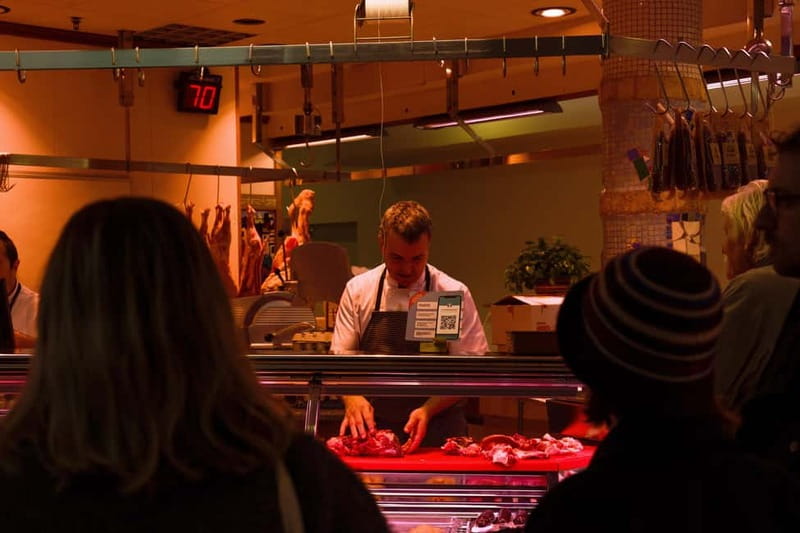
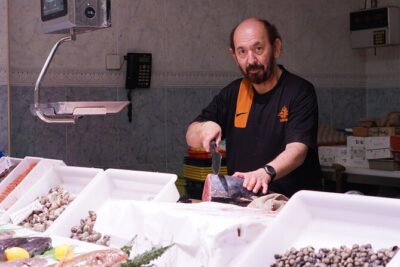
You meet vendors and hear about their products. That gives the meal some context before you start chopping or cooking. A fish fillet is no longer just something placed on a work surface. You have already thought about its freshness, its use, and the care that goes into selecting it.
That is useful for home cooks. Basque cooking often relies on a short list of good ingredients rather than a long list of complicated steps. The class teaches you to look at quality and preparation together. You learn not only what to do with an ingredient, but why it deserves attention.
The market walk also gives you an early look at San Sebastián. You will be on foot, so comfortable shoes matter. This is not a bus-based food tour, and it is not designed for anyone who wants to avoid walking before breakfast.
More Cooking Classes with a Market Tour in Spain
- Barcelona: Paella Cooking Experience & Boqueria Market Tour
★ 4.8 · 3,661 reviews - Barcelona Paella Cooking Class with Market Visit, Tapas & Sangria
★ 5.0 · 2,531 reviews - Paella Cooking Class, Wine Tasting & Central Market in Valencia
★ 5.0 · 1,150 reviews
Seeing ingredients through a Basque lens
The guide encourages you to approach ingredients with curiosity and respect. That may sound lofty, but the idea is practical. You learn to ask what a product is best suited for, how it is handled, and how little it may need.
This is where the chef-guide matters. The instructor is both your food teacher and your link to the city. The guide described for this activity arrived in San Sebastián as an outsider and grew attached to its culture and food. That personal angle can help turn a list of dishes into a clearer picture of local life.
Carlos is one instructor connected with the experience. His teaching style is described as clear and supportive, with a strong grasp of the work. If he is leading your class, expect explanations that are easy to follow rather than a rapid professional demonstration you must struggle to copy.
The class is taught in English. That makes the market conversations, cooking instructions, and dish explanations easier to follow if you do not speak Spanish. Still, you are in the Basque Country, so this is a good place to use a friendly greeting and show interest in the vendors. The market portion asks you to engage, not simply trail behind the guide.
Four dishes, four different lessons
Once the market visit is over, you walk back to the cooking school. Along the way, the group takes in some city landmarks and gets acquainted. This small transition matters. You have time to shift from sightseeing mode to cooking mode, and the group begins to feel less like a collection of strangers.
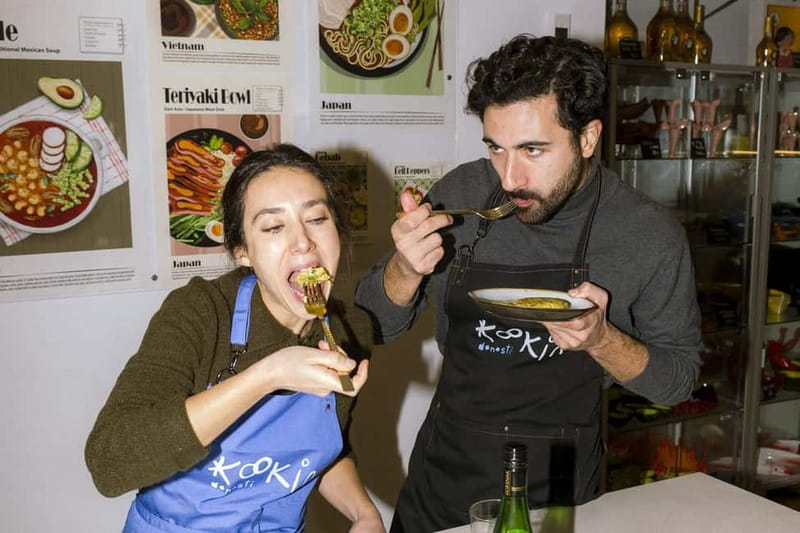
At the kitchen, you cook in pairs. That arrangement gives the class a social rhythm, but it also means you share work space and decisions. If you prefer complete control of every dish, pair cooking may require some flexibility. If you enjoy talking while you work, it is a good fit.
The menu is broad enough to show several sides of Basque cooking.
Cod omelette with local cider
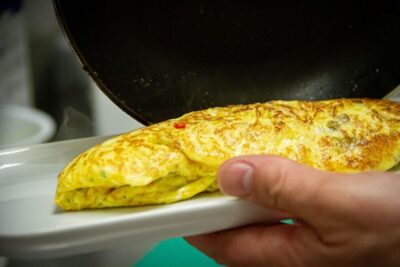
The first dish is a cod omelette, paired with local cider. An omelette sounds simple, but it rewards careful timing and good ingredients. This course introduces the idea that a modest dish can carry plenty of regional character.
The cider pairing is not just an extra drink. It shows how a local beverage can change the way a dish tastes. You get to eat the omelette hot, soon after it is finished, which is exactly when an egg-based dish makes the most sense.
Same region, a different dish to learn:
- Barcelona Interactive Spanish Cooking Experience
★ 4.5 · 2,155 reviews - Spanish Cooking Class Paella Tapas and Sangria in Madrid
★ 5.0 · 1,340 reviews - Paella Cooking Class in Madrid with Bottomless Wine Pairing
★ 5.0 · 985 reviews - Seville: Spanish Cooking Class with Dinner
★ 4.9 · 900 reviews
Hake in green sauce with txakoli
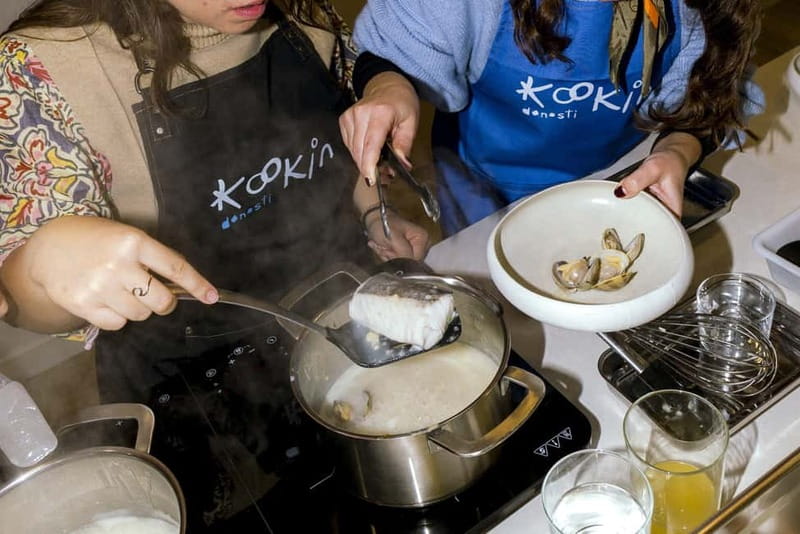
Hake in green sauce is an iconic Basque dish and perhaps the clearest expression of the class’s approach. Fish, sauce, and a small number of supporting ingredients have to work together. The lesson is about control rather than fuss.
The dish comes with txakoli, the crisp Basque wine often associated with the region. Pairing it with hake gives you another chance to compare food and drink side by side. You are not just tasting wine before or after the meal. You are seeing why the pairing was chosen.
Grilled ribeye with piquillo peppers and Rioja
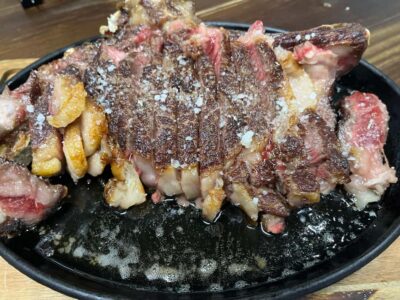
The ribeye course shifts the mood from delicate fish to a fuller, more substantial plate. It is served with piquillo peppers and paired with Rioja. The combination gives the class a clear progression, and it also lets you practice cooking a main ingredient where timing matters.
Piquillo peppers add a distinct Basque touch to the plate. Rioja gives the course a stronger partner than the cider or txakoli served earlier. The meal is designed so that each drink has a purpose, not so that alcohol simply fills the table.
Burnt Basque cheesecake
Dessert is the famous burnt Basque cheesecake. Its dark top is part of the appeal, and the dish has become one of the region’s best-known exports. Making it yourself gives you a useful technique to take home, even if you never reproduce the full meal.
You finish with the cheesecake after the savory courses. Since each dish is served hot as it is completed, the meal feels like a series of small cooking-and-eating moments rather than one large plate at the end.
How the 3.5-hour class feels in practice
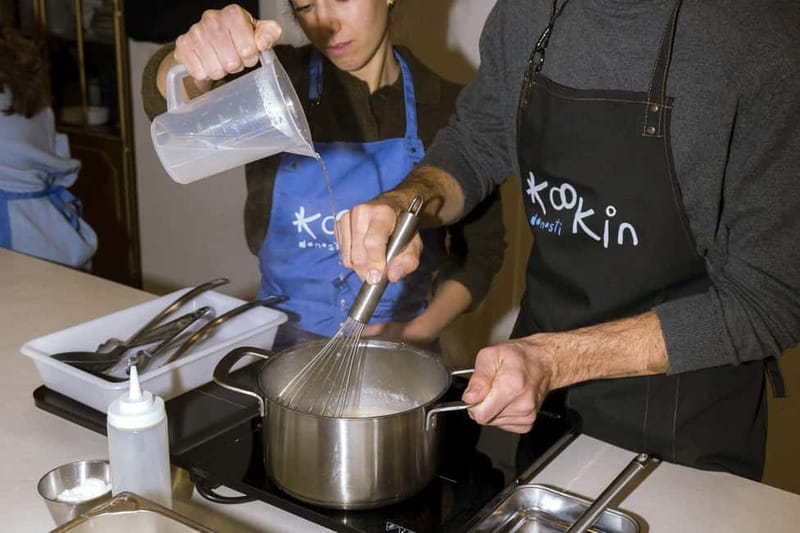
Three and a half hours is enough time to include the market, the walk, the cooking, the paired drinks, and conversation without making the class feel like a rushed cooking contest. Still, the schedule is active. You should arrive ready to walk, listen, cook, eat, and share work with another person.
The class has a maximum of 10 participants. That is a useful size for a hands-on lesson. You are less likely to disappear at the back of the room, and there should be more opportunity to ask questions than in a large demonstration class.
The cooking school is described as a beautiful, modern space. More important than the appearance is the working setup. You cook around the stove in pairs, with the instructor explaining the steps and helping as needed. The class is organized so the food and drinks arrive as part of the lesson, not as an afterthought.
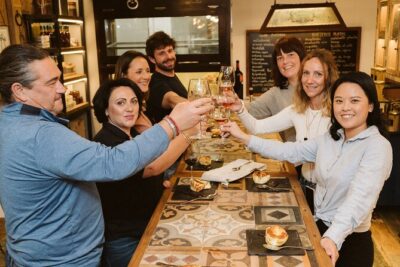
The social side is a major part of the experience. You share space, tasks, stories, and a meal with the people in your group. That will appeal to you if you like food classes that feel warm and informal. It may be less appealing if you want a private lesson or a quiet meal with no interaction.
One useful tip: wear clothes suitable for cooking, not just sightseeing. Comfortable shoes are essential for the market walk and city route. Bring water and a camera, but remember that the food and the pace should take priority over constant photographs.
What the $164 price includes
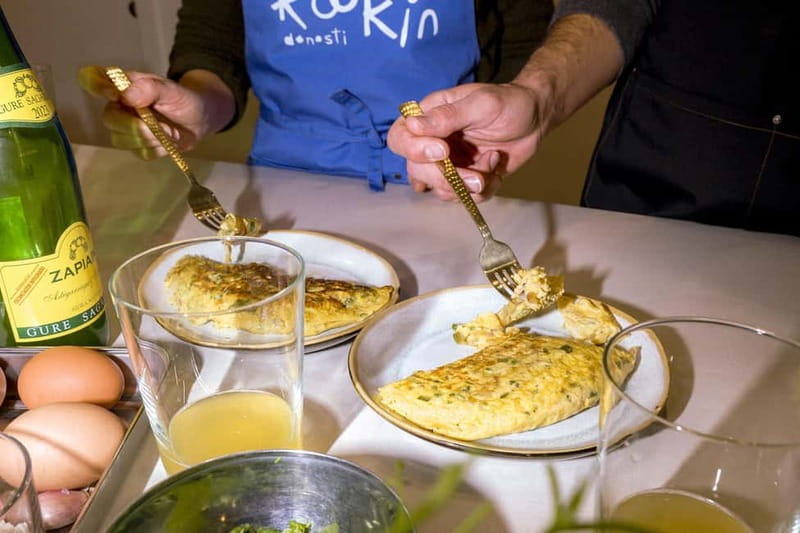
At $164 per person, this is not a cheap way to eat lunch. It is also more than a standard market tour or a short cooking demonstration. The value depends on how much use you make of the complete package.
Your price includes the local market visit, a professional chef, all cooking ingredients, the prepared dishes, and the drink pairings. You are effectively paying for a guided market experience, a hands-on class, a full meal, and three regional drinks within one 3.5-hour visit.
The drink pairings help justify part of the cost. Local cider, txakoli, and Rioja each accompany a different course, and tasting them with the food gives the meal more structure. If you would normally order these drinks separately during a restaurant meal, their inclusion adds real value.
The small group also matters. Ten people is not private, but it is small enough to support a more personal class. The value is strongest for people who want to learn techniques and food customs, not simply eat a Basque menu.
If you are mainly looking for a low-cost meal, choose a market lunch or pintxos crawl instead. If you want a guided introduction to local ingredients and the chance to cook the dishes yourself, the price is easier to defend.
Who will enjoy this experience most
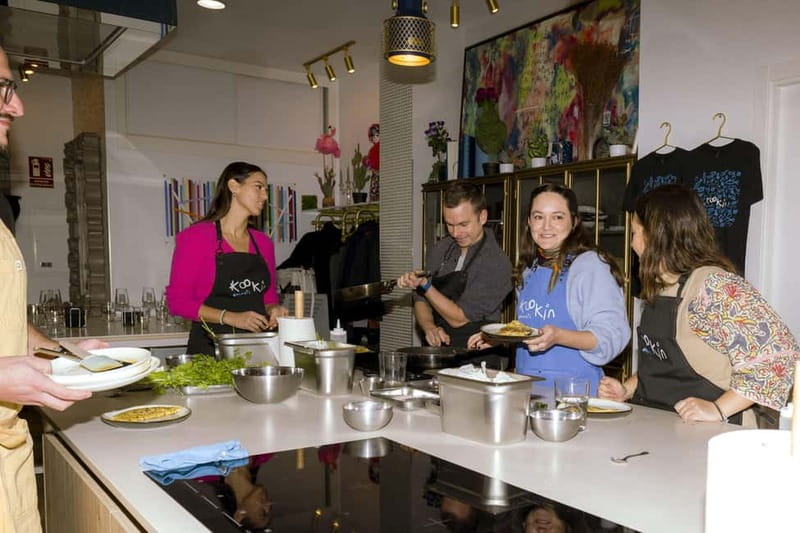
I would recommend this class to curious eaters, home cooks, couples, solo visitors who enjoy meeting people, and anyone who wants a structured morning in San Sebastián. You do not need to be an expert cook. The recipes are straightforward, though they are not presented as dull or overly basic.
It also suits visitors who prefer food experiences with local context. The market makes the class feel tied to San Sebastián rather than transferable to any city. You see vendors, hear their stories, and then use ingredients connected to that visit.
The small group works well for solo participants because the format naturally creates conversation. It can also suit families with older children, provided they are comfortable with the walking, cooking, and shared work space. The supplied information does not specify a minimum age, so check before booking for young children.
You may want to skip it if you dislike group activities, do not drink alcohol, or want a late-day experience. The menu includes wine and cider pairings, and the class is built around tasting the food with those drinks. Additional food and drinks are not included.
Dietary needs also deserve attention. Notify the provider in advance about allergies or restrictions. The menu is centered on cod, hake, ribeye, dairy, eggs, peppers, and the stated drink pairings, so do not assume substitutions will be available unless confirmed.
Walking and accessibility details to check
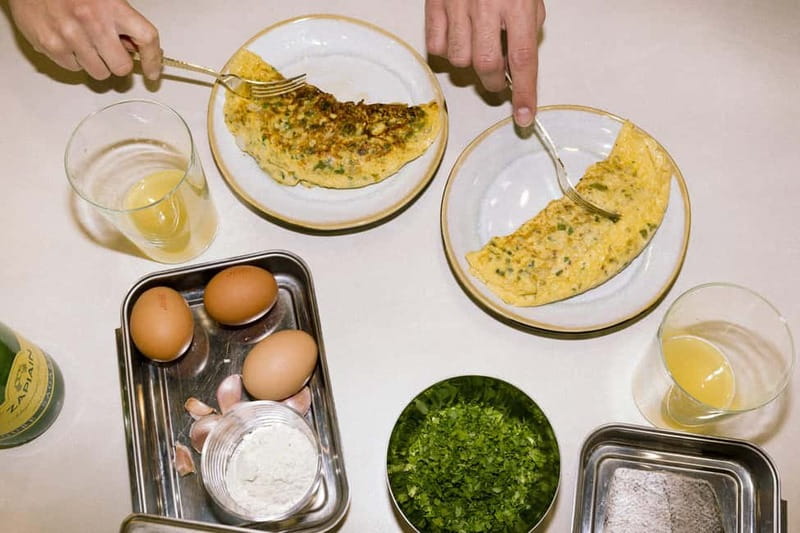
The activity begins at the tourist office and includes a market visit and a walk back to the cooking school. The route therefore forms part of the experience. Comfortable walking shoes are not a minor suggestion.
There is conflicting accessibility information. One part of the activity details describes it as wheelchair accessible, while another says it is not suitable for wheelchair users or people with mobility impairments. Because the experience includes walking through a market and moving around a kitchen, contact Kookin Donosti SL before paying if accessibility affects your decision.
Smoking is not allowed. Hotel pickup and drop-off are not included, so you need to reach the meeting point outside the tourist office on your own.
Free cancellation is available up to 24 hours before the start for a full refund, and you can reserve now and pay later. Those options help if your San Sebastián plans are still shifting, but they do not replace checking the exact start time and meeting instructions.
Should you book this San Sebastián cooking class?
Book it if you want more than a recipe lesson. The market visit, vendor conversations, city walk, paired drinks, and shared cooking give you a useful sense of how food fits into daily life in the Basque Country.
The strongest reasons to choose it are the market-first format, the four-course menu, and the small English-speaking group. I also like that the dishes are cooked and eaten as they are finished, rather than prepared in advance for a passive tasting.
Think twice if you need a fully accessible route, prefer private instruction, or do not want alcohol with your meal. For everyone else, $164 is a fair price for a compact food experience that combines shopping, cooking, dining, and local conversation in one well-shaped morning.
FAQ
Where does the cooking class meet?
The meeting point is outside the San Sebastián tourist office.
How long does the experience last?
The activity lasts 3.5 hours. Starting times vary, so check availability for the date you want.
Is the class taught in English?
Yes. The listed language for the guide and cooking class is English.
What food will I cook?
You will prepare a cod omelette, hake in green sauce, grilled ribeye with piquillo peppers, and burnt Basque cheesecake.
Are drinks included?
Yes. The class includes local cider, txakoli, and Rioja paired with the dishes. Additional food and drinks are not included.
Is the market visit required?
The market visit is an integral part of the experience. It is included before the cooking class and involves meeting vendors and selecting ingredients.
How many people are in the group?
The class is limited to 10 participants.
Can I cancel or pay later?
You can cancel up to 24 hours before the activity for a full refund. A reserve-now, pay-later option is also available.
Newest classes around Spain
- Pintxos and Tapas Cooking Class in Bilbao★ 5.0 · 38 reviews
- Basque Pintxos and Tapas Cooking Class in Bilbao★ 5.0 · 73 reviews
- Small-group Immersive Basque Cooking Class in Bilbao with Open Bar★ 5.0 · 65 reviews
- Paella and Burnt Basque Cheesecake Cooking Class (in Bilbao)★ 5.0 · 46 reviews
- Rooftop Paella Seafood Cooking Class Experience in Barcelona★ 5.0 · 59 reviews
- Private Authentic Paella Cooking Class in Barcelona with Josh★ 5.0 · 3 reviews
- Barcelona Tapas Cooking & Cocktail Class with Veronique & Mattias★ 5.0 · 3 reviews
- Private Barcelona Market Tour & Paella Cooking Class with Josh★ 5.0 · 4 reviews
San Sebastian Cooking Classes, compared.
Basque Cooking Experience: Market Tour & Hands-On Class English
Read our review →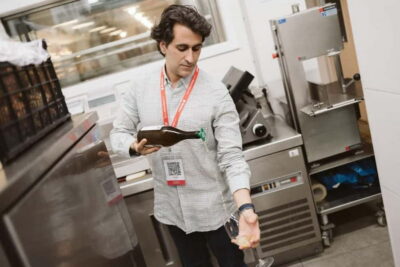
Authentic Basque Cooking Class in San Sebastian Old Town
Read our review →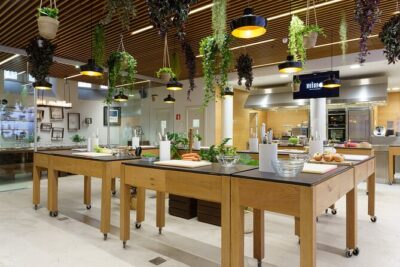
San Sebastián: Market Tour, Cooking Class, & Meal
Read our review →Browse the lists this tour appears in