
Review · MADRID COOKING CLASSES
Spanish Cooking Class Paella Tapas and Sangria in Madrid
Madrid’s best cooking classes do more than hand you a recipe. This one puts you beside a local chef, gives you a real job in the kitchen, and ends with a generous meal of food you helped prepare. The morning class adds a trip to a local market, where you choose ingredients before returning to cook paella, gazpacho, and sangria.
I like the small maximum of 12 people, which keeps the class social without making it feel like a stage show. I also like that you do the work yourself, from chopping and stirring to handling the cooking, while chefs such as Angel, Teresa, Eduardo, and Elisa guide rather than take over. The main thing to watch is the booking choice: the morning class focuses on paella, while the evening class focuses on tapas and does not necessarily include paella.
Key points at a glance
- Morning market visit: Shop for fresh ingredients with your chef before the paella class.
- Two distinct menus: Choose paella and gazpacho in the morning, or a broad tapas menu in the evening.
- Real hands-on cooking: You work in pairs and take part in preparing the meal.
- Small group setting: The class is limited to 12 people, and solo participants are paired with a cooking buddy.
- Spanish food and culture: Expect talk about local eating habits, ingredients, food origins, and cooking methods.
- About $102.79 per person: The price includes the class, guide, drinks, meal, and recipe booklet, but not transport.
Choosing between paella in the morning and tapas at night
The first decision is not simply morning or evening. You are choosing between two different food experiences.
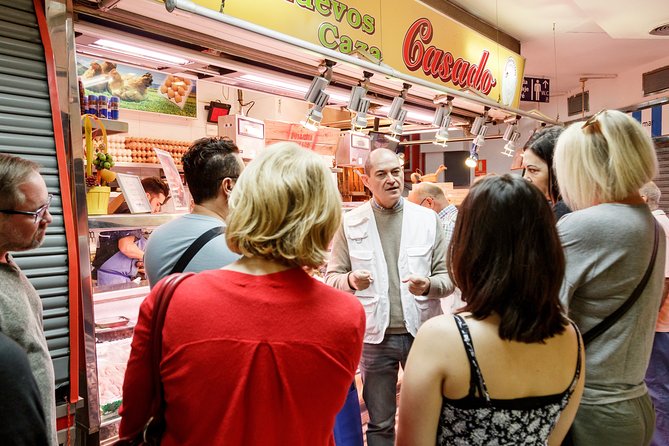
The morning paella class includes a visit to a local market before cooking. You’ll learn about Spanish produce, seafood, meat, and the way local food is bought and used. Then you return to the kitchen to prepare paella, gazpacho, and sangria.
That market stop adds real value. It gives you a better sense of the ingredients than a cooking demonstration alone, and it connects the meal to daily life in Madrid. If you are staying in the area, the visit can also help you get your bearings around the neighborhood and point out places to shop later.
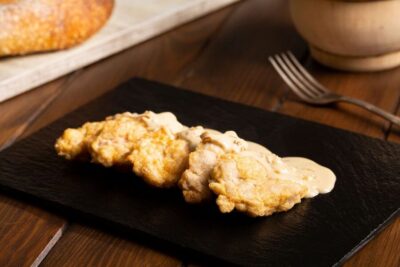
The evening tapas class has a broader menu. Depending on the menu and dietary needs, you may prepare Spanish potato omelet, garlic shrimp, chorizo in cider, patatas bravas, tomato bread with ham, crema Catalana, and sangria. It is a full spread, not one small plate followed by a quick dessert.
A past class group expected to make paella during the tapas session and was confused when it was not included. I would take that as the clearest booking tip: read the menu carefully before paying. If paella is your priority, choose the morning session. If you want to sample several classic small dishes, choose the evening option.
More Paella and Spanish Classes in Spain:
- Barcelona: Paella Cooking Experience & Boqueria Market Tour
★ 4.8 · 3,661 reviews - Barcelona Paella Cooking Class with Market Visit, Tapas & Sangria
★ 5.0 · 2,531 reviews - Barcelona Interactive Spanish Cooking Experience
★ 4.5 · 2,155 reviews
What the four hours look like
You meet at Cooking Point, at C. de Moratín, 11, in Madrid’s Centro district. The activity begins and ends at the same location, and the meeting point is near public transportation. Hotel pickup and drop-off are not included, so you’ll need to make your own way there and back.
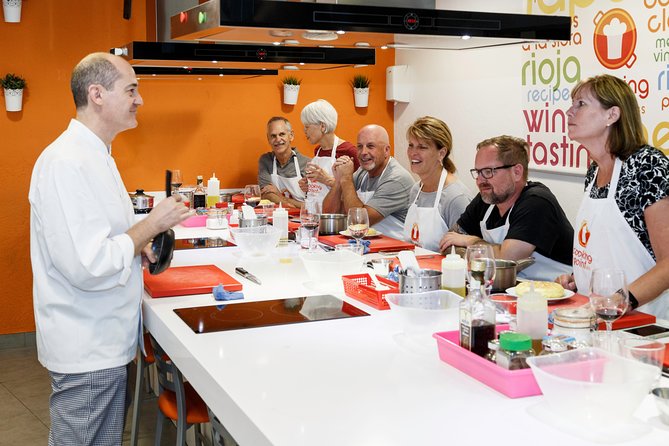
The class begins with an introduction from the chef. You’ll hear what you are preparing, how the session will work, and some background on Spanish food. The tone is practical and social, with plenty of room for questions about cuisine, local eating habits, and ingredients.
In the morning, the group then heads to a local market. Chefs including Angel, Eduardo, Elisa, and Teresa have guided groups through the shopping portion, explaining how ingredients are selected and how different foods fit into Spanish cooking. This is not just a scenic walk. You help choose what goes into the meal.
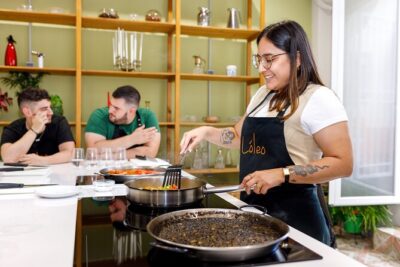
Back in the kitchen, you work in pairs. If you arrive alone, you are matched with a cooking partner, so you do not need to bring a friend to make the class work. The chef organizes the work and gives instructions, but the point is for you to cook rather than watch someone else do everything.
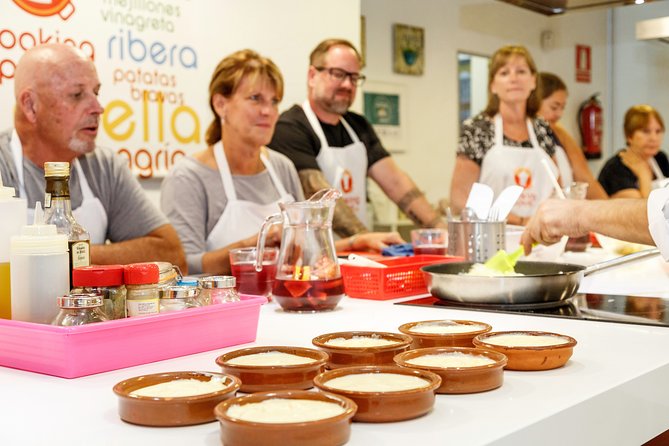
The arrangement suits beginners particularly well. You may learn techniques such as making custard, preparing a Spanish potato omelet, handling paella ingredients, and pouring traditional cider. The chefs step in when needed, but the class is designed to let you take part.
At the end, everyone sits down to eat. The meal is part of the class price, along with drinks and sangria. Portions can be generous enough that some people have taken leftovers with them, though you should not count on that as a guaranteed feature.
The market visit is the morning class’s best extra
The local market visit gives the morning session a stronger sense of place. Madrid’s food culture is not only about sitting at a restaurant and ordering a familiar dish. It is also about buying ingredients, judging freshness, and knowing how a dish changes from one region or household to another.
Your chef explains the produce, seafood, and meats being sold, along with the typical Spanish diet and how food is sourced and used. That context makes the kitchen work easier to understand. When you add an ingredient to the paella later, you know more about why it belongs there.
The market stop also helps if you are staying nearby. You may spot ingredients or foods you want to seek out again during your trip. It is a useful introduction to the neighborhood, not just a prelude to lunch.
The tradeoff is timing. The morning option is not a quick class that begins and ends at the stove. The market takes part of the four-hour experience, so choose it because you want that local food connection, not because you are trying to fit in the maximum number of Madrid sights.
Cooking paella, gazpacho, and sangria
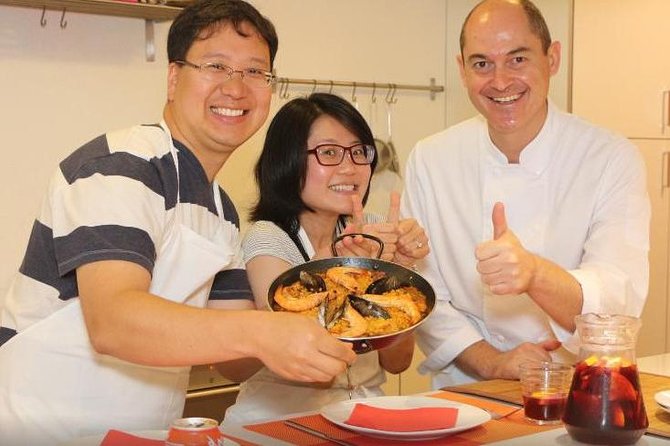
Paella is the morning class’s main attraction. You prepare it with guidance from the chef, learn about different types and origins of the dish, and then eat the finished result as part of the group meal.
The value here is practical. You are not only told how paella should look. You take part in the preparation and cooking, which makes the recipe easier to remember when you try it at home. The recipe booklet gives you a written reference after the class.
Gazpacho adds a cool, simple counterpoint to the paella. It is also a useful dish for home cooks because it relies on fresh ingredients and clear preparation rather than complicated equipment. Several parts of the meal are approachable enough for a first-time cook, while the chef can offer tips to people who already spend time in the kitchen.
Sangria is included in the cooking experience and the meal. The minimum drinking age is 18, so this matters for mixed-age groups and anyone booking with children. The class itself can still suit families, but underage participants will not be able to drink the sangria.
More Cooking Classes in Spain:
- Paella Cooking Class, Wine Tasting & Central Market in Valencia
★ 5.0 · 1,150 reviews - Paella Cooking Class in Madrid with Bottomless Wine Pairing
★ 5.0 · 985 reviews - Seville: Spanish Cooking Class with Dinner
★ 4.9 · 900 reviews - Valencian paella cooking class, tapas and visit to Ruzafa market.
★ 5.0 · 828 reviews
The evening tapas menu gives you more variety
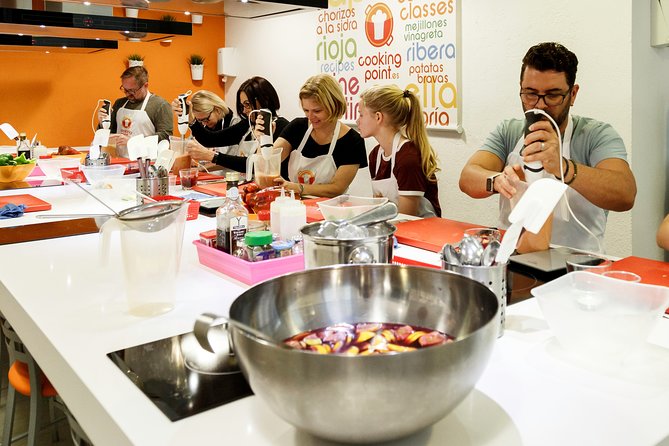
The tapas session is a better fit if you want a table filled with different Spanish dishes. Instead of concentrating on one large dish, you move through several recipes with different textures and cooking methods.
Spanish potato omelet gives you a lesson in one of the country’s most familiar comfort foods. Garlic shrimp brings seafood and a quicker cooking style. Chorizo in cider shows how a few strong ingredients can create a dish with plenty of character.
Patatas bravas are a useful choice for anyone who wants to recreate a Madrid-style bar snack at home. Tomato bread with ham is simpler, but it helps show how Spanish cooking often depends on good ingredients and careful balance rather than a long list of steps.
Crema Catalana provides the sweet finish. It also gives the class a chance to teach a technique beyond chopping and frying, since custard-making is one of the methods specifically mentioned as part of the experience.
The menu may change based on dietary needs and the exact session. That flexibility is helpful, but you should provide all dietary requirements when booking. The class says it can accommodate all needs, yet the kitchen needs advance notice to plan a workable menu.
The chefs shape the mood
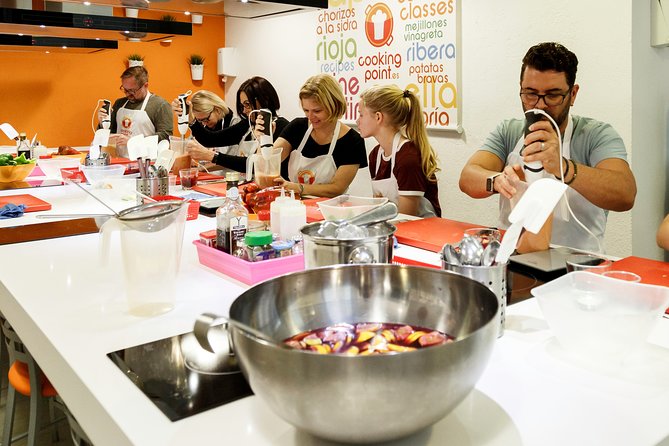
The quality of the class depends heavily on the chef, and the named instructors bring different strengths. Angel is described as witty, patient, and engaging, with a gift for explaining paella, sangria, and Spanish food traditions. He has also been praised for making everyone feel welcome, which matters in a shared kitchen.
Teresa is an upbeat instructor who keeps the class organized and offers practical tips with humor. Her style suits people who want clear direction without losing the social side of the evening.
Elisa is personable, funny, and well informed about Spanish culture and food. She has been especially effective at explaining ingredients and keeping the instructions clear during both paella and tapas sessions.
Eduardo brings a calm, patient approach. His market guidance and ability to know when to suggest help and when to let people create sound useful for cooks who want a genuine hands-on role.
You cannot select a particular chef from the information provided, so book for the structure and menu rather than for one named instructor. Still, the repeated strength of the teaching is a reassuring sign for beginners and families.
Is $102.79 good value?
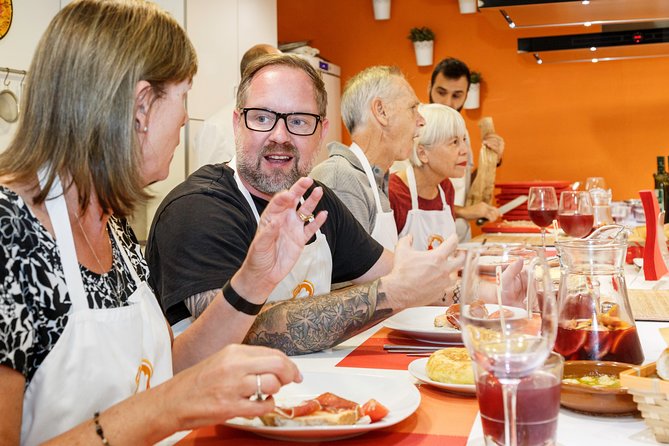
At about $102.79 per person, this is not a budget meal. The price makes more sense when you count what is included: about four hours of instruction, the local guide, the cooking activity, drinks, sangria, the meal, and a recipe booklet.
The morning session offers the strongest value if you care about the market visit and want to learn one major dish in depth. The evening session can justify the cost through variety, since you prepare several tapas and a dessert instead of only one main recipe.
You also save the time and effort of arranging a separate food tour and meal. The class combines conversation, shopping, cooking, and dining in one booking. That makes it especially useful early in a Madrid stay, when you want an introduction to local food before exploring restaurants on your own.
The price is less appealing if you mainly want a cheap meal or a cooking demonstration with little participation. This is a hands-on activity, and you need to be willing to work in pairs, follow instructions, and spend most of four hours focused on food.
Who will enjoy this class most?
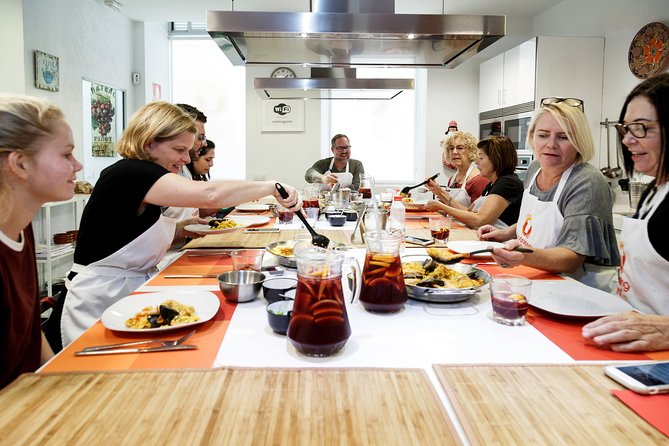
I would recommend it to couples, families, solo participants, and groups of friends who like to learn by doing. The family appeal is strong because the work is social and the menu is familiar enough to interest younger cooks. One class even worked well for a six-year-old, although the alcohol rule still applies.
It is also a good fit for people who take cooking classes in different cities. The market visit, local food discussion, and recipe booklet give the experience more substance than a meal with a short demonstration.
You should be comfortable sharing a workstation and a meal with people you have just met. The group size is capped at 12, but the class is still a communal experience. If you want private instruction or a quiet dinner, this is not the right format.
The class can suit different dietary requirements when you provide them at booking. That is an important advantage, but do not wait until arrival to mention allergies or restrictions.
Practical details before you book
The activity is offered in English and uses a mobile ticket. Confirmation is normally sent at booking, though reservations made within one day of the start time are confirmed as soon as possible and depend on availability.
Plan to reach C. de Moratín, 11, in Madrid’s Centro district on your own. The site is near public transportation, but there is no hotel transfer. Since the activity ends back at the cooking school, you can continue with dinner plans nearby after a morning session or return to your hotel after the evening class.
Free cancellation is available up to 24 hours before the start time for a full refund. Changes or cancellations made less than 24 hours ahead are not accepted and are not refunded. Cutoff times use Madrid local time, so keep that in mind if you are booking from abroad.
Should you book the Madrid cooking class?
Book it if you want to cook instead of watch, meet a small group, and connect Spanish food with local ingredients. Choose the morning class for the market visit, paella, gazpacho, and sangria. Choose the evening class for a wider tapas menu, including potato omelet, garlic shrimp, patatas bravas, chorizo in cider, crema Catalana, and sangria.
I would skip it only if your schedule is too tight for four hours, you want paella but are considering the tapas session, or you are looking for a low-cost meal rather than an activity. For everyone else, the combination of practical cooking, a shared table, and a recipe booklet makes this a strong food experience in central Madrid.
FAQ
Where does the cooking class begin?
It begins at Cooking Point, C. de Moratín, 11, Centro, 28014 Madrid, Spain.
How long does the experience last?
The class lasts approximately four hours and ends back at the meeting point.
Is the class offered in English?
Yes. The experience is offered in English with a local English-speaking chef.
What is the difference between the morning and evening classes?
The morning class focuses on paella, gazpacho, and sangria and includes a visit to a local market. The evening class focuses on tapas and can include dishes such as Spanish potato omelet, garlic shrimp, chorizo in cider, patatas bravas, tomato bread with ham, crema Catalana, and sangria.
How many people can join the class?
The class has a maximum of 12 participants. People who arrive alone are matched with a cooking partner.
Are food and drinks included?
Yes. The cooking class, drinks, sangria, the meal, local guide, and recipe booklet are included. Hotel pickup and drop-off are not included.
Can dietary requirements be accommodated?
Yes. You should provide your dietary requirements when booking so the menu can be prepared around your needs.
Newest classes around Spain
- Pintxos and Tapas Cooking Class in Bilbao★ 5.0 · 38 reviews
- Basque Pintxos and Tapas Cooking Class in Bilbao★ 5.0 · 73 reviews
- Small-group Immersive Basque Cooking Class in Bilbao with Open Bar★ 5.0 · 65 reviews
- Paella and Burnt Basque Cheesecake Cooking Class (in Bilbao)★ 5.0 · 46 reviews
- Rooftop Paella Seafood Cooking Class Experience in Barcelona★ 5.0 · 59 reviews
- Private Authentic Paella Cooking Class in Barcelona with Josh★ 5.0 · 3 reviews
- Barcelona Tapas Cooking & Cocktail Class with Veronique & Mattias★ 5.0 · 3 reviews
- Premium Paella & Tapas Feast: Unlimited Wine & Rambla Views★ 5.0 · 13 reviews
Madrid Cooking Classes, compared.
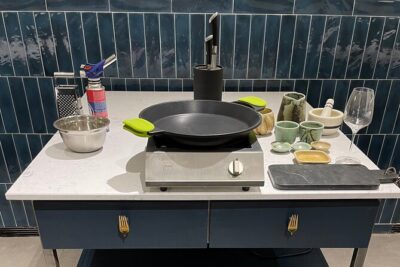
Paella Cooking Class in Madrid with Bottomless Wine Pairing
Read our review →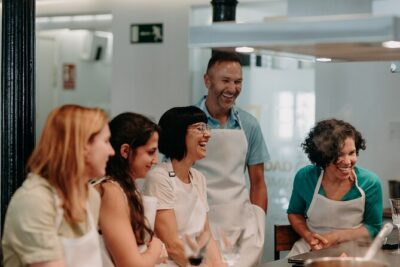
Madrid Tapas & Paella Cooking Experience with Local Market Visit
Read our review →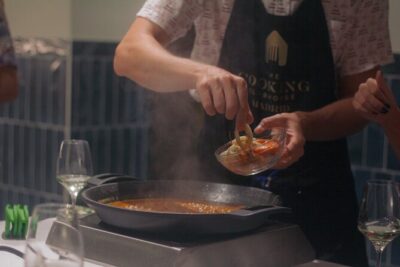
Taste of Spain: Tapas Cooking Class with Bottomless Wine Pairing
Read our review →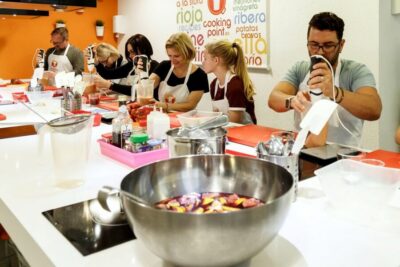
Tapas & Paella Cooking Class in Madrid with a Professional Chef
Read our review →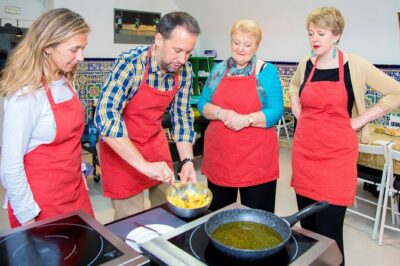
Browse the lists this tour appears in