
Review · PORTUGAL COOKING CLASSES
Porto: Pastel de Nata Cooking Class from Scratch
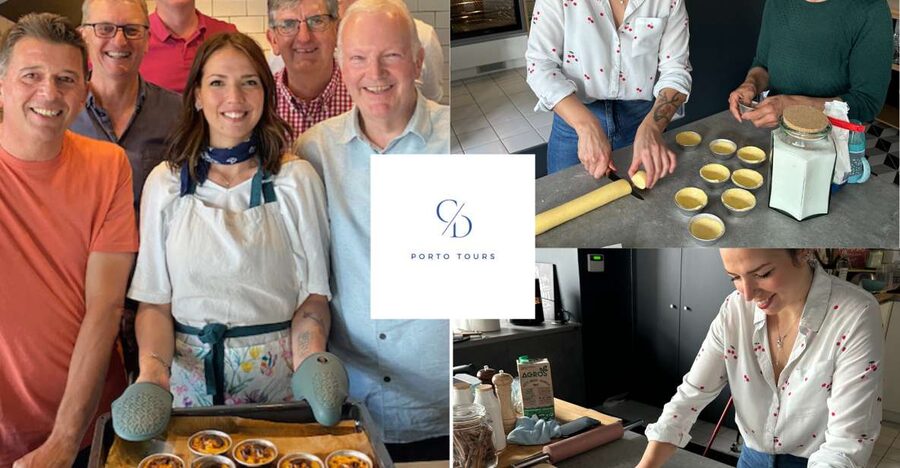
The best part of this Porto class is that you make the pastry dough, not just the custard. That extra step turns a quick baking demonstration into a useful lesson you can repeat at home. Guides such as Clara, Ana, Mariah, Vanessa, and Maria keep the pace relaxed, funny, and hands-on.
I like the friendly group format and the chance to learn about Portuguese food while sharing a glass of regional wine. I also like that you finish with warm pastel de nata and may have a few to take away. The main drawback is that the work is shared, so you may not personally perform every step.
Key points at a glance
- The dough is made from scratch: Many pastry classes skip this difficult but important part. This one includes it.
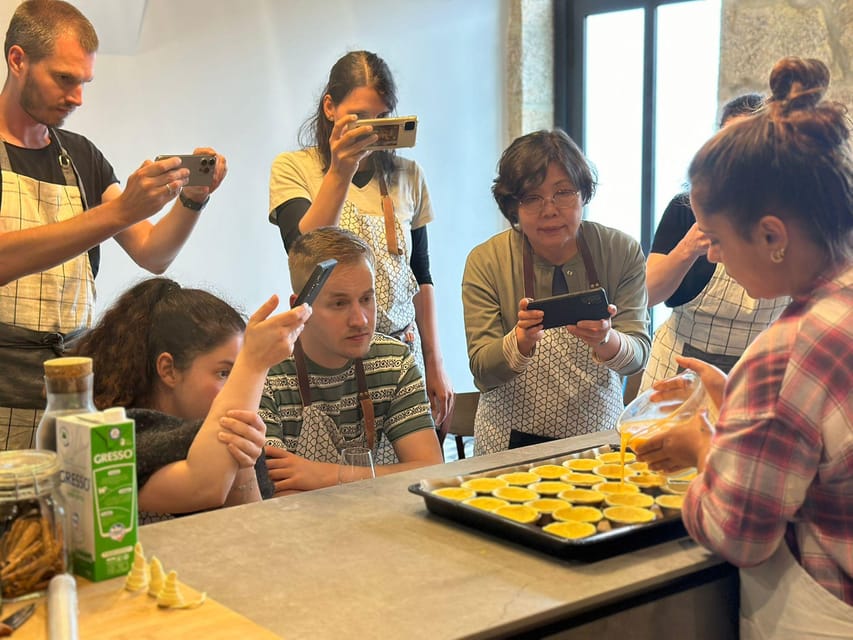
- A social, adult workshop: Groups can reach 12 people, with participants taking turns at each stage.
- Warm pastries at the end: You eat the results fresh from the oven, and some sessions provide extras to take home.
- English instruction: The class is led in English by an instructor such as Clara, Ana, Mariah, Vanessa, or Maria.
- Wine and Portuguese food stories: A glass of regional wine is included while the guide explains pastry customs and local culture.
- Strict start time: Arrive early. Once the door closes at the scheduled time, you cannot enter.
Why making the dough matters in Porto
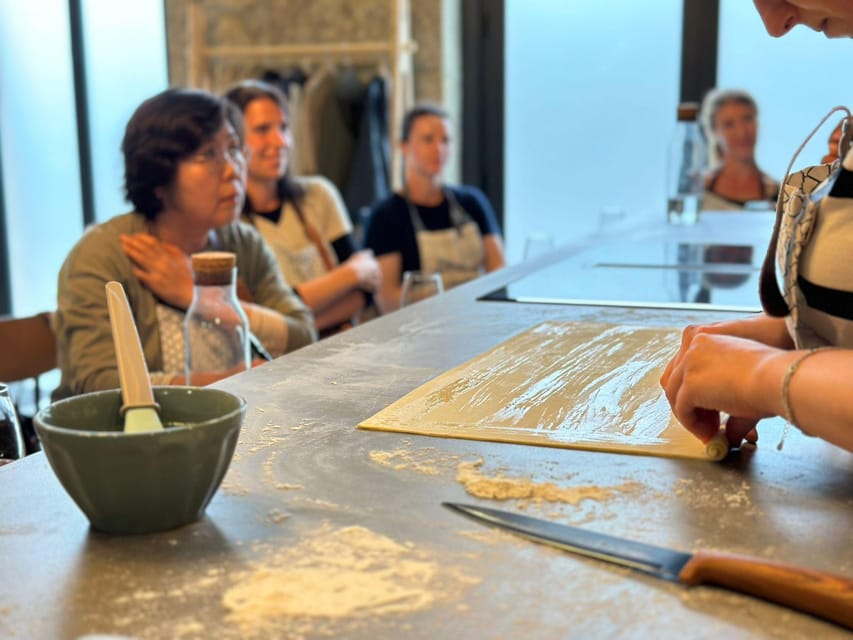
Pastel de nata looks simple in a bakery window: crisp pastry, yellow custard, and a browned top. The pastry is the part that often separates a good tart from a forgettable one. Learning only the filling would give you half the picture.
This workshop includes the dough from the beginning. You work through the process as a group, with the instructor explaining the techniques and pointing out the small details that affect the finished pastry. That makes the class useful for home bakers and reassuring for beginners.
You do not need to arrive as an experienced cook. The steps are broken into manageable tasks, and the instructor guides the group through them. The process is shared, so the class feels less like a test and more like a cooking session with a dozen temporary kitchen companions.
The shared format has one tradeoff. Two to four people may handle a particular step while the rest of the group watches, depending on the group size and the stage of the recipe. If you want full control over every tart, a private workshop would be a better choice. If you enjoy learning by watching, asking questions, and taking turns, the group arrangement works well.
More Cooking Classes in Portugal:
- Lisbon: Pastel de Nata Baking Class
★ 4.9 · 2,106 reviews - Porto: Pastel de Nata Cooking Class with Grandma’s Recipe
★ 5.0 · 1,565 reviews - Porto: Pastel de Nata Cooking Class with Port Wine – Sé
★ 4.8 · 888 reviews
Entering the workshop and meeting your guide
The activity lasts about two and a half hours. Meeting details can vary according to the option you book, so check the confirmed location rather than assuming every session uses the same address.
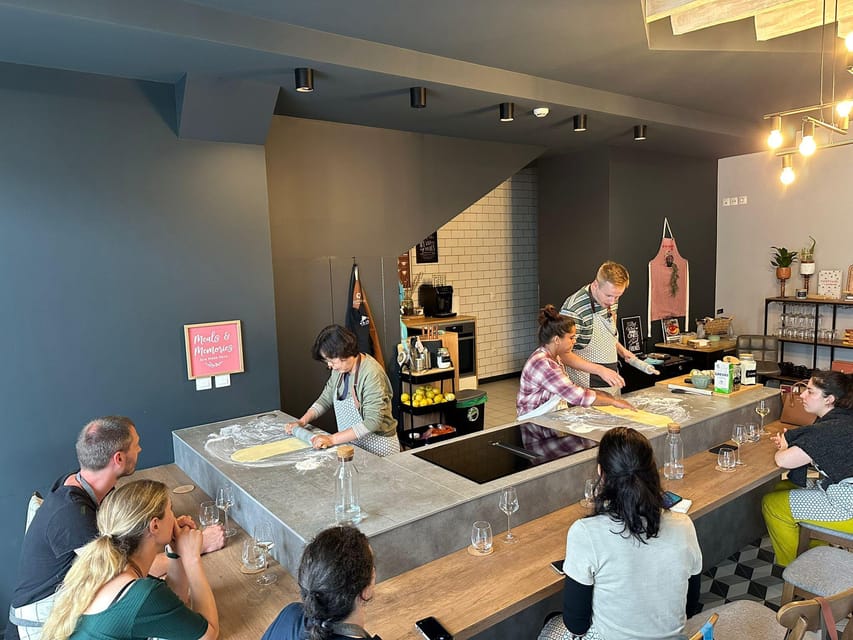
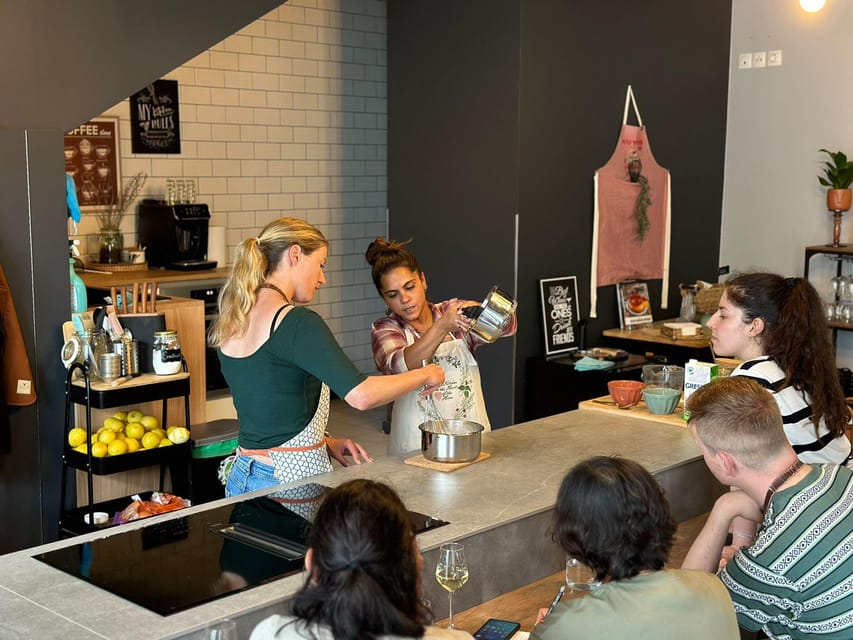
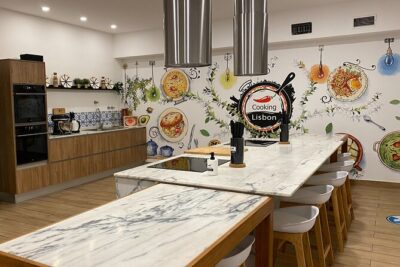
The kitchen is described as modern, with a large table where the group sits together. That arrangement matters. Instead of spreading participants across separate workstations, the class keeps everyone close enough to follow the demonstration and talk with one another.
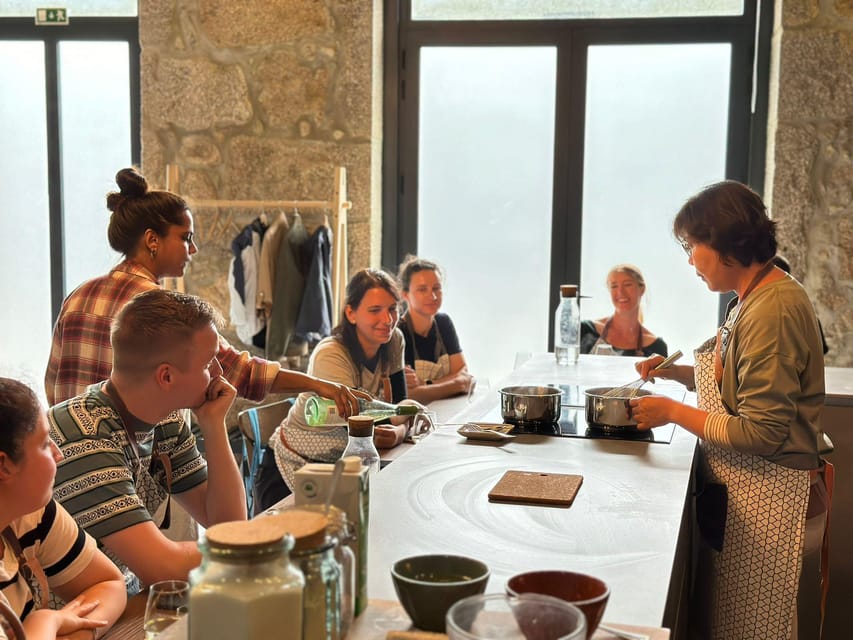
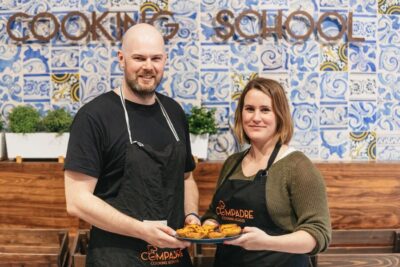
The guides are a big part of the experience. Clara is described as patient and clear, Ana as warm and energetic, and Mariah as especially good at getting people laughing and involved. Vanessa and Maria also lead sessions. Since the instructor depends on the date, you cannot count on one particular person unless the booking details say so.
The teaching style is informal but organized. The guide explains each stage, invites one or two people forward, and keeps the rest of the group involved with food stories and conversation. Several sessions have included people from different countries, which makes the class a natural way to meet others without forcing a formal social activity.
I would arrive early. This is not a workshop where you can slip in ten minutes late and quietly catch up. The door is closed at the scheduled start, and late entry is not allowed for logistical reasons. There are no exceptions, so build in extra time for finding the meeting point.
Mixing pastry, custard, and Portuguese food culture
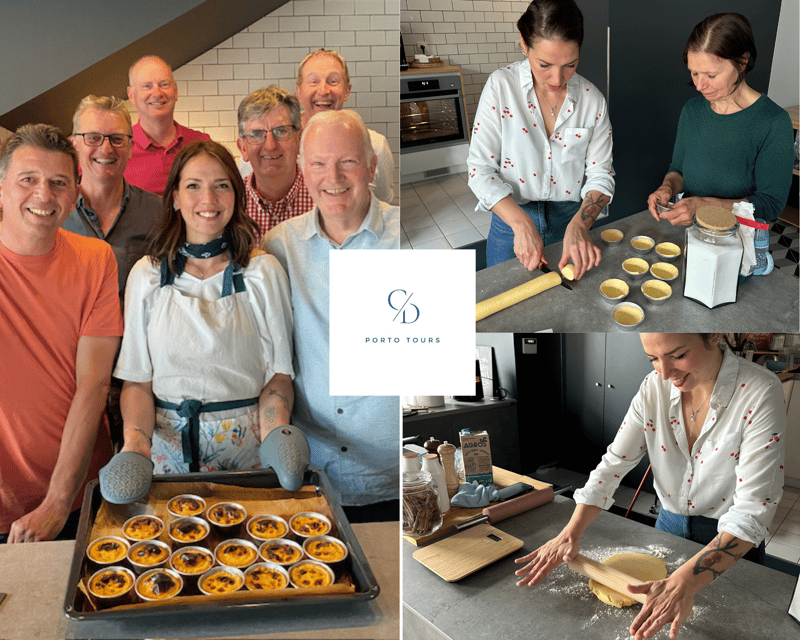
The class covers both the pastry and the filling. You learn how the components come together, rather than simply placing ready-made pastry into tins and pouring in prepared custard.
The instructor also talks about Portuguese pastry traditions and the place of pastel de nata in local food culture. These conversations help explain why the dessert is more than a sweet snack. You begin to notice the work behind the crisp layers and creamy center, which can change how you look at the pastries in Porto’s bakeries afterward.
The lesson is conducted in English. The guide explains the steps clearly and answers questions as the group works. The tone is practical rather than formal, with plenty of room for humor and conversation.
A regional wine is included. The information specifies one glass, although individual sessions may handle refreshments slightly differently. If you are under 18, you cannot drink wine, since the minimum age for alcohol in Portugal is 18. Tea, coffee, and other drinks were also available in at least one session, but they should not be treated as guaranteed inclusions.
The wine is a pleasant addition, not the reason to book the class. I see it as a simple way to make the kitchen conversation feel more like a local food gathering. You should not expect a wine tasting or a lesson in Portuguese wine. The focus remains the pastry.
The hands-on rhythm of the 2.5-hour class
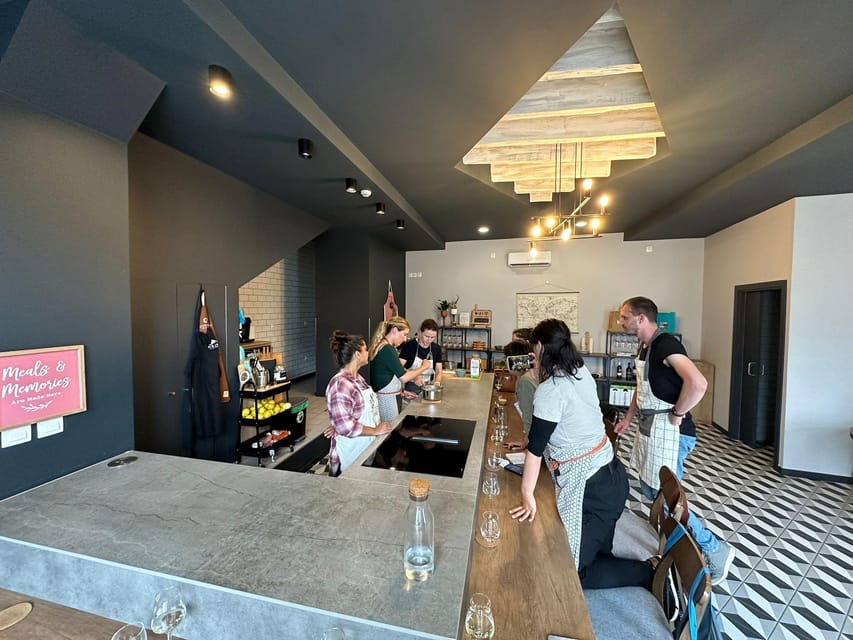
The workshop follows a sensible sequence. First comes an introduction to the pastry and the ingredients. Then the group begins preparing the dough, followed by the custard and the final assembly.
At each stage, the instructor explains what to do and asks participants to take turns. You may knead, shape, mix, or help with another part of the recipe, depending on the class size and timing. The work is collaborative, so you are making one shared batch rather than producing a private tray from start to finish.
That setup is especially good for people who feel nervous about baking. You can watch a technique before trying it, and the guide is there to correct mistakes. It also keeps the class moving, since a group of 12 people cannot all perform every action at once.
The drawback is clear: your hands-on time may be shorter than expected if the class is full. A smaller group can feel more personal. One session had only four participants, which allowed for more direct attention. The advertised maximum is 12, and the experience can feel different at those two extremes.
I would choose this class for learning and social connection, not for producing a large box of pastries. You are there to understand the method, practice selected steps, and enjoy the finished food together.
Same region, a different dish to learn:
- Lisbon: Traditional Portuguese Cooking Class
★ 4.9 · 592 reviews - Lisbon: 2-Hour Pastel de Nata Cooking Class
★ 4.8 · 461 reviews - Lisbon Portuguese Cooking Class with 3-Course Dinner
★ 5.0 · 445 reviews - Porto: Pastel de Nata Cooking Class with Porto Wine (Sé do Porto)
★ 5.0 · 340 reviews
Waiting for the oven and tasting the results
Once the pastries go into the oven, the pace changes. This is when the guide can talk more about Portuguese food, answer questions, and keep the group chatting over wine.
The payoff comes when the pastel de nata are served warm. Fresh pastries have a crisp shell, soft custard, and a heat that you simply do not get from a tart that has been sitting in a bakery display for hours.
The amount you receive can vary by session, but several participants described eating multiple pastries and taking one or two home. The included pastries are part of the class, not an optional purchase. The digital recipe is also provided after the workshop through a QR code, which is more useful than leaving with only a memory of what the instructor did.
A recipe alone cannot capture every technique. One participant wanted a video because the method matters as much as the ingredient list. That is fair. You will leave with written instructions, but you may need practice at home before your pastries match the class results.
Still, the combination of recipe, explanation, and seeing the dough handled in front of you gives you a real starting point. I would take notes on the guide’s movements and ask questions while the dough is being shaped. Those details are easy to forget once you are back in your own kitchen.
What $50 buys you
At $50 per person, this is not the cheapest way to eat a pastel de nata in Porto. A bakery tart costs far less, and you could spend the same amount on several pastries and coffees around town.
The value comes from the two and a half hours of instruction, the shared kitchen experience, the wine, the pastries, and the ability to repeat the recipe later. You are paying for the method and the setting, not just the food.
I think the price is fair if you enjoy cooking or want an activity that breaks up sightseeing. The class gives you a change from walking through Porto’s steep streets and crowded attractions. It also works well on a rainy day, when an indoor food activity makes more sense than another viewpoint or church visit.
The value is weaker if you have little interest in baking. You will still get pastries and a social afternoon, but the central purpose is learning. Someone seeking only a quick tasting should choose a bakery crawl instead.
The reserve-now-and-pay-later option can help if your plans are still shifting. Free cancellation is available up to 24 hours before the activity for a full refund. Those policies are useful, but the strict arrival rule remains the key practical detail.
Who should book this class
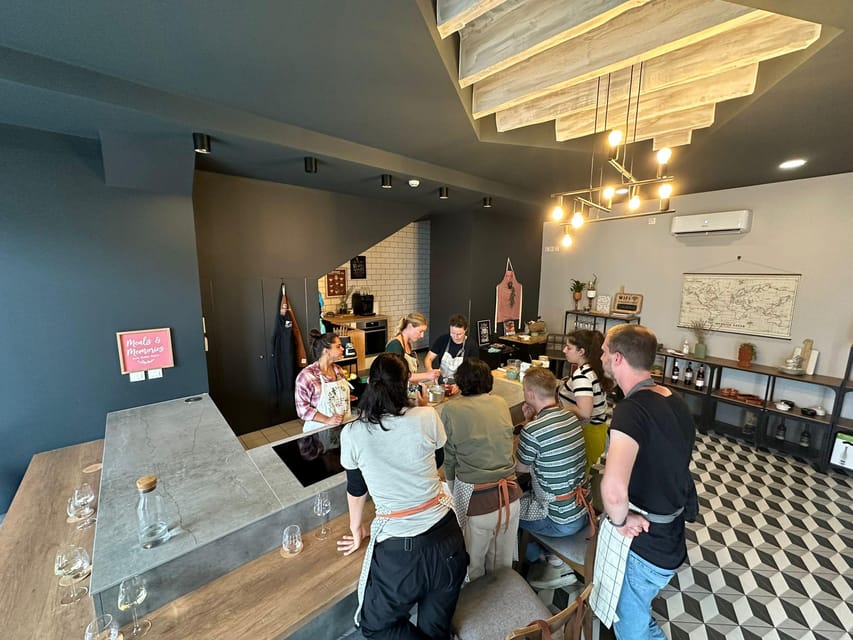
I would recommend it to couples, solo adults, friends, and families with older teenagers who meet the age rules. Solo participants can find it easy to join the group, since the shared table and rotating tasks create natural conversation.
It is also a good choice for people who have never baked before. The instructor breaks the process into small steps, and you are not expected to manage a whole batch alone.
This class suits you especially well if:
- You want to learn the pastry dough as well as the filling.
- You enjoy meeting people from different countries.
- You want an indoor activity for a wet day.
- You like food history and informal cultural conversation.
- You want a recipe you can try at home.
- You are happy sharing the work with a group.
It is not suitable for children under 15 in the regular group workshop. Families with younger children need to request a private class. Minors must be accompanied by an adult, and companions without reservations cannot enter the space.
You should also skip this activity if you have gluten intolerance or lactose intolerance. The class is built around wheat pastry and dairy-based ingredients, and no suitable alternative is specified.
Practical details that affect your day
There is no hotel pickup or drop-off. You make your own way to the meeting point, which can vary by booking option. Check the location and allow time to find the entrance.
Wear something comfortable and suitable for a kitchen. The supplied information does not list a required dress code, but baking involves standing, handling dough, and working around an oven.
Pets, smoking indoors, and intoxication are not allowed. These rules are straightforward and help keep the small kitchen safe.
The activity is offered in English with a live guide. A small-group option is available, while the regular group can reach 12 participants. If personal attention matters to you, choose the smallest available group or ask about a private session.
Should you book the Porto pastel de nata class?
Book it if you want more than a pastry tasting. The dough-from-scratch lesson is the strongest reason to choose this workshop, and the warm results, wine, cultural talk, and friendly instruction make the two and a half hours feel full without being rushed.
I would be cautious if you dislike group activities or expect to perform every stage yourself. The class is collaborative, and your exact hands-on role depends on the group size. Families with children under 15 also need a private arrangement.
For most adults who enjoy food, this is a good-value Porto activity at $50. You leave with a better understanding of Portugal’s favorite custard tart, a digital recipe, fresh pastries, and a pleasant story to carry into the rest of your trip.
FAQ
How long does the pastel de nata class last?
The workshop lasts approximately 2.5 hours.
How much does the class cost?
The listed price is $50 per person.
Is the class taught in English?
Yes. The experience includes a live English-speaking guide.
Do I make the pastry dough from scratch?
Yes. This workshop includes making the dough, as well as preparing the pastel de nata.
Is wine included?
Yes. A glass of regional wine is included in the experience.
Can children join the group workshop?
Children under 15 cannot join the regular group workshop. Families with younger children need to request a private workshop.
Can I join if I arrive late?
No. The workshop door closes at the scheduled start time, and late entry is not permitted.
Is hotel transportation included?
No. Hotel pickup and drop-off are not included. The meeting point can vary depending on the option booked.
Newest classes around Portugal
- Cooking Workshop in Cascais (group of 4 min)★ 5.0 · 13 reviews
- Cooking Class★ 5.0 · 17 reviews
- Terceira Island: Azores Cooking Class Experience★ 5.0 · 14 reviews
- Porto: Portuguese Cooking Class on the Terrace★ 5.0 · 2 reviews
- Porto: Coastal Villages Market & Seafood Cooking Tour★ 5.0 · 2 reviews
- Porto: Cooking Class with Local Market Visit★ 5.0 · 15 reviews
- Porto: Local Market Tour & Cooking Class/Showcooking★ 4.9 · 32 reviews
- Lagos: Market Tour and Cataplana Cooking Class★ 5.0 · 9 reviews
Portugal Cooking Classes, compared.
Pastel de Nata Cooking Class with Grandma’s Recipe
Read our review →
Pastel de Nata Cooking Class with Port Wine – Sé
Read our review →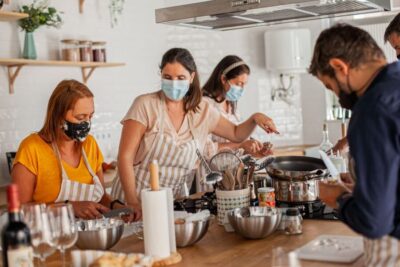
Lisbon Portuguese Cooking Class with 3-Course Dinner
Read our review →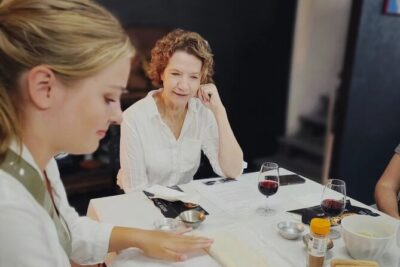
Pastel de Nata Cooking Class with Porto Wine (Sé do Porto)
Read our review →
Traditional Portuguese Cooking Class in Lisbon
Read our review →Browse the lists this tour appears in