
Review · NEW ORLEANS COOKING CLASSES
New Orleans: Hands-on Cajun Roux Cooking Class
New Orleans cooking gets serious when the roux turns dark. In this three-hour class, you chop the Cajun Holy Trinity, learn the difference between dark and light roux, then cook gumbo, shrimp etouffee, and bananas Foster. I like the small group of no more than 10 people, and I like that the meal you prepare becomes lunch or dinner rather than a token tasting.
I also like the relaxed teaching style reported from chefs Raymond, Mark, and Jason, with music, jokes, stories, and plenty of hands-on work. The main drawback is the price: at $157 per person, this is not a cheap meal. You are paying for instruction, drinks, and the cooking experience, so it makes the most sense if you want skills and a social activity, not just a plate of food.
Key points at a glance
- Three Louisiana classics: Prepare chicken and andouille sausage gumbo, shrimp etouffee, and bananas Foster.
- Roux is the lesson: Learn why gumbo uses a dark roux while etouffee begins with a lighter one.
- Small-group format: The class is limited to 10 participants, giving you a better chance to take part at the stove and prep table.
- Drinks are included: Wine, beer, sodas, and bottled water are available during the class.
- French Quarter setting: The cooking school is in Suite 101 on the ground level, in one of New Orleans’ best-known food districts.
- Family note: Children over 10 may attend if they are willing to cook. Children under 10 are not permitted.
A hands-on start in New Orleans’ French Quarter
This experience takes place at the Mardi Gras School of Cooking in the French Quarter. You make your own way to Suite 101 on the ground level, since transportation is not included. The ground-level setting is useful for anyone concerned about stairs, and the activity is wheelchair accessible.
The class lasts about three hours. That is long enough to cover several dishes without turning the session into a full-day commitment. You should arrive ready to participate, not simply watch a chef perform. The point is to chop, stir, season, and cook alongside the instructor and the other members of your group.
The small group matters here. With a maximum of 10 people, the instructor can keep the class involved instead of leaving you at the back of a large demonstration. I would still expect the pace to vary depending on the group, since some people may already cook often while others may be learning basic techniques for the first time.
The atmosphere is designed to be easygoing. Recent sessions have been led by Chef Raymond, Mark, and Jason, and each has been praised for making the class clear, friendly, and active. One especially useful detail is the mix of instruction with music, jokes, and stories. You get a social meal as well as a cooking lesson, which is a good fit for couples, friends, and solo visitors who enjoy meeting people over food.
More Cooking Classes in the USA:
- New Orleans Demonstration Cooking Class with Meal
★ 5.0 · 3,000 reviews - New Orleans Hands-On Cooking Class with Meal
★ 5.0 · 1,183 reviews - Undiscovered Charleston: Half Day Food, Wine & History Tour with Cooking Class
★ 5.0 · 948 reviews
The Cajun Holy Trinity comes first
The class begins with an introduction to Cajun and Creole cooking, including the role of the Cajun Holy Trinity. This basic mixture of chopped vegetables is central to many Louisiana dishes, and learning how to prepare it gives you a practical starting point for cooking at home.
The first stage is simple but important: cutting and preparing the ingredients. You are taught to get everything ready before the main cooking begins. This is the French kitchen idea of mise en place, meaning that the ingredients are measured, chopped, and arranged before you start combining them.
I like this part because it prevents the class from becoming a blur of fast instructions. You can see how preparation affects the final dish. It also gives you a method you can repeat in your own kitchen, especially when cooking something like gumbo that needs attention once the pot gets going.
The instructor also explains seasoning and the background of the dishes. That context matters because Cajun and Creole food is not just about adding heat. It depends on building flavor in stages, using the right base, and knowing when to let ingredients cook before moving on.
Once the prep work is complete, you get a short break and can enjoy your first glass of wine. Beer, sodas, and bottled water are also included. These drinks are part of the class rather than an extra purchase, so you do not need to plan for a separate beverage bill during the lesson.
Learning to control a dark roux for gumbo
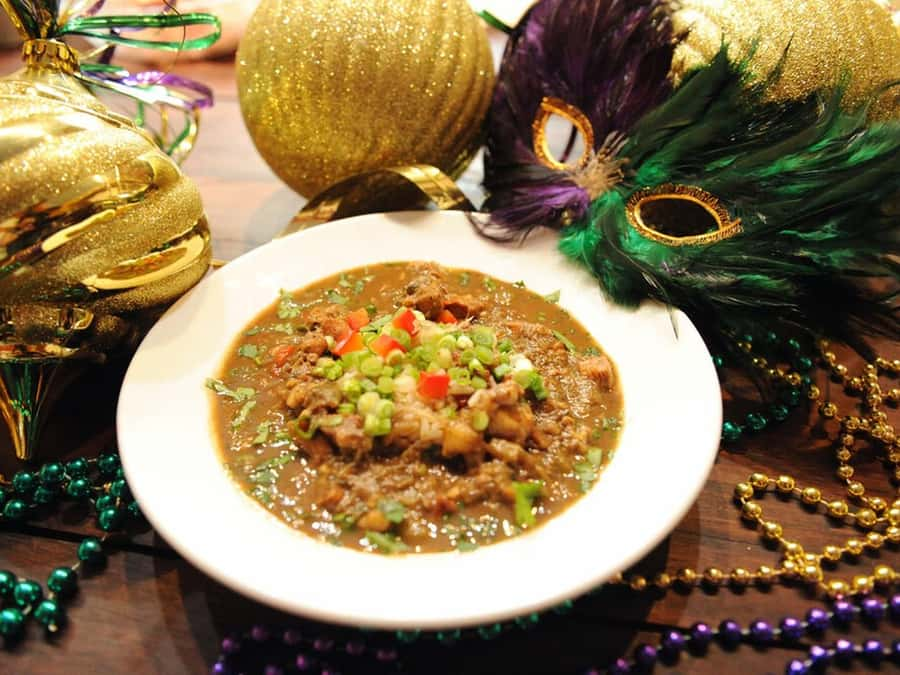
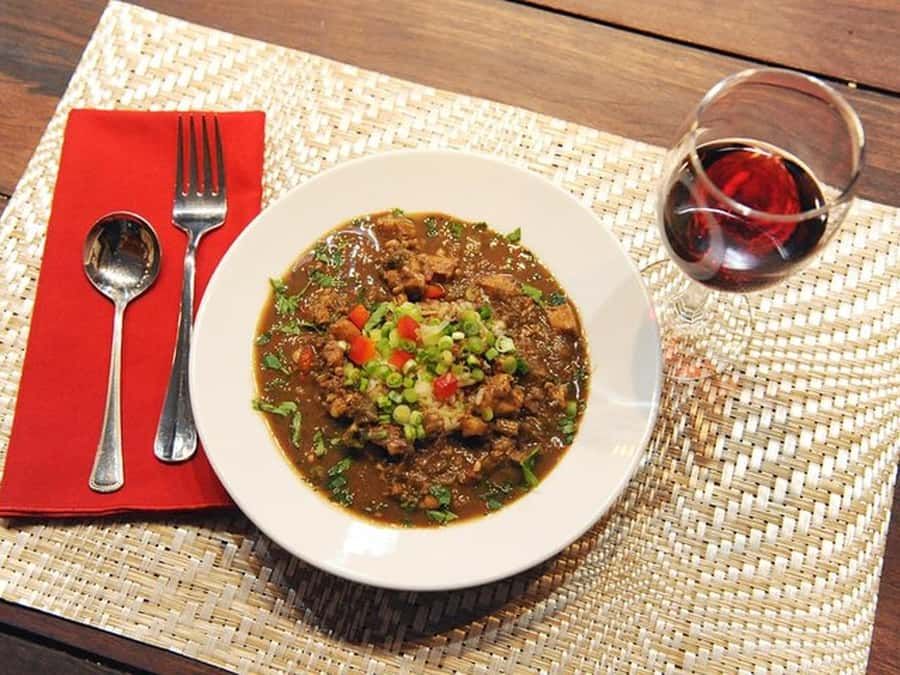
The central lesson is the gumbo roux. A roux is a cooked mixture of fat and flour that thickens and flavors a dish. For this gumbo, you work toward a dark roux, which requires attention and patience.
This is where the class offers something more useful than simply handing you a recipe. The instructor explains the technique and helps you understand why the color matters. A darker roux brings a deeper toasted flavor, but it also needs careful handling. If it burns, the taste can spoil the dish.
The gumbo includes chicken and andouille sausage. The sausage adds a smoky, seasoned note, while the chicken gives the dish substance. You work through the preparation with guidance, adding ingredients as the roux and other components are ready.
I would pay close attention here and ask questions. Roux is one of the skills that can be hard to judge from a recipe alone. A written instruction may tell you to cook it until dark, but an instructor can show you what that means and explain how to avoid going too far.
The class format also lets you see the dish develop from chopped ingredients into a finished meal. That change is part of the fun. You are not just tasting gumbo in a restaurant. You are learning why the base works and how the final texture and flavor are built.
A lighter roux for shrimp etouffee
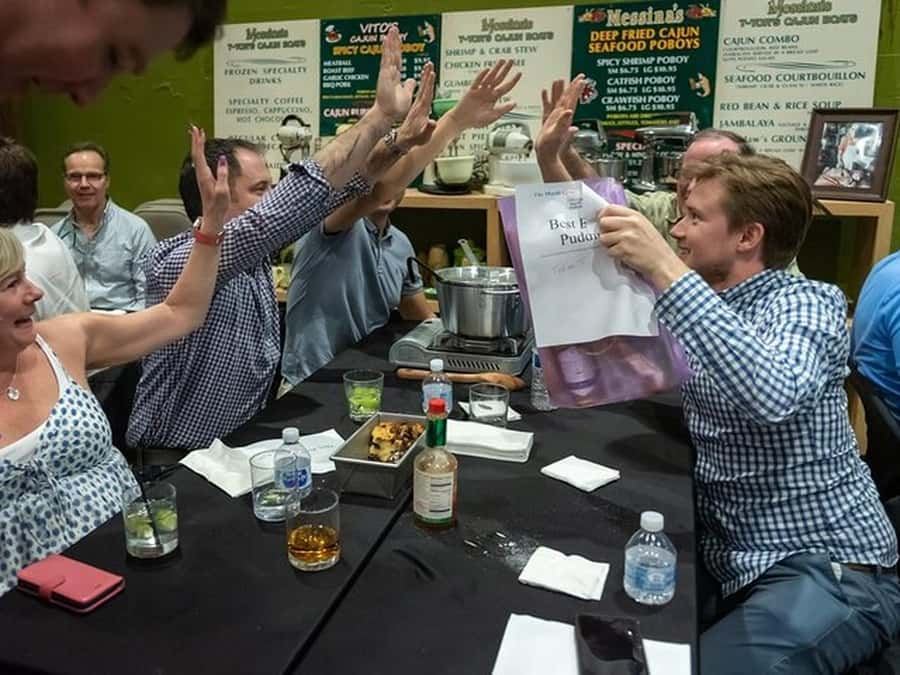
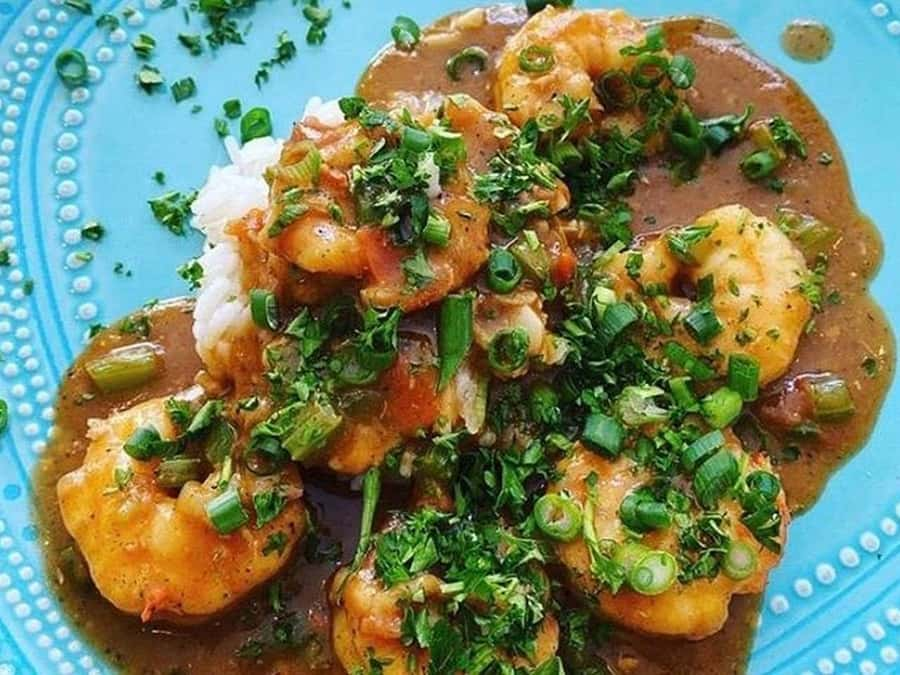
After the gumbo, the class moves to shrimp etouffee. This dish uses a lighter roux, giving you a clear comparison with the dark roux from the first recipe.
Cooking both roux styles in one session is one of the best reasons to book this particular class. You can compare the color, smell, and flavor as you work. The lesson becomes easier to remember because you experience the difference directly instead of trying to memorize two separate instructions.
The shrimp etouffee also gives the meal a different character from the gumbo. The class teaches the recipe from preparation through plating, with the instructor explaining the seasoning and cooking process along the way. You should expect to stay involved rather than stand aside while the chef does the work.
The dish is a good choice for showing how Louisiana cooking can use similar building blocks in different ways. The Cajun Holy Trinity and roux connect the recipes, but the result is not simply another bowl of gumbo.
If you are hoping to copy the dishes at home, take notes or ask about quantities and timing during the class. The stated aim is to give you techniques and recipes for your own kitchen, but the most valuable details may be the visual cues and small adjustments explained as you cook.
Same region, a different dish to learn:
- New Orleans: Cajun and Creole Cooking Class
★ 4.9 · 730 reviews - Hands-on Cajun Roux Cooking Class in New Orleans
★ 5.0 · 356 reviews - Hands-On Hawaiian Imu Cooking and Cultural Dining Experience
★ 5.0 · 95 reviews - Hands-on Cooking Class in Charleston
★ 5.0 · 83 reviews
Bananas Foster finishes the meal
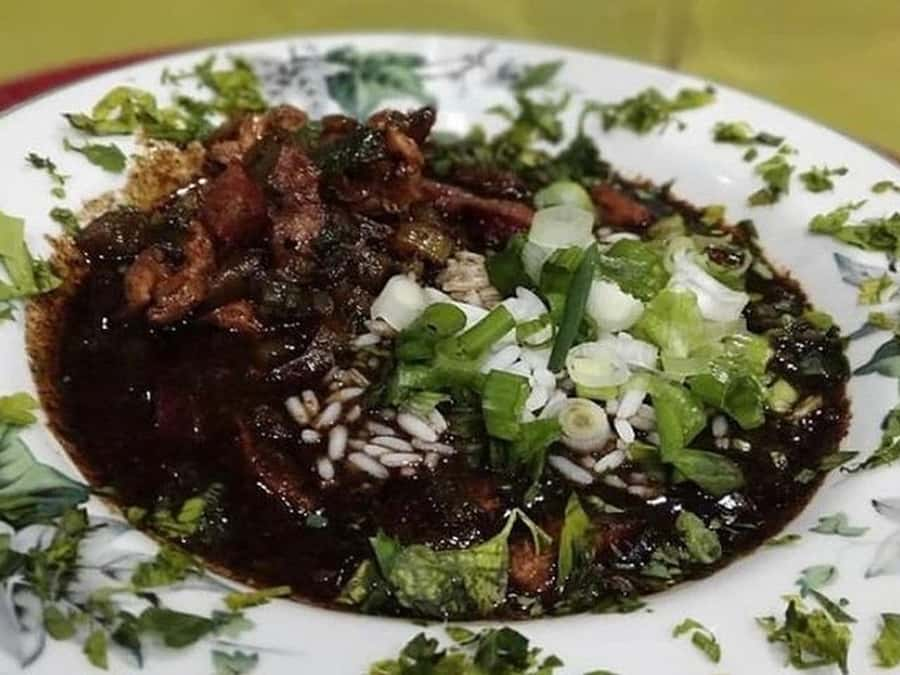
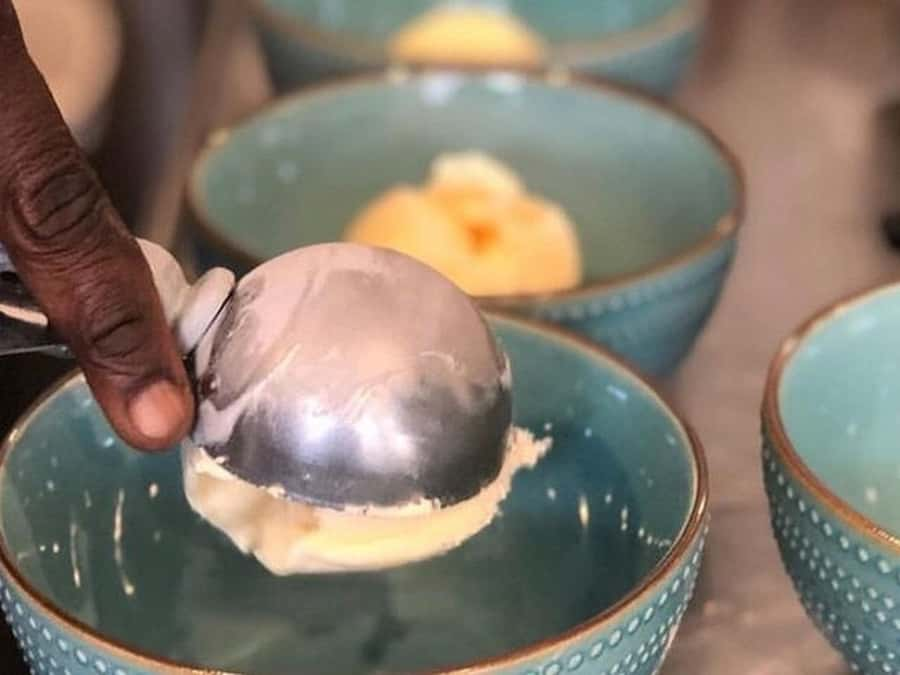
Bananas Foster comes at the end, after the savory dishes have been prepared and plated. This is likely to be the most playful part of the class, and it gives you a dessert you can make for friends or family.
The instructor teaches a foolproof method designed to be approachable at home. That is useful because bananas Foster can look more complicated than it is. You learn how to turn a few simple ingredients into a warm dessert with a restaurant-style finish.
This final dish also changes the rhythm of the class. After spending most of the time on chopping, roux, and savory seasoning, dessert feels like a light closing act. You then sit down to eat the food prepared during the session.
The meal is included, so you do not leave with only a few samples. You get lunch or dinner made as part of the class. Come hungry, but do not expect a rushed meal. The cooking process takes most of the three hours, and the food is the reward at the end.
What the teaching style feels like
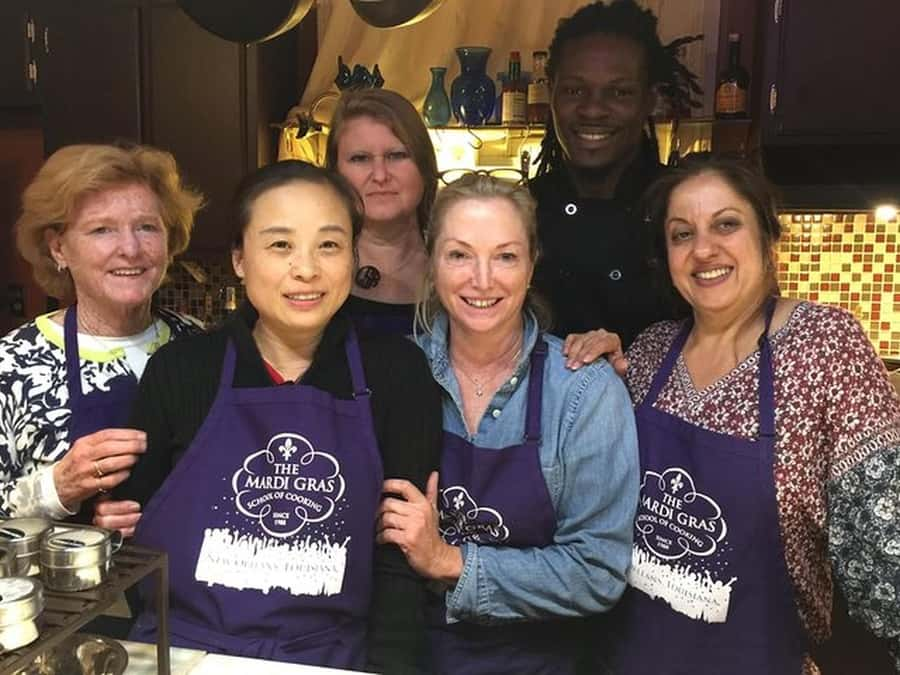
The strongest feature of the class is its personal, informal teaching style. Chef Raymond has been described as enthusiastic, with music playing while the group works on the roux. Mark has been praised for explaining each step carefully, while Chef Jason has been noted for adding New Orleans cooking history, jokes, and stories to the lesson.
Those names do not guarantee who will teach your session, but they give you a sense of the approach. You can expect an English-language class built around participation and explanation rather than a silent demonstration.
The instructors keep the group involved. That is especially helpful if you are new to Cajun or Creole cooking. You can follow along without needing advanced skills, while more experienced home cooks still have plenty to learn from the roux and seasoning work.
I would choose this class for the atmosphere as much as the food. Cooking with a small group can be a good way to break up a sightseeing schedule, and the shared meal gives the activity a natural ending. It feels more memorable than another restaurant dinner because you understand how the dishes reached the table.
The only caution is that the social format may not suit someone who wants a quiet, private lesson. You are cooking with up to nine other participants, and the experience includes conversation, music, and group activity.
Is $157 a fair price?
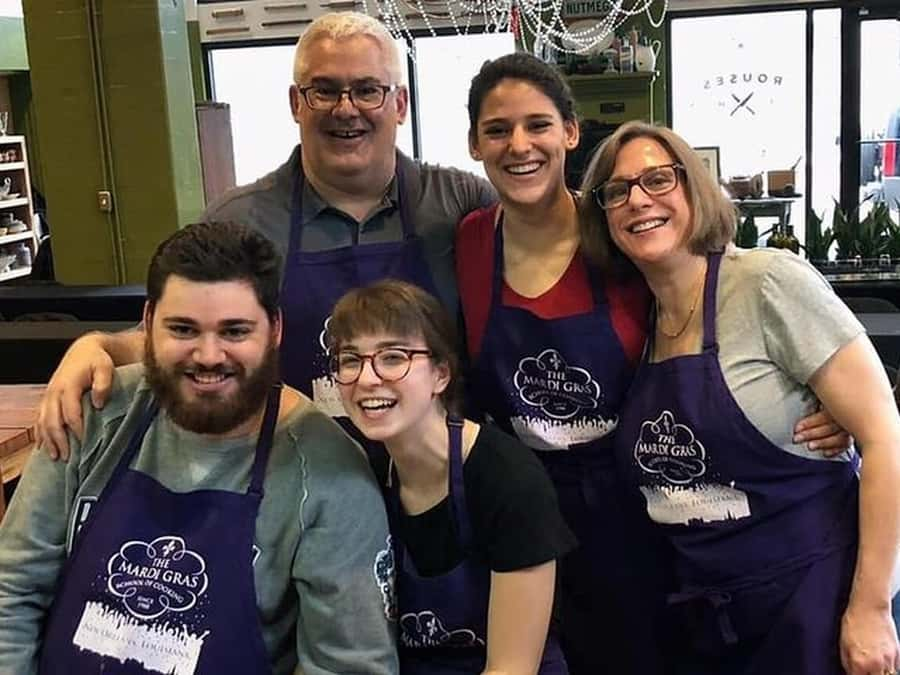
The cost is $157 per person. That is a significant amount for a three-hour activity, especially in a city where you can find excellent food at many price levels.
The value improves if you count everything included. You receive instruction, a full meal of gumbo, shrimp etouffee, and bananas Foster, plus wine, beer, sodas, and water. You also leave with cooking methods that can be used again, including how to prepare the Cajun Holy Trinity and how to judge a dark or light roux.
Still, you should not book this only because you want the cheapest way to eat these dishes. A restaurant meal will usually be simpler and may cost less. This class is worth considering when you want to spend part of your New Orleans visit learning something, cooking with other people, and eating what you prepared.
The price is easier to justify for someone who enjoys food-focused activities and plans to use the recipes at home. It is less compelling for a person with no interest in cooking or for someone looking for a quick tasting between other French Quarter plans.
Who should book this class?
I would recommend it for home cooks who want a practical introduction to Cajun and Creole food. You do not need to be an expert, since the class is built around instruction and participation.
It also suits couples and friends looking for an evening or afternoon activity that is more interactive than sightseeing. Solo participants can fit in well too, since the group setting and shared meal create natural chances to talk with others.
Families should note the age rule. Children over 10 may attend, but they must be willing to participate and genuinely enjoy cooking. Children under 10 are not allowed, so this is not a general family activity for younger kids.
The class is conducted in English. It is wheelchair accessible, and the meeting point is on the ground level. You need to arrange your own transportation to the French Quarter venue, and personal expenses and souvenirs are not included.
You can cancel up to 24 hours in advance for a full refund, and the reserve-now, pay-later option helps if you want to hold a place before your plans are final. Check the available starting times when booking, since the class lasts three hours but the start time can vary.
My recommendation
I think this is a strong choice if you want to understand New Orleans food by making it yourself. The combination of two roux styles, three finished dishes, a small group, and included drinks gives the class real substance.
Book it if you are willing to cook, ask questions, and spend $157 for an experience rather than just a meal. Skip it if you want a low-cost dinner, a private lesson, or an activity that requires little participation. For food lovers with room in the budget, the chance to leave knowing how to make gumbo, shrimp etouffee, and bananas Foster makes this one of the more useful French Quarter activities.
FAQ
How long is the New Orleans cooking class?
The class lasts three hours. Starting times vary, so you should check availability when choosing a date.
What dishes will I prepare?
You will prepare chicken and andouille sausage gumbo, shrimp etouffee, and bananas Foster.
Are drinks included?
Yes. The class includes wine, beer, sodas, and bottled water.
How many people are in the group?
The class is limited to 10 participants, making it a small-group experience.
Can children attend?
Children over 10 are allowed to book if they are willing to participate and enjoy cooking. Children under 10 are not permitted.
Is the cooking class wheelchair accessible?
Yes. The activity is wheelchair accessible, and the meeting point is Suite 101 on the ground level.
Newest classes around the USA
- Hands-on Cooking Class in Charleston★ 5.0 · 83 reviews
- Sushi Making Cooking Class at a Local Brewery in Charlotte★ 5.0 · 2 reviews
- Authentic Asian Cooking Class in NYC (Includes 4-Course Meal)★ 5.0 · 8 reviews
- Baumkuchen Campfire Baking Class★ 5.0 · 3 reviews
- Hands-On Hawaiian Imu Cooking and Cultural Dining Experience★ 5.0 · 95 reviews
- Farm to Table Cooking Class at Kulaniapia Falls★ 4.5 · 36 reviews
- French Cooking Class in Baltimore (Includes 3-Course Meal)★ 5.0 · 2 reviews
- Private Atlanta Cooking Class with a Fun Local Chef Naina★ 5.0 · 2 reviews
New Orleans Cooking Classes, compared.
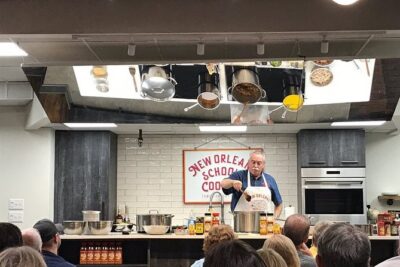
New Orleans Demonstration Cooking Class with Meal
Read our review →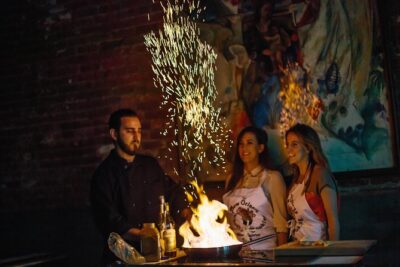
New Orleans Hands-On Cooking Class with Meal
Read our review →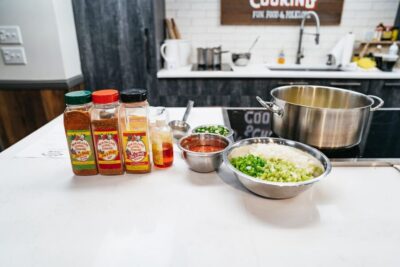
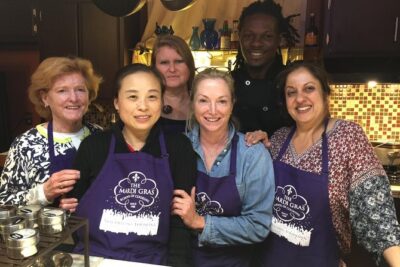
Hands-on Cajun Roux Cooking Class in New Orleans
Read our review →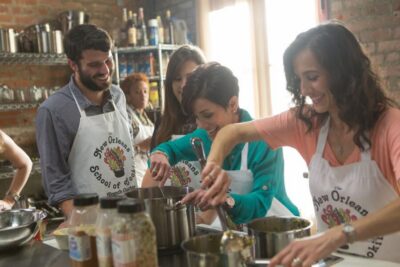
Private New Orleans Cajun Cooking Class with a Local Courtland
Read our review →

Browse the lists this tour appears in