Review · MILAN COOKING CLASSES
Milan: Pasta, Gnocchi and Tiramisù Cooking Class with Wine
The best part of this Milan cooking class is that you do not simply watch a chef prepare dinner. You work the dough, shape the pasta, form the gnocchi, and build tiramisu from scratch, then sit down and eat what you made. Francesco, Denise, Erica, and Liù are among the instructors who have led these sessions, and the teaching style is practical, friendly, and easy to follow.
I like two things right away: you get useful skills for home, not just a pleasant meal, and the three-hour format gives you time to cook, ask questions, and enjoy Prosecco and Italian wine without rushing. The recipes are sent home with you, and the chefs explain ingredient choices, food customs, and common mistakes. One consideration: the class includes wine tasting, so it may not suit anyone looking for a completely alcohol-free activity unless that is clarified in advance.
Key points at a glance
- Three Italian staples in one class: Make fresh pasta or ravioli, potato gnocchi, and tiramisu from basic ingredients.
- Hands-on from start to finish: You work with the dough and fillings rather than sitting through a cooking demonstration.
- Michelin-trained instruction: The chefs bring professional experience but explain techniques in a way beginners can use.
- A meal with drinks included: Prosecco begins the session, followed by Italian wine and the dishes prepared in class.
- Useful for special diets: Vegetarian, vegan, gluten-free, lactose-free, and other food needs can be accommodated when shared ahead of time.
- Easy central Milan meeting point: The kitchen is at Via Lodovico Settala 1, with entry at number 18, near Porta Venezia and Repubblica.
A Milan dinner you help create
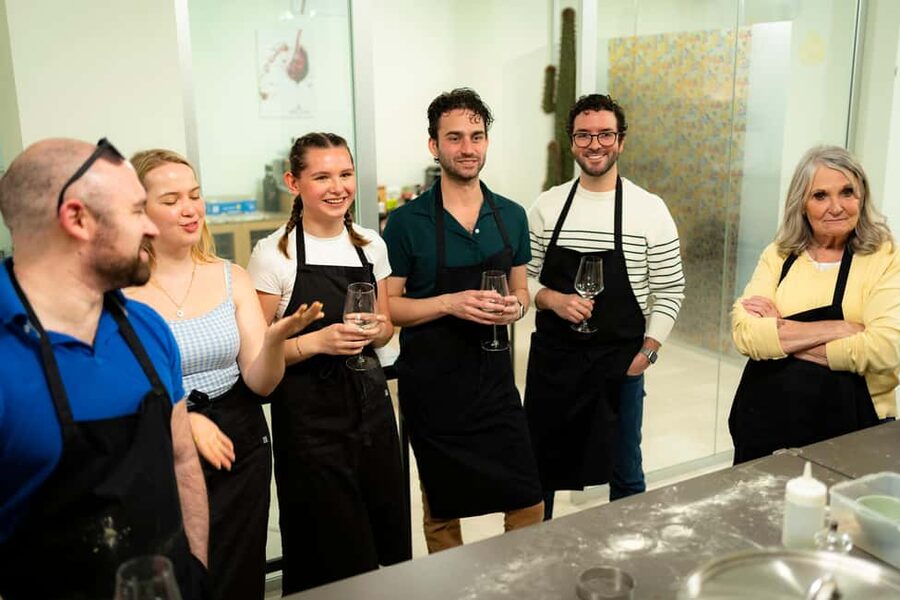
This is a cooking class first and a dinner second, which is exactly why I think it works well. You arrive at a professional kitchen in central Milan, meet the chef and the other people in your group, and start with a glass of Prosecco. The mood is social, but the focus stays on food.
The class lasts about three hours. That gives the chef room to demonstrate each stage, repeat techniques for the whole group, and let you practice instead of merely nodding along. Several participants found the hands-on format especially useful because they had expected to watch more and do less.
The class menu combines three foods that teach different skills. Pasta introduces dough, texture, rolling, and shaping. Gnocchi teaches you how to handle potatoes and flour without making the result heavy. Tiramisu gives you a dessert that is simple enough to repeat at home but still rewards care with the ingredients and layers.
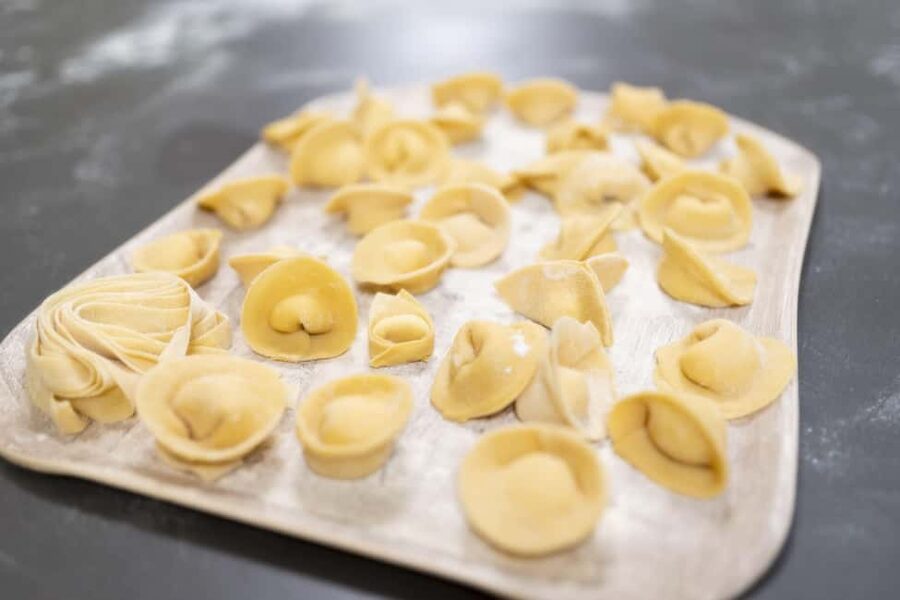
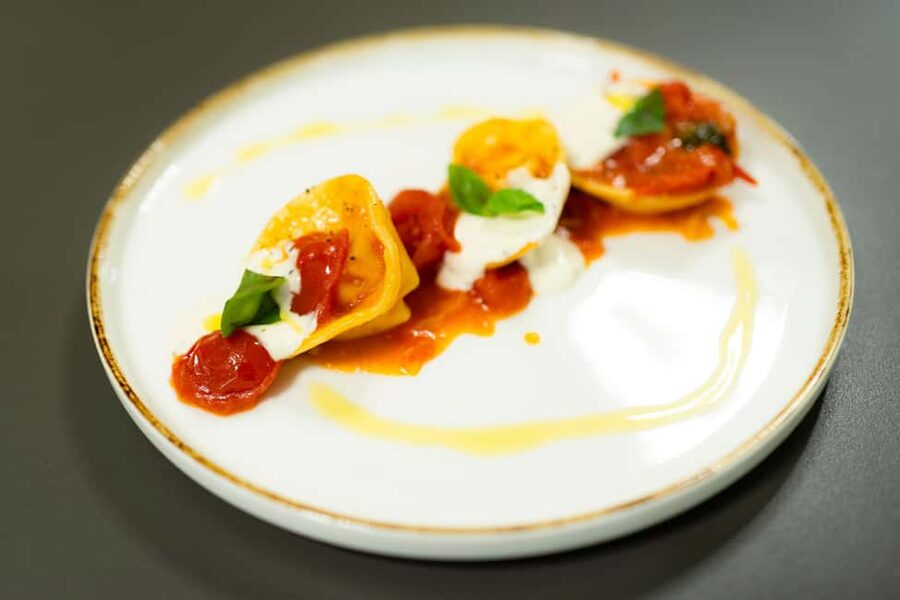
The exact pasta shape may be ravioli, depending on the session. That is worth noting because the experience is described both as a pasta class and as a ravioli class. In practice, you should expect to make fresh pasta and may shape it into ravioli, with the chef also discussing other pasta forms and sauces.
More Cooking Classes with Wine Tasting in Italy
- Milan: Pasta and Tiramisu Cooking Class with Wine
★ 4.8 · 1,106 reviews - Milan: Pasta and Tiramisu Small Group Cooking Class with Wine
★ 5.0 · 660 reviews - Milan: Italian Cooking Class with Food and Wine
★ 4.7 · 509 reviews
Starting with pasta dough and ravioli
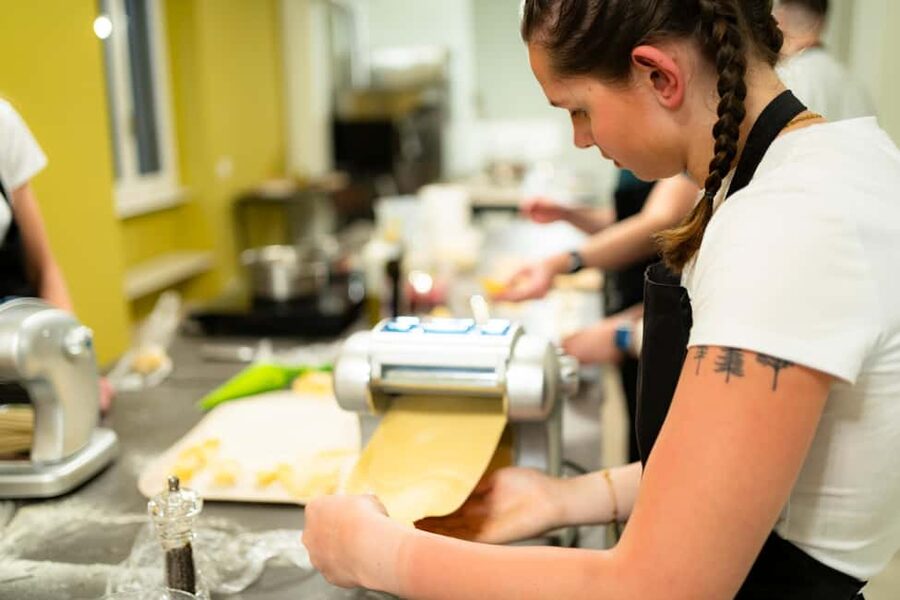
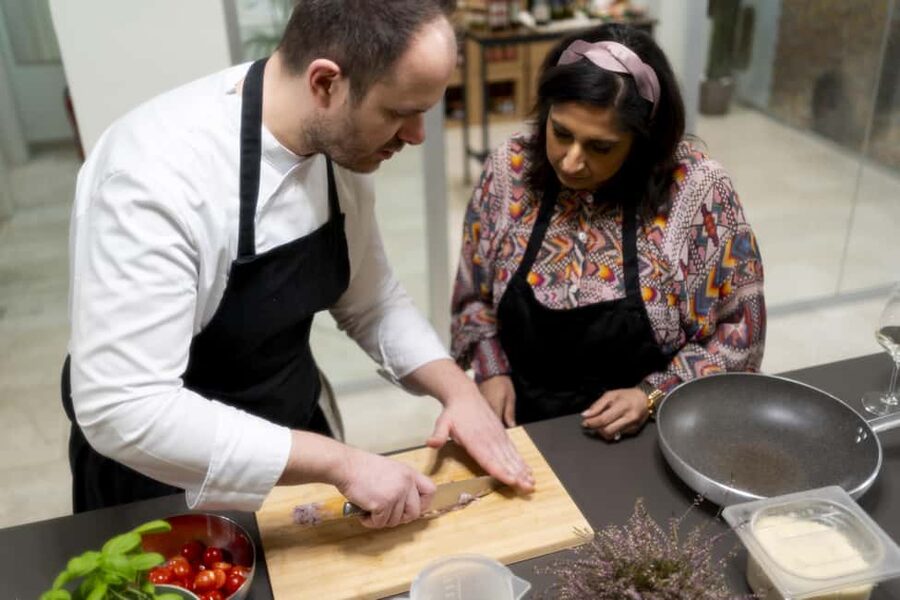
Fresh pasta looks intimidating until someone shows you the feel of the dough. That tactile lesson is one of the main reasons to take a class like this in Italy. A recipe can tell you how much flour to use, but your hands tell you when the dough is too dry, too sticky, or ready to rest.
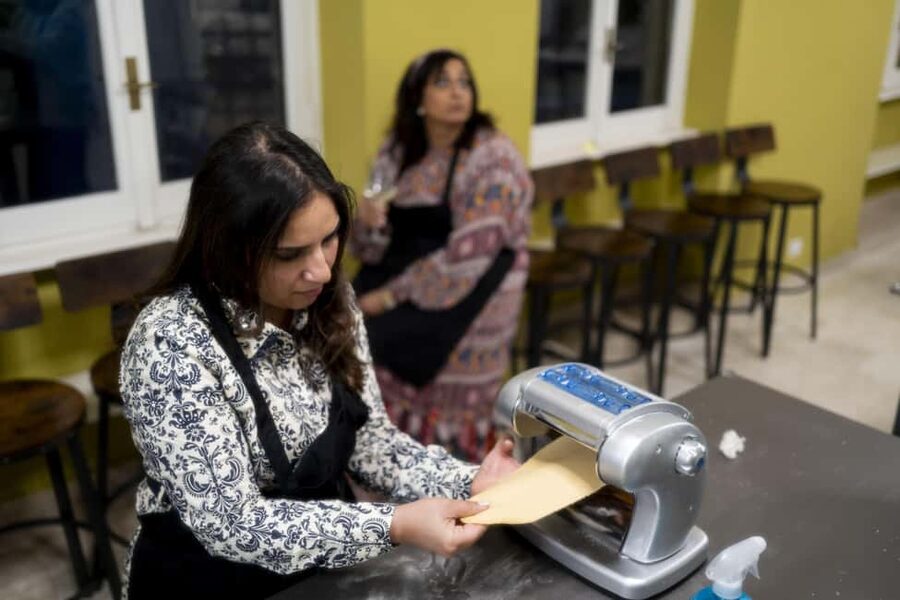
The chefs demonstrate the method step by step and move around the group to make sure everyone can see. Francesco, in particular, has been praised for making the process feel manageable for first-time pasta makers. You do not need to arrive with a pasta machine or years of kitchen practice.
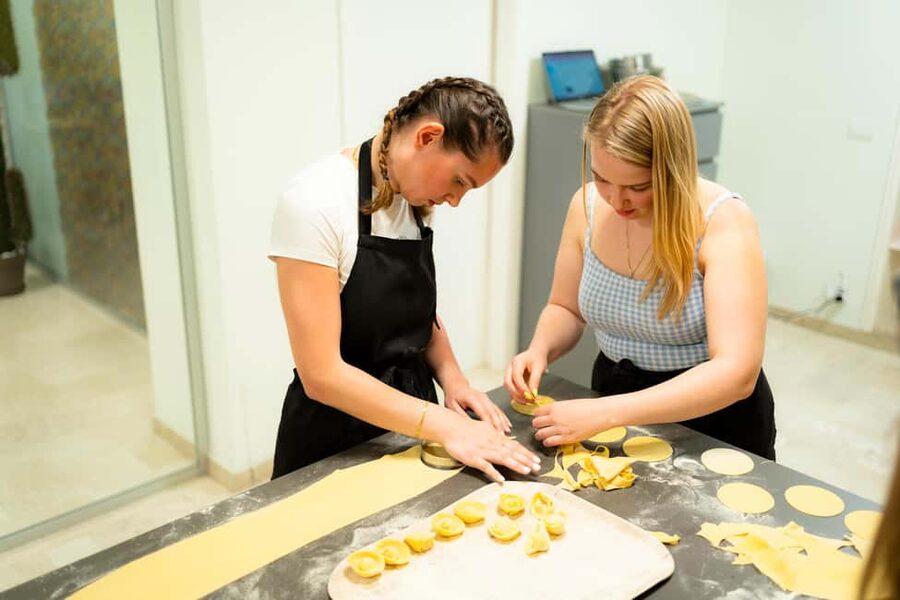
If ravioli is on the menu, you will also learn how to portion filling, seal the pasta, and avoid trapped air. These small details matter. Poorly sealed ravioli can open in the water, while too much filling can make shaping difficult. The class helps you understand those problems before you repeat them at home.
Do not expect every piece of pasta to look perfect. That is part of the charm, and it is also part of the lesson. One participant who had never made pasta before left ready to consider buying a pasta machine. Another noted that the shapes were not especially pretty yet, but the method no longer seemed out of reach.
The chef may also explain other pasta types and sauces as you work. That extra information is useful because it shows you how to adapt the basic dough rather than treating one recipe as a fixed formula. You get a starting point for future meals, not only the dish served that evening.
Potato gnocchi without the heavy texture
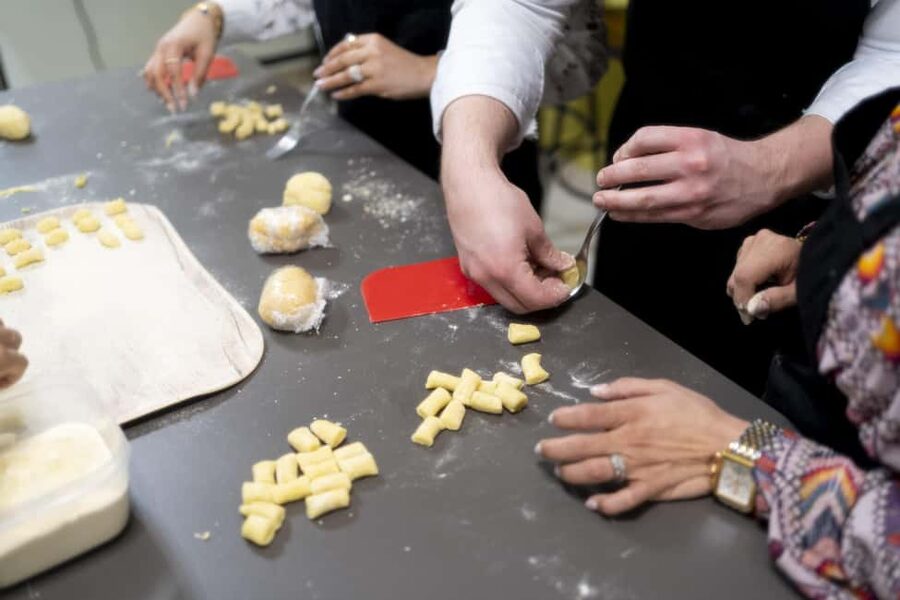
Gnocchi is often described as simple, but good gnocchi depends on restraint. Too much flour produces dense dumplings. Too much handling can make them tough. The class gives you a chance to see how the dough should come together and how to shape the pieces without overworking them.
This is an especially good part of the experience for cooks who have avoided gnocchi at home. Several people arrived unsure that they could make it and left surprised by how approachable it was. One self-described potato skeptic was won over by gnocchi served with truffle sauce.
The sauce is prepared as part of the meal, and the chef explains how the ingredients work together. You may not copy every sauce exactly at home, but the broader lesson is valuable: the dumplings should not be drowned in a heavy topping. A well-made gnocchi needs a sauce that supports its soft texture.
As with the pasta, you shape the gnocchi yourself. Your pieces may vary in size, and that is fine. The important skill is learning the dough consistency and cooking approach so you can improve with practice.
Tiramisu brings the class to the table
Tiramisu is the least physically demanding of the three dishes, but it offers plenty of room for useful detail. You learn how the layers are assembled and how the ingredients should be balanced. The chefs also explain the dish in the wider setting of Italian food traditions.
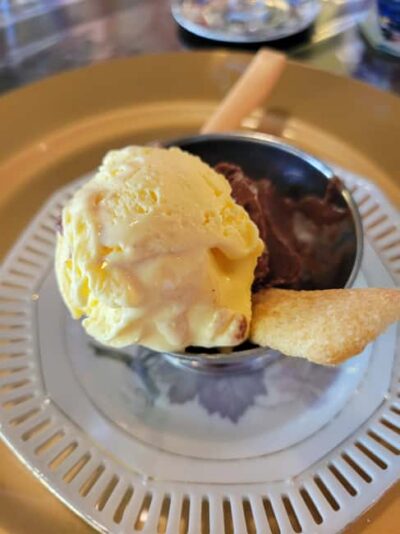
This can be a good surprise for people who do not normally choose tiramisu. One participant who had never considered themselves a fan became an enthusiast after making it in class. That makes sense: freshly prepared tiramisu can taste lighter and more balanced than a tired restaurant portion that has been sitting too long.
The dessert also gives the group a calmer task after the pasta and gnocchi work. You can ask questions, listen to stories about family recipes, and hear about common errors. Then the finished dessert is ready to chill or serve as the final course, depending on the kitchen’s timing.
More Cooking Classes with Wine Tasting in Milan
- Pizza Cooking Class with Tiramisù and Wine Tasting in Milan
★ 5.0 · 172 reviews - Pizza and Tiramisu Cooking Class with Wine in Milan
★ 4.9 · 80 reviews - Milan: Hands-On Pasta & Dessert Cooking Class & Wine Pairing
★ 5.0 · 3 reviews
Wine, conversation, and the shared meal
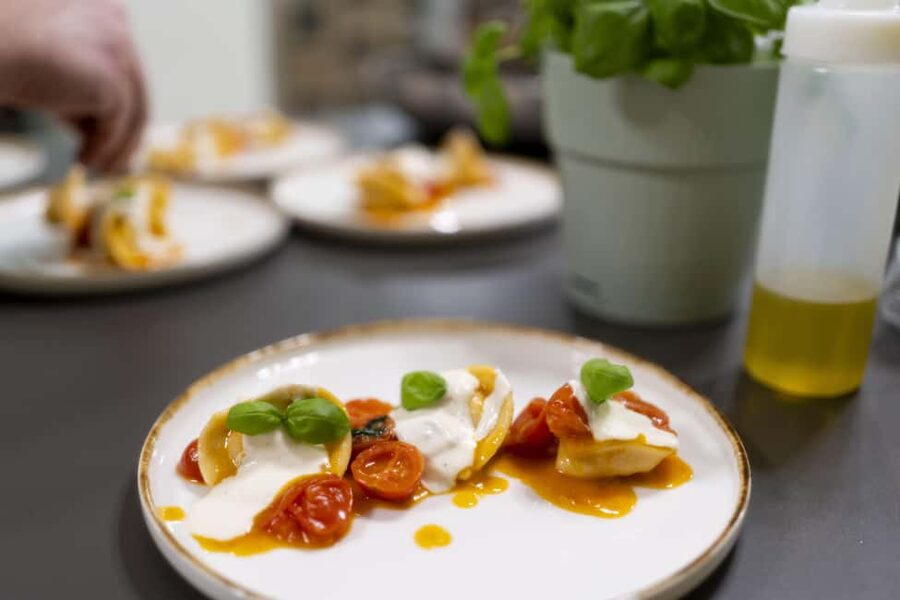
The drinks are not an afterthought. You begin with Prosecco, then taste Italian red wine selected to go with the food. That makes the evening feel closer to a relaxed Italian meal than a formal lesson.
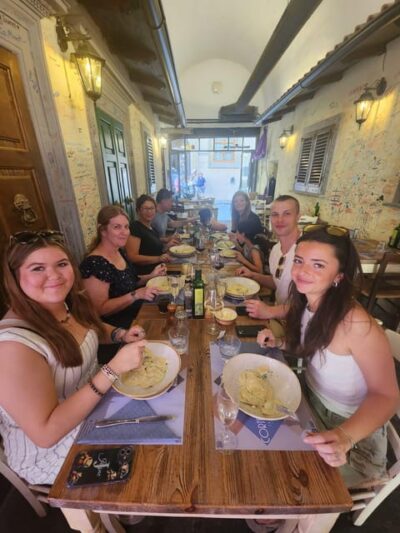
The wine is included in the price, but the bigger value is the way it helps shape the evening. You cook alongside people of different ages and from different countries, then sit together at one table. Solo visitors can join in without needing to arrive with a large party, while couples and families have an activity that gives them something to do together.
The class has also worked well for families. A 15-year-old joined a parent and enjoyed the cooking, while the adult appreciated the wine pairing. The schedule can be convenient too, especially for a late afternoon or early evening start, since you finish with your own dinner rather than having to find another meal afterward.
I would not book this expecting a quiet, private chef demonstration. The appeal is the group atmosphere. You will be talking, handling ingredients, watching demonstrations, and sharing a table. If you want a solitary lesson or a highly formal culinary course, this may feel too social.
What the chefs add beyond the recipes
The strongest teaching goes beyond measurements. The instructors explain why certain ingredients are used, how to choose products at the supermarket, and what Italian cooks look for when preparing familiar dishes.
Francesco has been singled out for his humor and clear explanations. Denise and Erica have also led sessions with a warm, engaging approach. Liù has adapted dishes for dietary needs during class, including changing a ravioli preparation so a participant who could not eat cheese could still take part fully.
The instructors do not appear to rely on a single rigid teaching style. Some participants describe detailed demonstrations, while others point to the way the chef repeated steps around the group. That matters in a cooking class because the person standing at the back should be able to see and follow the process.
You can also ask questions as you go. The chefs explain food traditions, the origins of dishes, and the reasons behind certain techniques. That cultural context adds value, but it stays connected to what is happening on the work surface. You are not sitting through a long history lecture while the chef does everything.
Dietary needs and what to tell the kitchen
The class can be adapted for vegetarian, vegan, gluten-free, lactose-free, and other dietary requirements. You need to tell the provider in advance, especially for allergies or intolerances.
This is more than a box-ticking detail. Pasta and tiramisu can contain ingredients that are difficult to remove at the last moment, and cross-use of ingredients may matter for severe allergies. Contact the provider before the class with clear information about what you cannot eat.
Adaptation may mean a different filling, pasta preparation, or dessert component. One participant with a dairy restriction was offered an alternative so they could still cook and eat as part of the group. The exact replacement is not specified in advance, so ask what can be arranged if your diet is strict.
Location and timing in central Milan
The meeting point is Via Lodovico Settala 1. When you arrive, ring at number 18. The closest Metro stops are Porta Venezia and Repubblica.
From Milan Cathedral, the address is about 2 kilometers away, or roughly 25 minutes on foot. That makes it possible to pair the class with sightseeing in the center, though I would leave enough time to find the entrance and arrive without rushing. The location is not at the cathedral itself, so check your route before setting off.
The experience lasts three hours, but the start time varies. Check availability for the date you want. An afternoon or early evening slot can work well because the meal you prepare becomes dinner, while a later session may fit better after a day of sightseeing.
Wear clothes you can cook in and avoid arriving with a packed schedule afterward. The class is hands-on, and the social meal can take a little time. You will get more from it if you treat it as your evening plan rather than a quick stop between attractions.
Is $74 a fair price?
At $74 per person, this class sits in a reasonable range for a three-hour activity that includes instruction, ingredients, a full meal, wine tasting, and recipes to take home. You are not paying only for dinner. You are paying for professional guidance and the chance to learn techniques you can repeat.
The value is strongest if you plan to cook after returning home. A restaurant meal gives you a finished dish. Here, you leave with a better idea of how to make pasta dough, handle gnocchi, assemble tiramisu, choose ingredients, and avoid common errors.
The price also covers a social evening, which can replace both a meal and another paid activity. That said, it may not be the best choice for someone who dislikes group classes or does not drink wine. The wine tasting is part of the experience, even though you can ask the provider about your own needs.
Free cancellation is available up to 24 hours before the start time, and you can reserve now and pay later. Those terms are useful when your Milan plans are still shifting, but you should still confirm the current time and availability before booking.
Who should book this cooking class?
I would recommend it to first-time pasta makers, food-focused visitors, couples, families with older children, and solo people who enjoy meeting others over a meal. It also suits experienced home cooks who want to compare their methods with an Italian chef and pick up small improvements.
The class is particularly useful if you have been curious about making pasta or gnocchi but assumed the process was too hard. The teaching breaks the work into manageable stages, and the recipes give you something concrete to try later.
You may want to skip it if you need a completely alcohol-free activity, dislike hands-on group settings, or want a highly specialized professional cooking course. This is an approachable cultural experience, not a multi-day culinary qualification.
Should you book it?
I would book this if you want more than another restaurant meal in Milan. The strongest reasons are the practical instruction, the chance to make three different dishes, and the friendly shared table at the end.
The recipe booklet and follow-up recipes make the experience last beyond the evening. You can return home and test your pasta dough, adjust your gnocchi, and make tiramisu for friends. That lasting usefulness is what gives this class its edge over a standard food tasting.
Book ahead if dietary changes are important, and confirm the pasta shape and start time for your chosen date. If you arrive ready to work with your hands, ask questions, and accept that your first ravioli may look homemade, this is a smart and satisfying way to spend three hours in Milan.
FAQ
How long does the Milan cooking class last?
The class lasts three hours. Starting times vary, so check availability for your preferred date.
What dishes will I make?
You will learn to make fresh pasta, potato gnocchi, and tiramisu from scratch. The pasta preparation may include ravioli, depending on the session.
Are food and drinks included?
Yes. The experience includes the meal prepared during class, wine tasting, and a welcome glass of Prosecco.
Can dietary restrictions be accommodated?
Vegetarian, vegan, gluten-free, lactose-free, and other dietary needs can be accommodated upon request. Tell the provider about allergies or intolerances in advance.
Where is the meeting point?
The class meets at Via Lodovico Settala 1 in Milan. Ring at number 18 when you arrive. The nearest Metro stops are Porta Venezia and Repubblica.
Is the class taught in English?
Yes. The instructor language is English.
More Tiramisu and Dessert Classes in Milan
- Milan Cooking Class: Authentic Pizza & Gelato Making
★ 5.0 · 582 reviews - Italy: Pasta and Tiramisu Cooking Class at Home
★ 3.0 · 2 reviews
More Pasta Making Classes in Milan
- Milan Culinary Experience: Pasta & Gelato or Tiramisù Class
★ 5.0 · 337 reviews - Milan: Pasta, Ravioli, and Gelato Class in a Glamorous Home
★ 4.9 · 268 reviews - Milan: Pasta & Tiramisu Cooking Class with Premium Products
★ 5.0 · 255 reviews - Milan: Homemade Pasta, Sauce, and Tiramisu Cooking Class
★ 5.0 · 3 reviews
Newest classes around Milan
- Small Group Cozy Cooking Class in a Typical Milanese Home★ 4.8 · 27 reviews
- Pizza and Tiramisu Cooking Class with Wine in Milan★ 4.9 · 80 reviews
- only in ITALIAN – International aperitif + cooking class in Italian★ 4.8 · 22 reviews
- Milan: Homemade Pasta, Sauce, and Tiramisu Cooking Class★ 5.0 · 3 reviews
- Milan: Private Cooking Class at a Local’s Home★ 5.0 · 9 reviews
- Milan: Market and Cooking Class at a Local’s Home★ 4.0 · 5 reviews
- Milan: Cooking Class for Families with Children★ 5.0 · 5 reviews
- Italy: Pasta and Tiramisu Cooking Class at Home★ 3.0 · 2 reviews
Milan Cooking Classes, compared.
Pasta and Tiramisu Small Group Cooking Class with Wine
Read our review →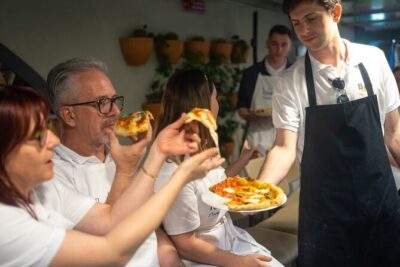
Milan Cooking Class: Authentic Pizza & Gelato Making
Read our review →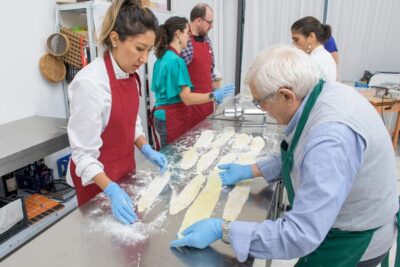

Milan Culinary Experience: Pasta & Gelato or Tiramisù Class
Read our review →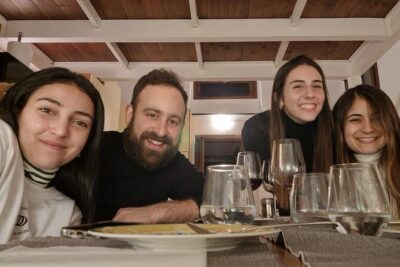
Small Group Cozy Cooking Class in a Typical Milanese Home.
Read our review →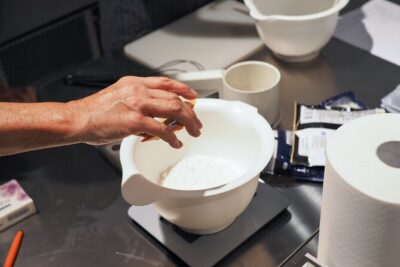
Learn to Cook Italian Recipes with an Italian Chef
Read our review →