
Review · MARRAKECH COOKING CLASSES
Marrakech: Moroccan Cooking Workshop at La Maison Arabe
The best part of this Marrakech cooking class is simple: you cook your own meal, rather than watching someone else do all the work. At La Maison Arabe, you work at an individual station with fresh local ingredients, then sit down to eat the tagine or larger meal you prepared. The class also brings Moroccan food to life through tea, bread, spice, and local custom.
I like the clean, polished kitchen and the calm, friendly instruction from the dada, a traditional Moroccan cook, with translation in Arabic, English, or French. I also like the choice between a quick one-hour class and a fuller three-hour session. The main consideration is price: at $35 per person, it costs more than some Marrakech cooking classes, though the equipment, meal, teaching, and central location make the value easier to defend.
Key points at a glance
- Choose your pace: The one-hour express class focuses on a local specialty, while the three-hour option adds starters, dessert, bread, tea, and more cultural background.
- Cook at your own station: You are not simply watching a demonstration. You chop, mix, season, and prepare your own dish.
- Expect a chicken tagine often: The exact menu can vary, but chicken tagine is a common focus and is eaten after cooking.
- Learn the Moroccan tea ritual: The tea ceremony is part of the cultural lesson, not just a drink served at the table.
- Meet at La Maison Arabe: The front desk is the stated meeting point, with the workshop held near the riad-hotel or at its garden setting.
- Plan for a polished experience: The kitchen is clean and well organized, but the class is not suitable for children under 12 or wheelchair users.
Why cooking is a smart way to meet Marrakech
Marrakech food can be easy to eat and hard to understand. A tagine arrives at your table with tender meat, vegetables, spices, and sauce, but the dish says little about how those flavors were built. This workshop gives you that missing piece.
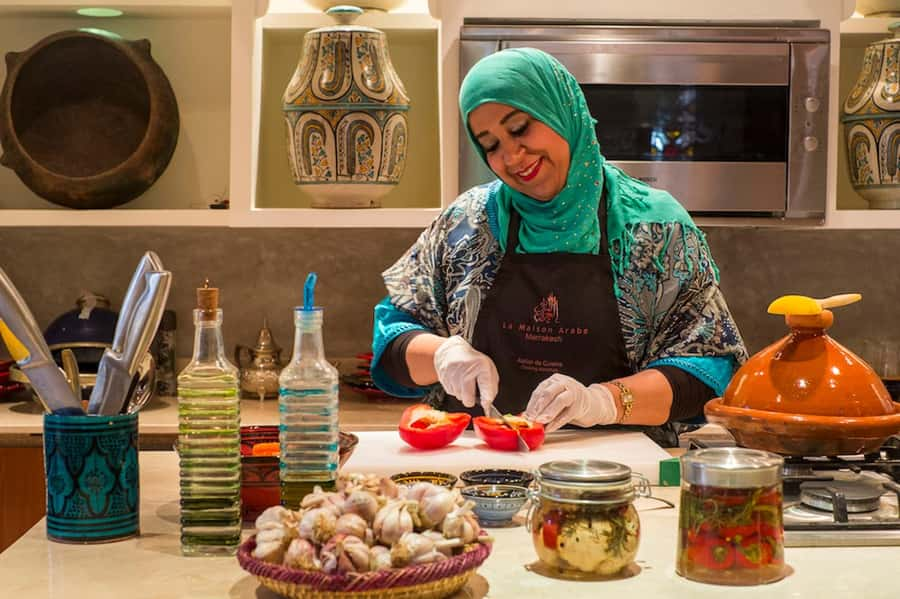
You learn by doing. The cook explains the steps, a translator helps with the language, and the ingredients are laid out so you can follow the process without guessing. That makes the class useful even if your kitchen skills are basic. Several participants found the recipes simple enough to repeat at home, and you receive a recipe to take with you.
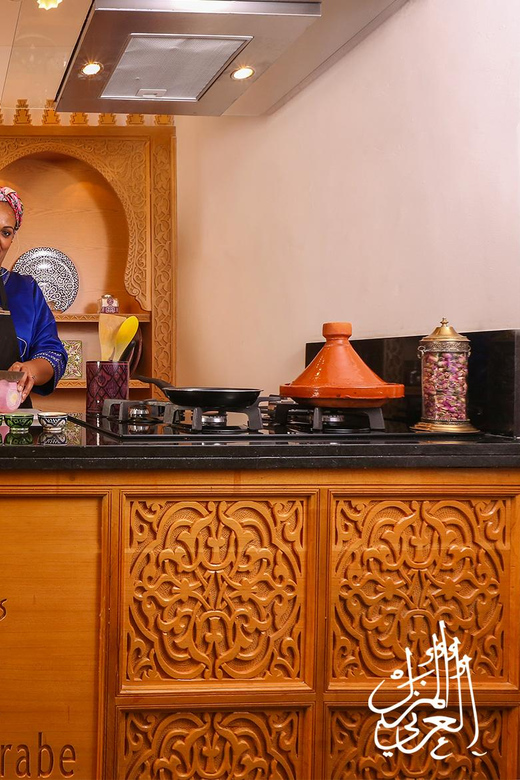
The setting also gives the activity a more personal feel than a standard restaurant meal. The dada cooks in the traditional Moroccan style, while the modern facility provides individual work areas and updated equipment. That mix is useful: you get a local cooking lesson without having to manage a cramped or confusing work surface.
More Moroccan Classes in Marrakesh:
- Marrakech: Moroccan Cooking Class with Pickup
★ 4.6 · 1,862 reviews - Marrakech: Traditional Moroccan Cooking Class & Market Visit
★ 4.8 · 1,861 reviews - Marrakesh: Moroccan Dishes Cooking Class with a Local Chef
★ 5.0 · 1,615 reviews
Meeting at La Maison Arabe
Your meeting point is the front desk of La Maison Arabe. The class takes place at the cooking school near the riad-hotel or in the property’s garden setting, depending on the session. This is handy if you are staying in or near the medina, since you do not need separate transportation to an outlying attraction.
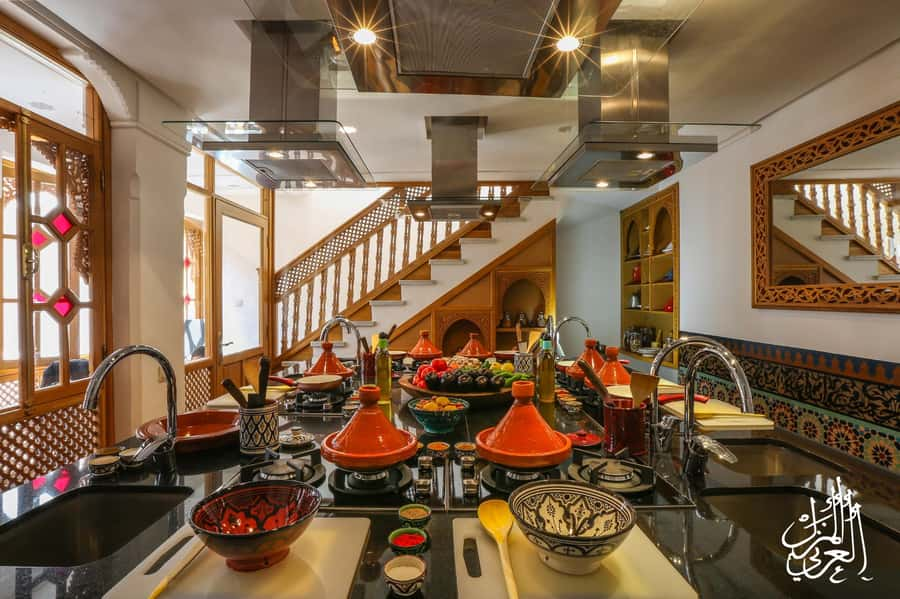
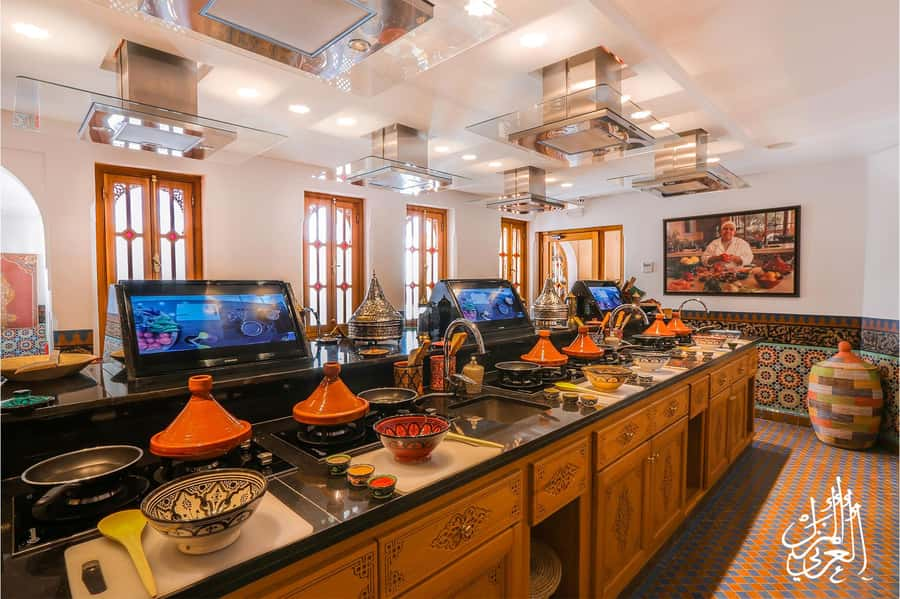
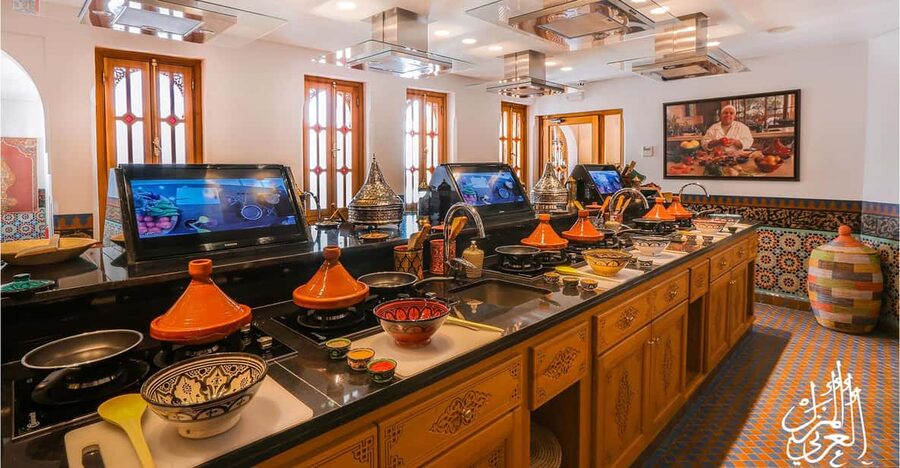
The setting has been one of the strongest parts of the experience for me. The facility is described as beautiful, clean, and well organized, with everything prepared before the class begins. That matters in a cooking lesson. If knives, ingredients, and cooking stations are ready, you spend your time learning rather than waiting for someone to find a bowl.
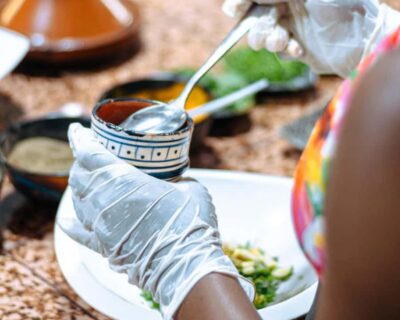
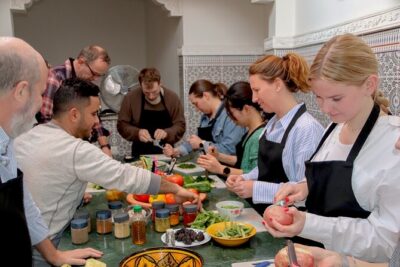
The workshop uses individual stations, so you have a direct role in making the food. You are not standing at the back of a crowded room trying to see a single demonstration. The arrangement also works well for couples, families with older children, friends, and work groups.
The class is not designed for children under 12, and it is not suitable for wheelchair users. Wear comfortable clothes, bring water, and do not bring other drinks into the activity.
The one-hour express class
The express class is the sensible choice if you want a taste of Moroccan cooking without giving up half a day. You move fairly quickly into the practical work, often preparing a chicken tagine. The focus is on the main dish, the cooking method, and the pleasure of eating what you have made.
This option suits a tight Marrakech schedule. You might fit it between time in the souks and an afternoon visit to a palace or garden. It also works well if you are unsure about committing to a longer class.
Do not expect the one-hour option to cover every part of Moroccan food culture. You may get some tea and cultural explanation, but the three-hour class is the better choice for a full meal and a longer look at spices, tea, bread, and Moroccan cooking traditions.
Still, the short session is not a token demonstration. You take part, follow the recipe, and sit down to eat the result. That is why I see it as a real introduction rather than a quick photo opportunity. A few participants found the tagine they prepared among the tastiest they ate in Marrakech, which is a good reminder that careful instruction matters more than a long schedule.
The three-hour class, from tea to dessert
The longer workshop gives you a fuller meal and a fuller lesson. You may prepare starters, a tagine or couscous dish, and dessert, with handmade bread and tea included along the way. The precise menu can vary, but the structure gives you more than one recipe to take home.
The session does not mean three straight hours of chopping and stirring. There is time for demonstrations, explanation, tea, food preparation, and the final meal. That makes the pace more comfortable, especially if you want to ask questions or understand why ingredients are used in a particular way.
A typical three-hour flow looks like this:
- You meet the cook and translator, settle at your work station, and learn what you will prepare.
- You handle the ingredients and begin the main cooking task with guidance.
- You see how Moroccan flatbread is made.
- You take part in a tea ceremony and learn about the ritual around serving tea.
- You prepare additional courses if included in your chosen session.
- You sit down and eat the meal you made, along with the other members of the group.
This longer format is the better pick if Moroccan food is one of your main reasons for visiting. You get more cultural context, more food, and more time to ask questions about spices, dishes, and daily cooking. It is also a good group activity because the meal gives everyone a natural reason to linger and talk afterward.
The trade-off is time. If your Marrakech stay is packed, the express option gives you the central experience without taking up an entire morning or afternoon.
More Cooking Classes in Marrakesh:
- Marrakech: Moroccan Cooking Class with a Local Family
★ 4.9 · 668 reviews - Marrakech: Moroccan Cuisine Cooking Class in Local Home
★ 4.8 · 508 reviews - Marrakech: Tajine Cooking Class in a Traditional Riad
★ 4.8 · 424 reviews - Marrakech: Moroccan Cooking Class with Market Visit and Meal
★ 4.9 · 347 reviews
What you actually learn at the work station
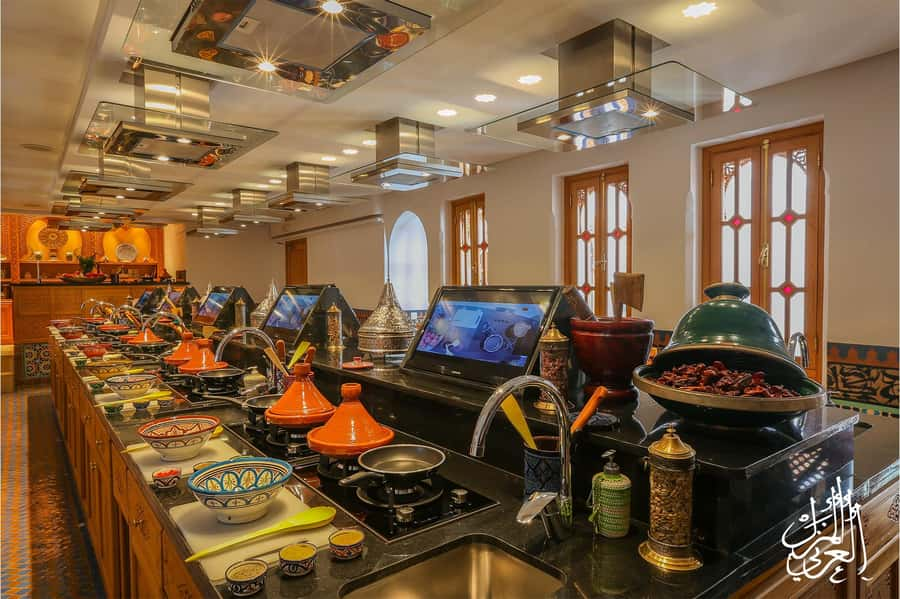
The class is hands-on, but it is not an advanced chef course. You learn a traditional Moroccan dish in clear stages, using fresh local ingredients and equipment prepared for the class. That makes the workshop accessible to a home cook who wants practical instruction, not culinary theory.
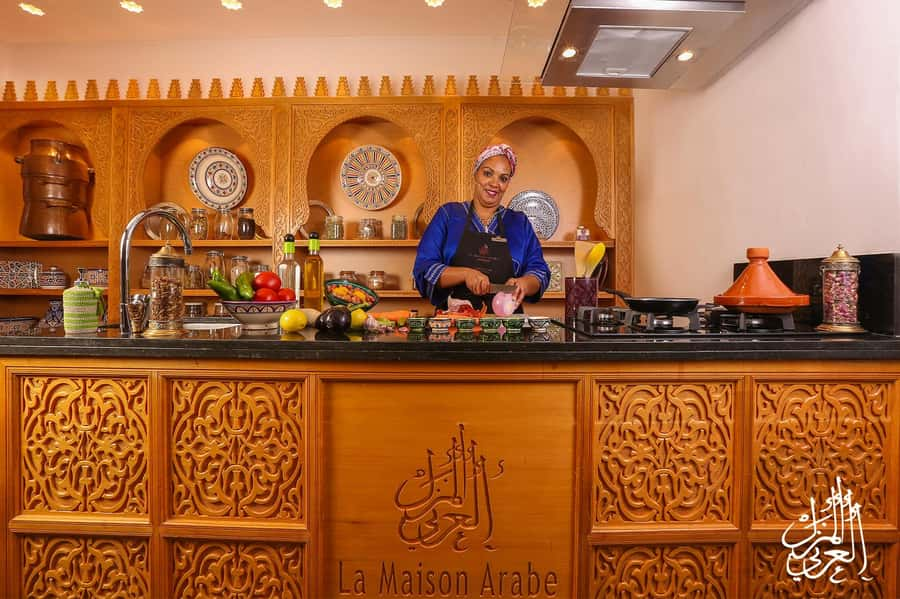
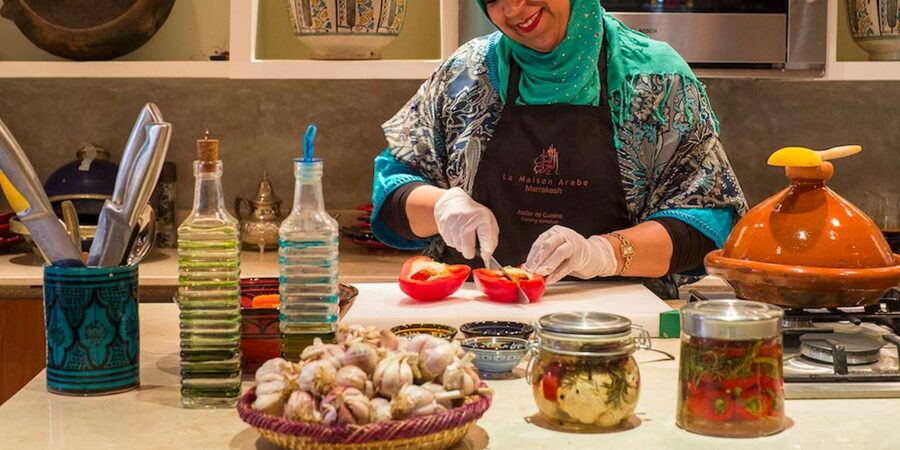
The cook handles the demonstration and explains the technique, while the translator keeps the lesson understandable for English-speaking participants. The instructors named in the feedback include Hayat, Sanaa, Wafa, Fatiha, Rokaya, Sana, Hasna, Habiba, and Mohammed. The exact instructor depends on the day, but the teaching team is described as patient, enthusiastic, and attentive.
You can ask questions as you work. That is particularly useful for understanding Moroccan seasoning, the use of the tagine, and the difference between simply adding ingredients and building flavor in the right order. The lesson also connects food with Moroccan customs and culture, rather than treating the recipe as an isolated set of instructions.
The clean set-up deserves special attention. Several people praised the kitchen’s organization and the fact that each person has a station. A recipe displayed on a screen may also help you keep track of the stages. For a first cooking class, these details lower the stress level.
The tea ceremony and flatbread demonstration
Moroccan tea is not just a refreshment here. The tea ceremony shows you how hospitality is expressed through preparation, serving, and presentation. You learn the ritual rather than simply receiving a glass of tea with your meal.
The ceremony also gives the class a welcome pause. After working with ingredients, you can listen, ask questions, and take in some of the cultural background. The saffron tea has received particular praise, though the exact tea served may depend on the session.
The flatbread demonstration adds another useful layer. Bread is central to Moroccan meals, and seeing it made helps explain how the meal comes together at the table. In the three-hour class, handmade bread is served with the dishes you prepare.
These moments are especially valuable if you want more than a recipe. A tagine can be copied from a cookbook, but the tea ritual and bread-making demonstration help you understand how food fits into everyday Moroccan life.
Eating the tagine you prepared
The reward comes at the end, when you sit down and eat your work. The meal may be served in the hotel restaurant or another attractive setting, including a rooftop area mentioned by participants. You are not hurried out as soon as the cooking ends, so the final meal feels like part of the class rather than an afterthought.
That distinction matters. Many food activities give you a small taste and move on. Here, you get a proper chance to judge the texture, seasoning, and sauce of the dish you made. You also share the table with the group, which can turn a practical lesson into a relaxed social activity.
The food is generally the strongest part of the experience. Chicken tagine appears often, and the meal may include salads, appetizers, dessert, bread, and tea on the longer option. Vegetarian participants can be accommodated, as one group noted, though you should make any dietary needs clear when booking if possible.
You may also receive a small tagine as a gift at the end. This is a thoughtful extra, and it gives you something tangible to take home. It does not replace the recipe, but together they make it easier to remember the class and attempt the dish later.
Is $35 good value?
At $35 per person, this is not the cheapest cooking lesson in Marrakech. If you only want to learn one basic dish, a local class at a lower price may appeal more.
I think the price is reasonable for what is included. You get instruction, ingredients, individual equipment, tea, food tasting, and the meal you prepare. The longer session adds starters, dessert, bread, and a tea ceremony. The clean kitchen and central meeting point also reduce the small frustrations that can make a budget activity feel less worthwhile.
The best value depends on your plan. Choose the one-hour version if you mainly want to try cooking tagine and fit the activity into a busy day. Choose the three-hour class if you would otherwise pay for a separate lunch, want several dishes, and care about the cultural side of Moroccan food.
The small gift at the end is pleasant, but I would not use it as the reason to book. The real value is the combination of practical instruction and a meal you can repeat at home.
Who should book this workshop?
I would recommend it to first-time visitors who want a friendly introduction to Moroccan food, couples looking for a shared activity, solo visitors who enjoy meeting people, and families with children aged 12 or older. It also suits colleagues or small groups because the individual work stations keep everyone involved.
It is a good choice for home cooks who want a recipe they can use after the trip. The chicken tagine is not presented as impossibly complicated, and the clear stages make it seem manageable for ordinary kitchens.
The express class is best for people with limited time or modest interest in cooking. The three-hour class is better for food-focused visitors, anyone who wants several courses, and people who enjoy cultural explanation along with practical work.
I would skip it if you dislike group activities, have mobility needs that require wheelchair access, or want a serious professional cooking qualification. This is a welcoming cultural cooking experience, not a chef-training course.
Booking details to know before you go
The activity is offered in Arabic, English, and French, with live translation during the lesson. Check the starting time when booking, since the duration can be one to three hours.
You can cancel up to 24 hours in advance for a full refund, and the reserve-now, pay-later option lets you hold a place without paying immediately. Bring water and wear comfortable clothes. Drinks are not included, and drinks are listed as not allowed during the activity.
The stated meeting point is the front desk of La Maison Arabe. Plan enough time to find the property, particularly if you are walking through the medina.
Should you book the La Maison Arabe cooking class?
Yes, if you want to cook rather than simply eat. The three-hour workshop gives you the strongest overall experience, with more dishes, tea, bread, dessert, and cultural explanation. It is also the better value if you want a substantial meal and time to enjoy the setting.
Book the express class if your schedule is tight or you mainly want to learn one tagine. Either way, you get a clean work station, direct help from a traditional cook, and the chance to sit down with food you prepared yourself. The price is above some alternatives, but the organization, location, meal, and teaching make it a fair choice for a polished Marrakech activity.
FAQ
Where does the cooking class meet?
The meeting point is the front desk of La Maison Arabe. The workshop is held at the cooking school near the riad-hotel or in its garden setting.
How long does the activity last?
You can choose between a one-hour express workshop and a three-hour cooking workshop. Starting times vary, so check availability when booking.
What food will I prepare?
The express class commonly focuses on a traditional dish such as chicken tagine. The longer class can include starters, tagine or couscous, dessert, handmade bread, and tea.
Is the class taught in English?
Yes. The activity is available in Arabic, English, and French, with translation during the lesson.
Is lunch included?
Yes. Food tasting and lunch are included, and you eat the meal prepared during the workshop. Drinks are not included.
Is the class suitable for children or wheelchair users?
The activity is not suitable for children under 12 or wheelchair users. You should wear comfortable clothes and bring water.
Newest classes around Marrakesh
- Marrakech: 3-Hour Open-Air Moroccan Cooking Course★ 4.9 · 74 reviews
- Moroccan Food Cooking Class with a Local Chef in Marrakech★ 4.7 · 90 reviews
- Moroccan cooking class in Marrakech with berber chef★ 5.0 · 16 reviews
- Edgy 8 Dish Private, Fusion Cooking Class, Menu Plan, Market★ 4.9 · 31 reviews
- Marrakech: Moroccan Cooking Class with Amazing Local Chef!★ 4.9 · 100 reviews
- Marrakech: Moroccan Cooking Class with Local Chef★ 4.6 · 87 reviews
- Marrakesh: Private Cooking Class & Local Market Shopping★ 4.7 · 15 reviews
- Marrakech: Cooking Class and Market Visit★ 4.4 · 5 reviews
Marrakech Cooking Classes, compared.
Traditional Moroccan Cooking Class & Market Visit
Read our review →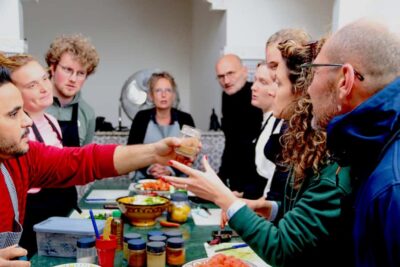
Moroccan Dishes Cooking Class with a Local Chef
Read our review →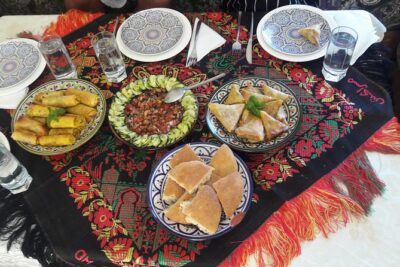
Moroccan Cooking Class & Marrakech Market Visit with Chef Khmisa
Read our review →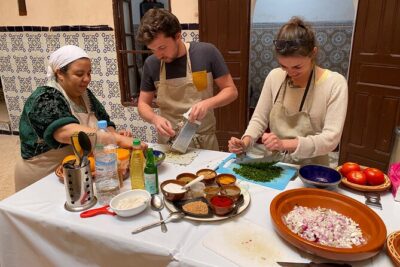
Half-Day Cooking Class with Local Chef Laila in Marrakech
Read our review →
Marrakesh cooking class with chef Hassan – Local dishes
Read our review →Browse the lists this tour appears in