
Review · MARRAKECH COOKING CLASSES
Marrakech: Atlas Mountains Cooking Class with Berber Family
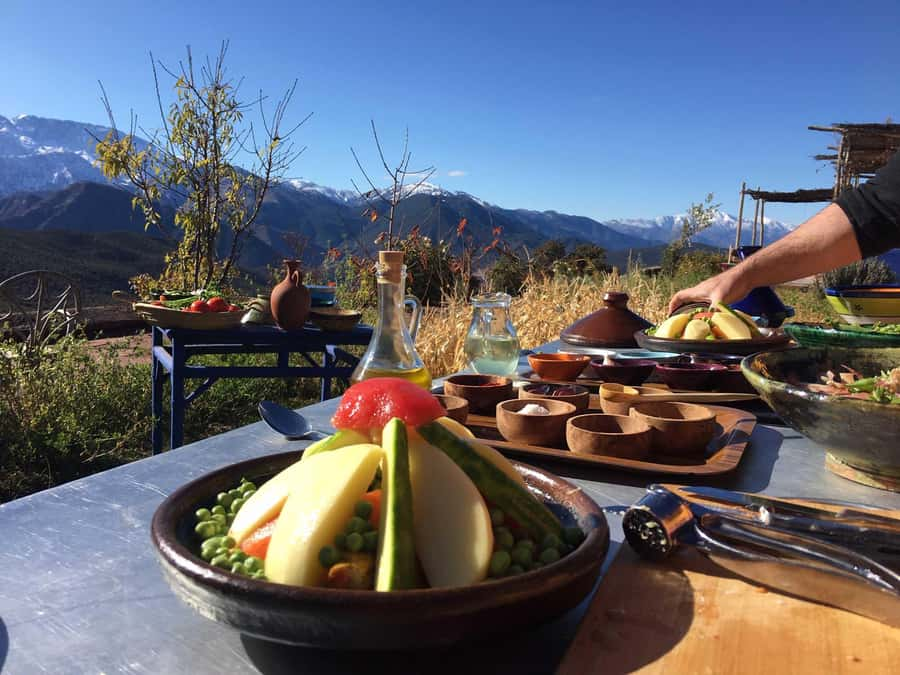
The best part of this day is not simply learning to make tagine. It is cooking in a real family home above Imlil, with a local mother or grandmother guiding you while the mountains fill the view. The morning begins with a market stop, so you help choose the vegetables before anyone lights the stove.
I like the small groups, limited to 10 people, and the warmth of families such as Ibrahim’s and Badr’s. I also like that the meal is prepared from scratch, including bread and couscous, rather than being a cooking demonstration where you only watch.
The main catch is timing and terrain. Lunch may not be ready until 2:30 to 4 p.m., and the final walk can take 5 to 15 minutes uphill on narrow paths and steps. Add a winding mountain drive, and this is not the best choice if you have serious mobility or motion-sickness problems.
Key points to know before you book
- Shop for the ingredients first: You help choose fresh vegetables at a local market before heading into the mountains.
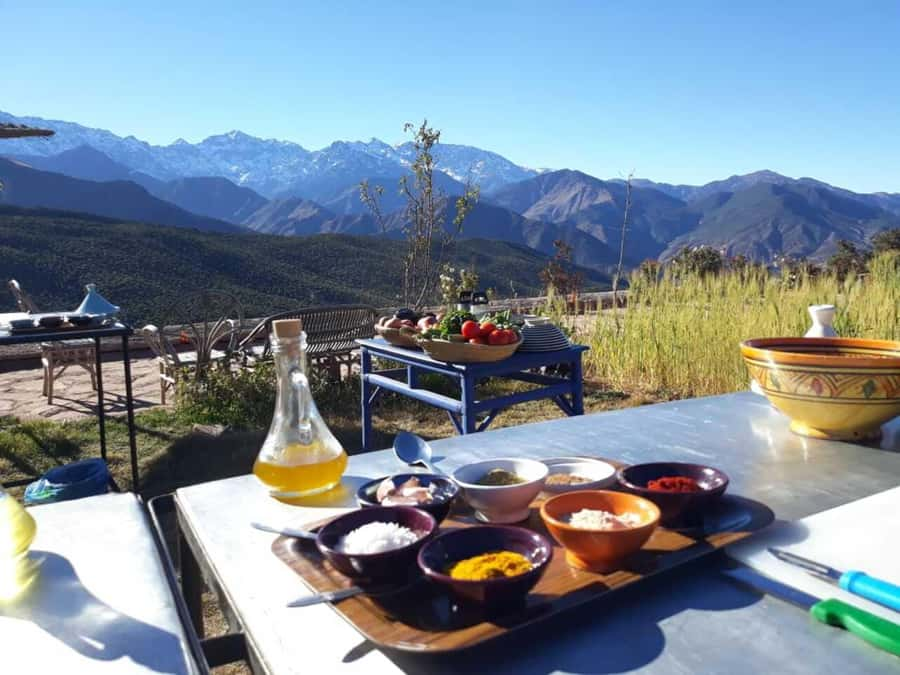
- Cook with a Berber mother or grandmother: The class takes place in a family home, often on a terrace overlooking Imlil.
- Make more than tagine: Depending on the day, you may prepare chicken tagine, vegetable couscous, and firewood-baked bread.
- Plan for a late lunch: The full three-course meal is often served around 2:30 to 4 p.m., so eat breakfast.
- Expect a real village walk: The road does not reach the house itself. Allow for an uphill walk on narrow paths.
- Budget seven to nine hours: The advertised duration is seven hours, but the drive, shopping, cooking, and mountain roads can stretch the day.
From Marrakech to the High Atlas
Your day begins with hotel pickup in Marrakech. If you are staying in a riad inside the Medina, the vehicle cannot usually reach the front door. Pickup is arranged at the nearest accessible point, so confirm that meeting place ahead of time rather than waiting beside a maze of alleyways.
The drive is part of the experience, not just a transfer. As Marrakech fades behind you, the road heads toward the Atlas Mountains and passes Berber villages, farms, and broad views of the countryside. The air is often cooler than in the city, a welcome change during hot weather.
The vehicle is air-conditioned, though one report noted that the ride home felt hot even with the air-conditioning running. If you are sensitive to heat or winding roads, sit where the motion is least noticeable and bring water. A small supply of motion-sickness medicine is sensible for anyone who struggles on mountain roads.
The listed duration is seven hours, but I would keep most of the day open. The drive can be slower than expected, and the cooking is not rushed. One especially useful detail: dinner plans in Marrakech should begin late, since the total outing has sometimes reached about nine hours.
More Cooking Classes in Marrakesh:
- Marrakech: Moroccan Cooking Class with Pickup
★ 4.6 · 1,862 reviews - Marrakech: Traditional Moroccan Cooking Class & Market Visit
★ 4.8 · 1,861 reviews - Marrakesh: Moroccan Dishes Cooking Class with a Local Chef
★ 5.0 · 1,615 reviews
Choosing vegetables at a local market
Before arriving at the family home, you stop to buy ingredients. This is usually a simple local grocer or roadside market, not a grand food market built for sightseeing. That is precisely why it works.
You help select the vegetables, weigh what is needed, and see the ordinary produce used in a mountain household. Guides such as Ibrahim and Badr help with the shopping and explain what to choose. It gives you a better sense of Moroccan cooking than receiving a premeasured bowl of ingredients in a city kitchen.
This stop also shows how much of the meal depends on preparation rather than fancy equipment. The dishes are straightforward, but the process matters: selecting the produce, washing and cutting it, arranging ingredients, and allowing the pot to cook slowly.
The market visit is not a separate attraction with a long guided tour. It is a useful working stop that leads directly into lunch. If you want a polished chef-led class with printed recipes and precise culinary instruction, this may feel informal. If you want to see how a family meal begins, it is one of the most worthwhile parts.
The walk to a family home above Imlil
The vehicle takes you toward the Imlil Valley, near the trails leading into the High Atlas. From there, you walk to the house. Reports describe the walk as anywhere from 5 to 15 minutes, depending on the exact home and route, with uphill paths, narrow sections, steps, and uneven ground.
You do not need to be a hiker, but you should be steady on your feet. Wear comfortable shoes with a firm sole. Sandals or smooth city shoes can make the short walk harder than it needs to be.
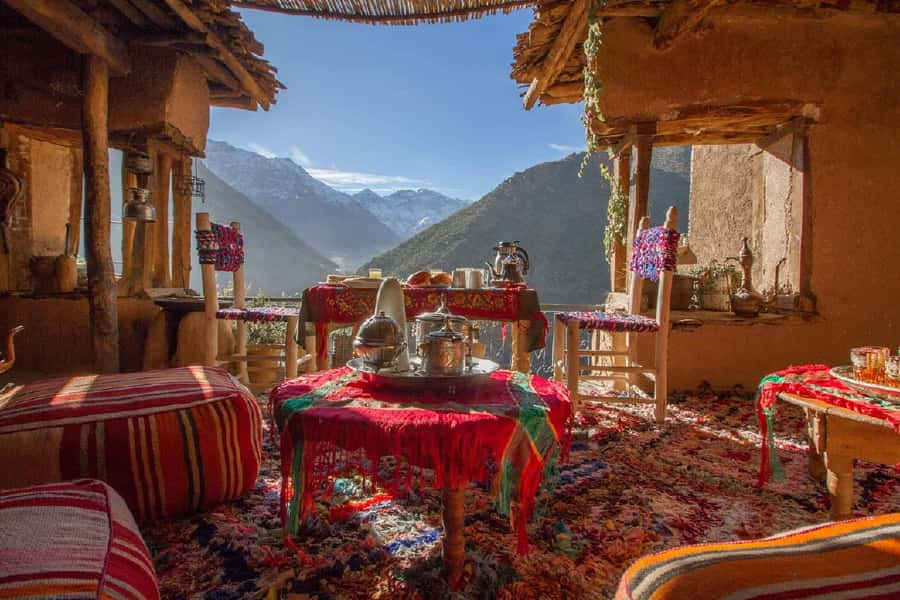
The reward is the setting. Several families host the class from a terrace or courtyard with wide views toward the surrounding mountains, including views in the direction of Jebel Toubkal on clear days. This is not a restaurant with a mountain mural. You are arriving at a family house, often one that has been part of the guide’s childhood.
That difference gives the experience its strongest quality. Guides including Ibrahim, Ismail, Badr, and Abraham have been praised for explaining village life, local history, Amazigh traditions, and the Berber language. The exact host depends on the departure, but the family connection is central to the day.
On arrival, you may be offered tea and cake before cooking begins. Rosemary tea has also been served. Some homes have cats around the terrace, a small detail that families with children may enjoy, though anyone uneasy around animals should know that pets are not part of the formal activity.
Cooking tagine, couscous, and bread
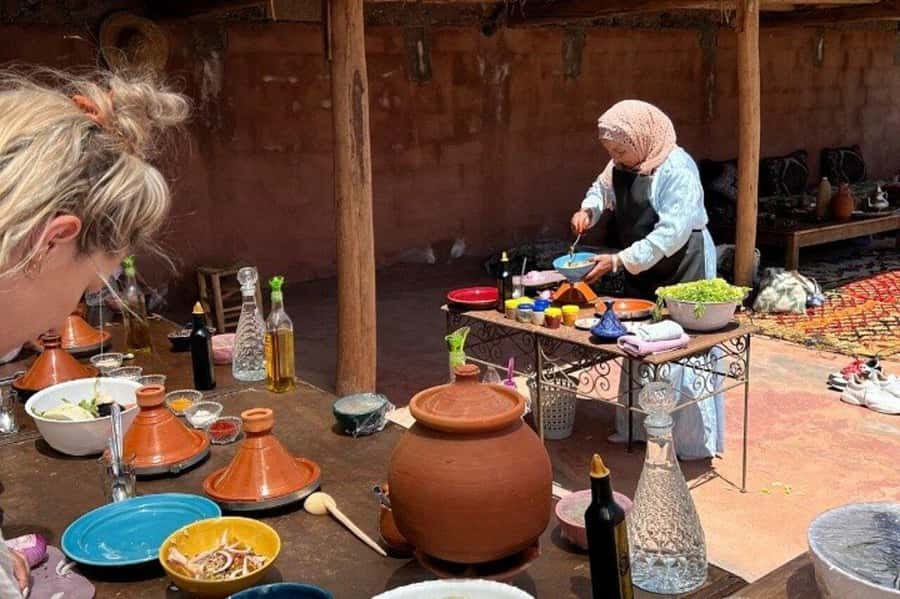
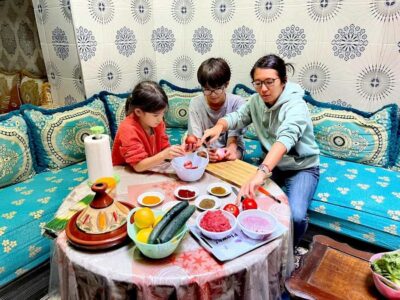
The cooking class is hands-on. You are not simply seated while a host prepares lunch. The family helps you work through the meal, often including chicken tagine, vegetable couscous, and traditional bread baked in a wood-fired oven.
The exact menu can vary, but the pattern is clear. You prepare the vegetables, arrange the tagine, work with the couscous, and help make bread. One useful lesson is the order in which ingredients are added and how they are placed in the pot. This is practical Moroccan home cooking, not a restaurant recipe adjusted for a cooking school.
The food is generally simple and plentiful. That is part of the point. The class shows how a few fresh ingredients become a complete meal with careful sequencing, steady heat, and time. You may not leave with a fully written recipe or the same traditional tools at home, but you will understand the method better.
I especially like that the bread is made and baked during the visit. Bread connects the different parts of the meal, and watching it cook in a wood oven makes the lunch feel tied to the house rather than assembled for a tour group.
The host mother is usually the main cooking teacher, with the guide translating and explaining. Past hosts have included Yemna, Yamna, and other family members referred to as Mama or Auntie. Their role is more than technical instruction. They show you how the dishes fit into family life and local custom.
Language is worth considering. The activity is offered in English and French. Guides generally handle the explanations, but if the group includes many French speakers, some English discussion may be harder to follow. A small group helps, yet you should not expect every sentence to be translated twice.
Same region, a different dish to learn:
- Marrakech: Moroccan Cooking Class with a Local Family
★ 4.9 · 668 reviews - Marrakech: Moroccan Cuisine Cooking Class in Local Home
★ 4.8 · 508 reviews - Marrakech: Moroccan Cooking Workshop at La Maison Arabe
★ 5.0 · 446 reviews - Marrakech: Tajine Cooking Class in a Traditional Riad
★ 4.8 · 424 reviews
A three-course lunch with a mountain view
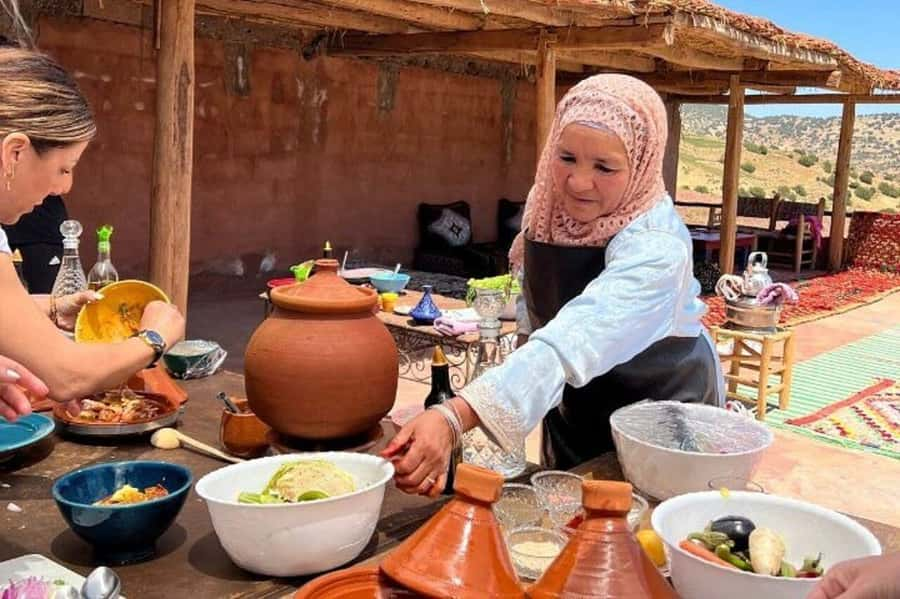
By the time the food is ready, you will probably be hungry. The meal may arrive between 2:30 and 4 p.m., so eat a solid breakfast before pickup. This is the most repeated practical warning, and it matters more than it might seem on a seven-hour outing.
Lunch is served in the family home, often on a terrace when the weather cooperates. The meal includes the food you helped prepare and is accompanied by tea or coffee and bottled water. Portions are described as generous, so you should not expect a light tasting menu.
The setting adds real value. A tagine in Marrakech can be excellent, but eating one after shopping for the vegetables, preparing the dish, waiting for it to cook, and sitting above the Imlil Valley gives the meal a different meaning. You have seen the work behind it.
The food is not meant to be sophisticated restaurant cuisine. It is home cooking, and that is why expectations matter. You are paying for the full chain of experiences, from transport and market shopping to family conversation and mountain views, not only for instruction in a recipe.
Dietary needs can sometimes be accommodated. One family prepared a separate tagine for a gluten-free guest and took care with a child’s nut allergy. You should still state allergies and dietary restrictions when booking and confirm them before the day.
The family connection is the real lesson
The cooking is the activity you can describe, but the family welcome is what gives the day its character. You may spend time talking with a guide about village life, Amazigh culture, local traditions, and the history of the area. Some guides, including Ibrahim and Ismail, have been praised for making these conversations part of the day rather than delivering a memorized speech.
The hosts also make the home feel lived in. You might see garden herbs, family terraces, simple cooking equipment, or a wood oven. These details show how the meal fits into daily life.
A few families have marked special occasions during the visit. One host dressed a newly married woman in traditional Berber bridal clothing, and another prepared a birthday cake after learning it was a guest’s birthday. These personal touches cannot be guaranteed, but they show the generous spirit of the hosting families.
Still, keep your expectations respectful. This is a family home, not a staged cultural show. The pace, facilities, and cooking style may be less polished than a commercial school in Marrakech. For me, that is a benefit, but it may not suit someone looking for a highly structured culinary course.
Is the $54 price good value?
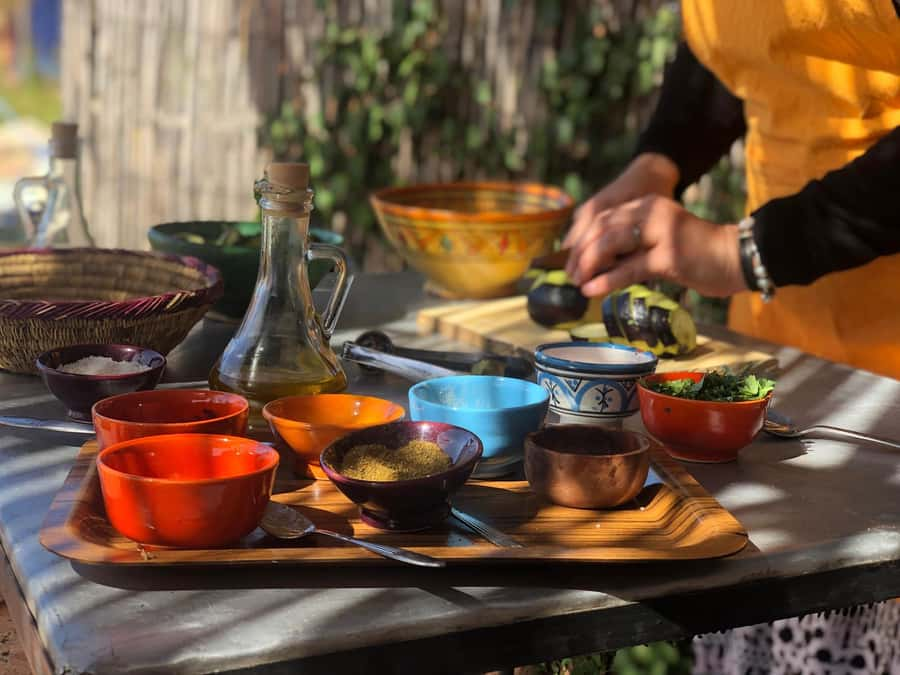
At $54 per person, the price is reasonable if you want a full day rather than a short cooking lesson. It includes hotel pickup and drop-off, an air-conditioned vehicle, a local guide, the market stop, the cooking class, tea or coffee, bottled water, and lunch.
You are also paying for the drive into the High Atlas and the time of a local family. A city cooking class may offer more detailed recipe instruction, but it will not give you the same mountain setting or family-home connection.
The value is strongest for couples, families, and small groups who care about food and conversation as much as technique. It is also a good change of pace after several days in Marrakech. Several guides and families make the day feel personal even when the group is not tiny.
The value is weaker if you want a short outing, an early lunch, or a class focused on advanced cooking skills. The dishes are traditional and satisfying, but the preparation is not presented as professional culinary training. You may learn more about everyday Moroccan cooking than about restaurant technique.
Free cancellation up to 24 hours before departure and the option to reserve without paying immediately make the booking less rigid. Those terms are useful, but the more important planning point is to avoid scheduling a fixed dinner or evening show too soon after the expected return.
Who should choose this Atlas Mountains cooking class?
I would choose this experience if you want:
- A genuine family setting rather than a purpose-built cooking studio
- A day outside Marrakech with mountain scenery
- A hands-on introduction to tagine, couscous, and bread
- Conversation about Amazigh culture and village life
- A relaxed small-group outing with hotel pickup
- A memorable food experience for children, provided they can manage the walk
I would think twice if you have limited mobility, use a wheelchair, or find uphill paths difficult. The activity is specifically not suitable for wheelchair users or people with mobility impairments.
I would also reconsider if you are prone to severe car sickness. The road into the mountains is winding, and the day involves a long vehicle ride. Comfortable shoes, warm clothing for cooler mountain weather, a sun hat, water, and a camera are sensible things to bring.
Should you book it?
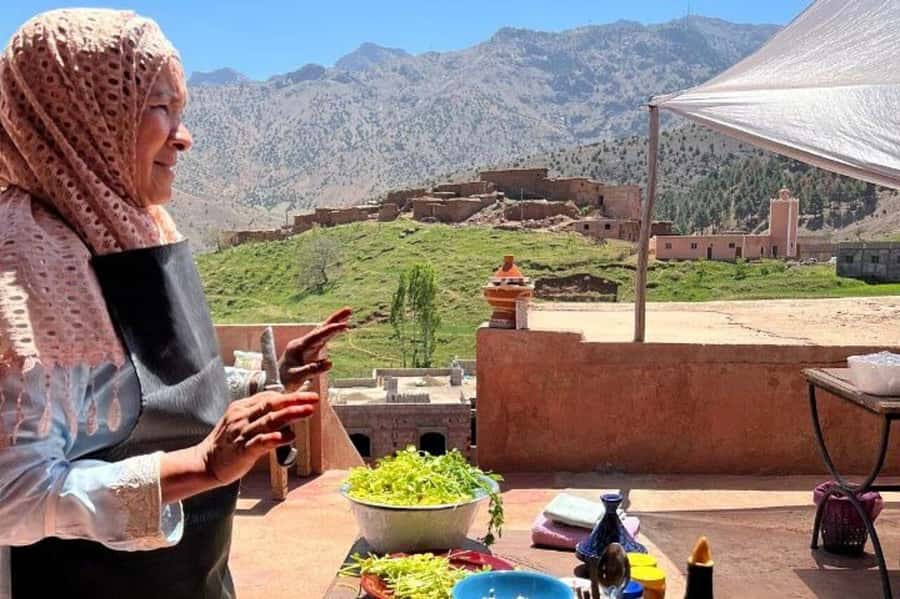
Yes, if you want the meal to come with a story. The strongest reasons to book are the family home, the market shopping, the mountain terrace, and the chance to cook alongside a mother or grandmother who prepares these foods as part of local life.
Book it with three cautions in mind: eat breakfast, leave your evening flexible, and be ready for a short uphill walk. If those conditions suit you, this is a well-priced way to trade Marrakech’s noise for mountain air, fresh food, and a personal introduction to Berber culture.
FAQ
How long does the Atlas Mountains cooking class last?
The stated duration is seven hours. You should allow extra time because some outings have lasted closer to nine hours, depending on traffic, the mountain roads, and the pace of the cooking.
What food do you prepare?
The menu can include chicken tagine, vegetable couscous, and traditional bread. You help prepare the ingredients, arrange the dishes, and cook the bread in a wood-fired oven.
Is lunch included?
Yes. A three-course lunch is included, along with coffee or tea and bottled water. Lunch may be served between 2:30 and 4 p.m., so eat breakfast before pickup.
Where does the cooking class take place?
The class takes place in a Berber family home in the Atlas Mountains, near the Imlil Valley. You may cook on a terrace with views of the mountains.
Is hotel pickup available?
Yes. Hotel pickup and drop-off are included. If you stay in a riad inside the Medina, pickup is arranged from the nearest point that the vehicle can reach.
What languages are available?
The activity is offered with a live guide in English or French.
How large is the group?
The experience is operated as a small group, limited to 10 participants.
Is the activity suitable for people with mobility difficulties?
No. The activity is not suitable for wheelchair users or people with mobility impairments because the route to the home includes an uphill walk on narrow paths and steps.
Newest classes around Marrakesh
- Marrakech: 3-Hour Open-Air Moroccan Cooking Course★ 4.9 · 74 reviews
- Moroccan Food Cooking Class with a Local Chef in Marrakech★ 4.7 · 90 reviews
- Moroccan cooking class in Marrakech with berber chef★ 5.0 · 16 reviews
- Edgy 8 Dish Private, Fusion Cooking Class, Menu Plan, Market★ 4.9 · 31 reviews
- Marrakech: Moroccan Cooking Class with Amazing Local Chef!★ 4.9 · 100 reviews
- Marrakech: Moroccan Cooking Class with Local Chef★ 4.6 · 87 reviews
- Marrakesh: Private Cooking Class & Local Market Shopping★ 4.7 · 15 reviews
- Marrakech: Cooking Class and Market Visit★ 4.4 · 5 reviews
Marrakech Cooking Classes, compared.
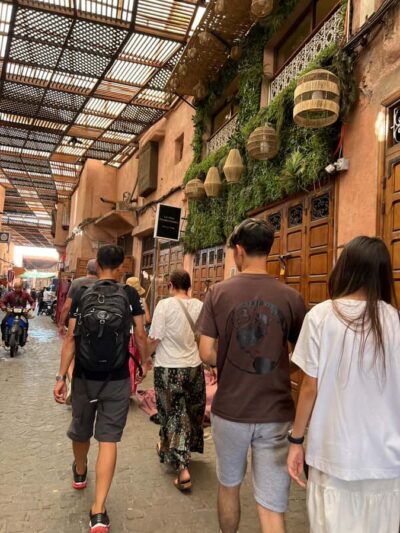
Traditional Moroccan Cooking Class & Market Visit
Read our review →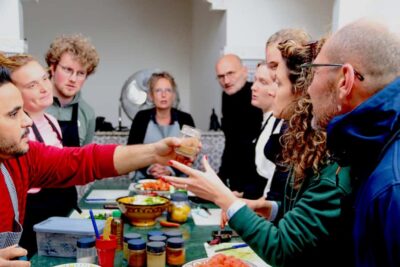
Moroccan Dishes Cooking Class with a Local Chef
Read our review →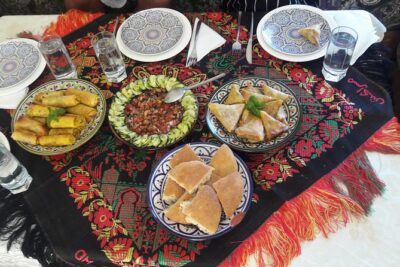
Moroccan Cooking Class & Marrakech Market Visit with Chef Khmisa
Read our review →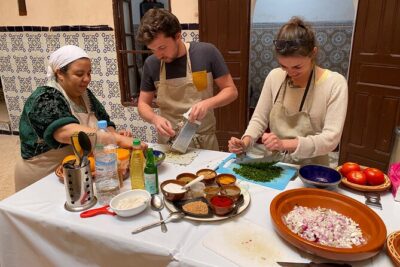
Half-Day Cooking Class with Local Chef Laila in Marrakech
Read our review →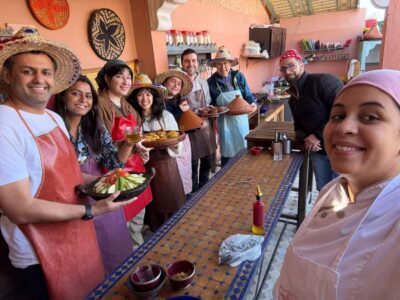
Browse the lists this tour appears in