
Review · PARIS COOKING CLASSES
Paris: Macaron Baking Class in Central Paris
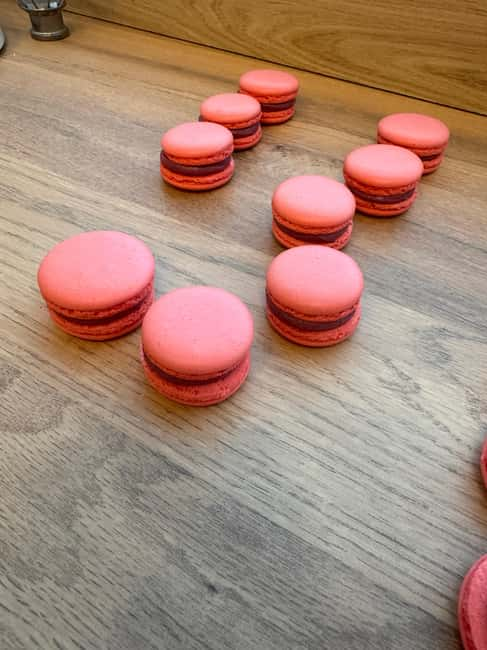
Making macarons is one of those Paris activities that looks simple until you try it. At Studio Pâtisserie, you do not just watch a chef pipe perfect shells. You measure, mix, pipe, bake, and learn why small changes in technique can make or break the batch.
I like the hands-on format and the small groups, which have often been around eight or nine people rather than the full limit of 10. I also like that Chef Leo and Maria explain the reasons behind each step, then send you home with a recipe instead of leaving you with a box of sweets and no idea how to repeat the result.
The main drawback is the fixed flavor selection. Chocolate, black currant, and passionfruit have been used, and not everyone will want those choices. This is also not the right class for vegans or anyone with a nut allergy, and children must be at least 12.
Key points to know before booking
- You make macarons from start to finish: The class includes shells, fillings, piping, baking, and tasting.
- Chef Leo and Maria lead the sessions: Both are praised for clear instructions, patience, humor, and practical baking tips.
- The class lasts 150 minutes: That is enough time to work through the process without rushing.
- You may take home about 15 macarons per person: Exact output can vary, but several sessions produced roughly 30 macarons for two people.
- The group is capped at 10 people: Smaller groups allow more room for questions and instructor help.
- The recipe comes with the experience: You can try the method again after returning home.
What the 150-minute Paris macaron class is really like
This is a practical pastry workshop in central Paris, not a formal cooking demonstration. You arrive at a grey-colored storefront on the main road, settle into the studio, and meet the other bakers. The class is conducted in English, and the small-group setup keeps the session personal without making it feel like private tuition.
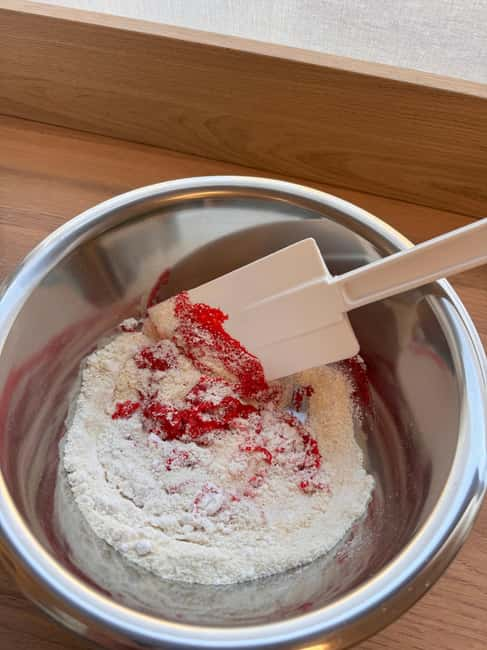
The first part gives you context. You learn about the origins of macarons, their place in French pastry, and the ingredients that make up the shells and fillings. This introduction matters because macarons are unusually sensitive to small errors. Egg whites, sugar, almond flour, mixing, resting, oven heat, and humidity all affect the final texture.
I appreciate that the class treats macarons as a science as much as a sweet. You are not simply told to follow a recipe and hope for the best. You learn what you are trying to achieve at each stage, which gives you a better chance of repeating the result at home.
More Baking Classes in France
- Paris Croissant Small-Group Baking Class with a Chef
★ 5.0 · 910 reviews - Paris: French Croissant Baking Class with a Chef
★ 4.9 · 712 reviews - Paris Macarons Small-Group Baking Class with a Chef
★ 5.0 · 316 reviews
Mixing the shells, where the real work begins
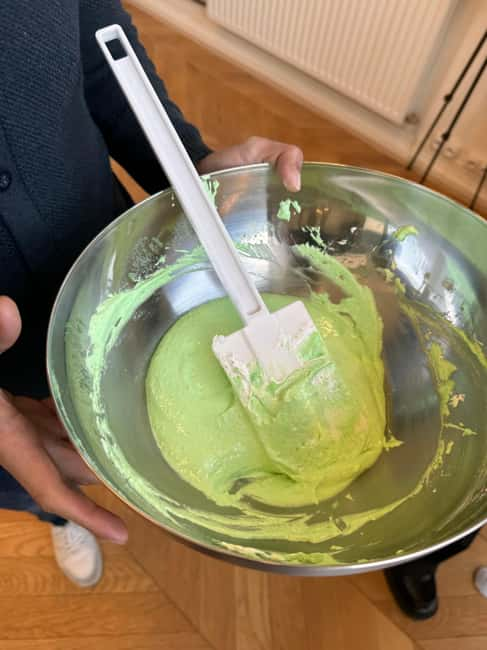
The shell mixture is the part that usually makes first-time bakers nervous. You work with the ingredients and learn how to combine them to reach the proper consistency. The goal is a smooth batter that is fluid enough to pipe but not so loose that the shells spread across the tray.
This is where the instructor’s attention is most useful. Chef Leo has been praised for explaining the process step by step and for showing the correct mixing and piping methods. Maria is also described as clear, encouraging, and quick with a joke, which helps when your batter does not look as polished as the chef’s.
You will have a chance to practice rather than simply watch. That distinction is important. Macarons can look easy in a demonstration because a trained pastry chef makes every motion appear natural. Your own hands need time to learn how much pressure to use, how to hold the piping bag, and how to finish each shell cleanly.
Several sessions have produced about 15 macarons per person. For a couple, that can mean roughly 30 handmade pieces to take away, a generous result for a two-and-a-half-hour activity. The exact number may depend on the batch and the class, so think of that figure as a useful guide rather than a guarantee.
Piping and baking without the guesswork
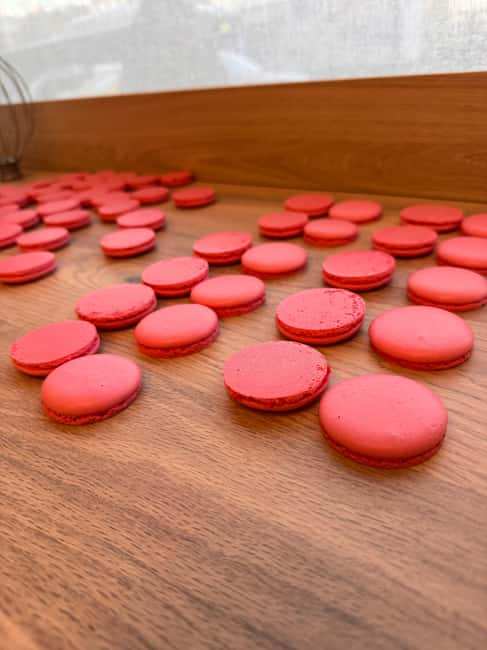
Piping is one of the most satisfying parts of the class because you can see your technique improve from one shell to the next. The instructor helps you work toward even shapes and consistent sizes, both of which matter when the shells are later paired.
The class also covers the small details that make a difference: how to handle the mixture, how to avoid common faults, and how to judge when the shells are ready. You might learn why air pockets form, why shells crack, or why a macaron can look attractive on the outside but still have the wrong texture inside.
The baking stage gives the instructor time to explain troubleshooting and answer questions. Some sessions have included a refreshing drink while the macarons baked, giving the group a short pause before assembling and tasting the finished treats. The studio has also been described as clean, organized, and well prepared, with ingredients and equipment ready before the class begins.
That preparation keeps the class moving. You spend your time learning and working, not waiting for a station to be cleared or an ingredient to be found. The space is arranged so that each person has room to work, though remember that this remains a shared class rather than a private kitchen.
Fillings and flavors at Studio Pâtisserie
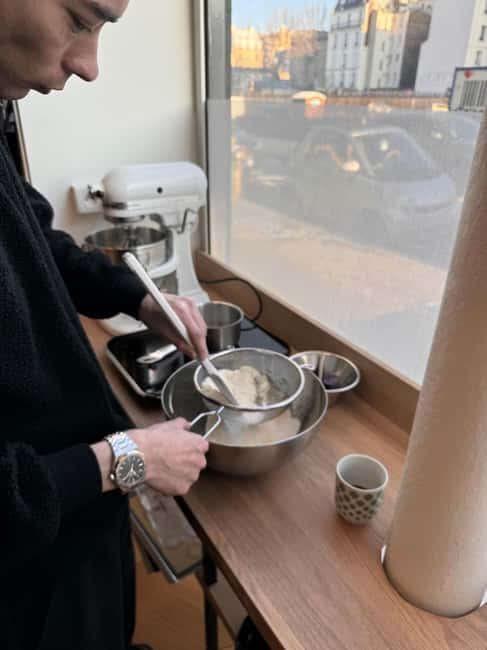
The filling is where the macarons begin to take on their personality. The listed flavor combination has included chocolate, black currant, and passionfruit. Chocolate is a familiar choice, while black currant and passionfruit give the batch a sharper, fruitier edge.
This choice is worth considering before you book. If you enjoy trying less predictable French pastry flavors, it adds variety. If you mainly want vanilla, pistachio, or lemon, you may find the selection less appealing. One participant specifically wished for more classic flavors and ended up with extra chocolate after not wanting to swap with other people in the group.
You will learn how the filling affects the finished bite and how to pair the shells. The final macaron should have a delicate shell, a soft center, and enough filling to bring the two halves together without overwhelming them. That balance is part of what makes the exercise more useful than a simple pastry tasting.
More Baking Classes in Paris
- Paris: Macaron Baking Class for Families and Kids
★ 4.7 · 270 reviews - Paris: Croissant Baking Class with a Chef
★ 5.0 · 201 reviews - Paris French Baking Class Baguettes and Croissants in a Bakery
★ 4.5 · 172 reviews - Croissant Baking Class, Mastering the Art with a Pastry Chef
★ 5.0 · 116 reviews
The tasting is the payoff
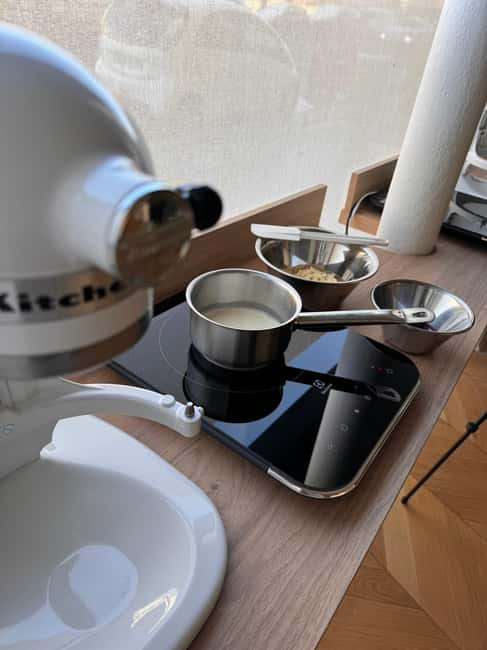
Once the macarons are assembled and ready, you taste what you have made. This is more than a snack at the end of class. It lets you judge the texture and flavor while the process is still fresh in your mind.
The payoff is especially satisfying for beginners. You have seen each stage, corrected mistakes, and watched the shells turn into something that looks like a proper French pastry. Several people have been surprised by how professional their finished macarons tasted, even when they began with little baking experience.
You should be prepared to leave with enough macarons for more than one sitting. They make an easy treat during the rest of your stay, and the box gives you something personal to share at home. Do not expect a formal gift package or a long list of extras, but the handmade result is a better souvenir than another shop-bought box.
The instructors: Chef Leo and Maria
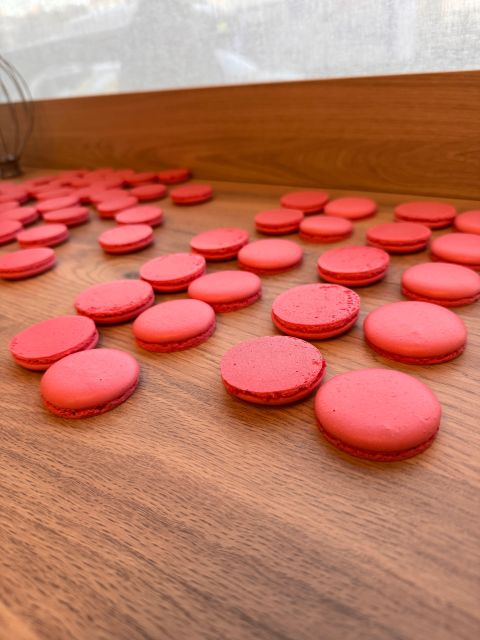
The instructor can be Chef Leo or Maria, depending on the session. Both names appear repeatedly in connection with the class, and each brings a slightly different teaching style.
Chef Leo is known for a cheerful, interactive approach. He explains the reason behind each step, answers questions patiently, and offers practical advice about adjusting the recipe for the weather in your home country. That last point is genuinely useful because humidity and climate can affect macarons after you leave Paris.
Leo also gives local food suggestions, so booking this activity early in your stay could have an extra benefit. You can ask him for ideas about places to eat or pastries to try during the rest of your visit. The class is not a food tour, but this informal local advice can add value.
Maria is described as welcoming, funny, and encouraging. Her clear explanations help take the pressure off, especially if you are baking with a partner or family member who has little kitchen experience. The tone is friendly, but the teaching remains focused on technique.
Why the small group matters
The class allows up to 10 people, and some sessions have had eight or nine participants. That is a useful size for this kind of activity. You get the social feel of a group workshop, yet the instructor can still look at your batter, piping, and technique.
A class this size works well for couples, parent and adult-child pairs, families with children aged 12 and up, and solo visitors. You do not need to arrive with a baking partner. One solo participant joined a group of nine and found the format comfortable and sociable.
The setup also gives you a chance to compare results with the people around you. That can be encouraging when your first row of shells is uneven. It also reminds you that macarons are fussy even when everyone has the same ingredients and instructions.
Is $122 good value?
At $122 per person, this is not a cheap way to buy macarons. If your only goal is to eat French sweets, a pastry shop will cost much less.
The price makes more sense if you value the complete activity. You receive 150 minutes of instruction, use the studio’s equipment and ingredients, make your own batch, taste the result, and take home a recipe. You may also leave with around 15 macarons per person, depending on the session.
I see the value in the skills and the memory rather than the number of pastries alone. A recipe that works in your own kitchen can turn this into something you use after Paris. The instructor’s advice about technique, troubleshooting, and adapting to home conditions adds value that a standard tasting cannot provide.
Still, you should book it for the class, not because it is the least expensive way to get dessert. If you dislike group activities, do not bake at home, or have no interest in learning the method, the cost may feel high.
Who should book this experience?
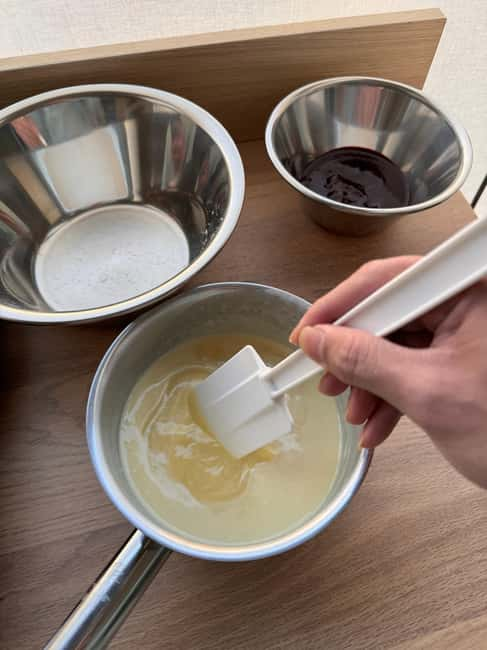
I would choose this class for anyone who wants a practical taste of French food culture. It works especially well for couples looking for an activity beyond museums, families with older children, and solo visitors who enjoy meeting people through a shared task.
It is also a good choice for a first-time baker. The instructors guide you through the difficult parts, and the atmosphere appears relaxed enough for beginners to ask basic questions. You do not need to arrive with advanced pastry skills.
Book it early in your Paris visit if you want local food recommendations or if you hope to use the recipe during your trip. It also makes sense as a rainy-day plan, though the activity itself is indoors and does not depend on the weather.
You should skip it if anyone in your party has a nut allergy, since almond flour is central to macarons. It is also not suitable for vegans, and children under 12 cannot attend. Wear comfortable clothes and shoes because you will be standing and working in a kitchen for much of the session.
Practical details that matter
The meeting point is identified by a grey-colored storefront on the main road. Pay close attention to that description when you arrive, since a central Paris street can have many similar entrances.
The language is English, and the duration is fixed at 150 minutes. Starting times depend on availability, so check the schedule before building the class into a tightly timed sightseeing day.
You can cancel up to 24 hours ahead for a full refund, and the reserve-now, pay-later option lets you hold a place without paying immediately. These terms are useful if your Paris plans are still shifting.
The activity has a listed price of $122 per person and a rating of 5 from 208 reviews. The strongest pattern in the feedback is not simply that people enjoy eating the macarons. It is that they value the instructor’s patience, the clear explanations, the clean studio, and the confidence they gain from making the pastries themselves.
Should you book the Paris macaron class?
Book it if you want to understand what goes into a French macaron and leave with a skill you can try again. Chef Leo and Maria bring the humor and patience that make a technical pastry lesson approachable, while the small group keeps the session involved from start to finish.
The flavor choices are somewhat limited, and $122 is a serious price for a baking class. But if you compare it with the cost of a memorable Paris activity, a useful recipe, a hands-on lesson, and a box of handmade macarons, the value is solid.
For a couple, family with older children, or solo visitor who enjoys food workshops, this is an easy recommendation. Just check the nut and vegan restrictions, accept the set flavors, and arrive ready to get your hands on the batter.
FAQ
How long does the macaron baking class last?
The class lasts 150 minutes, or two and a half hours.
How much does the experience cost?
The listed price is $122 per person.
Is the class taught in English?
Yes. The instructor language is English.
How many people can join the class?
The group is limited to 10 participants. Some sessions have had eight or nine people.
What is included in the price?
The price includes the instructor, the baking class, tasting, and a recipe to take home.
Are children allowed to attend?
Children under 12 are not allowed. Children aged 12 and older may attend.
Can vegans or people with nut allergies join?
No. The activity is not suitable for vegans or people with nut allergies.
Can I cancel the booking?
Yes. You can cancel up to 24 hours in advance for a full refund. The reserve-now, pay-later option is also available.
Newest classes around Paris
- Paris: Millefeuille baking class with a chef★ 5.0 · 5 reviews
- Paris: Traditional Croissant Cooking Class With Local Baker★ 5.0 · 2 reviews
- Paris: The Soufflé Baking Class with Chef★ 4.5 · 2 reviews
- Paris: Lemon Tart Baking Class with a Pastry Chef★ 5.0 · 4 reviews
- Paris: Macaron Baking Class★ 4.4 · 26 reviews
- Paris: Hands-On Small Group Cooking Class★ 4.9 · 19 reviews
- Paris: Evening Cooking Class with Optional Market Visit★ 4.8 · 19 reviews
- Eclair Baking Class with A Pastry Chef★ 5.0 · 3 reviews
Paris Cooking Classes, compared.
Paris Cooking Class and Lunch with Wine plus Market Visit Option
Read our review →
Paris Croissant Small-Group Baking Class with a Chef
Read our review →
Paris Cooking Class: Learn How to Make Macarons
Read our review →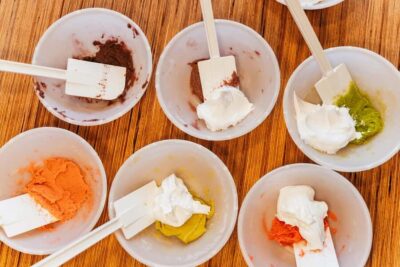
Paris Evening Cooking Class French Dinner and Market Visit Option
Read our review →
Paris French Cuisine Small Group Cooking Class with Lunch
Read our review →
Paris Macarons Small-Group Baking Class with a Chef
Read our review →Browse the lists this tour appears in