
Review · SEVILLE COOKING CLASSES
Spanish Cooking Class and Dinner in Seville
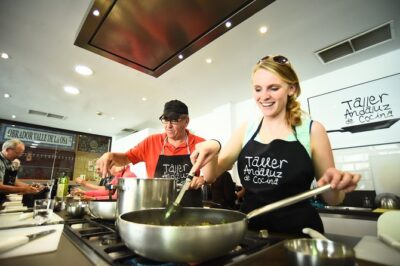
Seville’s Mercado de Triana is a fine place to learn Spanish cooking because you are working with the food culture of the city, not just watching a chef in a restaurant kitchen. You’ll build a three-course meal around sofrito, prepare paella with chicken and vegetables, and finish by eating what you made. I especially like the hands-on format and the chance to work with cooks such as Leo, Carlos, Carlo, or Pedro, whose teaching styles are lively and relaxed.
I also like that homemade sangria is served during the class, two drinks come with dinner, and recipes are sent afterward so you can repeat the meal at home. The main consideration is that this is a chef-led group class, not a private lesson where you personally perform every step. Some tasks are demonstrated for timing, safety, and consistency, so tell the team ahead of time if you want more active participation.
Key points at a glance
- Cook inside Mercado de Triana: The class takes place at Taller Andaluz de Cocina in Seville’s well-known Triana food market.
- Learn the sofrito base: You’ll see how onions, vegetables, oil, and seasoning create the foundation for many Spanish dishes.
- Prepare a full Spanish meal: The menu usually includes salmorejo, spinach with chickpeas, paella Valenciana, and lemon sorbet with cava.
- Eat what you cook: Your class ends with a sit-down three-course dinner and up to two drinks per person.
- Dietary needs can be handled: Vegan, gluten-free, seafood-free, pork-free, and vegetarian changes are available if you explain your needs in advance.
- Expect a social group setting: The class allows up to 16 people and is designed to keep everyone involved without pressuring anyone.
Starting at 6 p.m. in Mercado de Triana
The meeting point is Taller Andaluz de Cocina, at Mercado de Abastos de Triana, Plaza del Altozano, local shops 75 to 77. The class begins at 6 p.m. and ends at the same place about three hours later.
The market setting gives this evening a useful sense of place. You are not simply walking into a generic cooking studio. You begin in one of Seville’s traditional food markets, then move into the cooking school for the practical work. The exact meeting area can take a little attention to find, so read the directions carefully. The cooking space is on the row closest to the main road, a useful detail when you arrive.
You arrange your own way to the market. Pickup and drop-off are not offered, but the location is near public transportation. That makes this a straightforward evening plan if you are already exploring Triana, though you should allow enough time to find the exact local entrance before the 6 p.m. start.
The class is offered in English, and the group can include as many as 16 people. That size is large enough to create a friendly social evening, but small enough for the chef and assistant to move around the work area and give direction. If you prefer a quiet, private lesson, this is not the right format. If you enjoy meeting people from different places while cooking, the group setup is part of the appeal.
More Paella and Spanish Classes in Spain:
- Barcelona: Paella Cooking Experience & Boqueria Market Tour
★ 4.8 · 3,661 reviews - Barcelona Paella Cooking Class with Market Visit, Tapas & Sangria
★ 5.0 · 2,531 reviews - Barcelona Interactive Spanish Cooking Experience
★ 4.5 · 2,155 reviews
The first lesson: sofrito and Spanish kitchen basics
The cooking begins with the foundations rather than fancy presentation. Sofrito is the key starting point, a slow-cooked mixture that builds flavor for many Spanish dishes. The point is not merely to copy a recipe. You learn how careful cooking of simple ingredients creates the base for the meal.
This is where the class works well for different skill levels. You do not need professional kitchen experience, and beginners can follow the instructions step by step. If you already cook often, you can still pick up useful details about seasoning, timing, and the proper order of adding ingredients.
The team supplies the apron, cutting board, knives, and every utensil you need. You do not need to carry cooking equipment or shop for ingredients before arriving. The ingredients are intended to be fresh and local, though one critical review found the quality disappointing. That is worth keeping in mind if you expect premium produce or a polished restaurant kitchen.
The cooking style is practical and home-style. Spanish food often depends on good produce, patient preparation, and balance rather than a long list of complex techniques. Some dishes may look simple, but the instruction helps you understand why the steps matter.
Salmorejo, gazpacho, and the opening course
The first course is usually Salmorejo Cordobés, a thick chilled tomato soup from Córdoba. It is closely related to gazpacho but has a heavier, creamier texture. The recipe gives you a good introduction to how Spanish cooks use tomatoes, bread, oil, and seasoning to make a satisfying dish without a long ingredient list.
On some dates, gazpacho replaces salmorejo. Both are cold Spanish soups, but they offer a slightly different lesson in texture and balance. Ask your instructor which version is planned if this particular dish matters to you.
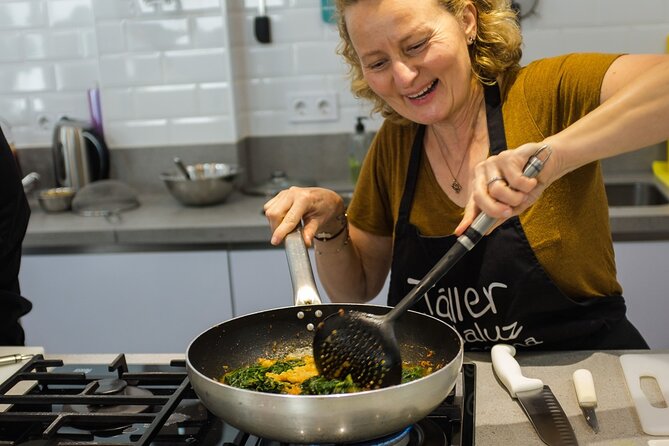
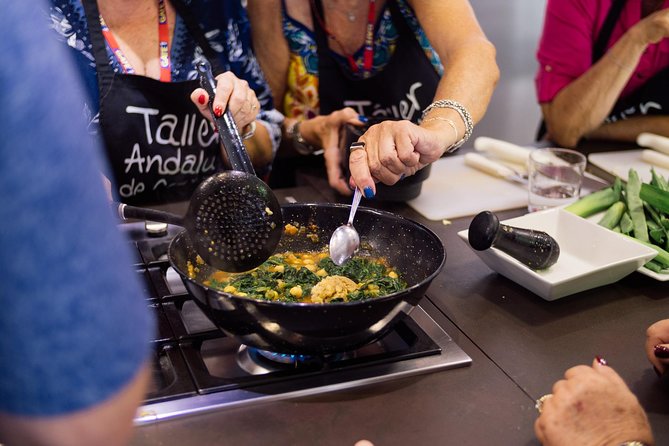
Another regular part of the meal is spinach with chickpeas. This is a hearty Andalusian combination that shows how pulses and vegetables can form a substantial dish without meat. Depending on the class, this course may be replaced by flamenco eggs, cod fritters, or garlic prawns.
That menu flexibility is useful for repeat visitors, but it means you should not assume every listed dish will appear on your date. The core idea remains the same: you prepare a few recognizable Spanish recipes, then eat them during the meal that follows.
Paella Valenciana as the main event
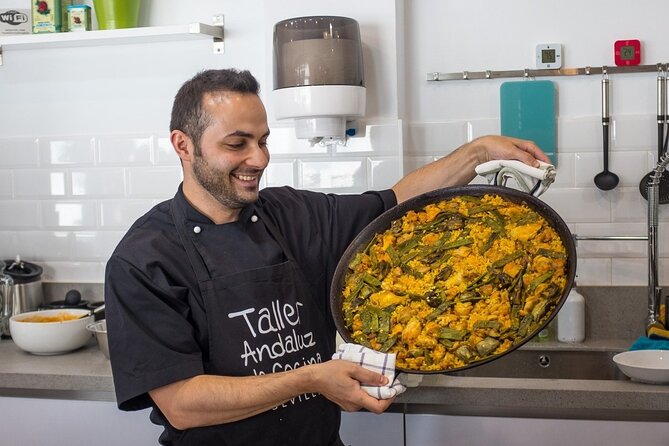
Paella is the main attraction for many people, and the class focuses on a chicken and vegetable version of Paella Valenciana. This is useful if you want to learn how paella works without beginning with a crowded seafood mixture. It also makes the dish easier to recreate at home.
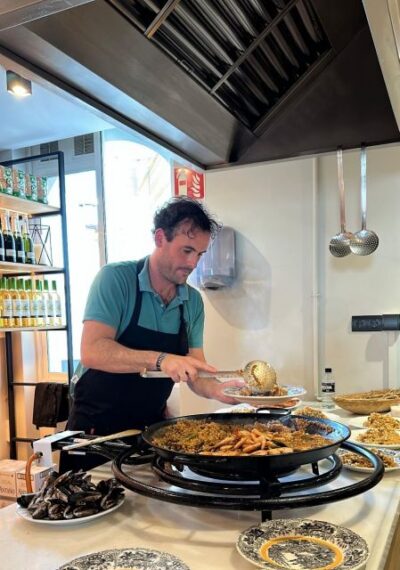
The chef guides you through the rice, stock, seasoning, and timing. Several instructors, including Leo, Carlo, Dom, Pedro, Carlos, and David, have been praised for explaining the process clearly and getting people involved. The teaching approach is not stiff. You can expect humor, practical tips, and regular reminders about what to watch for as the paella cooks.
The most important lesson is often patience. Paella is not just rice with ingredients stirred together. The order of preparation, the amount of liquid, and the cooking time all affect the final result. You learn why the pan needs attention at certain points and why the rice should be treated with care.
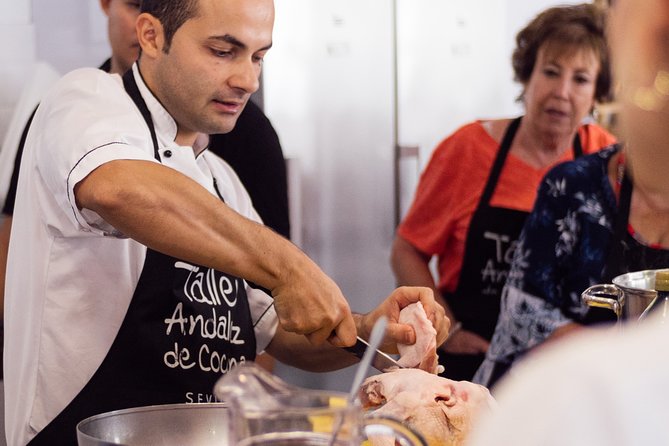
The class does not promise that each person will cook a separate paella. Instead, you work as part of a group, with the chef demonstrating some technical steps and assigning other preparation tasks to participants. One disappointed customer expected to cook more personally and felt the session was mainly a demonstration. The provider describes the format as chef-led and hands-on, so you should expect a mix of both.
More Dinners Out in Spain:
- Seville: Spanish Cooking Class with Dinner
★ 4.9 · 900 reviews - Paella Cooking Class with Professional Chef: Four Course Dinner
★ 5.0 · 561 reviews - Valencia: Traditional Paella Cooking Class and Dinner
★ 4.8 · 53 reviews - Pasta Making & Wine Tasting with Dinner in Frascati from Rome
★ 5.0 · 1,326 reviews
Sangria during the cooking and dinner afterward
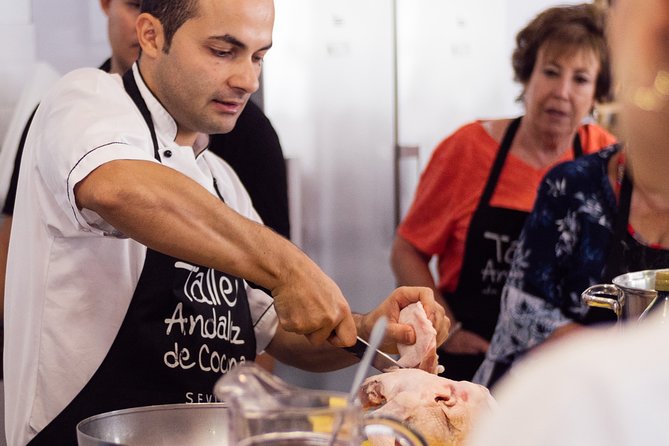
Homemade sangria is provided during the class. It adds to the social feel, but it also means you should pace yourself. The session runs for about three hours, and the meal includes up to two drinks per person: Spanish wine, local beer, or a soft drink.
The timing is practical. While the paella cooks, you can eat the soup and side dish, talk with the other people in the group, and continue learning from the chef. Dinner is not rushed into a single final plate. The meal arrives in stages, matching the work you have just completed.
The food is described as plentiful, and the menu includes a full starter course, side dish, main course, and dessert. The final sweet is usually lemon sorbet with cava. It is a light way to finish after rice and chickpeas, though it is not an elaborate pastry course.
If you do not drink alcohol, the included soft drinks make the arrangement easy. If you want more than two alcoholic drinks, those are not part of the stated package. The class is about food first, with drinks helping the conversation along.
Dietary changes and participation
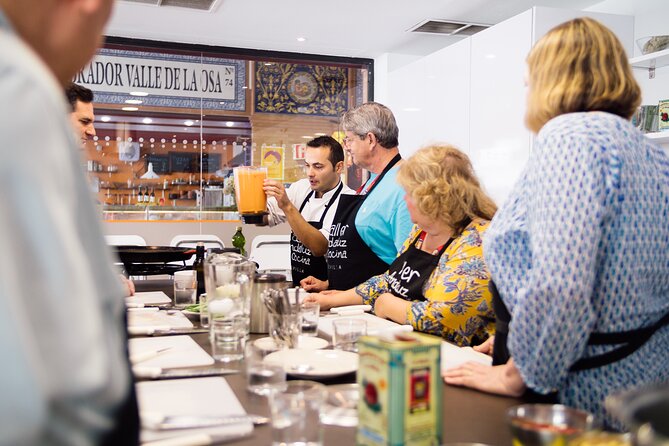
The cooking school can accommodate vegan, gluten-free, vegetarian, seafood-free, and pork-free diets. You need to provide that information in advance, especially if you want a replacement for a dish containing prawns, cod, or another restricted ingredient.
A vegetarian request was handled even at short notice in one case, but I would not rely on last-minute flexibility. Advance notice gives the kitchen time to prepare suitable ingredients and helps the chef explain which dishes will change.
The instructors aim to involve everyone, including children, and several people have found the class comfortable because nobody is forced to perform a task. That is a good feature for families and mixed groups where one person cooks often and another rarely touches a knife.
You should still expect to work in a shared kitchen with other people. If you have mobility, allergy, or other practical concerns, ask the provider before booking because the available information does not give detailed accessibility specifications.
The people who make the class work
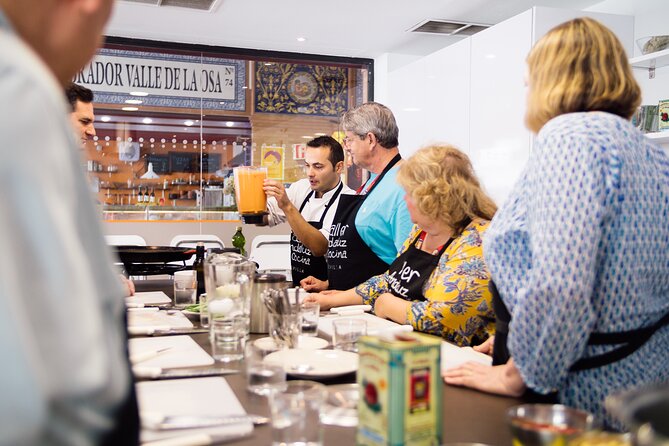
The instructors vary by date. Names connected with the class include Leo, Belén, Carlos, Lydia, Sabrina, Carlo, David, Dom, Pedro, Diana, and Anna. The most praised teaching qualities are clear English, humor, patience, and the ability to involve a group without making anyone feel embarrassed.
Leo is particularly noted for bringing people together and explaining the cooking in a welcoming way. Carlos and his team are praised for keeping children involved and making vegetarian changes. Carlo is often associated with lively instruction, while David is described as good at giving each person in a group a role.
Because the individual chef may change, do not book on the assumption that one particular instructor is guaranteed unless the provider confirms it. The shared teaching style matters more than the name: clear explanations, simple recipes, and plenty of encouragement.
The atmosphere is informal rather than formal culinary school. You learn by listening, chopping, stirring, tasting, and asking questions. It suits you if you want practical food knowledge with a social evening attached.
What you take home besides a full stomach
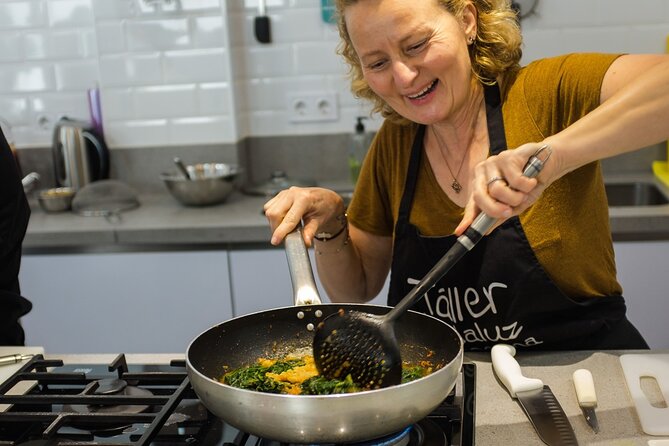
The recipes are sent afterward, which is one of the most useful parts of the class. You can make the dishes again in your own kitchen rather than letting the evening become a pleasant memory with no practical follow-up.
The recipes are described as manageable, and several people have recreated them at home soon after returning from Spain. That matters because the menu is not built around rare ingredients or restaurant tricks. Salmorejo, spinach with chickpeas, sangria, and chicken and vegetable paella are realistic dishes for a home cook.
You also leave with tips on seasoning, spices, preparation order, and paella technique. These small details can improve other Spanish dishes too. The recipes are the written record, but the explanations about timing and texture are the part you may remember most.
Is $84.69 a fair price?
At $84.69 per person, this is not the cheapest dinner in Seville. You can eat a simple meal for less, and a market visit by itself costs nothing. The price makes more sense when you count the cooking instruction, ingredients, equipment, homemade sangria, three-course dinner, two included drinks, and recipes.
You are paying for an evening activity rather than only a plate of food. That is good value if you want to learn paella, meet people, and have a structured night in Seville. It is less attractive if you mainly want an inexpensive meal or expect a private chef to let you handle every stage yourself.
The 4.9 rating from 261 reviews and 98 percent recommendation rate suggest that the format suits most people. Still, the lower-rated experience gives you an important warning: the cooking can be more guided demonstration than fully independent preparation, and ingredient quality may not satisfy every palate.
I would consider the price reasonable for couples, families, and solo visitors who value an activity with food included. It is especially worthwhile if you intend to cook Spanish dishes again at home.
Who should book this Seville cooking class?
Book it if you want a friendly, English-language evening with food, instruction, and conversation. It works for complete beginners, experienced home cooks, families, couples, and solo visitors who like joining a small group.
It is also a good choice if you need a flexible menu. Vegan, gluten-free, vegetarian, seafood-free, and pork-free adjustments are available with advance notice.
Think twice if you want a private lesson, luxury ingredients, or total control over every knife cut and cooking stage. You may also prefer a restaurant meal if you do not want to spend three hours standing, preparing food, and sharing a kitchen.
For most people, the best reason to book is the combination of place and purpose. You cook in Triana, learn recipes tied to Spanish home cooking, sit down to eat your own work, and receive enough guidance to try it again later.
FAQ
Where does the Spanish cooking class take place?
The class takes place at Taller Andaluz de Cocina inside Mercado de Abastos de Triana, Plaza del Altozano, local shops 75 to 77, 41010 Seville, Spain.
What time does the class begin?
The class begins at 6 p.m. and lasts approximately three hours.
Is transportation included?
No. Private pickup and drop-off are not offered. The meeting point is near public transportation, and the activity ends back at the same location.
What food will I cook?
The usual menu includes Salmorejo Cordobés, spinach with chickpeas, chicken and vegetable Paella Valenciana, and lemon sorbet with cava. Some dates may feature gazpacho, flamenco eggs, cod fritters, or garlic prawns instead of one of the listed dishes.
Are drinks included?
Yes. Homemade sangria is served during the class, and dinner includes up to two drinks per person. You can choose a glass of wine, local beer, or a soft drink.
Can dietary restrictions be accommodated?
Yes. Vegan, gluten-free, vegetarian, seafood-free, and pork-free changes can be arranged. Tell the provider about your needs in advance.
What happens if I need to cancel?
You can cancel at least 24 hours before the local start time for a full refund. Cancellations or changes made less than 24 hours before the start are not accepted for a refund. If the minimum number of participants is not reached and the activity is canceled, you will be offered another date or experience, or a full refund.
Should you book it?
I would book this class if you want more than dinner and less than a formal cooking course. The market location, friendly instruction, generous meal, sangria, and take-home recipes give the evening real value.
Go in expecting a shared, chef-led session rather than three hours of solo cooking. With that expectation, this is a tasty and practical way to spend an evening in Seville, especially if paella is high on your list and you want to make it again at home.
More Places to Eat in Spain
- Rome: Pasta Making with Wine Tasting and Dinner in Frascati
★ 4.9 · 979 reviews - Palermo: Pizza and Gelato Cooking Class with Dinner and Wine
★ 4.9 · 951 reviews - Greek Cooking Class in Athens Including Rooftop Dinner with Acropolis View
★ 5.0 · 826 reviews - Tuscan Cooking Class and Dinner in Florence
★ 4.5 · 732 reviews
Newest classes around Spain
- Pintxos and Tapas Cooking Class in Bilbao★ 5.0 · 38 reviews
- Basque Pintxos and Tapas Cooking Class in Bilbao★ 5.0 · 73 reviews
- Small-group Immersive Basque Cooking Class in Bilbao with Open Bar★ 5.0 · 65 reviews
- Paella and Burnt Basque Cheesecake Cooking Class (in Bilbao)★ 5.0 · 46 reviews
- Rooftop Paella Seafood Cooking Class Experience in Barcelona★ 5.0 · 59 reviews
- Private Authentic Paella Cooking Class in Barcelona with Josh★ 5.0 · 3 reviews
- Barcelona Tapas Cooking & Cocktail Class with Veronique & Mattias★ 5.0 · 3 reviews
- Private Barcelona Market Tour & Paella Cooking Class with Josh★ 5.0 · 4 reviews
Seville Cooking Classes, compared.
Spanish Cooking Class & Triana Market Tour in Sevilla
Read our review →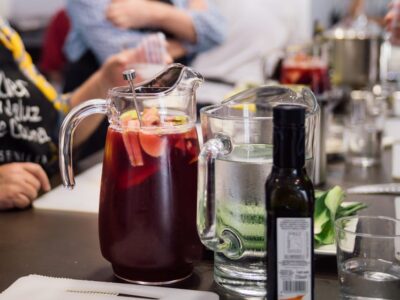
3.5-Hour Spanish Cooking Class & Triana Market Tour
Read our review →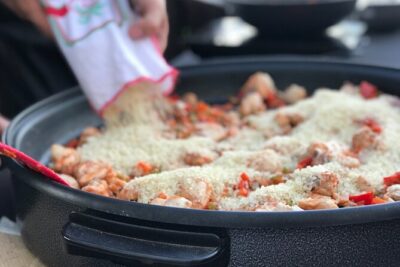
Sevilla: Rooftop Paella Cooking Class & 30-minute expert Q&A
Read our review →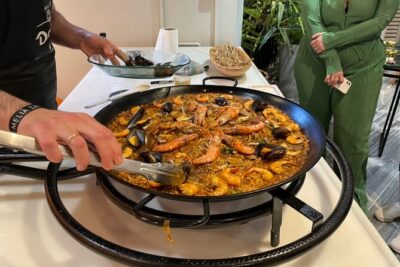
Paella-Cooking Experience with Sangria & Full Meal
Read our review →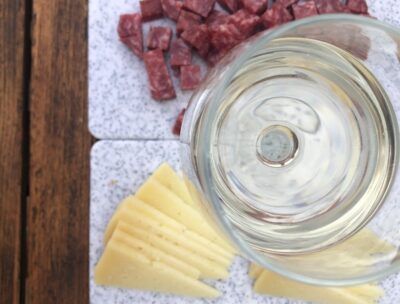
Browse the lists this tour appears in