
Review · SEVILLE COOKING CLASSES
Seville: Paella Showcooking Experience
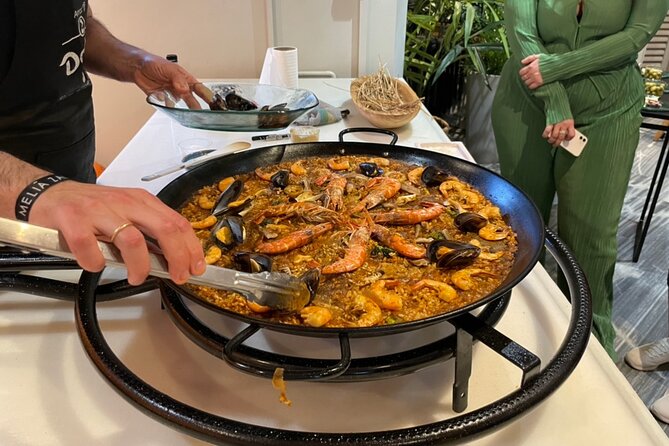
The best part of this Seville experience is the moment the paella starts cooking and the room fills with its warm, savory smell. You watch an instructor such as Fabio or Lucia explain each stage, then sit down to eat the finished dish with local wine, sangria, and Andalusian snacks. I especially like the local tasting plate and the chance to hear how paella fits into Spanish food culture. The rooftop setting, with views toward Seville’s cathedral and river in some sessions, adds a fine finish.
There is one important catch: this is a show-cooking experience, not a cooking class. You will not prepare your own pan or practice each technique. If you want a relaxed food evening with a demonstration, it offers good value at $41. If your main goal is to cook paella yourself, choose a hands-on class instead.
Key points at a glance
- Watch, rather than cook: The instructor prepares the paella while explaining ingredients, methods, and useful tips.
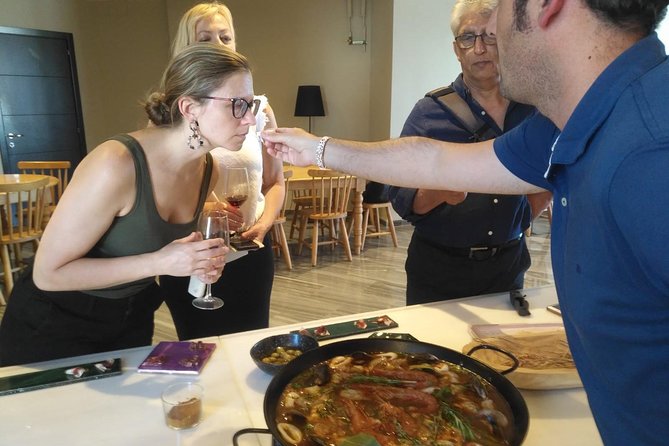
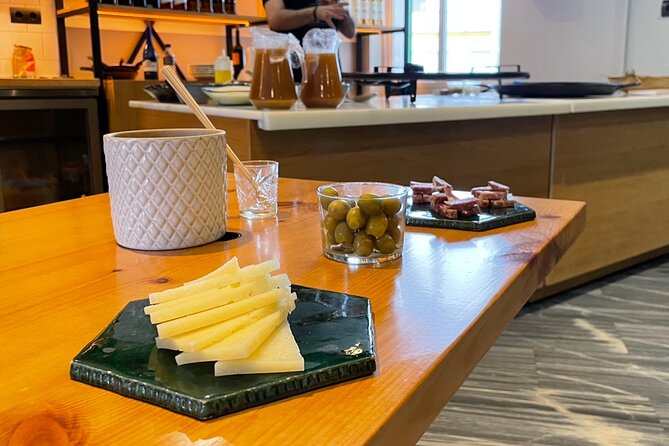
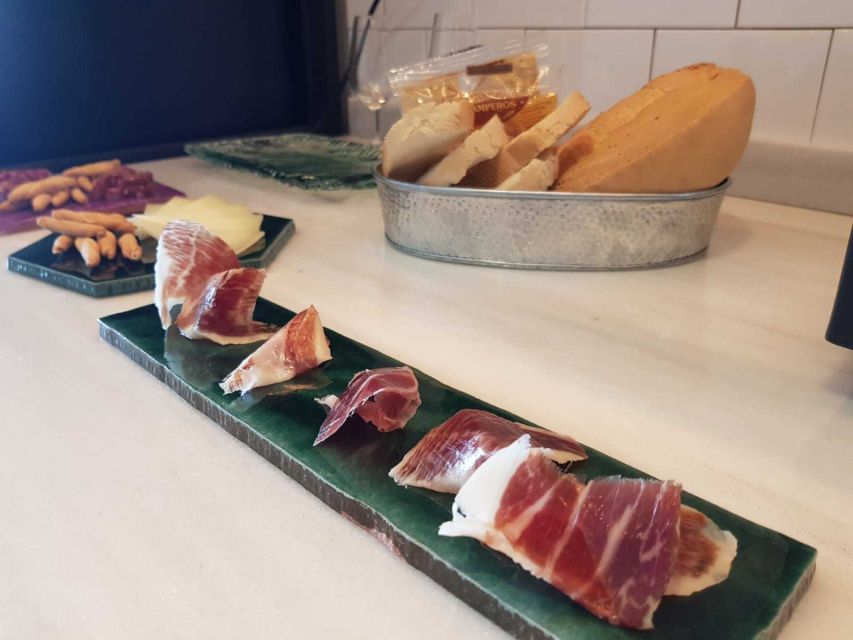
- Andalusian tasting plate: Begin with olives, cheese, and Iberian chacina, with options available for food restrictions.
- English instruction: Fabio and Lucia are among the instructors who may lead the session, depending on the booking.
- Sangria and local drinks: The experience includes beverages, including sangria made with fresh local ingredients.
- A generous final meal: The paella is served at the end, with portions described as ample.
- Rooftop views in some sessions: You may eat on a terrace overlooking parts of Seville, including the cathedral and river.
Paella with a Seville setting
Paella is often treated as a simple holiday dish, but watching it come together gives you a better sense of how much depends on timing. The rice, stock, seafood or other ingredients, heat, and resting period all matter. A good demonstration lets you see the order of events instead of receiving a plate with no explanation.
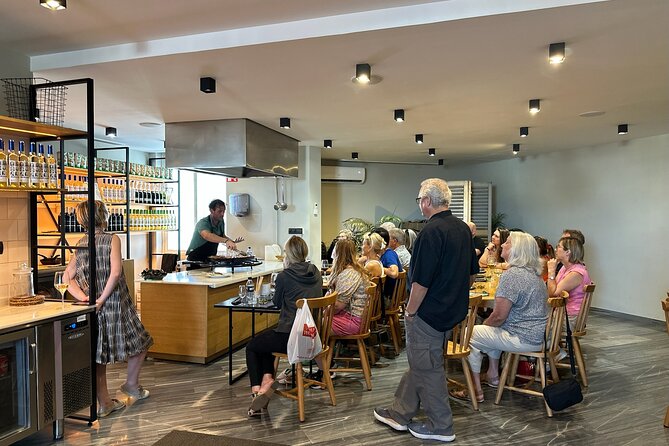
This experience takes place at Terraza del Cristina, a Spanish restaurant in Seville. The exact meeting point can vary with the option you book, so check your confirmation before setting out. The session lasts about two to two and a half hours, which gives you enough time for food, explanation, drinks, and a proper meal without taking up your entire evening.
I like the format because it combines a meal with a short cultural lesson. You are not just handed paella and sent on your way. You hear about the dish, learn the basic method, and get a few ideas you can try at home.
The evening is also social without requiring much effort from you. You can settle in with a drink, watch the cooking, ask questions, and enjoy the food as it arrives. That makes it a good choice after a full day of walking through Seville, when you want something more memorable than another standard restaurant dinner.
More Paella and Spanish Classes in Spain:
- Barcelona: Paella Cooking Experience & Boqueria Market Tour
★ 4.8 · 3,661 reviews - Barcelona Paella Cooking Class with Market Visit, Tapas & Sangria
★ 5.0 · 2,531 reviews - Barcelona Interactive Spanish Cooking Experience
★ 4.5 · 2,155 reviews
Starting with olives, cheese, and Iberian chacina
The opening tasting sets a distinctly Spanish tone. You receive snacks such as olives, cheese, and Iberian chacina, a broad term for cured pork products. These small plates give you something to eat while the demonstration gets underway and help introduce flavors from Andalusian producers.
This is not a full tapas crawl, so do not book it expecting a long parade of separate dishes. The snack course is best understood as an opening bite before the main paella. It works well because the salty, savory foods pair naturally with wine and prepare your appetite for the rice dish.
Food restrictions are accommodated through different options, according to the activity details. You should still communicate your needs when booking or on arrival, since the exact alternatives are not specified. That is a useful feature for mixed groups, especially when one person cannot eat the standard chacina or another item.
The opening also gives the instructor a natural way to talk about local food. Rather than treating the ingredients as decoration, the session connects them to farmers, vineyards, and regional eating habits. You get a taste of Andalusia before the main course arrives.
Fabio, Lucia, and the paella demonstration
The central part of the evening is the cooking presentation. An English-speaking instructor prepares a traditional paella in front of you and explains the steps as the dish develops. Fabio and Lucia are named instructors associated with the experience, though your guide depends on the date and option booked.
Fabio has been praised for making the process clear and entertaining, while Lucia has been credited with explaining paella traditions and the background of the dish. The tone is not simply a silent kitchen demonstration. You can expect commentary on the ingredients, the method, and the place paella holds in Spanish food culture.
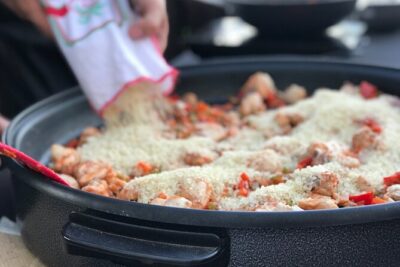
The format suits people who learn by watching. You can see when ingredients go into the pan, follow the changes in texture, and hear tips that are easy to miss in a written recipe. You may also have time for photographs while the dish cooks, which is useful if you want to remember the process or share it with family at home.
Do not expect a technical cooking course with each person assigned a station. The instructor does the actual cooking. You watch, listen, eat, and enjoy the drinks. That distinction is the most important thing to understand before paying for the experience.
The presentation can still give you practical ideas. One participant wished the supplied recipe had included more of the verbal tips shared during the evening. That is a fair point: take notes, ask questions, or record the main stages for yourself if permitted. The printed recipe may not capture everything the instructor explains aloud.
What you learn about paella and Spanish food
The dish has a story that reaches beyond the pan. The session covers paella traditions, the ingredients used, and the way the dish is prepared. You may also hear about food culture and the role of local producers in shaping what appears on the table.
I like this part because it gives context to the meal without turning dinner into a lecture. You learn why the cooking order matters and how a regional dish can carry ideas about family meals, local produce, and Spanish hospitality.
The information can be useful even if you never recreate the dish. Afterward, you will have a better idea of what to look for when ordering paella elsewhere. You can also judge the difference between a carefully prepared dish and a generic rice meal more confidently.
For home cooks, the session offers inspiration rather than a complete course. You will see the traditional approach and hear suggestions, but the actual recipe handout may be fairly brief. Treat the demonstration as a practical introduction, not a guarantee that you will return home ready to reproduce the exact paella.
Same region, a different dish to learn:
- Spanish Cooking Class Paella Tapas and Sangria in Madrid
★ 5.0 · 1,340 reviews - Paella Cooking Class, Wine Tasting & Central Market in Valencia
★ 5.0 · 1,150 reviews - Paella Cooking Class in Madrid with Bottomless Wine Pairing
★ 5.0 · 985 reviews - Seville: Spanish Cooking Class with Dinner
★ 4.9 · 900 reviews
Sangria, wine, and the pace of the evening
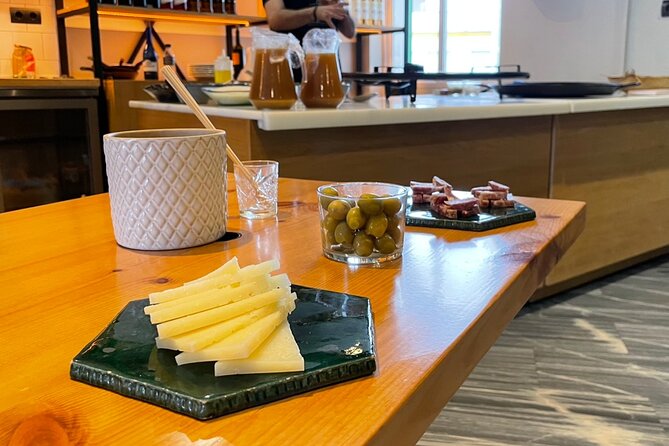
Drinks are part of the experience rather than an extra purchase. You can expect local wine, water, and sangria made with fresh ingredients. The instructor also explains the origins and preparation of sangria, giving the drink more context than it usually gets at a restaurant table.
The included sangria is a strong feature for anyone who wants a classic Spanish evening. One serving may feel limited if sangria is your preferred drink, since an additional glass is not automatically included. You might be able to buy more, but that option is not guaranteed by the activity information, so ask at the venue if it matters to you.
Wine is also served, and the snacks make the pairing feel natural. If you do not drink alcohol, the activity details confirm that beverages are included but do not specify the full nonalcoholic selection. It is sensible to ask about alternatives if that is important for your group.
The timing sounds comfortable. You begin with snacks and drinks, watch the paella being prepared, then eat the finished dish. At two to two and a half hours, the event feels like a complete evening meal rather than a rushed tasting.
Eating the finished paella
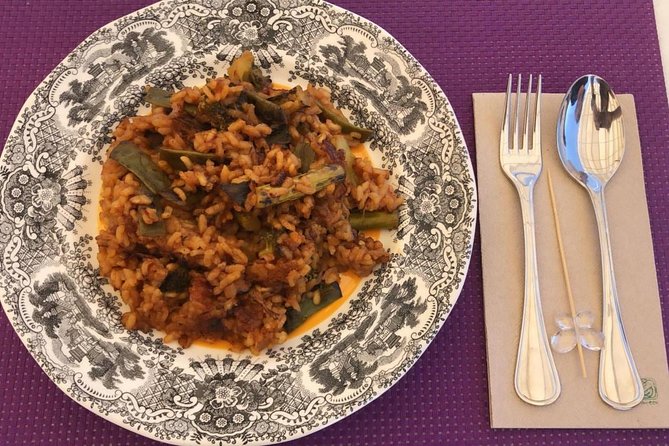
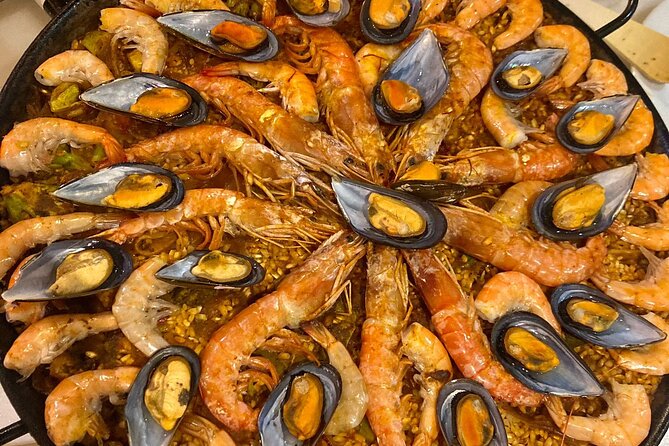
At the end, the paella is served fresh. Portions have been described as generous, which matters at a meal priced at $41 per person. You are not paying only for a small sample and a demonstration. The food, snacks, and drinks make this a substantial outing.
Seafood paella has been served in some sessions, and the results have been praised for flavor. The exact version can vary, so do not assume that every booking includes the same ingredients. If you have allergies or avoid particular foods, ask ahead rather than relying on the standard preparation.
The main dish is also the moment when the whole presentation pays off. You have watched the ingredients change, smelled the rice cooking, and heard how the instructor approaches the dish. Eating it afterward gives the demonstration a clear purpose.
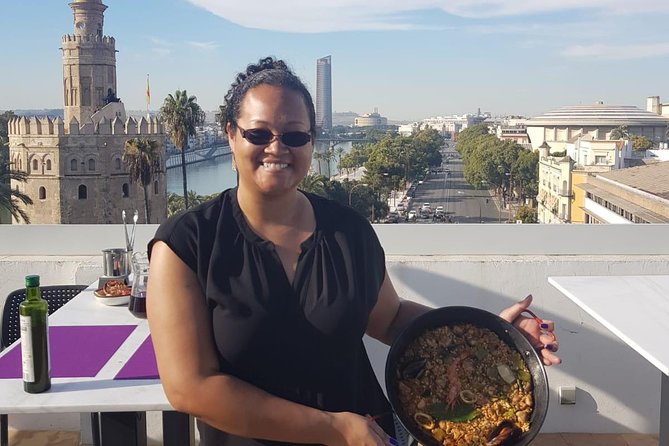
Some sessions end on a panoramic rooftop terrace. From there, you may see the river and Seville Cathedral, adding a strong sense of place to the meal. The terrace is a notable advantage, though it may depend on the option booked or the conditions that evening. Do not treat the view as a guaranteed feature unless it appears in your booking details.
Is $41 a fair price?
At $41, this is not the cheapest paella dinner in Seville. You can certainly find a standard meal for less, especially if you only want a plate of rice and a drink. The value here comes from combining dinner with instruction, tasting plates, sangria, wine, and a setting that may include rooftop views.
I consider the price reasonable for someone who would otherwise book a meal and a separate food activity. The two to two and a half hour duration gives you a full evening appointment, and the food is more than a token sample. The experience also works well for visitors who want an organized plan without committing to a long tour.
The calculation changes if you expect hands-on cooking. Since you do not prepare the paella yourself, you are paying for the presentation and the meal, not personal kitchen practice. For that reason, I would compare it with the cost of a good restaurant dinner plus a short cultural activity, rather than with a full cooking school.
Small groups appear possible, and one session was appreciated even with only two people present. That suggests the format can still feel personal when attendance is low, but group size is not specified as a fixed feature. Do not book on the assumption that every date will be intimate.
Who will enjoy this most?
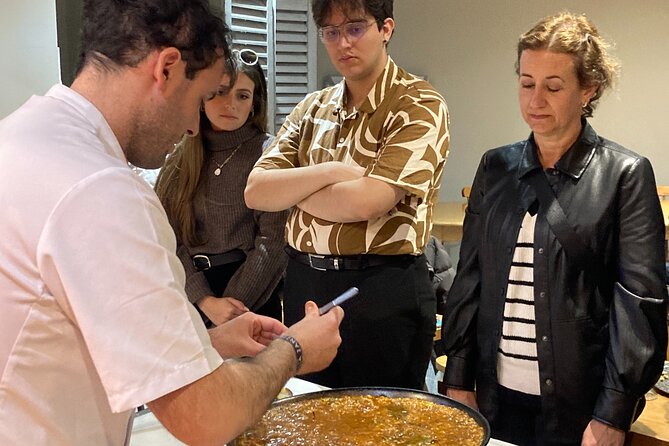
I would recommend it to couples, families, solo visitors, and friends who want a food-focused evening in central Seville. It is family-friendly in tone, and the clear explanations make it accessible even if you know very little about Spanish cooking.
It also suits people who enjoy watching a skilled cook more than working in a kitchen. You can relax, ask questions, and eat well without worrying about chopping, timing, or cleaning up.
This may be a good choice for a first night in Seville. The food introduces regional flavors, the English commentary helps you understand what you are eating, and the terrace views in some sessions can provide an early look at the city from above.
I would steer serious home cooks toward a hands-on alternative. You will pick up tips here, but you will not make your own paella or practice the recipe step by step. The activity is also less suitable if you want a quiet, private dinner, since the show-cooking format is designed around shared attention.
Timing, booking, and small practical details
Starting times vary, so check availability for your date. The experience can function as lunch or dinner, depending on the option selected. Since the meeting point may change by booking option, read the confirmation carefully instead of assuming every session begins at the same place.
English is the stated language for instruction. If you need another language, the supplied information does not confirm that it is available.
Free cancellation is offered up to 24 hours before the activity for a full refund. You can also reserve now and pay later, which helps if you are still arranging your Seville schedule.
Arrive on time if you can, but the atmosphere appears welcoming to late arrivals. One person who arrived late was offered wine and water and was able to join the snacks before the cooking presentation continued. Still, arriving at the scheduled time gives you the best chance to enjoy every explanation.
Should you book the Seville paella experience?
Book it if you want a well-rounded Spanish food evening with a demonstration, regional snacks, included drinks, and a proper serving of paella. The English instruction, friendly teaching style, and possible rooftop finish make it more memorable than an ordinary restaurant meal.
Skip it if your main goal is to cook your own dish. The lack of hands-on work is not a flaw, but it is a clear limit. At $41, the experience makes the most sense for people who value the story, the setting, and the complete meal as much as the recipe itself.
For most visitors, I would call it a good-value introduction to paella in Seville. Just book with the right expectation: you are coming to watch, taste, learn, and enjoy the finished dish.
FAQ
Where does the paella experience take place?
The experience is provided by Terraza del Cristina in Seville, Andalusia. The exact meeting point may vary depending on the option you book.
How long does the experience last?
It lasts approximately two to two and a half hours. Starting times vary, so check availability for your chosen date.
Is this a hands-on cooking class?
No. It is a show-cooking experience. The instructor prepares the paella while you watch, listen, drink, eat, and learn about the dish.
Is the instruction in English?
Yes. The stated instruction language is English.
Who might lead the demonstration?
Fabio and Lucia are among the instructors associated with the experience. The specific instructor depends on the session and booking option.
What food is included before the paella?
The included snacks can include olives, cheese, and Iberian chacina. Different options are available for food restrictions.
Are drinks included?
Yes. Beverages are included, including wine, water, and sangria made with fresh local ingredients.
Is the paella included in the price?
Yes. The experience includes lunch or dinner with a traditional paella prepared during the presentation.
Can I cancel for a full refund?
Yes. You can cancel up to 24 hours in advance for a full refund. The experience also offers a reserve-now, pay-later option.
Newest classes around Spain
- Pintxos and Tapas Cooking Class in Bilbao★ 5.0 · 38 reviews
- Basque Pintxos and Tapas Cooking Class in Bilbao★ 5.0 · 73 reviews
- Small-group Immersive Basque Cooking Class in Bilbao with Open Bar★ 5.0 · 65 reviews
- Paella and Burnt Basque Cheesecake Cooking Class (in Bilbao)★ 5.0 · 46 reviews
- Rooftop Paella Seafood Cooking Class Experience in Barcelona★ 5.0 · 59 reviews
- Private Authentic Paella Cooking Class in Barcelona with Josh★ 5.0 · 3 reviews
- Barcelona Tapas Cooking & Cocktail Class with Veronique & Mattias★ 5.0 · 3 reviews
- Private Barcelona Market Tour & Paella Cooking Class with Josh★ 5.0 · 4 reviews
Seville Cooking Classes, compared.
Spanish Cooking Class & Triana Market Tour in Sevilla
Read our review →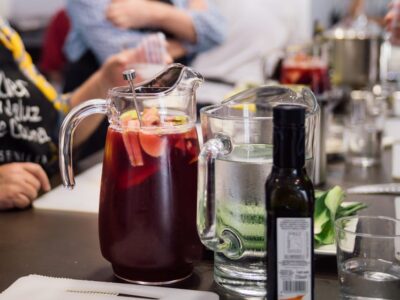
3.5-Hour Spanish Cooking Class & Triana Market Tour
Read our review →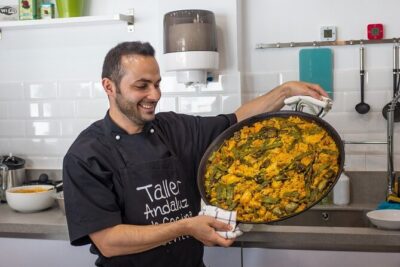
Sevilla: Rooftop Paella Cooking Class & 30-minute expert Q&A
Read our review →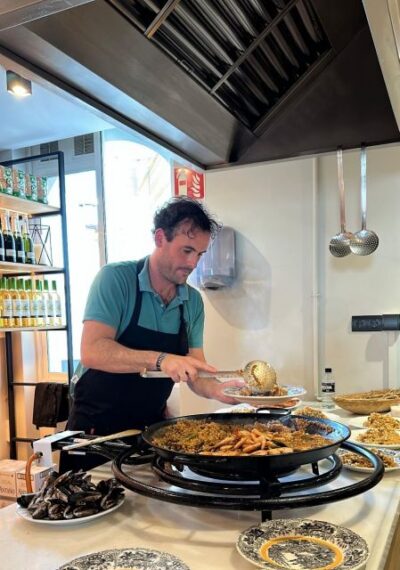
Paella-Cooking Experience with Sangria & Full Meal
Read our review →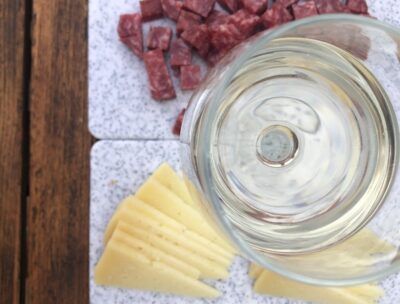
Browse the lists this tour appears in