
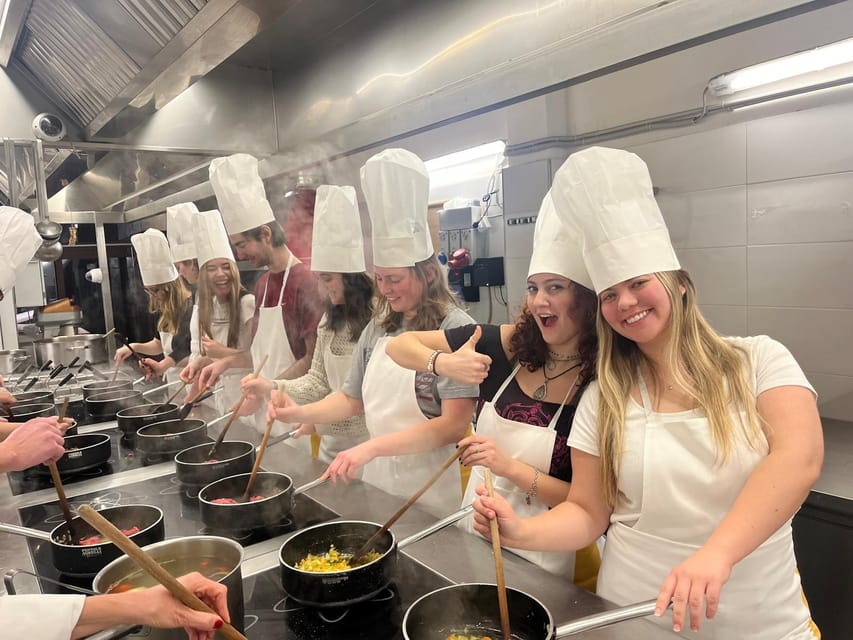
Review · SIENA COOKING CLASSES
Siena: Pasta and Tiramisu Cooking Class with Wine
Siena’s best souvenir may be a recipe you can actually repeat at home. This three-hour class takes you from fresh pasta dough to a shared meal, with egg pasta, pici, gnocchi, and tiramisu on the work plan. I like the clear, hands-on format, and I like that the food is served afterward in the restaurant next door rather than left on a classroom plate.
The welcome Prosecco sets an easy tone, while guides such as Dennis and Natalia keep the instruction relaxed and patient. The main consideration is that the restaurant prepares the sauces, and the class follows traditional recipes based on gluten, eggs, and dairy. Substitutions may be possible, but strict allergy needs are not a good match.
Key points to know before booking
- Three pasta doughs: Learn the texture of traditional egg dough, egg-free pici dough, and potato-based gnocchi dough.
- Tiramisu is part of the meal: The chef explains the cream, then you help assemble your own dessert.
- A social class: Groups are often around 12 people, with diners from many countries sharing the meal afterward.
- Prosecco and wine included: You receive Prosecco on arrival and a glass of red or white wine with dinner.
- Good value at $81: The price covers the class, equipment, apron, meal, dessert, and drinks.
- Plan for food restrictions: Traditional recipes contain gluten, eggs, and dairy, and cross-contamination cannot be ruled out.
Making pasta in a Siena restaurant
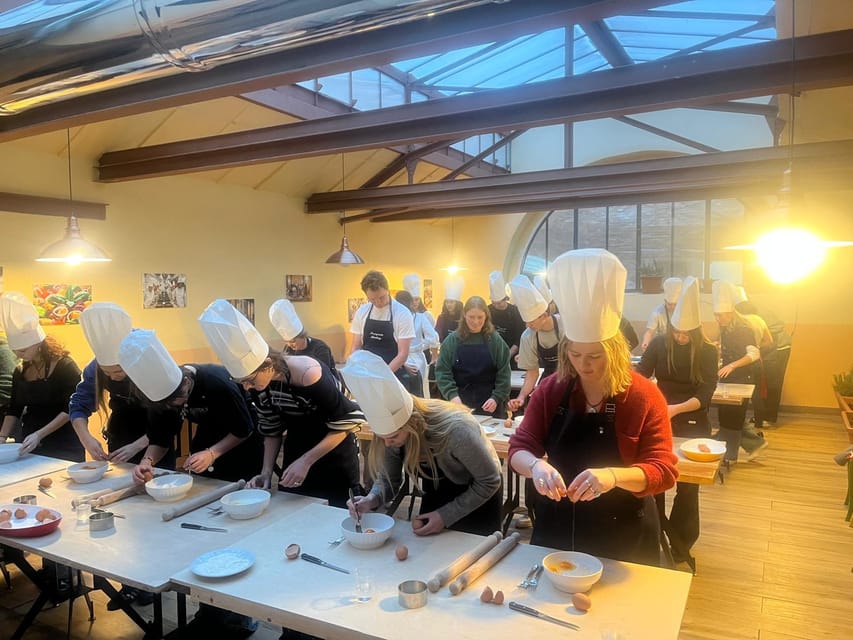
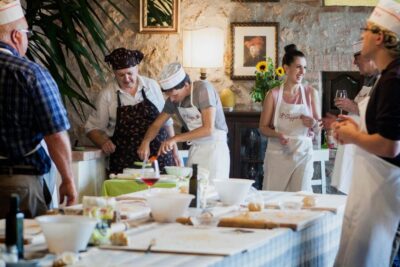
The class takes place at Trattoria Fonte Giusta, which is both the meeting point and part of the experience. You enter the restaurant, receive a glass of Prosecco, and then move to the work area for the lesson.
That opening drink matters more than it might seem. Cooking classes can feel stiff for the first few minutes, especially if you arrive alone or with people you do not know. A glass of Prosecco gives everyone a reason to pause, introduce themselves, and settle into the group.
The class is taught in English. Guides including Dennis and Natalia have been singled out for being patient, engaging, and easy to follow. The teaching style is practical rather than precious. You wash your hands, put on an apron, collect your equipment, and get to work.
The pasta lesson focuses on texture. You are shown how the dough should feel and look, which is far more useful than simply receiving a list of ingredients. A recipe can tell you how much flour to use, but the dough changes with moisture, flour, and handling. Learning to recognize the right consistency is the skill you can carry home.
More Cooking Classes with Wine Tasting in Italy
- Florence: Pasta Cooking Class with Unlimited Wine
★ 4.9 · 10,285 reviews - Florence: Pasta & Tiramisu Cooking Class with Unlimited Wine
★ 4.9 · 6,708 reviews - Florence: Pasta Cooking Class with Unlimited Wine
★ 5.0 · 6,413 reviews
Three doughs, three different lessons
The class covers three basic dough styles, each connected to a different Italian pasta tradition.
The first is traditional pasta made with eggs. This is the dough behind familiar shapes such as tagliatelle, and some sessions also include ravioli. You work the dough, learn how it should come together, and shape it with guidance from the chef.
The second is an egg-free dough used for pici. Pici is strongly linked with southern Tuscany, including the Siena area. It is thicker and more rustic than fine egg noodles, so it gives you a useful contrast. You are not simply repeating the same recipe three times. You are learning why different pasta needs different dough.
The third dough uses potatoes for gnocchi. Gnocchi requires a lighter touch than many beginners expect. Too much handling can make it heavy, so the chef’s advice on consistency is especially useful here.
The experience is designed for beginners. You do not need professional cooking skills, and the instructor walks around the room to help. That personal attention is one of the strongest features of the class. It also means you should expect a real group lesson, not a private session built around your own pace.
Groups can be around 12 people, though the exact number may vary. Some sessions are organized so each group has its own work area, even when more than one class is taking place. That arrangement helps keep the lesson orderly, but you should still expect a social setting rather than quiet one-on-one tuition.
What you actually cook, and what the restaurant finishes
It is important to understand the division of labor. You make the pasta dough and shape the pasta, but the restaurant prepares the sauces that accompany it.
That is not a flaw. Sauces need cooking time, and a restaurant kitchen can handle the final preparation while you move on to tiramisu. It also means you get a polished meal at the end instead of eating pasta that has been rushed from the worktable to the plate.
The final meal may include more than one sauce. One session included tomato sauce and meat sauce, with a choice of red or white wine. The exact serving may vary, so do not book this expecting to choose every element of the menu.
You do get to eat the pasta you helped prepare. That connection between the work and the meal is the heart of the class. You feel the difference between handling the dough yourself and simply ordering fresh pasta from a menu.
The portions are generous. You should arrive hungry, especially if your class is scheduled as lunch or dinner. Some people have even been offered a bag for leftovers, though you should not count on that being available every time.
Tiramisu gives the class a welcome rest
After working with pasta, you take a seat while the chef explains tiramisu. This is a useful change of pace, particularly if you have been standing and kneading for a while.
The chef demonstrates how to make the cream and how to combine the ingredients. You then construct your own portion. The pasta section is more physically hands-on, while the tiramisu lesson leans more heavily on demonstration and assembly.
That balance suits a three-hour class. Making several pasta doughs takes time, and the tiramisu does not need to become a second full pastry course. You still learn the method, see the correct consistency, and finish with a dessert you helped prepare.
The tiramisu is also a practical recipe to take home. It requires fewer specialized tools than many Italian desserts, and the lesson focuses on technique rather than decoration. If your main goal is pasta, the dessert works as a pleasant extra. If you are hoping for a detailed pastry workshop, this is not that.
More Pasta Making Classes in Italy:
- 3 in 1 Cooking Class near Navona: Fettuccine, Ravioli & Tiramisu
★ 5.0 · 7,376 reviews - Rome: Pasta Making Class with Wine, Limoncello, and Dessert
★ 4.9 · 3,177 reviews - Pastamania – Florence Pasta Making Class
★ 5.0 · 3,050 reviews - Rome Cooking Class: Make Pasta and 3 Spritz Cocktails
★ 5.0 · 2,937 reviews
The meal next door is part of the experience
When the cooking ends, you sit down with the group in the restaurant next door. The meal includes the pasta and tiramisu you prepared, along with a glass of wine.
This final stage can last a while, depending on the pace of the restaurant and the group. It is not just a quick taste before everyone leaves. You have time to talk with people from different countries and compare notes about the cooking.
That social side is particularly useful for solo visitors. The class gives you an easy way to meet people without having to force conversation. You already have the cooking lesson in common, and the shared meal keeps the evening moving naturally.
You can choose red or white wine when that option is available. The included glass is modest but meaningful at this price, since it turns the lesson into a complete meal rather than a workshop followed by another restaurant search.
The restaurant setting also gives the experience a local feel. You are not only learning recipes in a sterile demonstration kitchen. You are working through the process and then eating in a functioning Siena restaurant.
Why the $81 price is reasonable
At $81 per person, this is not the cheapest pasta lesson in Italy. The value depends on how much you want from the three hours.
The fee includes:
- The cooking class
- An English-speaking guide
- Three pasta dough styles
- Tiramisu preparation
- Apron and cooking equipment
- Lunch or dinner
- A welcome glass of Prosecco
- A glass of wine with the meal
A standard restaurant dinner in Siena would not teach you how to make pici or gnocchi. A short cooking demonstration might cost less, but it would not give you the same amount of hands-on work. Here, the meal, drinks, instruction, and equipment are bundled together.
I consider the price fair for someone who wants both an activity and dinner. It is less attractive if you are mainly looking for a formal culinary course with advanced techniques, printed materials, or a private chef. The class is aimed at accessible Italian cooking, not professional training.
Some sessions provide recipes afterward, which makes the experience more useful at home. Ask about this when booking if taking the recipes back with you matters. The class gives you the basic skills, but you will still need to practice to reproduce the texture consistently.
The best fit for this Siena activity
I would recommend this class to couples, families with older children, solo visitors, and friends who want an evening that is more active than a standard meal.
It works especially well for people who:
- Want to learn basic Italian cooking skills
- Enjoy meeting other people over dinner
- Like eating what they have prepared
- Want an indoor plan for a rainy day
- Prefer a friendly group class to a private lesson
- Have three hours available for both cooking and dining
The experience can also suit a family with a child old enough to follow instructions. Children under 3 are not accepted, and the activity is not designed for babies.
You should think twice if you dislike group activities or want complete control over the menu. You will be cooking alongside other people, following the chef’s plan, and eating sauces selected by the restaurant.
The class is also not suitable for vegans, despite the general note that some dietary substitutions may be available. The stated restrictions specifically exclude vegans, people with food allergies, gluten intolerance, and lactose intolerance. Traditional instruction focuses on gluten, dairy, and eggs, and the provider cannot guarantee a kitchen free from cross-contamination.
If you have a less serious preference, tell the provider when booking. Substitutions may be possible, but do not assume that a substitution changes the entire lesson. The chef will still explain the traditional recipe.
Timing, location, and useful planning tips
The class lasts three hours, with different starting times depending on availability. Since it includes both cooking and a sit-down meal, do not schedule another major activity immediately afterward.
You meet directly at Trattoria Fonte Giusta. Hotel pickup and drop-off are not included, so plan your own way to the restaurant and allow time to find the entrance.
Wear something comfortable. You receive an apron, but cooking pasta is hands-on work, and you may be standing for part of the lesson. The class takes place indoors, and one session was praised as a comfortable choice during hot weather, while another made a good plan for a wet day in Siena.
Arriving hungry makes sense, but do not skip an earlier meal if your class begins late. The cooking itself takes time, and the meal comes at the end. You will sample the dishes you prepare, rather than receiving a separate full menu of unrelated courses.
The class is conducted in English. If you are not confident with cooking vocabulary, the visual demonstrations and direct help at the workstation should make the process manageable.
What I like most, and what I would improve
The strongest part is the combination of instruction and reward. You learn three kinds of dough, then sit down and eat the result with wine. That makes the lesson feel useful without becoming overly serious.
I also like the teaching approach. The chef shows the correct dough consistency and walks around to help. Guides such as Dennis have been praised for humor, patience, and clear explanations, while Natalia has also received warm attention for her instruction.
The international group adds another layer. You may share a table with people from several countries, which turns the meal into a relaxed social evening. Solo visitors should find it easier to join in because the activity gives everyone an immediate topic.
The main weakness is the fixed format. You do not prepare every element of the final dish. The restaurant makes the sauces, and the tiramisu involves a chef demonstration as well as your own assembly. If you want to make a full restaurant dish entirely from start to finish, this may feel limited.
The other issue is dietary flexibility. The provider can offer some substitutes, but the core teaching remains based on traditional ingredients, and cross-contamination is possible. This is a class for people who can comfortably work around flour, eggs, dairy, and gluten.
Should you book the Siena pasta and tiramisu class?
Book it if you want a friendly, good-value Siena evening that combines cooking, dinner, wine, and conversation. The three doughs give you more substance than a simple pasta-shaping demonstration, and the meal makes the $81 price easier to justify.
I would choose it for a first cooking class in Italy, especially if you are a beginner or traveling alone. I would skip it only if you need strict allergen control, want a private lesson, or expect advanced culinary training.
For most food-loving visitors, this is a practical way to spend three hours in Siena. You leave with a full meal, a few recipes and techniques, and a better sense of why fresh Italian pasta depends so much on feel.
FAQ
How long does the Siena cooking class last?
The class lasts three hours and includes the cooking lesson, tiramisu preparation, and the meal afterward.
Where does the experience meet?
You meet at Trattoria Fonte Giusta in Siena. You should enter the restaurant directly.
What types of pasta do you learn to make?
The class covers traditional egg pasta, egg-free pici dough, and potato-based gnocchi dough. Sessions may shape these into pasta such as tagliatelle or ravioli, depending on the class format.
Are food and drinks included?
Yes. The package includes a welcome glass of Prosecco, the pasta and tiramisu class, lunch or dinner, and one glass of wine with the meal.
Is the class suitable for dietary restrictions?
You must tell the provider about allergies or dietary needs when booking. Substitutions may be available, but the instruction focuses on recipes containing gluten, eggs, and dairy, and cross-contamination cannot be guaranteed. The activity is listed as unsuitable for vegans, people with food allergies, gluten intolerance, and lactose intolerance.
Can I cancel the activity?
You can cancel up to 24 hours in advance for a full refund. A reserve-now, pay-later option is also available.
More Tiramisu and Dessert Classes in Italy
- Rome: 3-in-1 Fettuccine, Ravioli, and Tiramisu Cooking Class
★ 4.9 · 2,704 reviews - Florence: Cooking Class Pasta & Tiramisu Making Unlimited Wine
★ 5.0 · 2,234 reviews - Fettuccine & Tiramisù: Cooking Class with Wine & Limoncello
★ 4.9 · 2,103 reviews - Florence Cooking Class The Art of Making Gelato & Authentic Pizza
★ 5.0 · 2,053 reviews
Newest classes around Italy
- Cooking Class in a Sicilian countryhouse★ 5.0 · 5 reviews
- Cesarine: Market Tour & Home Cooking Class in Catania★ 4.0 · 6 reviews
- Cesarine: Home Cooking Class & Meal with a Local in Catania★ 4.5 · 10 reviews
- Cooking Class in Taormina with Lunch Included★ 5.0 · 2 reviews
- Cooking class in Capri for small groups★ 4.0 · 4 reviews
- Cooking Class and Wine Pairing in Capri★ 5.0 · 57 reviews
- Lezione di Cucina : Pasta Fresca★ 5.0 · 12 reviews
- Private Cooking Class Experience in Reggio Calabria★ 5.0 · 5 reviews
Siena Cooking Classes, compared.
A Brunello Cooking Class with Vineyards View Winery
Read our review →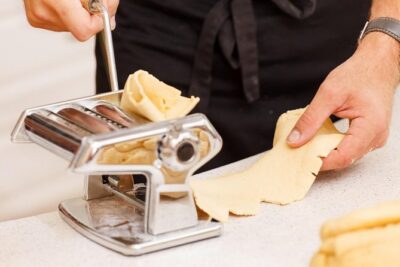
Small group Cooking Class in Chianti Farmhouse
Read our review →Small Group Cooking Class in Chianti Farmhouse
Read our review →
Traditional Tuscan Cooking Class with Fresh Pasta
Read our review →
Siena countryside: cooking class in a real Tuscan farmhouse
Read our review →Browse the lists this tour appears in