
Review · PORTO COOKING CLASSES
Porto Hands On Cooking Class-3 course-wine included-trained chef
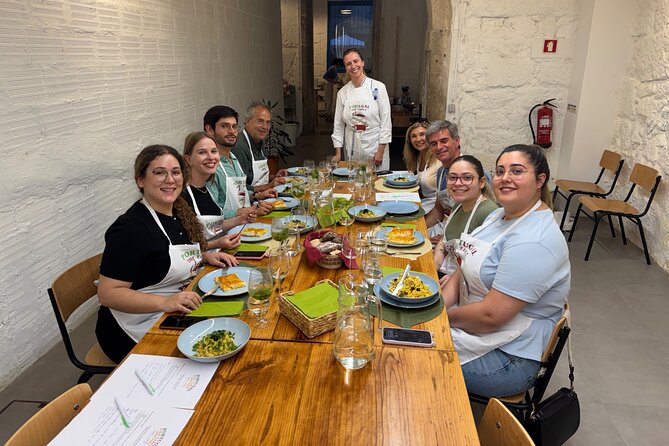
The best part of this Porto cooking class is that you do not simply sit down to eat Portuguese food. You make it yourself, guided by Chef Tania, a Portugal-born chef trained at Le Cordon Bleu Paris. You will work through a three-course meal, then sit down to enjoy it with wine explained by Tomás.
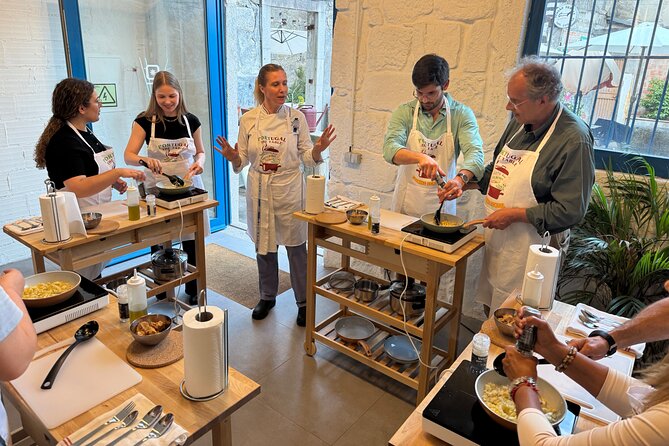
I especially like the small maximum group of 12, which gives the class a personal feel without making it a private lesson. I also like the practical setup: individual cooking stations, prepared ingredients, recipe cards, and an apron to take home. The main consideration is that the menu can change with the season, so you may not get every dish listed in the sample menu.
Key points at a glance
- Three Portuguese courses: Prepare an appetizer, a main dish, and dessert, then eat the meal you helped make.
- Chef Tania’s training: Learn cooking methods and kitchen tips from a Portuguese chef trained at Le Cordon Bleu Paris.
- Wine with the meal: Taste Vinho Verde, Douro and Alentejo wines, cocktails, Port, and Licor Beirão.
- A family-run setting: Tania, Tomás, Bárbara, and Mateo help create a warm, social atmosphere.
- Central Porto meeting point: Begin and end at Campo dos Mártires da Pátria 144 A.
- Useful take-home extras: You receive recipe cards and a Portugal at the Table apron.
Cooking Portuguese food instead of just ordering it
Porto is an easy city for eating well. You can order grilled fish, salted cod, sandwiches, pastries, and glasses of Port almost anywhere. A cooking class adds something different: it shows you how familiar Portuguese ingredients work together.
The class focuses on traditional recipes rather than restaurant-style theater. You may prepare shredded cod with potatoes and eggs, bread-based prawn soup, an alheira pastry, and Portuguese French toast flavored with Port. These are dishes with strong links to home cooking and local food customs.
I like this approach because the recipes are useful after your trip. You are not only watching a chef perform a dish that requires rare equipment. You are learning techniques you can try again at home, supported by written recipes.
The class lasts about three hours. That gives you enough time to cook, ask questions, taste wines, and sit down for the meal without turning the evening into a rushed production. It is best viewed as both a meal and an activity, not as a quick demonstration before dinner.
More Cooking Classes with Wine Tasting in Portugal
- Porto: Pastel de Nata Cooking Class with Port Wine – Sé
★ 4.8 · 888 reviews - Porto: Pastel de Nata Cooking Class with Porto Wine (Sé do Porto)
★ 5.0 · 340 reviews - Portuguese Cooking Class in Porto with Portuguese Wine
★ 5.0 · 110 reviews
Meeting Chef Tania and the Portugal at the Table team
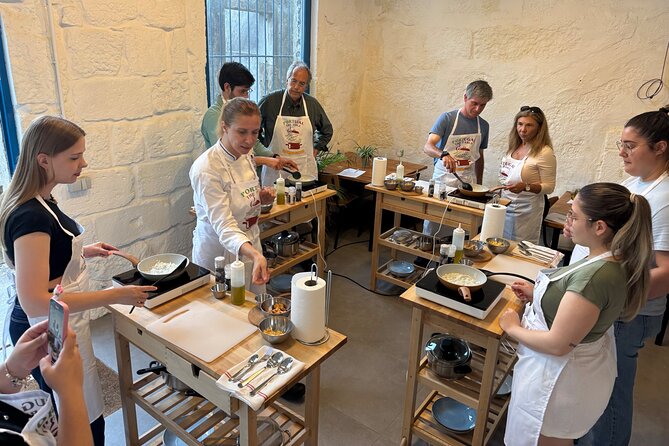
Chef Tania leads the cooking. Her training at Le Cordon Bleu Paris gives the class a strong technical base, but the food remains Portuguese in character. She covers cooking methods, useful kitchen habits, and small tricks that can improve flavor and timing.
Tomás handles much of the wine side of the experience. His role is more than simply pouring glasses. He introduces different Portuguese styles and explains how they fit with the food you prepare.
Bárbara and Mateo may also help during the class. The experience has a family-run character, with the hosts working together to guide the group, clear stations, and keep the evening moving.
That family presence matters. It helps the class feel social rather than formal. You are likely to spend part of the evening speaking with the people at your station and part of it chatting with the instructors. If you prefer a quiet, private lesson, this may feel more communal than expected.
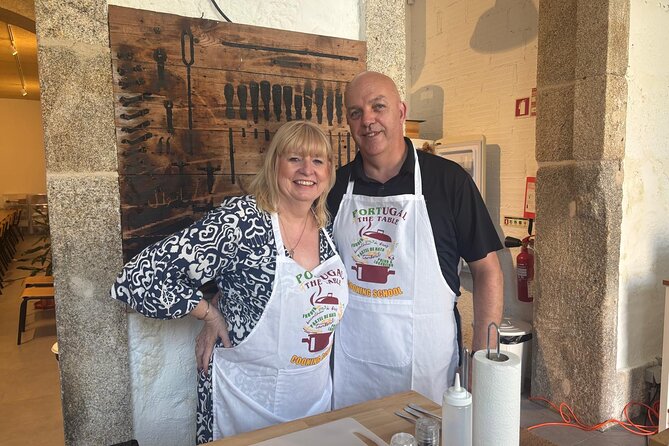
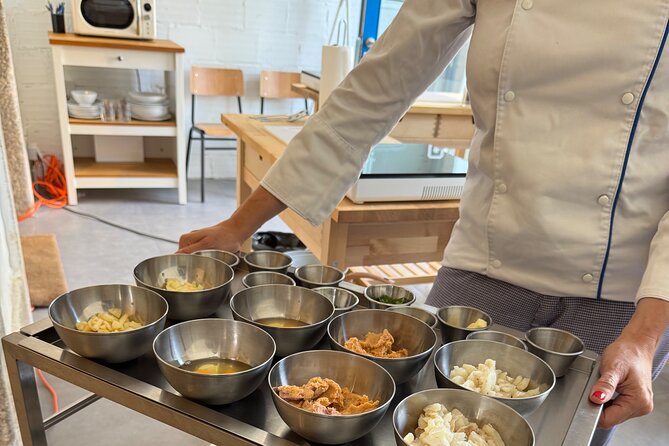
The kitchen is described as clean and well organized. Ingredients are portioned and prepared before the class begins, and each cooking station has its own burner and utensils. That preparation lets you focus on technique instead of waiting for equipment or sorting through a pile of ingredients.
Starting with alheira puff pastry
A typical starter is folhado de alheira de Mirandela, a puff pastry filled with alheira. This smoked sausage is traditionally made with poultry and bread, rather than the pork mixture used in many familiar sausages.
The pastry gives you a chance to work with a classic Portuguese ingredient in a lighter, more modern form. It also introduces the idea that Portuguese cooking is not limited to grilled fish and salted cod. Regional sausages, bread, pastry, and preserved foods all have a place at the table.
The Mirandela connection is useful context. Alheira is associated with the town of Mirandela in northeastern Portugal, and its unusual ingredients reflect the history of Portuguese food and local traditions. You get a small lesson in the dish as you prepare it, not just a recipe to follow.
Because the ingredients are prepped before you arrive, the class can spend more time on shaping, seasoning, and cooking. This is helpful if you want practical instruction without spending half the session chopping and measuring.
Choosing between cod and prawn soup
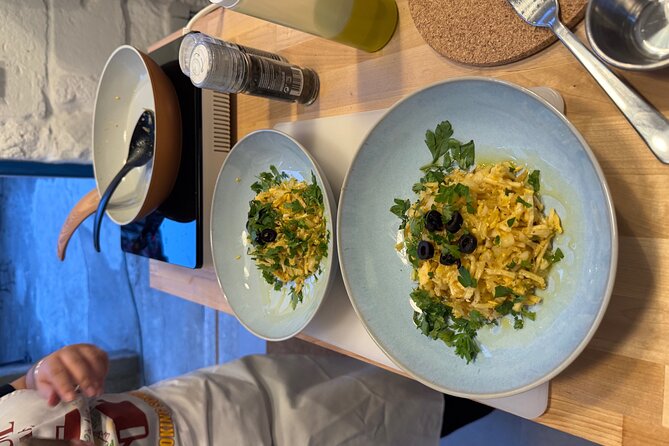
The main course may be bacalhau à Brás, one of Portugal’s most familiar cod dishes. It combines shredded salted cod with potatoes and eggs. The texture and seasoning are simple, but the dish depends on getting the balance right.
You learn why cod is so important in Portuguese cooking even though it is not native to Portugal’s waters. Salted cod became a pantry staple because it could be preserved and carried, and it remains one of the country’s defining ingredients.
The other possible main is açorda de camarão, a traditional prawn soup made with rustic wheat bread, garlic, olive oil, fresh coriander, and prawns. The bread absorbs the seafood broth and gives the soup its thick, comforting texture.
These two dishes offer different lessons. Bacalhau à Brás is about handling shredded ingredients and balancing egg, potato, and cod. Açorda is about building flavor with bread, garlic, olive oil, herbs, and seafood stock.
The main dish depends on the season, so you should not assume you will prepare both. The sample menu includes both possibilities, but the class description presents them as alternatives. If one dish is especially important to you, ask before booking or contact the provider after confirmation.
Same region, a different dish to learn:
- Lisbon: Pastel de Nata Baking Class
★ 4.9 · 2,106 reviews - Porto: Pastel de Nata Cooking Class with Grandma’s Recipe
★ 5.0 · 1,565 reviews - Lisbon: Traditional Portuguese Cooking Class
★ 4.9 · 592 reviews - Porto: Pastel de Nata Cooking Class from Scratch
★ 4.9 · 468 reviews
Finishing with Port-flavored rabanadas
Dessert is typically rabanadas ao vinho do Porto, Portugal’s version of French toast. Slices of bread are soaked and finished with a sweet syrup infused with Port wine.
This is a good final course for the class because it links a familiar comfort food with a distinctly Portuguese ingredient. You get the basic idea of rabanadas while seeing how Port changes the flavor.
The dessert also gives the wine lesson a final turn. Port is not only something to sip after dinner. It can be used in cooking, and its sweetness and depth work naturally in a syrup.
The recipes are not designed only for the cooking school. You receive recipe cards so you can try the dishes again at home. That is one of the stronger practical benefits of this experience. A food tour may give you memories and restaurant suggestions, but this class gives you instructions you can use.
Portuguese wine from Vinho Verde to Port
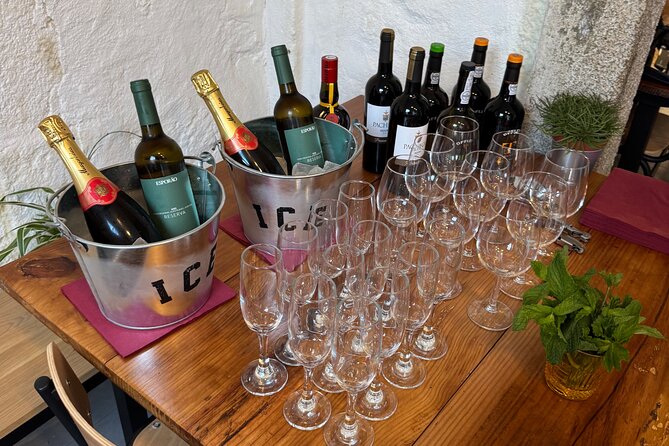
The wine portion is broad for a three-hour class. You may taste Vinho Verde, white wines from the Douro, red wines from the Douro and Alentejo, Port, and Licor Beirão. Cocktails are also included.
Vinho Verde is usually a lively, refreshing choice with a light feel. It works well as an introduction to Portugal’s wine regions and makes a natural partner for lighter food.
Douro wines give you a chance to taste wines from the same wider region associated with Port production. Alentejo reds bring another Portuguese style to the table. The point is not to turn the class into a formal wine course, but to connect the glasses with the food.
Port appears both as a drink and as an ingredient in the dessert. Licor Beirão, made with herbs and spices, adds a different kind of Portuguese drinking tradition.
This wine selection adds value, but it also shapes the pace of the evening. You are tasting several drinks while cooking and eating. If you do not drink alcohol, or if you prefer to keep the focus entirely on cooking, ask about alternatives before the class. The supplied details confirm the drinks are part of the experience but do not specify nonalcoholic substitutions.
Why the small group and prepared stations matter
A maximum of 12 people is a useful middle ground. You get the energy of a shared class, but the group is small enough for the chef to give instructions and answer questions.
The individual stations are another strong detail. Having your own burner and needed utensils means you are not standing behind someone else while the important step happens. You take part in the cooking rather than watching from the edge.
Prepared ingredients keep the class efficient. That does mean you will not see every stage of a professional kitchen from raw shopping to final plate. Still, for a three-hour experience, the tradeoff makes sense. You spend more time learning how to cook the dishes and less time on repetitive preparation.
Clean-up is also handled as you go. That helps preserve the social mood and keeps your workspace usable. Cooking with a group can become messy fast, so this small service makes the evening easier.
A social night with room for celebration
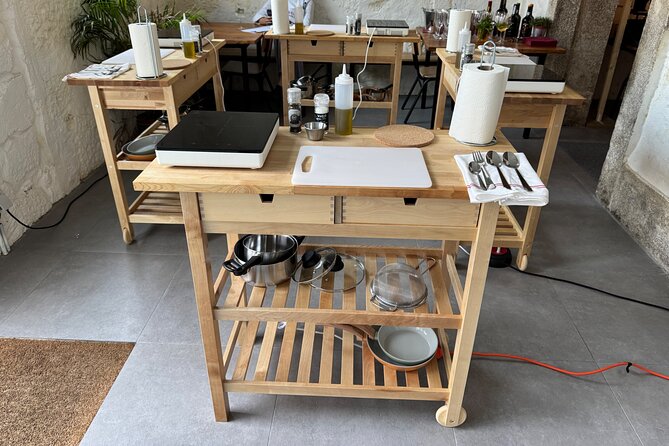
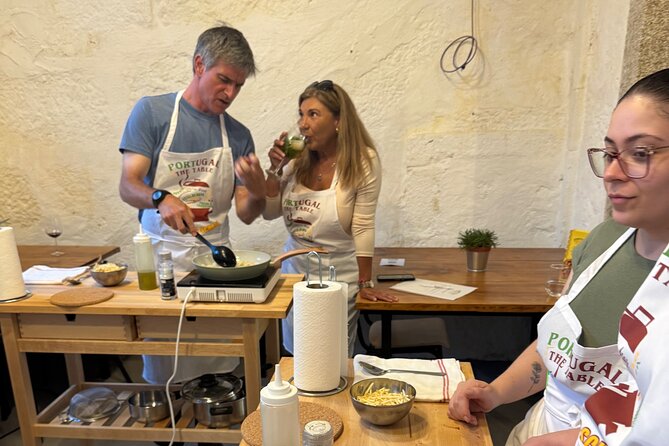
This class suits birthdays, couples, friends, and solo visitors who enjoy meeting people around a table. The atmosphere is described as friendly and relaxed, with laughter, wine, and shared cooking built into the evening.
Birthday celebrations fit especially well because the activity gives you something to do before the meal. You are not simply sitting through a long dinner. You are learning, working together, and then enjoying the results.
Couples can split tasks at a station, while friends may find the class a pleasant break from sightseeing. Solo participants should be comfortable joining a group and speaking with people they may not know.
The family team helps make the setting feel welcoming. Tania, Tomás, Bárbara, and Mateo are involved in hosting, teaching, serving, and keeping the kitchen in order. The result is more personal than a large commercial demonstration.
Still, a social class is not for everyone. If you want a silent, highly focused lesson or complete control over the menu, this may not be the right fit. The group format is part of the appeal, and part of the compromise.
Is $114.13 a fair price?
At $114.13 per person, this is not the cheapest meal in Porto. You can eat a traditional dish for far less at a local restaurant. The value comes from what is bundled with the meal.
You get about three hours of instruction, a three-course menu, wine and other drinks, a chef-led lesson, recipes, an apron, and the use of a prepared cooking station. You also receive an evening of social activity, which can replace both a dinner reservation and a separate paid tour.
The Le Cordon Bleu Paris training adds credibility, especially if you care about learning technique rather than simply following a recipe. The wine guidance from Tomás adds another layer that would usually cost extra in a standalone tasting.
I would consider the price reasonable for someone who wants an activity as well as dinner. It is less compelling for a person focused only on eating cheaply or for someone who already has a full kitchen-based food itinerary.
The average booking lead time is about 65 days. That suggests you should plan ahead, especially if you want a particular date during a busy Porto visit. Confirmation is provided at booking, and the maximum group size is 12.
Location, timing, and practical details
The class begins and ends at Campo dos Mártires da Pátria 144 A, 4050-368 Porto. The meeting point is near public transportation, which makes it easier to reach without arranging a private transfer.
The activity is offered in English. That is useful for cooking instruction, where timing and safety depend on understanding the directions clearly.
Service animals are allowed. The supplied information does not give a full accessibility description, so you should contact the provider with specific mobility or dietary questions before booking.
Free cancellation is available when you cancel at least 24 hours before the start time. Changes made inside that window are not accepted, and late cancellations are not refunded. The activity also requires a minimum number of participants and may be affected by poor weather, in which case you are offered another date or a full refund.
Who should book this Porto cooking class?
I would choose this experience if you want to do more than collect restaurant recommendations. It is especially well suited to you if you enjoy hands-on activities, Portuguese food, wine, and meeting other people during a trip.
It is also a good fit if you want recipes you can recreate at home. Bacalhau à Brás, açorda de camarão, alheira pastry, and Port-flavored rabanadas give you a useful introduction to several Portuguese ingredients and methods.
Families and groups should note the maximum of 12 people. The class can work well for a birthday or shared evening, but the wine component means it may be better suited to adults.
I would think twice if you dislike group activities, do not drink alcohol, or need a tightly fixed menu. The class is friendly and organized, but the exact main course may change with the season.
Should you book Portugal at the Table?
Yes, if you want a warm, practical food experience with real participation. The strongest reasons to book are Chef Tania’s training, the small group, the prepared individual stations, the generous range of Portuguese drinks, and the chance to leave with recipes and an apron.
The main cautions are the price, the alcohol-centered format, and the seasonal menu. Check the main course and any dietary needs before committing.
For a first visit to Porto, this is a useful way to connect food, wine, and local culture in one evening. You cook the meal, learn why the ingredients matter, and then sit down to enjoy the results. That combination makes the experience worth considering alongside Porto’s restaurants and tastings.
FAQ
Where does the cooking class begin and end?
The class begins at Campo dos Mártires da Pátria 144 A, 4050-368 Porto, Portugal. It ends back at the same meeting point.
How long does the experience last?
The cooking class lasts approximately three hours.
Is the class offered in English?
Yes. The experience is offered in English.
How many people can join the class?
The maximum group size is 12 participants.
What dishes might I prepare?
A typical class may include alheira puff pastry from Mirandela, bacalhau à Brás or açorda de camarão, and rabanadas flavored with Port wine. The main course can depend on the season.
What drinks are included?
The class includes a selection of Portuguese drinks, which may include Vinho Verde, cocktails, Douro white wines, Douro and Alentejo red wines, Port, and Licor Beirão.
Do I receive anything to take home?
Yes. You receive recipe cards and a complimentary Portugal at the Table apron.
Can I cancel for a full refund?
You can cancel for a full refund up to 24 hours before the experience start time. Cancellations made less than 24 hours in advance are not refunded.
Newest classes around Portugal
- Cooking Workshop in Cascais (group of 4 min)★ 5.0 · 13 reviews
- Cooking Class★ 5.0 · 17 reviews
- Terceira Island: Azores Cooking Class Experience★ 5.0 · 14 reviews
- Porto: Portuguese Cooking Class on the Terrace★ 5.0 · 2 reviews
- Porto: Coastal Villages Market & Seafood Cooking Tour★ 5.0 · 2 reviews
- Porto: Cooking Class with Local Market Visit★ 5.0 · 15 reviews
- Porto: Local Market Tour & Cooking Class/Showcooking★ 4.9 · 32 reviews
- Lagos: Market Tour and Cataplana Cooking Class★ 5.0 · 9 reviews
Porto Cooking Classes, compared.
Pastel de Nata Cooking Class with Port Wine – Sé
Read our review →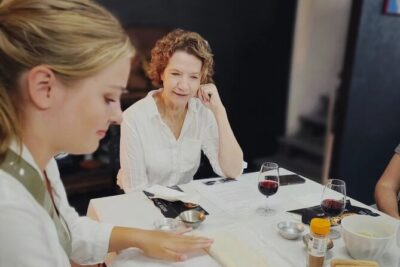
Pastel de Nata Cooking Class with Porto Wine (Sé do Porto)
Read our review →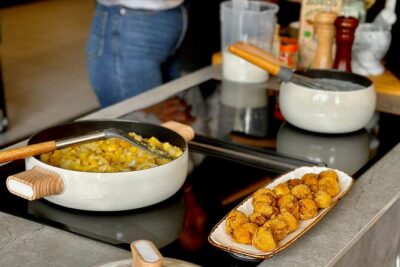
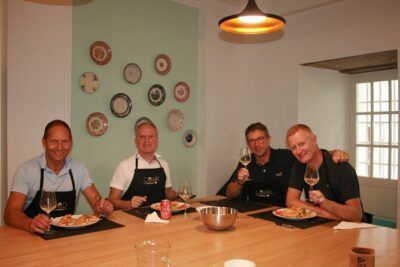
Portuguese Cooking Class in Porto with Portuguese Wine
Read our review →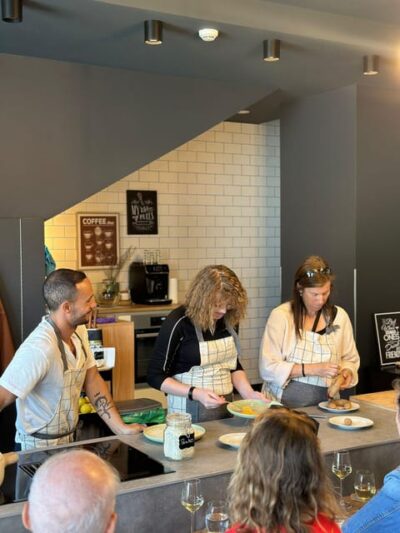
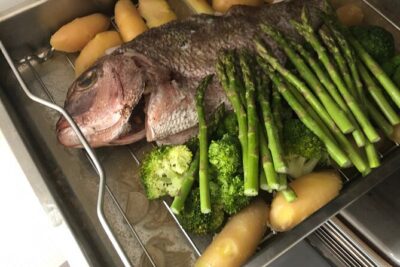
Private Portuguese Cooking and Wine Experience in Porto
Read our review →
Browse the lists this tour appears in