
Review · GREECE COOKING CLASSES
Phyllo Pie Baking Class @ Lefkada Micro Farm
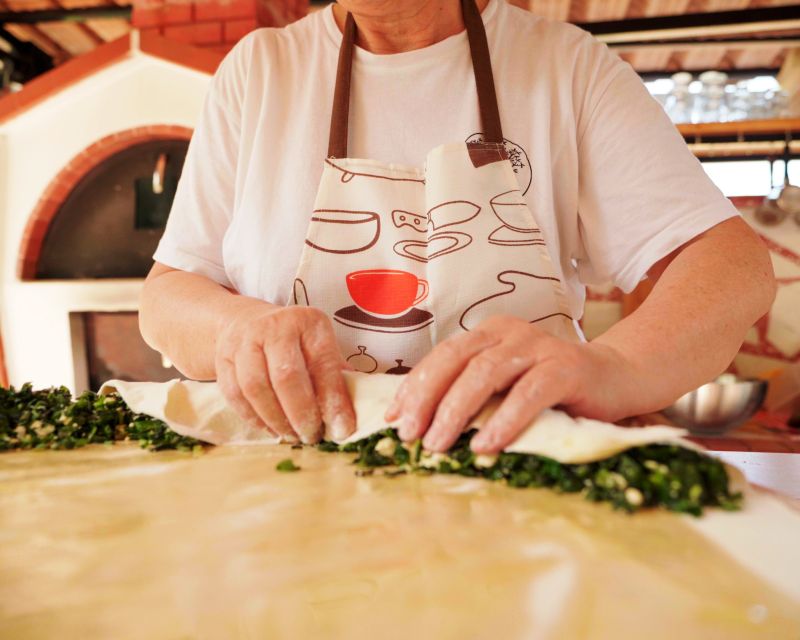
The best part of this experience is the old-fashioned method: you make phyllo dough by hand, fill it with greens from the farm garden, and bake it in a wood-burning oven. I like the hands-on work and the quiet farm setting. I also like that the recipes are practical enough to repeat at home, not just admire once and forget.
The main consideration is the price, $123 per person. That is a serious spend for a four-hour cooking class, though it includes the food, utensils, apron, instruction, and a shared meal. You should also report any food allergies or dietary restrictions before booking.
Key points
- Four hours of hands-on baking: Knead, roll, stretch, fill, and bake your own Greek pies.
- Seasonal farm ingredients: Walk through the organic garden and gather greens and herbs for the cooking.
- Four family recipes: Prepare wild greens and feta, goat cheese with sun-dried tomatoes, pumpkin pie, and baklava.
- Wood-fired cooking: Bake with the farm’s own extra virgin olive oil in a traditional wood-burning oven.
- Small English-speaking group: The class is limited to 10 participants, allowing plenty of room for practical instruction.
- A meal at the Farmer’s Table: Eat the finished pies together as part of a slow, social afternoon.
Making Phyllo the Greek Countryside Way
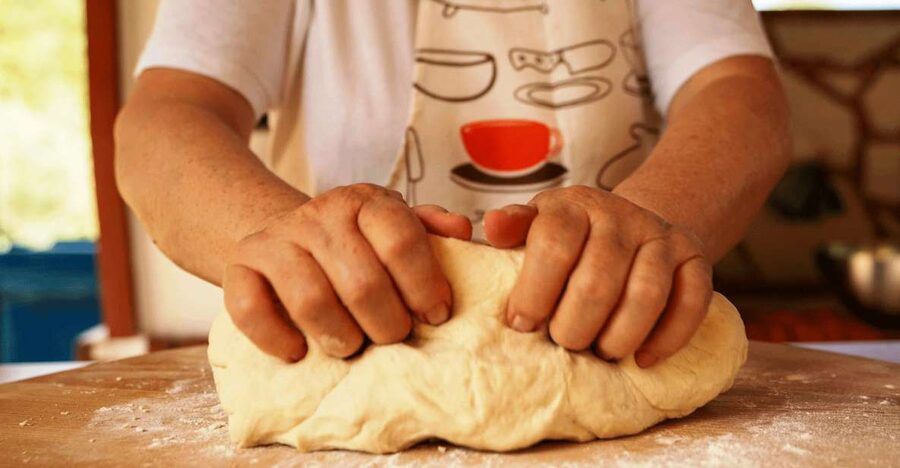
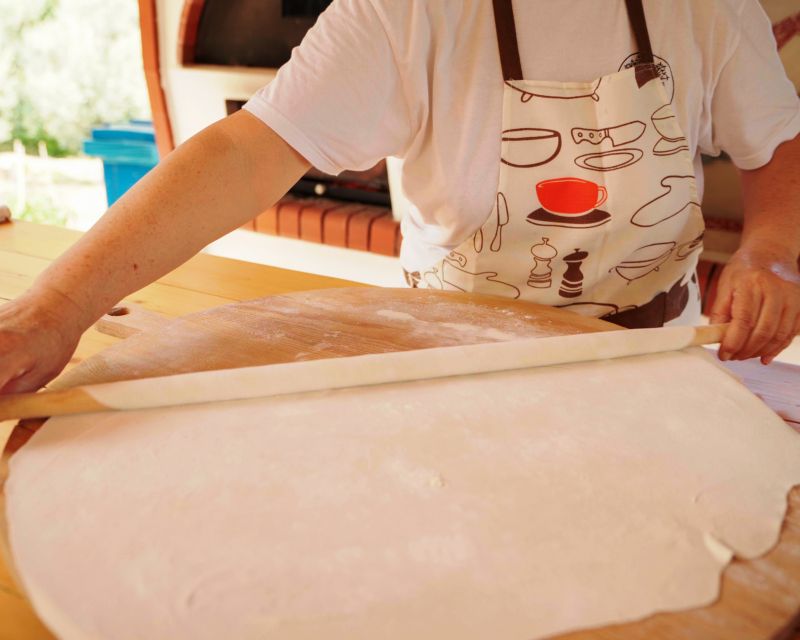
Many cooking classes treat phyllo as something bought from a freezer aisle. This one takes you back to the dough itself. You begin with simple ingredients, then learn how to knead and stretch the dough into the thick, rustic crust used in country-style Greek pies.
That matters because this is not the paper-thin pastry often associated with restaurant baklava. The farm describes its version as golden, crunchy, and hearty. You should expect a handmade crust with a little more character and weight. It may not look perfectly uniform, and that is part of the point.
The technique is approachable. You are not expected to become a professional baker in one afternoon. The class focuses on methods you can repeat in your own kitchen, including how to handle the dough, add filling, and prepare it for baking.
I like this approach because the skill has a clear payoff. You do not just watch someone prepare a pie. You work with the dough yourself, then eat the result a few hours later.
More Farm Cooking Classes in Greece
- Naxos Perivoli Farm Experience & Wood-fire Cooking Class
★ 5.0 · 339 reviews - Melanes: Naxos Perivoli Farm & Cooking Class with Wood Fire
★ 5.0 · 177 reviews - Santorini Family Farm Food & Wine Tour with Cooking Class
★ 5.0 · 107 reviews
A Walk Through the Organic Garden
Before the baking begins, you walk through the farm’s organic garden and gather seasonal greens and herbs. This gives the class a direct link between the ingredients and the finished food.
The available produce depends on the season. That means the exact garden harvest may vary, but the activity is built around using what is growing at the farm. The greens become part of the wild greens and feta pie, one of the most traditional combinations on the menu.
This garden stop is simple, but it changes how you understand the dish. A Greek greens pie is not only pastry and cheese. It is also a way to use the plants available nearby, with herbs and greens providing the main flavor.
You will want comfortable clothing and shoes suitable for a farm setting. The supplied information does not specify a dress code or footwear requirement, so keep it practical rather than formal.
Four Pies, Four Different Flavors
The class includes several recipes, giving you a good range of Greek baking styles. The fillings move from savory country pies to sweet pastries.
The first recipe is wild greens and feta. This is the dish most closely tied to the garden walk, and it offers a useful lesson in balancing earthy greens with salty cheese. It is also the recipe most likely to feel like a daily Greek family food rather than a special-occasion dessert.
The second combines goat cheese, sun-dried tomatoes, olives, and oregano. The flavors are bolder and saltier, with the tomatoes and olives adding bite to the soft cheese. This is a good choice if you prefer savory food with a stronger Mediterranean profile.
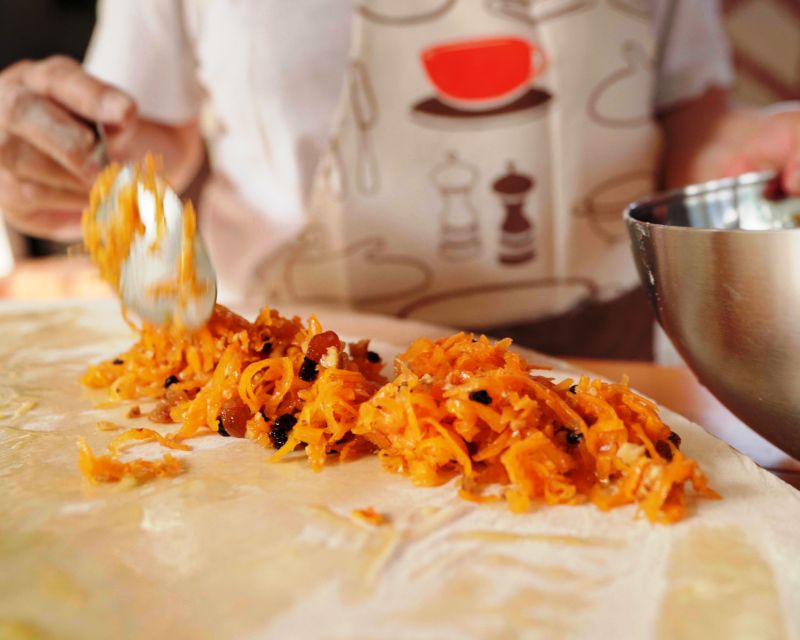
The pumpkin pie brings a different mood. It uses pumpkin, walnuts, cinnamon, and raisins, combining a soft filling with warm spice and crunch. It is not the same style as a North American pumpkin pie. The walnuts and raisins give it a more textured, pastry-focused character.
Finally, there is baklava with honey, cinnamon, and walnuts. You get a chance to work with the sweet side of phyllo, using honey rather than relying only on refined sugar. It also gives you a familiar point of comparison if you have tried baklava before.
Four recipes in four hours is a full schedule. You should expect an active class rather than a slow demonstration with long breaks. The exact amount you personally prepare may depend on the group and the instructor’s pace.
Learning With Olive Oil and Family Recipes
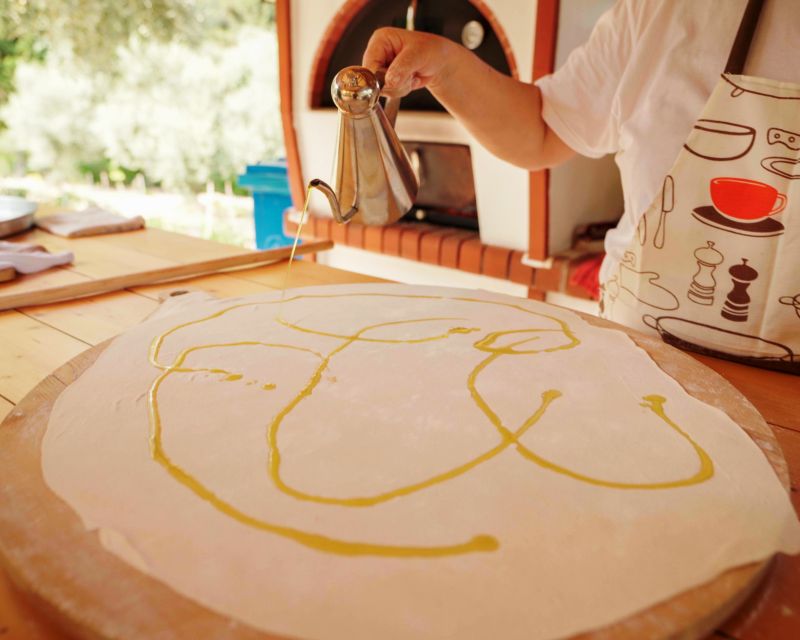
The farm uses its own extra virgin olive oil in the cooking. That is an important detail for the dough, fillings, and baking process. Olive oil gives the pies a distinct flavor and helps create the crisp texture associated with Greek pastry.
The recipes are described as being passed down through the family for 100 years. That does not mean you will receive a formal history lecture. It means the class is built around household recipes that have been used and repeated over time.
You should come ready to do the work yourself. The utensils and cooking apron are included, so you do not need to bring baking equipment. The class is conducted in English, which makes the instructions accessible to English-speaking participants.
No instructor name is provided, so you should not book this expecting a particular named chef. The appeal is the family method, the ingredients, and the farm setting rather than celebrity instruction.
More Baking Classes in Greece:
- From Mykonos: Mykonian Farm Baking Class with Brunch
★ 4.7 · 29 reviews - Chania Sourdough Bread Class – Olive Oil Tasting
★ 5.0 · 6 reviews - Lisbon: Pastel de Nata Baking Class
★ 4.9 · 2,106 reviews - Paris Croissant Small-Group Baking Class with a Chef
★ 5.0 · 910 reviews
Baking in the Wood-Burning Oven
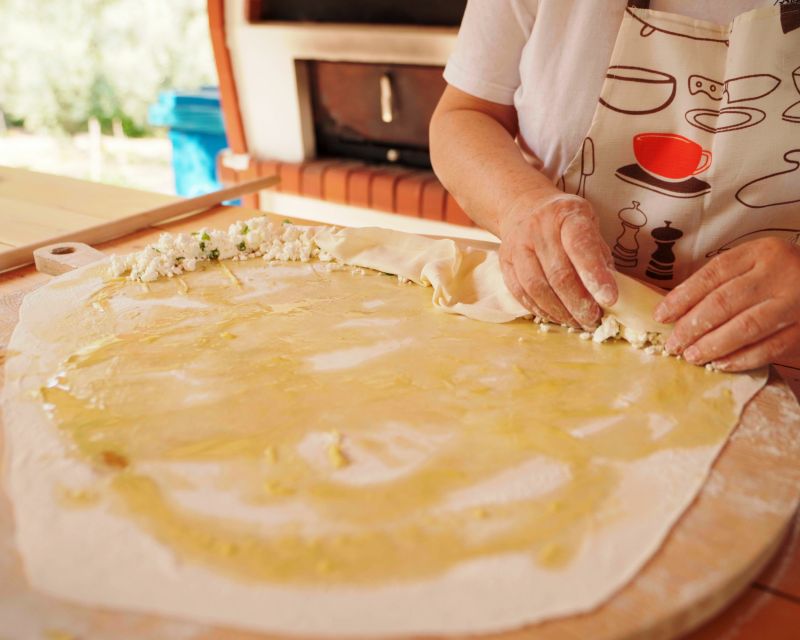
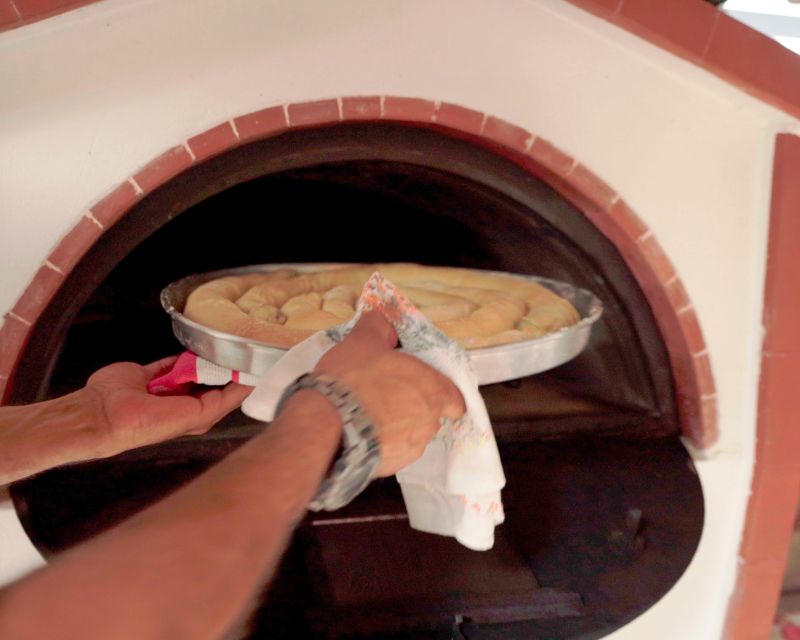
Once the pies are assembled, they go into the traditional wood-burning oven. This is one of the strongest features of the class because the oven is part of the cooking process, not just decoration.
A wood-burning oven can give pastry a crisp edge and a lightly toasted flavor. It also changes the rhythm of the afternoon. Instead of rushing straight from preparation to eating, you have a natural pause while the pies bake.
The class does not provide a precise baking time or details about how the oven is managed. You should expect the instructor to handle the oven and guide you through the process, but the available information does not promise that every participant will operate it personally.
That is worth keeping in mind if the oven is your main reason for booking. You will use it as part of the class, but the exact hands-on role is not specified.
Sharing the Meal at the Farmer’s Table
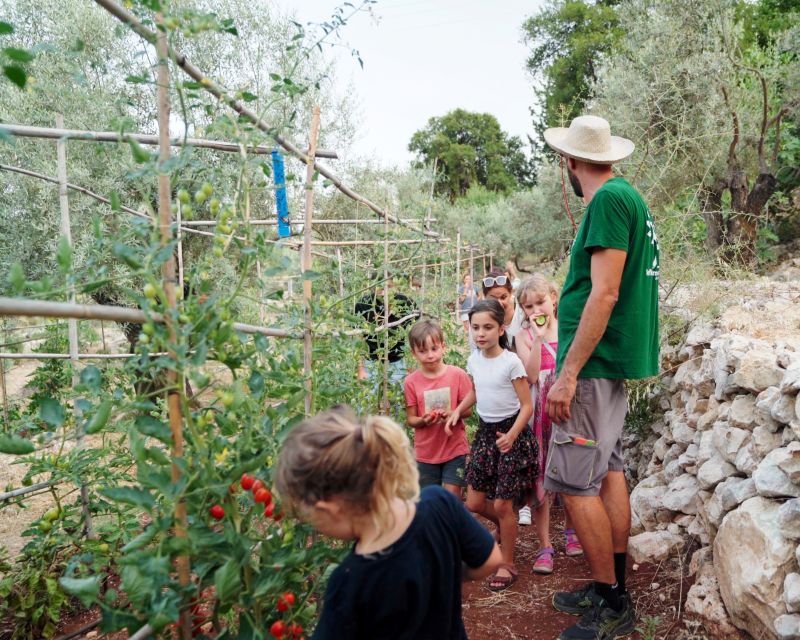
When the pies are ready, everyone gathers at the large Farmer’s Table to eat together. This is more than a final tasting. It gives the class a social finish and lets you compare the different fillings and textures.
The meal is based on what you have prepared, so you get a clear reward for the work. You also leave with a full stomach rather than a small sample plate. The farm presents this as a chance to step away from the noise of modern life, and that fits the overall shape of the experience: garden, dough, oven, table.
The setting has been described as especially peaceful. If you want a quiet afternoon in the countryside, this is a strong match. If you prefer fast-paced sightseeing or a class packed with demonstrations and technical detail, the pace may feel too gentle.
There is no separate sightseeing program included. The value comes from the farm, the cooking, and the shared meal.
Is $123 a Fair Price?
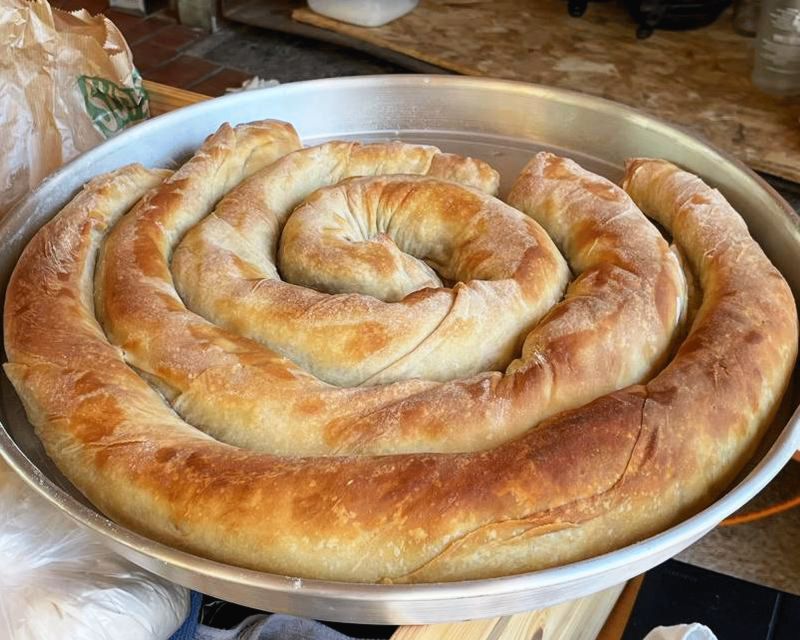
At $123 per person, this is not a budget meal or a quick cooking lesson. You are paying for four hours of instruction and participation, along with the ingredients, utensils, apron, baking, and meal.
The small group helps justify the cost. With a maximum of 10 participants, the class should feel more personal than a large culinary demonstration. Still, the exact level of individual attention will depend on how many people attend and how the instructor divides the work.
The farm’s own produce and extra virgin olive oil also give the class more substance than a standard kitchen lesson using supermarket ingredients. You are paying for a place-based activity, not only a recipe handout.
I would consider it good value if you enjoy food-focused experiences and want a skill you can take home. I would be less likely to recommend it if you are mainly looking for a cheap lunch, since the price is high when viewed as a meal alone.
Who Will Enjoy This Class Most?
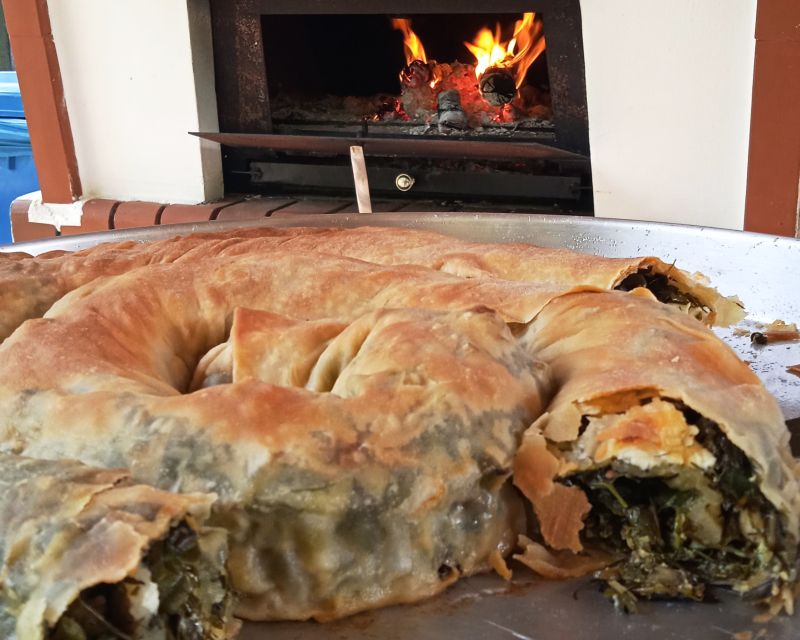
This class suits people who like to work with their hands. You should enjoy kneading, stretching, filling, and waiting for food to bake. It is not a passive tasting.
It is also a good fit for home cooks who want recipes they can repeat. The techniques are presented as straightforward, and the fillings use ingredients that are central to Greek cooking: greens, feta, goat cheese, olives, oregano, pumpkin, walnuts, cinnamon, raisins, and honey.
Families and mixed-age groups may find the format appealing, but the supplied information does not give a minimum age. If you are booking for children, confirm age requirements before paying.
The experience is wheelchair accessible. Since the details of the farm surfaces, garden route, and kitchen layout are not provided, you should contact the provider if you need specific accessibility information.
Food allergies deserve attention. The recipes include dairy, nuts, and possibly other ingredients that may matter to you. Tell the provider about allergies or dietary restrictions in advance rather than waiting until the class begins.
Timing, Booking, and Cancellation
The class lasts four hours, but the starting time depends on availability. Check the available time before arranging the rest of your day.
You can cancel up to 24 hours in advance for a full refund. The reserve-now-and-pay-later option also helps if your plans are still changing. Keep in mind that payment flexibility does not remove the need to check the cancellation deadline.
The group is limited to 10 people, and instruction is in English. Those details make the class easier to assess before booking, especially if you want a smaller setting or need English-language guidance.
Should You Book the Lefkada Micro Farm Class?
Book this class if you want a calm, food-centered afternoon with real participation. The strongest reasons are the garden harvest, handmade phyllo, family recipes, wood-fired baking, and meal at the Farmer’s Table.
At $123, it is best treated as a full cultural activity rather than a cooking lesson attached to lunch. You should also be comfortable with a four-hour commitment and disclose any allergies before arrival.
I would choose it for a slow day in Western Greece, especially if you care more about making something and sharing it than checking off sights. Skip it if you want a short, inexpensive demonstration or if you dislike group cooking. For the right person, the farm’s peaceful setting and practical recipes make this a memorable way to spend an afternoon.
FAQ
How long does the phyllo pie class last?
The activity lasts four hours.
How much does the experience cost?
The price is $123 per person.
What language is the class taught in?
The class is taught in English.
How many people can join the class?
It is a small-group activity limited to 10 participants.
What recipes are included?
The recipes include wild greens and feta, goat cheese with sun-dried tomatoes, olives and oregano, pumpkin with walnuts, cinnamon and raisins, and baklava with honey, cinnamon and walnuts.
Are cooking utensils provided?
Yes. Cooking utensils and a cooking apron are included.
Is the class wheelchair accessible?
Yes, the activity is listed as wheelchair accessible.
Can I cancel for a full refund?
Yes. You can cancel up to 24 hours in advance for a full refund.
Do I need to report food allergies or dietary restrictions?
Yes. You should inform the provider about food allergies or dietary restrictions before taking the class.
Newest classes around Greece
- Authentic and Traditional Cooking Class in Chania Crete★ 5.0 · 5 reviews
- Chania Cooking Class in Crete with rustic, delicious and homely Cretan food!★ 4.5 · 14 reviews
- Private Cooking Class – A Culinary Journey in Argostoli★ 5.0 · 2 reviews
- Greek Cooking Class with Acropolis View★ 5.0 · 76 reviews
- Private Walking Meze Cooking Course★ 5.0 · 6 reviews
- Cook with Katerina: Authentic Greek Home Cooking Class in Athens★ 5.0 · 15 reviews
- Private Greek Cooking Class in Athens-Learn to Cook with Angelina★ 5.0 · 3 reviews
- Hands On Greek Cooking Classes in Athens★ 5.0 · 7 reviews
Greece Cooking Classes, compared.
Classic Cooking Class with Market Visit and Wine
Read our review →
Food Market Visit and Cooking Class with Wine
Read our review →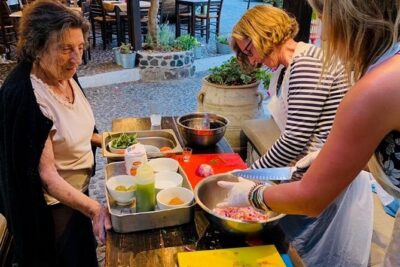
Greek Cuisine Cooking Class in Santorini with Recipes and Wine
Read our review →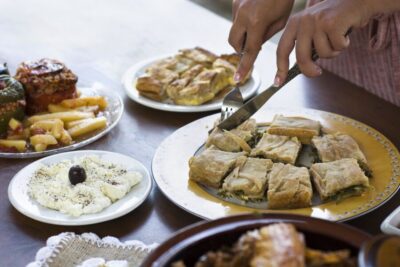
Naxos: Half-Day Cooking Class at Basiliko Family Tavern
Read our review →
Greek Cooking Class in Athens Including Rooftop Dinner with Acropolis View
Read our review →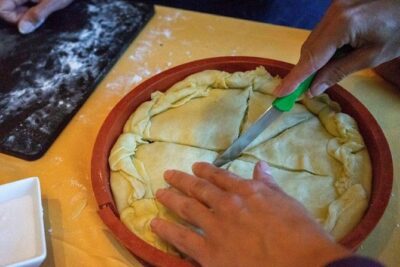
Greek Small-Group Athens Cooking Class & Dinner
Read our review →
Exclusive Cooking Experience in our Cave Home by Petra Kouzina
Read our review →
Chania: Authentic Cooking Class in the White Mountains
Read our review →Browse the lists this tour appears in