
Review · INDONESIA COOKING CLASSES
Nusa Dua: Balinese Cooking Class with Market Tour
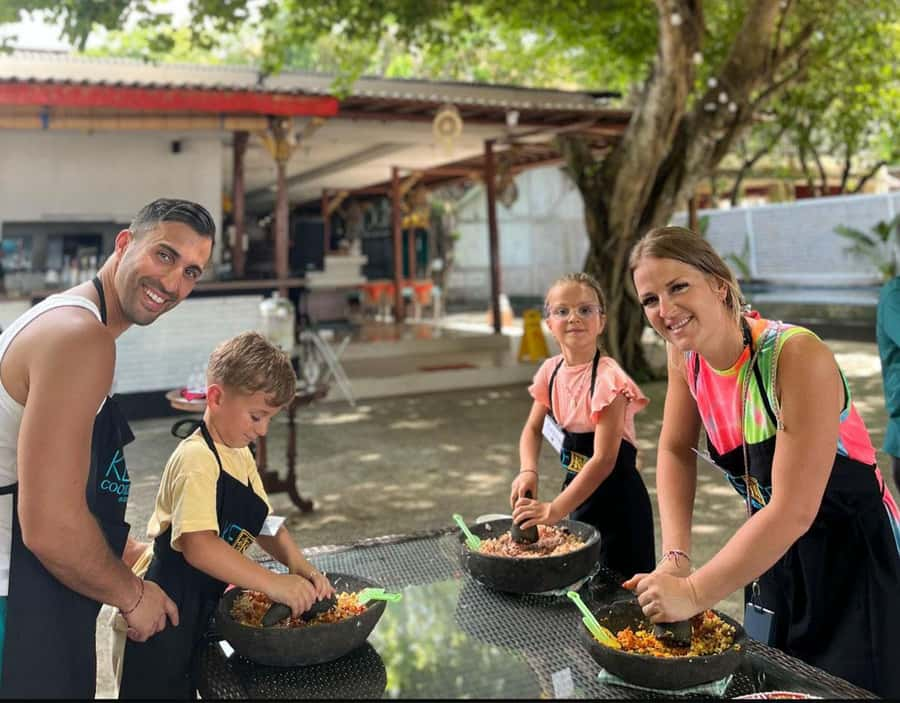
The best part of this Nusa Dua experience is that you do not simply watch a chef prepare one signature dish. You work through a full Balinese menu, from spice pastes and satay to fried rice and coconut pancakes. I especially like the morning market tour and the chance to cook in a small group of no more than 10 people, where the lesson should feel more personal than a large hotel demonstration.
The sea view, welcome tea, snack, recipe book, and certificate add some pleasant extras. Guide Teddy has been singled out for making the day fun and friendly. The main trade-off is time: twelve dishes in three to four hours means this is an active class, not a slow, quiet lesson focused on mastering one recipe. Drinks such as beer cost extra, and children under 10 cannot join.
Key points at a glance
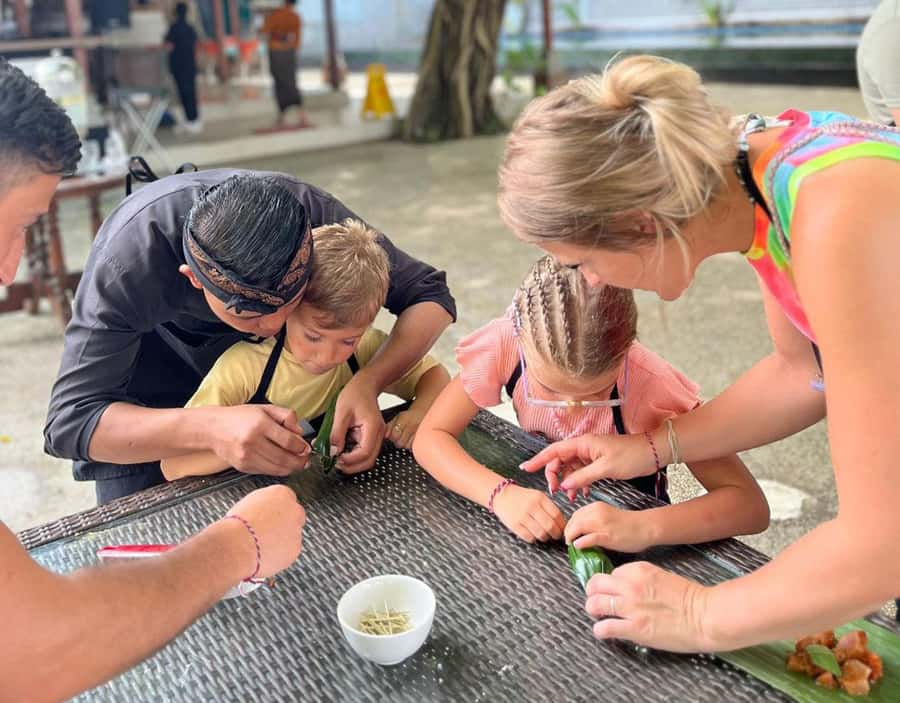
- Twelve Balinese dishes: Prepare spice pastes, meat, seafood, vegetables, noodles, rice, and dessert.
- Morning market visit: See where ingredients begin before cooking, but only with the 10:00 class.
- Ocean-view setting: Eat your own lunch or dinner with views of the sea.
- Guide Teddy: Teddy is named as a friendly, fun instructor who helps keep the class lively.
- Small group size: The class is limited to 10 participants and is taught in English.
- Useful take-home items: You receive a recipe book and certificate, giving the experience value after you leave Bali.
Start with the market, or go straight to the kitchen
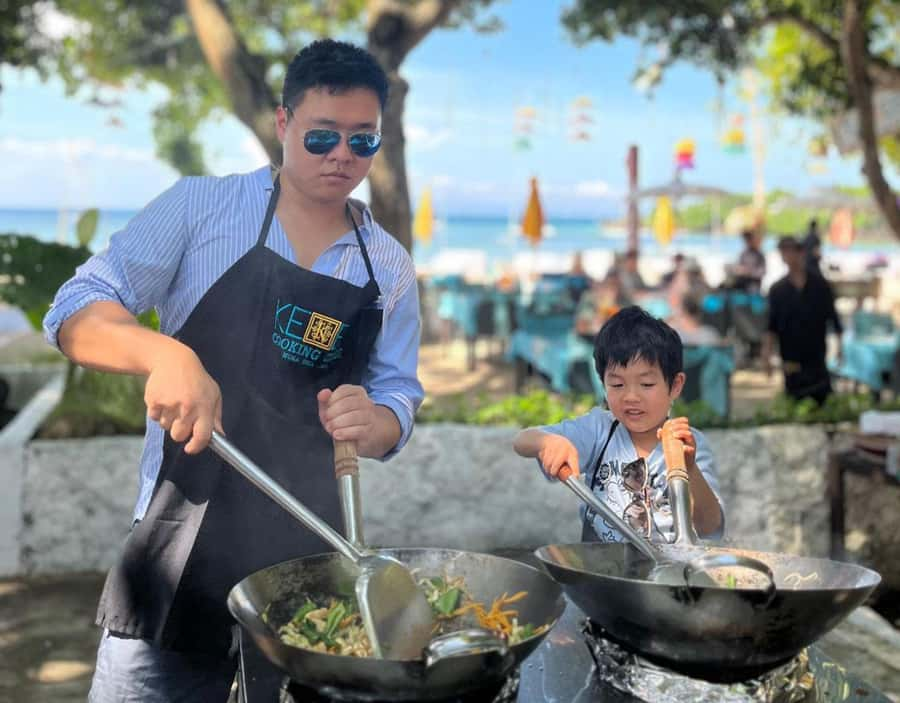
You have two schedules to choose from. The morning class runs from 10:00 to 14:00 and includes the market tour. The afternoon class runs from 15:00 to 18:00 and skips the market visit.
If you care about food culture, I would choose the morning option. A market visit gives you a better sense of how Balinese cooking begins, with fresh ingredients selected before they are cleaned, chopped, pounded, and combined. The tour is not just an extra stop for photographs. It helps connect the finished meal with the raw materials used in the recipes.
The class description does not specify the market’s size, exact location, or how long you spend there, so keep your expectations practical. You should see local ingredients and get an introduction to the shopping side of Balinese cooking, but this is still a cooking class rather than a dedicated market tour.
The afternoon class makes sense if you prefer a later start or want to keep your morning free. You still cook the full menu and eat a meal afterward, but you give up the market portion. At three hours, the afternoon schedule is also slightly shorter than the morning session.
More Cooking Classes with a Market Tour in Indonesia
- Ubud: Cooking Class with Transfers and Optional Market Visit
★ 4.9 · 824 reviews - Balinese Ubud cooking school (9 Dish Cooking and Market Tour)
★ 5.0 · 540 reviews - Ubud: Balinese Cooking Class and Market Tour
★ 4.8 · 531 reviews
Welcome tea before the spice work begins
The experience starts with welcome tea and a snack. That small pause matters because the class involves a long list of preparations. You are not being asked to arrive and immediately handle twelve recipes.
The setting includes ocean views and live music, which gives the cooking period a holiday feel. At the same time, you should remember that music and sea views are background features, not the main lesson. The real value is the guided preparation and the meal you make.
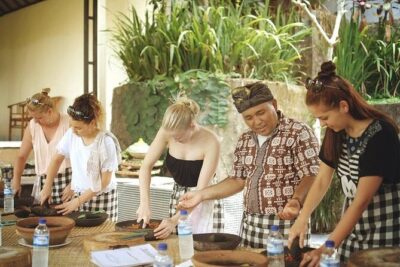
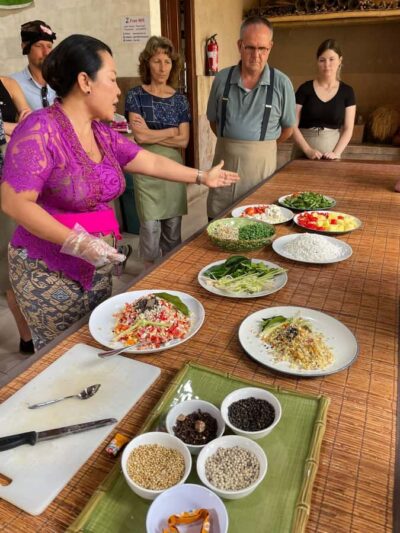
English is the teaching language. The class is limited to 10 participants, a useful size for a hands-on lesson. With a group this small, you have a better chance of following the chef’s instructions and asking questions than you would in a large demonstration. The exact amount of individual cooking time can vary, but the format is designed around participation rather than simply watching.
Guide Teddy is named in the feedback as a friendly and fun chef and guide. That is worth noting because a cooking class depends heavily on the instructor’s pace and personality. A good guide keeps the work moving, explains unfamiliar ingredients, and prevents a long list of dishes from feeling like a chore.
The spice pastes are the heart of the lesson
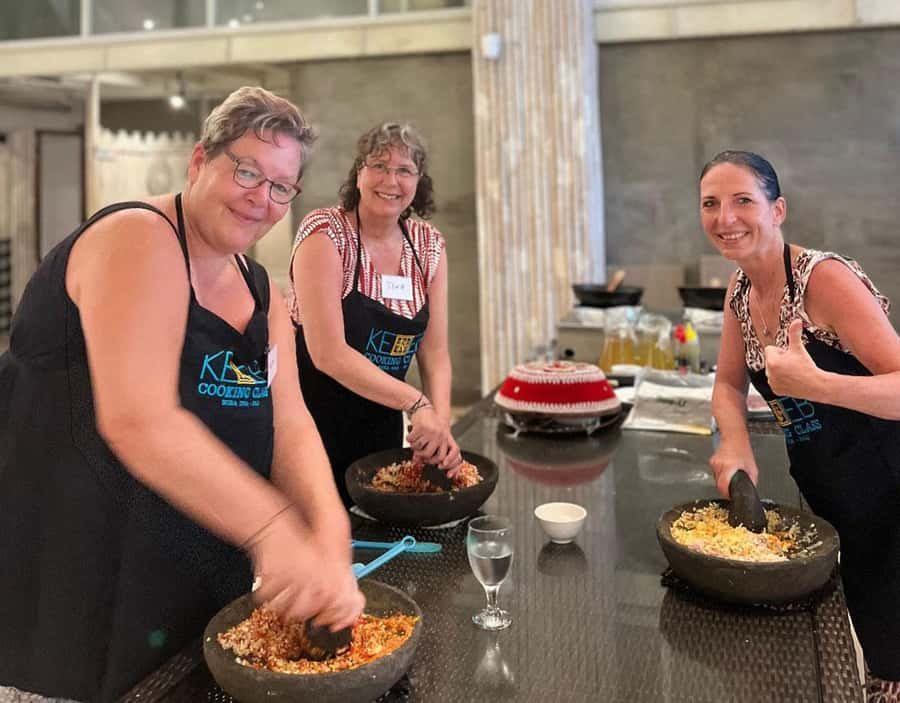
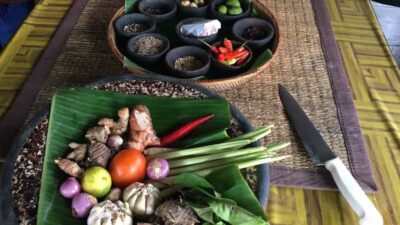
The class begins with two important foundations of Balinese food. You prepare the complete spice paste, called base genep or base gede, along with the seafood spice paste known as base be pasih. The seafood version is orange in appearance.
These pastes are more useful than a single finished recipe because they show how flavor is built. Instead of treating Balinese cuisine as a collection of unrelated dishes, you see how a prepared spice mixture can support meat, seafood, and vegetable recipes.
This is also where the class may feel busiest. Twelve dishes require chopping, mixing, shaping, cooking, and plating. You will likely share tasks with other members of the group, so do not expect to prepare every component alone from start to finish. The benefit is variety. The drawback is that the lesson cannot spend a great deal of time on every individual technique.
A full menu of meat and seafood
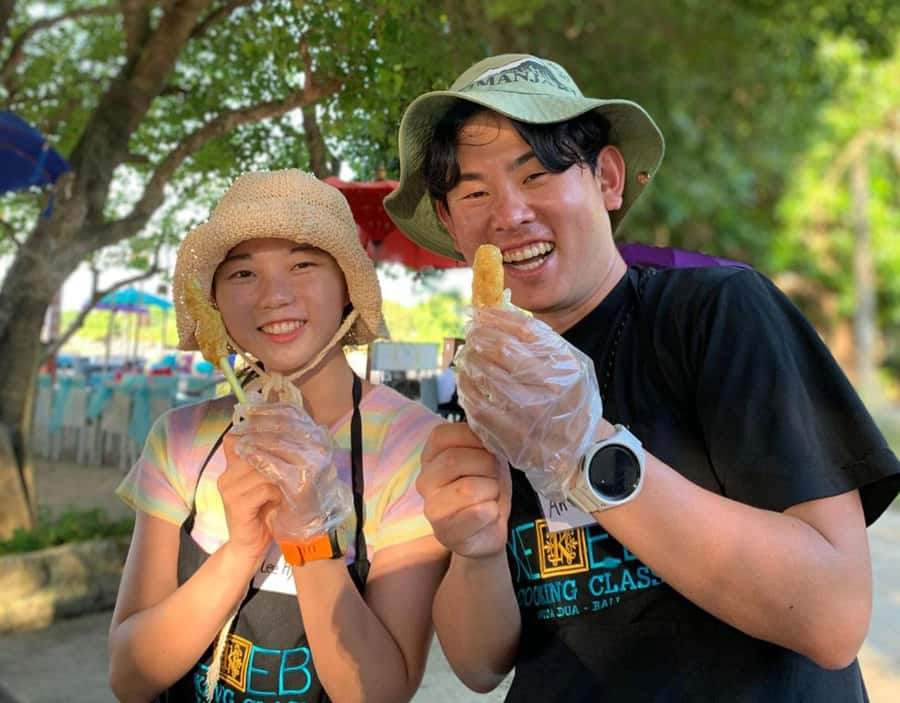
The main menu covers several classic preparations. You make beef rendang, whole roasted chicken known as ayam betutu, assorted seafood curry, grilled fish wrapped in banana leaf called pesan be pasih, and minced chicken satay, or sate lilit ayam.
This section gives you a good spread of Balinese cooking styles. Rendang brings a slow-cooked, spice-heavy beef dish. Ayam betutu shows how a whole chicken can carry a strong aromatic filling. The seafood curry and banana-leaf fish shift the focus toward coastal ingredients, fitting the seaside setting.
Sate lilit is especially different from the usual skewered satay many people know. The chicken is minced and shaped around the skewer, making it a useful dish to watch closely if you want to recreate it at home. The menu information does not promise that every participant gets an individual portion of every cooking task, so the class is best viewed as a shared kitchen session followed by a shared feast.
The description calls the cuisine authentic, but you should read that in a practical way. You are learning named Balinese dishes and spice bases rather than generic Indonesian food. Still, the class is built for visitors, so it is a guided introduction, not professional culinary training.
More Balinese and Indonesian Classes in Indonesia:
- Ubud: Balinese Cooking Class at an Organic Farm
★ 5.0 · 1,786 reviews - Ubud Cooking Class Bali with Balinese Chef
★ 5.0 · 1,609 reviews - PRIVATE Authentic Balinese Cooking Class in Ubud at Putu’s Home
★ 5.0 · 644 reviews - Seminyak: Balinese Cooking Class & Market Tour
★ 4.9 · 458 reviews
Salads, noodles, rice, and dessert round out lunch
The vegetable dishes keep the menu from becoming a parade of meat and seafood. You prepare lawar kacang, a green bean salad with chicken, and pecelan, a vegetable salad with peanut sauce dressing.
These dishes show the balance of textures and flavors in the meal. The salads bring vegetables and a nut-based dressing into the spread, while the chicken in lawar kacang adds more substance. The menu also includes fried noodles, mie goreng, and fried rice, nasi goreng.
Adding both noodles and rice makes the final meal generous. It also means the class covers familiar dishes alongside less familiar ones. If you have cooked fried rice or noodles before, those parts may feel more approachable. The pastes, satay, banana-leaf fish, and whole roasted chicken offer more distinctly Balinese points of interest.
Dessert is coconut pancake with sweet coconut filling, called dadar unti. It is a fitting finish to a menu built around coconut, spices, seafood, and rice. The dessert also gives you one simpler recipe to remember after the more involved savory preparations.
Lunch or dinner is the reward for the work
The morning class ends with lunch, while the afternoon class ends with dinner. You eat the food prepared during the lesson, giving the activity a clear payoff beyond the cooking itself.
I like this format because you are not leaving with a few samples and a recipe sheet. You sit down to a broad meal made from the dishes covered in class. The exact dining arrangement is not specified, but the experience includes ocean views, so the setting is part of the final meal.
The meal can also help you understand how the dishes work together. A spicy or heavily seasoned meat dish is balanced by vegetables, rice, noodles, and dessert. That makes the menu more useful than learning twelve unrelated recipes in isolation.
Drinks are not included beyond the welcome tea and snack. If you want beer or another purchased drink, you pay an additional cost. Bring cash, since that is specifically listed as something to carry. For a smoother visit, I would not assume that every drink or personal purchase can be added to the booking price.
What the $86 price includes
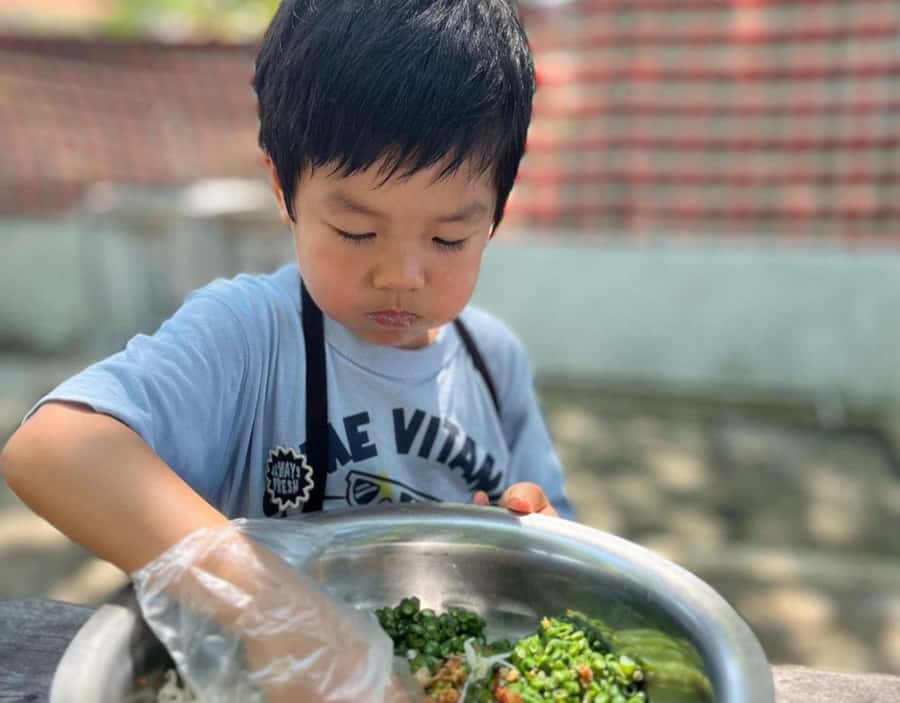
At $86 per person, this is not the cheapest meal you will find in Bali. The price makes more sense if you want a structured half-day activity rather than just a restaurant lunch.
You are paying for several parts at once:
- A three to four hour class
- Instruction in English
- A morning market visit if you choose the 10:00 session
- Welcome tea and a snack
- Preparation of 12 Balinese dishes
- Lunch or dinner
- An ocean-view cooking setting
- A recipe book
- A certificate
- A small group capped at 10 participants
The market tour and meal add real value for someone interested in local food. The recipe book matters too, since it gives you a way to continue cooking the dishes at home. The certificate is more of a keepsake than a professional qualification, but it is a pleasant reminder of the day.
The value is weaker if you only want to eat Balinese food or if you dislike group cooking. You could spend less on a meal elsewhere. You are paying for instruction, participation, and a complete food-focused outing, not only for dinner.
Pick the schedule that matches your day
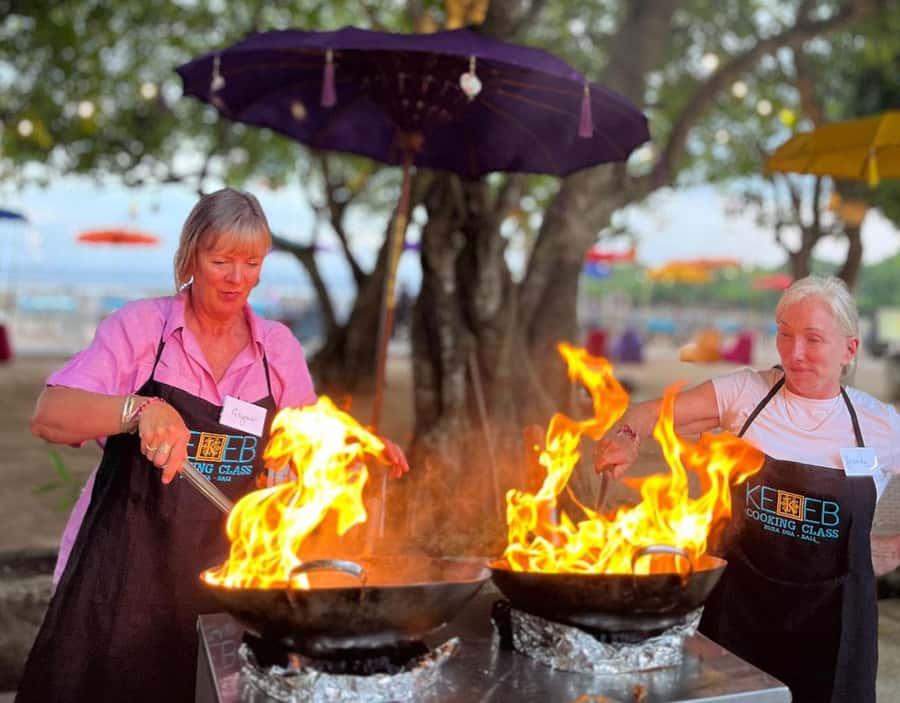
Choose the morning class if the market is important to you. It starts at 10:00 and runs until 14:00, giving you the most complete version of the activity.
Choose the afternoon class if you want a later start. It begins at 15:00 and ends at 18:00, includes dinner instead of lunch, and leaves out the market tour. This option is useful when your morning is already occupied, but it offers less of the local shopping context.
The activity lasts three to four hours, depending on the class you select. Since the group is small and the menu is long, allow yourself to stay for the full scheduled period. This is not a quick demonstration you can squeeze between two tightly timed sightseeing stops.
The meeting point is confirmed through WhatsApp after booking. You should book at least one day before the activity starts, and keep your phone available for that message. Free cancellation is available up to 24 hours in advance, and you can reserve now and pay later, which gives you some flexibility while arranging a Bali itinerary.
Who will enjoy this class most
I would recommend this class to people who like learning by doing. You do not need to be an experienced cook, since a chef guides the group in English, but you should be comfortable with a busy session and several recipes moving at once.
It is a good fit for:
- Couples looking for a shared food activity
- Solo visitors who enjoy small-group lessons
- Families with children aged 10 and older
- Anyone curious about Balinese spice pastes
- People who want a market visit and a meal in one outing
- Home cooks who will use a recipe book after the holiday
It is less suitable for children under 10, who are not allowed to join. It may also disappoint you if you want a quiet, highly technical class focused on one dish. The long menu favors variety over slow instruction.
The class is also not the right place for alcohol-focused socializing. Alcohol and drugs are not allowed, and purchased drinks such as beer cost extra.
Should you book the Nusa Dua cooking class?
Book it if you want more than a meal and like the idea of building a Balinese menu from the spice paste upward. The morning option is the stronger choice because it adds the market tour, and it gives you a clearer picture of where the ingredients come from before you cook them.
The $86 price is reasonable for a small-group class that includes twelve dishes, lunch or dinner, a recipe book, and a certificate. It is less compelling for someone who only wants a short food tasting or who prefers to spend the day at the beach.
If you book, request or confirm the morning schedule if the market matters to you. Bring cash, keep your expectations focused on a lively group lesson rather than private culinary training, and allow the full three to four hours. With Teddy or another English-speaking chef guiding the session, the appeal is simple: you cook a lot, eat what you make, and leave with recipes you can try again at home.
FAQ
How long does the Balinese cooking class last?
The activity lasts three to four hours. The morning class runs from 10:00 to 14:00, while the afternoon class runs from 15:00 to 18:00.
Does every class include the market tour?
No. The market tour is included only with the morning class. The afternoon class focuses on cooking and dinner.
What food will I prepare?
You will prepare 12 Balinese dishes and components: complete spice paste, seafood spice paste, beef rendang, whole roasted chicken, seafood curry, grilled fish in banana leaf, minced chicken satay, green bean salad with chicken, vegetable salad with peanut sauce, fried noodles, fried rice, and coconut pancake.
Is a meal included?
Yes. The morning class includes lunch, and the afternoon class includes dinner.
Is the class taught in English?
Yes. The instructor language is English.
How many people can join the class?
The activity is a small-group class limited to 10 participants.
What should I bring, and are drinks included?
Bring cash. Welcome tea and a snack are included, but drinks such as beer cost extra. Alcohol and drugs are not allowed.
Newest classes around Indonesia
- Pure Bali Village Experience, Cooking & Jamu Class+VIP Transfer★ 5.0 · 16 reviews
- Spice Garden, Jamu & Cooking Class in Bali Village★ 5.0 · 5 reviews
- The Authentic Balinese Cooking Experience★ 5.0 · 4 reviews
- Seminyak : cooking class traditional food bali★ 5.0 · 5 reviews
- Seminyak: Vegetarian Cooking Class★ 5.0 · 3 reviews
- Quad ride, waterfalls & aunthentic cooking class in munduk★ 4.9 · 53 reviews
- Pure Bali Village Experience Cooking & Jamu Class, Transfer★ 4.8 · 5 reviews
- Ubud: Organic Farm Harvest, Bali Cooking Class by Pemulan★ 4.8 · 12 reviews
Indonesia Cooking Classes, compared.
Cooking Class with Transfers and Optional Market Visit
Read our review →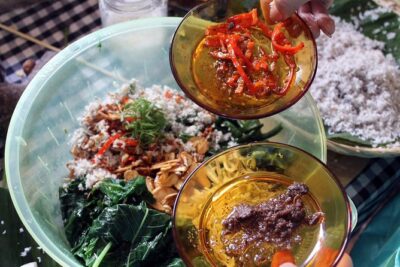
PRIVATE Authentic Balinese Cooking Class in Ubud at Putu’s Home
Read our review →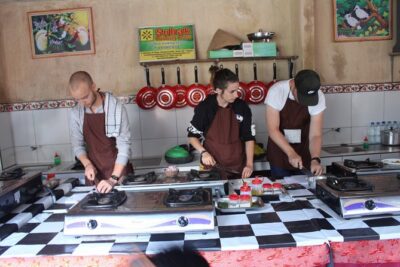
Balinese Ubud cooking school (9 Dish Cooking and Market Tour)
Read our review →
Browse the lists this tour appears in