
Review · INDIA COOKING CLASSES
Mumbai Coastal Cooking: From Fishing Net to Flavourful Plate
Mumbai’s coastal food culture comes alive here through Kavitha’s home cooking, not a polished restaurant demonstration. You may begin with a tuk-tuk ride to one of the city’s old fishing settlements, see nets being made, and visit a fish market before preparing fish curry, fried fish, roti, rice, and other local dishes with your host.
I like the personal scale and the chance to talk with Kavitha and her husband, Ravi, about daily life as well as food. I also like the value: at $21 per person, a private three-hour visit that includes transport, market contact, and a full meal offers a lot. The main caution is that access to the fishing village can change, so the outing may become a home cooking session instead of the full walking route.
Key points to know before booking
- Kavitha and Ravi host the cooking session: Both speak very good English, making it easy to ask questions about food, family life, and Mumbai.
- The village visit is not guaranteed: Local access restrictions may replace the planned village, beach, dock, and market visits with more time at Kavitha’s home.
- You cook a real coastal meal: Expect dishes such as mandeli, fish curry, fried fish, rice, roti, or chapati, plus other local preparations.
- The experience is private: Your group does not share the cooking class with a large tour party.
- You may travel by tuk-tuk or metro: The exact meeting point and transport can depend on the option booked.
- The setting is personal rather than polished: You enter a local home and share a meal, which is the chief reason to book.
Mumbai’s fishing culture in three hours
Mumbai began as a group of seven islands, and fishing was one of the oldest occupations here. This experience uses that coastal past as its starting point, taking you into a part of the city that many sightseeing routes skip.
The outing is designed to connect three parts of the food chain: the people who catch the fish, the market where it is sold, and the home kitchen where it becomes lunch or dinner. That simple structure gives the experience a clear purpose. You are not only tasting a dish. You are seeing how seafood fits into local work and family life.
The exact order can vary. You meet at a designated point, then may take a tuk-tuk to the fishermen’s village. The meeting point itself may change with the option you choose, so check the booking details carefully before setting out.
This is a private group experience with an English-speaking host or greeter. That matters in Mumbai, where a small group can make conversations easier and help you avoid the rushed feeling of a large food tour.
More Catch-and-Cook Trips in India:
- Cooking Class Hoi An:Local Market, Basket Boat, Fishing & Cooking
★ 5.0 · 3,660 reviews - Hoi An Cooking Class(Local market,Basket Boat,Fishing & Cooking)
★ 5.0 · 1,323 reviews - Hoi An Eco Tour Cooking Class & Fishing (Local market,basket boat,learn cooking)
★ 5.0 · 567 reviews
The old village, beach, and fishing docks
The planned village visit focuses on Mumbai’s fishing community and its long connection to the sea. You may pass a historic festive ground linked with the British period, then continue toward the beach to see the fishing boats.
The beach stop is not presented as a sightseeing beach break. Its value is practical. You can see the boats used by local fishers and get a better sense of the work behind the seafood later placed on a kitchen table.
Net weaving is another useful part of the route. Watching a net being repaired or made gives you a small but memorable piece of working knowledge. It also helps explain why the experience is called from fishing net to plate. The phrase is not just marketing language. The route tries to show the steps between the sea and the meal.
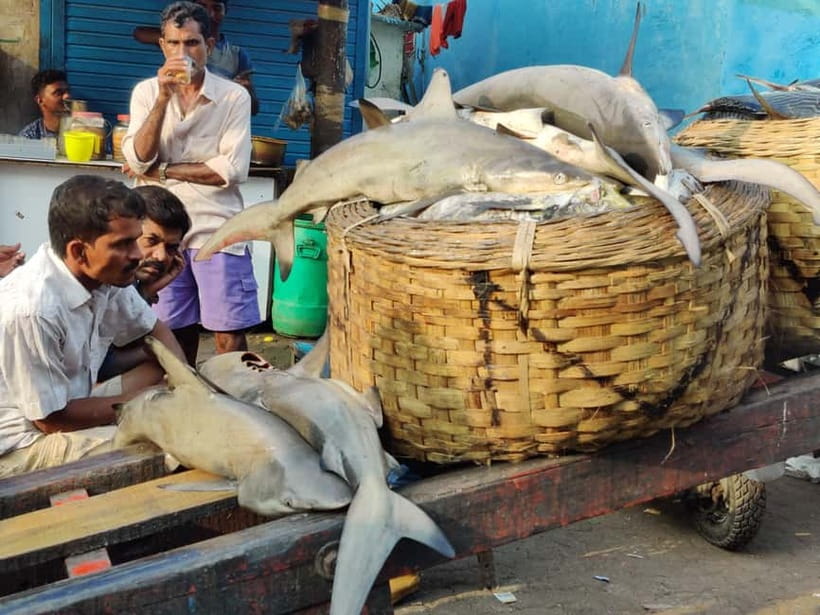
You may also walk through the fishing docks. Expect a working area rather than a tidy attraction. That can mean noise, smells, uneven conditions, and activity that changes from day to day. If you prefer carefully staged sightseeing, this may feel rough around the edges. If you want to see an ordinary part of Mumbai, that is exactly the point.
One important note: access restrictions prevented the village visit on one recent booking. Instead, the group met directly at Kavitha’s home and spent about three hours cooking and talking. The change was significant, but it did not remove the main strength of the experience, which is direct contact with the host and her family.
The fish market and its local rhythm
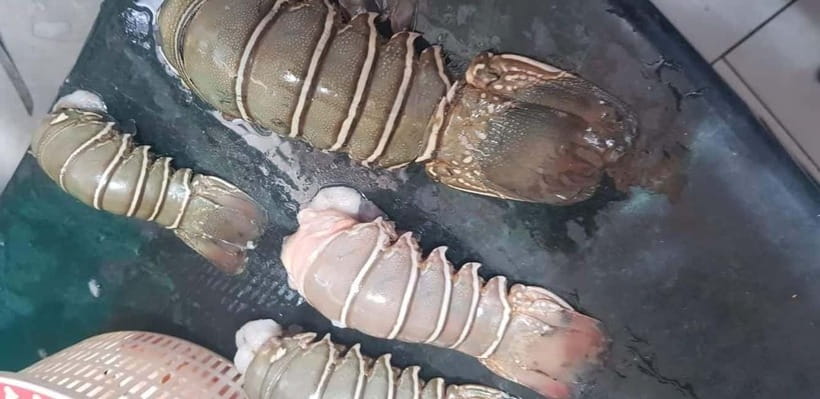
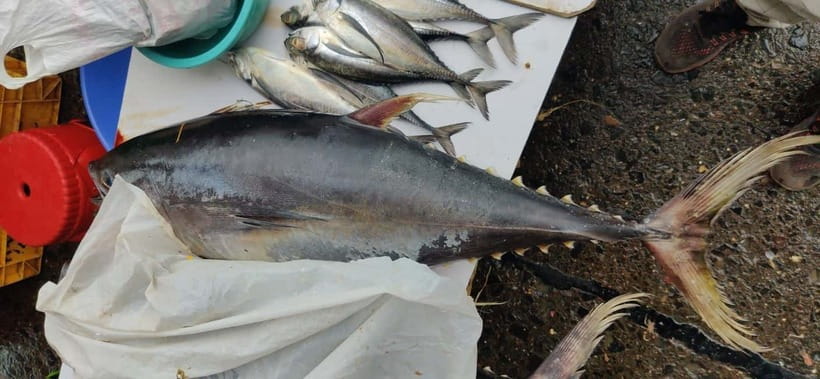
The fish market is meant to show you seafood before it reaches the cooking pot. You can expect stalls selling fresh catches and women in colorful sarees managing sales and conversations. The market gives you a chance to see the social side of the trade, not just the products.
This is also where the experience can feel most different from a standard Mumbai sightseeing tour. You are not simply walking past a market while a guide points out items. The plan includes personal interaction with local people, though the exact amount of conversation will depend on the day and the market conditions.
If you are sensitive to strong smells, wet floors, or close-packed market spaces, prepare yourself. Fish markets are working places. Wear comfortable shoes and clothes you do not mind wearing around food and city traffic.
The market stop also gives context to the cooking class. A fish curry tastes more meaningful after you have seen the raw ingredients being sold and heard how coastal families use them. You might not learn the name of every fish, but you will have a clearer sense of the link between Mumbai’s shoreline and its home kitchens.
Some bookings have included shopping in an ordinary residential area reached by metro rather than the planned village route. That can offer a different view of the city, with people doing daily errands rather than performing for visitors. The exact shopping stop is not fixed, so consider it an option rather than a promise.
Cooking with Kavitha in a local home
The cooking class is the heart of the experience. Kavitha leads you through the preparation of a traditional meal in her home, with plenty of room for questions and conversation.
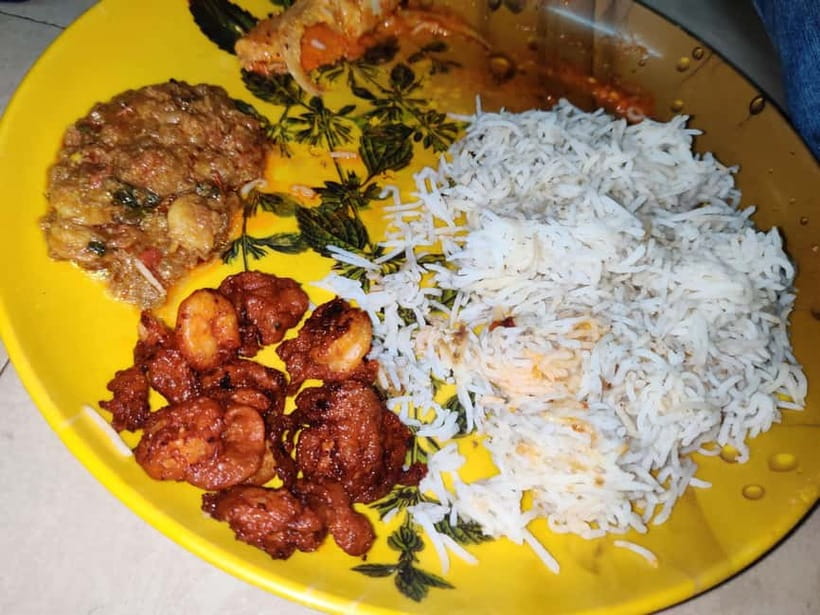
The dishes can include fish curry, fried fish, mandeli, rice, roti, and chapati. The planned menu also mentions chicken dishes, local fisherman’s bread, and a sour-spicy drink. The precise meal may change, but the focus stays on home-style Mumbai and coastal food.
Mandeli is a particularly useful example of what makes this class different from a generic Indian cooking lesson. You may help fry a batch yourself, then eat it fresh with the rest of the meal. That small hands-on task gives you a clearer feel for the process than watching a teacher do everything.
Kavitha also explains how to prepare fish curry and fried fish, along with the steps for making roti and chapati. You are not only handed a recipe card and left to copy measurements. The class is built around watching, asking, and taking part.
There is a practical difference between a restaurant class and a home kitchen session. A restaurant can offer more space and a smoother setup. Kavitha’s home offers a closer look at everyday routines, family food, and the way a meal is actually prepared for people who will sit down and eat it.
That intimacy is the main reason to book this activity. It is also the reason you should choose it with the right expectations. This is not a formal culinary school, and it is not a high-end chef-led workshop. It is a personal lesson in a family setting.
More Cooking Classes in India:
- Pink City Cooking Class
★ 5.0 · 452 reviews - Five Course Cooking Class & Meal
★ 5.0 · 250 reviews - Veg and Non veg : Private Cooking Class in Delhi home (7 meal)
★ 5.0 · 226 reviews - Indian Cooking Class in an Authentic Local Home – Learn 6 Dishes
★ 5.0 · 195 reviews
Sharing the meal and the conversation
Once the food is ready, you sit down and eat together. The meal may include fish curry, fried fish or mandeli, rice, and roti. The Italian-language feedback also highlights cooking a fish dish and typical bread before sitting down to eat together, which captures the relaxed spirit of the visit.
Kavitha’s husband, Ravi, may join the meal. Both speak very good English, so conversation can move beyond basic cooking instructions. You can ask about ingredients, food traditions, family routines, or life in Mumbai.
One of the most useful parts of this exchange is the chance to correct easy assumptions about the city. Spending time in a local home can show you a side of Dharavi and Mumbai that is more complex than the usual headlines. You are not just looking at a neighborhood from a vehicle. You are sharing food and hearing personal stories.
I would not book this only for a quick list of dishes. The food matters, but the conversation is just as important. If you enjoy asking questions and listening, the three hours can feel full. If you want a fast, photo-focused tour with constant movement, the home portion may feel slow.
What $21 per person really buys
At $21 per person, this is inexpensive for a private experience that can include a tuk-tuk ride, a fishing village visit, market time, cooking instruction, and a meal. Even if some route elements change, the home cooking portion alone includes several dishes and direct time with an English-speaking host.
The price is especially fair for couples or small private groups who value personal contact. You are not paying for a luxury setting. You are paying for access to a local home, a guided food lesson, and time that is shaped around your group.
The value depends on your priorities. If your main goal is to see boats, nets, and the fish market, confirm the current access situation before booking. If your main goal is to cook and talk with a Mumbai family, the experience remains useful even when the village route is restricted.
The booking terms also reduce some risk. You can cancel up to 24 hours in advance for a full refund, and the reserve-now-pay-later option lets you hold a place without paying immediately. Starting times depend on availability, and the meeting point can vary, so read the selected option rather than assuming every departure begins in the same place.
Who will enjoy this experience most
I would recommend this to food lovers who want more than a restaurant meal. It is also a good fit if you like small-group activities, local conversation, and the chance to ask questions without competing with a busload of people.
Couples may find the private format especially comfortable. Solo visitors can also get a lot from the experience, since the host’s English makes it easier to take part in the cooking and conversation.
This is a good choice for people who are curious about Mumbai beyond major sights. The fishing community, market, metro ride, and home kitchen each show a different part of local life.
It may not suit you if you need a fixed schedule with every stop guaranteed. The village visit can be affected by access rules, and the route may shift toward a longer cooking session. Travelers who dislike fish markets, home visits, or informal settings should choose a more structured culinary class.
Simple tips for getting more from the visit
Ask questions as you cook. Kavitha is happy to explain what she is doing, and the hosts speak enough English for a real exchange rather than a basic demonstration.
Take part when invited. Frying one batch of mandeli or shaping roti gives you a stronger memory than sitting back with a camera.
Keep some flexibility in your plan. A three-hour booking has a stated duration, but recent visits have lasted about four hours when the home conversation continued. Do not schedule an important attraction immediately afterward.
Wear comfortable clothing and shoes if your option includes the village, market, docks, tuk-tuk, or metro. Conditions may be ordinary and practical rather than designed for sightseeing.
Finally, think of the meal as part of a cultural visit. You will get more from it if you are interested in the hosts’ stories as well as the recipe.
Should you book Mumbai Coastal Cooking?
Book it if you want a personal Mumbai experience built around food, family conversation, and coastal traditions. The cooking session with Kavitha is the safest reason to choose it, since that part remains valuable even when access restrictions change the walking route.
Book with a little flexibility if seeing the fishing village, boats, nets, and market is essential. The route may not unfold exactly as planned. At $21 per person, though, the private home lesson, shared meal, English conversation, and chance to make dishes such as fish curry, mandeli, and roti make this a strong value for curious eaters.
FAQ
How long does the experience last?
The stated duration is three hours. Some home visits have lasted about four hours when cooking and conversation continued.
What language is the experience offered in?
The host or greeter speaks English, and the activity lists English as its available language. Kavitha and Ravi are described as speaking very good English.
Is this a private tour?
Yes. The group type is private, so your cooking and cultural experience is not combined with a large public group.
Will I definitely visit the fishermen’s village?
Not always. Access restrictions can prevent the village visit. In that case, the experience may take place mainly at Kavitha’s home, with cooking and conversation replacing parts of the planned route.
What food will I learn to prepare?
The dishes can include fish curry, fried fish, mandeli, rice, roti, and chapati. The activity also mentions chicken dishes, local fisherman’s bread, and a sour-spicy drink.
Is transport included?
A tuk-tuk ride is included in the listed experience. Some visits have also involved traveling by metro to a local shopping area. The exact transport and meeting point can depend on the option booked.
Can I cancel the booking?
Yes. You can cancel up to 24 hours in advance for a full refund. A reserve-now-pay-later option is also available.
Newest classes around India
- Chennai Super Market Tour and Cooking Class with a Fun Local★ 5.0 · 9 reviews
- Private tour to learn Traditional Indian Art, craft & Cooking★ 5.0 · 4 reviews
- Traditional Chettinad Cooking Class in a Local Home near Chennai★ 4.5 · 12 reviews
- Neighborhood Market Tour & South Indian Cooking Class in Chennai★ 5.0 · 7 reviews
- Chennai Dosa Making Class & Home-Dining Experience with Jyashree★ 5.0 · 8 reviews
- Traditional Gowda Cooking Class and Meal in a Bangalore Home★ 5.0 · 31 reviews
- Discover Bangalore’s Cuisine: Private Half-Day Cooking Experience★ 5.0 · 3 reviews
- Private South Indian Cooking Class in Bangalore with a Local★ 5.0 · 11 reviews
India Cooking Classes, compared.
Veg and Non veg : Private Cooking Class in Delhi home (7 meal)
Read our review →
Indian Cooking Class in an Authentic Local Home – Learn 6 Dishes
Read our review →
Private Guided Cooking Workshop Experience in Jodhphur
Read our review →
Jaipur Market Tour & Vegetarian Rajasthani Home Cooking Class
Read our review →
Cooking Class in Jaipur – Family Experience with Meal & Transport
Read our review →Browse the lists this tour appears in