
Review · MARRAKECH COOKING CLASSES
Marrakech: Authentic Moroccan Cooking Class in a Farm
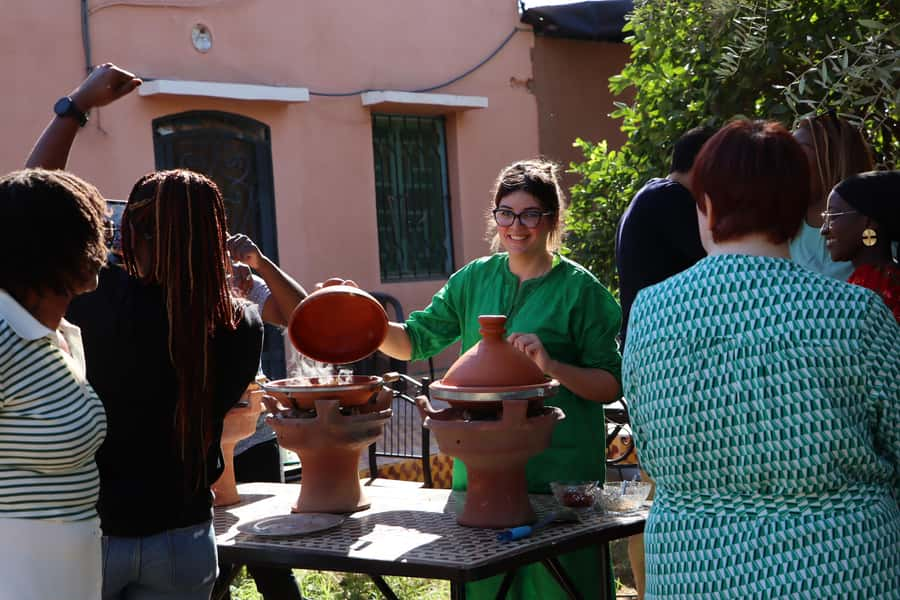
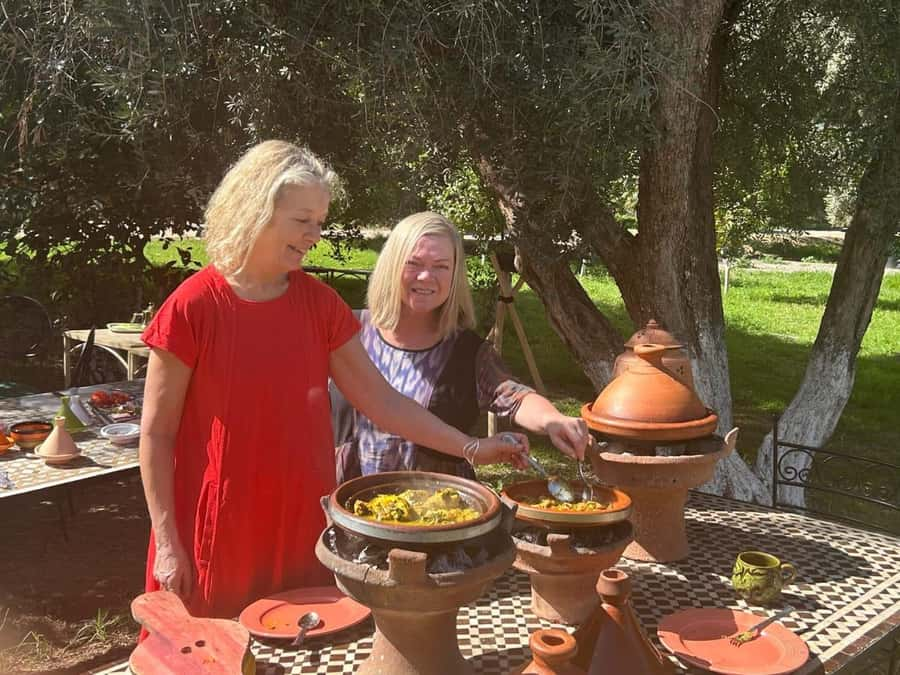
The best part of this experience is the setting: you leave Marrakech for a private farm and cook beneath orange, lemon, and olive trees. With a local host such as Khaoula, you chop vegetables, prepare tajine, make salad, and learn the proper way to serve mint tea.
I like the hands-on format, since you are not just watching a chef work. I also like the calm change of pace after time in the medina, plus the use of organic ingredients grown on the property. One point to consider: the farm includes animals, and the care standards may trouble animal lovers.
Key points to know before booking
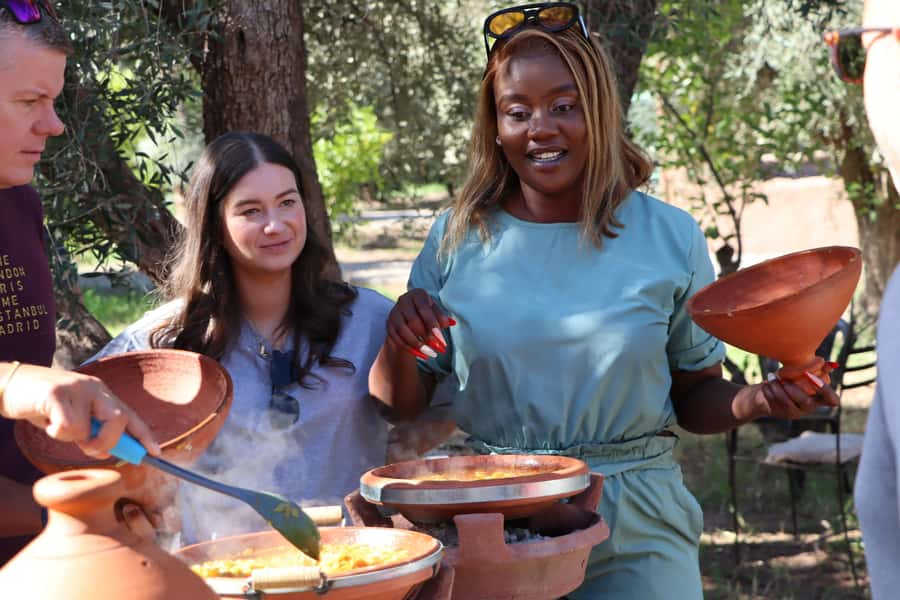
- A real cooking class: You prepare the tajine, salad, and mint tea yourself, with clear guidance from an English-speaking host.
- Farm setting outside Marrakech: The drive from the city center takes about 25 minutes, giving you a quiet countryside break.
- Personal instruction: Khaoula, Nisrine, or Zakaria may lead the class, with attention suited to beginners and families.
- More than one dish: Depending on the class, you may prepare chicken and vegetable tajines, two salads, and tea with local pastries.
- Lunch is part of the lesson: You eat the food you made with your host in a relaxed setting.
- A mixed farm experience: The trees and garden are appealing, but the animal areas may not suit everyone.
Leaving Marrakech for a farm kitchen
Marrakech can be noisy, crowded, and intense. That is part of its appeal, but after a few days in the medina, a short drive into the countryside can feel like a welcome reset.
Your driver collects you from your hotel and takes you to a private farmhouse in the Marrakech-Safi region. The drive has been described as about 25 minutes from the city center, though the exact time depends on where you are staying and traffic.
The change matters. Instead of shopping for spices in a packed souk or watching a cook prepare food behind a counter, you arrive at a working rural property and take part in lunch from the first chopping board onward.
The farmhouse setting also helps explain Moroccan cooking in a practical way. You see the fruit trees, local produce, traditional kitchenware, and outdoor dining areas before sitting down to eat. The class is not simply a restaurant meal with a short demonstration attached.
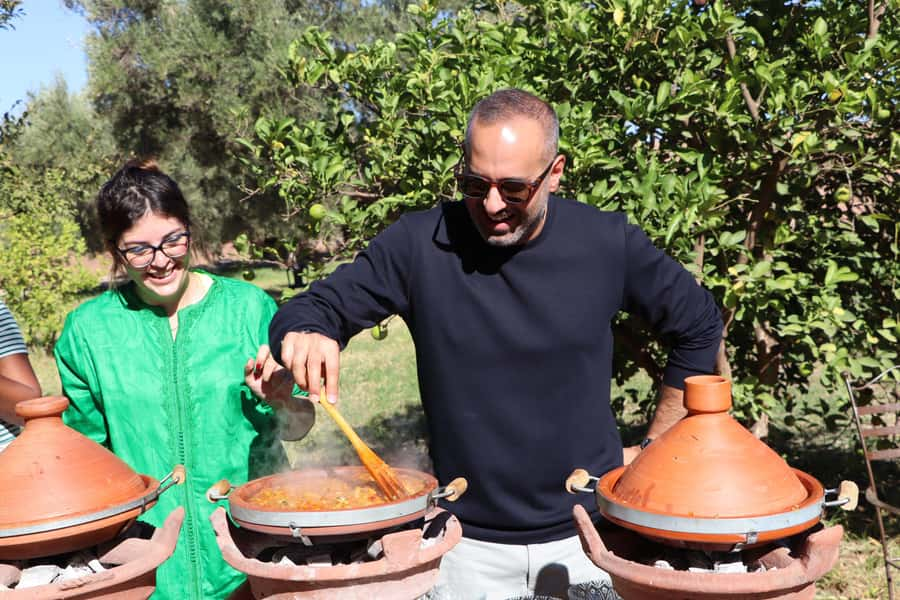
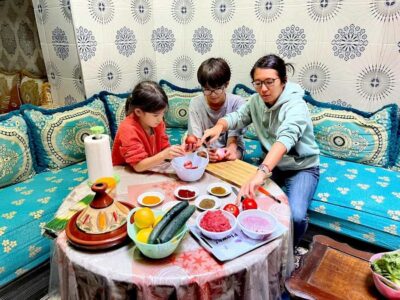
The setting is pleasant beneath orange, lemon, and olive trees. Families and couples have found it an easy place to slow down, and children can take part in simple jobs such as peeling and chopping vegetables. One family included a 12-year-old who enjoyed the class, which gives you a useful sense of its pace and difficulty.
More Farm Cooking Classes in Morocco
- Moroccan Cooking Class: Farm-to-Table Tagine
★ 5.0 · 50 reviews - Cooking Classes Farm to Table Marrakech
★ 5.0 · 165 reviews - Organic Moroccan Cooking Class At Secret Berber Garden CT
★ 5.0 · 147 reviews
Meeting Khaoula, Nisrine, and Zakaria
The host makes a major difference here. Khaoula has led many of the classes, while Nisrine and Zakaria have also hosted participants. The instruction is in English, and the teaching style is patient and practical.
You begin with an overview of the class and the cooking process. Then you handle the ingredients yourself. The host explains what each spice does, how to cut the vegetables, and how to build the dish in the proper order.
This is especially useful if Moroccan cooking is new to you. Tajine looks simple because it uses a few basic ingredients, but the flavor depends on timing, heat, seasoning, and how the ingredients are arranged. A good host can show you details that a recipe card often misses.
Khaoula has been praised for taking time with each step and for making the process approachable for beginners. That personal attention is one reason I think this works better for people who want to learn than for people who only want a quick meal.
You also have a chance to talk with the host about Moroccan food and other cuisines. If you are curious about what to eat elsewhere in Marrakech, this can be a useful moment to ask for local suggestions.
Preparing tajine from the first cut
The main lesson is a traditional Moroccan tajine. You may work with chicken, vegetables, or both. Some classes prepare a chicken tajine and a vegetable tajine, while others focus on one main dish.
You start by preparing the ingredients, including peeling and chopping vegetables and, when appropriate, cutting chicken. The host then explains how to season the food and arrange it in the tajine pot.
The point is not just to copy a recipe. You learn techniques you can repeat at home, including how to work with Moroccan spices and how to let the food cook slowly. The process gives you a better feel for why tajine is so tender and flavorful without relying on complicated equipment.
If you cook regularly, you will probably appreciate the simple structure. The ingredients are familiar, and the techniques are realistic for a home kitchen. If you rarely cook, the class remains manageable because the host explains each stage and stays nearby.
The slow cooking also affects the timing of the activity. This is a three-hour experience, not a rushed 60-minute demonstration. You have time to prepare the food, let it cook, make the side dishes, and sit down for lunch.
Salad, mint tea, and local pastries
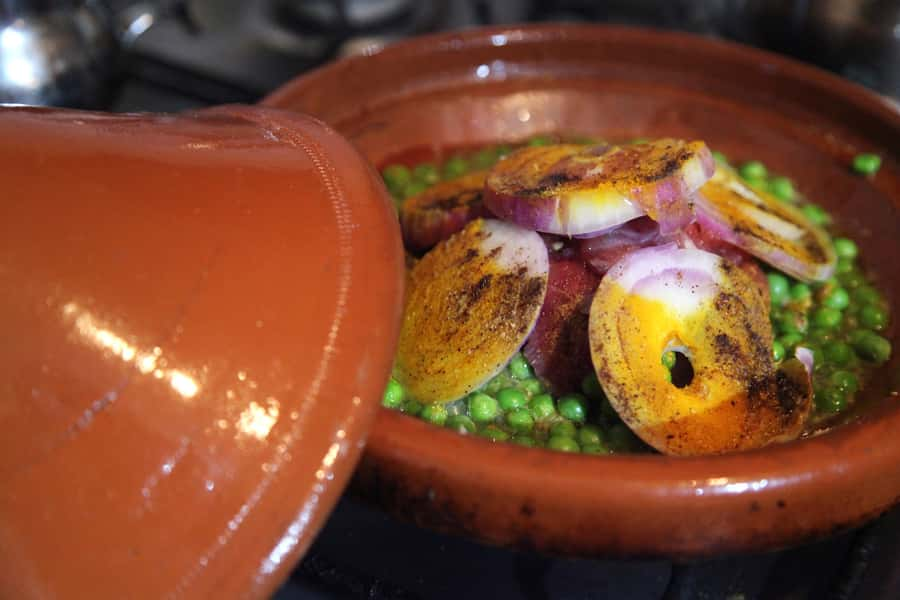
The tajine gets most of the attention, but the side dishes make the meal feel complete. You prepare a fresh Moroccan salad alongside the main course. The recipes are designed to use fresh produce, so the salad provides a lighter contrast to the warm tajine.
You also learn how to make Moroccan mint tea. This is not an afterthought. Tea is an important part of Moroccan hospitality, and learning the full process gives you one more skill to take home.
The meal includes local pastries and mint tea after the savory dishes. That combination turns the class into a proper lunch rather than a series of disconnected cooking tasks.
I like this part because it gives you a broader view of Moroccan food. You are not learning one famous dish and leaving. You are putting together a small Moroccan meal, from preparation through serving.
More Moroccan Classes in Marrakesh:
- Marrakech: Moroccan Cooking Class with Pickup
★ 4.6 · 1,862 reviews - Marrakech: Traditional Moroccan Cooking Class & Market Visit
★ 4.8 · 1,861 reviews - Marrakesh: Moroccan Dishes Cooking Class with a Local Chef
★ 5.0 · 1,615 reviews - Marrakech: Moroccan Cooking Class with a Local Family
★ 4.9 · 668 reviews
Eating under the trees
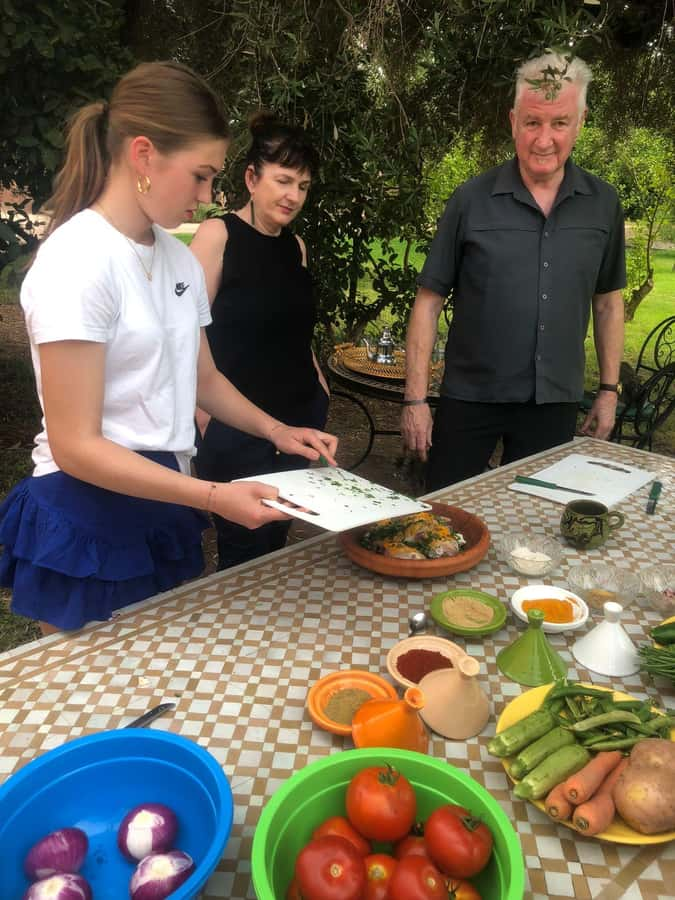
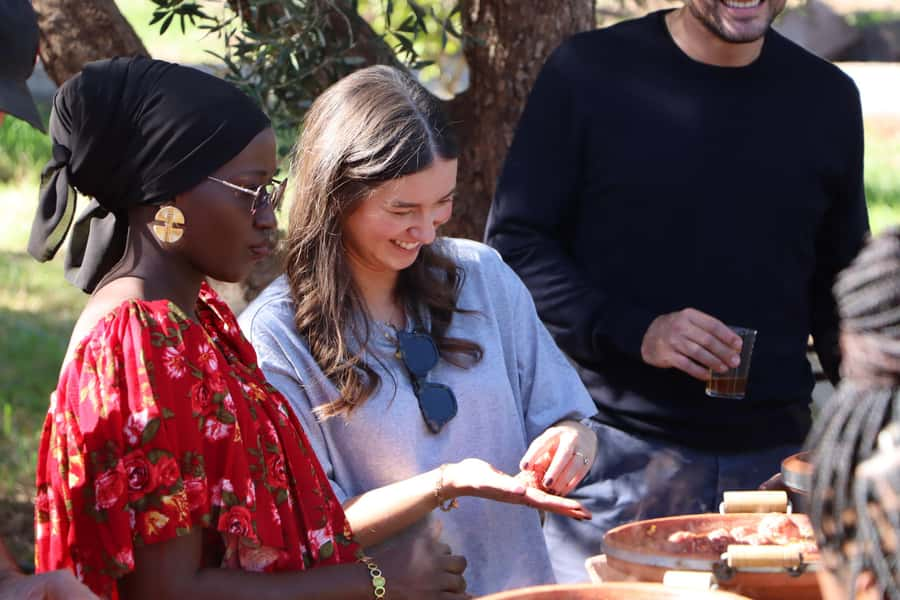
Once the food is ready, you sit down with your host and eat what you prepared. The meal includes Moroccan salad and a main course, with mint tea and local pastries.
This is where the class pays off. You have handled the ingredients, watched the tajine cook, and then tasted the result in the same place. The meal feels more satisfying because you understand the work behind it.
The setting is described as relaxed and mindful, which fits the experience well. You are away from the city, sitting in a private farmhouse setting, and eating at a slower pace. For couples, this can be a pleasant shared activity. For families, it gives children something active to do instead of asking them to sit through a long restaurant meal.
The food is also a practical measure of the class. The ingredients are described as healthy and organic, with produce grown on the farm. That does not mean every item comes from the property, but the connection between the farm and the cooking is part of the appeal.
What the farm adds, and where it falls short
The farm is the reason many people choose this class over a cooking school in town. You get countryside air, fruit trees, traditional kitchenware, and a clear sense of place.
Some visitors have toured the property and seen lemons, olives, horses, chickens, turkeys, a cow, and a dog. The grounds and trees can be attractive, and the rural setting adds to the feeling of eating close to the source.
But you should know about the animal areas before booking. One account describes animals kept in sheds and a chained dog, with care standards that may be upsetting to someone who pays close attention to animal welfare. The information available does not describe a formal animal sanctuary or a polished agricultural attraction.
My advice is simple: choose this primarily for the cooking class, not as a farm tour. If you are comfortable with a basic rural property and want to focus on food, the setting should work well. If animal welfare is a major concern, you may prefer a cooking class without a farm component.
Is $78 a fair price?
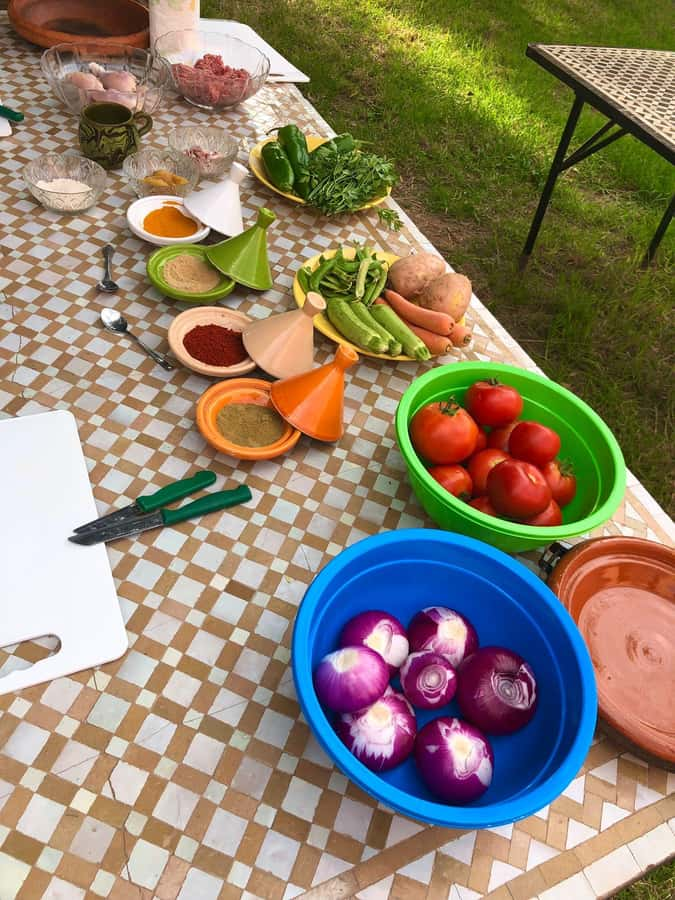
The price is $78 per person. That is not the cheapest way to learn one Moroccan recipe, but the fee covers more than instruction.
You receive hotel pickup and drop-off, an English-speaking local host or chef, the cooking lesson, lunch, mint tea, and local pastries. You also avoid arranging transport to the countryside on your own, which adds value if you are staying in central Marrakech.
The class lasts three hours, so you are paying for a half-day activity rather than a brief kitchen visit. The personal instruction is another important part of the calculation. You are actively preparing the food, not just watching a chef plate it.
For a couple or family, the cost may feel reasonable because the activity combines transport, entertainment, lunch, and cultural context. For a solo visitor on a tight budget, it is worth comparing the price with a shorter city cooking class.
I would consider the value strongest if you specifically want three things: a farm setting, a hands-on lesson, and a meal included. If you only want to taste tajine, a restaurant will cost less. If you want to understand how to make it, this offers more.
Who will enjoy this three-hour class?
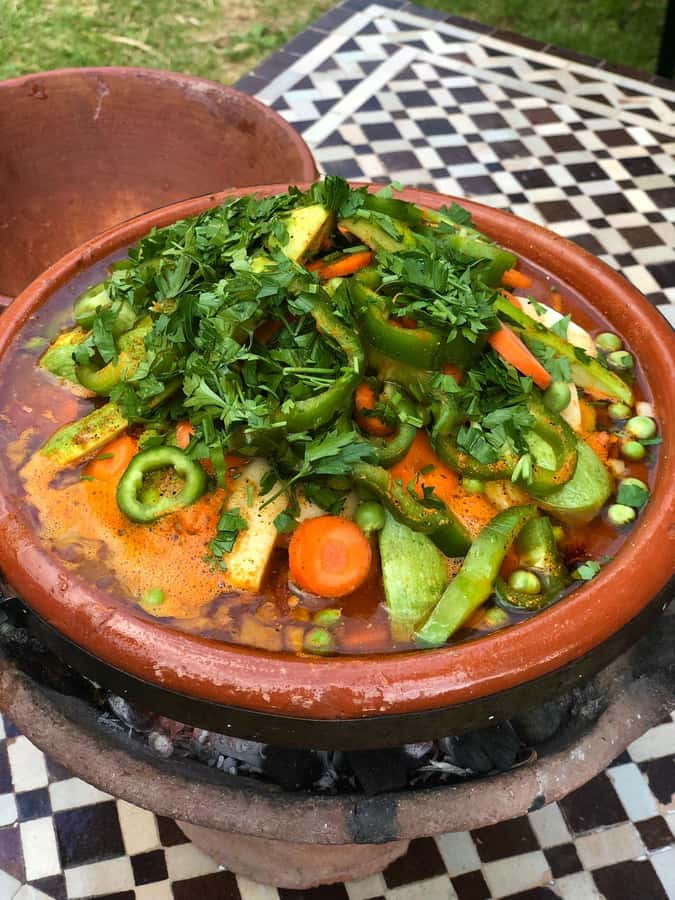
This experience suits first-time cooks because the host explains the method step by step. You do not need advanced kitchen skills, and the process includes straightforward jobs such as peeling, chopping, and seasoning.
It also works well for families. A child old enough to follow basic instructions can take part, and the relaxed setting is easier than a formal cooking school. The experience has been enjoyed by a family with a 12-year-old, though younger children may need close supervision around knives and hot cookware.
Couples will appreciate the shared activity and the quiet setting. It is a good way to break up several days of sightseeing, especially if you have been spending most of your time in the medina.
Food-focused visitors will get the most from it. You learn how Moroccan spices and slow cooking work together, then eat the result. The class also gives you a better basis for ordering Moroccan food later in your trip.
This is less suitable if you want a fast activity, a large farm with extensive produce, or a polished attraction with carefully presented animal areas. The farmhouse is part of the charm, but it is not presented as a luxury estate or a formal agricultural tour.
Practical details that matter
The activity lasts three hours, with starting times available according to the booking schedule. Hotel pickup and drop-off are included, so enter your accommodation details carefully when arranging the experience.
The instructor speaks English. The host names associated with the class include Khaoula, Nisrine, and Zakaria, though you should not assume a particular person will lead your session unless the booking confirms it.
Wear something comfortable for cooking. You will be handling vegetables and spices, and the class is active rather than purely observational. The provided information does not specify clothing requirements, so simple practical clothes are the sensible choice.
You can cancel up to 24 hours before the activity for a full refund. The reserve-now, pay-later option also keeps your plans flexible, which is useful when your Marrakech schedule may change.
Should you book this Moroccan cooking class?
Book it if you want to learn by doing, eat a home-style Moroccan lunch, and trade Marrakech’s crowded streets for a quiet farm setting. The strongest parts are the patient personal instruction, the chance to prepare several dishes, and the fact that hotel transport is included.
I would especially recommend it for couples, families, and beginners who want a relaxed half-day activity. Khaoula has received particularly strong praise for her calm explanations and friendly manner, and the class appears designed to make new cooks feel comfortable.
Think carefully if you are sensitive to animal welfare issues. The cooking itself is the main event, but the property includes basic animal areas that may not match your expectations.
For most food-focused visitors, the $78 price is fair because it combines transport, instruction, lunch, tea, and a countryside setting. Just book it for the kitchen experience, not for an idealized farm visit.
FAQ
How long does the Moroccan cooking class last?
The activity lasts three hours.
What will I cook?
You will learn to cook a traditional Moroccan tajine. You will also prepare a Moroccan fresh salad and learn how to make Moroccan mint tea.
Is lunch included?
Yes. Lunch includes Moroccan salad and a main course. Authentic Moroccan mint tea and local pastries are also included.
Is hotel transportation included?
Yes. Pickup and drop-off from and to your hotel are included.
Where does the cooking class take place?
The class takes place at a private farmhouse in the Marrakech-Safi region, outside Marrakech.
Who teaches the class?
An English-speaking local host or chef leads the class. Hosts associated with the experience include Khaoula, Nisrine, and Zakaria.
Is the class suitable for beginners?
Yes. The host explains each step, and the activity is hands-on rather than a demonstration only. The class has also suited families with children.
Can I cancel for a full refund?
Yes. You can cancel up to 24 hours in advance for a full refund.
More Farm Cooking Classes in Marrakesh
- Half-Day Thai Cooking Class at Organic Farm in Chiang Mai
★ 5.0 · 19,087 reviews - Cooking Class and Lunch at a Tuscan Farmhouse with Local Market Tour from Florence
★ 5.0 · 4,831 reviews - Chiang Mai: Authentic Cooking Class with Market & Farm Visit
★ 4.9 · 4,546 reviews - Ubud: Balinese Cooking Class at an Organic Farm
★ 5.0 · 1,786 reviews
Newest classes around Marrakesh
- Marrakech: 3-Hour Open-Air Moroccan Cooking Course★ 4.9 · 74 reviews
- Moroccan Food Cooking Class with a Local Chef in Marrakech★ 4.7 · 90 reviews
- Moroccan cooking class in Marrakech with berber chef★ 5.0 · 16 reviews
- Edgy 8 Dish Private, Fusion Cooking Class, Menu Plan, Market★ 4.9 · 31 reviews
- Marrakech: Moroccan Cooking Class with Amazing Local Chef!★ 4.9 · 100 reviews
- Marrakech: Moroccan Cooking Class with Local Chef★ 4.6 · 87 reviews
- Marrakesh: Private Cooking Class & Local Market Shopping★ 4.7 · 15 reviews
- Marrakech: Cooking Class and Market Visit★ 4.4 · 5 reviews
Marrakech Cooking Classes, compared.

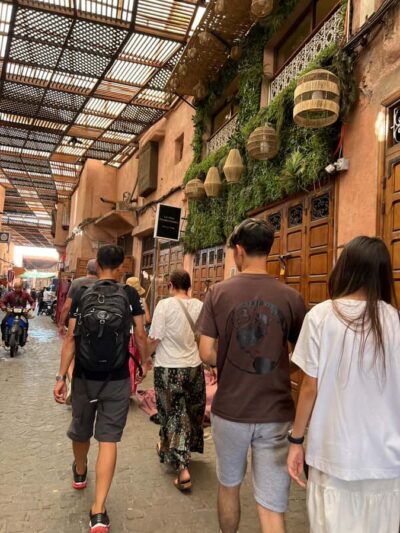
Traditional Moroccan Cooking Class & Market Visit
Read our review →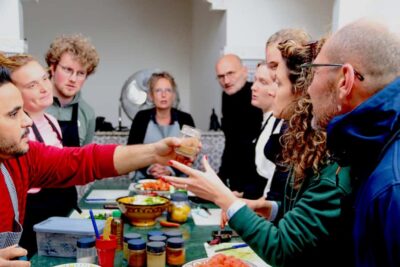
Moroccan Dishes Cooking Class with a Local Chef
Read our review →
Moroccan Cooking Class & Marrakech Market Visit with Chef Khmisa
Read our review →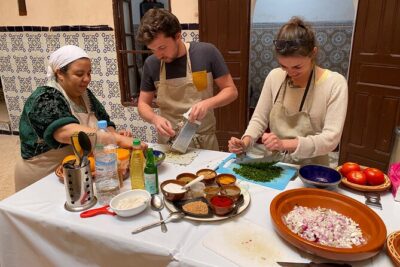
Half-Day Cooking Class with Local Chef Laila in Marrakech
Read our review →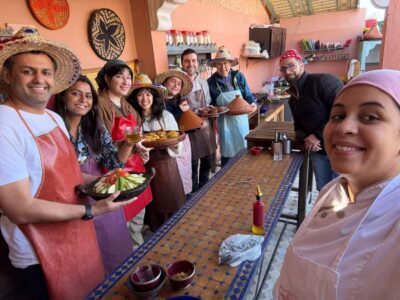
Browse the lists this tour appears in