
Review · JAIPUR COOKING CLASSES
Jaipur: Cooking Class with a Local Family
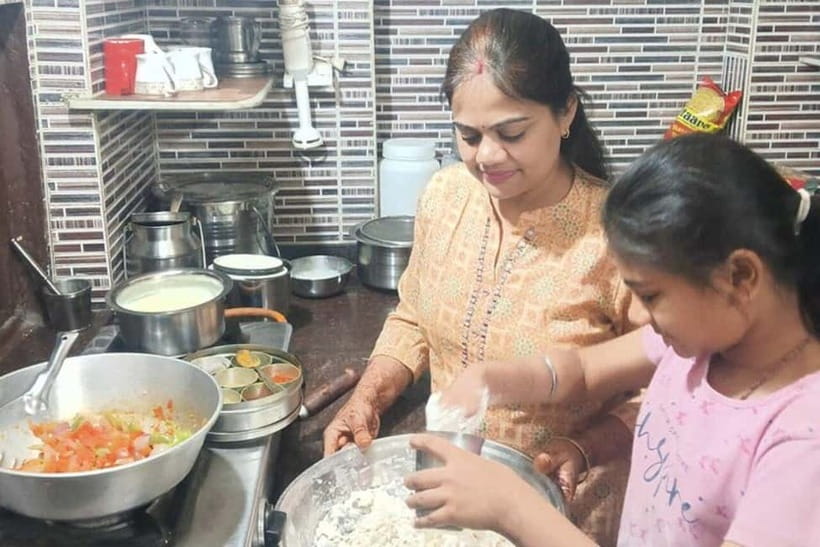
The best part of this Jaipur cooking class is that it takes place in Swati’s family home, not a formal school kitchen. You begin with welcome drinks and conversation, then work through Indian spices, dough, vegetables, dal, and dessert with Swati and members of her family.
I like the small six-person limit, which gives you room to ask questions and take part at your own pace. I also like the flexible menu: Swati has prepared gluten-free meals and adjusted dishes for allergies, intolerances, and personal preferences. The main consideration is that you must arrange your own transport to the home near Johari Bazaar, and personal cooking equipment is not included.
Key points
- A real family kitchen: Meet Swati, her mother-in-law, daughters, and other family members in their Jaipur home.
- Hands-on Indian cooking: Prepare chapatis, parathas, curries, dal, rice, chai, and dessert rather than simply watching a demonstration.
- Rajasthani specialties: The advertised menu includes dal baati churma and ker sangri, while other sessions have featured palak paneer, biryani, pakoras, and lemon pickle.
- Flexible for food needs: Menus can be adapted to allergies, intolerances, and food preferences, including a fully gluten-free meal.
- Recipes to take home: You receive e-recipes for the dishes made during your class.
- Strong value: Three hours of instruction, a full meal, cultural exchange, and a small group cost $19 per person.
A Jaipur meal begins with masala chai
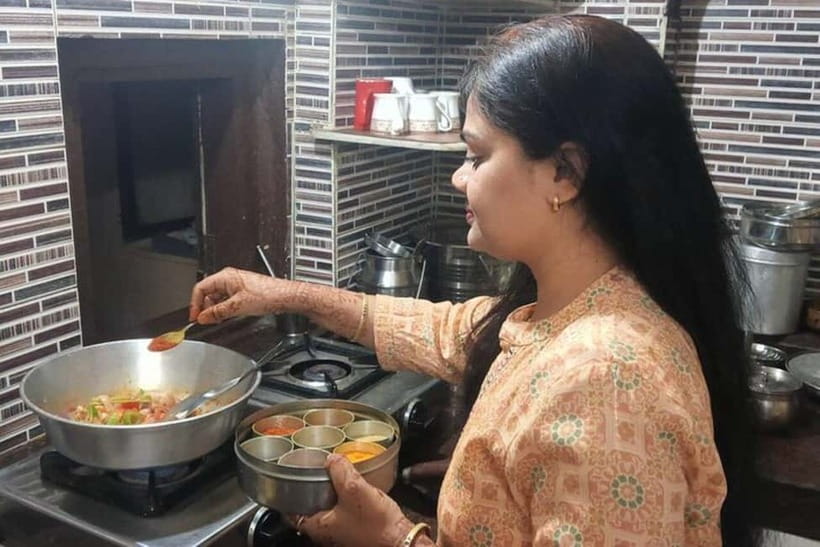
Your three hours start with a welcome drink, often masala chai. This is more than a quick cup before the lesson. It gives you time to meet Swati and her family, settle into the home, and talk about Indian food and daily life.
The chai itself may become your first small lesson. You can discuss how strong, sweet, or spiced you prefer it, then see how a few basic ingredients create a drink found in homes across India. This relaxed opening matters because the class is designed as a personal exchange, not a production line.
Swati teaches in English and Hindi. Her family may join the conversation, too, giving you a broader connection to the household. If you enjoy learning through questions and conversation, this part can be as valuable as the cooking itself. If you prefer a tightly timed professional demonstration, the informal family setting may feel less structured.
More Home Cooking Classes in India
- Indian Cooking Class in an Authentic Local Home – Learn 6 Dishes
★ 5.0 · 195 reviews - Jaipur Market Tour & Vegetarian Rajasthani Home Cooking Class
★ 5.0 · 113 reviews - Interactive Cooking Class with a Local Family in Jaipur
★ 5.0 · 90 reviews
Learning spices by purpose, not by guesswork
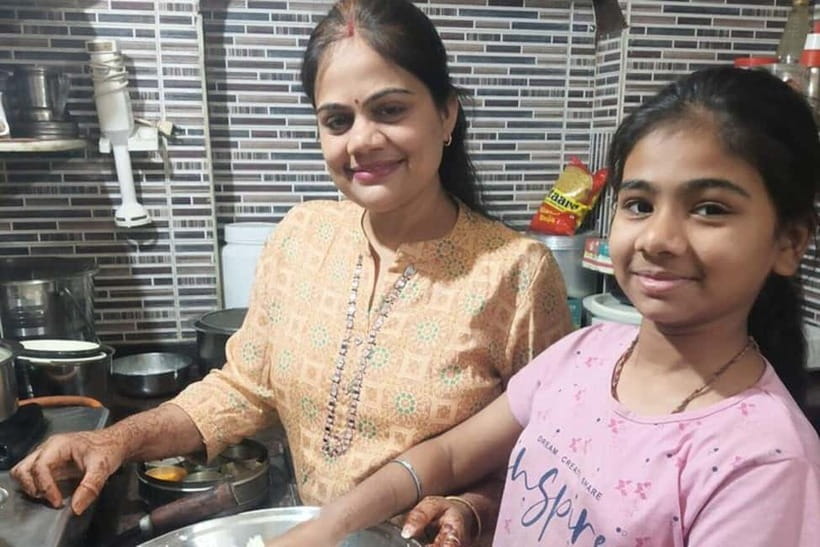
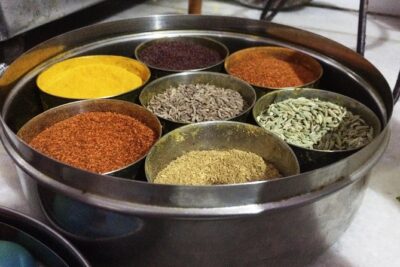
A useful cooking class should tell you why an ingredient belongs in a dish. Here, Swati explains the purpose of different Indian spices and how combinations change the flavor of a curry, dal, rice dish, or vegetable preparation.
That practical approach helps you cook at home later. You are not just collecting a recipe. You are learning how spices work together, which is important in Indian cooking because the same vegetables can taste quite different depending on the tempering and spice mix.
You may also hear stories about ingredients and the way recipes have passed through generations. The focus is on home cooking, so the lesson connects food with family habits and local culture. This is a good fit if you want more than a restaurant meal but do not want a long lecture about Indian cuisine.
The exact menu can vary. The listed highlights include dal baati churma and ker sangri, two dishes closely associated with Rajasthan, while other menus have included dal tadka, vegetable curry, aloo gobi, palak paneer, cumin rice, vegetable biryani, and pakoras. Ask about the available dishes when you book if one particular recipe matters to you.
Rolling chapatis and building a meal
The hands-on portion includes making chapatis and vegetable curries. You may also prepare parathas, including lachha paratha, depending on the menu and your preferences.
Flatbreads are a smart part of the lesson because they demand feel rather than just written instructions. You learn how to work the dough, shape it, and cook it. The first one may not be perfectly round, and that is part of the fun. Swati and her family can show you the small corrections that a recipe card cannot explain.
The cooking is not limited to one headline dish. You may help with several parts of the meal, from preparing vegetables to seasoning dal and cooking rice. Some sessions have included chapati, dal, cumin rice, vegetable curry, and dessert. Other menus have included dosa, aloo gobi, palak paneer, and biryani.
The range is useful, but you should not expect every named dish in one three-hour class. A menu containing dal baati churma, ker sangri, several breads, multiple curries, rice, and dessert would be a lot to complete at a relaxed pace. The strength here is the chance to shape the meal, not a fixed promise of every possible recipe.
Rajasthani dishes with a sense of place
Dal baati churma is one of the most distinctive dishes associated with Rajasthan. It brings together dal, baati, and churma, offering a lesson in the region’s hearty, practical cooking. Ker sangri is another regional specialty, made with desert beans and berries and linked to Rajasthan’s dry climate.
These dishes give the class a local focus that a generic Indian cooking lesson might miss. If you want to understand Jaipur through food, regional recipes are more useful than simply making a familiar restaurant curry.
At the same time, the class can be adjusted. Swati has prepared menus based on what people want to learn, and the food list has ranged from traditional Rajasthani fare to widely loved Indian dishes. That flexibility suits a mixed group, but it means the experience is not necessarily identical for everyone.
If you are especially interested in dal baati churma or ker sangri, mention it before the class. If you are new to Indian food, you can let Swati suggest a balanced menu. I would choose at least one local Rajasthani dish, one bread, and one everyday curry so you come away with both regional flavor and useful home-cooking skills.
Same region, a different dish to learn:
- Pink City Cooking Class
★ 5.0 · 452 reviews - Five Course Cooking Class & Meal
★ 5.0 · 250 reviews - Veg and Non veg : Private Cooking Class in Delhi home (7 meal)
★ 5.0 · 226 reviews - Durga Cooking Class
★ 5.0 · 159 reviews
A meal that includes more than the main course
Dessert is included, and the exact sweet may differ. Gulab jamun has been served, along with items such as jaggery and chikki, a peanut-brittle-like sweet. Homemade lemon pickle and poppadoms may also appear alongside the meal.
These extras help you understand how an Indian meal is put together. Pickle adds sharpness, poppadoms add crunch, and a sweet finish changes the pace after spicy or savory dishes. You are tasting a complete home meal rather than sampling one isolated recipe.
Ingredients are described as fresh, and Swati has made her own paneer and ghee for some meals. That kind of preparation gives you useful insight into the difference between a quick restaurant version and food made carefully at home.
Food hygiene also matters when you are cooking in another country. One class participant specifically noted that Swati used mineral water for cooking and paid close attention to cleanliness and safety. You can discuss your own concerns and dietary needs with her before you start.
The family connection is the real feature
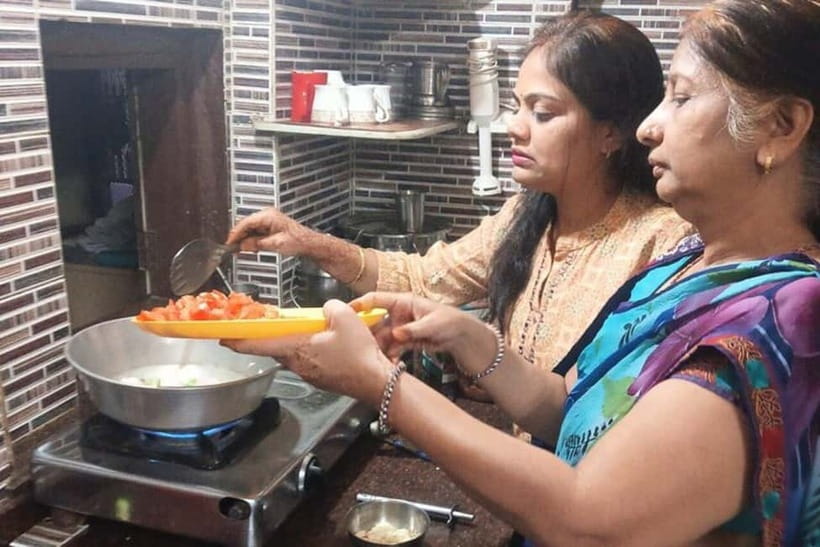
The cooking is the reason to book, but the family setting is what makes this activity different from a standard lesson. Swati may be joined by her mother-in-law and daughters, and the wider family can become part of the visit.
You might see family photographs, talk about life in Jaipur, or learn small cultural details that do not appear in a recipe. Henna has also been offered, along with a handmade bag to take away, though these should be treated as possible extras rather than guaranteed parts of every session.
This interaction works best if you are comfortable entering a private home with an open mind. You should expect a warm, personal atmosphere rather than a polished studio. The family may spend time talking with you, and the pace can feel more like being welcomed into someone’s kitchen than attending a commercial class.
The personal attention has another benefit. Swati has helped with directions and transport questions, and communication is available through WhatsApp and phone before the class. That can make arrival easier, especially since the meeting point is in a busy central area.
Location, timing, and group size
The meeting point is at 3664, Motisingh Bhomiyon Ka Rasta, fourth crossing, Johari Bazaar, Jaipur 302003. Transportation to and from the activity is not included, so plan your own way there and allow time to find the address.
Johari Bazaar is a useful central reference point, but the meeting location is still a specific address rather than a major monument entrance. Follow the arrival directions carefully and use the host’s contact details if you need help. The family has provided clear directions to people arriving for the class, but transport remains your responsibility.
The class lasts three hours. That is enough time for a welcome drink, cooking instruction, a shared meal, and a dessert without turning the visit into an all-day commitment. A lunchtime or evening start is possible, depending on availability.
The group is limited to six people. I consider this one of the strongest practical features. You have a better chance to roll your own chapati, ask about a spice, discuss a dietary need, and speak directly with Swati. Larger cooking classes can leave you standing at the back while someone else does the work. This one is set up for participation.
The activity is listed as wheelchair accessible. Pets are not allowed. Because personal cooking equipment is not included, ask ahead if you have a special tool or setup you need.
Dietary needs and menu choices
This class is unusually flexible about food requirements. Swati has prepared a completely gluten-free menu and adjusted dishes for allergies and intolerances. She has also changed the menu during a session to match what someone wanted to learn or eat.
You should still provide your requirements before arrival. Be specific about allergies, intolerances, vegetarian preferences, spice levels, and ingredients you avoid. The ability to adjust the meal is helpful, but clear communication gives the host a fair chance to prepare safely.
You can also choose how active you want to be. Some people may want to do nearly every step, while others may prefer to watch parts of the process and concentrate on conversation. That makes the class workable for families, couples, and people who are interested in Indian food but are not confident cooks.
The food is vegetarian in the examples provided. If you need a particular type of menu, confirm it before booking rather than assuming the class will provide it.
Is $19 a good price?
At $19 per person, this is strong value for a three-hour private-home experience with a welcome drink, instruction, hands-on cooking, a full meal, dessert, and e-recipes.
The price is especially good if you treat the class as both a meal and a cultural activity. A restaurant dinner gives you food, but not the method, personal stories, or the chance to ask why a spice is used. A formal cooking school may teach technique, but the family setting can offer a closer look at everyday hospitality in Jaipur.
The value depends partly on your expectations. You are not paying for transportation, personal equipment, or a luxury venue. You are paying for access to Swati’s time, family recipes, and home kitchen. That is a fair trade for someone who wants contact and instruction more than polished surroundings.
Free cancellation is available up to 24 hours before the start time, and you can reserve now and pay later. Those policies make it easier to fit the class into a changing Jaipur schedule.
Who should book this Jaipur cooking class?
I would choose this activity if you want to:
- Learn Indian cooking through hands-on work
- Meet a Jaipur family in a home setting
- Try Rajasthani dishes as well as familiar Indian favorites
- Take recipes home and cook them later
- Ask detailed questions about spices and techniques
- Have a menu adjusted for allergies or food preferences
- Keep the group small and personal
It is also a good choice for a final morning in Jaipur, when you want one last meaningful meal before leaving. The three-hour length is manageable, and the recipes give the experience a life beyond your holiday.
You may want another kind of activity if you prefer a strict, professional kitchen format, a fixed menu, or a sightseeing tour that moves around the city. This class stays in one home, and its appeal comes from conversation, food, and family contact.
Should you book it?
Yes, if you want to connect with Jaipur through food rather than simply eat another restaurant meal. The combination of a six-person limit, flexible recipes, careful attention to food needs, and a warm family setting gives this class more substance than its low price suggests.
Before you reserve, contact Swati about your preferred dishes, allergies, and arrival details. Ask specifically for dal baati churma or ker sangri if those are your priorities, since the menu can change. Bring curiosity, arrive ready to take part, and expect to leave with recipes, a full meal, and a more personal sense of Jaipur.
FAQ
How long does the Jaipur cooking class last?
The class lasts three hours, including the welcome drink, cooking instruction, hands-on preparation, meal, and dessert.
How much does the cooking class cost?
The listed price is $19 per person.
Where does the class meet?
The meeting point is 3664, Motisingh Bhomiyon Ka Rasta, fourth crossing, Johari Bazaar, Jaipur 302003.
What food is included?
The activity includes a welcome drink, hands-on cooking with a local family, an introduction to Indian spices and ingredients, chapatis and vegetable curries, an Indian dessert, and e-recipes for the dishes prepared.
Can the menu accommodate allergies or dietary needs?
Yes. The menu can be adjusted for allergies, intolerances, and preferences. A completely gluten-free menu has also been prepared.
How many people can join, and what languages are spoken?
The group is limited to six participants. Instruction and communication are available in English and Hindi.
Newest classes around India
- Chennai Super Market Tour and Cooking Class with a Fun Local★ 5.0 · 9 reviews
- Private tour to learn Traditional Indian Art, craft & Cooking★ 5.0 · 4 reviews
- Traditional Chettinad Cooking Class in a Local Home near Chennai★ 4.5 · 12 reviews
- Neighborhood Market Tour & South Indian Cooking Class in Chennai★ 5.0 · 7 reviews
- Chennai Dosa Making Class & Home-Dining Experience with Jyashree★ 5.0 · 8 reviews
- Traditional Gowda Cooking Class and Meal in a Bangalore Home★ 5.0 · 31 reviews
- Discover Bangalore’s Cuisine: Private Half-Day Cooking Experience★ 5.0 · 3 reviews
- Private South Indian Cooking Class in Bangalore with a Local★ 5.0 · 11 reviews
Jaipur Cooking Classes, compared.
Jaipur Market Tour & Vegetarian Rajasthani Home Cooking Class
Read our review →
Cooking Class in Jaipur – Family Experience with Meal & Transport
Read our review →
Interactive Cooking Class with a Local Family in Jaipur
Read our review →
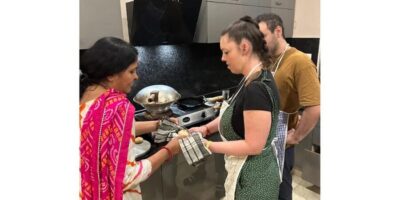
Traditional cooking class and storytelling session
Read our review →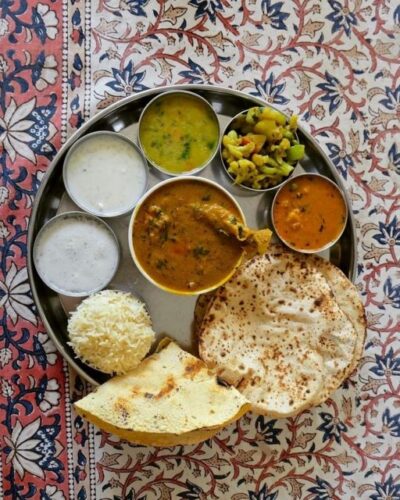
Jaipur Home Cooking Experience with Authentic Lunch/Dinner
Read our review →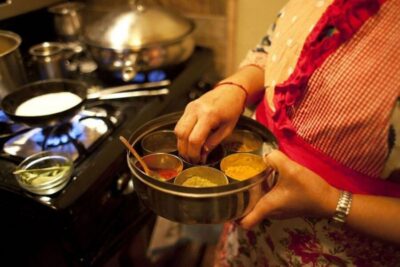
Cooking class at the host family’s house for 3 hours
Read our review →Browse the lists this tour appears in