
Review · PERU COOKING CLASSES
Cooking Class Typical Food in Arequipa
Arequipa’s food culture is the real focus here. You do not just sit down to eat lomo saltado, ceviche, or rocoto relleno. You prepare the dishes by hand, using local ingredients and traditional methods, then sit down to taste the full meal.
I like the choice of three menus, since you can aim for familiar Peruvian food, regional Arequipeño cooking, or seafood. I also like the large kitchen and garden setting, which should give the class more breathing room than a cramped demonstration kitchen.
The main caution is value. At $57 per person for roughly 1 hour and 45 minutes, this is not a cheap cooking lesson. One recent booking described the work as mostly cutting vegetables and felt the experience did not match its description, so you should book for the chance to prepare and taste local dishes, not for a long, advanced culinary workshop.
Key points to know before booking
- Three possible menus: Choose a traditional Peruvian menu, an Arequipeño menu, or a marine menu, subject to ingredient availability.
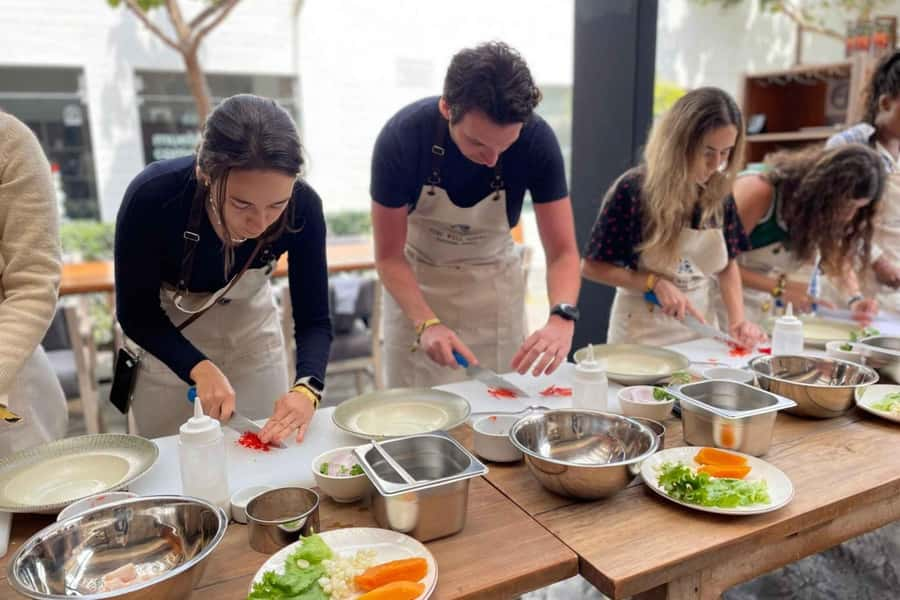
- Hands-on preparation: You help make a starter, main course, and dessert rather than simply watching a chef.
- Arequipa specialties: The regional menu includes queso soltero and rocoto relleno, two dishes that give the class a local focus.
- English or Spanish instruction: The live instructor teaches in either language.
- Short but full session: The stated duration is two hours, while the detailed schedule gives 1 hour and 45 minutes.
- Flexible booking: You can cancel up to 24 hours before the activity for a full refund and reserve without paying immediately.
What this Arequipa cooking class is really about
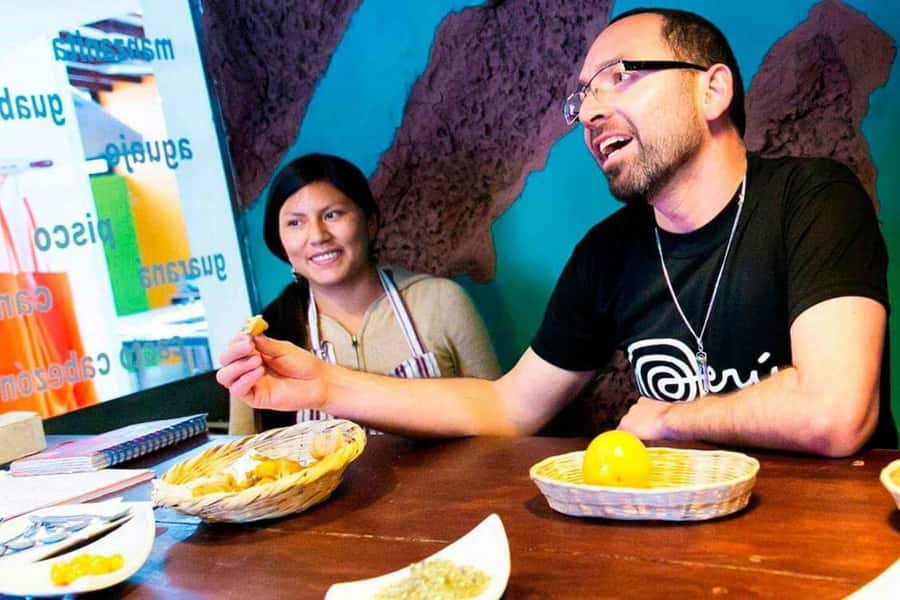
This class gives you a practical introduction to Peruvian food in a single sitting. The format is simple: you arrive at the kitchen, receive ingredients and instructions, prepare several dishes, and eat what you have made.
That sounds basic, and it is. The appeal comes from handling the ingredients yourself and learning how the dishes fit together as a meal. You are not only tasting Peruvian food in a restaurant. You are seeing the preparation behind it, then taking that method home with you.
The session is promoted as lasting two hours. The more specific timing says 1 hour and 45 minutes, so I would plan for the shorter figure. That is enough time for a compact cooking lesson and a shared meal, but not enough for a long course covering knife skills, sauces, food history, and several cooking techniques in depth.
You should also keep your expectations realistic about the level of instruction. The available feedback includes a poor rating from a verified booking, with the participant saying the activity involved little more than chopping vegetables and felt expensive for what was provided. That does not prove every session will be the same, but it is a useful warning. The quality of a hands-on class depends heavily on how much responsibility the instructor gives you.
More Food and Drink Outings in Peru:
- Market Tour, Tasting of 35 Fruits, and 4-Course Peruvian Cooking Class in Lima
★ 5.0 · 86 reviews - Lima: Market Tour, 35 Fruits Tasting & Cooking Class
★ 5.0 · 3 reviews - Small Group Cooking Class & Market Food Tour in Florence
★ 5.0 · 1,574 reviews
Three menus, three different ways to taste Peru
The menu is chosen according to availability, so you may not be able to select your first choice. Still, the three options cover a good range of Peruvian cooking.
The traditional Peruvian menu includes causa, lomo saltado, and dessert. Causa is a potato-based dish, often prepared in layers or molded portions, while lomo saltado combines beef with the Peruvian-Chinese cooking style known as chifa. It is a familiar choice if you want two well-known national dishes in one meal.
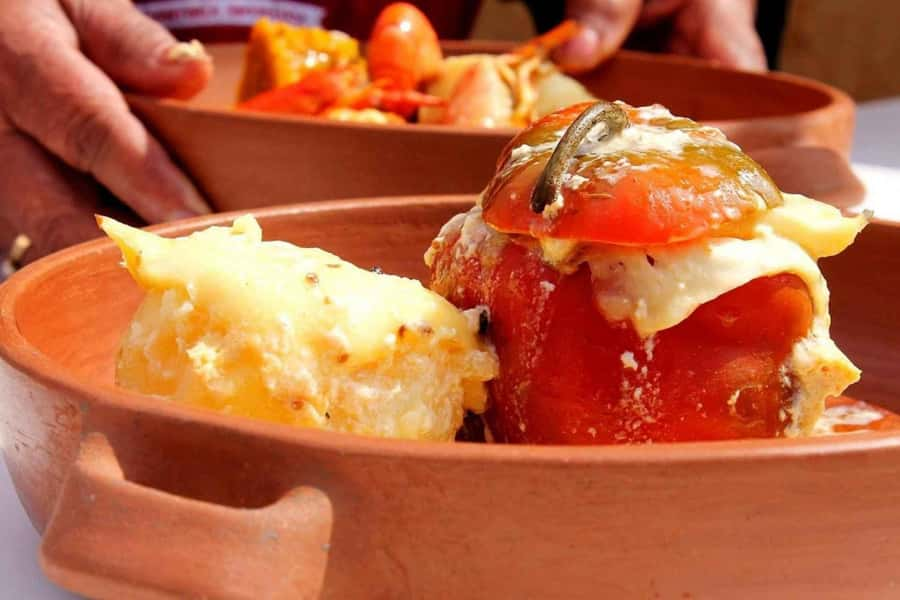
The traditional Arequipeño menu includes queso soltero, rocoto relleno, and dessert. This is the most locally focused option. Queso soltero is a regional cheese salad, while rocoto relleno uses Arequipa’s famously hot rocoto pepper as the shell for a filled dish. If your main goal is to connect the cooking class with the city you are visiting, this menu makes the most sense.
The marine menu includes ceviche, pescado a la chorrillana, and dessert. Ceviche brings raw fish cured with citrus and seasoned in the Peruvian style. Pescado a la chorrillana offers a cooked fish dish with a different flavor profile. This menu suits you if seafood is a major reason you want to explore Peruvian cuisine.
Because availability controls the final choice, ask about the menu when you book or as soon as you arrive. If you have a strong preference for Arequipeño food, do not assume the regional menu will always be offered.
The preparation: useful practice or light participation?
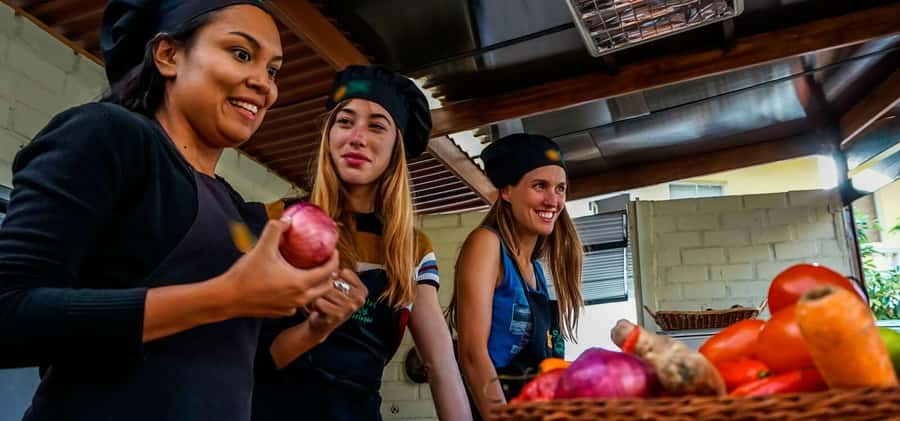
The class promises manual preparation of typical dishes. That phrase matters. You are meant to take part in making the meal, rather than watch a chef do everything.
The included ingredients cover a starter, main course, and dessert. You also receive access to a large, safe kitchen, with an instructor working in English or Spanish. The setting includes a garden, which gives the activity a more relaxed feel than a formal culinary school.
Still, the exact amount of hands-on work is not fully explained. You should expect guided preparation, but you should not assume that you will cook every part from start to finish. The negative booking feedback specifically raises the concern that some participants may spend much of the session cutting vegetables.
That is the key question to consider before paying $57. If you want a fun introduction to local food and a meal you help assemble, the format could suit you. If you want serious technical training, advanced recipes, or detailed chef instruction, this may feel too light.
Ask the instructor to explain each step and volunteer for more of the work when possible. You can also ask which ingredients are local and how the recipe changes at home. Those simple questions may turn a short activity into a more useful lesson.
The dishes worth watching closely
The most valuable part of the class may be the regional menu. Queso soltero and rocoto relleno give you a closer look at Arequipa’s own food traditions instead of only covering dishes found across Peru.
Rocoto relleno is especially memorable as a cooking subject because the pepper is central to the dish. The menu lets you see how a local ingredient is prepared as part of a full meal. If you enjoy strong flavors, this is likely the option to request, though the class does not provide details about spice levels or substitutions.
Causa and lomo saltado make the traditional menu a safer choice for first-time visitors to Peruvian food. You get a cold potato starter and a hot main course, which gives the meal some contrast. It is also a useful menu if you want recipes that may be easier to recognize and recreate after returning home.
The marine menu is appealing if you want ceviche without spending your entire food exploration in restaurants. Keep in mind that the menu depends on availability, and no details are provided about the type of fish used or possible alternatives.
Dessert is included with every menu, but the specific dessert is not named. That means you should treat it as a pleasant extra rather than a reason to choose one menu over another.
More Food Outings in Peru:
- Athens: Food Market Visit and Cooking Class with Wine
★ 4.9 · 1,087 reviews - Undiscovered Charleston: Half Day Food, Wine & History Tour with Cooking Class
★ 5.0 · 948 reviews - Vietnamese Food Cooking Class in Hanoi with Market Experience
★ 5.0 · 778 reviews - Milan: Italian Cooking Class with Food and Wine
★ 4.7 · 509 reviews
How the garden kitchen shapes the experience
The cooking takes place in a large kitchen environment set in a garden. That is a practical advantage. A roomy kitchen should make it easier to move, see the preparation, and work alongside other people.
The garden also gives the session a social side. You can exchange experiences with other visitors, take photos, and share the meal after cooking. This is not presented as a private chef lesson, so you should expect a group setting rather than one-on-one attention.
No group size is provided. That matters because a class with a small number of participants may give you more direct work, while a larger class could mean more watching and less chopping, mixing, or seasoning. If active participation is important to you, ask about the group size before committing.
The kitchen is described as safe, but the available details do not explain accessibility, dietary accommodations, or the exact equipment used. You should raise those questions in advance if they affect your decision.
Schedule, language, and practical timing
Classes run at 11 a.m. and 4 p.m., Monday through Saturday. The morning session fits neatly before a later afternoon plan. The 4 p.m. session may work better if you want to spend the earlier part of the day seeing Arequipa and then make the class your evening meal.
The stated duration is two hours, while the detailed program says 1 hour and 45 minutes. Use 1 hour and 45 minutes for planning, with a little extra time for the meal and photographs.
Instruction is available in English or Spanish. That is helpful if you want more than a recipe demonstration. Cooking involves quick instructions, ingredient names, and timing, so choosing the language in which you are most comfortable should make the class easier to follow.
The instructor’s name is not provided, so you cannot choose a particular teacher. The experience is led by a live guide, not delivered only through printed instructions or a video.
Drinks are included. You receive soft drinks and water while preparing and tasting the food. Extraordinary personal expenses are not included, though no specific examples are given.
Is $57 a fair price?
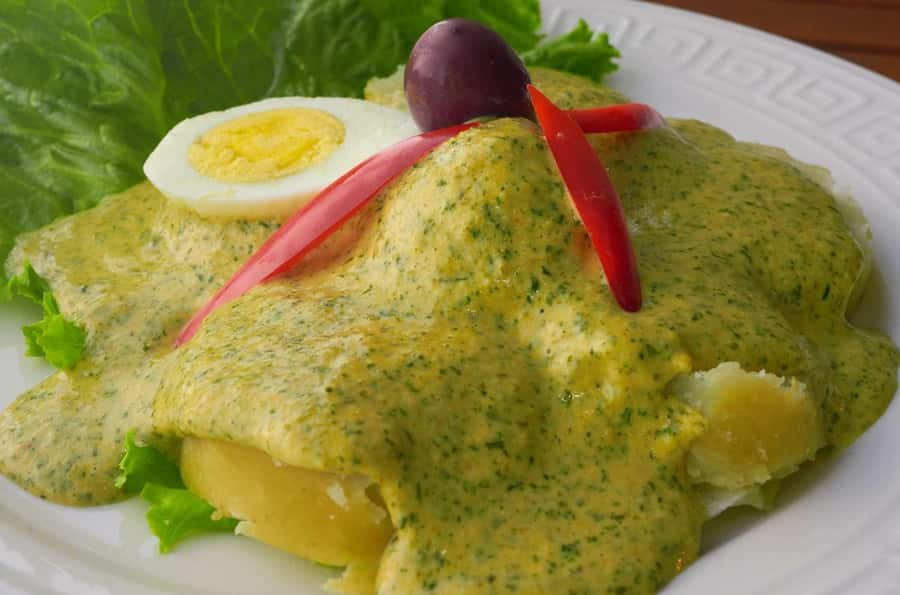
At $57 per person, the price sits in the range where you should expect more than a quick demonstration. You are paying for ingredients, instruction, use of the kitchen, drinks, and the prepared meal. If the lesson gives you real responsibility and a good regional menu, the price can make sense as both an activity and lunch or dinner.
The value drops if your role is limited to basic chopping. The reported criticism is important because it points to the exact risk: you could pay for a cooking class and receive a lightly guided food-preparation session.
I would judge the price by three questions:
- How much of the cooking will you personally do?
- Which menu will be available that day?
- How large will the class be?
A yes to all three makes the cost easier to justify. A vague answer, especially about participation, should make you cautious.
The included tasting helps. You are not paying for instruction alone, since you eat the starter, main course, and dessert you prepare. Even so, the activity is best seen as a short cultural food experience, not a professional cooking course.
Who should book this experience?
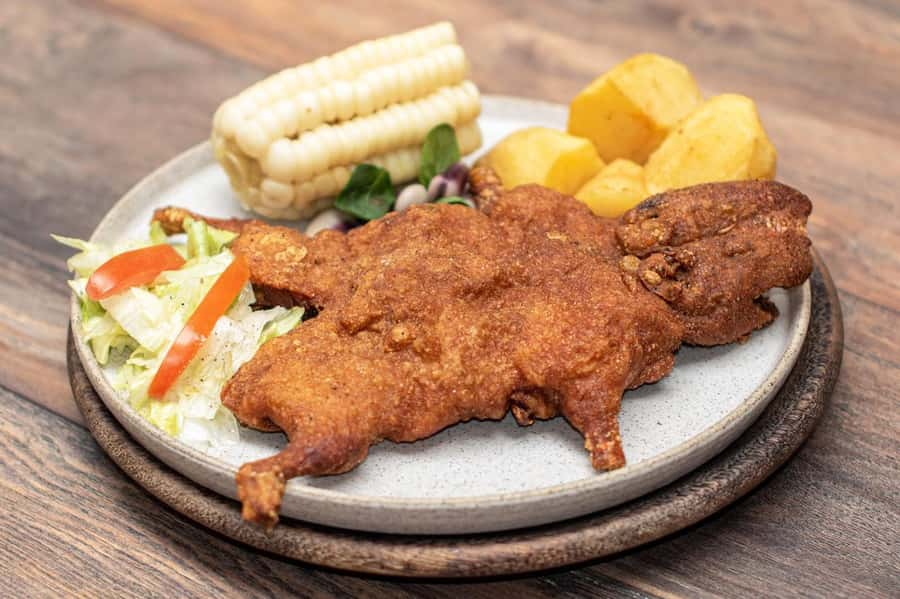
I would recommend it most strongly to visitors who enjoy food and want a structured way to try Peruvian cooking. It suits you if you like learning by doing, sharing a meal with other people, and taking home recipes or ideas to repeat later.
The Arequipeño menu makes it especially useful for anyone who wants a local connection. Ask for queso soltero and rocoto relleno if that menu is available.
Families and casual cooks may also enjoy the straightforward format, though no age policy is provided. The class is short enough to fit into a busy visit, and the morning or afternoon start gives you some schedule flexibility.
I would be more hesitant if you are an experienced home cook seeking advanced technique. The available information does not promise specialist instruction, a professional chef, or detailed training. The negative booking feedback suggests that participation may be lighter than the description implies.
The cancellation terms reduce the risk. You can cancel up to 24 hours before the activity for a full refund, and you can reserve now while paying later. Those terms are useful if your Arequipa schedule is still changing.
Should you book the Arequipa cooking class?
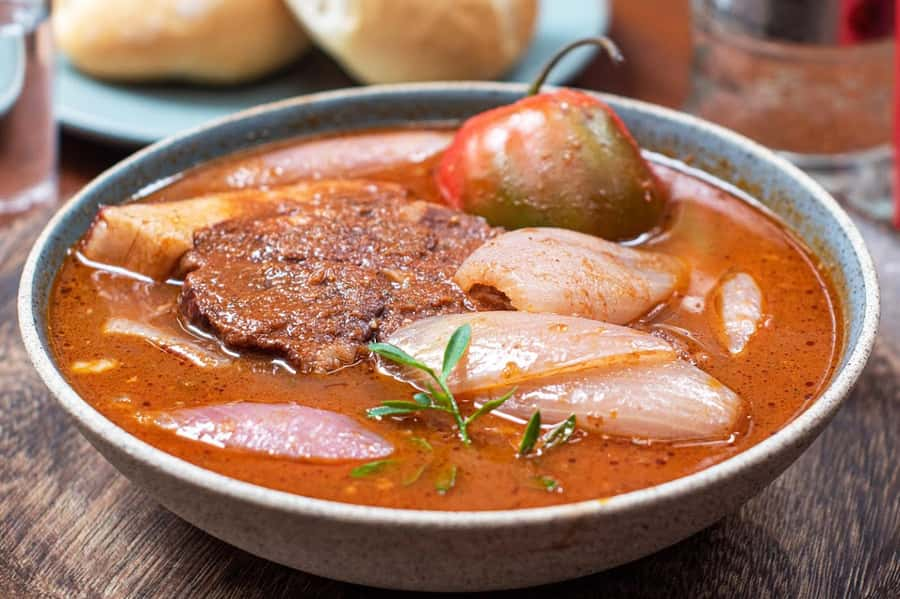
Book it if your priority is a short, social introduction to Peruvian food, especially if you can confirm that the Arequipeño or marine menu will be available. The combination of preparation, tasting, English or Spanish instruction, and a garden kitchen gives you more connection to the food than simply ordering a dish.
Before booking, ask how much of the cooking you will do and what menu is planned. That is the best way to protect the $57 price from feeling too high.
If the answer confirms active preparation, this can be a pleasant food memory and a recipe lesson you carry home. If the class is mostly vegetable cutting with little explanation, the value is harder to defend. Go in expecting a light, compact experience, not a serious culinary course.
FAQ
How much does the cooking class cost?
The price is $57 per person.
How long does the cooking class last?
The activity is described as lasting two hours. The detailed schedule gives a duration of 1 hour and 45 minutes, so plan for roughly that length.
What time does the class start?
Classes start at 11 a.m. or 4 p.m., Monday through Saturday.
Which languages are available?
The live instructor teaches in English or Spanish.
Which menus can be prepared?
Depending on ingredient availability, you may prepare a traditional Peruvian menu, a traditional Arequipeño menu, or a marine menu.
What is included in the traditional Peruvian menu?
The traditional Peruvian menu includes causa, lomo saltado, and dessert.
What is included in the Arequipeño menu?
The traditional Arequipeño menu includes queso soltero, rocoto relleno, and dessert.
Can I cancel for a refund?
Yes. You can cancel up to 24 hours in advance for a full refund. You can also reserve now and pay later.
Newest classes around Peru
- Lima: Cooking Workshop and Water Circuit Tour★ 5.0 · 16 reviews
- Lima: Peruvian cooking class and tour of Surquillo market★ 5.0 · 2 reviews
- Lima: Market Tour and Cooking Class with Pisco Sour★ 5.0 · 3 reviews
- Lima: Market Tour, 35 Fruits Tasting & Cooking Class★ 5.0 · 3 reviews
- Lima: 4-Course Peruvian Cooking Class in Miraflores★ 5.0 · 4 reviews
- Lima : Cooking Class – A Peruvian Culinary exploration★ 5.0 · 2 reviews
- Lima: Demo Cooking Class with Lunch at Cala Restaurant★ 4.1 · 4 reviews
- Cusco: Peruvian Cooking Class★ 5.0 · 2 reviews
Peru Cooking Classes, compared.
Peruvian Cooking Class, Cocktails & Local Market Tour
Read our review →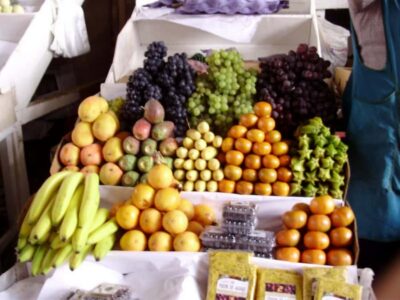
Cooking class and market tour with a local chef
Read our review →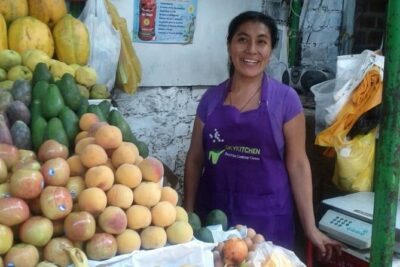
Market Tour, Tasting of 35 Fruits, and 4-Course Peruvian Cooking Class in Lima
Read our review →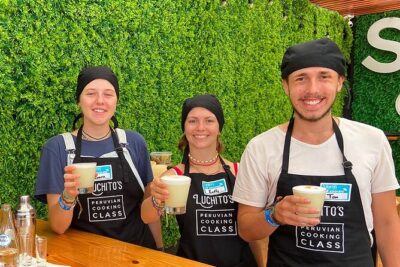
#1 Rated Cooking Classes with Local Market Tour & Pickup
Read our review →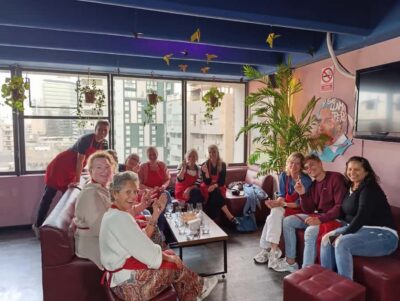
Miraflores: Amazing Peruvian Cooking Class Ceviche Seafood and Pisco Sour
Read our review →
Cook with Maido’s creative chef and chef de cuisine
Read our review →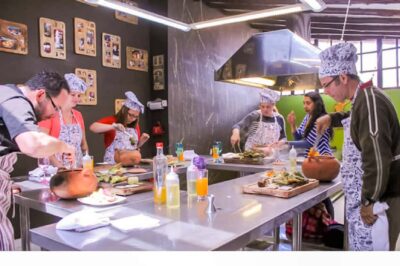
Browse the lists this tour appears in