
Review · ATHENS COOKING CLASSES
Athens: Kerameikos Stone House Cooking Class
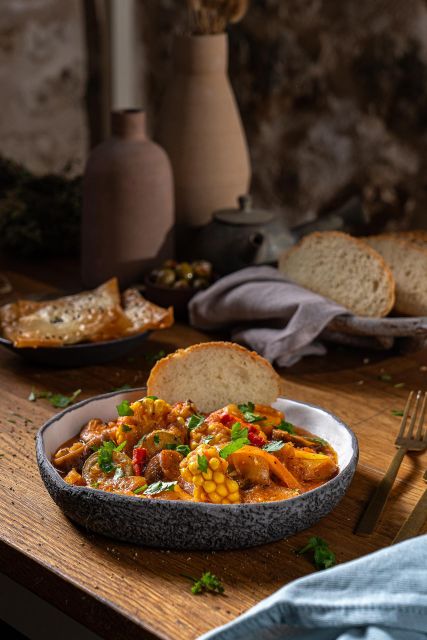
The best part of this Athens cooking class is that it feels like being invited into a family kitchen rather than sent through a polished restaurant demonstration. At Mama’s Roots, you work with fresh vegetables, herbs, phyllo, cheese, and olive oil in a 1920s stone house in Kerameikos, then sit down in the garden to eat what you made.
I like the hands-on format, since everyone gets a task, and I like the Tuesday market visit, when you spend about 15 minutes choosing ingredients right outside the house. The main consideration is the amount of food: six dishes make a generous meal, but the class may feel too long or filling if you only want a quick lesson.
Key points to know before booking
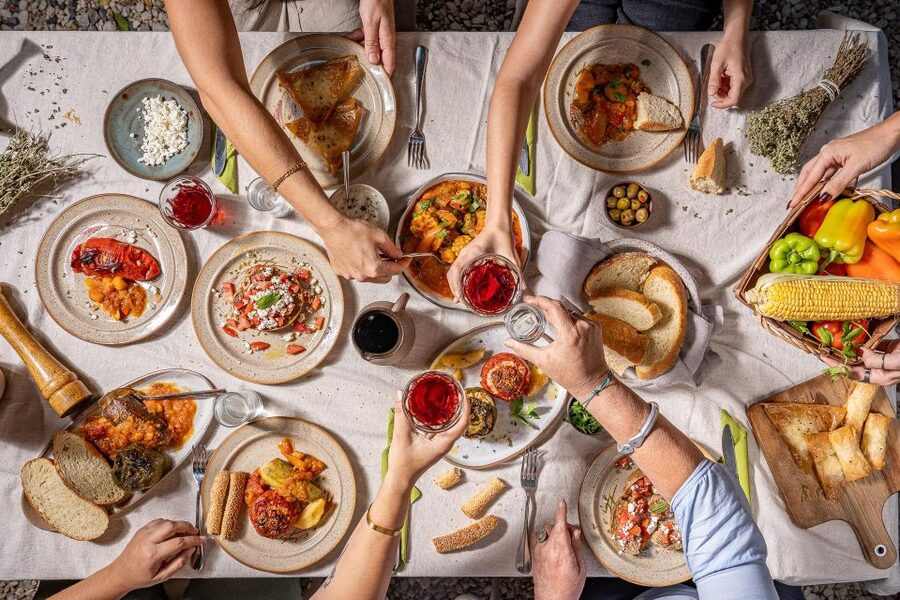
- Six vegetarian Greek dishes: Prepare yemista, spinach cheese rolls, Cretan ntakos salad, kagiana, tzatziki, and loukoumades, with seasonal changes possible.
- A real neighborhood setting: The class takes place in a restored stone house and garden in Kerameikos, about a 20-minute walk from Monastiraki.
- Tuesday market access: On Tuesdays, you shop for fresh ingredients at the farmers’ market directly outside the venue.
- Warm, personal teaching: Elena, Kostas, Vasilis, and other Mama’s Roots instructors focus on stories, techniques, and getting everyone involved.
- A full meal with wine: Local wine accompanies the cooking, and you eat together outdoors or indoors when the weather is hot.
- Recipes to take home: A QR code or digital delivery gives you the recipes after class, though it is wise to confirm you received them before leaving.
Cooking Greek food in a 1920s Kerameikos house
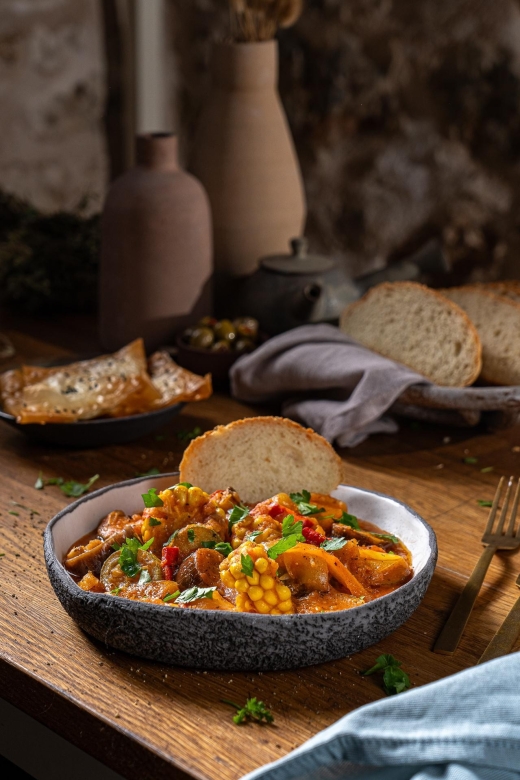
Kerameikos is a good match for this kind of class. It is central, close enough to reach from Monastiraki on foot, but it has a neighborhood feel shaped by bars, restaurants, and small local businesses. Forbes named it one of the world’s coolest neighborhoods in 2018, though the house itself is the real draw here.
Mama’s Roots occupies an old stone house with a cooking area and a garden courtyard. The setting matters. You are not in a large commercial kitchen with rows of strangers watching a chef work. You are in a smaller space where the food, the family recipes, and the people at your table are part of the lesson.
The venue has also been described as a pleasant retreat from the noise of central Athens. Lemon trees, olive trees, shaded seating, and handmade pottery and art give it a personal touch. A small shop area may offer local crafts, jewelry, crockery, and other items, so leave a little time to browse if you enjoy buying useful souvenirs.
The class is offered in English, and the instructors use a friendly, informal teaching style. Names attached to the experience include Elena, Kostas, Vasilis, Bill, Gianna, Maria, and other members of the Mama’s Roots team. Your specific teacher can vary, but the format remains centered on participation rather than watching from the side.
More Cooking Classes in Athens:
- Athens: Classic Cooking Class with Market Visit and Wine
★ 5.0 · 1,101 reviews - Athens: Food Market Visit and Cooking Class with Wine
★ 4.9 · 1,087 reviews - Greek Cooking Class in Athens Including Rooftop Dinner with Acropolis View
★ 5.0 · 826 reviews
The Tuesday market stop adds useful local context
If you book a Tuesday session, the farmers’ market takes place directly in front of the house. The market visit lasts about 15 minutes, so do not expect a long food tour through Athens. Instead, think of it as a quick shopping trip with your instructor.
That small distinction is useful. You see the vegetables and herbs before they reach the cutting board, and you get a clearer idea of how a home cook might choose ingredients for the day. The market also gives the class a stronger connection to the neighborhood. You are not simply handed a premeasured box of food.
The market visit is not guaranteed to be part of every class, since it is tied to Tuesday. If you care most about this part, check the date before booking. On other days, the class still uses fresh ingredients, including vegetables and herbs from the house or local suppliers, but the shopping walk is not the same feature.
Six dishes, six different Greek cooking lessons
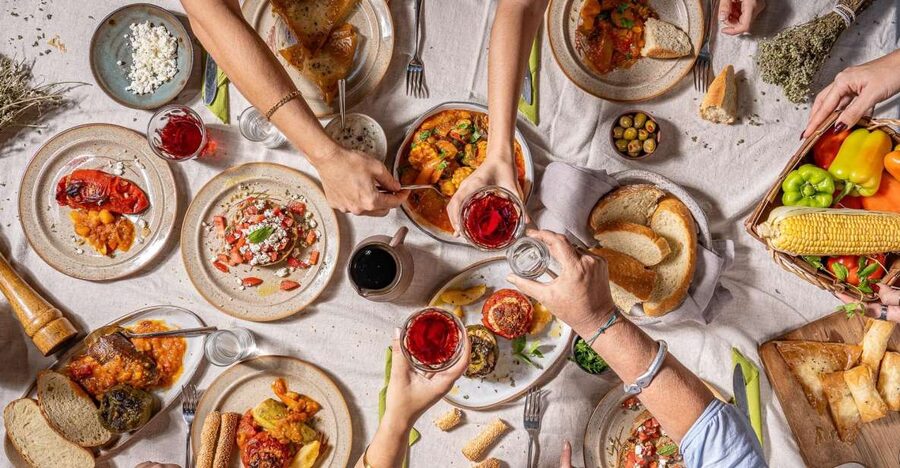
The planned menu covers several simple preparations rather than one complicated centerpiece. That is one reason this class works well for home cooks. You learn dishes that can be repeated in an ordinary kitchen, not just techniques that require special equipment.
Yemista
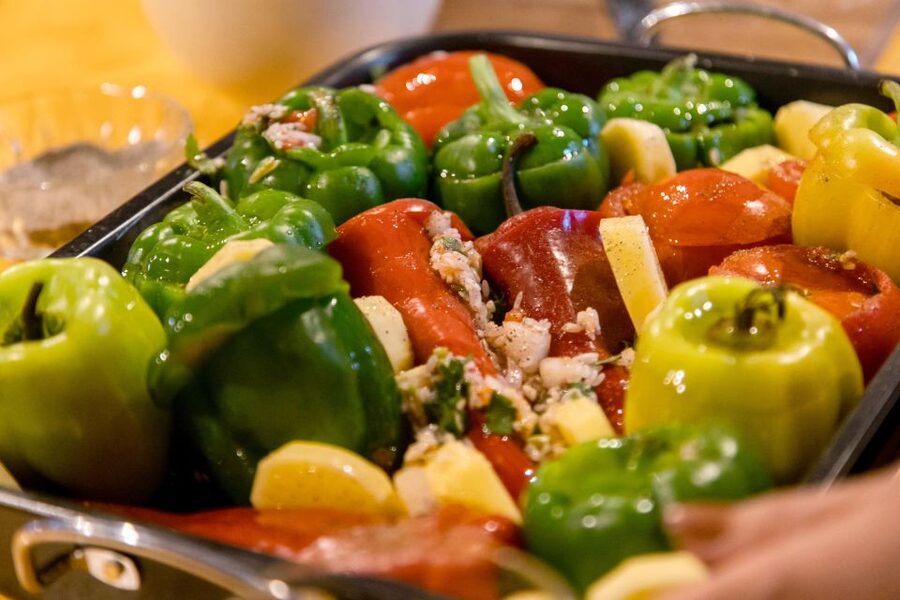
Yemista consists of tomatoes and peppers stuffed with rice, vegetables, herbs, and extra virgin olive oil, then baked. The dish teaches the logic of Greek home cooking: fresh produce, a modest filling, herbs for character, and time in the oven.
You also get a useful lesson in balancing moisture and texture. Stuffed vegetables look simple, but the rice, tomato, olive oil, and cooking time all need to work together. Because the menu can change with the season, the exact vegetables may vary.
Same region, a different dish to learn:
- Greek Small-Group Athens Cooking Class & Dinner
★ 5.0 · 574 reviews - Athens: Greek Cooking Class & Dinner on a Rooftop
★ 5.0 · 383 reviews - Athens: Greek Cuisine Cooking Class and 3-Course Dinner
★ 4.8 · 270 reviews - Traditional Greek cooking class and lunch or dinner with an Acropolis view
★ 5.0 · 250 reviews
Spinach cheese rolls
The spinach cheese rolls are small pies made with fresh spinach, feta, herbs, and phyllo dough. This was one of the most popular parts of the meal, and it is easy to see why. The filling is familiar, but folding and baking the phyllo turns it into something crisp and festive.
The class is hands-on, so you should get to help with preparation rather than simply taste the finished pies. If you like savory pastries, pay close attention to how the filling is handled and how the phyllo is prepared. This is probably the dish you will want to make first at home.
Cretan ntakos salad
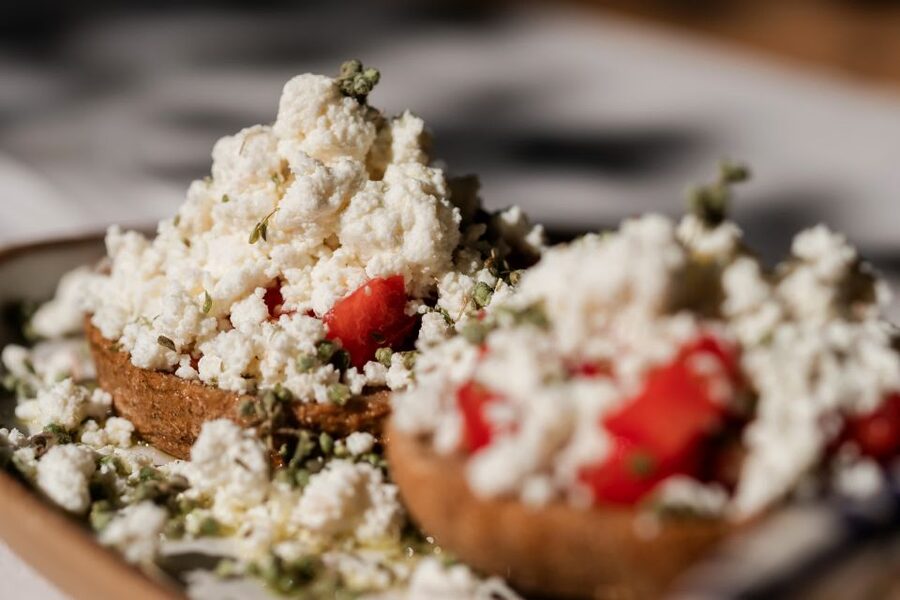
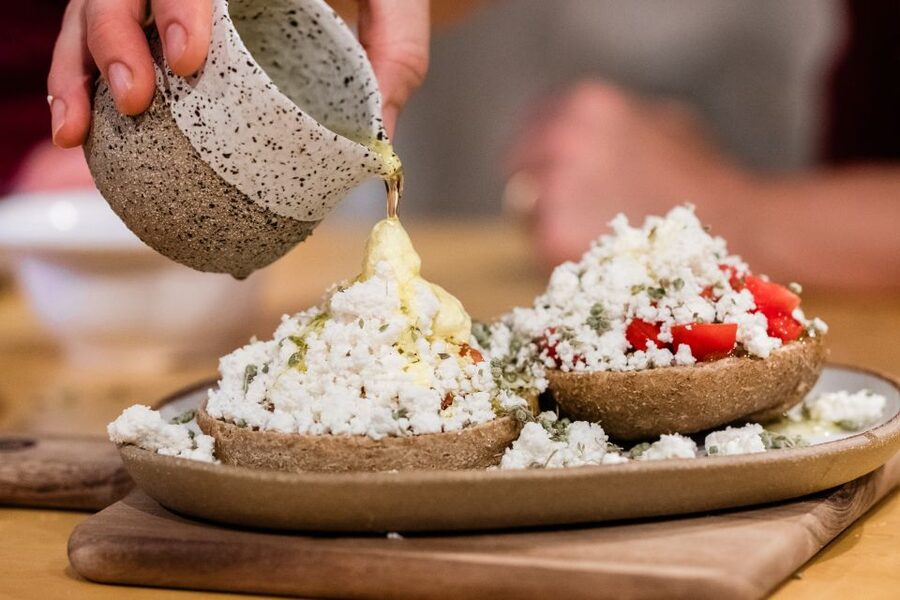
Ntakos is a Cretan salad built around crunchy barley rusks, tomatoes, capers, oregano, olive oil, and sour mizithra cheese. It is a good reminder that Greek salad does not have to mean lettuce, cucumber, and feta.
The rusks soften as they absorb the tomato and olive oil, while the capers and cheese give the dish a salty, sharp edge. It is a useful recipe for hot-weather meals because it needs no elaborate cooking and makes strong use of ripe produce.
Kagiana
Kagiana is Greek-style scrambled eggs with grated tomatoes, peppers, and feta. This is perhaps the most practical recipe in the group. It works for breakfast, a light lunch, or a simple dinner, and it uses ingredients that are easy to find.
The lesson is less about fancy technique and more about timing. Tomatoes contain plenty of water, so the cooking process affects the final texture of the eggs. One participant still made the egg dish at home months after the class, which tells you how approachable this recipe can be.
Tzatziki
The tzatziki lesson covers yogurt, cucumber, garlic, and the seasoning that gives the sauce its fresh bite. You learn how a few basic ingredients become a useful part of a Greek meal.
This is also a good class dish because it can be prepared quickly. You will likely leave with a better feel for the proportions, rather than relying on a jar or a vague recipe. Serve it with bread, vegetables, or the other dishes from the meal.
Loukoumades
Loukoumades are small round doughnuts finished with honey and cinnamon. The menu description does not promise that every step will always be demonstrated from start to finish. One participant wished the dessert preparation had been shown more fully before the group sat down to eat.
That is a fair point to keep in mind. Most of the meal is built around group participation, but the timing of the dessert may mean you see less of the process. If loukoumades are your main reason for booking, ask your instructor to explain the key steps.
A class designed around participation
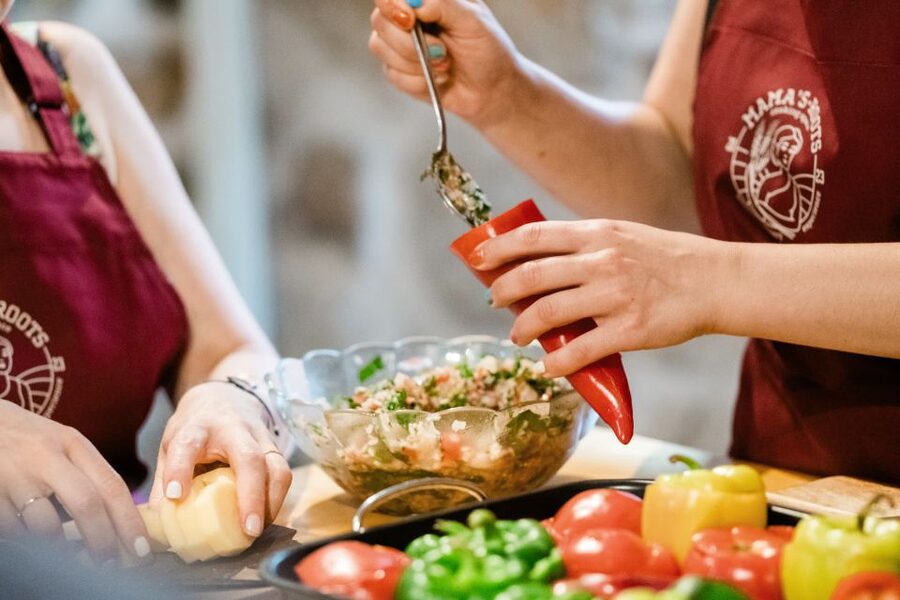
The instructors divide the work so that the entire group can take part. You may chop vegetables, prepare fillings, work with phyllo, stir mixtures, or assemble dishes. The exact tasks depend on the group and the menu, but the experience is intended to be active.
Group size can be small, sometimes around seven people and occasionally much smaller. A two-person session has also taken place, allowing both participants to handle nearly every step. A small group makes a real difference here. You can ask questions, get help with technique, and talk with the people sitting beside you without shouting across a large room.
The teaching style is warm and patient. Elena has been praised for explaining the ingredients, their texture, where they came from, and how they are used in different parts of Greece. Kostas is described as careful and step-by-step, while Vasilis, also called Billy, brings plenty of humor and personal stories to the class.
The mood is social, but not forced. You cook with people from places such as Australia, Canada, the United Kingdom, Israel, Romania, and the United States, then share the meal at the end. That makes the class a good choice if you want a low-pressure way to meet others during an Athens stay.
Lunch in the garden, with local wine
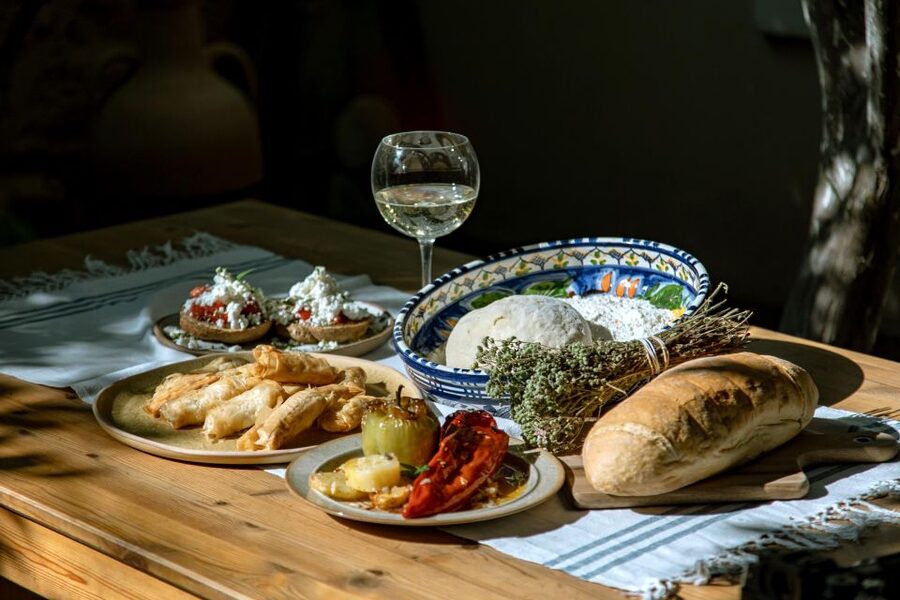
After the cooking, the group sits down to eat. The garden is a major part of the experience, especially in mild weather. Meals may be served beneath lemon trees or in a shaded courtyard, with local wine to accompany the food.
The atmosphere is relaxed and generous. Several people found there was more food than they could finish, and instructors sometimes packed leftovers for later. That is helpful if you have a long afternoon of sightseeing ahead, though you should not count on leftovers as part of the formal offering.
In very warm weather, the meal may be served indoors with air conditioning instead of in the garden. That slightly reduces the romantic courtyard effect, but it is a sensible trade for comfort. The important point is that the meal is shared, not rushed out as a final taste at the kitchen counter.
The food is vegetarian according to the planned menu. That makes this a strong option for vegetarians, though you should still mention dietary needs when booking because the menu can change with seasonal availability.
Is $106 a fair price?
At $106 per person, this is not a bargain meal if you measure the value only by how much food you eat. You could probably find a cheaper lunch in Athens. The price makes more sense when you count the instruction, six dishes, wine, small-group setting, market visit on Tuesdays, digital recipes, and the use of a private-feeling historic house.
You are also paying for the time. The class lasts about three to three and a half hours, which gives the cooking enough room to feel unhurried. It is longer and more involved than a quick demonstration, but shorter than a full-day culinary program.
I consider the price reasonable for someone who wants an experience as well as a meal. It is less compelling for a person who dislikes group activities, wants a formal chef-led demonstration, or would rather spend the afternoon visiting museums and ruins.
Who will enjoy this class most?
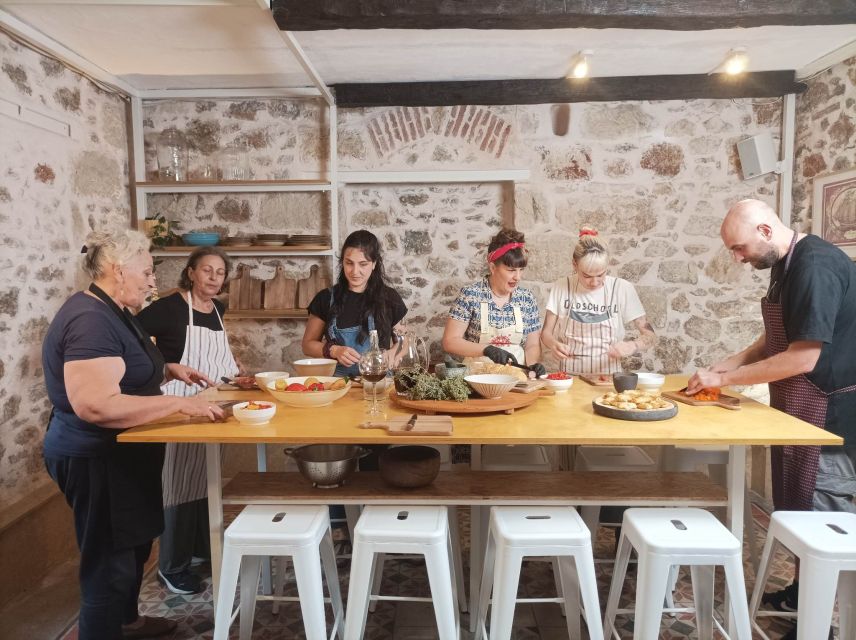
This is a strong choice for couples, families, solo visitors who enjoy meeting people, and small groups of friends. Children have taken part alongside adults, with one family group ranging from age seven to fifty. The work is shared, so you do not need professional cooking skills.
It suits first-time visitors who want a taste of everyday Greek food beyond restaurant menus. It also works for repeat visitors who have already seen the Acropolis and want an afternoon connected to local life.
You should think twice if you need a very quiet, private class or if you have severe food restrictions. The experience centers on shared preparation, shared plates, cheese, eggs, yogurt, phyllo, vegetables, and wine. Ask about substitutions before you commit.
The digital recipes are a valuable part of the deal. You receive them through a QR code or digital delivery, giving you a chance to recreate the meal at home. Since one person did not receive the recipes as expected, scan the code or confirm the delivery before you leave.
Practical details for fitting it into Athens
The meeting point is Mama’s Roots in Athens, in the Kerameikos neighborhood. The house is about a 20-minute walk from Monastiraki, making it easy to pair the class with time in central Athens.
Allow the full three to three and a half hours. Do not schedule a museum entry or airport transfer too tightly afterward, especially if you want to shop, chat, or enjoy the meal without watching the clock.
The class is taught in English. You can cancel up to 24 hours before the start time for a full refund, and the reserve-now, pay-later option gives you some flexibility while planning your Athens days. Starting times vary, so check the available slot when you book.
Should you book the Kerameikos cooking class?
Book it if you want a warm, practical introduction to Greek home cooking, especially if the thought of making spinach pies, tzatziki, or kagiana appeals to you. The stone house, garden meal, market stop on Tuesdays, and small group give it more character than a standard cooking demonstration.
I would be especially quick to choose it for a first Athens visit, a family looking for a shared activity, or anyone who values recipes they can use at home. Skip it if you want a short meal, a meat-centered menu, or a polished restaurant setting.
For most people who enjoy food and conversation, the combination of six dishes, wine, personal instruction, and a memorable setting makes the $106 price worthwhile.
FAQ
Where does the cooking class take place?
The class takes place at Mama’s Roots in the Kerameikos neighborhood of Athens, inside a 1920s stone house with a garden.
How long does the experience last?
The cooking class lasts about three to three and a half hours.
Is the class taught in English?
Yes. English is the stated language for the instructor and activity.
What dishes will I cook?
The planned menu includes yemista, spinach cheese rolls, Cretan ntakos salad, kagiana, tzatziki, and loukoumades. The menu may change with seasonal availability.
Is the food vegetarian?
The listed menu is vegetarian, including vegetables, cheese, eggs, yogurt, and honey. Contact the provider about specific dietary needs.
Can I visit a local market during the experience?
On Tuesdays, a farmers’ market takes place directly outside the house. The group usually spends about 15 minutes there choosing fresh ingredients.
Is wine included?
Yes. Wine from local producers is included to accompany the meal.
Do I receive the recipes afterward?
Yes. The recipes are provided digitally, commonly through a QR code. Check that you have accessed them before leaving.
Newest classes around Athens
- Greek Cooking Class with Acropolis View★ 5.0 · 76 reviews
- Private Walking Meze Cooking Course★ 5.0 · 6 reviews
- Cook with Katerina: Authentic Greek Home Cooking Class in Athens★ 5.0 · 15 reviews
- Private Greek Cooking Class in Athens-Learn to Cook with Angelina★ 5.0 · 3 reviews
- Hands On Greek Cooking Classes in Athens★ 5.0 · 7 reviews
- Athens: Traditional Vegan Cooking Class incl. Drinks★ 5.0 · 41 reviews
- Cooking Class in Athens: Learn the Art of Phyllo with Christina★ 5.0 · 24 reviews
- “Fetaverse” Private Cooking Class in Koukaki Athens★ 5.0 · 3 reviews
Athens Cooking Classes, compared.
Classic Cooking Class with Market Visit and Wine
Read our review →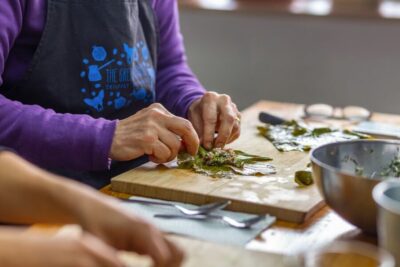
Food Market Visit and Cooking Class with Wine
Read our review →
Greek Cooking Class in Athens Including Rooftop Dinner with Acropolis View
Read our review →
Greek Small-Group Athens Cooking Class & Dinner
Read our review →
Greek Cuisine Cooking Class and 3-Course Dinner
Read our review →
Traditional Greek cooking class and lunch or dinner with an Acropolis view
Read our review →
Athens Greek Cooking Class Pita Gyros from Scratch with a Local
Read our review →Browse the lists this tour appears in