
Review · ATHENS COOKING CLASSES
Athens: Greek Souvlaki Pita Gyros Cooking Class with a Local
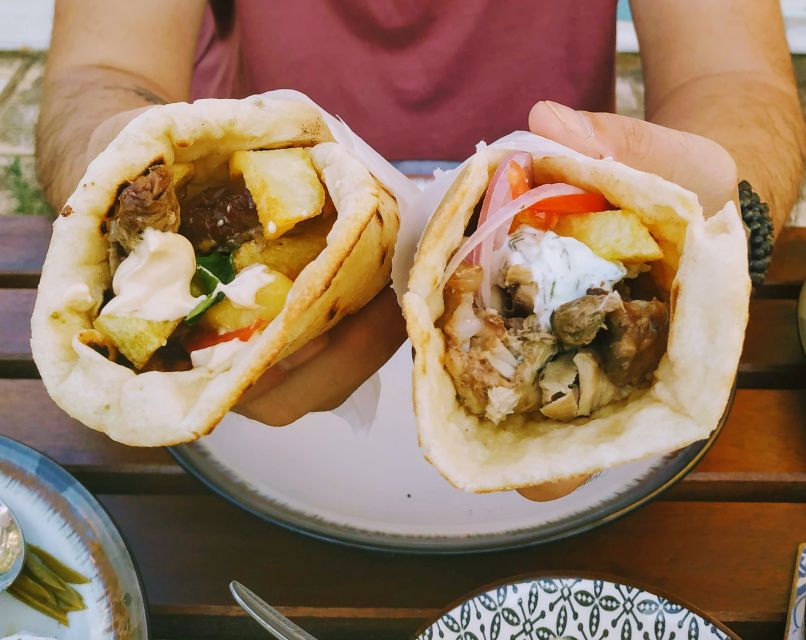
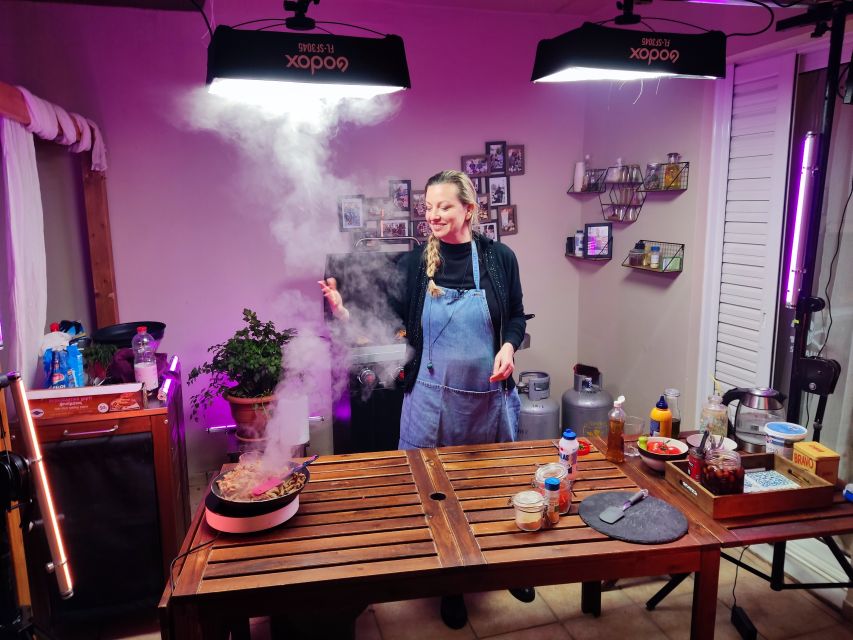
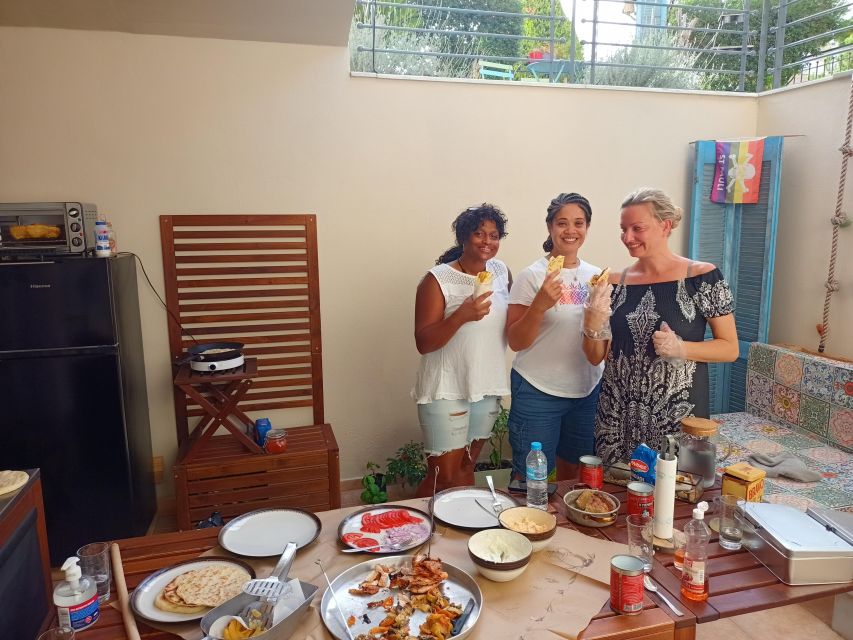
The best part of this Athens cooking class is that you do not simply watch someone prepare souvlaki. You make the pita dough, season the meat, and build the meal yourself, then sit down with Dionysia and her family to eat it. The setting is a cozy kitchen designed to feel like home, not a polished restaurant classroom.
I like two things right away: the chance to learn five different ways to season and cook gyros, and the practical Greek zero-waste ideas woven into the meal. The only real drawback is that the class is designed for people who can move around a kitchen comfortably, so it is not suitable for people with mobility impairments.
Key points to know before booking
- Pita starts from scratch: You prepare the dough for soft, pillowy flatbread rather than relying on packaged bread.
- Five gyro styles: Dionysia explains different seasoning and cooking approaches so you can adapt the recipe at home.
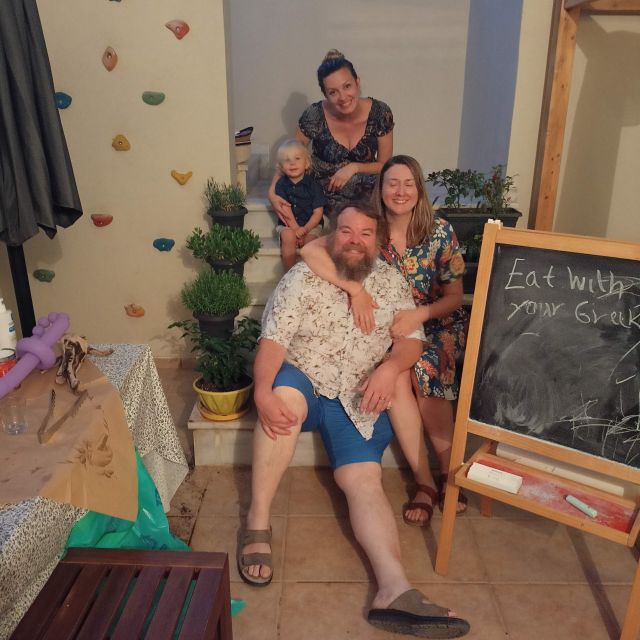
- A family-style setting: The class takes place in a home-like central Athens kitchen with Dionysia, her husband, and family.
- Food and drinks are unlimited: Come genuinely hungry, since the meal includes everything prepared during the class plus drinks from the fridge.
- Dessert finishes the meal: Depending on the session, you may prepare Patsabouropita or a Greek-style cheesecake.
- Recipes go home with you: The class is useful long after Athens because you receive the recipes for your own kitchen.
Making gyros in a central Athens kitchen
This three-hour experience begins in a cozy kitchen in central Athens. The idea is simple: leave formal dining-room manners at the door, take a drink, and settle into a shared cooking session with Dionysia and her family.
That casual tone matters. You are not being rushed through a list of demonstrations while someone else does the work. The class is built around conversation, practical tasks, and a meal you help create. Dionysia teaches in English, and the cooking is arranged so the instructions remain approachable even if you are not an experienced cook.
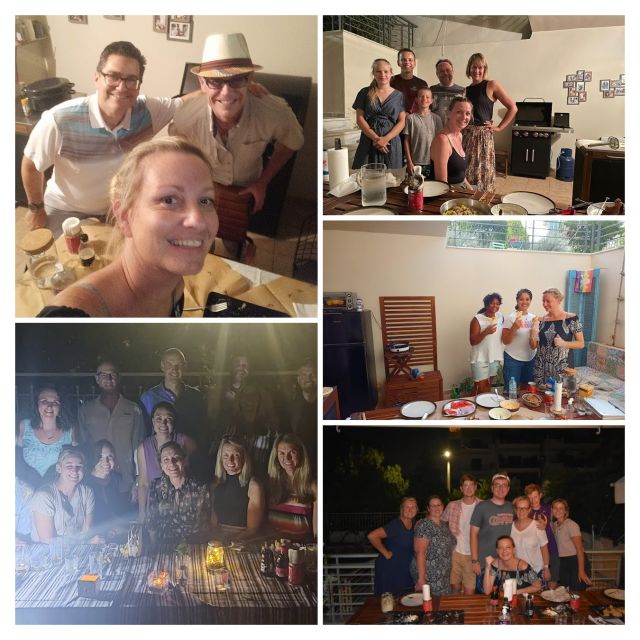
Her husband helps keep the session moving, and the family atmosphere is part of the appeal. One parent described the class as a good fit for a family of five, while another enjoyed taking part with a daughter. The tone also works well for couples and small groups who want an evening that feels more personal than another restaurant booking.
You should expect a relaxed kitchen rather than a formal culinary school. That means a little social flexibility is part of the experience. You may be chatting about Greek food, travel, recipes, and daily life as you work. If you prefer a quiet, tightly timed lesson, this may feel informal. If you like learning through conversation, it is a strong match.
More Greek Classes in Athens:
- Greek Cooking Class in Athens Including Rooftop Dinner with Acropolis View
★ 5.0 · 826 reviews - Greek Small-Group Athens Cooking Class & Dinner
★ 5.0 · 574 reviews - Athens: Greek Cooking Class & Dinner on a Rooftop
★ 5.0 · 383 reviews
Rolling the dough for soft Greek pita
The first major cooking task is making the pita bread. You prepare the dough from scratch, then learn how it becomes the soft, pillowy bread that holds the gyro filling.
This is one of the most useful parts of the class because pita is easy to take for granted. In Athens, it often arrives as the warm wrapper around a quick street-food meal. Here, you get to see the work behind it and learn a version you can try in your own kitchen.
Dionysia explains the process as you go, rather than leaving you with a recipe that assumes you already know the tricky parts. You can expect hands-on work with the dough and cooking equipment supplied by the hosts. The benefit is not just a fresh piece of bread at lunch or dinner. You gain a repeatable skill that can turn leftovers, vegetables, meat, or dips into another meal at home.
The class is also a good reminder that Greek street food is not separate from family cooking. Pita gyros may be quick to buy on the street, but the basic elements can be made with care at home. That connection between fast food and family food gives the lesson more meaning than a simple recipe demonstration.
Five ways to season and cook the gyros
After the pita comes the centerpiece: gyros. The class covers five different ways to season and cook them, giving you more than one fixed formula to copy.
That variety is valuable because it lets you adjust the dish to your own taste. You can learn how herbs, spices, cooking methods, and toppings change the final result. The class does not treat gyros as one rigid recipe. Instead, it shows you how to make the dish your own while keeping its Greek character.
You will work with fresh ingredients rather than pre-made components. The point is to prepare each part together, from the bread to the sauces and fillings. The exact balance of ingredients can be adjusted to suit your preference, which is useful if someone in your group likes a stronger seasoning or a lighter meal.
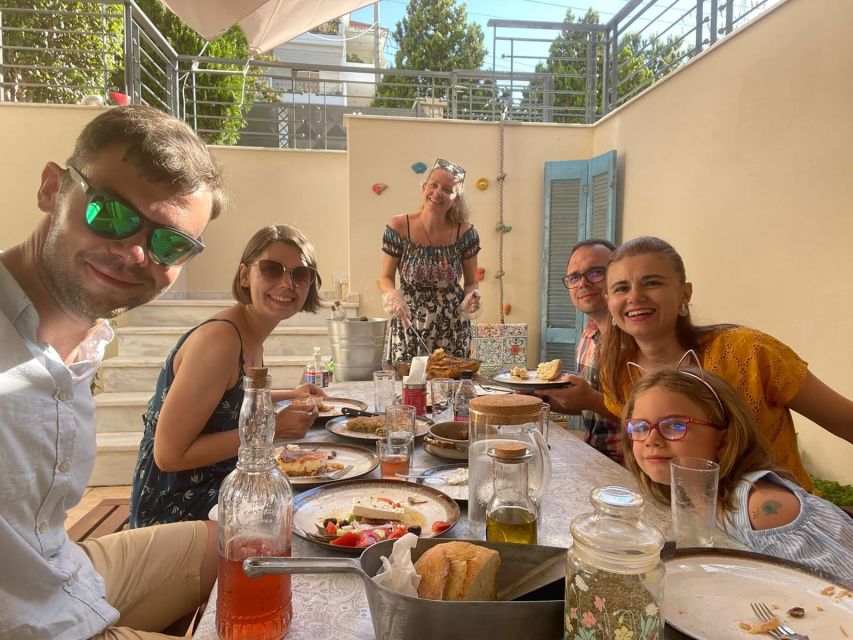
I also like that the food is served in the same place where you cooked it. Once the preparation is finished, you sit down and taste the results. You can assemble your pita to your liking, and the meal becomes a natural chance to compare the different gyro styles.
Come hungry. The experience includes unlimited food and drinks, and the class description specifically encourages you to eat as much as you can. This is not a small tasting plate followed by a separate dinner. It is intended to be a full meal.
Dips, dessert, and the meal at the end
Gyros need more than meat and bread, so the session includes dips and the other parts needed to complete the meal. The exact recipes are part of the hands-on instruction, making this more useful than simply learning one filling.
Dessert comes after the savory dishes. You may prepare Patsabouropita, a traditional Greek sweet, or a Greek-style cheesecake. Since the dessert can vary, you should treat this as a pleasant possibility rather than a fixed menu promise.
The final meal is where the class shifts from lesson to shared table. Dionysia talks about Greek traditions, family recipes, and food customs while you eat. Her personal recommendations for Athens are an added benefit, especially if this is early in your stay and you still want ideas for meals, neighborhoods, or local food stops.
Several specific details make the meal feel personal. One session included a Greek breakfast before the pita and gyro preparation, though you should not assume every booking includes that extra. Another took place on a cool, shaded cooking terrace during a hot summer day. The setting can vary, but the core experience remains the cooking class and shared meal.
The dessert and drinks also help explain the price. You are not paying only for a lesson. You are receiving a three-hour activity, a substantial meal, unlimited drinks, family hosting, ingredients, equipment, and recipes to use later.
More Cooking Classes in Athens:
- Athens: Classic Cooking Class with Market Visit and Wine
★ 5.0 · 1,101 reviews - Athens: Food Market Visit and Cooking Class with Wine
★ 4.9 · 1,087 reviews - Athens: Greek Cuisine Cooking Class and 3-Course Dinner
★ 4.8 · 270 reviews - Traditional Greek cooking class and lunch or dinner with an Acropolis view
★ 5.0 · 250 reviews
Greek hospitality with Dionysia and her family
The strongest feature here is the human side of the experience. Dionysia is described as kind, passionate, and easy to follow. She teaches without making the class feel stiff or intimidating, which is important if your kitchen skills are limited.
Her husband adds to the conversation and helps keep the cooking moving. The result is less like a lecture and more like being invited into a Greek home for a meal, even though the kitchen has been set up for public cooking sessions.
That family setting is particularly useful for families with children or teenagers. Hands-on tasks give everyone something to do, and the meal creates a clear reward at the end. Couples can also enjoy the relaxed pace, especially if they want a social evening rather than a formal cooking school.
You should still remember that this is a shared experience. The description does not promise a private class, so your session may include other people. That can be a benefit if you enjoy meeting others around food, but it may not suit you if you want one-on-one instruction or a fully private dinner.
English is the teaching language. The supplied information does not give a specific maximum group size, so you should check the available session details if group size is important to you.
Learning Greek zero-waste habits
The zero-waste element gives the class a practical edge. You learn not only how to prepare the food, but also how to think about using ingredients carefully and avoiding unnecessary waste.
This is not presented as a separate lecture. It is part of the way the hosts run the meal. If you do not eat something or cannot finish it, you may be able to take it with you. Leftovers can also be used by the family or donated, so food does not simply go into the bin.
That detail matters because the meal is generous. Unlimited food sounds appealing, but generous portions can easily create waste. The hosts’ approach keeps the promise of a plentiful meal while showing more care with what remains.
I find this especially useful for anyone interested in local food culture beyond recipes. The lesson connects cooking with household habits, family values, and everyday Greek life. It also gives you a way to make the recipes at home without buying a long list of special ingredients and discarding what you do not use.
Is $129 a good value for three hours?
At $129 per person, this is not the cheapest way to eat gyros in Athens. If your only goal is a quick pita and a drink, a street-food shop will cost far less.
The value changes once you count what is included. For three hours, you receive instruction, cooking equipment, fresh ingredients, hands-on preparation, unlimited food, unlimited drinks, dessert, conversation with a local family, and recipes to take home. You are paying for both the meal and the activity.
The price makes the most sense if you would otherwise book a cooking class, food tour, and substantial dinner separately. It is less compelling for someone who dislikes cooking or wants a short, inexpensive meal.
The recipes add lasting value. You can recreate the pita and gyros after returning home, and the five seasoning and cooking approaches give you room to experiment. If you cook for family or friends, the class can continue to pay off beyond your Athens stay.
I would also look at the timing of your trip. This is a three-hour commitment, so it works best on an evening when you are willing to give your attention to the kitchen. It is not an activity to squeeze between the Acropolis and a late dinner reservation.
Who will enjoy this class most?
I would recommend it most strongly to:
- Couples who want a relaxed evening with food and conversation
- Families looking for a hands-on activity that works across ages
- Home cooks who want recipes they can repeat
- Visitors who enjoy meeting a local family rather than only visiting restaurants
- Anyone who wants a filling meal as part of the activity
- People interested in Greek food customs and practical zero-waste habits
You do not need advanced cooking skills. The instruction is designed to be easy to follow, and the appeal comes from taking part rather than producing restaurant-perfect food.
I would be more cautious if you have mobility limits, since the activity is specifically listed as unsuitable for people with mobility impairments. You should also think twice if unlimited food and drinks do not appeal to you, or if you prefer a highly formal, quiet class.
Dietary needs are not explained in the supplied information, so ask before booking if you need substitutions or have allergies. The class includes several prepared components, and it is better to confirm what can be changed in advance.
Timing, meeting point, and booking details
The class lasts three hours, with starting times depending on availability. The meeting point is in central Athens, and pickup may be arranged if you contact the provider. Since the exact pickup terms are not given, treat this as a request rather than a guaranteed included transfer.
The instructor teaches in English. Cooking equipment is included, as are the food, drinks, and recipes. You should arrive ready to participate, and the most important practical tip is simple: bring a large appetite.
Cancellation is flexible up to 24 hours before the activity for a full refund. You can also reserve now and pay later, which helps if you are still adjusting your Athens plans.
Should you book this Athens souvlaki class?
Book it if you want a full evening of cooking, eating, and conversation, not just a quick lesson. Dionysia and her family provide the kind of personal setting that can make a familiar dish feel new, especially when you prepare the pita and gyro components yourself.
The class is a particularly good choice for families, couples, and curious home cooks. The unlimited meal, drinks, dessert, recipes, and zero-waste approach give the $129 price solid value when you treat it as both dinner and an activity.
Skip it if you want a budget meal, a private class, or an experience that requires little physical participation. For everyone else, this is a warm, practical introduction to Greek street food that leaves you with more than a full stomach. You leave with recipes, cooking ideas, and a better sense of how a simple pita gyro fits into Greek family life.
FAQ
How long does the Greek cooking class last?
The experience lasts three hours.
Where does the cooking class take place?
It takes place in a cozy kitchen in central Athens.
Who teaches the class?
Dionysia teaches the class with help from her husband and family. Instruction is in English.
What will I cook?
You will prepare pita dough from scratch, make pita bread, and learn five ways to season and cook gyros. The class also includes dips and a Greek dessert.
What dessert is included?
The dessert is either Patsabouropita or a Greek-style cheesecake, depending on the session.
Are food and drinks included?
Yes. Food and drinks are included without a stated limit, and the activity encourages you to eat as much as you like.
Do I receive the recipes?
Yes. Recipes are included so you can recreate the dishes at home.
Is the activity suitable for people with mobility impairments?
No. The activity is listed as unsuitable for people with mobility impairments.
Newest classes around Athens
- Private Walking Meze Cooking Course★ 5.0 · 6 reviews
- Greek Cooking Class with Acropolis View★ 5.0 · 76 reviews
- Cook with Katerina: Authentic Greek Home Cooking Class in Athens★ 5.0 · 15 reviews
- Private Greek Cooking Class in Athens-Learn to Cook with Angelina★ 5.0 · 3 reviews
- Hands On Greek Cooking Classes in Athens★ 5.0 · 7 reviews
- Athens: Traditional Vegan Cooking Class incl. Drinks★ 5.0 · 41 reviews
- Cooking Class in Athens: Learn the Art of Phyllo with Christina★ 5.0 · 24 reviews
- “Fetaverse” Private Cooking Class in Koukaki Athens★ 5.0 · 3 reviews
Athens Cooking Classes, compared.
Classic Cooking Class with Market Visit and Wine
Read our review →
Food Market Visit and Cooking Class with Wine
Read our review →
Greek Cooking Class in Athens Including Rooftop Dinner with Acropolis View
Read our review →
Greek Small-Group Athens Cooking Class & Dinner
Read our review →
Greek Cuisine Cooking Class and 3-Course Dinner
Read our review →
Traditional Greek cooking class and lunch or dinner with an Acropolis view
Read our review →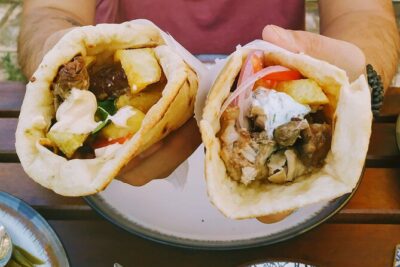
Athens Greek Cooking Class Pita Gyros from Scratch with a Local
Read our review →Browse the lists this tour appears in