
Review · SPAIN COOKING CLASSES
Alicante:Evening Spanish Tapas Cooking Class with Live Music
A plate of homemade tapas tastes better when you helped make it. At Bollitori, near Alicante’s Central Market, you’ll cook tortilla de patatas, gazpacho, bacon-wrapped dates, chorizo a la sidra, pork tosta with turrón sauce, and torrija with turrón ice cream, then sit down to eat the full meal.
I like the Central Market ingredients, which give the class a real connection to Alicante’s food culture. I also like the warm finish: a drink of your choice, including homemade sangria, and live Spanish guitar. The main thing to consider is group size. One recent class had about 14 people, so you may sometimes watch another person handle a cooking step rather than doing every task yourself.
Key points to know before booking
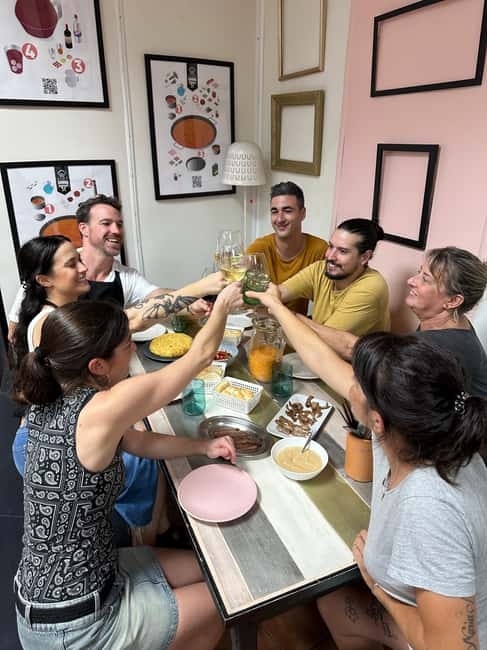
- A full tapas dinner is included: You cook and eat five savory dishes plus dessert, rather than preparing one small sample.
- The kitchen is close to the Central Market: Bollitori sits on Calle Manuel Antón, a short walk from the market and the sea.
- The menu covers sweet and savory Spanish classics: Expect tortilla, gazpacho, chorizo, bacon-wrapped dates, pork tosta, and torrija.
- Live guitar closes the evening: The music turns a practical cooking lesson into a relaxed Spanish night out.
- Small groups are possible, but not guaranteed: Some classes have had only two participants, while another had around 14.
- Dietary requests need advance notice: Vegetarian, gluten-free, and allergy-friendly versions are available when arranged ahead.
A Spanish evening that begins with a chopping board
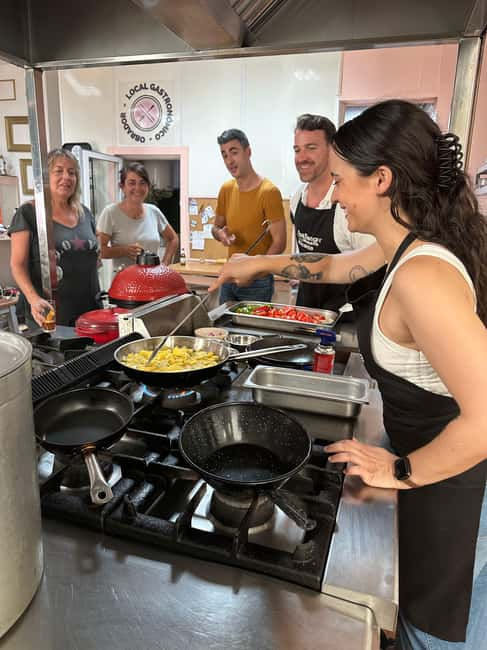
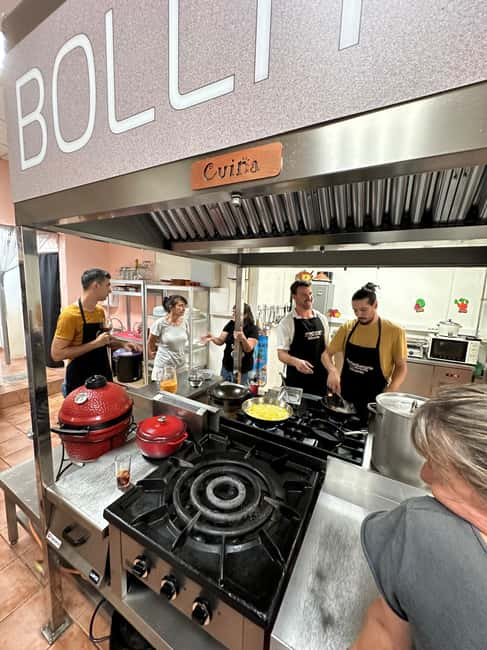
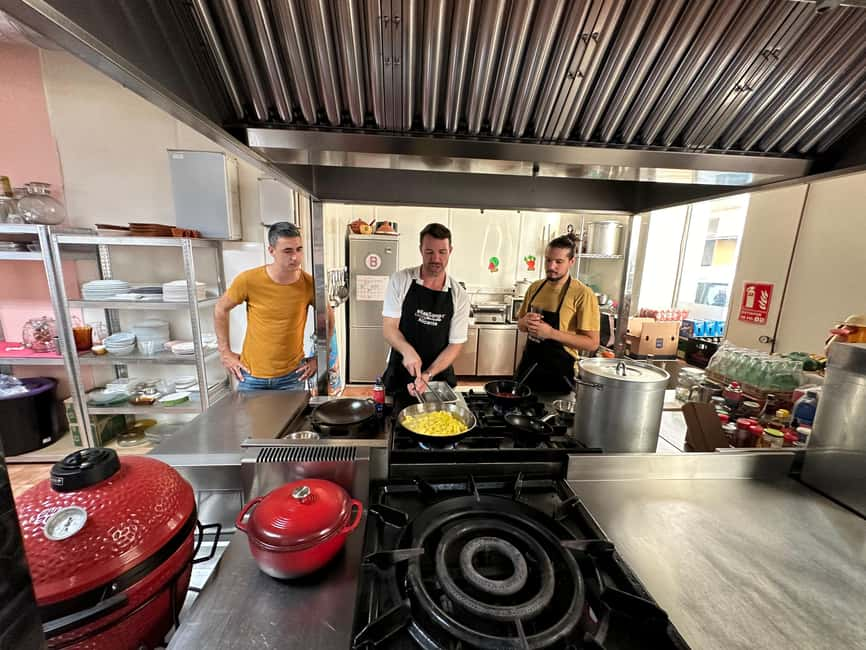
This is more than a recipe demonstration. You work with a local chef and host in a real restaurant kitchen, preparing food that people in Spain actually recognize and eat. The setting matters. You are not simply watching a polished show kitchen from a distance. You are handling ingredients, asking questions, tasting as you go, and learning how several familiar dishes fit into Spanish food culture.
The class lasts two hours, so the pace should feel active without taking over your entire evening in Alicante. You cook first, eat afterward, and finish with music. That order works well because you can focus on the practical work before settling in with a plate and a drink.
The class is offered in English and Spanish. One of the teachers, Fred, is also a musician, and his ability to connect the food with local stories and terms adds personality to the lesson. Your exact instructor may vary, but the experience is built around a local chef and a friendly host rather than a large commercial presentation.
More Paella and Spanish Classes in Spain:
- Barcelona: Paella Cooking Experience & Boqueria Market Tour
★ 4.8 · 3,661 reviews - Barcelona Paella Cooking Class with Market Visit, Tapas & Sangria
★ 5.0 · 2,531 reviews - Barcelona Interactive Spanish Cooking Experience
★ 4.5 · 2,155 reviews
Finding Bollitori near Alicante’s Central Market
The meeting point is Bollitori, at Calle Manuel Antón 19. It is only a few minutes from Alicante’s Central Market, making it easy to pair with a market visit earlier in the day.
There is one location detail worth taking seriously. Calle Manuel Antón is split by the La Lonja parking lot. If you are standing with the Central Market and the sea behind you, the venue is on the left side of the parking area, near Plaza Músico Óscar Tordera.
This is not a hotel pickup experience. You make your own way to the restaurant, so allow enough time to find the correct side of the street. The nearby market gives you a useful landmark, but the split road can cause confusion if you arrive in a hurry.
The venue is wheelchair accessible. You can also expect an apron, kitchen equipment, bottled still water, and all ingredients to be supplied.
Fresh market produce with a local point of view
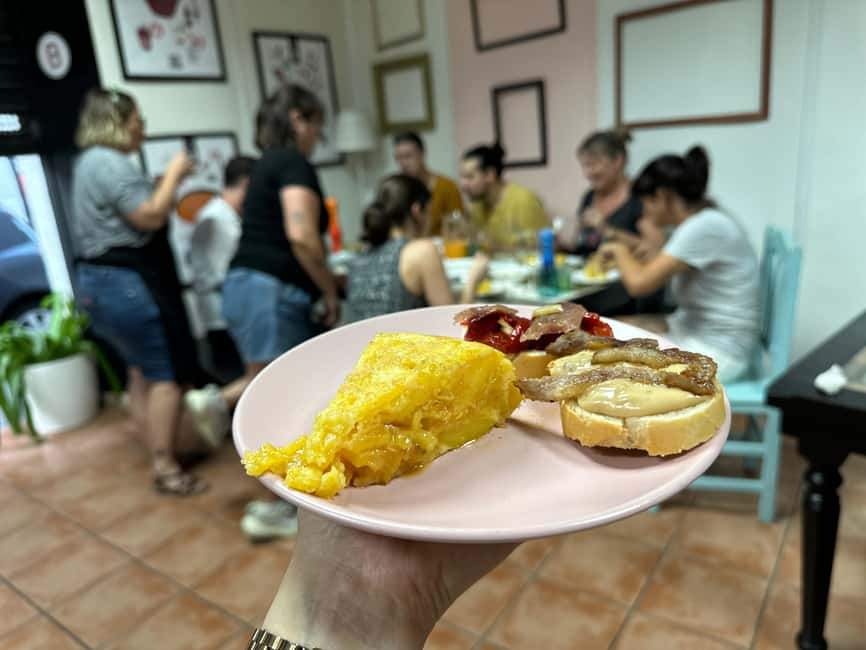
The ingredients come from Alicante’s Central Market, bought fresh that morning. That detail gives the class a stronger sense of place than a generic cooking lesson using supplies from a restaurant storeroom.
The market connection also helps explain Spanish cooking. Many tapas are not complicated in the technical sense. Their success depends on the quality of a few ingredients, sensible seasoning, and knowing when to stop cooking. A local chef can show you those small decisions in a way a printed recipe cannot.
You will prepare several dishes rather than spend the whole class perfecting one. That means you get a broad taste of Spanish cooking, though it also means the experience is not aimed at advanced culinary training. Think practical home cooking, shared food, and cultural context, not a professional kitchen course.
The menu: six dishes with very different flavors
More Live Music in Spain:
- Naxos: Family Farm-table Cooking, Kouros Tour & Live Music
★ 5.0 · 26 reviews
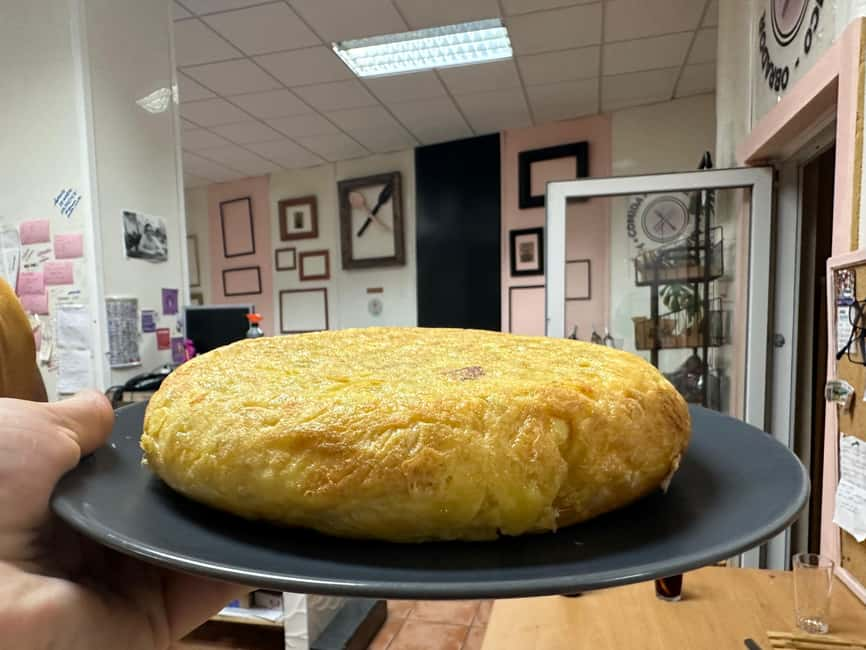
Tortilla de patatas
The Spanish omelette is one of the country’s most familiar dishes, made with potato and egg. It looks simple, but the timing and texture matter. In a class setting, you can watch how the chef handles the mixture and learn why this basic dish has such a firm place in Spanish cooking.
This is likely to be one of the hands-on moments of the evening, though the amount of work you personally do can depend on the size of the group. With 14 people, not everyone will be at the pan for every stage.
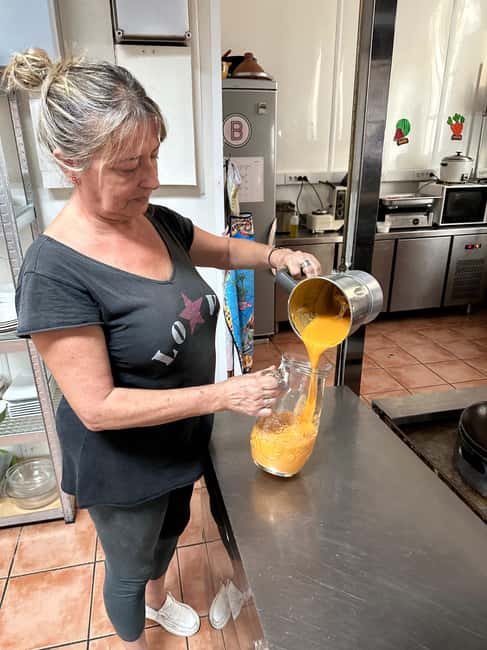
Gazpacho
Gazpacho brings a cool, fresh contrast to the warmer and heavier dishes. It also shows how Spanish cooking can turn basic market produce into something with plenty of character.
Because the menu includes both cooking and tasting, you get a chance to compare textures and temperatures across the meal. The gazpacho is not just another plate on the list. It keeps the dinner from feeling too rich from beginning to end.
Bacon-wrapped dates
This is a sweet and salty tapa with a straightforward appeal. The dates provide sweetness, while the bacon adds savory depth. It is the kind of small dish that works well in a group class because the preparation is easy to understand and the result is satisfying.
It also gives you a recipe that can be recreated at home without special equipment. The class provides copies of all the recipes, so you are not expected to remember every quantity and step.
Chorizo a la sidra
Chorizo cooked with cider brings a strong Spanish flavor to the table. It is more substantial than a light snack and fits naturally into a shared tapas dinner.
This dish is also a good reason to pay attention to the chef’s explanation, not just the ingredient list. You are learning how Spanish cooks use familiar products in simple combinations, with the cooking liquid adding another layer of flavor.
Pork tosta with turrón sauce
The pork tosta combines a savory base with a turrón sauce. Turrón is a Spanish almond and honey sweet traditionally linked with Christmas, so this dish gives the menu an unusual sweet and savory turn.
For me, this is one of the more distinctive plates in the lineup. It is not simply a standard international tapas item. The use of turrón connects the dish to Spanish pantry traditions and gives you a recipe that may be less familiar than tortilla or chorizo.
Torrija with turrón ice cream
Dessert is torrija, similar to French toast, served with turrón ice cream. It brings the same Spanish angle as the pork tosta, but in a more familiar sweet form.
Ending with torrija makes sense after a meal of small plates. You get something soft, sweet, and comforting, with the turrón adding a local touch. Since dessert is included, the $42 price covers a complete evening meal rather than just the instruction.
How the two-hour class works
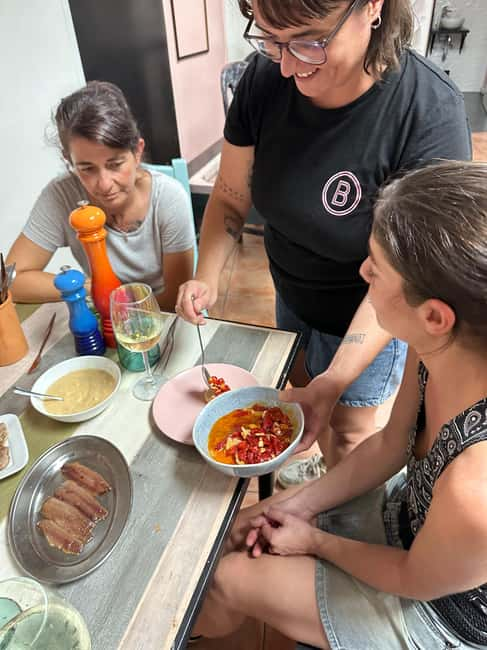
The evening begins with the cooking session. Your chef and host guide the group through the recipes, explain the ingredients, and share stories about the dishes and local food customs.
You should expect a communal format. Some parts may be split among participants, and the group may gather around to watch one person complete a particular step. In a smaller class, you may receive more direct attention. Two people once had the class almost to themselves, while another session had roughly 14 participants.
That variation is important. If your main goal is to practice every technique yourself, ask about the expected group size when booking if that information is available. If you are happy to learn by watching, helping where assigned, and eating with a social group, the format should work well.
Once the food is ready, you sit down together for the dinner. You receive one drink, with choices including wine, beer, a soft drink, or sangria. Homemade sangria is available as one of the options, while extra alcoholic drinks cost more.
The class includes bottled water throughout. That small detail is useful during an evening built around several dishes and a drink.
Live guitar gives the meal its final note
The cooking ends with live Spanish guitar music. This is a smart part of the evening because it lets you stop concentrating on knives, pans, and timing. You can simply eat, talk, and listen.
The music also gives the experience a stronger sense of occasion. Without it, the activity would be a useful cooking lesson and dinner. With it, the evening becomes a small cultural outing. The musician connected with the class may also be one of the people who teaches you, as Fred is both a chef and a band musician.
The venue can feel cool in the evening. In one class, the shutters were left open and the room felt chilly. I would bring a light jacket, especially in winter or on a cooler night. It is a minor point, but comfort matters when you are sitting through dinner and music after working in the kitchen.
Is $42 a fair price?
At $42 per person, the price is reasonable for what is included. You get two hours with a chef and host, all ingredients, kitchen equipment, an apron, a full dinner of five savory dishes and dessert, water, one drink, live music, and the recipes to take home.
The value is strongest if you would otherwise pay for dinner and a separate evening activity. This experience combines both. It also gives you something to do with your food instead of simply ordering it.
It is less compelling if you want a serious, highly technical cooking course. The group format means you may not personally prepare every part of every dish, particularly when around 14 people attend. You are paying for a shared cultural evening as much as for hands-on instruction.
The reserve-now-and-pay-later option can help if you are arranging an Alicante itinerary in advance. You can cancel for a full refund up to 24 hours before the class, which gives you some room to adjust plans.
Who will enjoy this Alicante activity?
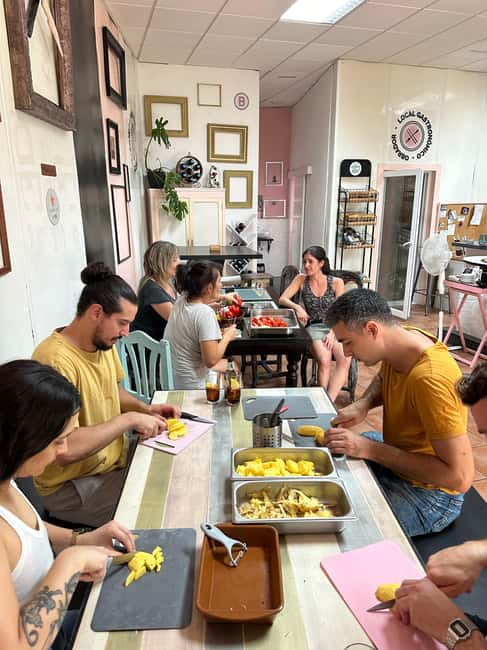
I would recommend the class to couples, solo visitors who like meeting people, families with an interest in food, and anyone who wants an evening that feels more local than a standard restaurant meal.
It is especially well suited to you if:
- You enjoy learning by doing, even when the group shares tasks.
- You want to taste several Spanish dishes in one sitting.
- You like cultural activities with a social side.
- You want recipes you can make after returning home.
- You appreciate live music as part of a meal.
- You need vegetarian, gluten-free, or allergy-friendly options and can arrange them in advance.
It may be less suitable if you dislike group activities or want full control of every cooking step. The class is also not the best choice for someone looking only for a quick tasting, since the experience involves preparation, dinner, and music.
Practical tips for a better evening
Arrive with enough time to find Bollitori. The split section of Calle Manuel Antón is the main navigation trap, so use the Central Market and La Lonja parking lot as reference points.
Bring a light jacket if the evening is cool. The cooking space may have open shutters, and you will spend part of the experience seated for dinner and music.
Tell the provider about dietary needs in advance. Vegetarian, gluten-free, and allergy-friendly options are available, but they need to be arranged before you arrive.
Come hungry, but not so hungry that you rush the cooking. The point is to prepare several dishes, hear the stories behind them, and enjoy the meal at an easy pace.
If you want more individual practice, ask about the likely group size. A two-person session can feel almost private, while a larger group may mean more watching and less direct work.
Should you book the tapas class?
Book this if you want a friendly Alicante evening that combines food, instruction, dinner, and live guitar. The Central Market ingredients, the six-dish menu, and the recipes to take home give the experience more substance than a simple tasting.
I would choose it for a couple’s night out, a relaxed first evening in Alicante, or a break from sightseeing. I would hesitate only if you need a fully hands-on culinary lesson with individual attention throughout. For most people seeking good food and a genuine social connection at a sensible price, this is a strong choice.
FAQ
Where does the cooking class take place?
It takes place at Bollitori, a restaurant at Calle Manuel Antón 19 in Alicante, a few minutes’ walk from the city’s Central Market.
How do I find the correct location on Calle Manuel Antón?
Calle Manuel Antón is split by La Lonja parking lot. With the Central Market and the sea behind you, the venue is on the left-hand side of the parking area, near Plaza Músico Óscar Tordera.
How long does the activity last?
The cooking class and evening experience last two hours.
What food will I prepare?
You will prepare tortilla de patatas, gazpacho, bacon-wrapped dates, chorizo a la sidra, pork tosta with turrón sauce, and torrija with turrón ice cream.
Is dinner included?
Yes. You eat the homemade tapas you prepare, including five savory dishes and dessert.
What drink is included?
One drink is included. You can choose from wine, beer, a soft drink, or sangria, including homemade sangria when available as an option.
Is live music part of the experience?
Yes. The evening ends with a live Spanish guitar performance.
Are vegetarian or allergy-friendly options available?
Yes. Vegetarian, gluten-free, and allergy-friendly options are available when requested in advance.
What languages are spoken during the class?
The class is offered in English and Spanish.
Is the venue wheelchair accessible?
Yes. The activity venue is wheelchair accessible.
More Evening Classes in Spain
- Valencian Paella Cooking Class, Tapas & Sangria – Evening
★ 5.0 · 303 reviews - Evening Spanish Tapas Cooking Class with Live Guitar Music
★ 4.5 · 20 reviews - Barcelona Evening Cooking Class: 5-Course, 3 Paellas & Cava
★ 3.8 · 5 reviews - Chiang Mai: Evening Cooking Class and Local Market Visit
★ 4.9 · 648 reviews
Newest classes around Spain
- Pintxos and Tapas Cooking Class in Bilbao★ 5.0 · 38 reviews
- Basque Pintxos and Tapas Cooking Class in Bilbao★ 5.0 · 73 reviews
- Small-group Immersive Basque Cooking Class in Bilbao with Open Bar★ 5.0 · 65 reviews
- Paella and Burnt Basque Cheesecake Cooking Class (in Bilbao)★ 5.0 · 46 reviews
- Rooftop Paella Seafood Cooking Class Experience in Barcelona★ 5.0 · 59 reviews
- Private Authentic Paella Cooking Class in Barcelona with Josh★ 5.0 · 3 reviews
- Barcelona Tapas Cooking & Cocktail Class with Veronique & Mattias★ 5.0 · 3 reviews
- Premium Paella & Tapas Feast: Unlimited Wine & Rambla Views★ 5.0 · 13 reviews
Spain Cooking Classes, compared.
Paella Cooking Experience & Boqueria Market Tour
Read our review →
Barcelona Paella Cooking Class with Market Visit, Tapas & Sangria
Read our review →
Barcelona Interactive Spanish Cooking Experience
Read our review →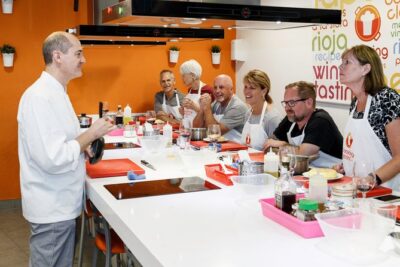
Spanish Cooking Class Paella Tapas and Sangria in Madrid
Read our review →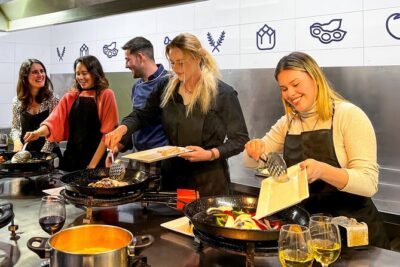
Paella Cooking Class, Wine Tasting & Central Market in Valencia
Read our review →
Paella Cooking Class in Madrid with Bottomless Wine Pairing
Read our review →
Valencian paella cooking class, tapas and visit to Ruzafa market.
Read our review →Browse the lists this tour appears in