
Review · INDONESIA COOKING CLASSES
Gili air: Kaktus traditional cooking class
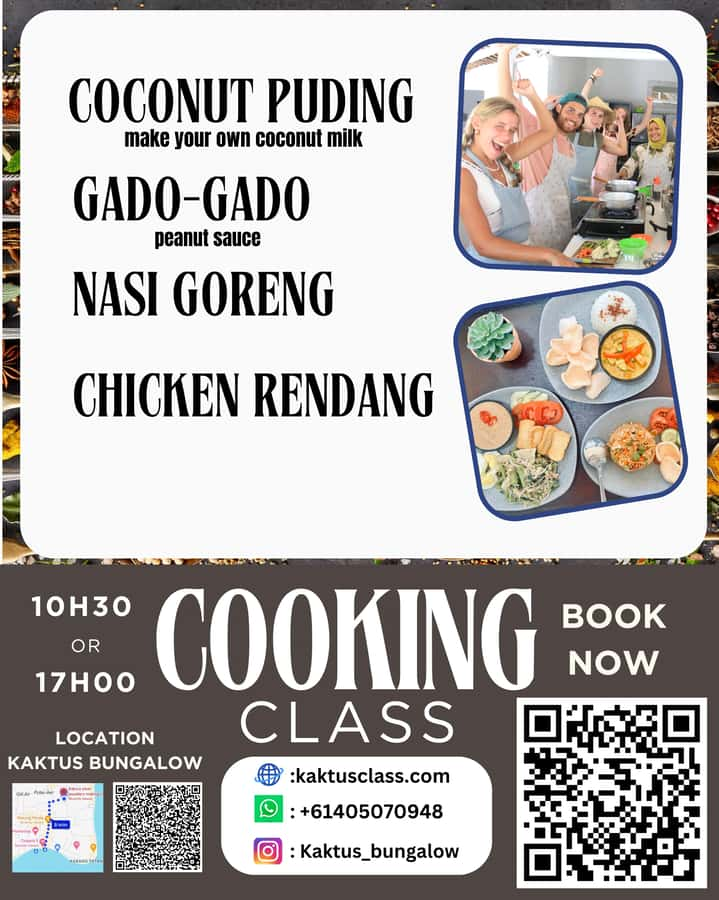
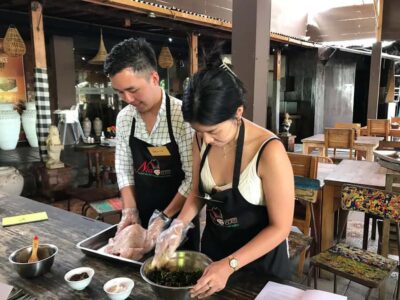
The best part of Kaktus Traditional Cooking Class is its hands-on look at everyday Indonesian cooking. You make coconut milk from fresh coconut and use a traditional cobek, a mortar and pestle, to prepare peanut sauce. This is not just a quick recipe demonstration. You work through the steps and then eat the results.
I like the patient, friendly teaching, especially from instructors such as Kai, Sas and Brice. I also like the tiny group size, limited to two participants, which gives the class a personal feel. The main consideration is that the exact menu may vary, so you should not assume every dish will appear in every session.
Key points to know before booking
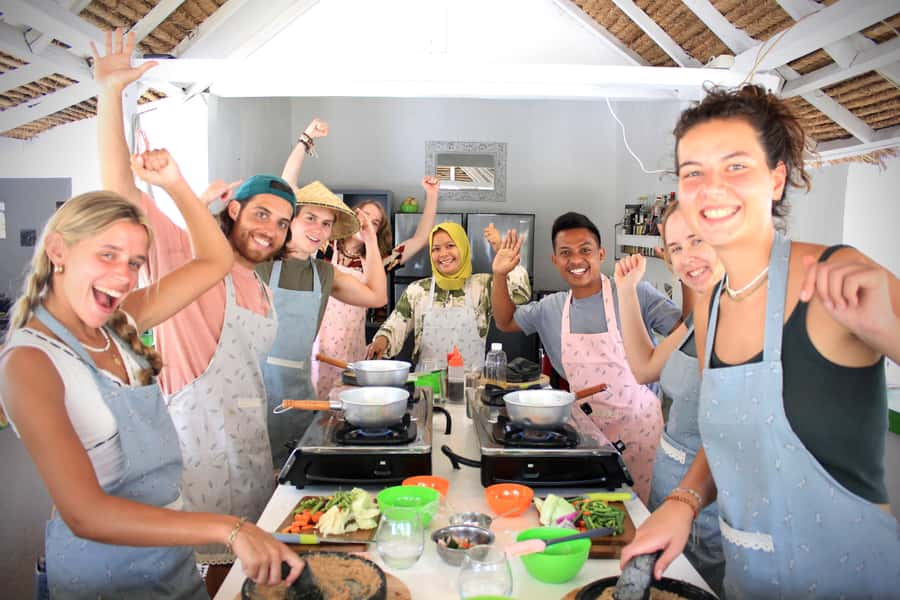
- Fresh coconut milk: Learn how coconut is turned into milk rather than starting with a packaged ingredient.
- Traditional cobek technique: Grind peanuts and seasonings by hand for a sauce with a proper Indonesian character.
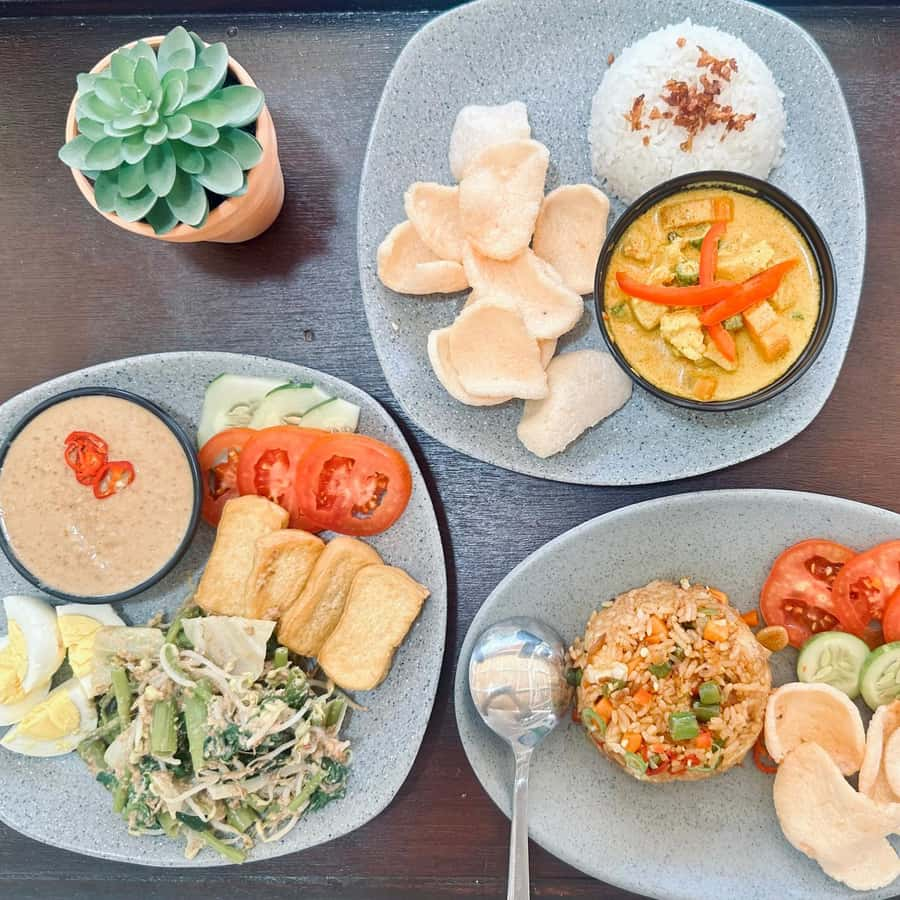
- Several dishes in two hours: Menus can include nasi goreng, chicken rendang, gado-gado, lalapan and bubur sum sum.
- Very small group: The class is limited to two participants, making it useful for hands-on help and questions.
- Generous meal afterward: You eat the food you prepare, and portions may be large enough to leave some for later.
- Recipes for home: Some sessions provide digital recipes and methods, so you can repeat the dishes after returning home.
Why this Gili Air cooking class is worth your time
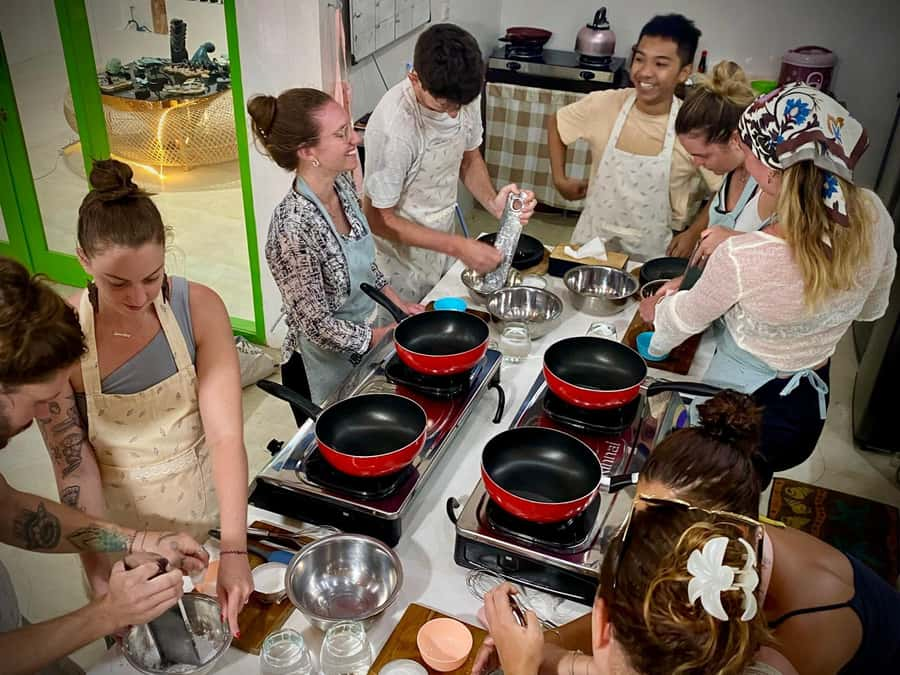
Gili Air is easy to enjoy at a slow pace. You can swim, sit by the water and eat well without filling every hour with planned activities. Kaktus gives you a useful change of rhythm: two hours of cooking, conversation and a proper meal.
The class also gives you a closer look at Indonesian food than simply ordering a plate at a café. You learn how ingredients are handled, how sauces are built and why freshly prepared coconut and ground spices matter. That practical background can make the rest of your meals in Indonesia more interesting.
At $27 per person, the price is fair for a two-hour activity that includes ingredients, fresh water and the meal you prepare. You are paying for instruction as well as food. Since the group is limited to two people, the cost also buys a more personal lesson than a large demonstration class.
The strongest value comes if you plan to cook the dishes at home. The class is not only a meal. It gives you methods you can use again, including the preparation of coconut milk and peanut sauce. Some sessions also provide a digital copy of the recipes and methods.
More Cooking Classes in Indonesia:
- Ubud: Balinese Cooking Class at an Organic Farm
★ 5.0 · 1,786 reviews - Ubud Cooking Class Bali with Balinese Chef
★ 5.0 · 1,609 reviews - From Ubud: Authentic Cooking Class in a Local Village
★ 4.9 · 1,325 reviews
Starting with coconut and the basics of Indonesian flavor
One of the most interesting tasks is making coconut milk from a fresh coconut. It is a small lesson, but it explains a lot about Indonesian cooking. Coconut milk is used to add body and a gentle sweetness to many dishes, and starting from fresh coconut connects the finished food to the ingredient itself.
You can expect the instructors to take their time with this part. The class places value on the process, not just on getting food onto the plate quickly. If you enjoy learning small kitchen techniques, this is likely to be one of the most memorable parts.
The focus on fresh ingredients also keeps the session grounded in home-style cooking. You are not simply mixing premeasured powders or watching a chef work alone. You take part in the preparation and see how separate ingredients become a finished dish.
The information provided does not specify the exact equipment or every step used for the coconut. For that reason, treat this as a practical introduction rather than a formal professional cooking course. You will learn the idea and method, then use it as part of the larger meal.
Grinding peanut sauce in a traditional cobek
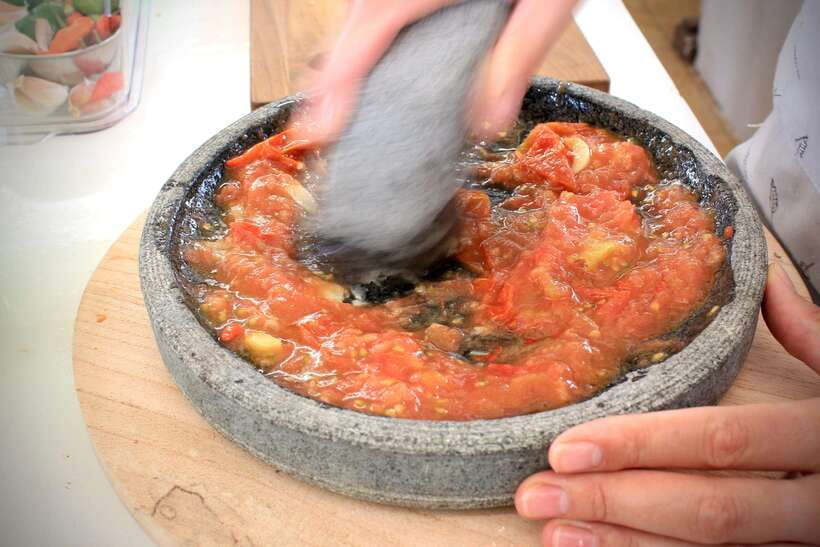
The cobek is a traditional Indonesian mortar and pestle. Kaktus uses it to make peanut sauce, one of the clearest examples of how simple ingredients can gain character through hand preparation.
You work the ingredients together rather than relying on a blender. That takes a little effort, but it lets you see how the texture changes and how the seasonings combine. The process also gives the sauce a more direct connection to traditional Indonesian kitchen practice.
Peanut sauce is especially useful because it pairs with several familiar Indonesian dishes. It may be served with vegetables or other prepared foods, and it is part of the appeal of dishes such as gado-gado. The class gives you a way to understand the sauce instead of treating it as an unexamined side dish.
I would pay attention to the instructor’s comments here. The balance of sweetness, salt, spice and texture can change the whole meal. With only two participants, you should have a good chance to ask how to adjust the sauce when making it at home.
Nasi goreng and chicken rendang on the menu
Nasi goreng is among Indonesia’s best-known dishes, and the class includes guidance on preparing it. Learning it in a cooking class is useful because the dish looks simple but depends on timing, seasoning and the way ingredients are combined.
You also prepare chicken rendang curry, described as full of flavor and strong color. Rendang is a slower, more heavily seasoned dish than a basic fried rice, so making it alongside nasi goreng gives you a good contrast. One is familiar, quick and rice-based. The other centers on a richly seasoned curry preparation.
The supplied menu information also names gado-gado, lalapan and bubur sum sum in different sessions. Gado-gado is a vegetable dish commonly paired with peanut sauce. Lalapan brings another traditional Indonesian meal into the mix, while bubur sum sum offers a sweet finish.
You may prepare three or four dishes, depending on the class menu. One session included two main meals and a pudding, while another produced three courses. This variety is a plus, but it also means you should ask about the day’s dishes if one particular recipe matters to you.
Same region, a different dish to learn:
- Ubud: Cooking Class with Transfers and Optional Market Visit
★ 4.9 · 824 reviews - PRIVATE Authentic Balinese Cooking Class in Ubud at Putu’s Home
★ 5.0 · 644 reviews - Balinese Ubud cooking school (9 Dish Cooking and Market Tour)
★ 5.0 · 540 reviews - Ubud: Balinese Cooking Class and Market Tour
★ 4.8 · 531 reviews
A generous meal, not just a cooking demonstration
At the end, you eat what you have prepared. This makes the class feel complete. You have handled the ingredients, followed the cooking steps and can taste how the separate parts work together.
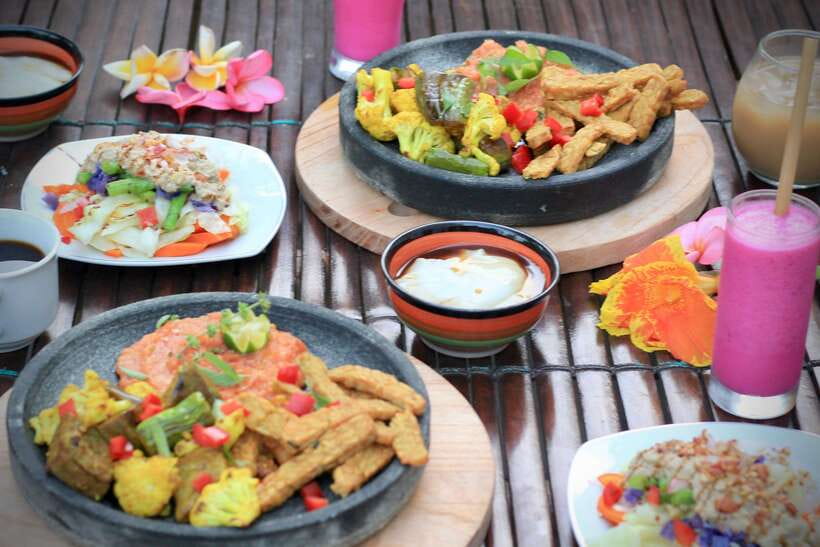
Portions appear generous. One class produced more food than the participants could finish, with leftovers taken away. That is good value for a $27 activity, though you should arrive ready for a substantial meal rather than a small tasting menu.
The food is also a useful way to judge your own preferences. You can taste the spice, coconut, peanuts and seasoning in context. If you are curious about Indonesian food but usually order familiar dishes, this gives you several ways to try something new in one sitting.
Do not expect a restaurant-style service sequence. The meal is the result of your work, and that is the point. The pleasure comes from understanding what went into it and sharing the finished dishes in a relaxed setting.
Instructors who make the class feel personal
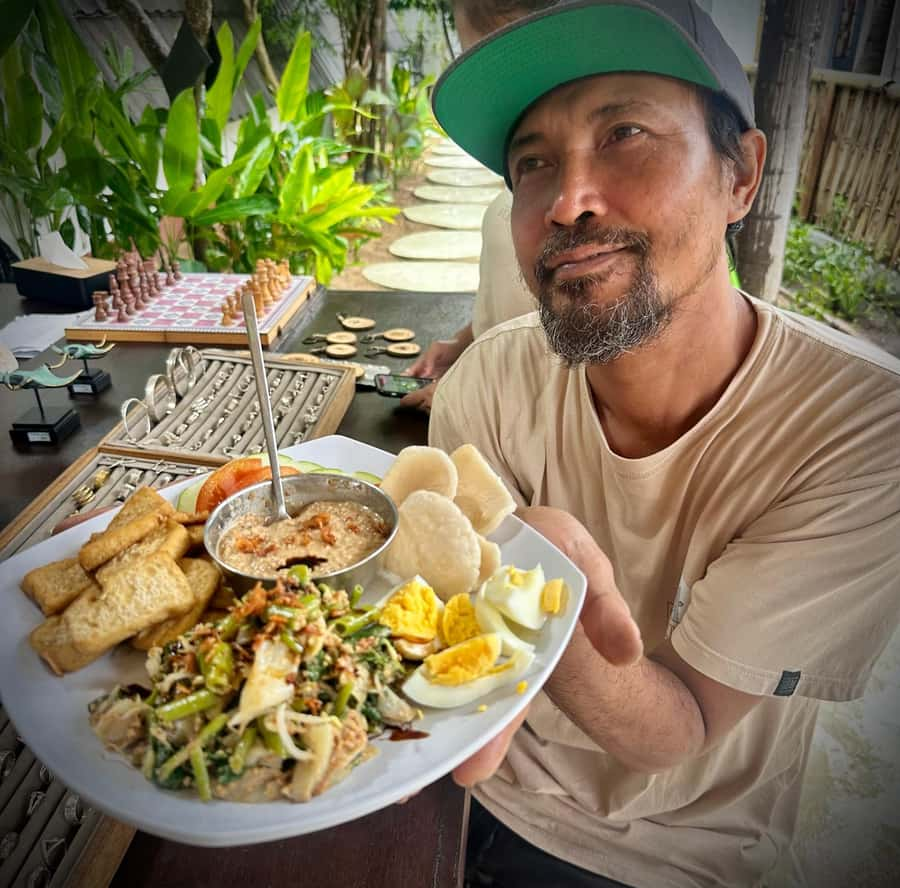
The teaching is one of the class’s strongest features. Kai is described as helpful, entertaining and clear, and one participant specifically appreciated receiving the recipes afterward. Sas was praised for being kind and gentle when a participant was not feeling well.
Brice is also named as a friendly instructor who explains the steps with patience. Other sessions describe a young, friendly chef who spoke clearly and guided the group through three dishes. The names and staff may change, but the pattern is consistent: the class is designed around direct help rather than a distant demonstration.
That matters in a cooking class. You may need help with the cobek, want to check a texture or wonder when to add an ingredient. A patient teacher can make the difference between feeling lost and leaving with a method you can repeat.
The class is conducted in English. You should be able to follow the instructions and ask questions in English, which makes the experience practical for international visitors. The relaxed tone also suits Gili Air. It is friendly and informal rather than stiff or overly technical.
The small-group format and the daily timing
The group is limited to two participants. This is unusually small and gives the class a near-private feel. You can expect more direct contact with the instructor and less waiting while other people take their turn.
A two-person format is especially useful when working with a cobek or handling several dishes at once. You can ask for help without stopping a large group, and the instructor can adjust the pace when needed.
The class lasts two hours. That is long enough to cover several dishes but short enough to fit into a day of swimming, walking or relaxing on Gili Air. One useful tip from the experience is to choose a daytime session if you want an active break from the pool.
The exact starting time depends on availability. Since the class includes cooking and eating, leave some room around it rather than scheduling another activity immediately afterward. The food portions can be generous, and you may want time to enjoy the meal without rushing.
Clean, relaxed facilities with practical inclusions
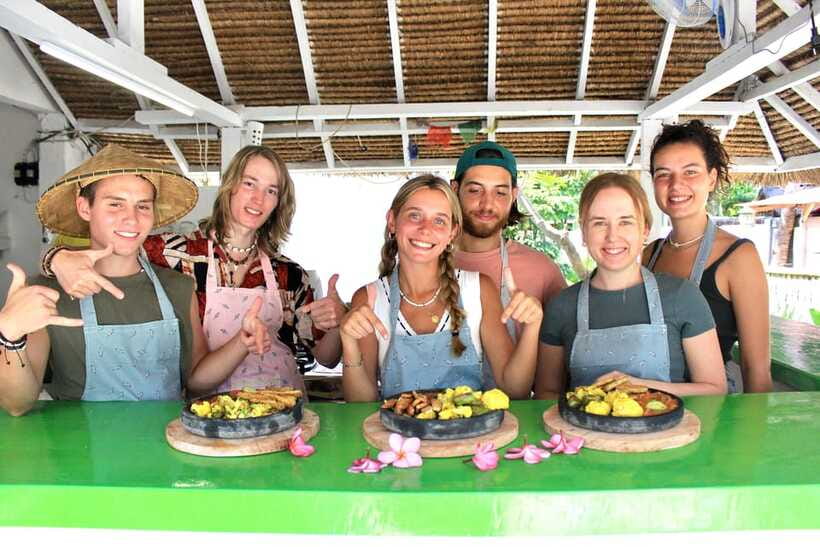
The class includes ingredients, fresh water, toilets and the food you prepare. These are basic inclusions, but they matter during a hands-on activity. You do not need to arrange your own ingredients or worry about finding a meal afterward.
The setting is described as clean, tidy, open and relaxed. That is important when you are handling food and spending two hours at a work station. The atmosphere is casual, with the focus on cooking rather than ceremony.
The activity is listed as wheelchair accessible. If access details are important for your needs, you should still confirm the arrangements when booking, since the available information does not describe the exact layout or any specific adaptations.
The class has no stated transport inclusion. Plan to make your own way to the activity location in Gili Air. The booking information also does not list hotel pickup, so do not assume that transfer is part of the $27 price.
Who will enjoy Kaktus Traditional Cooking Class
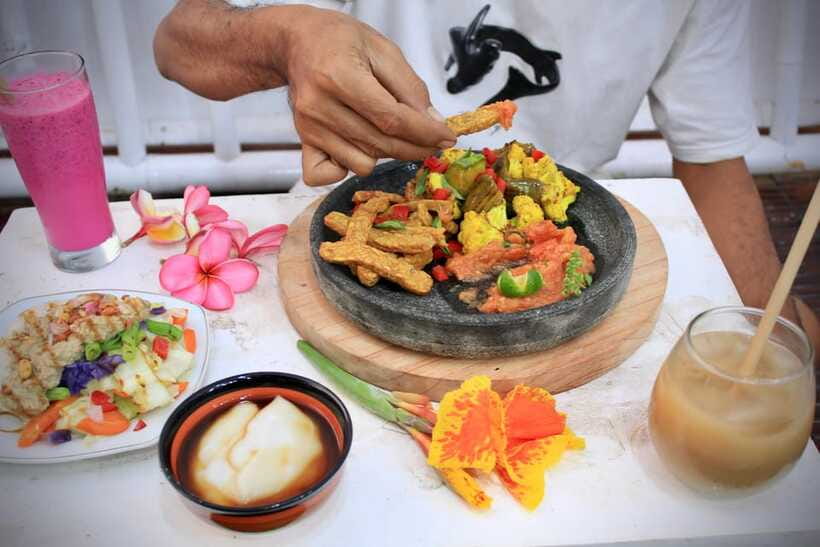
I would recommend this class to anyone who wants a useful cultural activity between beach time and meals out. It works well for couples, friends and solo visitors who like learning by doing.
It is especially suitable for:
- First-time visitors to Indonesia: You get an introduction to several familiar local dishes and cooking methods.
- Home cooks: The recipes, coconut preparation and cobek technique can be repeated at home.
- Food-focused visitors: You taste several dishes and learn how they are made.
- People who prefer small groups: The limit of two participants keeps the session personal.
- Visitors needing a rainy-day plan: The two-hour format gives you a structured indoor activity.
- Those who cannot sit still all day: A daytime class breaks up long hours beside the pool.
It may be less suitable if you want a formal chef-led course with a fixed menu, advanced knife skills or a long professional lesson. The emphasis is on traditional home-style cooking, friendly guidance and enjoyment, not culinary certification.
Booking, cancellation and value
At $27 per person, I see this as a solid midrange activity for Gili Air. The price includes ingredients and food, so you receive both a lesson and a meal. The small group makes the cost easier to justify, particularly if you value personal instruction.
You can cancel up to 24 hours in advance for a full refund. You can also reserve now and pay later, which helps if your island plans are still shifting. These terms are useful on a trip where weather, ferry schedules and changing plans can affect your day.
The rating is 5 out of 5 from 92 reviews, and the praise centers on the same practical strengths: friendly teachers, clear instruction, tasty food, generous portions, a clean setting and a relaxed atmosphere. I would give the most weight to the repeated comments about the instructors and the chance to recreate the recipes at home.
Should you book it?
Book Kaktus Traditional Cooking Class if you want to do more than eat Indonesian food. For $27, you prepare several dishes, learn fresh coconut and cobek techniques, and sit down to eat the result in a small English-language class.
Ask about the exact menu before you go, especially if you want nasi goreng, chicken rendang, gado-gado or a dessert. The dishes can vary. If you enjoy relaxed teaching, generous food and recipes you can use at home, this is one of the better ways to spend two hours on Gili Air.
FAQ
How long does Kaktus Traditional Cooking Class last?
The cooking class lasts two hours.
How much does the class cost?
The price is $27 per person.
How many people can join the class?
The group is limited to two participants.
What language is the class taught in?
The instructor teaches in English.
What dishes might I prepare?
The class can include nasi goreng, chicken rendang, gado-gado, lalapan and bubur sum sum. The exact menu may vary by session.
Is food included?
Yes. Ingredients and the food you prepare are included, along with fresh water and access to toilets.
Can I cancel the booking?
Yes. You can cancel up to 24 hours in advance for a full refund. You can also reserve now and pay later.
Newest classes around Indonesia
- Pure Bali Village Experience, Cooking & Jamu Class+VIP Transfer★ 5.0 · 16 reviews
- Spice Garden, Jamu & Cooking Class in Bali Village★ 5.0 · 5 reviews
- The Authentic Balinese Cooking Experience★ 5.0 · 4 reviews
- Seminyak : cooking class traditional food bali★ 5.0 · 5 reviews
- Seminyak: Vegetarian Cooking Class★ 5.0 · 3 reviews
- Quad ride, waterfalls & aunthentic cooking class in munduk★ 4.9 · 53 reviews
- Pure Bali Village Experience Cooking & Jamu Class, Transfer★ 4.8 · 5 reviews
- Ubud: Organic Farm Harvest, Bali Cooking Class by Pemulan★ 4.8 · 12 reviews
Indonesia Cooking Classes, compared.
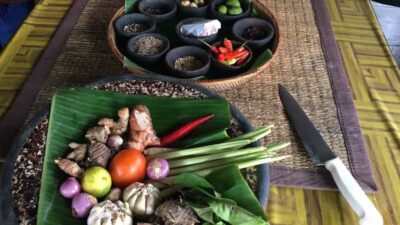
Cooking Class with Transfers and Optional Market Visit
Read our review →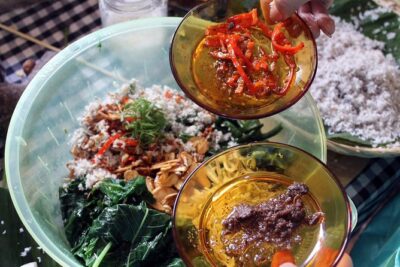
PRIVATE Authentic Balinese Cooking Class in Ubud at Putu’s Home
Read our review →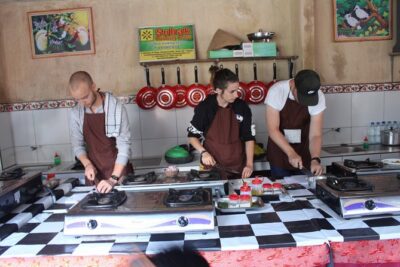
Balinese Ubud cooking school (9 Dish Cooking and Market Tour)
Read our review →
Browse the lists this tour appears in