
Review · INDONESIA COOKING CLASSES
From Garden to Table: Indonesian Cooking Class in Yogyakarta
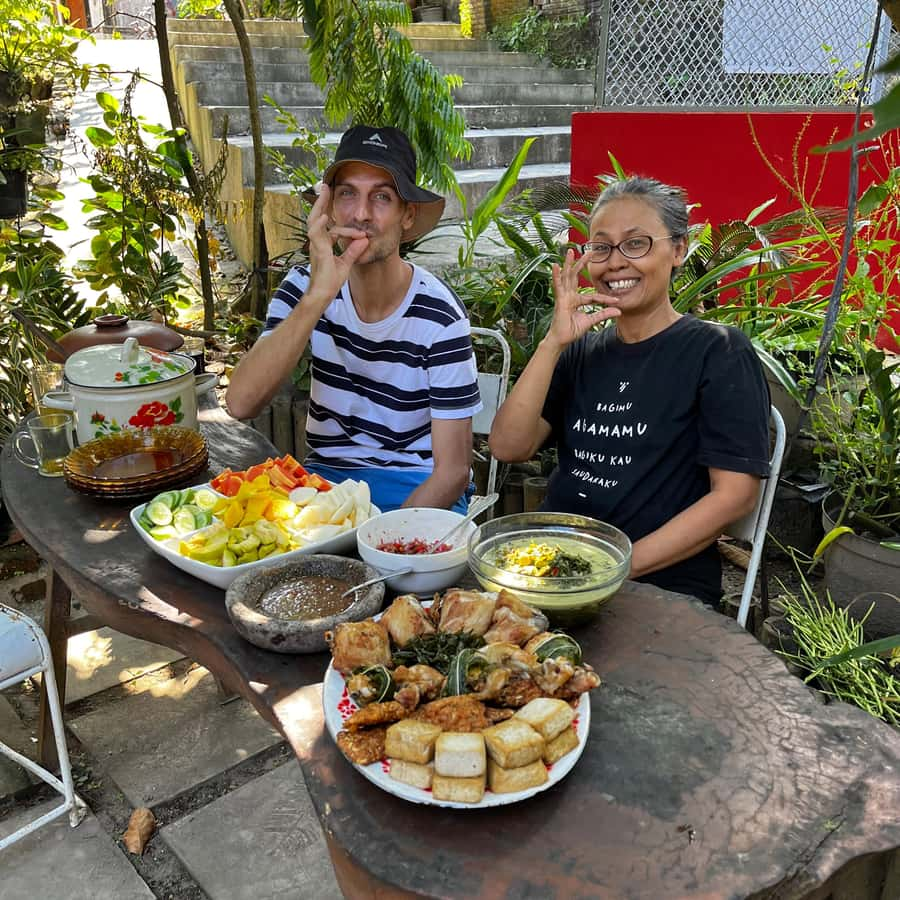
The most memorable part of this Yogyakarta cooking class happens before the stove is lit. You walk into Endah’s garden, pick herbs and other fresh ingredients, then learn how each plant fits into Javanese cooking. I like that the meal begins at the source, not with a tray of pre-measured ingredients. I also like the warm family setting, where cooking comes with conversation, cats, homemade drinks, and plenty of food.
The main consideration is that this is a home-style class, not a polished demonstration kitchen. One participant found the cooking sequence a little hard to follow because ingredients for several dishes were prepared at once. The space is not air-conditioned, so bring a small personal fan if you feel the heat easily.
What makes this Yogyakarta cooking class special
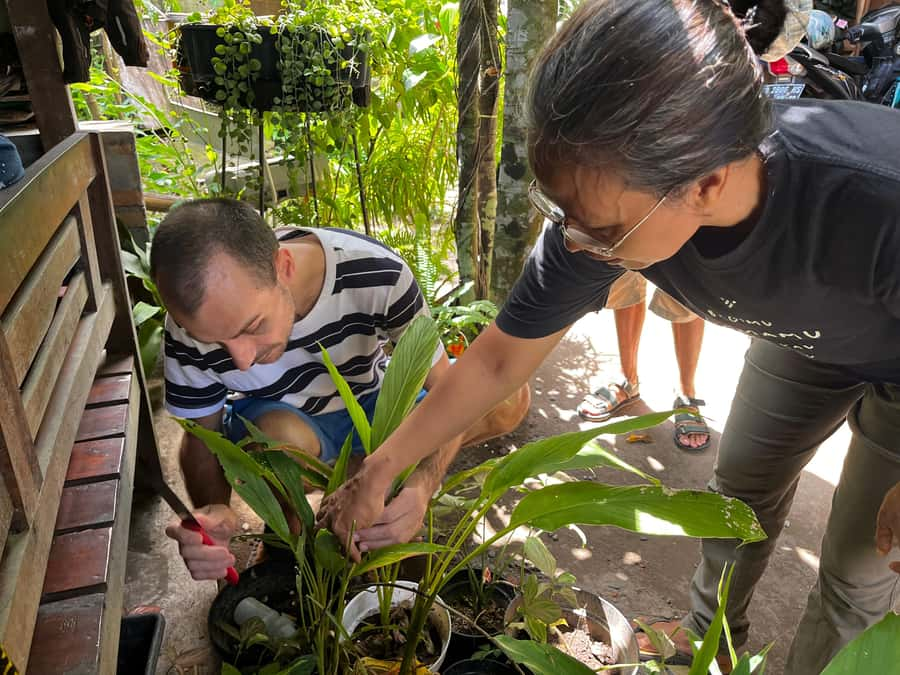
- You harvest from Endah’s own garden, including herbs, vegetables, and other plants used in the meal.
- You cook and eat six local dishes, rather than watching a chef do most of the work.
- You choose from a range of menus after booking, with spice levels discussed to suit you.
- You meet Endah’s family, giving the class a more personal feel than a standard food workshop.
- You receive the recipes afterward, so you can try the dishes again at home.
- You get five hours of food, conversation, and lunch for $46 per person.
Starting with a welcome drink in Yogyakarta
The class opens with a traditional drink. You can choose tamarind with turmeric, tamarind with sugar, or lemongrass tea. A snack may also be served, and past menus have included lemper, a rice-filled Indonesian snack. Some participants have also been offered home-brewed coffee and bananas from the garden.
This first pause matters because the class is built around hospitality, not just technique. You have time to meet Endah, settle in, and discuss what you want to cook. Since the group is private, the pace can be adjusted more easily than in a large class.
English is the teaching language. Endah explains the ingredients and cooking methods while you work, and the cultural discussion comes naturally through the food. You might talk about how herbs are used, why certain sambals accompany a meal, or how Indonesian cooks balance fresh, fried, spicy, and sweet flavors.
The setting includes Endah’s family and several cats. That will appeal to you if you enjoy a relaxed, lived-in atmosphere. If you want a formal culinary school with quiet workstations and restaurant-style presentation, this may feel informal.
More Balinese and Indonesian Classes in Indonesia:
- Ubud: Balinese Cooking Class at an Organic Farm
★ 5.0 · 1,786 reviews - Ubud Cooking Class Bali with Balinese Chef
★ 5.0 · 1,609 reviews - PRIVATE Authentic Balinese Cooking Class in Ubud at Putu’s Home
★ 5.0 · 644 reviews
Picking herbs and learning the plants
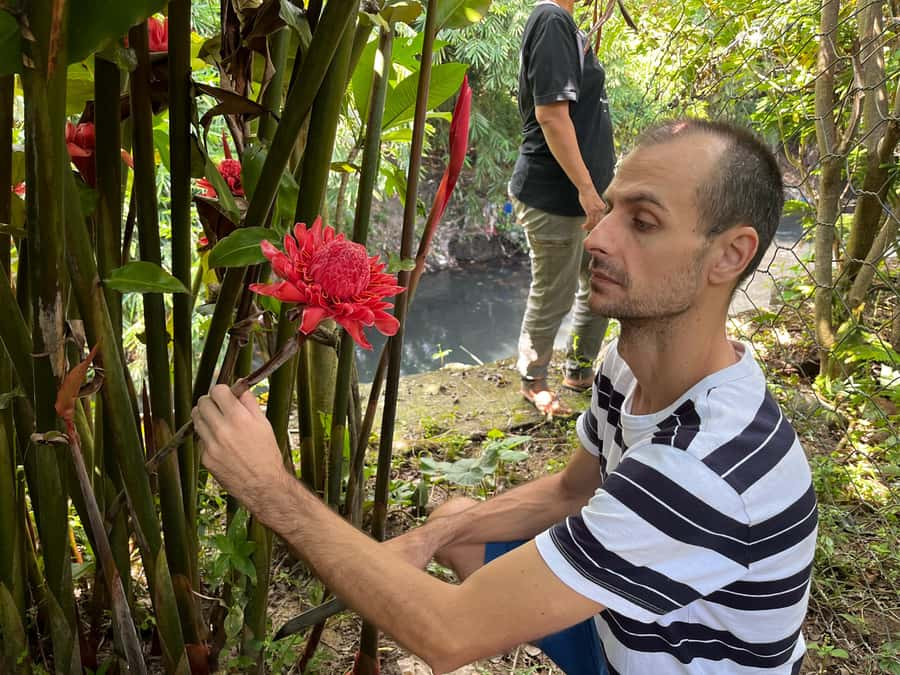
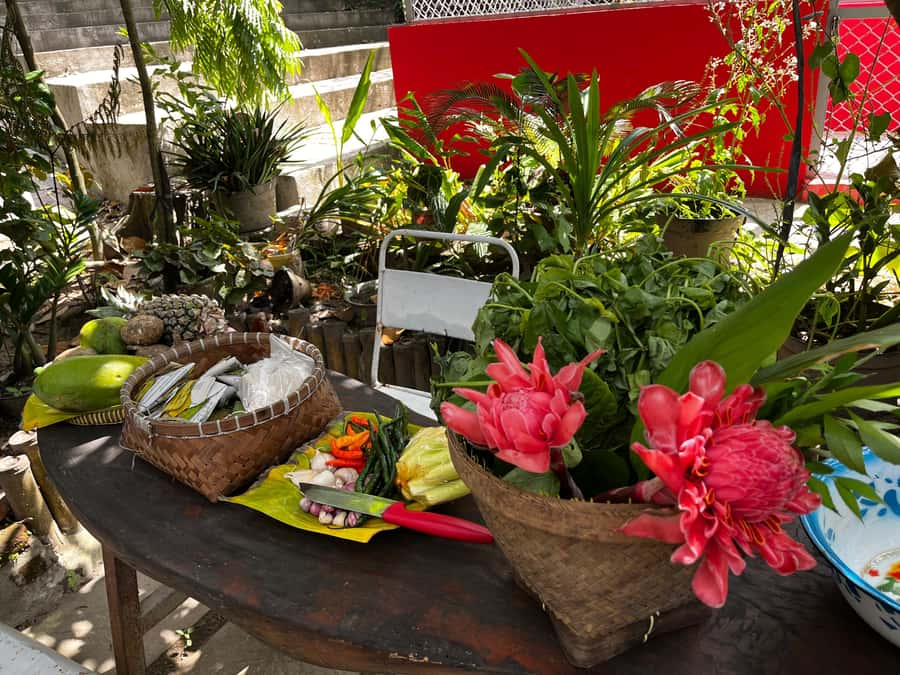
The garden visit is more than a quick photo stop. You walk with Endah and help collect fresh herbs, vegetables, and other ingredients, including some plants that may be farmed or found growing wild. She explains what you are looking at and how the ingredients are used in local food.
This is where the class earns its farm-to-table label. You can touch, smell, and process rhizomes, spices, and raw ingredients before they are cooked. That sensory contact helps explain why Indonesian food can taste so layered. A packet of ground spice tells you very little. Handling the fresh ingredient gives you a better sense of its role.
I particularly like this part for anyone who has visited markets but still feels unsure about Indonesian produce. You begin to connect the plant in the garden with the finished dish on the plate. The lesson is practical and memorable, even if you do not remember every Indonesian name.
The garden also gives the five-hour schedule some breathing room. This is not a rushed class where you arrive, chop, eat, and leave. You have a chance to slow down and understand the ingredients before cooking begins.
Choosing your menu before the class
After booking, you receive the available menu choices. The selection may include several menu sets, and one participant described having seven menus to choose from. This gives you a useful chance to pick dishes you actually want to learn, rather than accepting a fixed meal.
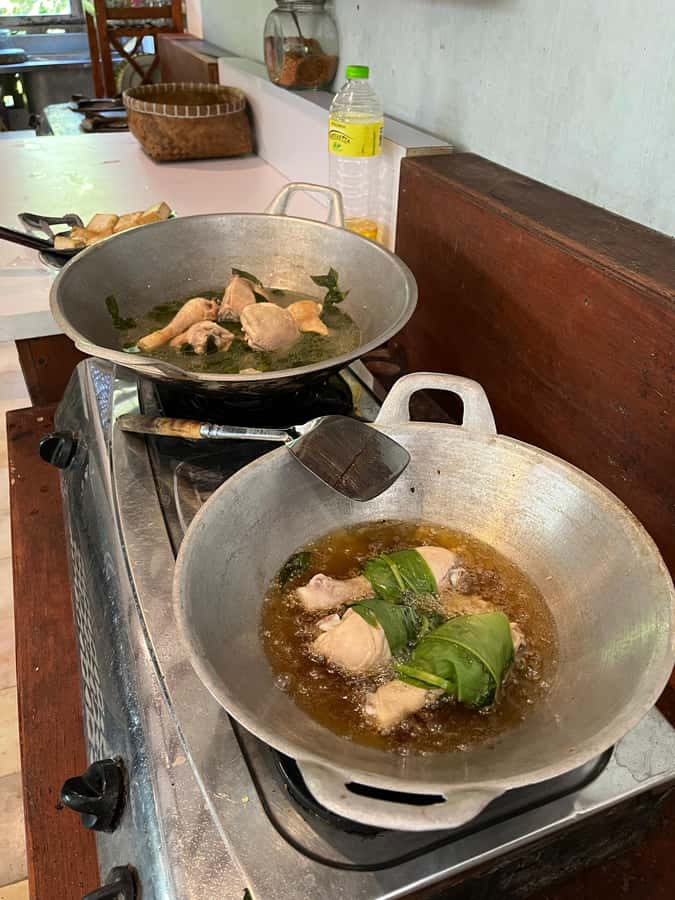
The listed dishes include vegetable rujak with peanut sauce, fried chicken with curry leaves, fried or boiled tofu, tempeh, Balinese lemongrass chili sauce, and local fruit rujak. The exact menu depends on the choices sent to you, so read them carefully and tell Endah what interests you.
The menu gives you a good spread of Indonesian cooking styles. You work with fresh vegetables, a peanut-based sauce, fried foods, fermented soybean tempeh, tofu, chili, herbs, and fruit. That mix helps you see that Indonesian food is not just one long exercise in heat.
Spice can be discussed in advance. Endah is attentive to different comfort levels, which is helpful if you enjoy flavor but not extreme chili. You should still be clear about your preferences when making your menu choice.
Preparing six dishes by hand
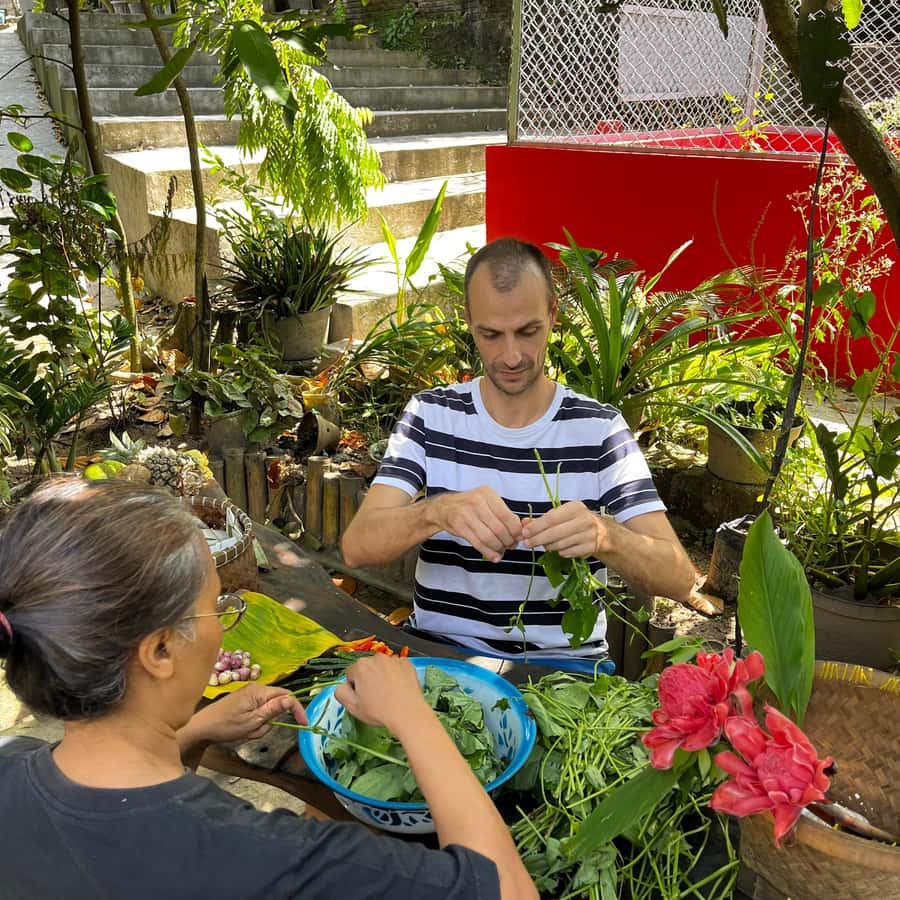
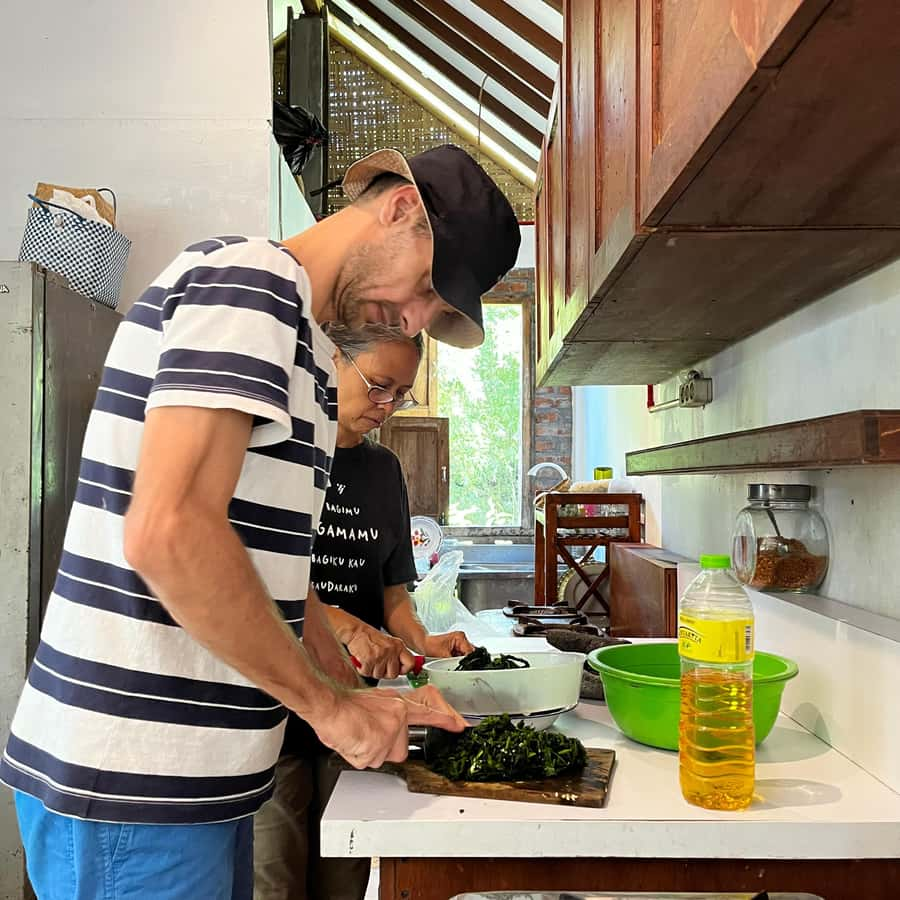
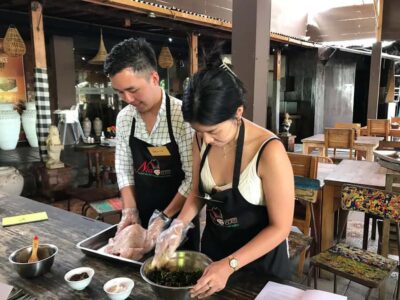
Once the ingredients are gathered, you help prepare the food. This is not a watch-the-chef demonstration. You may chop, grind, mix, fry, and assemble parts of the meal, depending on the menu you choose.
The class focuses on participation, but the exact amount of hands-on cooking may vary. One person felt most involved in making sambals and cooking kroepoek, and wished the cooking of the main dishes had been explained in a more clearly separated order. That is a fair point to keep in mind.
A home kitchen often works by preparing several components at once. Endah may move between dishes as ingredients become ready, which is how many family meals are cooked. It can feel natural, but it may be less tidy for a learner who wants one recipe completed from beginning to end.
You can make the class easier to follow by asking Endah to identify which ingredients belong to each dish before preparation starts. Taking your own notes or photos of the ingredient groups can also help when you recreate the meal later.
The strongest part is that you are not simply copying a recipe. You see how a Javanese meal comes together as a group of contrasting dishes. Fresh vegetables, fried items, sambal, tofu, tempeh, and fruit each bring a different texture and taste.
More Cooking Classes in Indonesia:
- From Ubud: Authentic Cooking Class in a Local Village
★ 4.9 · 1,325 reviews - Ubud: Cooking Class with Transfers and Optional Market Visit
★ 4.9 · 824 reviews - Balinese Ubud cooking school (9 Dish Cooking and Market Tour)
★ 5.0 · 540 reviews - Ubud: Balinese Cooking Class and Market Tour
★ 4.8 · 531 reviews
Eating the meal you prepared
Lunch is included, and you eat the food you have made. This gives the class a satisfying finish because you can taste the result while the steps are still fresh in your mind.
Portions appear generous. One participant described having so much food that half remained uneaten, while another noted that you will not leave hungry. The amount may depend on the menu and group size, but you should expect a substantial meal rather than a small tasting plate.
The food is served in the same friendly spirit as the cooking. You may have fresh juice, a welcome snack, or fruit from the garden as well as the meal itself. Drinks are included, so you do not need to budget separately for a beverage during the class.
This shared lunch is also where the cultural side of the experience becomes clearest. Food is not treated as a museum object. It is prepared, passed around, discussed, and eaten together. The private setting can make it easier to ask questions about ingredients, family habits, and Indonesian food customs.
The family atmosphere and cultural exchange
Endah’s hospitality is a major reason to choose this class. The experience includes time with her family, and the tone is closer to helping relatives prepare a large meal than attending a formal lesson.
That can be a real advantage if you want personal contact in Yogyakarta. You are not only learning how to make sambal or rujak. You are sharing a household setting with people from another culture, and the cooking gives you an easy reason to talk.
The class also brings people from different countries and backgrounds together. Food provides a simple common ground, and the discussion can cover Indonesian culture as you prepare the meal.
The music may be part of the atmosphere too. One participant enjoyed singing along to Air Supply during the class. That detail tells you something useful: this is a warm, human gathering, not a silent culinary lesson.
The cats add to the relaxed feel, though anyone with allergies should keep the home setting in mind. The information provided does not give specific allergy arrangements, so contact the provider before booking if food or animal allergies are a concern.
Is $46 per person a good value?
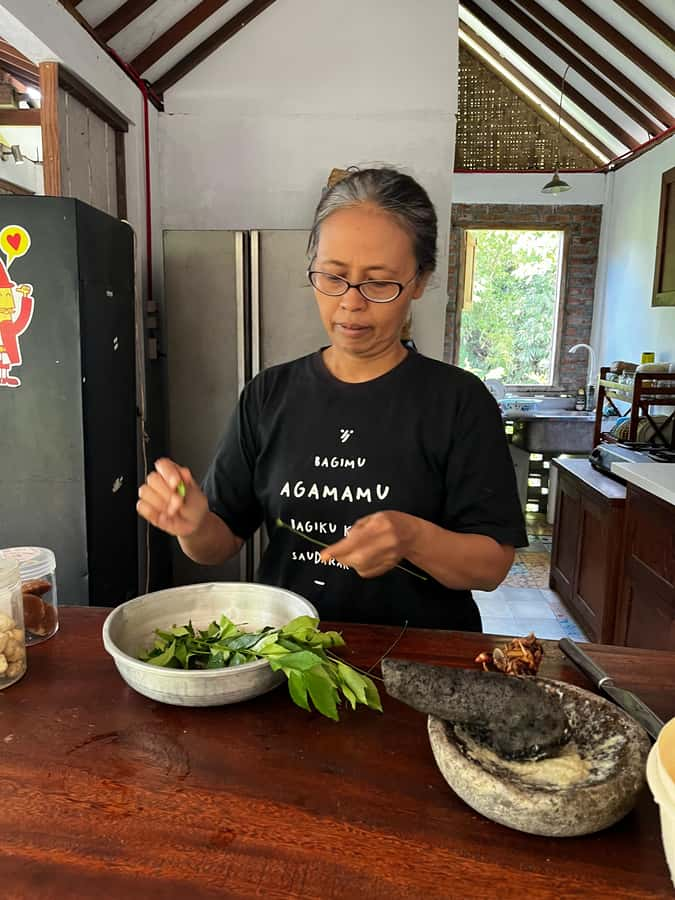
At $46 per person, this is not the cheapest way to get lunch in Yogyakarta. Local food is often inexpensive, and you can eat well for far less at a market or simple restaurant.
The value here comes from the five-hour format and the amount included. You get a private class, a garden visit, ingredients, cooking equipment, welcome drink, other refreshments, lunch, cultural conversation, and recipes afterward. You are paying for time, instruction, and access to a family setting, not just a plate of food.
I consider the price fair if you want to learn several dishes and understand the ingredients behind them. It is especially useful for anyone who plans to cook Indonesian food at home. The recipes let you continue the experience after returning home, which makes the class more useful than a meal that ends when you leave.
It is less good value if you only want a quick meal or a polished show. The class takes five hours, and the home kitchen style may feel slower and less structured than a commercial cooking school.
Practical details before you book
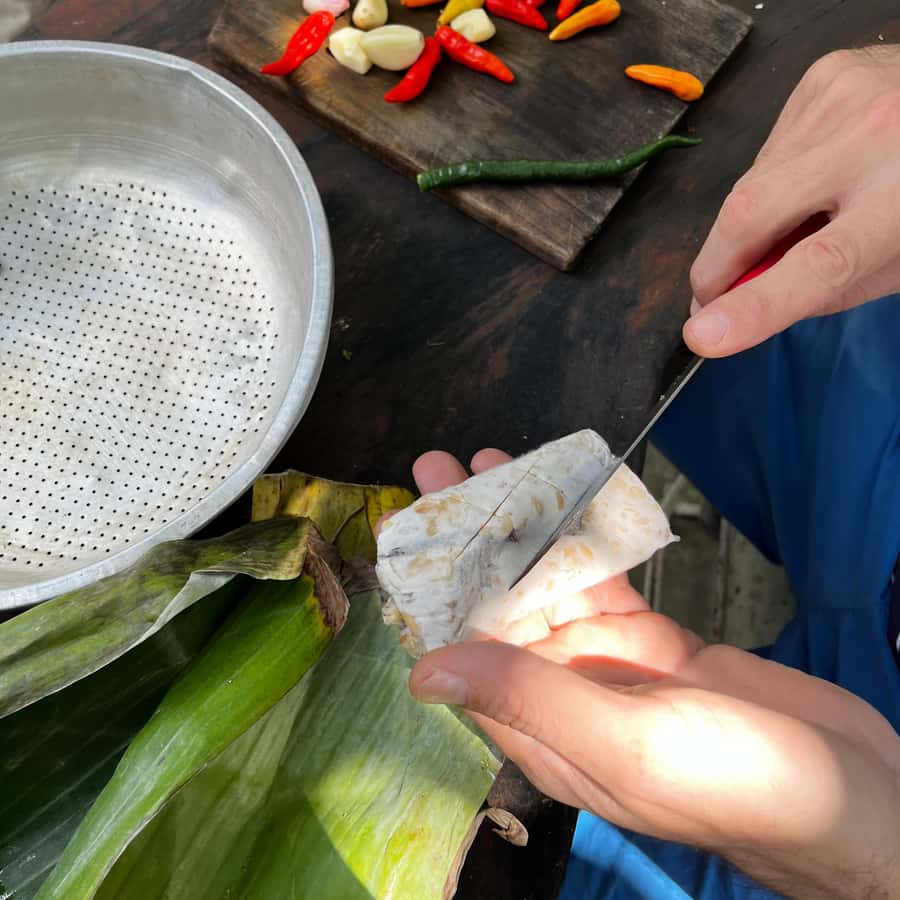
The class lasts five hours, and starting times depend on availability. Plan this as a half-day activity rather than something to squeeze between two tightly scheduled sightseeing stops.
Hotel shuttle service is not included. You should arrange your own way to the class and budget for any personal expenses. Tips are also not included.
The activity is a private group experience, which is useful if you want the class tailored to your interests. A private booking may also make it easier to discuss spice levels, menu choices, and the pace of preparation.
The activity is wheelchair accessible. It is not suitable for children under five or people over 70, according to the stated participation rules. The class is taught in English.
You can cancel up to 24 hours before the start time for a full refund. The reserve-now, pay-later option lets you hold a place without paying immediately, which is useful while you are still arranging your Yogyakarta schedule.
Who should take this class?
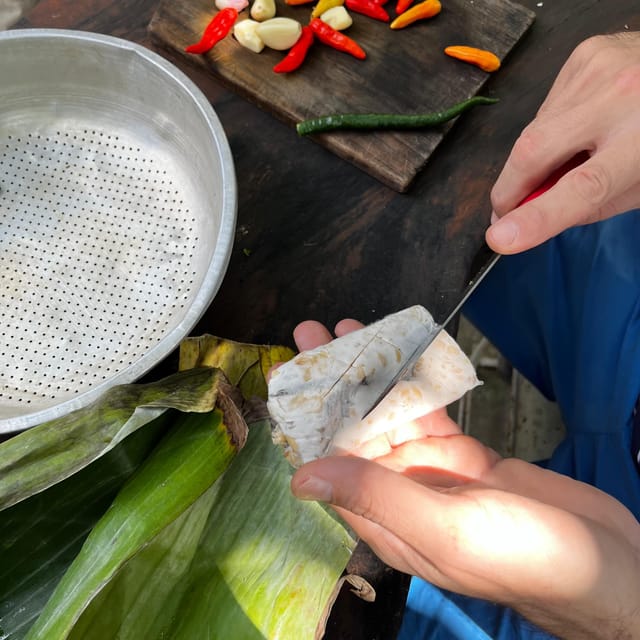
I would recommend it to curious eaters who want more than a restaurant meal. It suits you if you enjoy learning by doing, asking questions, meeting a local family, and eating a generous lunch afterward.
It is also a good choice for cooks at home. You work with ingredients that may be unfamiliar, and you receive recipes after the class. The garden visit adds useful context that a printed recipe cannot provide.
Couples and small private groups should find the format comfortable. The class also suits solo visitors who value conversation and want a personal cultural activity rather than another sightseeing stop.
I would think twice if you dislike informal settings, have difficulty with heat, or want every stage presented in a strict, dish-by-dish order. The cooking can involve several preparations at once, and the space is not air-conditioned.
Should you book From Garden to Table?
Book it if you want to connect Indonesian food with the plants, people, and home cooking behind it. The garden harvest, personal guidance from Endah, generous meal, and recipes afterward give this class more substance than a basic cooking demonstration.
Go in expecting a family kitchen, not a professional studio. Bring a fan, tell Endah about your spice preferences, and ask her to separate the ingredients by dish if you learn best in a very organized way.
For $46, the strongest value is the combination of hands-on cooking and genuine hospitality. If that sounds more appealing than simply ordering another meal, this is a smart half-day choice in Yogyakarta.
FAQ
How long does the cooking class last?
The class lasts five hours, including the garden visit, cooking, cultural discussion, and meal.
How much does the experience cost?
The listed price is $46 per person.
Who teaches the class?
Endah teaches the class in English, with her family involved in the welcoming home-style experience.
What food will I prepare?
The listed dishes include vegetable rujak with peanut sauce, fried chicken with curry leaves, fried or boiled tofu, tempeh, Balinese lemongrass chili sauce, and local fruit rujak. Menu choices are sent after booking.
Is lunch included?
Yes. You eat a meal featuring the dishes you prepare, and drinks are provided.
Is transportation from my hotel included?
No. Hotel shuttle service is not included, so you need to arrange your own transportation.
Can I cancel for a refund?
Yes. You can cancel up to 24 hours before the activity for a full refund.
Is the class suitable for children and older participants?
The activity is not suitable for children under five or people over 70. It is wheelchair accessible.
Newest classes around Indonesia
- Pure Bali Village Experience, Cooking & Jamu Class+VIP Transfer★ 5.0 · 16 reviews
- Spice Garden, Jamu & Cooking Class in Bali Village★ 5.0 · 5 reviews
- The Authentic Balinese Cooking Experience★ 5.0 · 4 reviews
- Seminyak : cooking class traditional food bali★ 5.0 · 5 reviews
- Seminyak: Vegetarian Cooking Class★ 5.0 · 3 reviews
- Quad ride, waterfalls & aunthentic cooking class in munduk★ 4.9 · 53 reviews
- Pure Bali Village Experience Cooking & Jamu Class, Transfer★ 4.8 · 5 reviews
- Ubud: Organic Farm Harvest, Bali Cooking Class by Pemulan★ 4.8 · 12 reviews
Indonesia Cooking Classes, compared.
Cooking Class with Transfers and Optional Market Visit
Read our review →
PRIVATE Authentic Balinese Cooking Class in Ubud at Putu’s Home
Read our review →
Balinese Ubud cooking school (9 Dish Cooking and Market Tour)
Read our review →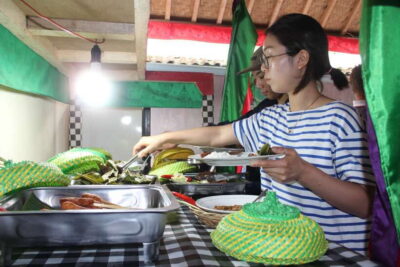
Browse the lists this tour appears in