
Review · TBILISI COOKING CLASSES
Nana’s Kitchen – traditional Georgian cooking class at real Georgian family home
Georgian food makes the most sense when you understand Supra, the country’s generous tradition of dining, toasting, and sharing. At Nana’s Kitchen, you do not simply watch a chef prepare food. You cook five dishes in a real family home, then sit down to eat them in the same spirit as a Georgian feast.
I especially like the hands-on format and the chance to learn from Nana, Nina, and their family in a relaxed setting. The homemade wine, family stories, recipe booklet, and practical cooking tips give the evening more substance than a standard restaurant meal. The main drawback is the fixed, non-refundable booking policy, so you should choose your date carefully.
Key points to know before booking
- Supra is part of the lesson: You learn how Georgian hosts use food, wine, conversation, and toasts to bring people together.
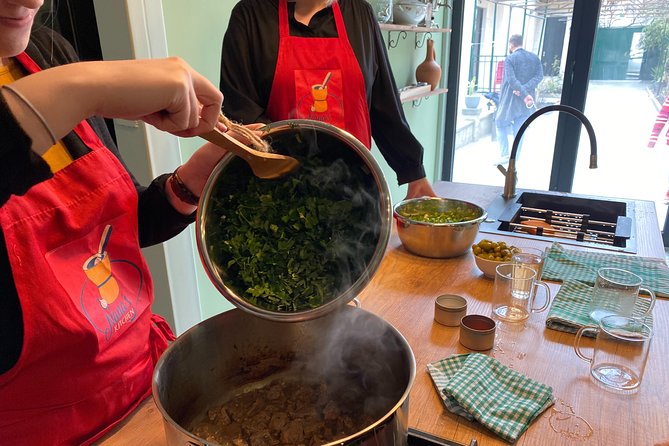
- You cook five dishes yourself: Nana and her family demonstrate each step, then guide you as you prepare the food.
- The setting is a real family home: The class takes place at 26 Guram Rcheulishvili Street in Tbilisi, not in a large commercial cooking school.
- Homemade wine starts the evening: The class opens with wine from the family’s vineyards and a short introduction to Georgian cuisine.
- The menu can include seasonal choices: Chakapuli may be prepared when veal and tarragon are in season, or you may make chakhokhbili instead.
- You leave with useful takeaways: A recipe booklet is provided, and some participants have also received spices or leftovers to take home.
A Georgian cooking class built around Supra
The central idea here is not just learning a few recipes. It is learning how food works in Georgian social life.
Supra is a feast, but it is also a form of hospitality. Food arrives in generous portions, wine is shared, and conversation carries as much weight as the dishes on the table. A traditional feast may include formal toasts and a tamada, or toastmaster, but the key point for this class is simpler: Georgian cooking is meant to be shared.
The evening begins with a glass of homemade Georgian wine from the family’s vineyards. This gives you a natural introduction to the country’s food culture before you pick up a knife or turn on the stove. You also hear about the origins of Georgian cuisine and the influences that shaped it.
That opening matters. Without it, you might leave knowing how to make eggplant with walnuts but miss why walnuts, herbs, spices, wine, and long meals matter so much in Georgia. Here, the recipes are tied to the way food is served and enjoyed.
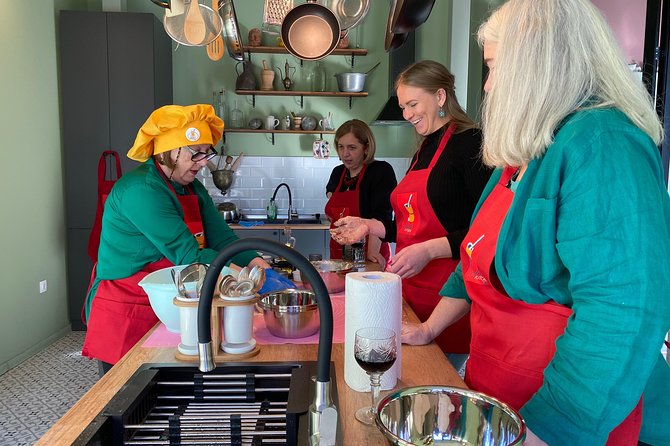
You should expect a warm family setting rather than a polished demonstration kitchen with a strict commercial feel. Nana and Nina guide the class, explain the steps, and answer questions as you work. The small private-group format makes it easier to ask for help and adjust the pace to your group.
More Home Cooking Classes in the world:
- Khmer Cooking Class at a Local’s Home in Krong Siem Reap
★ 5.0 · 2,731 reviews - Local Home Korean Cooking Class & Market Adventure in Seoul
★ 5.0 · 1,024 reviews - Marrakech: Moroccan Cooking Class with a Local Family
★ 4.9 · 668 reviews
What you cook during the three-hour evening
The experience lasts about three hours, though the pace may feel relaxed because it ends with a full meal. You are making five Georgian dishes, with the exact menu depending on the class and seasonal ingredients.
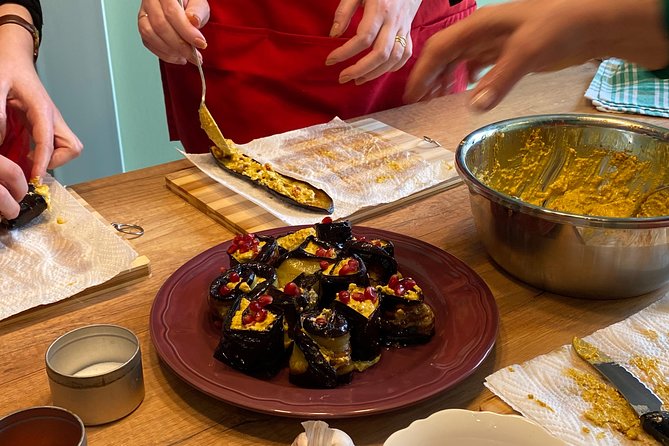
The sample menu includes a traditional spinach paste, red peppers with a walnut and spice mixture, fried eggplant with walnuts, and a meat dish. The fifth dish is not fully specified in the menu information, so you should treat the listed selection as a sample rather than a guaranteed final menu.
Spinach paste
The spinach starter gives you an introduction to the vegetable and walnut combinations common in Georgian cooking. Georgian cooks often use walnuts not simply as a garnish, but as a thick, savory base that adds body and flavor.
This is a useful first dish because it shows how a few straightforward ingredients can become something suited to a large shared table. It also gives you a recipe that should be practical to recreate at home, provided you can find the needed spices.
Red peppers with walnuts and spices
The red pepper dish brings more color and spice to the table. The walnut mixture is a key part of the recipe, and you get to see how Georgian seasonings are combined rather than relying on a prepared sauce.
This is the sort of preparation where personal guidance helps. A recipe booklet can tell you the ingredients, but Nana or Nina can show you the texture and amount of filling that feels right. That practical correction is one of the strongest reasons to choose an in-person class.
More Cooking Classes in the world:
- Half-Day Thai Cooking Class at Organic Farm in Chiang Mai
★ 5.0 · 19,087 reviews - Florence: Pasta Cooking Class with Unlimited Wine
★ 4.9 · 10,285 reviews - 3 in 1 Cooking Class near Navona: Fettuccine, Ravioli & Tiramisu
★ 5.0 · 7,376 reviews - Florence: Pasta & Tiramisu Cooking Class with Unlimited Wine
★ 4.9 · 6,708 reviews
Fried eggplant with walnuts
Eggplant and walnuts are a familiar Georgian pairing, and this dish shows how a simple vegetable can become a substantial part of a feast. You will work with the eggplant, prepare the walnut mixture, and assemble the dish under guidance.
The menu has a good balance of vegetable-based preparations and richer food. If you are cooking with someone who wants to eat less meat, several of the dishes offer plenty to enjoy without making the meal feel like a compromise.
Chakapuli or chakhokhbili
The meat course provides the most seasonal element of the class. Chakapuli is made with veal and tarragon, and it is described as seasonal. If the ingredients are not available, the alternative is chakhokhbili.
This is worth noting before you book if you have your heart set on one particular dish. The class is built around Georgian cooking as it is practiced, not around guaranteeing one restaurant menu in every season. The swap also gives the family room to use ingredients that are appropriate for the time of year.
The sample menu does not list every one of the five dishes, so you may want to confirm the final menu if you have dietary restrictions or a strong preference. The available information clearly indicates that you will prepare five dishes, but not every class component is named in advance.
Why the home setting changes the evening
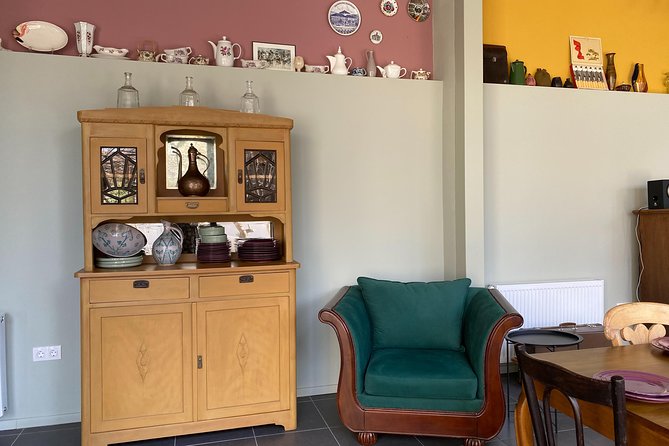
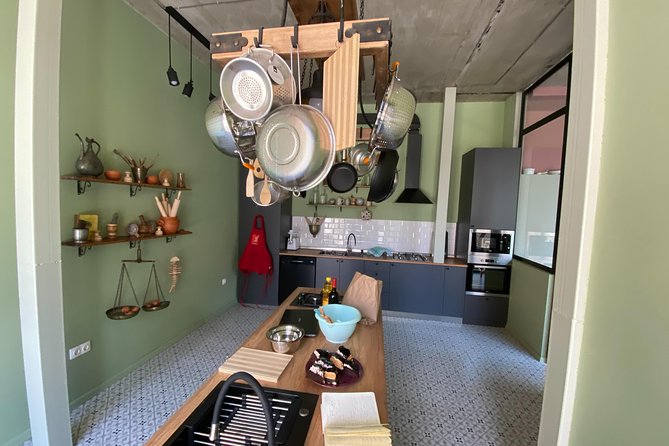
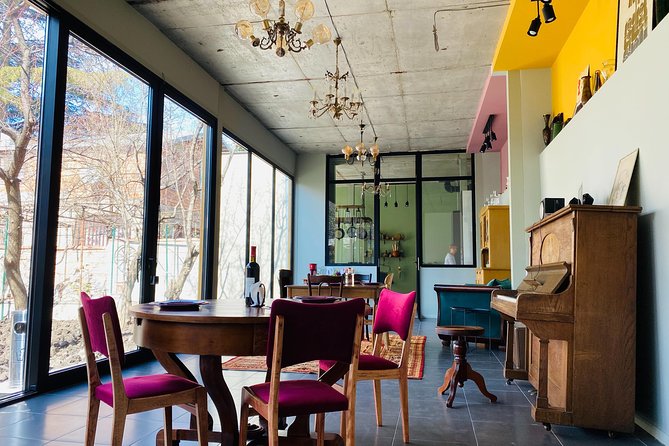
A cooking lesson in a professional studio can be efficient, but a family home gives this experience a different feel. You see the food in the setting where Georgian hospitality makes sense: a kitchen, a dining space, homemade wine, and a table designed for sitting together.
The hosts do more than provide instructions. Nana and her family explain ingredients, share the background of dishes, and talk about Georgia beyond the recipes. Nina is also involved in guiding participants, and the family works together as kitchen assistants and hosts.
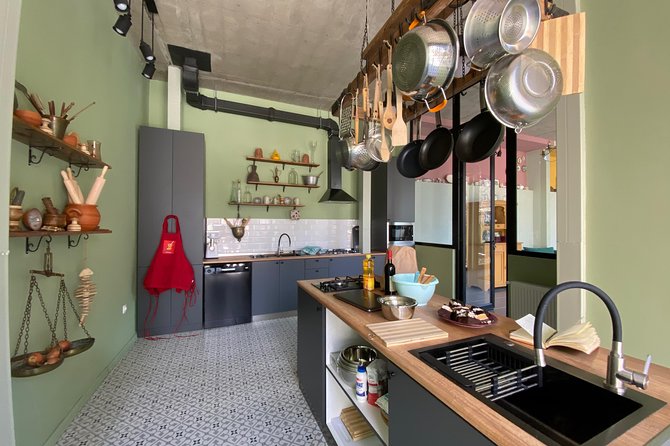
Several details make the evening feel personal. The kitchen and living room are described as clean, stylish, and inviting, while the setting itself is residential and tranquil. That combination should appeal to you if you prefer a neighborhood experience to another formal activity in central Tbilisi.
There is also room for conversation. You can ask about Georgian food, receive restaurant suggestions for Tbilisi, and learn how dishes fit into everyday life and celebration. The cooking is the anchor, but the informal talk helps turn it into a cultural visit.
The tradeoff is that a home class may feel less standardized than a large school. The menu can change, the pace can be shaped by the group, and the evening depends on the family-host format. If you want a tightly timed lesson with professional kitchen stations and a fixed menu, this may not be your ideal choice.
From kitchen work to a proper Georgian feast
The cooking portion finishes with dinner, and this is where the class earns its price more convincingly. You do not prepare food and then leave with a small sample. You sit down and eat what you made as part of a Supra-style meal.
The meal is generous, and the food is paired with homemade Georgian wine. You get to taste the results while the cooking steps are still fresh in your mind. That makes it easier to remember the texture, seasoning, and presentation of each dish.
The dinner also gives you a chance to see how the recipes function together. A spinach preparation, stuffed peppers, eggplant with walnuts, and a meat dish can feel like separate cooking tasks when you are making them one at a time. At the table, they become parts of a larger Georgian meal.
This is also the social heart of the evening. The point is not to rush through the dishes so you can get back to sightseeing. It is to sit, eat, talk, and understand why Georgian hospitality often means offering more food and wine than you expected.
The wine is homemade, made from grapes connected with the family’s vineyards. If you do not drink alcohol, the provided information does not specify a substitute, so it is sensible to ask when booking. Service animals are allowed, and the address is near public transportation.
What you take home besides a full stomach
The recipe booklet is one of the most practical features. You receive recipes for the dishes prepared during the class, allowing you to recreate a Georgian meal after returning home.
That sounds simple, but it matters. Georgian cooking often depends on knowing how thick a walnut mixture should be, how much spice feels balanced, and when a dish is ready. The class gives you a chance to see and taste those details before trying them in your own kitchen.
Some participants have also left with starter spices or a container of leftovers. Those extras are not stated as a guaranteed part of every booking, so you should not count on them. Still, they show the kind of personal touch that can happen in a family-hosted class.
The recipes are also suited to a social meal at home. You can use them to prepare a Georgian dinner for friends rather than making one dish in isolation. That fits the larger lesson: the food is at its best when it is placed in the middle of a table and shared.
Is $110 per person fair value?
At $110 per person, Nana’s Kitchen is not a low-cost meal. You are paying more than you would for a casual Georgian dinner in Tbilisi, but the comparison is not quite fair.
The price includes about three hours of instruction, five dishes, homemade wine, a full dinner, cultural explanation, and a recipe booklet. You also get a private activity for your group rather than a large class with strangers. The family setting and personal guidance are the main things you are paying for.
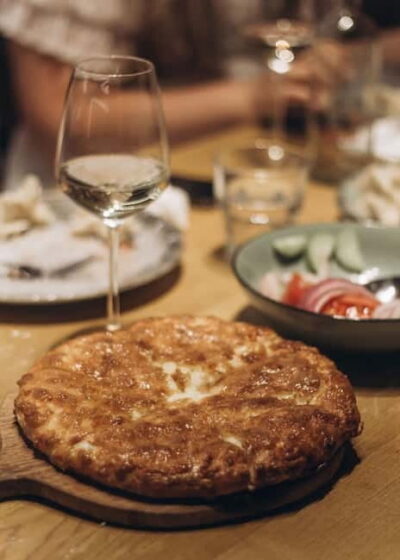
I see the value most clearly if you treat this as both a meal and a cultural activity. A restaurant can introduce you to khachapuri, eggplant, walnuts, and Georgian wine, but it will not show you how the food is made or explain the customs around a Supra.
The value is weaker if you mainly want a cheap dinner or a quick cooking demonstration. You should book this for the combination of food, instruction, wine, and family contact. It is especially useful early in a Tbilisi stay, since the hosts can also suggest other places to eat.
The class is generally booked about 15 days ahead, so planning matters. It runs Monday through Friday from 7:00 PM to 11:00 PM during the stated operating period, with the activity ending back at 26 Guram Rcheulishvili Street. Confirmation is provided at booking, and the experience is non-refundable and cannot be changed after booking.
Who will enjoy Nana’s Kitchen most?
I would recommend this class to couples, families, small groups of friends, and solo visitors who enjoy meeting local people through food. The private format makes it comfortable for a group that wants an evening together without being added to a large public class.
It is also a good fit if you like practical souvenirs. Instead of leaving with another object, you leave with recipes, cooking methods, and a better understanding of how to host a Georgian-style meal.
Food lovers will get the most from the walnut-based dishes and the chance to compare several preparations in one sitting. The class also suits people who are curious about Georgian traditions but do not want a formal lecture. The cultural material is folded into the meal and cooking.
Families should find the format appealing, though the provided information does not specify a minimum age or child pricing. Ask before booking if children are part of your group.
You may want to skip it if you dislike evening activities, cannot commit to the booked date, or want a guaranteed menu with no seasonal changes. You should also check the menu in advance if you have allergies or dietary needs, since the listed dishes include walnuts, meat, and wine.
Should you book Nana’s Kitchen?
Yes, if you want a personal introduction to Georgian food and hospitality rather than only another restaurant meal in Tbilisi. The strongest parts are the family setting, the patient instruction from Nana and Nina, the homemade wine, and the Supra-style dinner at the end.
I would book it for the second or third evening of a Tbilisi stay, when you have seen enough of the city to appreciate how its food fits into daily life. Give yourself time to arrive at the meeting point without rushing, and confirm the menu if a particular dish or dietary requirement matters to you.
The fixed cancellation policy means you should not book casually. But if you are comfortable with the date and the $110 price, this offers a useful mix of cooking skills, local conversation, and a memorable Georgian meal.
FAQ
Where does Nana’s Kitchen take place?
The class takes place at 26 Guram Rcheulishvili Street, Tbilisi 0179, Georgia.
How long does the cooking class last?
The experience lasts approximately three hours.
What time does the activity operate?
It operates Monday through Friday from 7:00 PM to 11:00 PM during the stated operating period.
Who leads the cooking class?
Nana and her family lead the class, with Nina also helping guide participants through the cooking.
How many dishes will I make?
You will make five Georgian dishes during the class.
Is wine included?
The evening begins with homemade Georgian wine from the family’s vineyards, and wine is part of the Supra-style dinner.
Do I receive recipes after the class?
Yes. You receive a booklet containing the recipes for the dishes prepared during the class.
Can I cancel or change my booking?
No. The experience is non-refundable and cannot be changed for any reason after booking.
Newest classes around the world
- Aroidee’s Farm-Fresh Thai Cooking Experience★ 5.0 · 8 reviews
- Authentic Thai Cooking Class and Farm Visit in Chiang Mai★ 5.0 · 66 reviews
- Signature Thai Cooking Course★ 5.0 · 79 reviews
- Half Day Guided Thai Cooking Class in Chiang Mai★ 5.0 · 13 reviews
- Yummy Tasty Thai Cooking School in Chiang Mai★ 5.0 · 2 reviews
- Online Thai and Akha Cooking Class★ 5.0 · 70 reviews
- Northern Thai Cooking Class in Chiang Mai in a Countryside Home★ 5.0 · 2 reviews
- Private Half-Day Thai Cooking Class in Chiang Mai★ 5.0 · 4 reviews
Tbilisi Cooking Classes, compared.
Georgian Cooking Class with Khinkali and Khachapuri
Read our review →
Small-Group Khinkali and Khachapuri Cooking Class in Tbilisi
Read our review →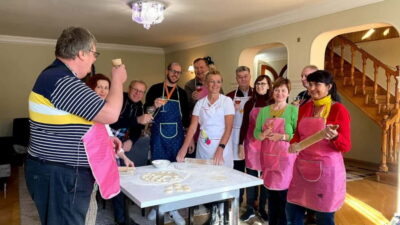

Kakheti Horse Riding, Wine Tasting, and Cooking …
Read our review →Browse the lists this tour appears in