
Review · TBILISI COOKING CLASSES
Small-Group Khinkali and Khachapuri Cooking Class in Tbilisi
Tbilisi’s most famous foods are hands-on by nature: khinkali means pleating dumplings, while khachapuri means working dough around salty Georgian cheese. This roughly two-hour class lets you make both, then sit down to eat them with wine, salad, and farm cheese.
I like the low price of $27.50 and the easy central location on Griboedov Street. I also like the social feel: chefs such as Seva, Artem, and Vladimir have been praised for clear instructions, humor, and patience. The main caution is that the class takes place in the restaurant hall, not the kitchen, and group sizes have sometimes been larger than the advertised limit of six.
Key things to know before booking
- You make two Georgian staples: Khinkali dumplings and Imeretian khachapuri, a round cheese-filled bread.
- The class happens at a restaurant table: You do not work inside the kitchen or handle every hot cooking step.
- The meal is part of the experience: Wine, Georgian salad, farm cheese, khinkali, and khachapuri are included.
- The advertised group limit is six: Some sessions have been reported with 9 to 14 people, and one session had around 25.
- The class is social and beginner-friendly: You shape dumplings, prepare filling, work with dough, and eat with the group.
- Book early in busy periods: The experience averages about 11 days of advance booking.
Why khinkali and khachapuri make a good Tbilisi class
If you have eaten Georgian food before, you already know why these two dishes are useful choices. Khinkali is a large, juicy dumpling traditionally filled with meat, though cheese and mushroom fillings may also be available. Khachapuri is Georgian cheese bread, and this class focuses on the Imeretian style rather than the boat-shaped Adjarian version.
That distinction matters. Many visitors know Adjarian khachapuri, the open bread filled with cheese, butter, and egg. Here, you work with a round Imeretian preparation. It is less theatrical, but it gives you a better look at how Georgian households and restaurants handle dough and cheese without relying on a dramatic presentation.
I like that the class teaches food you can recognize later in your trip. Afterward, you can order khinkali in Tbilisi and understand the folds, filling, and texture instead of treating the dish as just another plate of dumplings. You also get a simple lesson in how Georgian meals bring together bread, cheese, vegetables, wine, and conversation.
The format is more lunch or dinner activity than professional cooking school. You are there to learn the main techniques, share a table, and eat a generous meal. That makes it a good fit for a first cooking class, a solo visitor who wants company, or a family looking for a relaxed indoor activity.
More Cooking Classes in the world:
- Half-Day Thai Cooking Class at Organic Farm in Chiang Mai
★ 5.0 · 19,087 reviews - Florence: Pasta Cooking Class with Unlimited Wine
★ 4.9 · 10,285 reviews - 3 in 1 Cooking Class near Navona: Fettuccine, Ravioli & Tiramisu
★ 5.0 · 7,376 reviews
Arriving at St.Bunny31 on Griboedov Street
The meeting point is St.Bunny31, Griboedov Street, in central Tbilisi. The activity begins and ends there, and the location is near public transportation. You receive confirmation when you book, and the ticket is mobile, so there is no need to print anything.
The setting is important. This is a restaurant hall rather than a private home or a working kitchen. Some people like that arrangement because you get a comfortable dining setting and can eat the finished food in the same place. It also lets the cooking activity feel like a meal with instruction rather than a formal lesson.
The tradeoff is reduced access to the cooking process. The hot steps are generally handled behind the scenes, and several parts of the work may be shared among participants. If you want to boil every dumpling yourself, bake your own bread, and work at a stove, this class will feel limited.
I would arrive ready for a casual restaurant setting, not a spotless culinary studio. The heart of the activity is the table, the dough, the fillings, and the chef’s explanations.
The opening table: wine, salad, and Georgian cheese
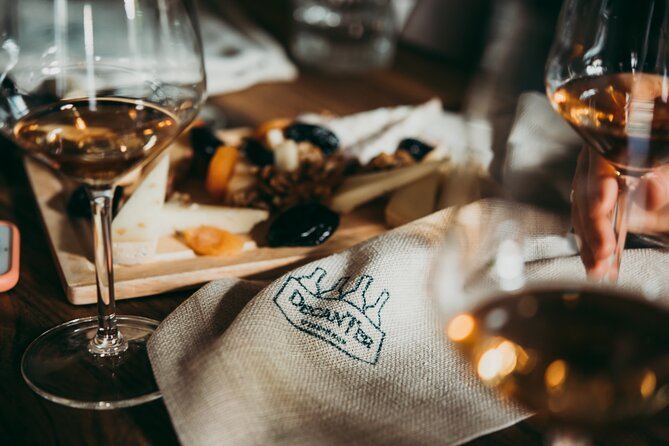
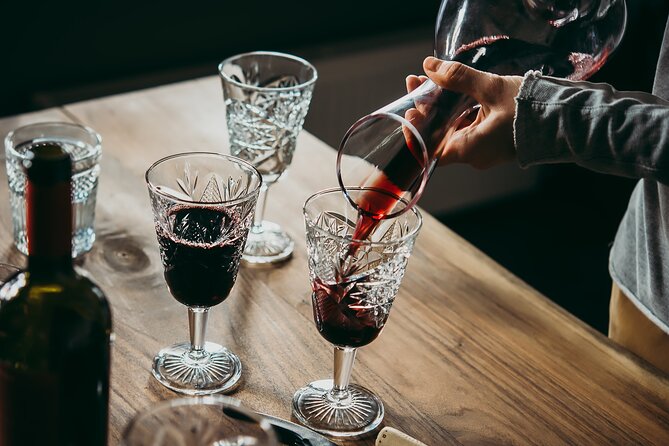
The session includes Georgian wine, a vegetable salad made with Georgian tomatoes, and a plate of farm cheeses. These are not extra purchases added after the class. They help turn the lesson into a full meal.
The salad and cheese also give you something to eat while the cooking moves between steps. That matters because dough needs time, and the kitchen may need time to cook what the group has prepared. Several people have liked the relaxed pace and the chance to talk with other participants over wine.
Portions can depend on the size of the group. When the class is small, the included food can feel generous. When more people are seated together, shared salad and cheese may feel modest. One session had around 13 participants, and another was reported at roughly 25, so the amount of food and hands-on time can change with attendance.
Wine is included, but do not assume you can choose between red and white. A session provided red wine only, which was a problem for a participant who could not drink it. If wine matters to you, or you avoid alcohol, confirm the current arrangement before booking.
Making khachapuri with cheese and dough
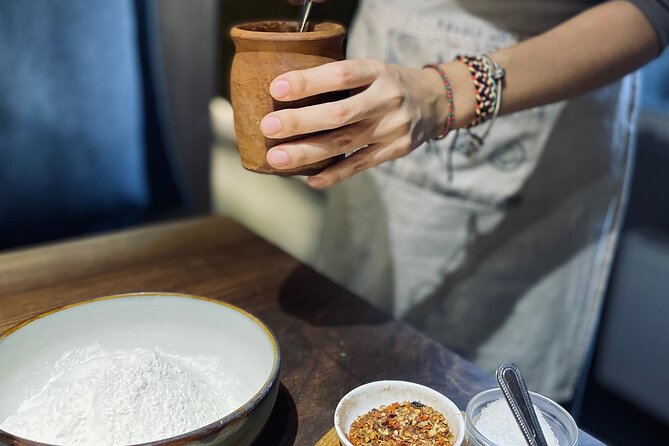
The khachapuri portion begins with dough and filling. The chef explains the basic method, then participants prepare dough, handle the cheese, spread the filling, and bring the bread toward its finished form.
This is one of the more useful parts for home cooks. Khachapuri looks simple, but the balance between dough and cheese matters. Too much filling can split the bread. Too little leaves you with a thick, bready center. The class gives you a chance to see how the cheese is distributed and how the dough is shaped around it.
The precise amount of individual work can vary. Some sessions have had participants prepare the khachapuri dough and filling themselves. In others, the group took turns, so not everyone completed every stage from start to finish. The bread was then cooked in the restaurant kitchen rather than by participants at the table.
That is a fair compromise for a short class, but you should know what you are buying. You learn the process and handle key ingredients, yet you are not running your own bread through an oven. The result is still satisfying because you helped shape the food, but it is not a full kitchen apprenticeship.
Same region, a different dish to learn:
- Florence: Pasta & Tiramisu Cooking Class with Unlimited Wine
★ 4.9 · 6,708 reviews - Florence: Pasta Cooking Class with Unlimited Wine
★ 5.0 · 6,413 reviews - Hanoi Cooking Class: Culture, Local Market & Meaning CSR Impact
★ 5.0 · 5,147 reviews - 5 Traditional Dishes Hanoi Cooking Class with Market Trip
★ 5.0 · 4,890 reviews
Folding khinkali, the class’s best hands-on moment
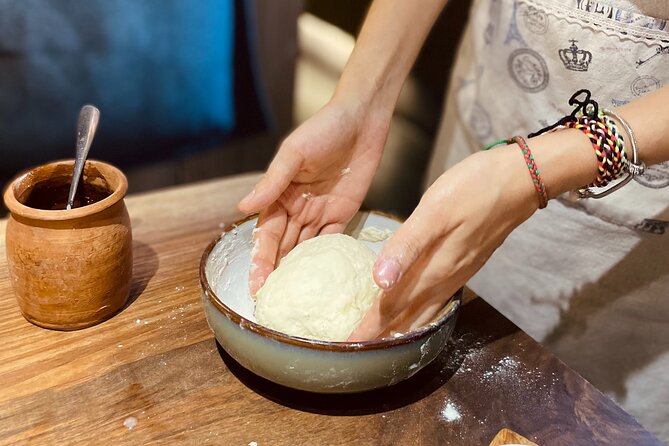
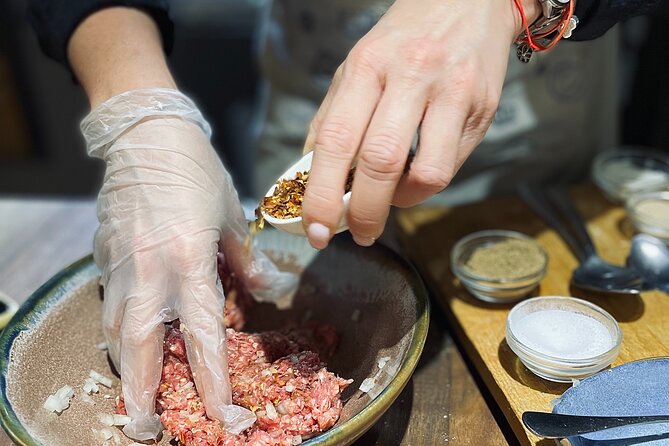
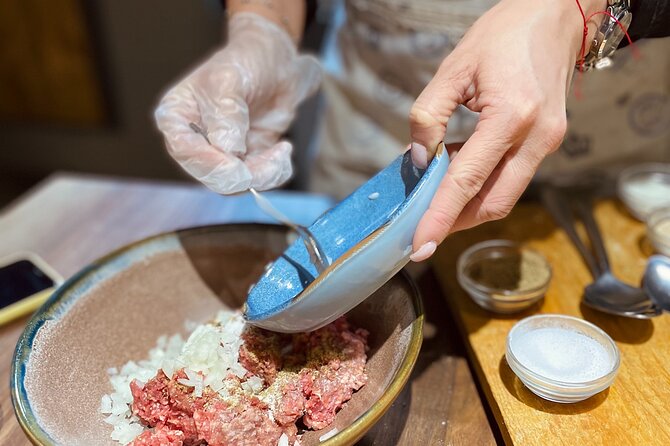
The khinkali lesson is likely the most memorable part. The chef explains the dough, the filling, and the traditional pleated shape. You then practice gathering the dough into the familiar cinched top.
The filling may be veal, cheese, or mushrooms. The class information describes the dough and filling process, while individual sessions have differed in how much dough preparation participants handled. At least one session used dough that had already been prepared, with the group focusing on the filling and folding.
That is not necessarily a flaw. Preparing dough from scratch, resting it, rolling it, filling it, folding it, and cooking it would take longer than the advertised two hours. By preparing some elements in advance, the chef can spend more time showing you the fold that gives khinkali its shape.
The chef also talks through cooking details, small tricks, and stories about Tbilisi. Seva has been praised for explaining Georgian feasts and toast traditions, while Artem has been described as friendly and generous with historical background. Vladimir has been singled out for making an evening feel warm and amusing. Names and instructors can vary, but the strongest part of the teaching is the informal, conversational style.
You may not fold a perfect dumpling on your first attempt. That is part of the fun. The finished khinkali tastes better because you know the hands and patience behind each one. Come hungry, since the combination of dumplings, cheese bread, salad, and cheese can make a full meal.
The waiting time and the group-size question
A two-hour class sounds tightly planned, but the actual pace can be less predictable. The kitchen may take over for boiling khinkali and cooking khachapuri, leaving pauses while the group waits. Some sessions have run closer to three hours, including the meal.
Those pauses can work well if you enjoy conversation. They give you time to meet people, order another drink, or listen to Georgian food stories. They are less appealing if you expect constant activity or have a dinner reservation soon afterward.
Group size is the biggest practical concern. The experience is advertised for a maximum of six participants, which would be an excellent size for personal instruction. In practice, some sessions have had nine or ten people, another had 13, and one report described around 25 people. One person also noted that a later class appeared much larger than an earlier, quieter session.
A larger group can still be sociable and enjoyable, but it changes the class. You may take turns preparing filling or dough instead of completing each recipe yourself. The chef may need to move between groups, and personal questions may take longer to answer.
If hands-on time is your top priority, ask about the expected group size before you go. If the class is full, you will get more of a demonstration and shared meal. If attendance is light, you may receive much more direct guidance.
What the meal is really worth at $27.50
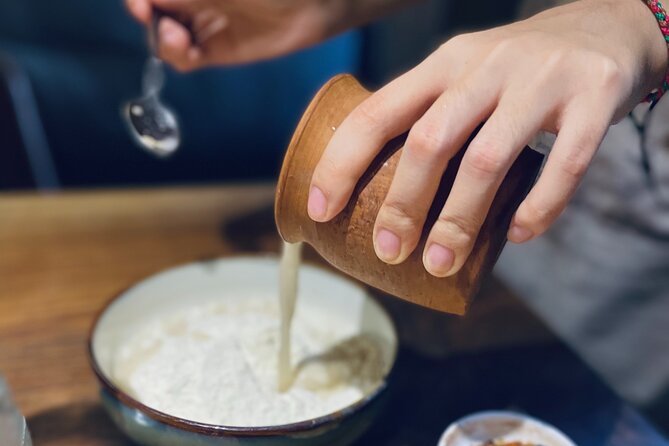
At $27.50 per person, the value is strong if you treat the experience as both a meal and an activity. You receive instruction, Georgian wine, salad, cheese, khinkali, and khachapuri in a central Tbilisi location. A meal featuring these foods could already account for a good part of the price, especially once drinks and service are added.
The value is not in the amount of advanced cooking instruction. You are not learning restaurant-level technique, and you are not promised a private chef or a full kitchen session. You are paying for a simple lesson, a social table, food you help prepare, and an easy way to sample two national favorites.
I would consider it especially good value for solo visitors. You get a planned activity, a meal, and a chance to talk with people without arranging a separate food tour. It also works well for families. A family with children aged two and eight completed the session and received a full meal with wine for the adults.
The value drops if you book mainly for technical training. The restaurant-table setting, shared tasks, and kitchen-managed cooking mean you will not practice every stage. In that case, a longer cooking workshop with individual stations may suit you better.
Who should book this Tbilisi cooking class
I would recommend it to:
- First-time visitors who want a friendly introduction to Georgian food.
- Solo visitors who enjoy meeting people over a shared meal.
- Couples looking for an easy afternoon or evening activity.
- Families with children who can take part in simple food preparation.
- Food lovers who want to learn the difference between khinkali and several khachapuri styles.
- Anyone who values a central location and a low total price.
I would be more cautious if you need strict timing, a guaranteed six-person group, or full control over every cooking step. The class can start late, run over two hours, and feel less organized when the chef is handling more than one group.
It is also worth thinking about heat and comfort. One session took place outside during very hot weather, and the lack of fans made the experience unpleasant. The provider said fans would be installed, but conditions can still vary. A central restaurant setting does not guarantee a cool or quiet room.
Booking, cancellation, and practical details
The class is offered in English, and confirmation arrives at the time of booking. Service animals are allowed, and the meeting point is near public transportation.
You can cancel for a full refund up to 24 hours before the local start time. Changes or cancellations made less than 24 hours before the start are not accepted for a refund.
The activity averages about 11 days of advance booking. I would reserve ahead during the busy season, especially if you want a better chance of finding a smaller group. If you are flexible, a less popular time may offer more direct contact with the chef.
The class ends back at St.Bunny31. Since the food is substantial, you may want to leave room in your schedule rather than planning a large meal immediately afterward.
Final call: a tasty introduction, with clear limits
I would book this class if I wanted an affordable, social way to learn the basics of Georgian food in central Tbilisi. The best features are the friendly teaching style, the chance to fold khinkali yourself, the included meal, and the easy price. The atmosphere can feel like a shared lunch with a helpful chef rather than a formal course, which is exactly what many people want on holiday.
I would not book it expecting a private six-person workshop every time. Group sizes have varied, some cooking steps happen out of sight, and organization can suffer when several sessions run together. Ask about attendance, wine choices, and the indoor setup if those points matter to you.
For most visitors, the class offers a pleasant introduction to two essential Georgian dishes and a meal you helped create. Go for the food, the stories, and the social table. Just keep your expectations focused on a casual workshop, not a complete kitchen experience.
FAQ
Where does the cooking class meet?
The class meets at St.Bunny31 on Griboedov Street in Tbilisi, Georgia. The activity ends at the same meeting point.
How long does the class last?
The planned duration is approximately two hours. Some sessions have taken longer, including time spent eating the finished food.
What dishes do I learn to make?
You learn the basics of khinkali and Imeretian khachapuri. Khinkali may use veal, cheese, or mushroom filling, while the khachapuri is a Georgian cheese dish.
Is the cooking class held in a kitchen?
No. The class takes place in the restaurant hall at a table. Hot cooking steps are handled in the restaurant kitchen, so you may not cook every stage yourself.
What food and drinks are included?
The experience includes Georgian wine, a vegetable salad made with Georgian tomatoes, farm cheeses, khinkali, and khachapuri.
Can I cancel for a full refund?
Yes. You can cancel at least 24 hours before the experience begins for a full refund. Cancellations or changes made less than 24 hours before the start are not accepted for a refund.
Newest classes around the world
- Aroidee’s Farm-Fresh Thai Cooking Experience★ 5.0 · 8 reviews
- Authentic Thai Cooking Class and Farm Visit in Chiang Mai★ 5.0 · 66 reviews
- Yummy Tasty Thai Cooking School in Chiang Mai★ 5.0 · 2 reviews
- Signature Thai Cooking Course★ 5.0 · 79 reviews
- Half Day Guided Thai Cooking Class in Chiang Mai★ 5.0 · 13 reviews
- Online Thai and Akha Cooking Class★ 5.0 · 70 reviews
- Northern Thai Cooking Class in Chiang Mai in a Countryside Home★ 5.0 · 2 reviews
- Private Half-Day Thai Cooking Class in Chiang Mai★ 5.0 · 4 reviews
Tbilisi Cooking Classes, compared.
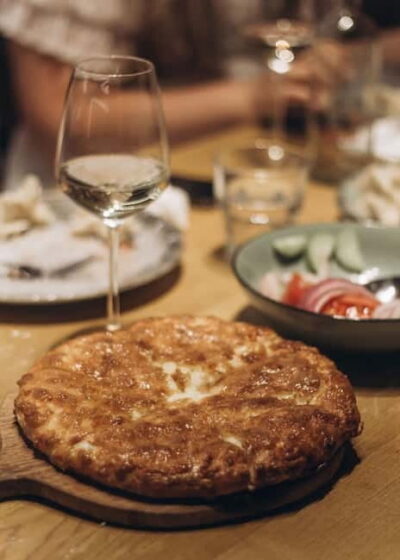
Georgian Cooking Class with Khinkali and Khachapuri
Read our review →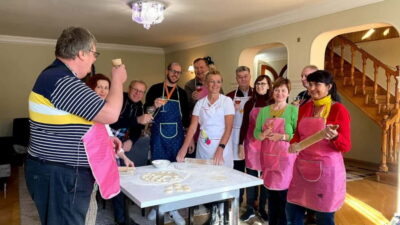
Nana’s Kitchen – traditional Georgian cooking class at real Georgian family home
Read our review →
Kakheti Horse Riding, Wine Tasting, and Cooking …
Read our review →Browse the lists this tour appears in