Review · SHANGHAI COOKING CLASSES
Private Home Cooking Class with Shanghai Mama
Shanghai food makes the most sense when you see it before it reaches the table. This private outing takes you through a large wet market for snacks, vegetables, seafood, meat, and fruit, then into a local home built in the 1950s to 1970s for a hands-on meal. I like the market-to-table format and the chance to cook with locals rather than simply sit in a restaurant.
I also like the personal scale. Your guide can explain unfamiliar ingredients, adjust the pace, and talk about daily life in Shanghai. The main consideration is price: at $199.11 per person, this costs far more than a regular cooking class or market meal. You are paying for private transport, a private guide, the market visit, the home setting, and the meal itself.
Key points at a glance
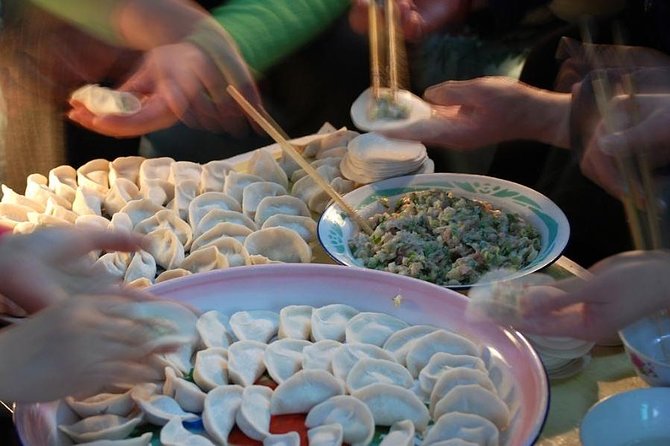
- A wet market comes first: Sample Shanghai snacks, then see fresh vegetables, hairy crabs, shrimp, meat, and fruit.
- The class takes place in a real local home: The setting offers a look at ordinary Shanghai life in homes built during the 1950s to 1970s.
- Private attention shapes the day: Only your group takes part, so you can ask questions and get direct help while cooking.
- FeiFei, her mother, and Penny may host: These names appear in the strongest personal accounts of the experience.
- Your meal is part of the lesson: Lunch or dinner, market snacks, bottled water, private transport, and hotel pickup are included.
- Plan for four hours: Comfortable walking shoes matter, and you should report dietary needs when booking.
Why this Shanghai food experience feels different
Many food activities in Shanghai keep you on the customer side of the kitchen. This one gives you three views of the same meal: where ingredients are sold, how they are chosen, and how they become food at home.
That order matters. At the market, your guide can point out ingredients before you handle them in the kitchen. Hairy crabs, shrimp, unfamiliar greens, meat, and seasonal fruit become less mysterious when you have already seen them in their everyday setting.
The home visit adds another layer. You are not cooking in a polished school kitchen designed for tourists. You are visiting a local residence built sometime between the 1950s and 1970s, with the guide explaining details of home life along the way. The setting gives the class a social side that a standard cooking lesson may lack.
I would think of this as part food tour, part cultural visit, and part private meal. Cooking is the main activity, but the conversation and home setting are just as important.
More Home Cooking Classes in China
- Shanghai-Cooking Dumpling & Meal in Local Family-w/Vegan
★ 4.9 · 36 reviews - Private Home Cooking Class:Dumpling Cooking Class Tour in Xi’an
★ 5.0 · 7 reviews - Beijing: Vegan Home Cooking & Local Market Tour with Sanxia
★ 4.8 · 4 reviews
Starting with a Shanghai wet market
The outing begins with hotel pickup in central Shanghai. A private car takes you to one of the city’s larger wet markets, where your guide leads the way and chooses local snacks for you to try.
The snack stop is a useful introduction. You can sample popular foods without having to guess what to order, point at a menu, or worry about choosing a dish you may not like. The exact snacks are not fixed in the information provided, so expect a selection chosen by the guide rather than a guaranteed list.
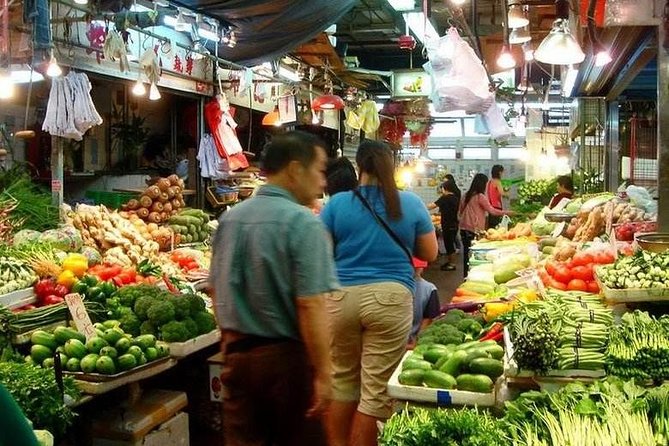
After the tasting, the market becomes a lesson in ingredients. You will see vegetables, hairy crabs, shrimp, meat, and fruit. Your guide helps identify what you are looking at and explains the food culture behind it. That personal explanation is important because a wet market can otherwise feel like a fast-moving display of unfamiliar goods.
This is also the part of the outing that may test your comfort level. Some market foods are easy for most people, while others may be less familiar. One account praises the food selection but notes that some items can be a little much for people who are not used to them. You can try what appeals to you and simply pass on the rest.
Wear shoes you can walk in comfortably. The visit involves moving through a market before the cooking begins, and the tour operates in all weather conditions. Dress for the forecast, since the market portion is not described as weather dependent.
From market stalls to a local Shanghai home
After the market, you travel by private car to the home of your cooking host. The home is described as a typical local residence built during the 1950s to 1970s, which gives you a chance to see a side of Shanghai that a hotel or restaurant cannot show.
The value here is not architectural sightseeing. It is the setting for conversation. Your local guide explains details of everyday life and gives context for the way people live at home. If you are curious about Shanghai beyond its major sights, this quiet look at domestic life may be the most memorable part of the afternoon or evening.
The host names connected with the experience include FeiFei, her mother, and Penny. Their roles may vary by booking, but the personal accounts describe a friendly, welcoming cooking session with plenty of conversation about Chinese culture and food.
Because this is a private activity, your group does not have to fit into a large class. You can ask why an ingredient is used, how a dish fits into a home meal, or what a particular market item is. You also have more room to work at your own pace than you would in a class filled with several unrelated groups.
What the cooking class is like
The class is hands-on. You help prepare the meal rather than watching a demonstration and waiting for a plate to arrive. The supplied details do not name the exact dishes, so you should not book this expecting a fixed menu unless the provider confirms one before your visit.
That lack of a published dish list can be a small drawback for serious cooks who want to plan around specific recipes. On the other hand, it leaves room for the host to shape the meal around available ingredients and your dietary needs. Tell the provider about allergies, restrictions, or vegetarian requirements when you book.
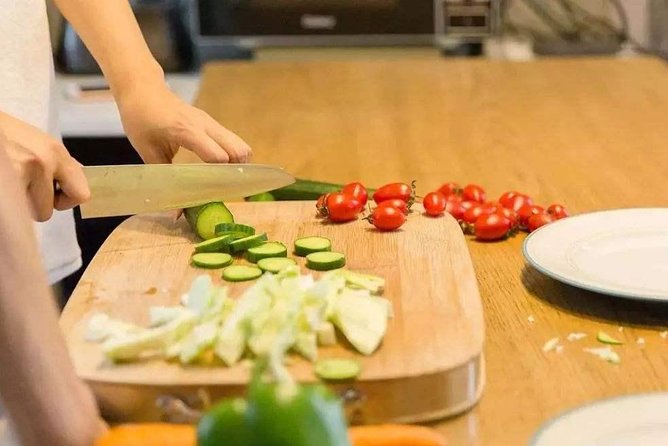
The cooking lesson works best if you enjoy participation. You may be chopping, preparing ingredients, or helping with other kitchen tasks, but the exact jobs are not specified. Expect guidance from your private host rather than a formal culinary-school curriculum.
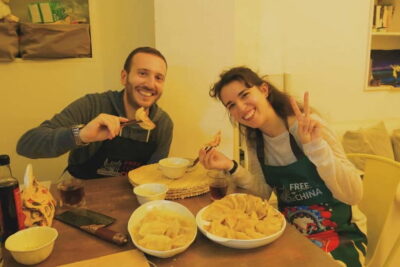
The strongest appeal is the human contact. You are cooking with local people, asking questions as you go, and sharing the finished food in the same setting. One account describes FeiFei, her mother, and Penny as especially hospitable, with conversation that covered both food and Chinese culture.
More Private Cooking Classes in China
- Private Cooking Class: Make Your Own Dim Sum In Shanghai
★ 5.0 · 27 reviews - Private Panda Tour with Cooking Class One-day Trip
★ 5.0 · 11 reviews - Private Hutong Culture Tour with Dumpling Cooking Class plus Cricket Fighting Game
★ 5.0 · 5 reviews - Half-Day Private Hot-Pot Cooking Class with a Local Market Visit
★ 5.0 · 3 reviews
Sitting down to the meal you helped prepare
Once the cooking is finished, you eat the meal as lunch or dinner. A start around 4:00 pm naturally suits dinner, while the morning option suits lunch. The tour information gives both 10:00 am and 4:00 pm as possible meeting times, while the meeting details list 4:00 pm, so confirm your chosen start time when booking.
The meal is included, along with snacks at the market and bottled water. That makes the price easier to assess, since you are not paying for the class and then adding a separate restaurant bill. Still, $199.11 per person is a premium cost, especially for a solo visitor or a couple watching expenses.
The value improves for people who want several experiences combined in one outing. You receive private transport, central hotel pickup and drop-off, a market visit, a private guide, the home setting, cooking instruction, and a meal. A cheaper class may teach you recipes, but it may not include a market tour, local transport, and time in a private residence.
Conversation is part of the meal. You are encouraged to talk with the hosts, ask questions, and learn about local life. If you prefer a quiet dinner or a highly structured lesson with exact timings, this may feel less formal than expected.
The private format and who benefits most
This is best for couples, families, and small groups who want direct attention. The private setup lets the guide focus on your questions and food preferences. It also avoids the awkwardness of joining a large class where everyone works at a different speed.
Families should consider the walking and food portions carefully. Comfortable shoes are required, and the market may present ingredients that children find unfamiliar. The private format can help, since you can control what you sample and ask the guide to explain things in a simple way.
Food-focused visitors will get the most from the market-to-kitchen connection. You see raw ingredients, learn their names, then use them in a meal. People with a strong interest in Chinese food culture may value the explanations as much as the cooking itself.
This also suits a first visit to Shanghai. Hotel pickup and private transport reduce the work of finding the market and then locating the host’s home. You can spend your energy noticing the food and asking questions instead of managing directions.
It is less suited to a strict sightseeing schedule. Four hours is a sizeable block of time, and the experience centers on food, conversation, and daily life rather than major monuments. If your priority is seeing as many landmarks as possible, save this for a day with room to slow down.
Timing, transport, and practical details
The advertised duration is about four hours. Pickup and drop-off are provided from central Shanghai hotels, and the guide can return you to your hotel or another downtown location after the activity.
That final drop-off option is useful if you want to continue your evening elsewhere, but the information specifically promises hotel or downtown return rather than airport transfer. Plan your schedule with some flexibility, since a private meal and conversation may not end at an exact minute.
The tour operates in all weather. Comfortable walking shoes are a must, and clothing should suit the conditions on the day. The market portion is likely to be the most active part, followed by time in the home.
A mobile ticket is available, and confirmation is provided at booking. Group discounts are offered, which may make the per-person cost more reasonable for a larger private party. The activity accepts dietary requests and offers a vegetarian option, but you need to provide that information when booking.
Free cancellation is available if you cancel at least 24 hours before the start time. Changes or cancellations made inside that 24-hour window are not accepted for a refund.
How the $199.11 price measures up
The price is not low, but it covers more than a cooking lesson. You are paying for a private guide, private vehicle, hotel pickup and return, market snacks, bottled water, the class, and the meal.
For a group, the value is stronger because group discounts may apply and the transport cost is spread among more people. For one person, the cost is harder to justify unless private attention and local contact are central to your plans.
I would compare this with the price of arranging the same pieces separately. You would need transport to a large market, someone to explain the ingredients, a cooking lesson, a meal, and a way back to your hotel. The tour packages those tasks into one four-hour experience and removes much of the guesswork.
The price also reflects access to a private home. That is not the same as paying for a restaurant meal. You are buying time with local hosts and a chance to see daily life in a personal setting. If that matters to you, the added cost may feel fair. If you mainly want to learn a few recipes, a less expensive class may be enough.
What I like most, and what gives me pause
I like the clear story of the outing: market ingredients first, cooking second, meal last. It gives the food a setting and helps you understand what is on the table.
I also like the private scale and the local home. Names such as FeiFei, her mother, and Penny give the experience a personal face, and the strongest accounts describe warm hospitality and lively conversation.
The main caution is the limited menu information. You do not get a fixed list of dishes in advance, so contact the provider if a particular recipe is important to you. The market snacks may also include foods that feel unfamiliar, although you are free to choose what you try.
Finally, check the final price against your budget. $199.11 per person is a serious spend in Shanghai. The package earns that price through private service and several activities in one, but it is not the right pick for a simple, low-cost meal.
Should you book this Shanghai cooking class?
Book it if you want food to be your way into Shanghai life. The wet market, local snacks, private home, cooking lesson, and shared meal form a well-connected experience rather than four unrelated stops.
I would especially recommend it to couples, families, small groups, and visitors who value conversation with local hosts. It is also a good choice for anyone who wants hotel pickup and private transport instead of arranging a market visit alone.
Skip it if you need a fixed menu, a bargain price, or a tightly timed sightseeing tour. For everyone else, this offers a personal look at Shanghai that you cannot get from a restaurant table alone. Confirm the start time, report dietary needs, and arrive ready to taste a few unfamiliar things.
FAQ
How long does the private cooking experience last?
The experience lasts approximately four hours.
What start times are available?
The tour information gives 10:00 am and 4:00 pm as possible start times. The meeting details list 4:00 pm, so confirm your selected time when booking.
Is hotel pickup included?
Yes. Pickup and drop-off are provided from central Shanghai hotels.
What does the price include?
The price includes a private professional guide, private transfer, hotel pickup and drop-off, the home cooking class, lunch or dinner, market snacks, and bottled water.
Is a vegetarian option available?
Yes. A vegetarian option is available. You should advise the provider of vegetarian needs or other dietary requirements when booking.
Is this a private group activity?
Yes. Only your group participates in the activity.
Can I cancel for a full refund?
Yes, if you cancel at least 24 hours before the experience start time. Cancellations or changes made less than 24 hours before the start time are not accepted for a refund.
Newest classes around China
- Private Panda Tour with Cooking Class One-day Trip★ 5.0 · 11 reviews
- Half-day Chengdu Handmade Tofu Making and Mapo Tofu Cooking Class★ 5.0 · 3 reviews
- Half-day Dandan Noodles Cooking Class with a Local Market Visit★ 5.0 · 8 reviews
- Half-Day Private Hot-Pot Cooking Class with a Local Market Visit★ 5.0 · 3 reviews
- Half-Day Sichuan Cooking Class Experience in Chengdu★ 4.0 · 17 reviews
- Chengdu Dujiangyan Leshan Buddha Tea Plantation and Sichuan Cooking 3 Days★ 5.0 · 2 reviews
- Half day Chengdu Dumpling Class: Make from Scratch★ 5.0 · 8 reviews
- Beijing: Private Dumpling Cooking Class in Local Family★ 5.0 · 3 reviews
Shanghai Cooking Classes, compared.
Private Cooking Class: Make Your Own Dim Sum In Shanghai
Read our review →
2.5hrs Chinese Kitchen Cooking Class: Xiaolongbao Soup Dumplings
Read our review →