
Review · INDONESIA COOKING CLASSES
Learn to cook Indonesian food at Gili Cooking Classes Trawangan
The best part of this Gili Trawangan experience is that you do not just watch a chef cook. You prepare a full Indonesian meal, then sit down and eat it. I especially like the small groups of up to 10 and the chance to learn dishes that are hard to recreate outside Indonesia, including kelopon sweets, fried tempe with peanut sauce, and chicken taliwang.
I also like the choice of three class sizes, so you can fit a quick afternoon lesson or a longer evening meal into your island plans. The main consideration is the open-air setting: it can feel hot, and the longer Super Six class moves at a brisk pace.
Key points to know before booking
- Three menus to choose from: Prepare three dishes in 1.5 hours, four dishes in two hours, or six dishes in 2.5 hours.
- A real meal, not a tasting: Lunch or dinner is included, and you eat the food you have prepared.
- Strong value at $33: The price includes instruction, food, drinking water, and recipes for recreating the dishes at home.
- Good for plant-based diets: Chicken can be replaced with tofu or tempe, and vegan oyster sauce is available.
- Open-air harbor setting: The kitchen is beside Trawangan Dive, with views toward Gili Trawangan’s harbor.
- Book the menu that matches your energy: The Super Six offers the most food and variety, but the Intro Course is better if you want a lighter commitment.
Cooking Indonesian food beside Gili Trawangan harbor
Gili Cooking Classes sits next to Trawangan Dive on Jalan Raya Pantai Trawangan. You meet at the school, and the activity ends there too, which makes the class easy to reach if you are staying on Gili Trawangan or already near the main beach road.
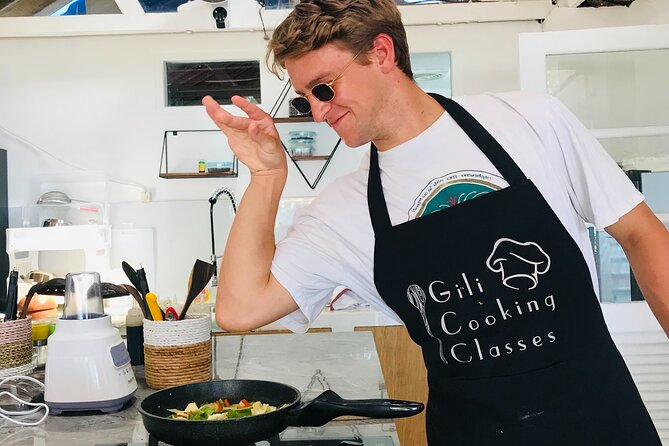
The setting is open air and looks toward the harbor. That gives the lesson a pleasant island feel, but you should also expect heat, especially in the middle of the day. Bring your appetite, drink the supplied water, and choose a later class if you are sensitive to warmth.
The school runs classes every day. Start times are 11:30am, 4pm, and 7pm in low season or 8pm in high season. That schedule works well for an island day: you can take the morning class before other plans, the afternoon class after time at the beach, or the evening class as your dinner.
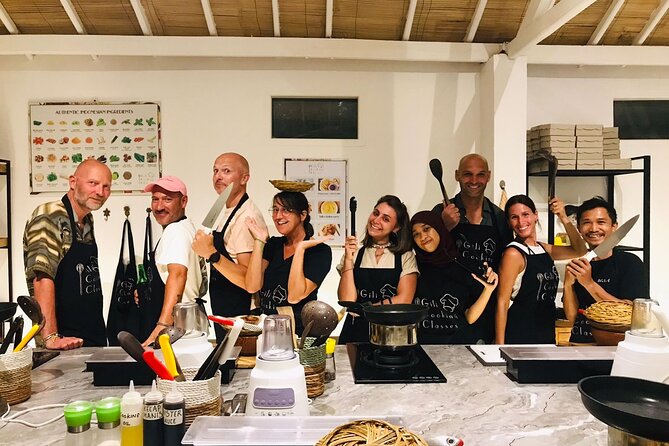
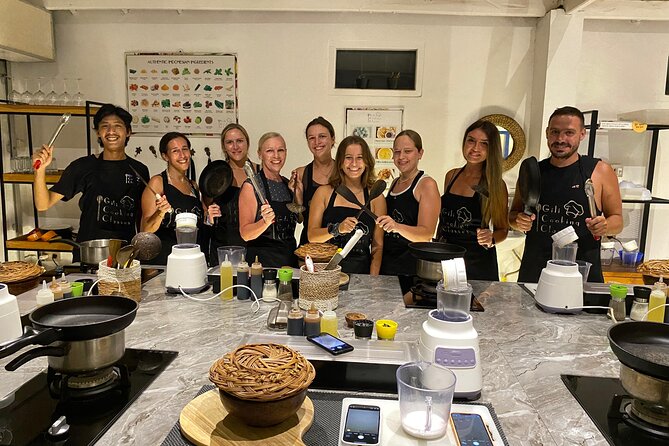
The maximum group size is 10. That is small enough for personal help without making the session feel private or costly. You will work alongside other people, which adds a social side to the meal, but the chefs can still move around the group and offer individual guidance.
More Balinese and Indonesian Classes in Indonesia:
- Ubud: Balinese Cooking Class at an Organic Farm
★ 5.0 · 1,786 reviews - Ubud Cooking Class Bali with Balinese Chef
★ 5.0 · 1,609 reviews - PRIVATE Authentic Balinese Cooking Class in Ubud at Putu’s Home
★ 5.0 · 644 reviews
Choosing between three menus
The three options differ mainly in time, dish count, and how much cooking you want to do.
Intro Course: three dishes in 1.5 hours
The shortest class includes:
- Kelopon
- Fried tempe with peanut sauce
- Fried noodles
This is the sensible choice if you want an introduction rather than a full afternoon or evening event. You still get a sweet, a protein-based dish, a sauce, and noodles, so the menu gives you a good sense of Indonesian flavor without taking over your day.
Kelopon is the most playful part of the menu. These small sweets are made to burst in your mouth, and the class shows you how the dessert fits into Indonesian home cooking. Fried tempe offers a different lesson, since tempe has a firm texture and absorbs seasoning well. The peanut sauce is especially useful to learn because you can use it with many other foods at home.
The Intro Course is also the best fit if you are traveling with children, have a tight schedule, or do not want to cook a large meal. The trade-off is simple: you will miss the curry, chicken, and vegetable dishes included in the longer options.
Four of a Kind: four dishes in two hours
The middle option adds yellow chicken curry to the first three dishes:
- Kelopon
- Fried tempe with peanut sauce
- Fried noodles
- Yellow chicken curry
At roughly two hours, this is the most balanced choice for many people. You get enough time to learn several techniques, but the session does not demand the longer commitment of the six-dish class.
Yellow chicken curry brings a warmer, more substantial dish to the table. Alongside the noodles and tempe, it turns the class into a proper lunch or dinner. The included meal matters here because you are not paying $33 just to prepare food and then buy another meal afterward.
Choose this version if you want a proper Indonesian cooking experience but are not set on sampling every dish. It also suits couples and small groups who want time to talk while still keeping the class moving.
More Food and Drink Outings in Indonesia:
- Seminyak : cooking class traditional food bali
★ 5.0 · 5 reviews - Small Group Cooking Class & Market Food Tour in Florence
★ 5.0 · 1,574 reviews - Pasta Making & Wine Tasting with Dinner in Frascati from Rome
★ 5.0 · 1,326 reviews - Paella Cooking Class, Wine Tasting & Central Market in Valencia
★ 5.0 · 1,150 reviews
The Super Six: six dishes in 2.5 hours
The longest class includes everything above, plus:
- Chicken taliwang
- Gado gado
Chicken taliwang is a Lombok specialty, so this menu gives you a stronger connection to the food of the region around the Gilis. The preparation is also lively. You may get to set the chicken on fire under the chefs’ direction, a memorable cooking step that adds some theater without turning the class into a show where you only watch.
Gado gado brings vegetables into the meal and helps round out the menu. The class also covers local vegetables and where they are grown, which gives you more context for the ingredients on your work surface.
The Super Six is the right pick if food is one of your main reasons for taking the class. Six dishes provide the widest range of flavors and textures, and the meal should leave you very full. The downside is pace. The class is well organized, but you will be preparing a lot of food in 2.5 hours. If you prefer slow, quiet instruction, the four-dish option may feel more comfortable.
What the cooking lesson actually teaches
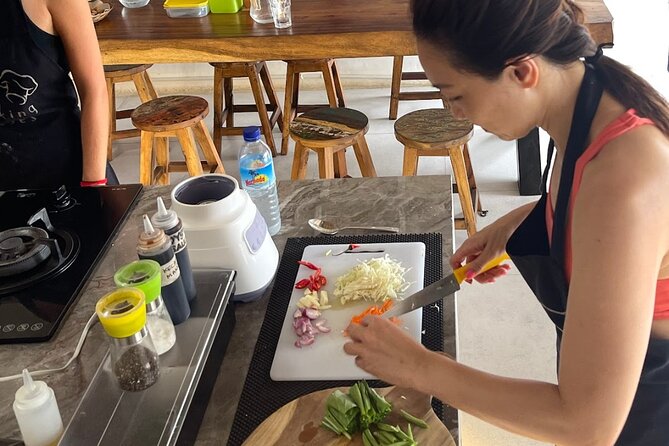
The class focuses on preparing, cooking, and eating the dishes rather than presenting a long culinary lecture. Chefs explain the ingredients and guide you through the work, with practical advice on how to repeat the recipes at home.
That home-use element is one of the strongest reasons to book. You receive the recipes afterward, including measurements, so you do not have to rely on memory. This is useful for dishes such as peanut sauce and fried noodles, where timing and proportions matter as much as the ingredients.
The chefs also explain local produce and how ingredients are grown in the area. That gives the food more meaning than a simple list of steps. You learn not only what goes into the dish, but also something about Indonesian food culture and everyday cooking.
English is used clearly in the class. The teaching style is described as funny, friendly, organized, and hands-on. You should still expect some ingredients to be pre-measured for convenience. That keeps the class moving, though it means you may not personally measure every splash of water, coconut milk, or oil. The recipes afterward provide those amounts.
A social class with personal guidance
This is not a private chef lesson. You cook with a small group, meet other people, and share the meal at the end. For many people, that is part of the value. The class creates an easy setting for couples, friends, and solo visitors to talk while working through the dishes.
The group limit of 10 keeps the social atmosphere from becoming unwieldy. You are not lost in a large demonstration crowd, and the chefs can give one-to-one help when a sauce needs adjusting or a cooking step is unclear.
The instructors’ approach is a major part of the experience. The class is designed to be relaxed and fun, but it is also organized. That balance matters. A cooking class can become frustrating if the jokes replace instruction, or dull if every step is delivered like a formal lecture. Here, the format aims for active participation, with the chefs keeping the pace moving.
Expect the longer course to feel busy. You will be handling several dishes, and the chefs may guide the group through shared steps rather than letting everyone work entirely alone. If your priority is to master one recipe in great detail, this may not be the ideal format. If you want a broad introduction and a large meal, it works well.
Vegetarian and vegan options
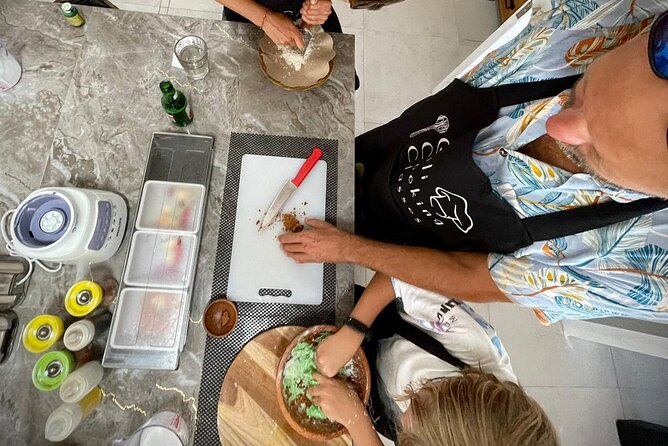
You do not have to eat chicken to take the class. The chefs can replace chicken with tofu or tempe, and vegan oyster sauce is available. The school says it can accommodate almost all dietary preferences, so tell the team about your needs when booking.
This is more useful than simply offering one meat-free dish. The longer menus include chicken curry and chicken taliwang, but those components can be adapted while keeping the overall structure of the meal. You can still take part in the same cooking process and enjoy a varied spread.
The supplied information does not detail every possible allergy or cross-contamination procedure. If you have a serious allergy, contact the provider in advance and explain exactly what you need. For ordinary vegetarian or vegan preferences, the available substitutions are clearly established.
Is $33 good value?
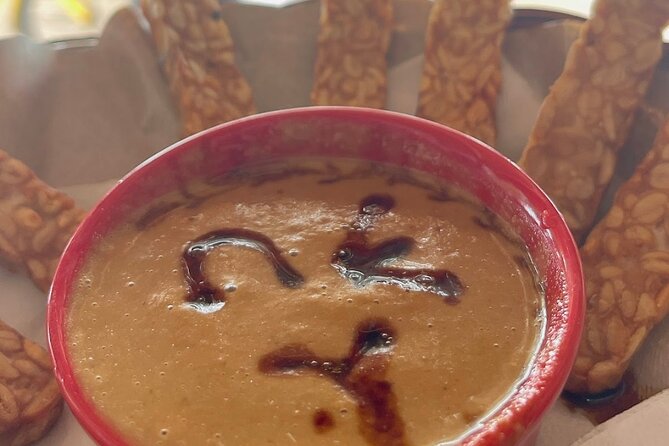
At $33 per person, the class is not just a restaurant meal. You receive instruction, several dishes, drinking water, and lunch or dinner. You also leave with recipes, which adds value if you plan to cook Indonesian food once you return home.
The price looks strongest on the Four of a Kind and Super Six courses. A restaurant meal might feed you once, but this class gives you a meal plus skills and recipes. The six-dish menu also gives you the widest sample of Indonesian cooking, including Lombok’s chicken taliwang and gado gado.
The Intro Course can still be good value if you want something short. It includes three dishes in 1.5 hours, and you avoid spending a larger part of your day in class. The right comparison is not simply price per dish. Think about how much time you want to give the experience and whether you will use the recipes later.
Free drinking water is included. Alcohol is not offered, so do not book expecting beer or cocktails with the meal. If you want to take leftovers away, takeaway boxes cost $0.30 each. That is a small extra charge, but you should plan on eating the meal at the school unless you arrange a box.
Handling the heat and choosing your time
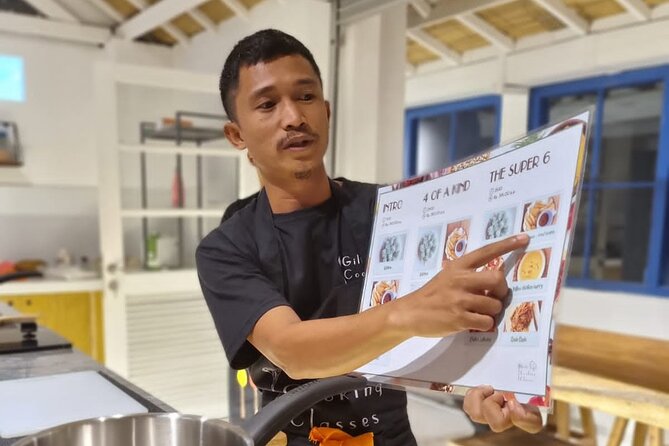
The open-air kitchen is part of the charm, but it can be hot. Water is provided, and the team works to keep the class comfortable, yet the midday 11:30am start will be the toughest option on a hot day.
The 4pm class is a useful middle ground. It lets you spend the earlier part of the day elsewhere and cook as temperatures ease. The evening class is best if you want the meal to replace dinner, with the exact late start listed as 7pm in low season and 8pm in high season.
The class length also affects your schedule. The Intro Course takes about 1.5 hours, Four of a Kind takes two hours, and Super Six takes 2.5 hours. Add a little flexibility around those times, since eating and group instruction can make the experience feel less rushed if you are not planning another activity immediately afterward.
Who should book this class?
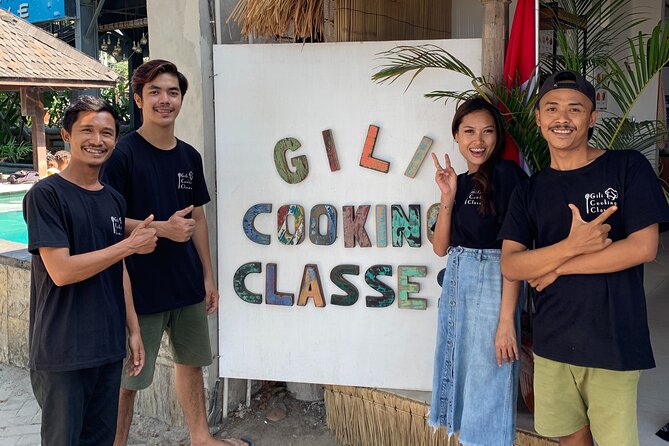
I would recommend it to anyone who enjoys Indonesian food and wants more than another restaurant meal. It is especially useful if you have been eating nasi goreng, tempe, curry, or peanut sauce on your trip and want to understand how those flavors come together.
It suits couples and friends because the hands-on format gives you something to do together. Solo visitors can also fit in easily because the small group creates natural conversation. Families may prefer the short Intro Course, depending on the ages and patience of the children.
The class is also a good choice for people with vegetarian or vegan diets. The substitutions are built into the menu rather than treated as an afterthought.
You may want to skip it if you dislike group activities, cannot handle a warm open-air kitchen, or want a slow technical lesson focused on one dish. The experience covers several recipes, so it favors variety, participation, and a shared meal over detailed restaurant-level training.
Practical booking details
You receive confirmation when booking, unless you book within one hour of the start time. In that case, confirmation arrives as soon as possible and depends on availability.
The meeting point is Gili Cooking Classes next to Trawangan Dive, Gili Trawangan, at Jl. Raya Pantai Trawangan, Gili Indah, Pemenang, North Lombok. The activity ends at the same place. It is near public transportation, and service animals are allowed.
You can cancel for a full refund up to 24 hours before the start time. Cancellations or changes made within 24 hours are not refunded or accepted, based on local time. The ticket is mobile, so you can keep the booking on your phone.
Should you book Gili Cooking Classes Trawangan?
Yes, if you want an active cultural experience with plenty to eat afterward. The Four of a Kind course offers the best all-round balance, while the Super Six is worth choosing if you want Lombok’s chicken taliwang, gado gado, and the fullest meal.
Pick the Intro Course if your schedule is tight or you only want a taste of Indonesian cooking. At $33, the experience earns its price through the meal, small group, instruction, water, and recipes you can use at home. Just choose a cooler start time if heat bothers you, and remember that the class is lively and hands-on rather than slow and highly technical.
FAQ
Where does Gili Cooking Classes Trawangan meet?
The class meets at Gili Cooking Classes next to Trawangan Dive on Jl. Raya Pantai Trawangan, Gili Indah, Pemenang, North Lombok. The activity ends back at the same meeting point.
How long does the cooking class take?
The Intro Course takes about 1.5 hours, Four of a Kind takes about two hours, and the Super Six takes about 2.5 hours.
What time do classes start?
Classes run daily at 11:30am, 4pm, and 7pm in low season or 8pm in high season.
How many dishes do you cook?
The Intro Course includes three dishes, Four of a Kind includes four, and the Super Six includes six Indonesian specialties.
What dishes are included?
The menus include kelopon, fried tempe with peanut sauce, fried noodles, yellow chicken curry, chicken taliwang, and gado gado. The exact dishes depend on the course you choose.
Are vegetarian and vegan options available?
Yes. Chicken can be replaced with tofu or tempe, and vegan oyster sauce is available. The school says it can accommodate almost all dietary preferences.
Is food included in the price?
Yes. Lunch or dinner and bottled drinking water are included. Alcoholic drinks are not offered.
Can you take leftovers home?
Yes, takeaway boxes are available for $0.30 per box.
More Food Outings in Indonesia
- Balinese cooking class/Go shopping at the market, cook, eat
★ 5.0 · 12 reviews - Athens: Food Market Visit and Cooking Class with Wine
★ 4.9 · 1,087 reviews - Undiscovered Charleston: Half Day Food, Wine & History Tour with Cooking Class
★ 5.0 · 948 reviews - Vietnamese Food Cooking Class in Hanoi with Market Experience
★ 5.0 · 778 reviews
Newest classes around Indonesia
- Pure Bali Village Experience, Cooking & Jamu Class+VIP Transfer★ 5.0 · 16 reviews
- Spice Garden, Jamu & Cooking Class in Bali Village★ 5.0 · 5 reviews
- The Authentic Balinese Cooking Experience★ 5.0 · 4 reviews
- Seminyak : cooking class traditional food bali★ 5.0 · 5 reviews
- Seminyak: Vegetarian Cooking Class★ 5.0 · 3 reviews
- Quad ride, waterfalls & aunthentic cooking class in munduk★ 4.9 · 53 reviews
- Pure Bali Village Experience Cooking & Jamu Class, Transfer★ 4.8 · 5 reviews
- Ubud: Organic Farm Harvest, Bali Cooking Class by Pemulan★ 4.8 · 12 reviews
Indonesia Cooking Classes, compared.
Cooking Class with Transfers and Optional Market Visit
Read our review →
PRIVATE Authentic Balinese Cooking Class in Ubud at Putu’s Home
Read our review →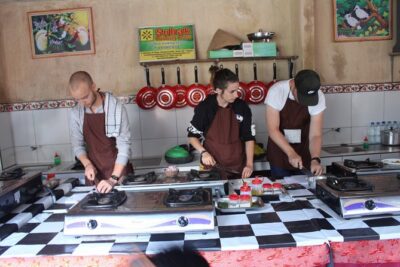
Balinese Ubud cooking school (9 Dish Cooking and Market Tour)
Read our review →
Browse the lists this tour appears in