
Review · CHENGDU COOKING CLASSES
Half-Day Private Hot-Pot Cooking Class with a Local Market Visit
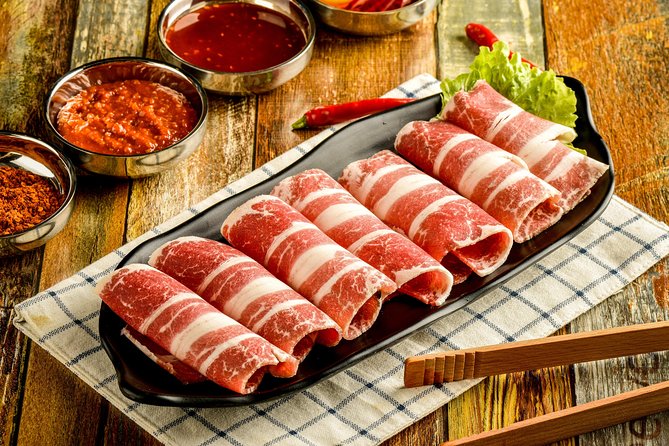
Sichuan hotpot is more than a meal here. It is a hands-on lesson in how Chengdu eats, starting with a spice market and ending at a table filled with two bubbling broths: a fiery red pot and a mild white pot. You will shop, taste, chop, arrange ingredients, and cook under the direction of a professional chef.
I like the market visit because it gives the class a clear local setting instead of dropping you straight into a kitchen. I also like the private format, with only your group taking part, and the fact that guide Lance is described as warm, engaging, and ready to answer questions. The main drawback is the price: at $90 per person, this is not a bargain meal, especially if you only want to eat hotpot rather than learn how to make it.
Key points to know before booking
- Two broths in one class: Prepare both the spicy red pot and the non-spicy white pot, then compare them at the table.
- A real market visit first: Explore a spice market, learn about local foods, and try Sichuan snacks before cooking.
- Private group setting: Only your party participates, which gives you more room to ask questions and work at your own pace.
- Guided by Lance and a chef: Lance handles the tour side, while a professional chef teaches cutting, arrangement, and cooking.
- A full half-day commitment: Allow about four hours and 30 minutes, including transport or pickup time as arranged.
- Useful cancellation terms: You can receive a full refund if you cancel at least 24 hours ahead.
Why this Chengdu class is about more than hotpot
Sichuan hotpot has been part of Chinese food culture for at least 1,700 years. That does not mean this class is a history lecture. Its value is practical: you get to see how the ingredients fit together, how a broth is built, and how a shared hotpot meal works from the inside.
The class covers the three basic styles. The red pot gets its heat from chili peppers and Sichuan peppercorns. The white pot uses a non-spicy broth. A double pot places both on the table, making it possible for people with different spice preferences to eat together.
That last point matters. A hotpot meal can become a test of endurance if everyone is expected to eat the same fiery broth. Here, the mild pot gives you a useful counterpoint and makes the meal easier for mixed groups. You can learn what the spices do without committing every bite to maximum heat.
I also like that you do not simply watch a demonstration. You learn to cut ingredients and arrange them with decoration, then cook and eat what you have prepared. That small shift from spectator to cook gives the meal more meaning.
More Cooking Classes with a Market Tour in China
- Half-Day Chengdu Cooking Class with a Local Market Visit
★ 5.0 · 465 reviews - Chengdu: Cooking Class with Fresh Market Half Day Experience
★ 5.0 · 42 reviews - Half-Day steamed Buns Cooking Class with a Local Market Visit
★ 5.0 · 26 reviews
Starting with Chengdu’s spice market
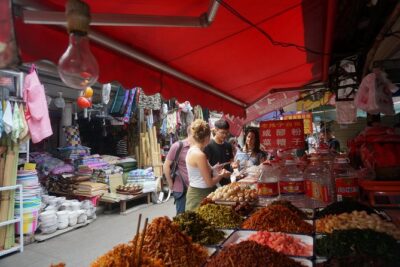
The experience begins with a guide-led visit to a spice market. This is one of the most useful parts for anyone arriving in Chengdu without much knowledge of Sichuan cooking. You can see the kinds of spices and foods that shape the local table before someone asks you to use them in a pot.
The market visit includes local snacks. The exact snacks are not fixed in the information provided, so you should treat this as a chance to taste what is available rather than a guaranteed menu. That flexibility can be a plus. Markets change, and a guide can point out foods that fit the day and season.
Lance is the named guide for this experience. His role is to lead the market walk, explain what you are seeing, and keep the outing moving toward the cooking class. The strongest praise directed at the experience focuses on his engaging manner, clear explanations, and willingness to answer questions.
Expect the market to be active and sensory. Spices can be more useful to understand by sight and smell than by name alone. Sichuan peppercorns, chili peppers, and other ingredients make more sense once you connect them to the flavor in your bowl.
There is one practical limit. The market portion is an introduction, not a full food tour of Chengdu. If you want a long market exploration or a detailed survey of every regional ingredient, this half-day class may feel focused. Its purpose is to prepare you for hotpot, not to cover the whole city’s food culture.
A pause for Sichuan tea before the cooking begins
After the market, you go to the cooking-class location. The schedule includes a break with Sichuan local tea before the hands-on work starts.
That pause is welcome. The market and the kitchen are different parts of the experience, and a short tea break gives you time to settle in. It also adds a small piece of local food culture that is easy to miss when an activity rushes from one task to the next.
The tea is not presented as a separate tasting course with a detailed menu. Think of it as a local welcome and a breathing space. You can use the moment to ask Lance about the market, the ingredients, or the steps ahead.
Because the class lasts about four and a half hours, this short pause also helps pace the morning or afternoon. You are not expected to chop and cook without a break from start to finish.
Learning the red pot and white pot
The main lesson covers both broths. You will prepare the spicy red pot and the non-spicy white pot, then enjoy them together.
The red pot is the obvious draw for many visitors to Chengdu. Chili peppers provide heat, while Sichuan peppercorns bring their distinctive numbing sensation. The supplied information does not promise a custom spice level, so you should ask the guide or chef about the heat before you begin if you are sensitive to spice.
The white pot gives you a calmer comparison. It is not merely a backup for people who dislike chili. It helps you understand how much flavor comes from the broth itself and how the same ingredients can taste different in a milder base.
The double-pot format is especially practical for couples, families, and friends with different preferences. One person can stay with the red broth while another uses the white. You can also switch between them and compare the results.
A professional chef guides the cooking. That matters because hotpot looks simple, but the quality of the meal depends on preparation, timing, and balance. The chef can show you how to handle the ingredients and how to set the table so it looks appealing before cooking begins.
The class is not described as a formal professional cooking qualification. You will learn the core process and enjoy the result, but you should not expect advanced culinary training. This is a food experience designed for visitors, with enough instruction to make the meal yourself.
More Private Cooking Classes in China
- Private Cooking Class: Make Your Own Dim Sum In Shanghai
★ 5.0 · 27 reviews - Private Home Cooking Class with Shanghai Mama
★ 5.0 · 14 reviews - Private Panda Tour with Cooking Class One-day Trip
★ 5.0 · 11 reviews - Private Home Cooking Class:Dumpling Cooking Class Tour in Xi’an
★ 5.0 · 7 reviews
Cutting and arranging ingredients
The class includes instruction in cutting and setting dishes with decoration. This is a useful detail, since hotpot is often reduced to the idea of throwing food into boiling broth. The preparation around the pot is part of the meal.
Cutting affects how ingredients cook. The information provided does not list every ingredient or knife technique, so the exact lesson may vary. You can expect the chef to show you the proper preparation for the foods used that day.
Arrangement also changes the experience. A spread of ingredients is easier to understand when each item is placed clearly and attractively. You can see what you are about to cook instead of fishing through a mixed pile.
This is where the private format earns its keep. With only your group involved, you have a better chance to ask for clarification or repeat a step. A large class can be fun, but it often turns cooking into a demonstration viewed from the back. Here, the format is more personal.
The available feedback places strong emphasis on clear explanations that do not feel like a memorized speech. That is a useful sign for anyone who dislikes rigid, scripted tours. Still, guides and chefs can vary from day to day, so the named guide is not a guarantee that every session will feel identical.
Eating the hotpot you prepared
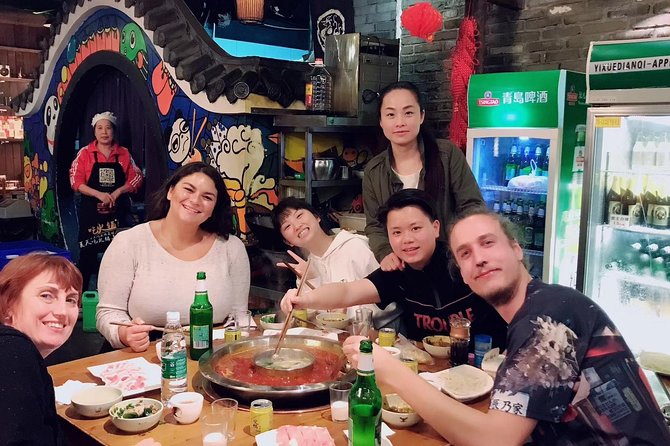
Once the broths and ingredients are ready, you sit down to eat the hotpot you cooked. Beers and other beverages are included as options for the meal, though the specific drinks are not listed.
This final stage is what makes the class feel complete. You are not preparing food for a photo and then leaving. You sit with the result and taste the difference between the red and white pots.
Hotpot is also a social meal. It rewards conversation, shared decisions, and a little patience while ingredients cook. In a private group, you do not have to share the table with strangers, and you can keep the pace comfortable for your own party.
The meal may be less suitable for someone seeking a quiet, individually plated dinner. Hotpot is interactive by nature. You will be managing ingredients, broth, and timing at the table. That is the point, but it is worth knowing before you book.
The beverage detail adds value, though it does not turn the tour into a nightlife outing. You are getting drinks with the meal, not a separate tasting program. If you do not drink beer, the experience also mentions other beverages.
What the $90 price gets you
At $90 per person, this experience costs more than ordering a standard hotpot meal in Chengdu. That comparison is fair, but incomplete.
You are paying for a private activity lasting about four hours and 30 minutes, a guide, a market visit, snack tasting, tea, professional cooking instruction, the prepared meal, and beverages. Pickup is offered, which may also reduce the hassle of finding the location, depending on the arrangements for your booking.
The private format is the largest value factor. For one person, the price is harder to justify if your only aim is to eat. For a couple or small group, the cost buys an experience built around your party rather than a quick restaurant table.
Group discounts are available, so larger parties should check the final price before deciding. The activity is also booked around 10 days in advance on average. That suggests you should not leave it until the last minute if the class is important to your Chengdu plans.
I would book this for someone who values instruction and access over the cheapest possible meal. I would skip it for a budget-focused visitor who already knows Sichuan cooking and simply wants a bowl of hotpot.
Timing, pickup, and cancellation details
The activity lasts approximately four hours and 30 minutes. That is long enough to include the market, snacks, tea, cooking lesson, and meal without packing every stage into a rush.
Pickup is offered, and the activity is near public transportation. The supplied details do not specify pickup zones or exact meeting arrangements, so confirm those points when booking. Do not assume every hotel or address is covered.
A mobile ticket is available, which is convenient for a day of sightseeing. Confirmation is received at the time of booking.
You can cancel for a full refund up to 24 hours before the local start time. Cancellations made less than 24 hours ahead are not refunded, and late changes are not accepted. The experience requires good weather. If poor weather causes a cancellation, you will be offered another date or a full refund.
The weather rule is worth noting because the outing includes an outdoor market visit. Keep the class on a day when your schedule has some flexibility, especially if you are visiting during unsettled weather.
Who will enjoy this private Chengdu experience
This class suits you best if you want a food activity with a clear beginning, middle, and end. The market gives you context, the chef provides instruction, and the shared meal gives you time to enjoy the result.
It is a strong choice for:
- Couples looking for a private meal with an activity attached
- Families who want a hands-on introduction to Chengdu food
- First-time visitors curious about Sichuan peppercorns and chili
- Small groups who can use the available group discount
- Anyone who prefers a mild broth alongside a spicy one
- Visitors who want a guide to handle the market and cooking logistics
It may not suit you if you dislike spicy food, though the white pot offers a non-spicy option. It may also disappoint if you expect a long, specialist market tour, a restaurant-only meal, or advanced chef training.
The class is private, but it is still a structured experience. You will follow the guide and chef through the planned stages rather than wandering freely through the market or choosing every part of the menu.
The final call: book it for the lesson, not just the lunch
I would book this class if you want to understand Chengdu hotpot by making it yourself. The combination of spice market, local snacks, Sichuan tea, red and white broths, cutting practice, and a meal with drinks gives the half-day a sensible shape.
The best reasons to choose it are the private setting and the human guidance from Lance and the professional chef. The market visit keeps the experience connected to Chengdu, while the two-broth format makes it workable for groups with different spice limits.
The $90 price is the key question. If you measure value by the cost of food alone, it is high. If you measure it as a private cooking class and guided local food experience, it is easier to defend.
Book it at least several days ahead, ask about pickup and spice levels, and leave four and a half hours free. If you want more than a restaurant meal and are happy to work for your dinner, this is a practical and flavorful way to meet Sichuan hotpot.
FAQ
How long does the hotpot cooking experience last?
The experience lasts approximately four hours and 30 minutes.
Is the activity private?
Yes. Only your group participates in the private tour or activity.
Will I cook both spicy and non-spicy hotpot?
Yes. The class teaches you to prepare both the spicy red pot and the non-spicy white pot.
Does the experience include a market visit?
Yes. The guide takes you to a spice market, where you can explore local foods and try Sichuan snacks.
Is pickup available?
Yes. Pickup is offered, and the activity is also near public transportation. Exact pickup details are not specified, so confirm them when booking.
What is the cancellation policy?
You can cancel at least 24 hours before the local start time for a full refund. Cancellations or changes made less than 24 hours before the experience are not accepted for a refund. If poor weather causes the activity to be canceled, you will be offered another date or a full refund.
More Half-Day Outings in China
- Half-Day Professional Mapo Tofu Cooking with a Local Market Visit
★ 5.0 · 19 reviews - Half-Day Sichuan Cooking Class Experience in Chengdu
★ 4.0 · 17 reviews - Half-day Dandan Noodles Cooking Class with a Local Market Visit
★ 5.0 · 8 reviews - Half-day Chengdu Handmade Tofu Making and Mapo Tofu Cooking Class
★ 5.0 · 3 reviews
Newest classes around China
- Private Panda Tour with Cooking Class One-day Trip★ 5.0 · 11 reviews
- Half-day Chengdu Handmade Tofu Making and Mapo Tofu Cooking Class★ 5.0 · 3 reviews
- Half-day Dandan Noodles Cooking Class with a Local Market Visit★ 5.0 · 8 reviews
- Half-Day Sichuan Cooking Class Experience in Chengdu★ 4.0 · 17 reviews
- Half day Chengdu Dumpling Class: Make from Scratch★ 5.0 · 8 reviews
- Chengdu Dujiangyan Leshan Buddha Tea Plantation and Sichuan Cooking 3 Days★ 5.0 · 2 reviews
- Beijing: Private Dumpling Cooking Class in Local Family★ 5.0 · 3 reviews
- Dumpling Cooking Class and Local Market Tour★ 5.0 · 3 reviews
Chengdu Cooking Classes, compared.
Half-Day Chengdu Cooking Class with a Local Market Visit
Read our review →
Cooking Class with Fresh Market Half Day Experience
Read our review →
Half-Day steamed Buns Cooking Class with a Local Market Visit
Read our review →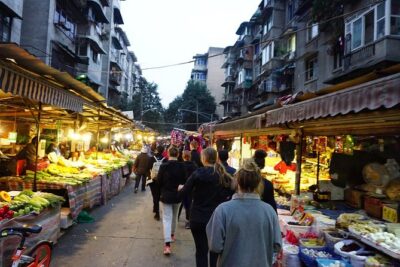
Half-Day Professional Mapo Tofu Cooking with a Local Market Visit
Read our review →
Half-Day Sichuan Cooking Class Experience in Chengdu
Read our review →
Private Panda Tour with Cooking Class One-day Trip
Read our review →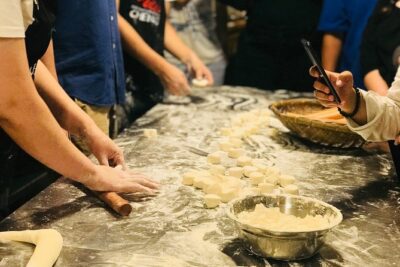
Half day Chengdu Dumpling Class: Make from Scratch
Read our review →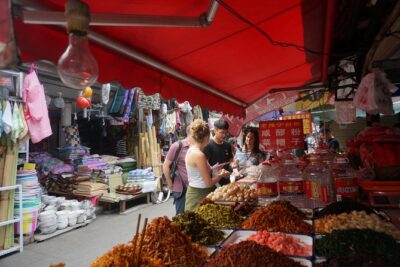
Half-day Dandan Noodles Cooking Class with a Local Market Visit
Read our review →Browse the lists this tour appears in