
Review · BUDAPEST COOKING CLASSES
Easy Cooking Class Budapest – with Market Walk (local wine & pálinka included)
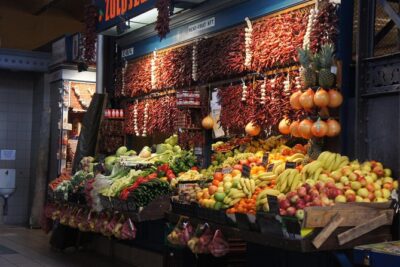
Budapest’s best food lesson may begin before you touch a pan. This five-hour experience takes you through Central Market Hall, where you shop, taste local specialties, and learn what Hungarians actually cook at home before preparing your own four-course lunch.
I like the personal scale, with no more than 12 people, and I like that the food is practical rather than fancy: körözött, chicken paprikás, nokedli, stuffed cabbage, and mákos guba. The main thing to consider is that the cooking is home-style and fairly basic, not a gourmet cooking course.
Key points
- Central Market Hall first: Begin at Budapest’s traditional food market with tastings, ingredient shopping, and stories about Hungarian foods.
- A full meal, not a quick demonstration: Help prepare a four-course lunch, then sit down to eat what you made.
- Wine and pálinka included: Local drinks are part of the experience, along with food samples and snacks.
- Small groups matter: The class accepts a maximum of 12 people, and the cooking is designed to involve everyone.
- Good for dietary needs: Vegetarian meals are available, and you should report allergies or other restrictions when booking.
- Guides add the local touch: Past classes have been led by hosts including Kata, Cecilia, Ildy, Viki, and Zita.
Start with paprika, market stalls, and a taste of Budapest
The meeting point is outside the Central Market Hall at Vámház körút 1-3, with an 11:00 am start. That location is handy for an outing built around food: you begin among working market stalls rather than in a classroom or restaurant.
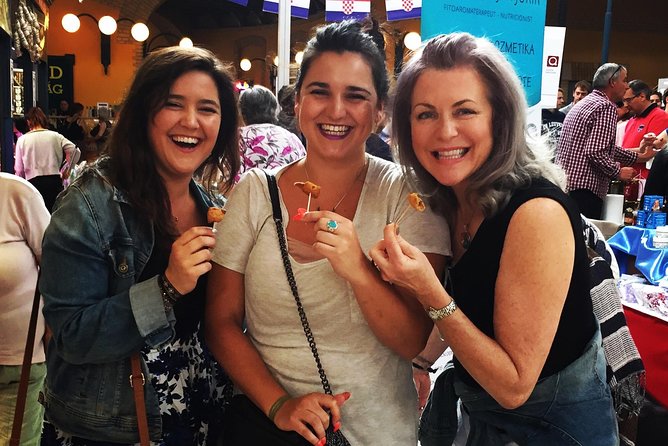
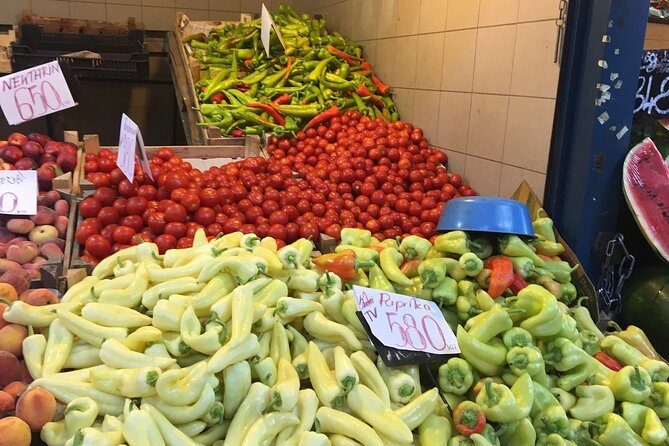
The market visit gives you a useful introduction to Hungarian cooking. You may see the ingredients that later appear in your meal, while the guide explains local products and offers samples. The building itself is also part of the experience, with its old photographs and stories about the market’s past.
I especially like this order. You first see and taste the ingredients, then use them in the kitchen. That gives the class a clear purpose. Instead of hearing a list of Hungarian dishes and moving on, you get a sense of how food connects the market, the home kitchen, and the table.
The tasting portion can include local specialties and snacks. Pálinka, Hungary’s fruit brandy, is included, as is a sweet bread pudding later in the meal. If you have already walked through the market on your own, the guide still adds value by explaining unfamiliar products and helping you sample things you might otherwise pass by.
Keep your expectations sensible. The market visit is not a full food history lecture or a long guided tour of every stall. It is the opening chapter of the cooking class, designed to get you familiar with the foods you will handle soon afterward.
More Cooking Classes with a Market Tour in Budapest:
- Budapest Cooking Class & Market Tour with Local Guide & Wines
★ 5.0 · 553 reviews - Budapest: Small-Group Cooking Class & Market Tour with Local
★ 5.0 · 138 reviews - Hungarian Cooking and optional Local Market Tour
★ 4.5 · 98 reviews
Central Market Hall: useful context before the cooking starts
Central Market Hall is one of Budapest’s most recognizable food stops, but it can be easy to experience it as a quick photo stop. This class gives you a reason to slow down.
You can ask about the ingredients, watch how locals shop, and taste foods with some context. The guide may point out products you have never used before. That is helpful if Hungarian food is new to you, since names such as körözött, nokedli, and mákos guba do not tell you much on their own.
The market walk also works well for curious eaters who do not want a standard restaurant meal. You are not simply handed a plate and told what it contains. You see the building, shop for ingredients, and take part in turning those foods into lunch.
One practical point: the tour starts at the market and ends back at the same meeting point. Hotel pickup and drop-off are not included, so plan your own way to Vámház körút. The location is near public transportation, and the return to the starting point makes the schedule easy to fit around other Budapest plans.
Moving from the market to the professional kitchen
After the market, the group heads to Easy Cooking Budapest. The cooking takes place in a professional kitchen, but the mood is meant to feel relaxed and social rather than formal.
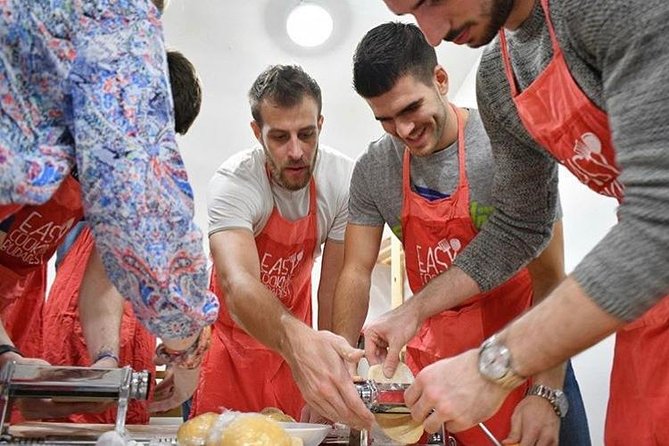
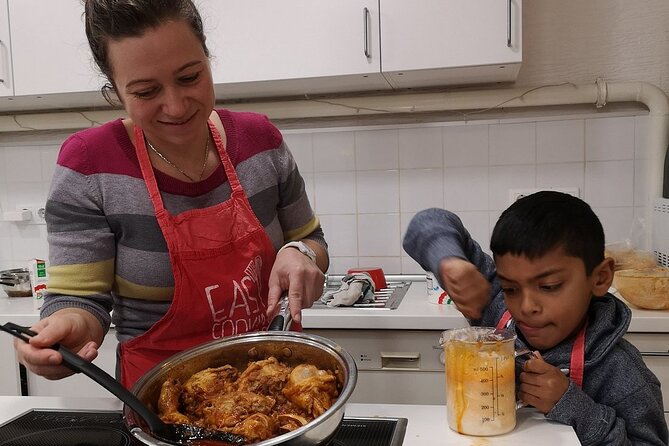
You work alongside the chef and other participants instead of sitting through a long demonstration. The class includes techniques such as making nokedli, the small Hungarian dumplings served with dishes such as chicken paprikás. You may also work on stuffed cabbage, soup, a cottage cheese spread, and dessert, depending on the menu used that day.
This is where the group limit becomes important. With up to 12 people, everyone has a better chance to participate. You will not necessarily prepare every part of every dish alone, but the class is structured as a shared cooking session. The hosts make the process approachable, even if your normal kitchen experience is limited.
The level is best described as home cooking. That is a strength if you want recipes you can repeat at home. It is less suitable if you expect advanced knife skills, restaurant-style plating, or a chef’s certification lesson.
A four-course Hungarian lunch you help make
The sample menu offers a good picture of the food involved:
- Körözött, a cottage cheese dip
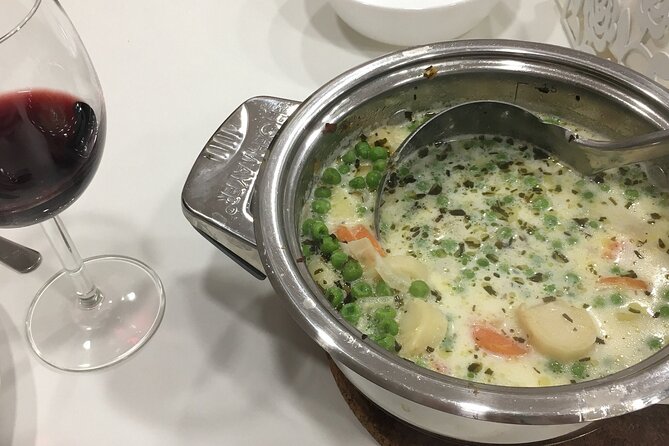
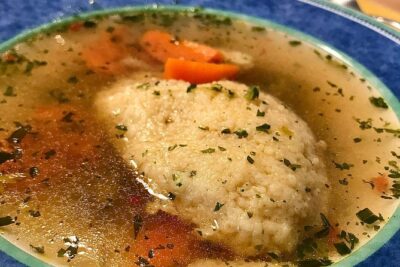
- Green pea soup with tarragon
- Chicken paprikás with nokedli, or stuffed cabbage
- Mákos guba, a poppy seed bread pudding
Körözött is a useful first dish because it introduces the creamy, seasoned side of Hungarian cooking. The green pea soup brings tarragon into the meal, while the main course focuses on two familiar Hungarian formats: paprika-seasoned chicken with dumplings, or cabbage stuffed with a savory filling.
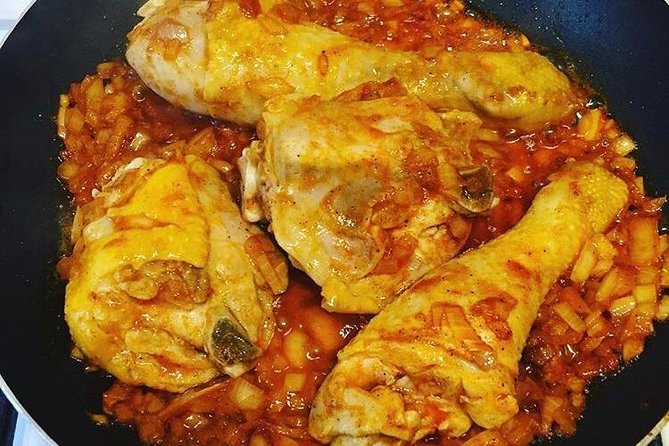
Chicken paprikás is likely to be the most useful recipe for home cooks. It is recognizable, comforting food, and the preparation gives you a window into the role of paprika in Hungarian meals. The nokedli adds a hands-on skill that many people would not learn by ordering the dish in a restaurant.
Mákos guba provides a distinctly Hungarian finish. The poppy seed bread pudding is sweet, filling, and different from the usual strudel or cake offered on a city food tour. It also gives the meal a traditional homemade feel.
The exact menu may vary between chicken paprikás and stuffed cabbage. If one dish matters to you, ask when booking rather than assuming both will be prepared.
More Cooking Classes with Wine Tasting in Budapest:
- Florence: Pasta Cooking Class with Unlimited Wine
★ 4.9 · 10,285 reviews - Florence: Pasta & Tiramisu Cooking Class with Unlimited Wine
★ 4.9 · 6,708 reviews - Florence: Pasta Cooking Class with Unlimited Wine
★ 5.0 · 6,413 reviews - Rome: Pasta Making Class with Wine, Limoncello, and Dessert
★ 4.9 · 3,177 reviews
Wine, pálinka, and the pace of the class
Drinks are part of the experience, not an extra purchase at the end. Local wine is served while you cook and eat, and pálinka is introduced during the class. Food tastings, snacks, and the meal are included as well.
The drinks help turn the lesson into a long lunch with a local host. They also give you a chance to try Hungarian specialties in a setting where you can ask what you are drinking and how it fits into local food culture.
Still, keep track of your own pace. Pálinka is strong, and the experience lasts about five hours. You will be eating several courses, but it is wise to approach the tastings thoughtfully if you have afternoon plans.
The schedule has enough room for conversation, instruction, cooking, and eating. It is not a rushed stop between sightseeing appointments. I would avoid booking a museum entry or train immediately after the stated finish, since the duration is approximate.
The hosts are a major part of the experience
The cooking itself is only half the appeal. The host sets the tone, answers questions, and helps the group feel comfortable in the kitchen.
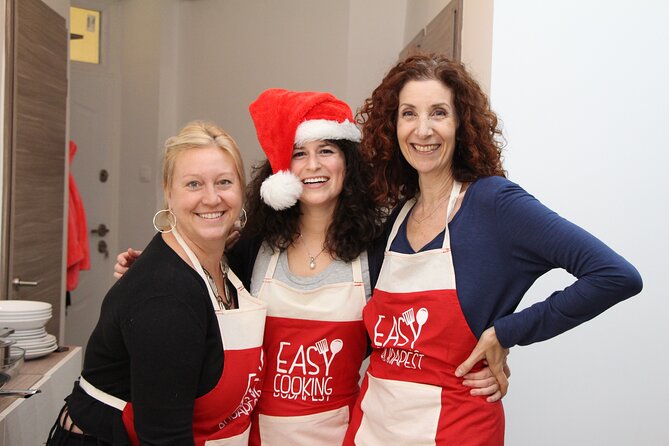
Several guides are associated with this class, including Kata, Cecilia, Ildy, Viki, and Zita. Ildy is praised for making the class intimate and personal. Kata is known for combining hosting, teaching, and conversation, while Cecilia has been described as especially warm and attentive during both the market visit and the cooking session.
The guide may also share family recipes and personal connections to Hungarian food. That matters because the class is aimed at home cooking, not just technique. You are learning how dishes fit into everyday life, including how they might be prepared for family meals.
Different dates may use different hosts, and the guide may be multilingual. The activity is offered in English, but a multilingual guide may lead the session. If detailed English instruction is important to you, it is sensible to confirm the language arrangements before booking.
The strongest part of the format is the direct contact. You can ask why a particular ingredient is used, how a dumpling should feel, or what can be changed at home. That sort of exchange is difficult to get in a large demonstration class.
Dietary needs and participation
Vegetarian cooking is available, but you must request it when booking. You should also report food allergies and other dietary needs at that time.
The class has handled complicated restrictions, including gluten, fish, sesame, and nuts. That does not mean every request can always be guaranteed, so do not wait until you arrive at the kitchen. Advance notice gives the operator a chance to plan the menu.
You should also tell the host if there is something you cannot eat or drink. The menu includes dairy, alcohol, and common allergens may appear in Hungarian dishes. Clear communication is the best way to make the class comfortable and safe.
The cooking is hands-on, so it suits people who want to do more than watch. If you prefer a quiet meal with no participation, this is the wrong format. If you like practical lessons and shared work, the class gives you plenty to do.
What the $143.61 price buys you
At $143.61 per person, this is not a cheap lunch. The value comes from the amount packed into the half-day: a guided market visit, tastings, ingredient shopping, a cooking lesson, a four-course meal, local wine, pálinka, snacks, and recipes or take-home items on some occasions.
The price also covers the guide’s time before the meal. You are not just paying for the food on your plate. You are paying for market interpretation, ingredient selection, kitchen instruction, and the social setting around the meal.
Compared with a regular restaurant lunch, the class costs much more. Compared with a short food tasting, it gives you far more time and participation. It makes the most sense if you value local contact and want something you can remember through recipes and cooking skills, not only photographs.
Group discounts may be available, which can make it more appealing for families or friends booking together. The maximum group size is 12, though a date may have fewer people. Some sessions can feel nearly private when demand is low, but you should not book assuming you will have the kitchen to yourself.
The activity is often reserved well in advance, with an average booking lead time of about 132 days. That suggests you should plan early if you have fixed dates, especially during a busy Budapest visit.
Who should book this Budapest cooking class?
I would recommend it to food-focused visitors who want an active cultural experience. It is also a good choice for couples, friends, families, and grandparents traveling with older children or grandchildren who enjoy cooking together.
It works particularly well early in a Budapest visit. After the market and class, you will recognize Hungarian ingredients and dishes on restaurant menus. You may also return to Central Market Hall later with a better sense of what to buy.
The class is less suited to anyone looking for advanced culinary training. The cooking is approachable and home-style, which some people will find exactly right and others may find too simple.
It is also a poor fit if your schedule is tight. Five hours is a substantial part of a day, and the meal, conversation, and cooking are meant to unfold at an easy pace. Do not squeeze it between several timed attractions.
Booking details worth knowing
The class begins at 11:00 am at Budapest’s Central Market Hall, Vámház krt. 1-3, 1093 Hungary. It ends back at the meeting point, and hotel transportation is not included.
A minimum of two people is required per booking. Confirmation is sent within 48 hours, subject to availability, and the activity accepts a maximum of 12 participants.
Free cancellation is available if you cancel at least 24 hours before the local start time. Cancellations or changes made inside that window are not refunded or accepted. If the minimum number is not reached and the activity is canceled, you are offered another date or experience, or a full refund.
Should you book it?
Book this class if you want to connect Budapest’s market food with the dishes served at home. The strongest reasons are the market-to-kitchen format, the small group, the generous meal, and the chance to learn recipes such as chicken paprikás and nokedli from a local host.
Skip it if you want sophisticated culinary training, a short tasting stop, or complete control over your schedule. For everyone else, the $143.61 cost is reasonable for a five-hour experience that combines food, drinks, instruction, and conversation. Tell the operator about dietary needs early, arrive ready to participate, and leave room for a long lunch.
FAQ
Where does the cooking class begin?
It begins at Budapest’s Central Market Hall, at Vámház krt. 1-3, 1093 Hungary.
What time does the activity start?
The start time is 11:00 am.
How long does the cooking class and market visit last?
The experience lasts approximately five hours.
Where does the activity end?
It ends back at the meeting point at Central Market Hall.
Is hotel pickup included?
No. Hotel pickup and drop-off are not included.
What food is included?
The experience includes food tastings, snacks, and a four-course meal. The sample menu includes körözött, green pea soup with tarragon, chicken paprikás with nokedli or stuffed cabbage, and mákos guba.
Are wine and pálinka included?
Yes. Local wine, pálinka, and other beverages are included.
Is a vegetarian option available?
Yes. You must request the vegetarian option when booking.
What is the cancellation policy?
You can cancel up to 24 hours before the local start time for a full refund. Cancellations or changes made less than 24 hours before the start are not accepted or refunded.
More Walking Tours in Budapest
- Tokyo: Tsukiji Market Walking Tour & Sushi Cooking Class
★ 4.6 · 122 reviews - Cape Town: Bo-Kapp Walking Tour and Malay Cooking Class
★ 4.7 · 105 reviews - Japanese Home Cooking Class & Walk in Todoroki Temple Tokyo
★ 5.0 · 88 reviews - Naxos: Food Walking Tour & Cooking Class with Meal & Drinks
★ 4.9 · 86 reviews
Newest classes around Budapest
- 4-Hour Open Air Gulash Cooking with nature in Hungary★ 5.0 · 2 reviews
- Hungarian Home Cooking Class with Chef Marti★ 5.0 · 30 reviews
- Budapest Market Tour & Home Cooking Class with local Chef & Guide★ 5.0 · 23 reviews
- Hungarian Cooking Class with Nelli – ONLINE over Zoom★ 5.0 · 16 reviews
- Authentic Jewish Cooking Class by a Professional chef★ 5.0 · 8 reviews
- Hungarian Premium Cooking Class with 4-course meal★ 5.0 · 15 reviews
- Budapest: Cooking School – Hungarian Menu & Local Market★ 5.0 · 7 reviews
- Chefparade Cooking School_ Hungarian menu★ 4.7 · 22 reviews
Budapest Cooking Classes, compared.
Budapest Cooking Class & Market Tour with Local Guide & Wines
Read our review →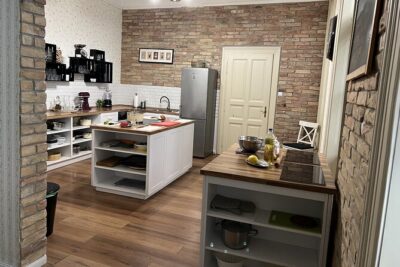
Premium Hungarian Home Cooking Experience with Chef Marti
Read our review →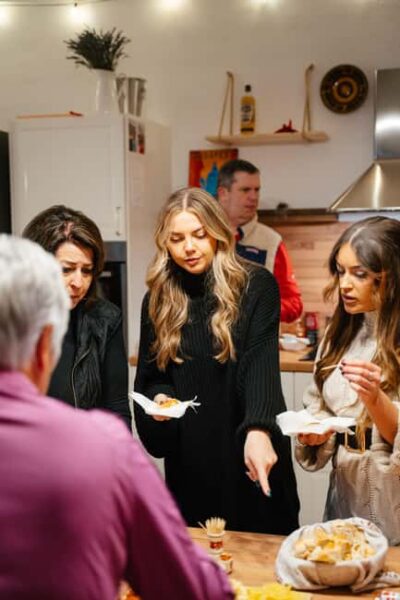
Small-Group Cooking Class & Market Tour with Local
Read our review →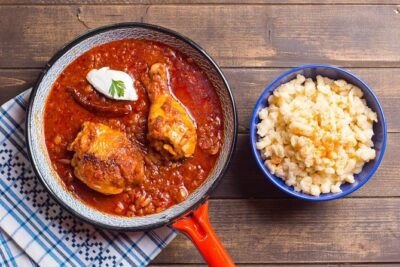
Hungarian Cooking and optional Local Market Tour
Read our review →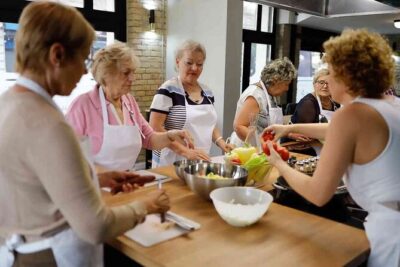
Budapest Market Tour & Home Cooking Class with local Chef & Guide
Read our review →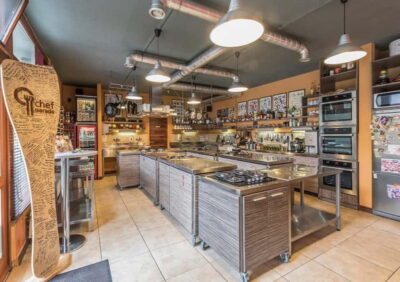
Browse the lists this tour appears in