
Review · BUDAPEST COOKING CLASSES
Hungarian Cooking and optional Local Market Tour
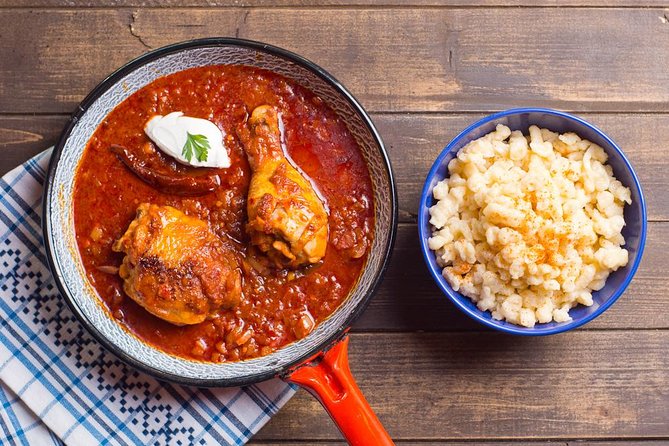
The best part of this Budapest experience is that you do not simply sit down to eat Hungarian food. You help make it, from the first chopped vegetables to the last fold of apple strudel. Along the way, your English-speaking chef explains why paprika matters, how Hungarians cook chicken paprikash, and where local food fits into daily life.
I like the hands-on cooking, especially the fresh-made nokedli, the small Hungarian dumplings served with paprikash. I also like the relaxed food-and-drink format: local wine, snacks, and a little pálinka tasting turn a lesson into a social meal. The optional Central Market Hall walk adds useful context before you cook.
The main caution is that the market option and return transportation need careful checking. One past booking became confusing because the market visit was rushed and the group had to arrange taxis back. The standard experience may end at the cooking school rather than at the market, despite some unclear meeting-point wording.
Key points to know before booking
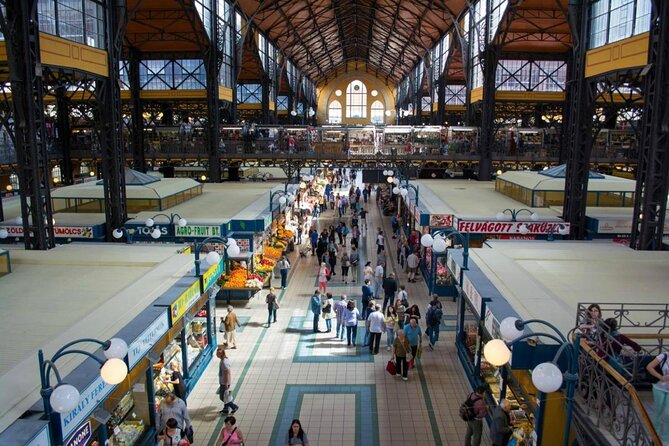
- Three Hungarian dishes from scratch: You may prepare goulash soup, chicken or mushroom paprikash with nokedli, and apple strudel, though the exact menu can vary.
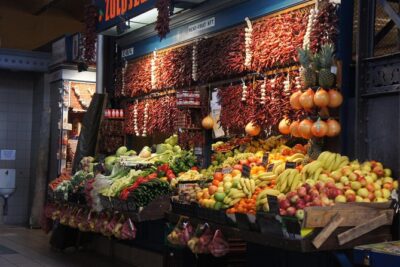
- Central Market Hall option: The market walk shows you Hungarian paprika, meats, cheeses, pastries, produce, and other local foods, with tastings along the way.
- Instructors make the difference: Vesna, Brigitte, Betty, Bernadette, Sylvia, Adrienne, and other Chefparade teachers are praised for patient, clear instruction.
- Small-group setting: The maximum is 15 people, and some sessions are much smaller, creating more time for questions and actual cooking.
- Budget around $126.98: That is a fair price for a four-hour class with food, drinks, instruction, and recipes, but confirm what the optional market package includes.
- Dietary needs require advance notice: A vegetarian menu is available on request, but options for allergies and religious restrictions may be limited.
Why cooking Hungarian food beats another restaurant meal
Budapest has no shortage of places serving goulash and paprikash. A cooking class gives you something a restaurant cannot: a clear look at the work behind the plate. You learn how the sauce is built, how the dumplings come together, and how long the food needs before it is ready.
The standard menu includes goulash soup, chicken paprikash with fresh nokedli, and apple strudel. A mushroom paprikash can replace the chicken, and other sessions have included potato soup, porkolt, or palacsinta. The menu is traditional but not locked into one exact set of dishes, so check the current plan if one recipe matters most to you.
I especially like the balance of cooking and conversation. The instructor does not just hand you a recipe and send you to a cutting board. You hear about Hungarian customs, food traditions, and everyday life while chopping, stirring, baking, and tasting. That cultural layer gives the meal a place in Budapest rather than making it feel like a generic cooking lesson.
The class is also useful for cooks of different skill levels. You do not need to be an expert. The instructors demonstrate techniques and explain the reasons behind them, including possible substitutions and changes. At the same time, experienced cooks can pick up small details about paprika, sauce preparation, dumplings, and timing.
More Cooking Classes with a Market Tour in Budapest:
- Budapest Cooking Class & Market Tour with Local Guide & Wines
★ 5.0 · 553 reviews - Budapest: Small-Group Cooking Class & Market Tour with Local
★ 5.0 · 138 reviews - Easy Cooking Class Budapest – with Market Walk (local wine & pálinka included)
★ 5.0 · 62 reviews
Starting at Central Market Hall
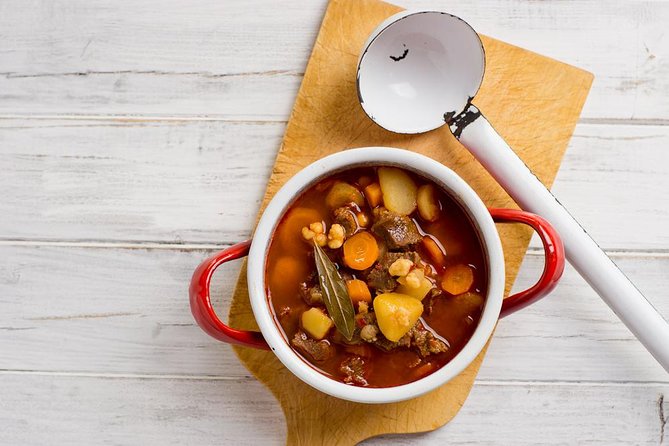
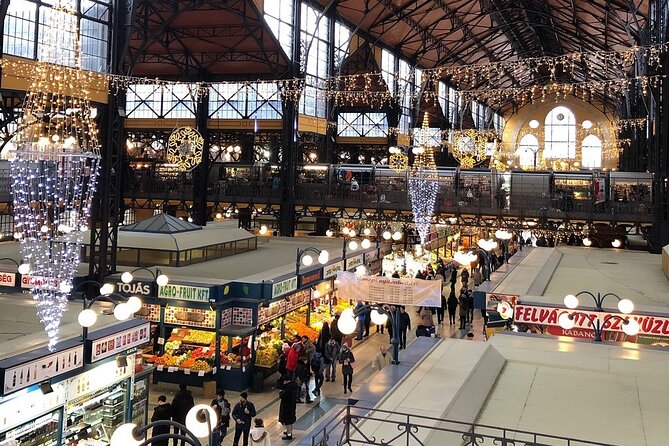
If you choose the market option, your day begins at Central Market Hall in Budapest. This is a practical meeting point near public transportation and a good place to see the ingredients before you cook them.
The guide leads you through the market and explains how Hungarians shop. The point is not just to buy souvenirs. It is to understand the market as part of local life, where people compare paprika, select produce, and choose from similar-looking meats, cheeses, pastries, and prepared foods.
The market walk can be especially useful if you are unsure what to buy on your own. The guide may help you compare brands and varieties, and tastings can show why one product is worth choosing over another. You can expect a focus on very Hungarian flavors, including paprika and other market staples.
Allow about an hour for the walk, based on the way the experience is usually structured. That is enough time to get an overview, but not always enough for a leisurely shopping trip. One participant found the market portion rushed and had little time to purchase items. If you want to shop seriously, ask at the start how much free time you will have.
The market option is worth adding if you want food context, tastings, and help choosing ingredients. If you mainly want to cook, the class itself is the stronger part of the experience.
The transfer to the Chefparade kitchen
After the market visit, the group goes to the cooking school. The listed locations can vary: Páva Street 13 on the Pest side or Bécsi Street 27 in Buda. Confirm the exact cooking-school address with your booking details before setting out.
This matters because the market and kitchen are not the same place. One past session involved a taxi ride of about 20 minutes, and the return arrangements caused confusion. The standard package may not include transportation back to Central Market Hall, while a higher-priced option may add a taxi, cookbook, and apron.
Do not assume that the end point is the same as the start point. The supplied details say the activity ends at the cooking school, although other wording suggests a return to the meeting point. Ask what is included before you pay, especially if you have an afternoon train, museum booking, or dinner reservation.
That logistical issue does not ruin the class, but it can affect the value. A taxi back to the center is a small cost compared with the total tour price, yet it should be clear from the start. The provider has arranged taxis for participants, and one group eventually shared a ride back, but you should not rely on last-minute solutions.
Cooking goulash, paprikash, and nokedli
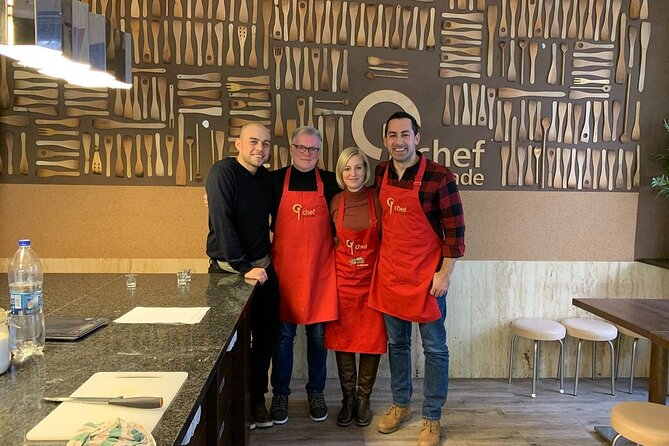
Once at the kitchen, you prepare the meal as a group. The exact division of work may vary with the group size, but the aim is genuine participation rather than a chef demonstration watched from the sidelines.
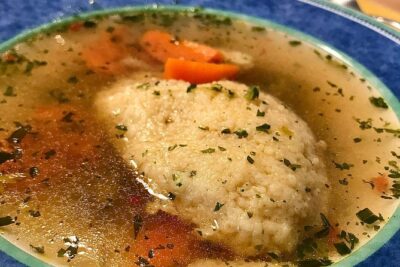
For goulash soup, expect beef, vegetables, and paprika in a hearty broth. You may help prepare a vegetable stock and chop the ingredients. The dish teaches the basic Hungarian habit of building flavor slowly rather than treating paprika as a simple garnish.
Chicken paprikash is the main event for many people. The chicken cooks in a creamy paprika sauce, and you make fresh nokedli to serve alongside it. The dumplings are similar to spaetzle and give the dish its familiar comfort-food character.
The timing matters. One detailed class involved an hour of cooking the chicken, with regular turning and stirring to keep the meat and sauce from overcooking. That sort of patient preparation is one reason the finished dish can taste better than a rushed restaurant version.
A mushroom paprikash may be offered instead of chicken. It gives vegetarians a traditional-style main course, though you need to request a vegetarian menu in advance. The listed information warns that allergy and religious-diet options may be limited, so be specific when booking.
Dessert is usually apple strudel, made with thin pastry and a sweet apple-and-cinnamon filling. You prepare and bake it rather than simply receiving a piece at the end. Some participants have had enough left over to take extra strudel with them, though you should not count on leftovers.
More Cooking Classes in Budapest:
- Premium Hungarian Home Cooking Experience with Chef Marti
★ 5.0 · 169 reviews - Hungarian Home Cooking Class with Chef Marti
★ 5.0 · 30 reviews - Budapest Market Tour & Home Cooking Class with local Chef & Guide
★ 5.0 · 23 reviews - Chefparade Cooking School_ Hungarian menu
★ 4.7 · 22 reviews
Wine, pálinka, and the meal at the end
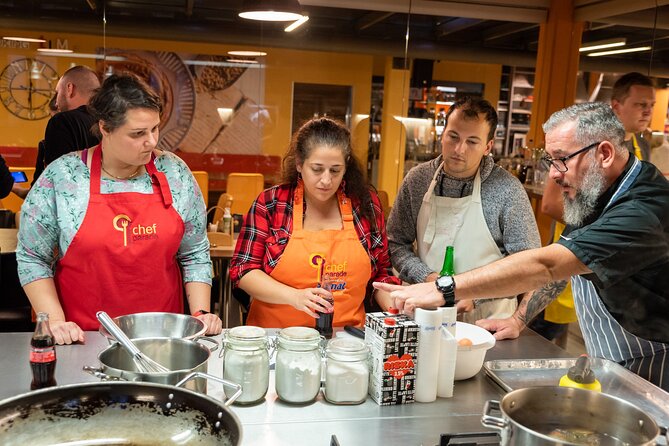
The class includes local drinks while you cook. Wine helps make the experience feel like a long Hungarian lunch rather than a timed school exercise. Pálinka, the local fruit spirit, is usually part of a small tasting, and Unicum may also appear as an after-meal digestif.
Drink service is part of the cultural lesson, but it can also affect the pace and atmosphere. Some sessions are relaxed and conversational, with everyone sitting down together to share the food. One less successful session felt rushed at the end because the room needed to be cleared for the next class.
The completed meal is the payoff. You sit down with the group and eat the dishes you helped prepare. This shared table is one of the class’s best features, especially if you are traveling with family, friends, or a partner. It also makes the experience social for solo participants.
Recipes are provided so you can repeat the dishes at home. Cookbooks, Hungarian paprika, and condiments may also be available for purchase, but these extras are not necessarily included in the basic price.
What the instructors add to the experience
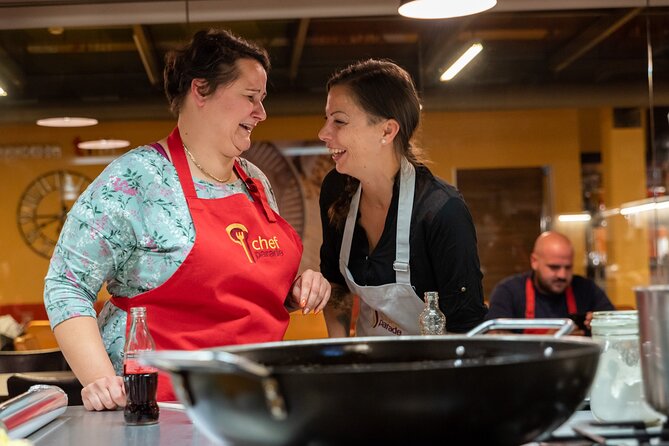
The instructors are central to the class, and the names connected with this experience include Vesna, Brigitte, Betty, Bernadette, Sylvia, and Adrienne. The strongest pattern is clear teaching with a friendly manner.
Vesna is especially associated with the market walk and the cooking class. Her role includes explaining market products, guiding tastings, and helping with the cooking. Brigitte and Betty are also praised for clear English and patient explanations. Bernadette is noted for making the class easy to follow for a family group.
This matters because a cooking class can be either a useful lesson or a pleasant meal with a few recipes attached. The better sessions explain not only what to do but why to do it. You learn how to adjust a sauce, when to stir, and how Hungarian cooks approach familiar dishes.
The maximum group size is 15. That is not a private lesson, but it is small enough for a good instructor to move around and offer help. Group size can vary, and very small bookings may feel almost private. One pair found themselves alone in the class, which gave them plenty of personal attention.
Is $126.98 a fair price?
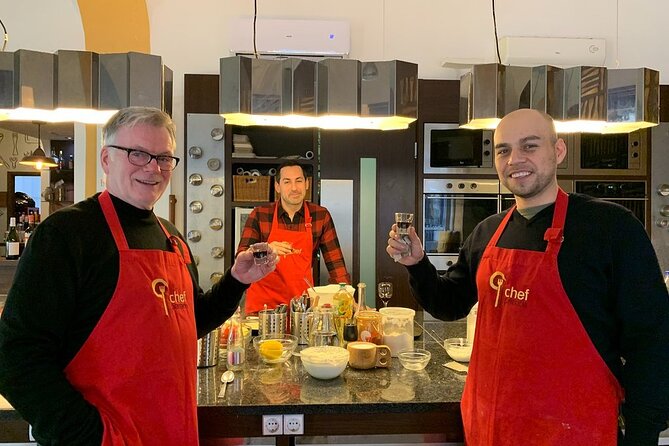
At $126.98 per person, this is not the cheapest way to eat lunch in Budapest. It is also not just lunch. You are paying for roughly four hours of instruction, ingredients, a three-course meal, local drinks, and, if selected, a guided market visit with tastings.
The value is strongest if you want to learn recipes you can use at home. You receive hands-on practice, cultural explanation, and a social meal. The value drops if you mainly want a market tour or a quick cooking demonstration, since the market visit may be brief and the class takes most of the time.
Compare the package details carefully. The basic booking may not include an apron, cookbook, or taxi back to the city center. Those extras have been linked with a premium option. If the booking page says the activity ends at the starting point, confirm that directly because the practical arrangements have not always been clear.
A 4.7 rating, with 93 percent recommending the experience, suggests a strong overall record. Still, the lower-rated account raises useful concerns about rushed pacing, incorrect chicken cuts, unclear transportation, and too little time to eat. I would treat those points as reasons to clarify the package, not as automatic reasons to avoid it.
Who should book this Budapest class?
You should book it if you enjoy food, want a break from sightseeing, or like bringing home a skill rather than another souvenir. It works particularly well for couples, families with older children, friends, and solo participants who are comfortable sharing a table with a small group.
It is also a good choice for people who have already eaten goulash and paprikash in Budapest and want to understand them better. The class connects the market ingredients with the finished meal, which gives familiar dishes new meaning.
I would be more cautious if you have strict dietary needs. Vegetarian cooking is available on request, but allergy and religious-diet options may be limited. Contact the provider before booking rather than hoping the kitchen can change the menu on the day.
Allow extra time after the class if you need to catch transport. The cooking school is the stated finish, and a return taxi may not be part of the basic package. Free cancellation is available up to 24 hours before the start time, but changes or cancellations inside that window are not refunded.
Should you book it?
Yes, if you want an active food experience with real cooking and a chance to learn Hungarian kitchen habits. I would add the market tour if you care about ingredients, shopping, and local food culture, but I would confirm its timing and the return ride first.
The cooking class is the safer part of the purchase. Expect a warm, social lesson, a filling meal, recipes to take home, and capable instructors such as Vesna, Brigitte, or Betty. Just make sure you know the exact kitchen address, the menu, and which extras are included before you commit.
FAQ
How long does the Hungarian cooking experience last?
The activity lasts approximately four hours, including the optional market visit and the cooking class.
Where does the experience begin?
The listed starting point is Central Market Hall in Budapest, at 1093 Hungary. This applies particularly to the option that includes the market tour.
Where does the experience end?
The activity ends at the cooking school. The school may be at Bécsi Street 27 in Buda or Páva Street 13 in Pest, so confirm the exact location for your booking.
What food will I prepare?
The sample menu includes goulash soup, chicken paprikash with fresh nokedli, and apple strudel. Mushroom paprikash may replace the chicken, and other menu variations are possible.
Is a vegetarian menu available?
Yes, a vegetarian menu is available upon request. Options for allergies and religious dietary restrictions may be limited, so provide those details when booking.
Is transportation back to Central Market Hall included?
The basic details do not clearly guarantee transportation back to the market. A premium package may include a taxi, while the standard activity can end at the cooking school. Confirm this before booking.
Newest classes around Budapest
- 4-Hour Open Air Gulash Cooking with nature in Hungary★ 5.0 · 2 reviews
- Hungarian Home Cooking Class with Chef Marti★ 5.0 · 30 reviews
- Budapest Market Tour & Home Cooking Class with local Chef & Guide★ 5.0 · 23 reviews
- Easy Cooking Class Budapest – with Market Walk (local wine & pálinka included)★ 5.0 · 62 reviews
- Hungarian Cooking Class with Nelli – ONLINE over Zoom★ 5.0 · 16 reviews
- Authentic Jewish Cooking Class by a Professional chef★ 5.0 · 8 reviews
- Hungarian Premium Cooking Class with 4-course meal★ 5.0 · 15 reviews
- Budapest: Cooking School – Hungarian Menu & Local Market★ 5.0 · 7 reviews
Budapest Cooking Classes, compared.
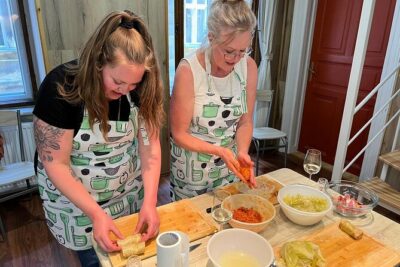
Budapest Cooking Class & Market Tour with Local Guide & Wines
Read our review →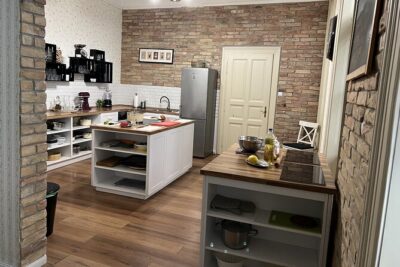
Premium Hungarian Home Cooking Experience with Chef Marti
Read our review →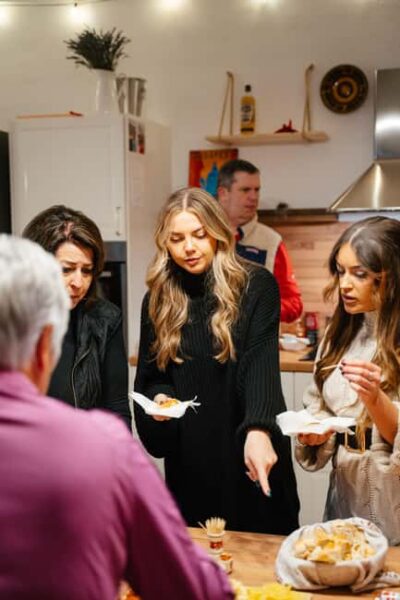
Small-Group Cooking Class & Market Tour with Local
Read our review →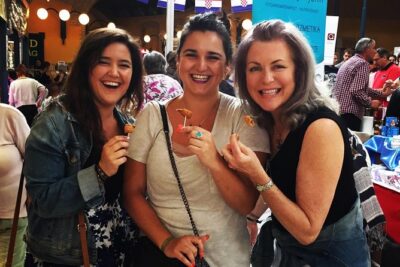
Easy Cooking Class Budapest – with Market Walk (local wine & pálinka included)
Read our review →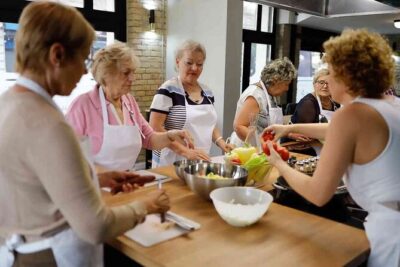
Budapest Market Tour & Home Cooking Class with local Chef & Guide
Read our review →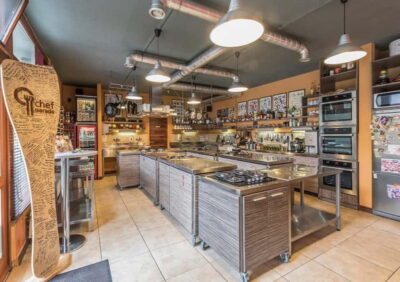
Browse the lists this tour appears in