
Review · FRANCE COOKING CLASSES
Private cooking lesson – Canelés in 3 gourmet recipes
Bordeaux’s small, ridged canelé gets the full cooking-class treatment here, with three recipes instead of one. You work through the traditional vanilla and amber rum version, a canelé-style financier, and a savory pepper variation, giving you a useful taste of how far this local pastry can stretch.
I like the private format, since only your group takes part, and I like the mix of sweet and savory recipes. The chef’s passion came through strongly for one participant, who described discovering a whole world of canelés with the chef and Claudie, his wife, helping when a broken oven caused trouble.
The main caution is booking reliability. One paid reservation lacked a start time, and repeated calls and emails went unanswered until a refund was arranged. Confirm the exact meeting time directly before paying, especially since the schedule shows a one-hour window while the class is advertised as lasting about two hours.
Key points to know before booking
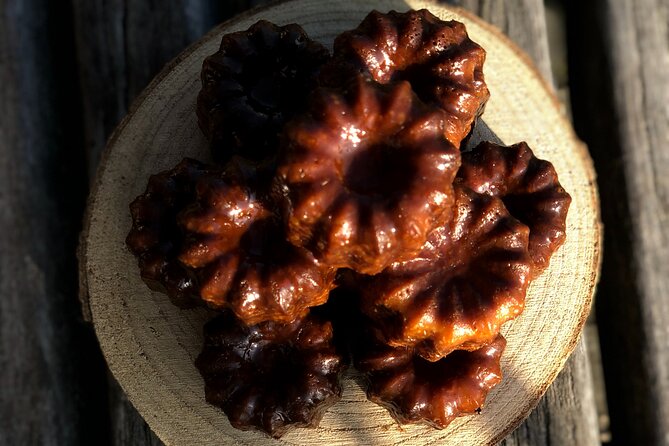
- Three distinct recipes: Classic vanilla and amber rum, canelé-style financier, and savory pepper.
- Private class format: Only your own group participates, making it a better fit for hands-on attention.
- Local Bordeaux specialty: The lesson focuses on canelé, one of the city’s signature pastries.
- Chef and Claudie: The chef leads the class, with Claudie able to assist when needed.
- Two-hour activity: The stated duration is about two hours, though the published hours show 3:00 PM to 4:00 PM.
- Important booking check: Confirm the start time and provider contact before committing to a non-refundable reservation.
Why a canelé class suits a Bordeaux visit
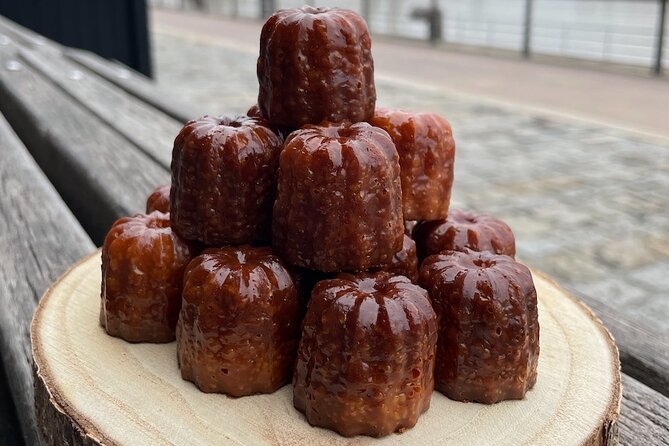
Canelé is one of those French foods that looks simple until you pay attention to it. Its dark, ridged shell hides a soft, custardy center. The traditional recipe brings together vanilla, amber rum, milk, eggs, flour, sugar, and butter, though the exact method and proportions matter greatly.
That makes a canelé lesson more useful than a quick tasting. You are not only sampling a pastry from a bakery counter. You are looking at the basic idea behind it, then seeing how the same shape and style can be adapted into other recipes.
This class uses three versions to make that point clear. The first is the authentic vanilla canelé with amber rum, the recipe most closely tied to Bordeaux. The second is a canelé-style financier, which shifts the pastry in a different direction. The third is savory, with pepper replacing the dessert focus.
I like this structure because it gives you a point of comparison. You can ask yourself what makes a canelé a canelé: the shape, the crust, the soft center, the flavor base, or some combination of all four.
More Private Cooking Classes in France
- Private Market Tour and Cooking Class in Annecy with a Local
★ 5.0 · 34 reviews - Private Cooking Class with Catherine Near Arc de Triomphe
★ 4.5 · 32 reviews - Private French Home Cooking Class near Nice with a Local Chef
★ 5.0 · 16 reviews
The classic vanilla and amber rum canelé
The traditional recipe is the reason to book this class. If you have eaten canelés in Bordeaux, this is the version that helps explain what you tasted.
The appeal lies in the contrast between the outside and inside. A good canelé should suggest a firm, caramelized exterior, while the center remains tender and soft. Vanilla gives the pastry its familiar sweetness, and amber rum adds the warm note that many people associate with the classic Bordeaux style.
The supplied menu calls this version the authentic one, but the most useful part of the lesson will likely be understanding the process rather than simply following a list of ingredients. A canelé is sensitive to preparation and baking. Small choices can affect its color, crust, and texture.
You should pay close attention to the chef’s handling of the mixture and the molds. The available information does not specify the mold material, exact recipe quantities, or whether you take finished canelés home, so do not assume those details. Ask during booking if they matter to you.
For a first-time baker, this is the most valuable part of the workshop. You get a classic Bordeaux reference point before the class starts playing with alternatives.
The canelé-style financier brings a second pastry idea
The second recipe is a canelé-style financier. A financier is a small French cake with a different identity from a canelé, so this recipe appears designed to combine the canelé format with another pastry tradition.
That gives the class a useful creative angle. Instead of treating a local specialty as fixed and untouchable, the lesson shows how a familiar form can be adapted. You may find this especially interesting if you already know the classic canelé and want something less predictable.
The name also signals that this is not simply a second flavor of the same recipe. The base and character should differ from the vanilla and rum version, even though the canelé shape remains part of the presentation.
The available details do not state the financier’s added ingredients, final flavor, or exact technique. That uncertainty is worth keeping in mind. The menu promises a variation, but you should ask the chef what makes this recipe distinct if you are choosing the workshop mainly for its pastry instruction.
Pepper turns the canelé savory
The third recipe is a savory canelé with pepper. This is the most surprising item on the menu and perhaps the most practical for home cooks who want to use the canelé shape outside dessert.
A savory version changes the role of the pastry. Instead of serving it as a sweet finish, you might think of it as a small bite for an aperitif or a starter. That makes this recipe useful beyond the class, particularly if you enjoy French-style entertaining and want something different from the usual tart or cheese puff.
Pepper is the only named flavor, so the exact savory ingredients are not provided. Do not expect a detailed menu of fillings or toppings unless the chef confirms them. Still, the contrast with the vanilla recipe gives the class a clear rhythm: traditional sweet, inventive sweet, then savory.
I appreciate that the class does not stop after teaching one famous Bordeaux pastry. You get to see how the basic idea can move into a different part of the meal.
Same region, a different dish to learn:
- Paris Cooking Class and Lunch with Wine plus Market Visit Option
★ 5.0 · 1,024 reviews - Paris Croissant Small-Group Baking Class with a Chef
★ 5.0 · 910 reviews - Paris: French Croissant Baking Class with a Chef
★ 4.9 · 712 reviews - Paris Cooking Class: Learn How to Make Macarons
★ 5.0 · 634 reviews
What the two-hour private format means
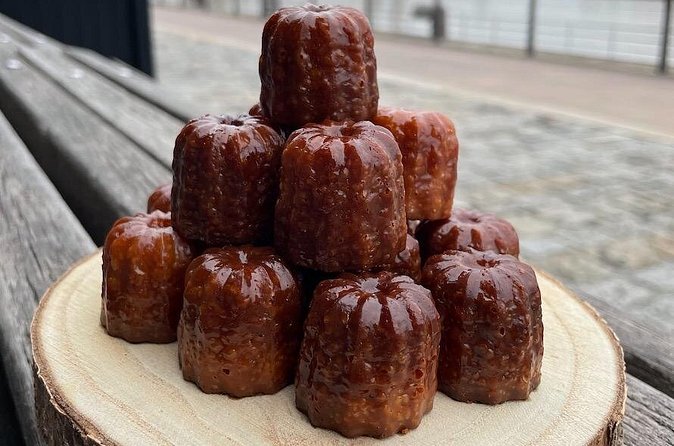
The class lasts approximately two hours and is private, so only your group participates. That is a major difference from a large demonstration class, where you may spend much of the session watching from the back of a room.
A private format can make it easier to ask about technique, ingredients, and mistakes. If you are cooking with family or friends, you can also keep the session at a pace that suits your group. The class should appeal most to people who want a focused activity rather than a broad food tour around Bordeaux.
At the same time, two hours is not a long period for three recipes. You should expect an introduction to each preparation and a practical lesson, not a full pastry-school course. The supplied information does not say how much hands-on work each participant receives, so ask whether you will prepare all three recipes or mainly watch demonstrations.
The private setup also affects value. At $302.34 per person, this is a costly food activity. You are paying for a private appointment and a specialist lesson, not simply for a plate of pastries. For a couple, family, or small group marking a special occasion, that may make sense. For a solo visitor or anyone watching the budget, the price deserves careful thought.
A note about the chef, Claudie, and a broken oven
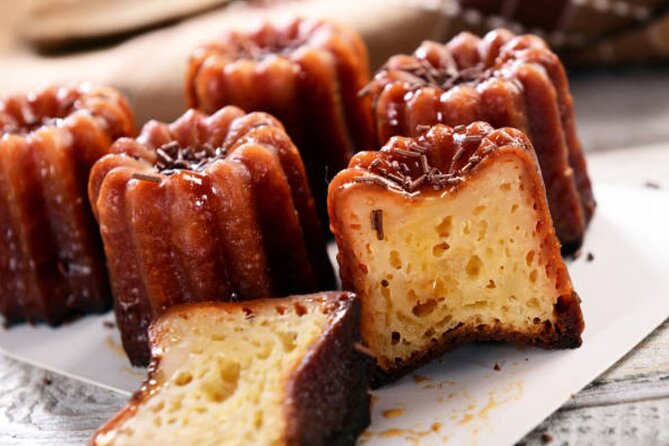
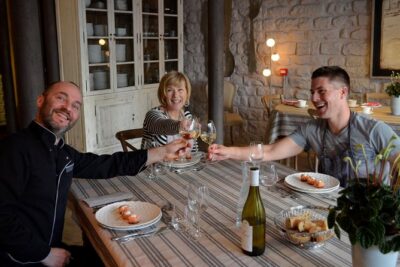
The available account of the class gives a useful glimpse of its human side. One participant described the chef as passionate and engaging, and said Claudie, his wife, was called in to help when the oven stopped working.
That detail cuts both ways. On one hand, it suggests the class can feel personal rather than corporate. A chef who talks through the pastry and an assistant who steps in during a problem can create a memorable evening.
On the other hand, a broken oven is a real reminder that cooking classes depend on working equipment. The account says the evening still became a positive experience, but you should allow some flexibility. A kitchen problem could affect timing, baking results, or the order of the recipes.
The information does not provide the chef’s name. It identifies the chef and Claudie, so I would use those names when contacting Elite Cooking and ask who will lead your session.
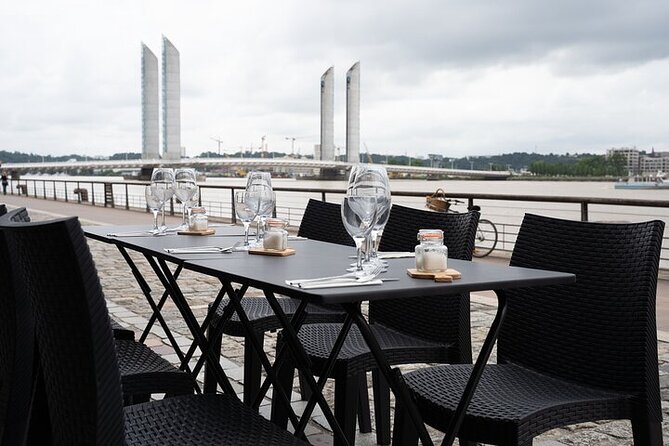
Meeting at Hangar 183 in Bordeaux
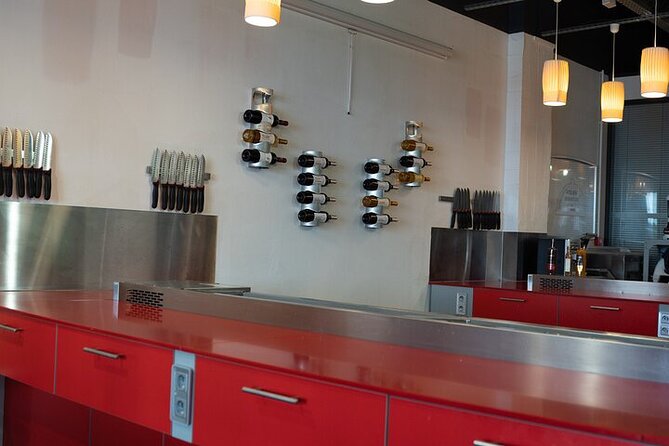
The meeting point is Hangar 183, Cours Edouard Vaillant, 33300 Bordeaux, France. The activity ends back at the same meeting point.
The location is near public transportation, which matters because a cooking class with a fixed start time is not a good place to gamble on a long walk or a confusing transfer. Plan to reach the area early and identify the entrance before the class begins.
The information does not specify the nearest stop, the precise room inside Hangar 183, or whether signs will identify Elite Cooking. Those are practical gaps. I would ask for exact arrival instructions, especially if you are unfamiliar with Bordeaux or arriving late in the day.
The listed operating period runs from July 7, 2022, through August 12, 2026, with sessions Tuesday through Sunday. The hours show 3:00 PM to 4:00 PM, while the duration is approximately two hours. That is an important mismatch, not a detail to ignore.
A one-hour schedule cannot contain a two-hour class unless the published hours are only a booking window or have been entered incorrectly. Confirm the actual start and finish time in writing. One paid customer had no start time on the confirmation and could not get a reply by email or phone. That problem was eventually resolved with a refund, but it created avoidable stress.
The price and the question of value
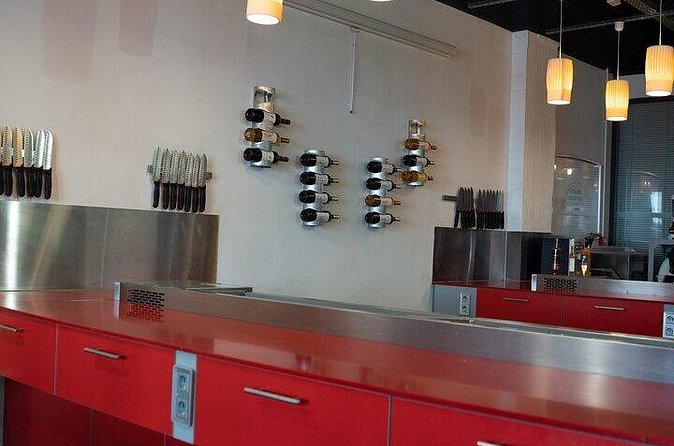
At $302.34 per person, this canelé lesson sits firmly in the special-occasion category. The price may be reasonable for a private class with a chef, but it is high if you judge the activity only by the amount of food produced.
I would consider it worthwhile for a small group that cares about pastry, wants private instruction, and values an intimate cooking session in Bordeaux. Three recipes also give you more range than a class focused only on the standard vanilla canelé.
I would be more cautious if you are mainly looking for a cheap local snack or a quick introduction to Bordeaux food. You can experience the city’s pastries in simpler ways, and this activity lasts only about two hours. The cost is easiest to justify when the lesson itself is the main event.
Ask these questions before committing:
- Is the class definitely two hours?
- What is the exact start time?
- Who will lead the session?
- How much of each recipe is hands-on?
- Can you taste the finished canelés?
- Are recipes supplied afterward?
- Are ingredients included in the quoted price?
The information confirms the three recipes and private format, but not the answers to those practical questions. Getting them clarified will help you judge the price fairly.
Who will enjoy this class most
This experience is a good fit for home bakers, pastry fans, and visitors who want a Bordeaux activity centered on one local specialty. It also suits couples or families who prefer a private appointment over a crowded group demonstration.
The three-recipe format may appeal to cooks who like experimentation. The classic version gives you tradition, the financier introduces a sweet variation, and the pepper canelé moves into savory cooking.
It is less suited to anyone with a tight schedule, a strict budget, or no interest in cooking. It may also disappoint if you expect a long list of dishes, a full meal, or a broad tour of Bordeaux food. This is a focused lesson about one pastry family.
Service animals are allowed, and the venue is near public transportation. The available information does not describe wheelchair access, dietary substitutions, children’s ages, or allergy procedures, so ask directly if any of those affect your plans.
Booking carefully for a smoother afternoon
The cancellation policy is strict: the experience is non-refundable and cannot be changed for any reason. That makes the missing start-time issue especially serious. You should not rely on being able to alter the reservation later.
Because one booking problem involved an absent start time and unanswered messages, I would contact Elite Cooking before purchase and request written confirmation of the exact meeting time, duration, and location details. Keep that confirmation available on your phone.
The provider is Elite Cooking. The activity confirmation is supposed to arrive at booking, but you should check that it includes the start time rather than assuming the displayed hours are enough.
If you receive a vague confirmation, do not wait until the day of the class to sort it out. The non-refundable terms leave little room for correction after payment.
Should you book the Bordeaux canelé workshop?
Book it if you want a private pastry lesson built around a true Bordeaux specialty and you like the idea of comparing classic, sweet, and savory versions. The chef’s personal approach, Claudie’s help, and the three contrasting recipes give the class more character than a simple canelé tasting.
Hold off if the $302.34 price feels steep, if you need a perfectly reliable schedule, or if the provider cannot confirm the start time before payment. The one-hour versus two-hour timing conflict needs an answer.
My practical verdict is simple: the cooking concept is appealing and unusually focused, but the booking details need checking. Confirm the time, ask what hands-on work is included, and make sure the private-class price fits your priorities. If those answers are clear, this could be a memorable Bordeaux food activity. If not, choose a more dependable plan.
FAQ
Where does the canelé cooking class meet?
The class begins at Hangar 183, Cours Edouard Vaillant, 33300 Bordeaux, France. It ends back at the same meeting point.
How long does the activity last?
The stated duration is approximately two hours. The published hours show 3:00 PM to 4:00 PM, so you should confirm the actual start and finish time before booking.
Which recipes are included?
The class includes an authentic vanilla and amber rum canelé, a canelé-style financier, and a savory canelé with pepper.
Is the class private?
Yes. Only your group participates in the activity.
Which days is the class offered?
The listed schedule runs Tuesday through Sunday, during the operating period from July 7, 2022, through August 12, 2026.
Can I cancel or change the booking?
No. The experience is non-refundable and cannot be changed for any reason.
Newest classes around France
- Six day French Cooking Course in Brittany★ 5.0 · 30 reviews
- Plant-based French Cooking Class in Historic Bordeaux Apartment★ 5.0 · 9 reviews
- Cooking Classes in Provence at La Belugue★ 5.0 · 4 reviews
- Cooking lessons★ 5.0 · 41 reviews
- Cooking workshop with an exceptional chef in Avignon★ 4.5 · 88 reviews
- Aix en Provence Small group Croissant Baking Class with a chef★ 5.0 · 15 reviews
- Mediterranean Cooking Class in the heart of Aix-en-Provence★ 5.0 · 6 reviews
- Paris: Traditional Croissant Cooking Class With Local Baker★ 5.0 · 2 reviews
France Cooking Classes, compared.
Paris Cooking Class and Lunch with Wine plus Market Visit Option
Read our review →
Paris Croissant Small-Group Baking Class with a Chef
Read our review →
Paris Cooking Class: Learn How to Make Macarons
Read our review →
Paris Evening Cooking Class French Dinner and Market Visit Option
Read our review →
Paris French Cuisine Small Group Cooking Class with Lunch
Read our review →
Paris Macarons Small-Group Baking Class with a Chef
Read our review →Browse the lists this tour appears in