
Review · TBILISI COOKING CLASSES
Tbilisi: Cooking Class with a Local Family
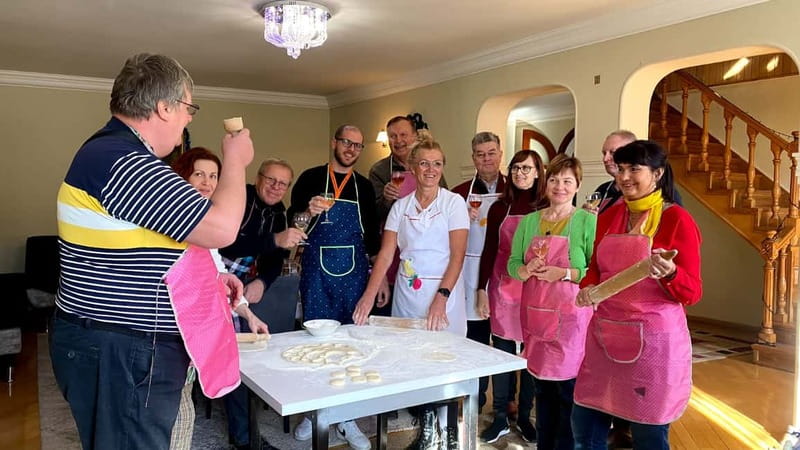
Georgian food is made for sharing, and this three-hour class takes you past restaurant tables and into a local family home. You’ll work with Shorena, a cook from western Georgia with more than 30 years of experience, preparing khinkali, khachapuri, mchadi, eggplant with walnuts, salad, and other traditional dishes.
I like the hands-on format: you do more than watch a chef fold dumplings. I also like the family setting, where food leads naturally to talk about Georgian customs, wine, music, and daily life. The main thing to consider is transport. A ride from the meeting point is included, but the return trip is not, so plan for that before you sit down for the feast.
Key points to know before you book
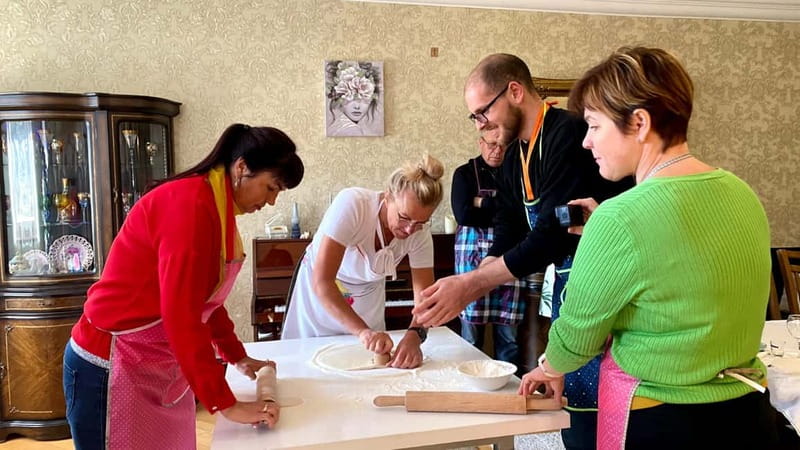
- You cook a full Georgian spread: Khinkali dumplings, khachapuri, mchadi cornbread, eggplant with walnuts, salad, and other dishes are prepared during the class.
- The class takes place in a family home: Shorena hosts in a traditional Georgian household, sometimes with a garden setting, grapevines, and fruit trees.
- English translation is built in: The host may speak little or no English, but guides such as Maria, Ana, Nicholas, Salome, and Beka translate and explain the food.
- The meal includes local drinks: Sulguni cheese, homemade dry white wine, water, and Georgian chacha are provided.
- You leave with recipes: The class gives you a way to recreate Georgian food at home, with useful ideas for finding cheese and spices in Tbilisi.
- The meeting time is fixed: Meet at Avlabari Metro Station at 17:30, in front of the station, where a representative holds a branded orange flag.
From Avlabari Metro Station to a Georgian family home
The evening begins at Avlabari Metro Station at 17:30. Look for the local partner’s representative holding a branded orange flag in front of the station. This clear meeting point matters in Tbilisi, where a busy metro exit can otherwise become a small treasure hunt.
From there, transportation to the family home is included. The exact home and transfer arrangements can vary, so keep your plans loose after the class. Return transportation is not included, and the activity information does not specify a fixed drop-off point after dinner.
The setting is part of the appeal. You are not heading to a polished cooking school designed for tourists. You are visiting a local family, where Shorena lives with her husband and children. One group cooked in a garden among grapevines and plum trees, which gave the evening a strong sense of place. That sort of setting helps explain why Georgian food is so closely tied to family, harvests, and long meals.
The host may communicate mainly in Georgian. This is not a problem if you expect the English-speaking guide to do more than lead the way. Guides including Maria, Ana, Nicholas, Nini, Oki, Salome, and Beka have handled translation and added explanations about food, customs, history, and current events.
More Home Cooking Classes in the world:
- Khmer Cooking Class at a Local’s Home in Krong Siem Reap
★ 5.0 · 2,731 reviews - Local Home Korean Cooking Class & Market Adventure in Seoul
★ 5.0 · 1,024 reviews - Marrakech: Moroccan Cooking Class with a Local Family
★ 4.9 · 668 reviews
Khinkali: the dumpling lesson everyone waits for
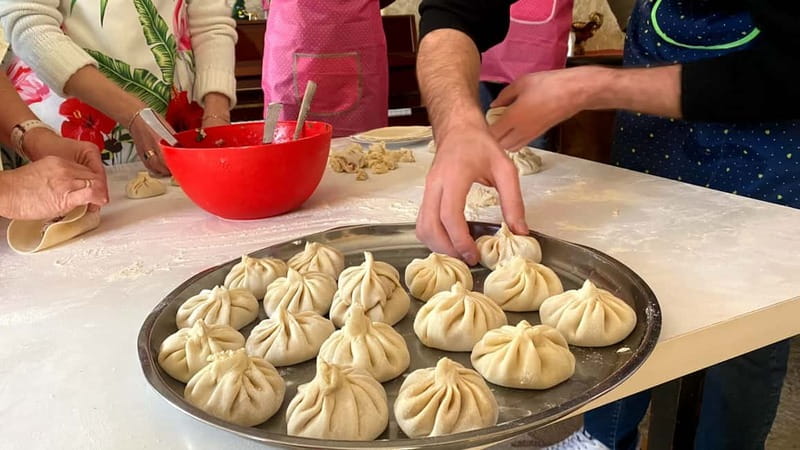
Khinkali is the natural star of the class. These large Georgian dumplings are filled, pleated, and eaten with care. You get to shape them yourself rather than simply finding a plate of finished dumplings at dinner.
The preparation is designed for success. Much of the work is demonstrated and organized in advance, so you can take part without needing professional cooking skills. One important detail: the dough may already be prepared for you, depending on the group and the evening. That keeps the class moving, but it means you may not make every element entirely from scratch.
Your guide explains the process while the host demonstrates the Georgian way. The language gap can even make the translation more useful, since you receive a clear explanation of what the host is doing and why. Nicholas, for example, has served as translator while also explaining the wider food culture.
Khinkali is also a social dish. You may find yourself comparing folds with other people in the group, then trying to eat the dumplings without losing the broth inside. It is a good activity for solo visitors because you join a shared task right away, rather than sitting alone at a table waiting for the evening to develop.
Khachapuri, mchadi, and the rest of the table
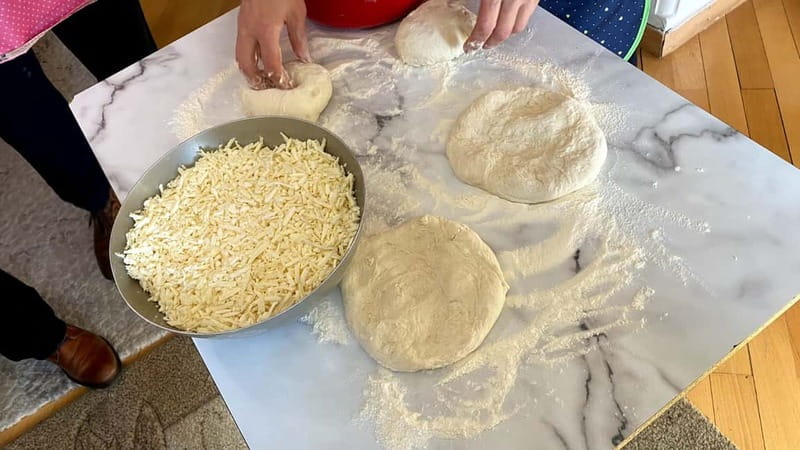
Khachapuri is Georgia’s famous cheese-filled bread, and it gives the class a different kind of cooking task. The focus is on dough, cheese, shaping, and baking, with Sulguni cheese included among the foods served.
The menu can include more than one style of khachapuri. One evening included two types of cheese bread, while other groups specifically prepared the versions listed in the class plan. The exact selection may depend on the host and the day, but khachapuri is a central part of the meal.
Mchadi is a Georgian cornbread, often crisp on the outside. It is a simple dish, but it helps show the range of Georgian home cooking. It is not all elaborate dumplings and cheese breads. Some dishes are quick, practical, and made to sit beside vegetables, stews, or cheese.
Eggplant with walnuts adds a cooler, more delicate contrast. The eggplant is paired with a walnut mixture, creating one of the classic combinations in Georgian cuisine. Georgian salad brings fresh tomato and cucumber to the table, balancing the heavier bread and dumplings.
The class description lists six foods, while the named dishes include khinkali, khachapuri, eggplant with walnuts, Georgian salad, and mchadi. Additional dishes can appear. Ajapsandali, a Georgian vegetable stew, was included for one group, and another group prepared pkhali-style eggplant. Think of the menu as a generous traditional spread rather than a tightly fixed restaurant order.
The Georgian table: wine, cheese, and chacha
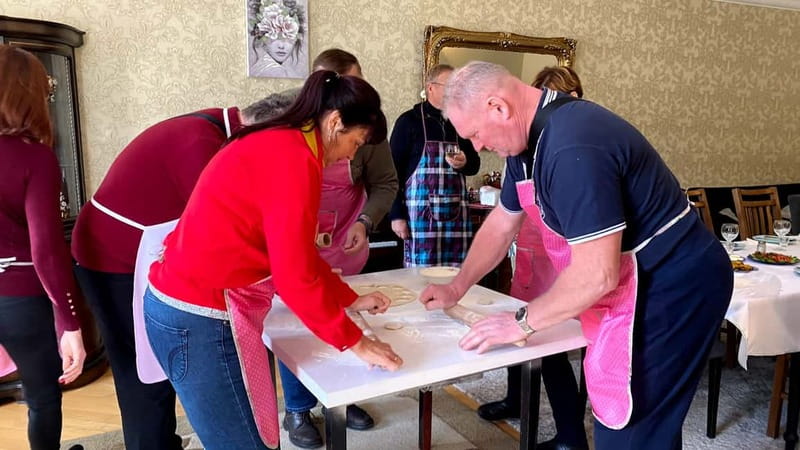
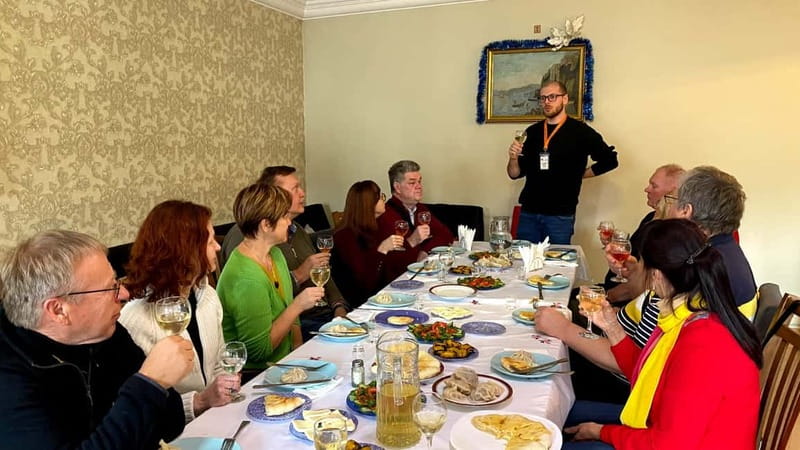
After the cooking, you sit down to eat what the group has made. This is not a quick tasting with a few bites. The food is served as a full meal, with enough to make arriving hungry a sensible plan.
Sulguni, Georgia’s popular salty cheese, is included. Homemade dry white wine is also served, along with water and Georgian chacha. Chacha is a strong local spirit, often treated as a toast or after-dinner drink rather than something to sip casually.
The drink quality may vary. One person found the wine and chacha less impressive than the food, so I would keep expectations sensible. The real value is the chance to taste drinks in a family setting and hear how they fit into Georgian hospitality, not a formal wine-tasting lesson.
Toasts can be part of the evening, especially when Beka is involved. He has served as a Georgian toast master, sharing stories, traditional toasts, and music during dinner. You may also hear about regional food customs, Georgian dance, and the role of long meals in social life.
Come prepared for generosity. One group of six people had enough food for around 20, and several dishes may remain after the meal. If you are staying in Tbilisi another day, leftovers could even become breakfast, as one couple discovered with their khachapuri.
More Cooking Classes in the world:
- Half-Day Thai Cooking Class at Organic Farm in Chiang Mai
★ 5.0 · 19,087 reviews - Florence: Pasta Cooking Class with Unlimited Wine
★ 4.9 · 10,285 reviews - 3 in 1 Cooking Class near Navona: Fettuccine, Ravioli & Tiramisu
★ 5.0 · 7,376 reviews - Florence: Pasta & Tiramisu Cooking Class with Unlimited Wine
★ 4.9 · 6,708 reviews
Why the guide matters so much
The guide is not simply a translator. A good guide turns a cooking demonstration into a cultural lesson and helps the group talk with the host.
Maria, Ana, Oki, Nicholas, Nini, Salome, Beka, and others have led this experience at different times. The individual guide can shape the evening. Nicholas has explained Georgian history, culture, food, and current events. Ana has focused on food traditions while keeping the group relaxed. Salome has been praised for her warm company, while Beka has added toasts and stories around the dinner table.
Because the host may speak Georgian, translation is essential. You should expect the guide to explain instructions, not necessarily to translate every word in a formal, line-by-line manner. The best part of this arrangement is that the host remains the cook and cultural source, while the guide helps you understand her.
This setup also makes the class feel more personal than a standard lesson. You are not just following a recipe card. You are seeing how a local cook organizes the food, presents it, and shares it with others.
How much hands-on cooking should you expect?
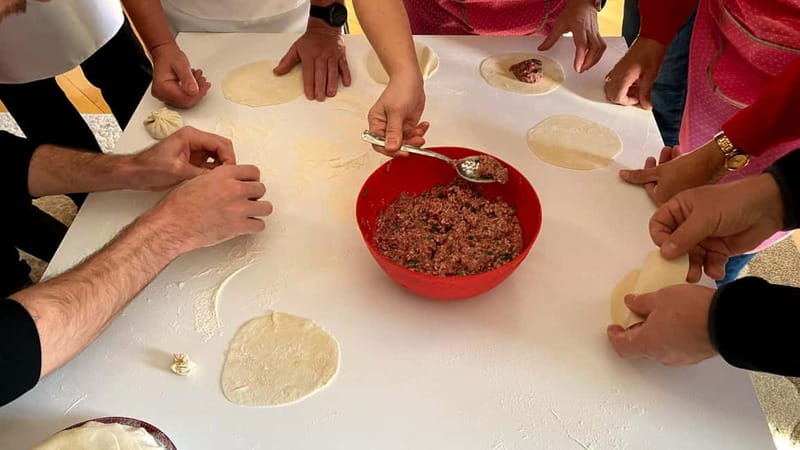
You will make the dishes yourself, but this is not a professional culinary course. The goal is a successful and enjoyable Georgian meal, not advanced technical training.
The cooking is relatively approachable because some preparation is done ahead of time. You will still shape dumplings, work with fillings, prepare breads, handle vegetables, and take part in the assembly. The host and guide demonstrate, then help you through each stage.
That balance suits most people. If you rarely cook, you can participate without feeling lost. If you are an experienced home cook, you may wish for more detail on dough preparation or cooking times, since the evening is built around shared participation rather than a long technical lecture.
You receive recipes for traditional Georgian food, which gives the experience value beyond the night itself. If you want to cook for friends at home, pay attention to the proportions, the way the filling is seasoned, and the type of cheese used.
A useful follow-up tip comes from a participant who recommended Tbilisi’s Dezerter Bazaar for spices and cheese. The market is not part of the class, but it can help you find ingredients after learning how they are used.
Three hours that move from lesson to dinner
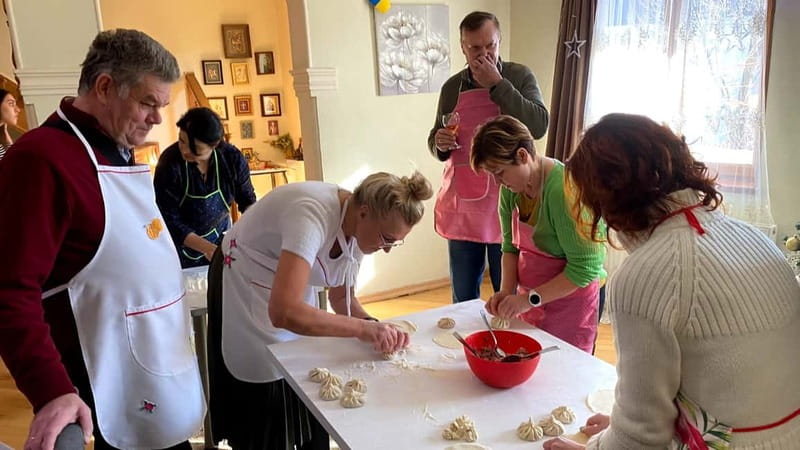
The three-hour length is well judged. You have enough time to meet the host, cook several dishes, hear explanations, and eat without turning the evening into an all-day commitment.
The rhythm usually follows a simple pattern:
- Meet the representative at Avlabari Metro Station.
- Travel to the local family home.
- Meet the host and learn about the food.
- Prepare several Georgian dishes with guidance and translation.
- Taste local cheese, wine, and chacha.
- Sit down to eat the finished meal together.
- Receive recipes for the dishes you prepared.
The pace can vary based on the group. A small booking may feel more personal, and one group had a private class because nobody else booked that day. A larger group can create more energy and conversation, but you may have less time with the host individually.
You should also dress for the weather. The activity operates in rain or shine, and parts of the experience may take place outdoors, especially when a garden is used. Comfortable clothing is practical, and you should bring a passport or ID card as requested.
Is $55 a fair price?
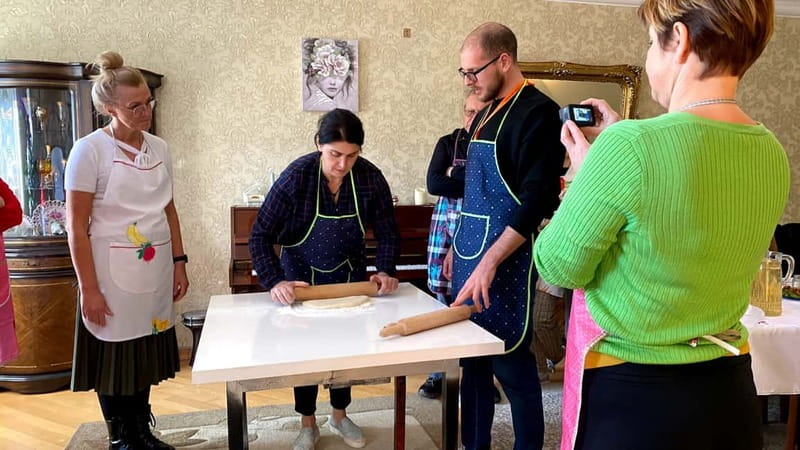
At $55 per person, this is not the cheapest way to eat in Tbilisi. You can find an inexpensive Georgian meal for far less. The price makes more sense when you count the guide, transportation from the meeting point, cooking instruction, several dishes, wine, chacha, and the home visit.
You are paying for access as much as food. A restaurant can serve you khinkali and khachapuri, but it cannot give you the same connection to a local household or let you prepare the meal alongside a cook with decades of experience.
The value is strongest if you want to take something home beyond photographs. The recipes, food knowledge, and understanding of Georgian hospitality can shape the rest of your stay. You may notice dishes differently after learning how they are assembled, and you may feel more confident ordering them in Tbilisi restaurants.
The price is less compelling if you want a highly technical class, a professional kitchen, or a serious wine education. It is also worth remembering that your return transportation is not included, so allow a little extra money and time for getting back.
Free cancellation is available up to 24 hours before the activity for a full refund. You can also reserve and pay later, which helps if your Tbilisi plans are still changing.
Who will enjoy this most?
I would choose this class for couples, families, solo visitors, and anyone who plans meals around local food. It works particularly well for solo visitors because the shared cooking gives you an easy way to meet people.
Families should note that the activity is hands-on but does include alcohol. Vegetarian food is available on request, so mention that when booking rather than waiting until the class begins.
This is also a good choice for repeat visitors to Georgia. If you have already eaten khinkali and khachapuri in restaurants, the class shows you how they fit into home cooking and Georgian hospitality.
You may want a different experience if you dislike group activities, cannot eat a large meal, or prefer a tightly scheduled professional lesson. The evening is friendly and social, with food and conversation taking up as much space as technique.
Should you book Shorena’s Magic Kitchen?
Book it if you want to cook Georgian food in a real family setting, eat a generous meal, and learn about the country through its table. The strongest parts are the hands-on khinkali work, the host’s long experience, the translating guides, and the relaxed dinner with wine and chacha.
Go in with realistic expectations. Some ingredients and dough may be prepared ahead of time, the menu can vary, drink quality is not guaranteed, and you must arrange your own way back after the class. For most people, those are small tradeoffs for an evening that combines cooking, conversation, and a warm look at Georgian home life.
FAQ
Where does the cooking class meet?
Meet at Avlabari Metro Station at 17:30. A local partner representative waits in front of the station with a branded orange flag.
How long does the experience last?
The cooking class lasts three hours.
What language is the class conducted in?
The activity is conducted in English with a live English-speaking guide. The host may speak Georgian and only some English, so the guide translates instructions and explanations.
Which Georgian dishes will I prepare?
The class includes khinkali dumplings, khachapuri, eggplant with walnuts, Georgian salad, and mchadi cornbread. Additional dishes, such as ajapsandali, may also be included.
Do I eat the food I prepare?
Yes. After cooking, you sit down and eat the dishes prepared during the class.
Are drinks included?
Yes. The experience includes water, homemade dry white wine, Georgian chacha, and Sulguni cheese.
Is transportation included?
Transportation from the Avlabari meeting point to the local family is included. Transportation back after the class is not included.
Is there a vegetarian option?
Yes. A vegetarian option is available upon request.
What should I bring?
Bring your passport or ID card. Dress for the weather because the activity operates in rain or shine.
Can I cancel the booking?
You can cancel up to 24 hours in advance for a full refund. Reserve now and pay later is also available.
Newest classes around the world
- Aroidee’s Farm-Fresh Thai Cooking Experience★ 5.0 · 8 reviews
- Authentic Thai Cooking Class and Farm Visit in Chiang Mai★ 5.0 · 66 reviews
- Signature Thai Cooking Course★ 5.0 · 79 reviews
- Half Day Guided Thai Cooking Class in Chiang Mai★ 5.0 · 13 reviews
- Yummy Tasty Thai Cooking School in Chiang Mai★ 5.0 · 2 reviews
- Online Thai and Akha Cooking Class★ 5.0 · 70 reviews
- Northern Thai Cooking Class in Chiang Mai in a Countryside Home★ 5.0 · 2 reviews
- Private Half-Day Thai Cooking Class in Chiang Mai★ 5.0 · 4 reviews
Tbilisi Cooking Classes, compared.
Georgian Cooking Class with Khinkali and Khachapuri
Read our review →
Small-Group Khinkali and Khachapuri Cooking Class in Tbilisi
Read our review →
Nana’s Kitchen – traditional Georgian cooking class at real Georgian family home
Read our review →
Kakheti Horse Riding, Wine Tasting, and Cooking …
Read our review →Browse the lists this tour appears in