
Review · SYRACUSE COOKING CLASSES
Syracuse: Sicilian Street Food Hands-On Cooking Class
Sicilian street food becomes much more interesting when you make it yourself. In Syracuse, chef Ettore leads you through the local market, introduces you to the ingredients, then teaches you to prepare two island favorites: arancini and cannoli. The class takes place in a small group of up to eight, with time to cook, eat, and enjoy a glass of Sicilian wine.
I like the market visit, where Ettore knows the sellers and offers samples without pressuring you to buy. I also like the relaxed, hands-on teaching, which has worked well for families, couples, and solo cooks. The main consideration is food restriction: gluten-free dishes are not available, and you need to report allergies or intolerances when booking.
Key points to know before booking
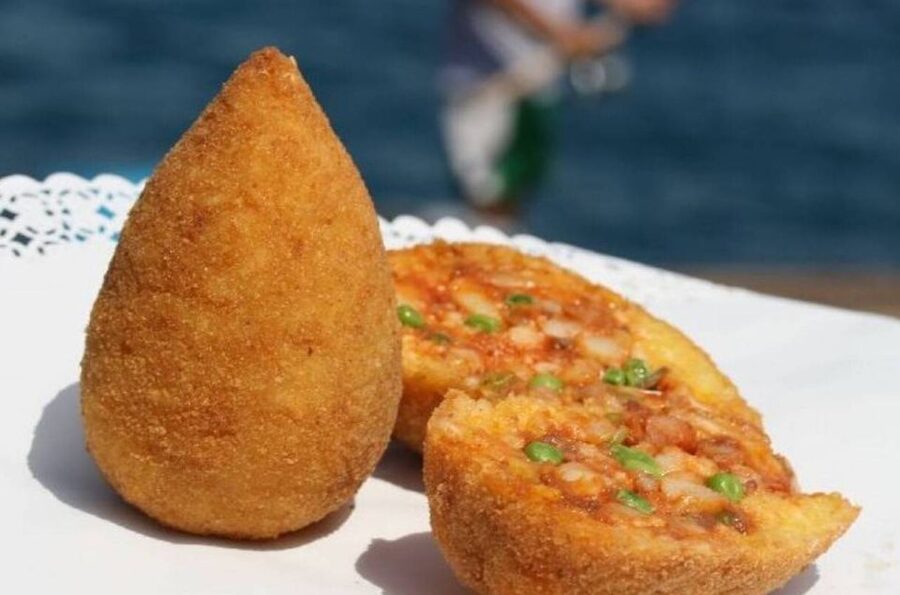
- Market first, cooking second: Begin at Bar Cristina and walk through Syracuse’s market with Ettore while tasting local ingredients.
- Two classic dishes: Prepare Sicilian arancini and cannoli, with some sessions also including several arancini fillings or a simple extra dessert.
- A personal guide: Ettore teaches in English or Italian and is often joined by his daughter.
- Small group setting: With no more than eight participants, you should get plenty of direct help at the worktable.
- Three hours with wine: The class includes tasting your food, along with wine and water.
- Watch the meeting point: The listed starting point is Bar Cristina, Piazza Emanuele Pancali 24, Via Trento 1. Confirm the exact arrangement before setting off.
Starting at Bar Cristina in Syracuse
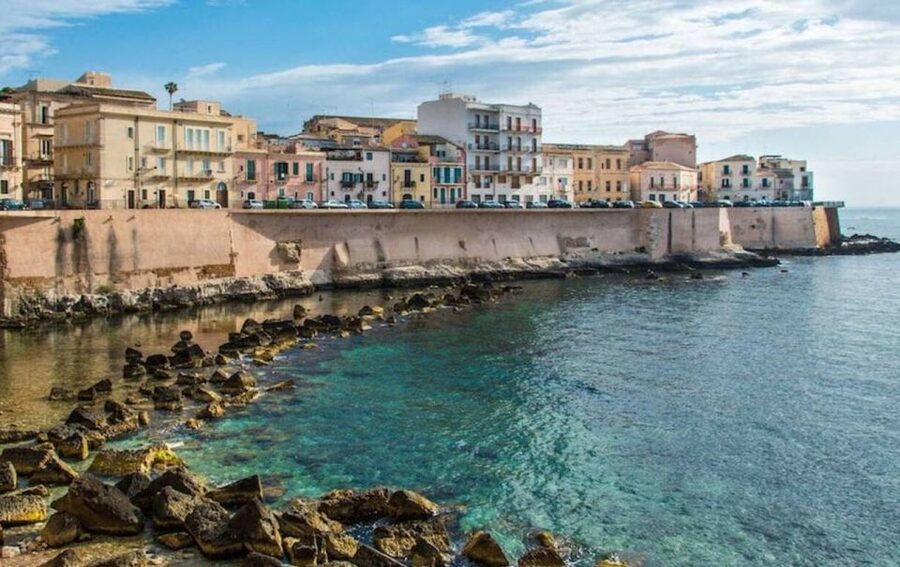
Your meeting point is Bar Cristina at Piazza Emanuele Pancali 24, also listed as Via Trento 1, in Syracuse. This is where you meet the chef before heading into the food market and later return at the end of the activity.
Allow yourself a few extra minutes. One account describes confusion over the meeting time and location, which caused a late start and meant missing the market visit. That appears to have been an isolated logistical problem, but it is a useful reason to confirm the meeting details and phone contact before class day.
The experience lasts about three hours. Starting times vary, so you need to check availability for the date you want. The pace is best suited to someone who wants an activity with conversation and participation, not a quick demonstration followed by a plate of food.
Ettore is the central figure here. He teaches in English and Italian, and his style is informal and social. He has been joined by his daughter during some classes, adding a family touch that suits the theme of Sicilian home cooking.
More Italian Classes in Italy:
- Cooking Class and Lunch at a Tuscan Farmhouse with Local Market Tour from Florence
★ 5.0 · 4,831 reviews - Tuscan Cooking Class and Dinner in Florence
★ 4.5 · 732 reviews - Rome Pasta Making Class with Italian Sauces and Wine Included
★ 5.0 · 645 reviews
Walking through Syracuse’s food market
The market visit gives the class its local character. Instead of arriving at a kitchen with every ingredient already measured, you begin by seeing the produce and food culture that support the recipes.
Ettore leads you through the stalls, points out fresh ingredients, and samples items with the group. He knows many of the market sellers, so the walk can feel more like being shown around by a local cook than being marched through a set sightseeing stop.
You are not expected to shop for the class on your own. Ettore buys the ingredients needed for cooking, and the market visit is mainly about seeing, tasting, and learning. That matters because you can focus on the food rather than worry about choosing the right rice, cheese, vegetables, or pastry ingredients.
The exact market route and selection will depend on the day’s produce. That is part of the appeal, but it also means you should not expect a fixed list of tastings every time. Seasonal ingredients are used, and the food may change slightly according to what is fresh and available.
This is also a useful introduction to Sicilian food customs. You see ingredients in their everyday setting before using them at the stove. For me, that connection makes the later cooking more meaningful than a class built around anonymous, pre-packed supplies.
Making arancini by hand
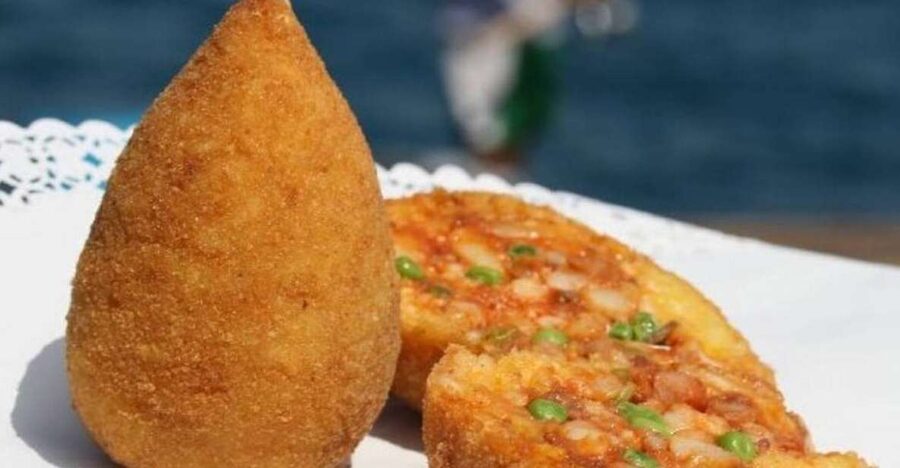
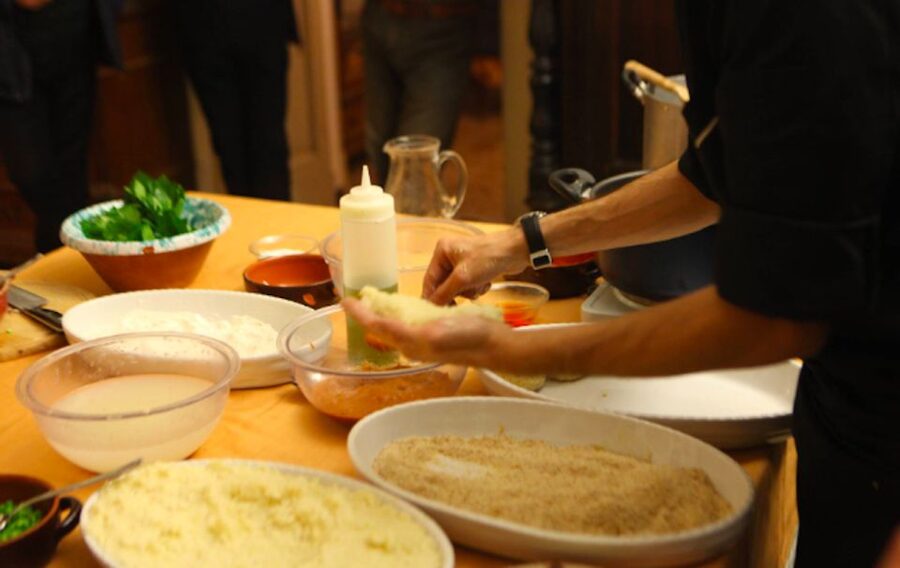
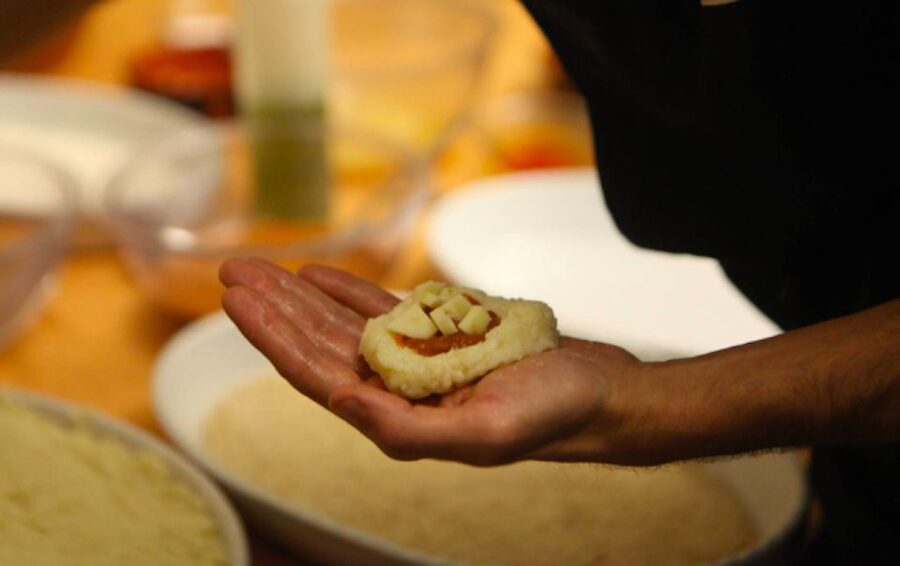
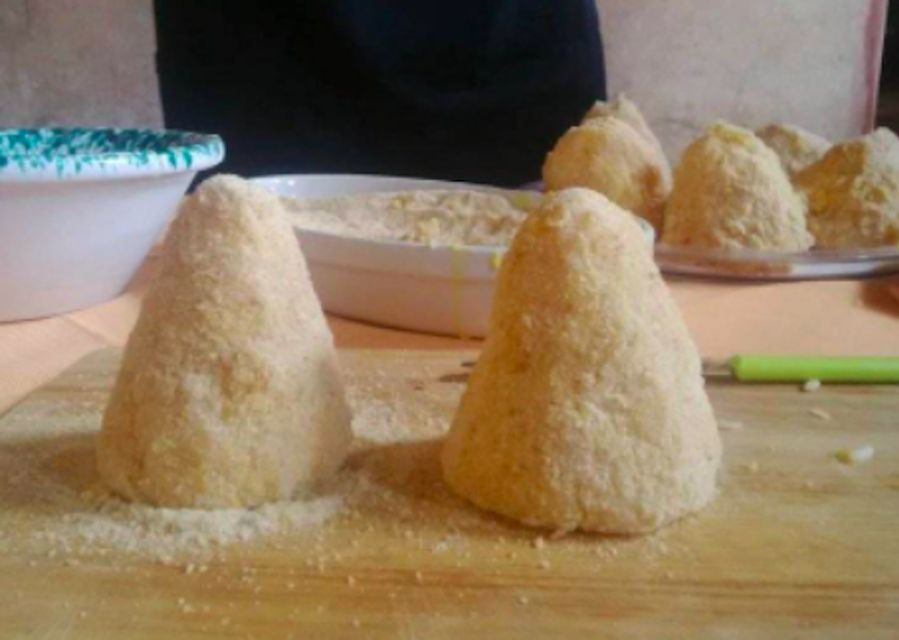
The main savory dish is arancino, Sicily’s famous filled rice ball. You learn the basic method with the chef, then shape and cook the food yourself rather than simply watching Ettore work.
Some sessions have included more than one type, such as traditional ragù arancini and several different fillings. The recipes can vary, but the key lesson is the same: how rice, filling, coating, and heat come together in a dish that looks simple but takes some care.
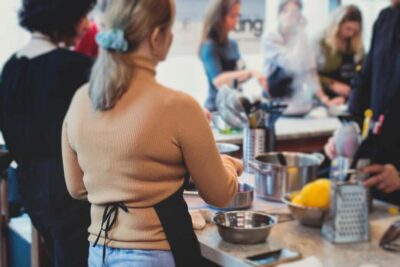
This is where the small group helps. A class capped at eight should give you space to ask about texture, shaping, seasoning, and timing. Ettore’s role is not just to show the finished dish. He gives practical tips and encourages you while you work.
You should expect a real cooking lesson, but not a professional kitchen apprenticeship. The emphasis is on making classic food in a straightforward way that you can attempt at home. The class suits beginners who want clear direction, as well as cooks who already know their way around a kitchen but want a Sicilian specialty.
The food is served after preparation, so the reward is immediate. You get to taste your own work with the chef’s guidance, which also lets you notice the difference between a well-shaped arancino and one that needs another try.
Preparing cannoli and the sweet course
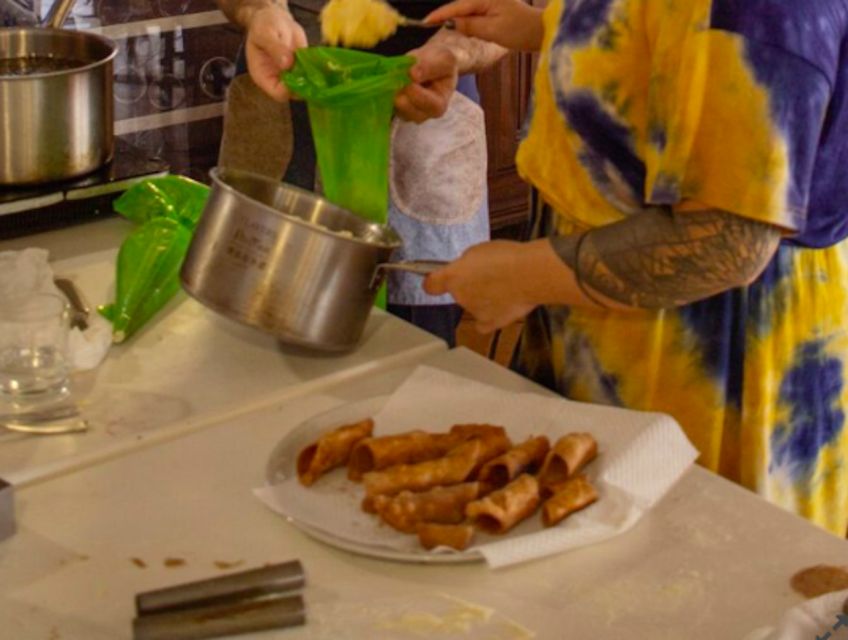
Cannoli provide the dessert side of the meal. You learn how the well-known Sicilian pastry is put together, then taste the result after the savory course.
The supplied details describe cannoli as one of the two main courses, though individual sessions have also included a strawberry dessert or a deconstructed cannoli. That suggests some flexibility in the sweet course, particularly when the chef adapts to the ingredients available or the rhythm of the class.
Cannoli are a good choice for a short class because they show a different part of Sicilian cooking. You move from savory rice and filling to pastry, sweet cream, and presentation. The contrast keeps the three hours from feeling like one long lesson on a single dish.
Do not book this expecting a full multi-course restaurant menu. The stated meal centers on arancini and cannoli, with possible additions depending on the session. The point is to learn the preparation and then eat the dishes you have made, not to sample every branch of Sicilian cuisine.
More Food and Drink Outings in Italy:
- Small Group Cooking Class & Market Food Tour in Florence
★ 5.0 · 1,574 reviews - Pasta Making & Wine Tasting with Dinner in Frascati from Rome
★ 5.0 · 1,326 reviews - Rome: Pasta Making with Wine Tasting and Dinner in Frascati
★ 4.9 · 979 reviews - Super Fun Pasta & Gelato Class by Vatican with Wine + Oil Tasting
★ 5.0 · 726 reviews
Eating what you make with Sicilian wine
After the cooking, you sit down to taste the food. Wine and water are included, and a local wine is selected to accompany the meal.
That wine matters less as a formal tasting than as part of the table experience. Sicilian cooking is closely tied to sharing food, and the class is designed around that idea. You cook together, sit together, and spend time talking while the dishes are served.
The activity information says the cooking class, tasting of products prepared with the chef, wine, and water are included. Food and drinks outside the included tasting are not covered, so do not treat the price as an open-ended restaurant tab.
The food is the main value. At $112.15 per person, the price is higher than simply buying an arancino and cannolo from a café. You are also paying for a three-hour class, the market walk, instruction, ingredients, and a small group setting. If you want only a quick snack, this is not the economical choice. If you want to understand how the dishes are made and leave with methods you can use at home, the cost is easier to justify.
What makes Ettore’s teaching work
Ettore’s approach is warm, active, and conversational. He is described as an enthusiastic teacher who gives clear instructions, shares cooking tips, and keeps the mood easy. The tone seems closer to being welcomed into a cook’s kitchen than attending a formal culinary school.
That style can be especially helpful if you are nervous about making the food yourself. The class is hands-on, but you are not left to guess what to do next. Ettore demonstrates, explains, and steps in when needed.
He has also handled mixed-age groups well. A six-year-old child was included successfully in one class, which suggests families can take part if children are comfortable with a three-hour food activity. Parents should still consider their child’s patience, since the session includes a market walk and several stages of preparation.
The market relationships add another layer. Ettore is familiar with the sellers and may introduce you to people along the way. You should not expect a staged performance, and that is a good thing. The food stops seem to grow naturally from his knowledge of the market and the ingredients he wants for class.
One unusual account involved a class that overlapped with a restaurant rush. Instead of a neat, quiet lesson, the kitchen became active as Ettore handled customer orders and explained what he was doing while cooking. That is not the ideal setup if you want a perfectly controlled workshop, but it shows the experience can offer a glimpse of working Sicilian kitchen life.
Group size, language, and comfort
The group is limited to eight participants. That is small enough for direct instruction and large enough to make the shared table feel social. Couples, friends, families, and solo participants should all fit the format.
English and Italian are available. If you need detailed explanations about allergies or techniques, make your needs clear at booking and again at the start.
This is not the right class for someone who requires gluten-free food. The information specifically says gluten-free dishes are not available. Allergies and intolerances must be stated when you book, but you should ask for confirmation if your restriction is serious or complex.
The class returns to the meeting point at the end. No separate transport is listed, so plan to make your own way to Bar Cristina in Syracuse and remain near the activity area during the three-hour session.
When this class is worth your time
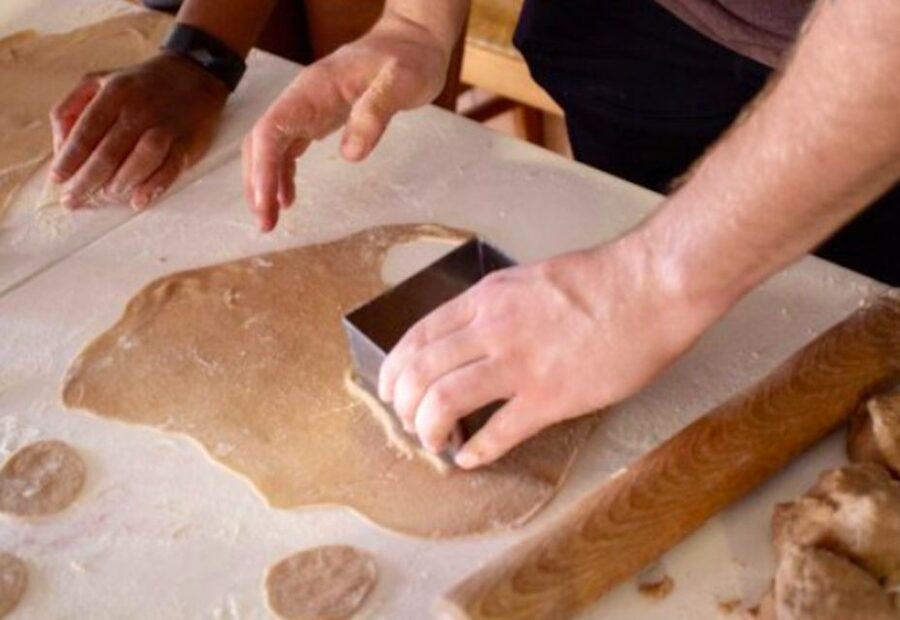
I would choose this activity if food is one of the main reasons you came to Sicily. It gives you more than a meal and more than a recipe. You see the ingredients in the market, hear how they are used, prepare them with help, and eat the finished dishes at the same table.
It is also a good break from monument-hopping. Syracuse has plenty of history and grand sights, but a cooking class gives you a different way to understand the city. You spend time with a local chef, watch how he selects ingredients, and learn dishes that belong to ordinary Sicilian food culture.
The class may be less suitable if you prefer a tightly timed sightseeing tour or a quiet restaurant meal. The market portion can vary, the kitchen may be active, and the social style depends partly on the group. You need to be willing to handle ingredients, follow instructions, and spend time around other people.
Dates are limited around the Christmas and New Year period. It is not available on December 8, December 13, December 19 through 26, December 31, or January 1 and 2. Check the calendar carefully if you are visiting in winter.
Free cancellation is available up to 24 hours before the activity for a full refund, and you can reserve now and pay later. Those policies are useful if your Syracuse plans are still shifting, but they do not replace checking the meeting time and location.
Should you book the Syracuse cooking class?
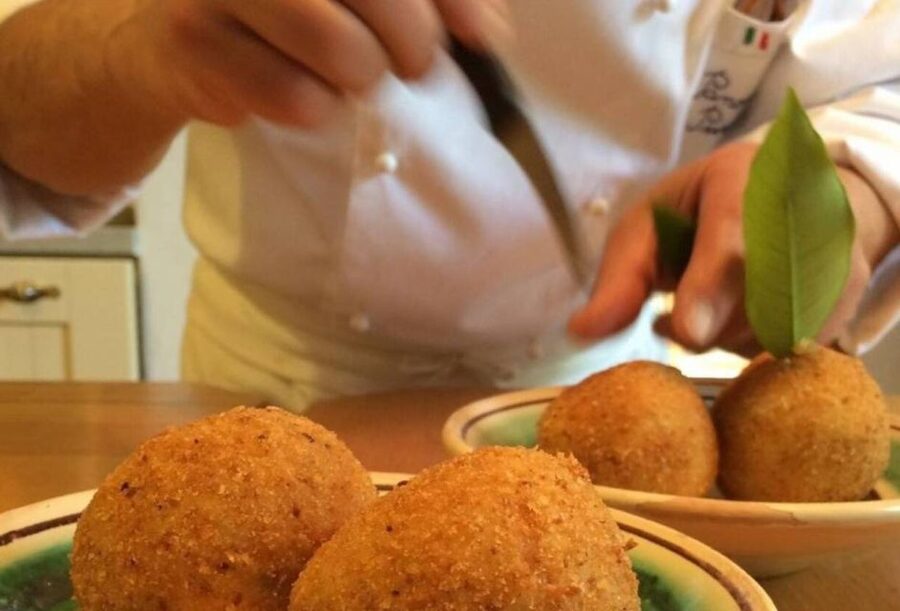
Book it if you want to do something with your hands, eat classic Sicilian food, and spend time with a chef who enjoys teaching. The market visit, small group, local wine, and personal style make this more than a standard demonstration.
I would especially recommend it to food-focused couples, families with older children, and anyone who wants a practical memory of Syracuse to take home. I would pause only if you need gluten-free food, dislike shared group activities, or want a fully predictable restaurant-style meal.
At $112.15, it is a splurge for two simple dishes. But the value comes from the full three hours: market tastings, ingredients, instruction, cooking, and a shared meal with Ettore. If that sounds like your kind of afternoon, this is a strong choice.
FAQ
How long does the Syracuse cooking class last?
The activity lasts three hours. Starting times vary, so check availability for your chosen date.
Where do I meet the chef?
Meet the chef at Bar Cristina, Piazza Emanuele Pancali 24, Via Trento 1, 96100 Siracusa SR. The activity ends back at the meeting point.
Who teaches the cooking class?
Chef Ettore leads the class. English and Italian are spoken, and his daughter may also take part in some sessions.
What food will I prepare?
The class focuses on Sicilian arancini and cannoli. Some sessions may include different arancini fillings or an additional dessert.
Are wine and water included?
Yes. The activity includes wine and water, along with tasting the dishes prepared during the class. Food and drinks outside the included tasting are not covered.
Is the class suitable for gluten-free diets?
No. Gluten-free dishes are not available. You must provide details of any allergies or intolerances when booking.
Can I cancel or pay later?
You can cancel up to 24 hours in advance for a full refund. Reserve now and pay later is also available.
More Food Outings in Italy
- Milan: Italian Cooking Class with Food and Wine
★ 4.7 · 509 reviews - Florence: Cooking Class with Local Food Market Tour
★ 4.9 · 407 reviews - Polignano a Mare: Apulian Cooking Class with Food and Drinks
★ 4.8 · 159 reviews - Naples: Traditional Italian Food Cooking Class at Restaurant
★ 4.8 · 106 reviews
Newest classes around Italy
- Cooking Class in a Sicilian countryhouse★ 5.0 · 5 reviews
- Cesarine: Market Tour & Home Cooking Class in Catania★ 4.0 · 6 reviews
- Cesarine: Home Cooking Class & Meal with a Local in Catania★ 4.5 · 10 reviews
- Cooking Class in Taormina with Lunch Included★ 5.0 · 2 reviews
- Cooking class in Capri for small groups★ 4.0 · 4 reviews
- Cooking Class and Wine Pairing in Capri★ 5.0 · 57 reviews
- Lezione di Cucina : Pasta Fresca★ 5.0 · 12 reviews
- Private Cooking Class Experience in Reggio Calabria★ 5.0 · 5 reviews
Syracuse Cooking Classes, compared.
Syracuse: Traditional Cooking Class & Ancient Market Visit
Read our review →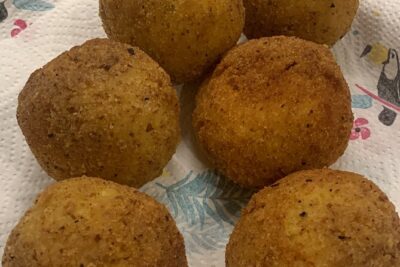
Siracusa: Pasta & Tiramisu Cooking Class at a Local’s Home
Read our review →
Siracusa: Authentic Cooking Class at a Local’s Home
Read our review →Browse the lists this tour appears in