
Review · SIENA COOKING CLASSES
Siena: Traditional Tuscan Cooking Class with Fresh Pasta
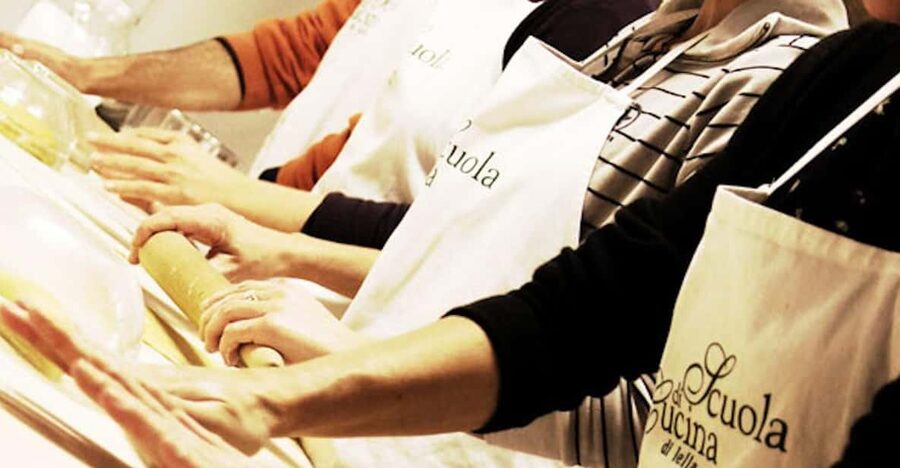
The best part of this Siena cooking class is that fresh pasta is not a token demonstration. You make it by hand, including the famously rustic Tuscan pasta called pici, then sit down to eat a four-course meal built around your work. Chef Francesco leads the cooking, with English support available throughout.
I like the strong local focus: ingredients are bought fresh nearby, and the recipes reflect Tuscan home cooking rather than restaurant theater. I also like that you receive the recipes in English, so the lesson can continue in your own kitchen. The main drawback is simple: this is a generous meal, and you may be hungry while waiting for the food to be ready, so eat only a light snack beforehand.
Key points to know before booking
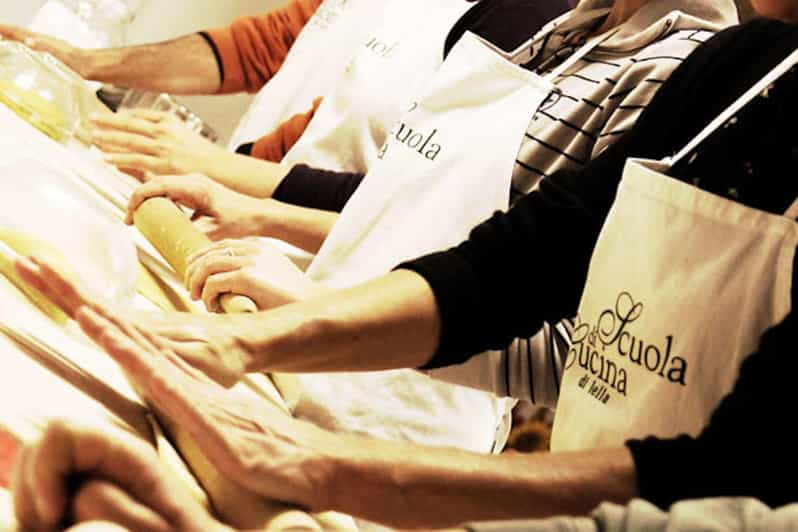
- Pici pasta is made by hand: You roll and shape this thick, rustic Tuscan pasta yourself.
- Four courses fill the table: Expect a starter, soup, pasta with sauce, meat with a side dish, and dessert.
- Chef Francesco teaches the class: He prepares dishes, explains traditional methods, and helps you work through the recipes.
- Dinner and wine are included: You eat the meal prepared during class with local Tuscan red wine.
- English recipes go home with you: The printed recipes make this more useful than a meal you simply watch being made.
- Vegetarian and gluten-free options are available: Tell the cooking school your needs when booking or before the class.
What the Siena cooking class is really like
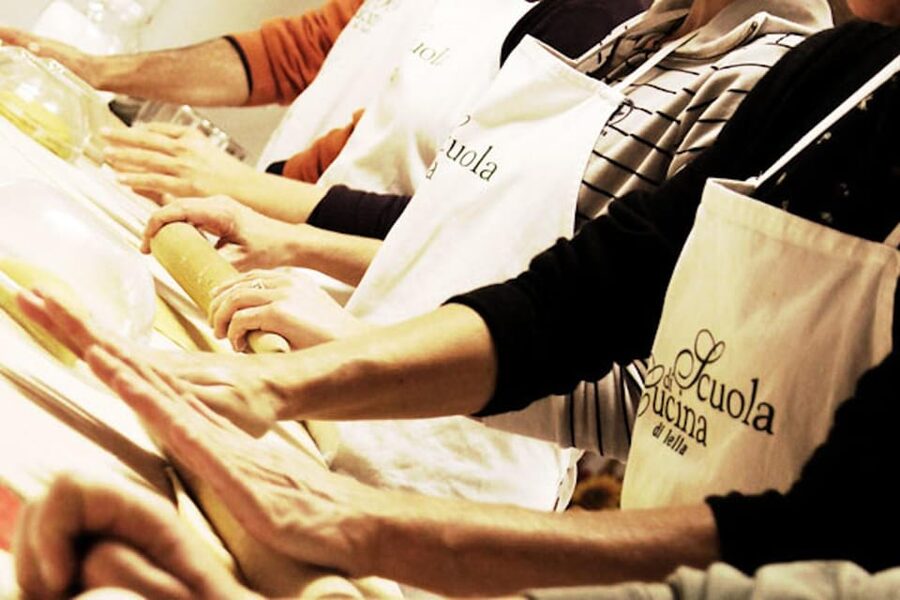
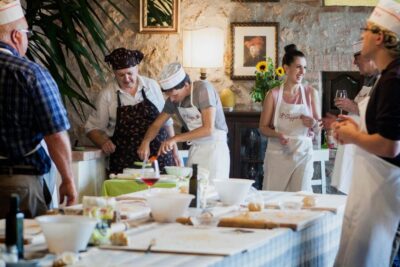
This is a hands-on cooking lesson followed by dinner, not a quick pasta demonstration. Over about three and a half hours, you work through several courses and see how they fit together as a Tuscan meal.
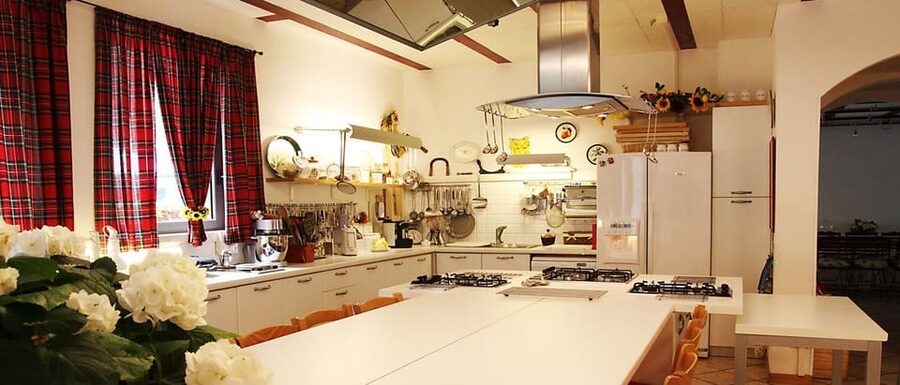
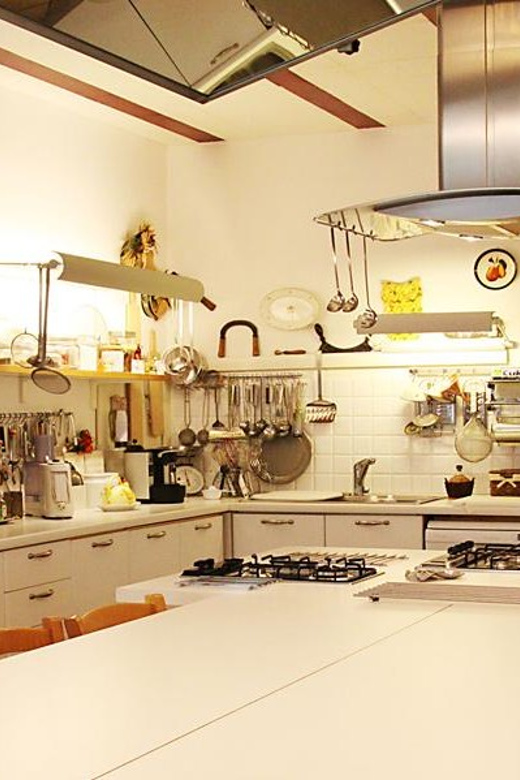
The class takes place at Scuola di cucina di Lella in Siena. Follow the signs for Scuola di cucina di Lella to reach the meeting point. There is no pickup or drop-off, so you need to make your own way there and return to your accommodation afterward.
Chef Francesco is the local expert in charge. English and Italian are used, and an English-speaking host helps explain the lesson when needed. In one class, the chef explained in Italian while the host provided English guidance. That arrangement can work well, particularly when the cooking gets busy and the chef is moving between tasks.
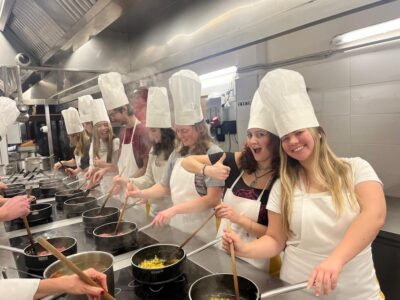
The group size may vary. One session included a group of nine, another small group, and a couple, yet it still felt fairly intimate. A smaller class of six gave everyone plenty of time to work together and get to know one another. You should not expect a private lesson unless that is specifically stated for your date, but the format allows for personal help at the worktable.
More Pasta Making Classes in Italy:
- Florence: Pasta Cooking Class with Unlimited Wine
★ 4.9 · 10,285 reviews - 3 in 1 Cooking Class near Navona: Fettuccine, Ravioli & Tiramisu
★ 5.0 · 7,376 reviews - Florence: Pasta & Tiramisu Cooking Class with Unlimited Wine
★ 4.9 · 6,708 reviews
Starting with a Tuscan meal from the ground up
The menu covers a full meal rather than focusing only on pasta. You prepare a starter, soup, fresh pasta with sauce, a meat course with a side dish, and dessert.
That range gives you a better sense of how Tuscan cooking is organized. Pasta gets the most obvious hands-on attention, but the other courses show how a traditional meal builds from a first bite to a final sweet course. You will also see which parts require close work and which parts are better left to the chef while you assist.
Do not assume every course is prepared entirely by you. You make your own pasta, while much of the remaining food is prepared by Chef Francesco. He may call one or two people up to help with a particular step. This is worth knowing if you want a private cooking lesson where you personally prepare every dish. It is also a sensible setup for a group class, since it keeps the meal moving and gives you time to watch the chef’s technique.
The class is designed around traditional recipes, with explanations about the dishes and their regional influences. That context adds value. You are not just learning a sequence of motions, but seeing how food connects to Tuscan cooking traditions.
The fresh pasta lesson is the star
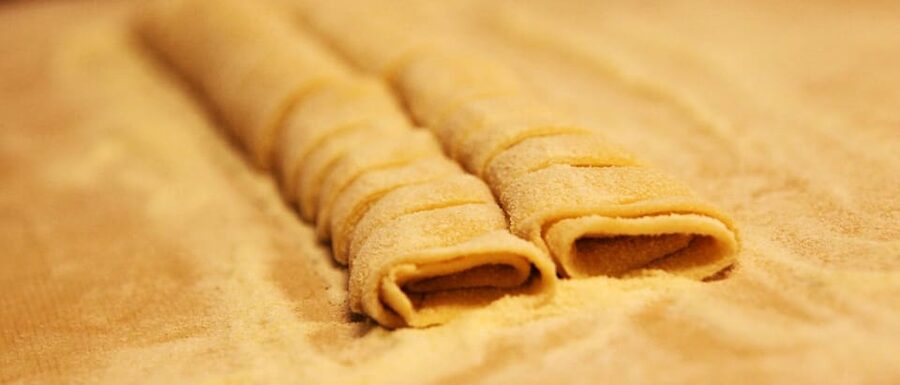
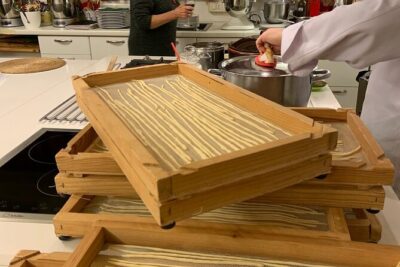
The pasta portion is the part I would look forward to most. Everyone has the chance to prepare fresh pasta by hand, and the class includes pici, a thick Tuscan noodle rolled by hand rather than cut into uniform strands.
Pici looks simple. It is not always simple to make evenly. You roll the dough into long, hand-shaped strands, and the results can vary from thin to thick. That is part of the fun, and it also shows why handmade pasta has character. You are learning a practical skill, not producing factory-perfect noodles.
The class gives you time to work at your own pace while Chef Francesco offers help. You may find that your pasta is not identical to someone else’s, but that is not a problem. With a rustic dish such as pici, the handmade texture is part of its appeal.
I appreciate that pasta is not merely shown at the front of the room. You take part in making it, and then you taste it with the sauce prepared for the meal. The lesson therefore links technique to dinner in a direct way.
The English recipes are another useful touch. Write your own notes on them during the class, as one participant did, because the printed sheet may not include every small adjustment or personal tip that comes up while cooking.
What you will do for the other courses
The starter and soup help set the pace of the lesson. You will see Chef Francesco prepare these traditional dishes and may be invited to assist. The recipes use fresh products bought locally, which matters more here than a long list of imported specialty ingredients.
The meat course and side dish give the meal a more substantial finish. Again, the chef handles much of the preparation, with participants helping at selected points. If you are interested in Tuscan cooking beyond pasta, pay close attention here. The class is structured to show a complete meal, not just the dish most visitors already expect.
Dessert completes the four-course menu. The exact dishes can vary, so you should not book this class expecting a particular soup, meat, or sweet course unless the school confirms the menu for your date.
This flexible menu is common sense for a working cooking class. Ingredients are bought locally and used fresh, so the food may depend on what is available. It also means the meal feels tied to the place rather than built around a fixed tourist menu.
More Italian Classes in Italy:
- Cooking Class and Lunch at a Tuscan Farmhouse with Local Market Tour from Florence
★ 5.0 · 4,831 reviews - Tuscan Cooking Class and Dinner in Florence
★ 4.5 · 732 reviews - Rome Pasta Making Class with Italian Sauces and Wine Included
★ 5.0 · 645 reviews - Tuscan Cooking Class
★ 5.0 · 584 reviews
Sitting down to eat what you made
Once the preparation is finished, the table is set and you eat the food as dinner. This changes the mood of the experience. You are no longer watching a demonstration or rushing to the next attraction. You have time to taste the dishes, compare your pasta, and enjoy the meal with the people in the class.
Local red Tuscan wine is included with dinner. That makes the final part feel like a proper shared meal rather than an add-on tasting. If you do not drink wine, check directly with the school about alternatives, since the supplied details only specify local red wine.
The meal is also why you should plan your day carefully. The class lasts three and a half hours, and the food is served after preparation. Come with room for dinner. At the same time, do not arrive starving. A small snack before class is sensible, since you may be cooking for a while before sitting down.
The combination of cooking and eating gives this experience good value at $147.27 per person, especially if you would otherwise pay separately for a meal and a short demonstration. It is not the cheapest way to eat in Siena. You are paying for instruction, an English recipe set, fresh ingredients, a full meal, wine, and the time of a local chef. If you want a quick, inexpensive lunch, this is the wrong choice. If you want a practical food experience that takes up much of an afternoon or evening, the price is easier to justify.
A good fit for food-minded visitors
This class suits you if you enjoy learning by doing. You do not need professional kitchen skills, but you should be willing to handle dough, follow instructions, and take part in a group setting.
It is also a good choice for couples, friends, and solo visitors who like meeting people around a shared table. A group of six can feel particularly friendly, while a larger group may give you less individual time. Even so, the setup includes opportunities to work with the chef and host.
Families should note the age limit. Children under seven are not suitable for the activity. Older children may enjoy the pasta-making, but the class still lasts three and a half hours, so consider their patience and interest before booking.
Vegetarians and people who need gluten-free food are accommodated with substitutions. You should raise the request ahead of time so the school can prepare appropriately. The available information confirms substitutions, but it does not specify the exact replacement dishes.
Practical details that affect your day
The school is on the ground floor, and the activity is wheelchair accessible. That removes one common problem with old-city cooking venues, where stairs and narrow entrances can make access difficult.
The class starts at different times depending on availability. Check the start time carefully before booking, then allow enough time to reach the school without relying on pickup. The activity ends back at the meeting point.
The cooking school offers free cancellation up to 24 hours before the start time for a full refund. You can also reserve now and pay later, which helps if your Siena plans are still shifting.
The class is offered in English and Italian. If you need detailed English instructions for every step, keep the host nearby and ask questions as you work. The chef may explain in Italian while the host translates or clarifies in English, particularly during a busy cooking section.
What makes this more than a pasta class
The strongest feature is the complete meal. Many cooking experiences focus on one dish, usually pasta, then finish with a small tasting. Here, you work toward a starter, soup, pasta, meat, side dish, and dessert.
The second strength is the connection between the lesson and the table. You do not make pasta as an isolated exercise. You prepare it, cook it, and eat it as part of a Tuscan dinner with wine.
The third is the local ingredient policy. Fresh products bought nearby support the cooking school’s regional focus and make the recipes more relevant to Siena. You are learning food meant to be eaten in Tuscany, not a generic Italian menu assembled for visitors.
The class also has a human scale. Chef Francesco is described as funny, passionate, and encouraging, which matters when you are struggling to roll pici into an even strand. Cooking mistakes are expected, and the atmosphere is designed to keep you involved rather than embarrassed.
There are limits. You will not personally prepare every course from start to finish, and the exact menu is not specified. The class can also include several groups, so the amount of direct attention may depend on the number of people booked that day.
Should you book this Siena cooking class?
Book it if you want a substantial food experience with real participation, especially if making fresh pasta is high on your list. The combination of Chef Francesco’s instruction, local ingredients, a four-course dinner, Tuscan wine, and English recipes gives you something useful to take home.
I would be less enthusiastic if you want a quiet restaurant meal, a private lesson, or a short activity between sightseeing stops. The class takes three and a half hours, involves group participation, and serves dinner only after the preparation is complete.
For most food-focused visitors, the value is solid. Bring an appetite, but not an empty stomach, arrive ready to work with your hands, and leave room in your schedule for a long shared meal.
FAQ
How long does the Siena cooking class last?
The class lasts three and a half hours. Check availability for the starting times offered on your date.
What food will I prepare?
The lesson covers a starter, soup, fresh pasta with sauce, meat with a side dish, and dessert. The exact recipes may vary.
Is dinner included?
Yes. After cooking, dinner is served using the food prepared during the lesson. Local red Tuscan wine is included.
Can I make fresh pasta myself?
Yes. Every participant has the opportunity to prepare fresh pasta by hand. The class includes making pici, a traditional Tuscan pasta.
Are vegetarian and gluten-free substitutions available?
Yes. The cooking school provides substitutions for vegetarians and people who need gluten-free food.
Is the class suitable for young children?
No. The activity is not suitable for children under seven years old.
Newest classes around Italy
- Cooking Class in a Sicilian countryhouse★ 5.0 · 5 reviews
- Cesarine: Market Tour & Home Cooking Class in Catania★ 4.0 · 6 reviews
- Cesarine: Home Cooking Class & Meal with a Local in Catania★ 4.5 · 10 reviews
- Cooking Class in Taormina with Lunch Included★ 5.0 · 2 reviews
- Cooking class in Capri for small groups★ 4.0 · 4 reviews
- Cooking Class and Wine Pairing in Capri★ 5.0 · 57 reviews
- Lezione di Cucina : Pasta Fresca★ 5.0 · 12 reviews
- Private Cooking Class Experience in Reggio Calabria★ 5.0 · 5 reviews
Siena Cooking Classes, compared.
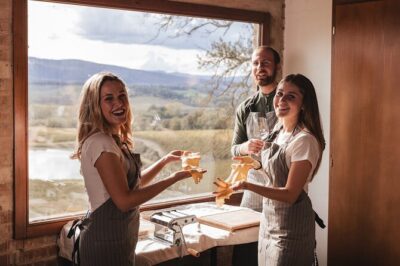
A Brunello Cooking Class with Vineyards View Winery
Read our review →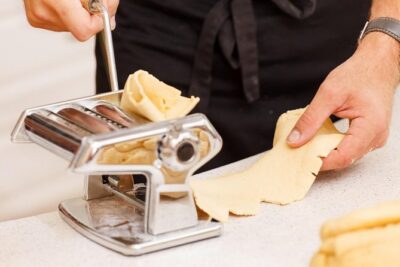
Small group Cooking Class in Chianti Farmhouse
Read our review →Small Group Cooking Class in Chianti Farmhouse
Read our review →
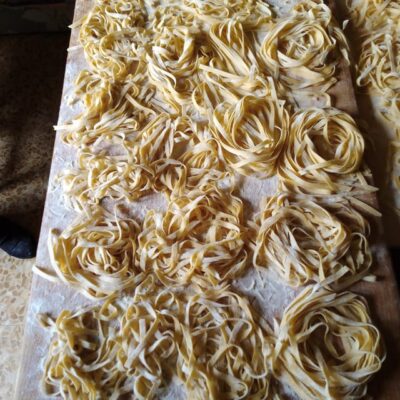
Siena countryside: cooking class in a real Tuscan farmhouse
Read our review →Browse the lists this tour appears in