
Review · PARIS COOKING CLASSES
Paris: French Macaron Culinary Class with a Chef
Making macarons looks simple until the shells crack, spread, or refuse to rise. This 150-minute Paris cooking class takes you through the fussy parts, from folding meringue to preparing ganache, in a small group where the chef can watch your technique. Guides such as Amélie, Delphine, Matthieu, Alice, and Christian have been praised for clear instruction and good humor.
I like the hands-on format and the fact that you make the pastries yourself rather than simply watching a demonstration. I also like the take-home box, which gives you something tasty to share and a useful reminder of the techniques. The main consideration is that this is an introductory class. If you already bake macarons often, you may want more advanced pastry theory.
Key points at a glance
- Small class size: The group is limited to six participants, so the chef can offer individual help.
- Real macaron technique: You work on meringue, ganache, crisp shells, and soft centers.
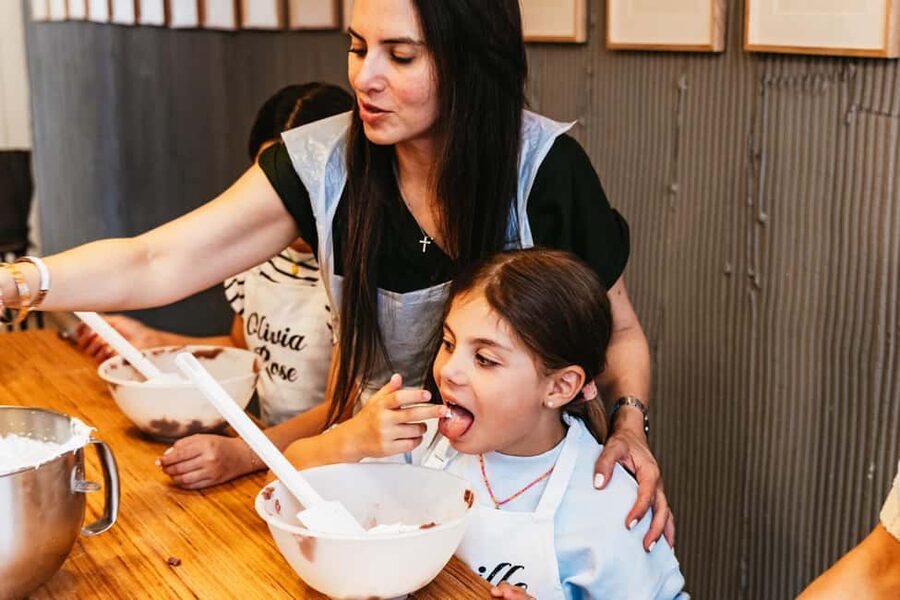
- Good for families: Children as young as five and six have taken part successfully with adult supervision.
- English instruction: The class is taught in English, with some chefs also able to explain steps in French.
- Choice and creativity: You may be able to select colors and flavors, and some sessions include multi-colored macarons.
- A useful souvenir: You leave with a box of the macarons made during the lesson.
Why macarons make a good Paris cooking class
Macarons are a smart choice for a short food workshop. They are closely linked with French pastry culture, but they are also difficult enough to make the lesson feel worthwhile. You are not simply mixing ingredients and waiting for something to bake. You learn how air, heat, sugar, and timing affect the finished shell.
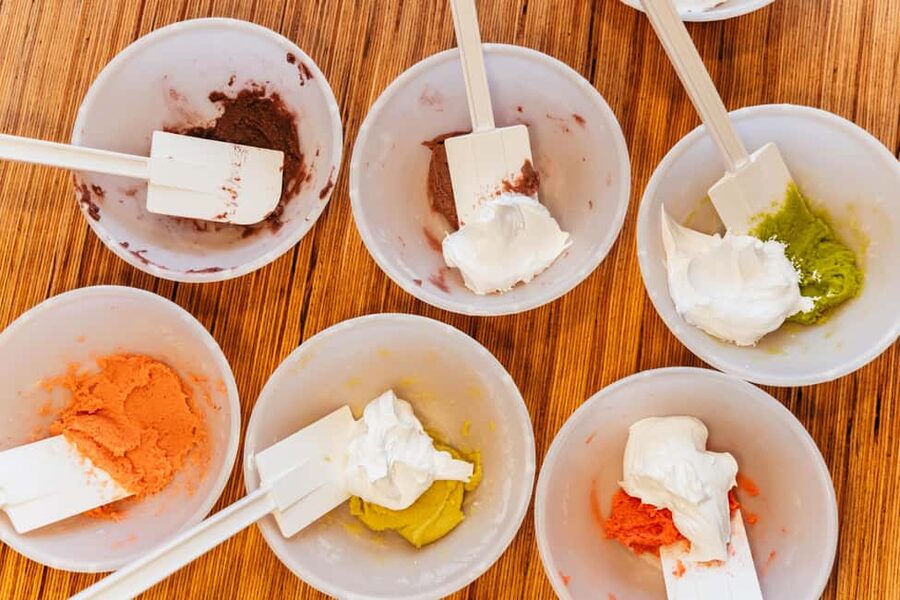
The class focuses on two parts that cause most home-baking trouble: the meringue and the ganache. The meringue must hold enough structure without becoming dry. The batter must be folded enough to smooth it, but not so much that it loses its shape. The filling needs the right texture so it is creamy without making the shell soggy.
I like this balance. You get a genuine pastry lesson, but the tone remains relaxed and social. The goal is not to turn you into a professional pastry chef in one afternoon. It is to give you a workable method, useful corrections, and enough confidence to try again at home.
More Cooking Classes in Paris:
- Paris Cooking Class and Lunch with Wine plus Market Visit Option
★ 5.0 · 1,024 reviews - Paris Croissant Small-Group Baking Class with a Chef
★ 5.0 · 910 reviews - Paris: French Croissant Baking Class with a Chef
★ 4.9 · 712 reviews
Arriving at Maison Fleuret School
Your meeting point is in front of a grey door at Maison Fleuret School. There may be little or no obvious signage, so look for the correct entrance and arrive at the time on your reservation. One participant found the lack of a sign slightly confusing, which is a fair warning for anyone who dislikes last-minute searching.
The school provides a professional kitchen setting. One family described working in a beautiful kitchen with another family nearby, while other classes have included couples, parents with children, and small mixed groups. That variety is part of the charm. You may be baking beside people from several countries, then comparing colors, shapes, and results as the class moves along.
The room is designed for practical work rather than a formal lecture. You meet the chef and the other participants, receive instructions, and begin working through the process. Since the class is small, you should have a better chance of getting help than in a large demonstration-style workshop.
The first challenge: building the meringue
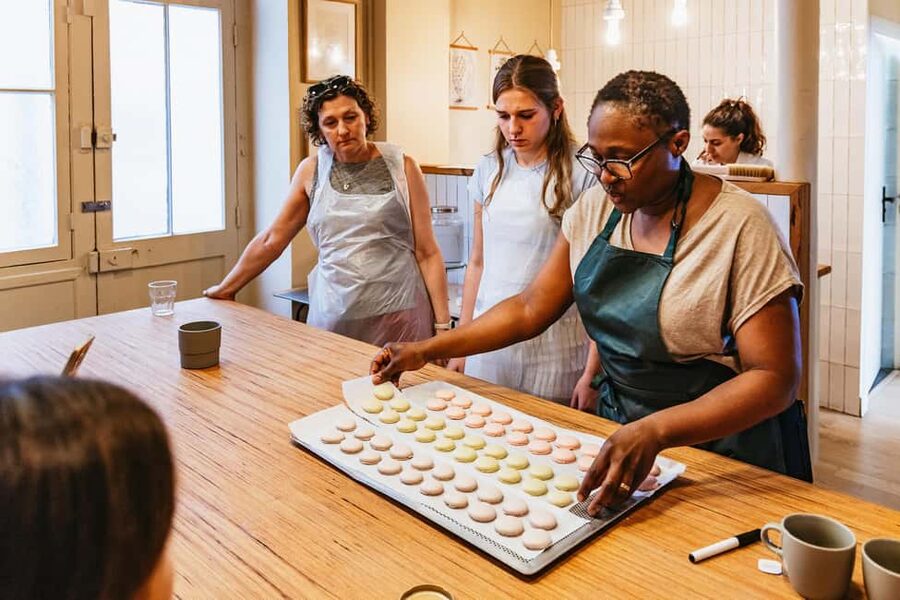
The chef begins with the foundation of the macaron. You learn how to prepare and handle the meringue, the airy mixture that gives the shells their light texture. This is one of the most useful parts of the session because the quality of the meringue affects nearly everything that follows.
Expect the chef to demonstrate the process, explain the signs to watch for, and then guide you as you work. The teaching style is practical. You are not expected to know pastry terms or arrive with baking experience. Several beginners finished the class feeling able to attempt macarons at home, which is a good sign for first-time cooks.
Children can take part too. Parents have brought children aged five, six, seven, eight, nine, and older, with chefs helping them stay involved. The class is not described as a special children’s workshop, so younger children will still need an adult nearby. The small format helps, since the chef can give a child a simple task and offer help when the mixture becomes more delicate.
Folding, piping, and getting the shell right
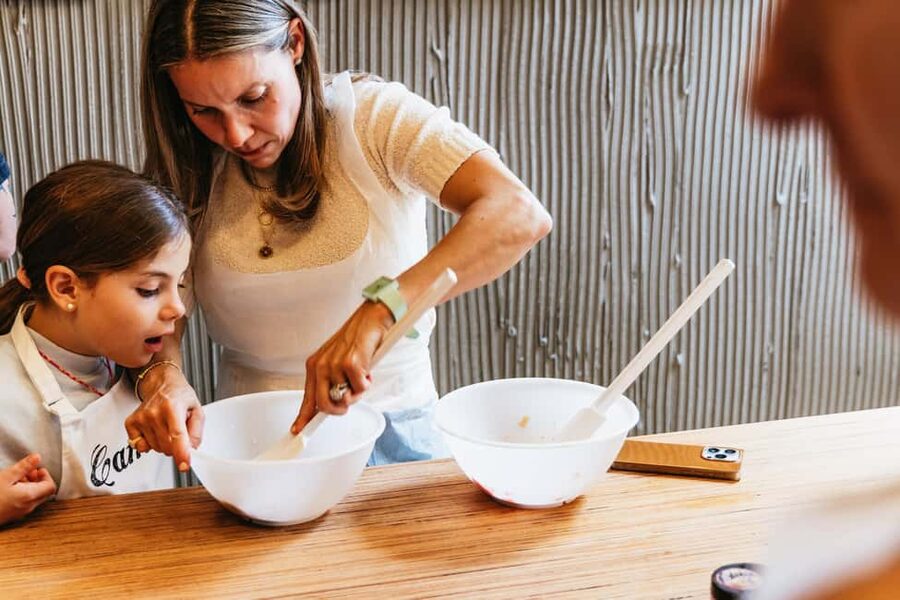
After the meringue comes the part that demands a gentle touch. You work toward a batter that is smooth enough to pipe but strong enough to hold its form. The target is the classic macaron texture: a crisp outer shell with a softer center.
The chef shows you what to do, then checks your work. That personal correction is the main reason to choose this class instead of following a recipe at home. A written recipe cannot tell you quite as clearly when the mixture has reached the right consistency. In a group of six, you can ask questions and receive help before small mistakes become larger ones.
Some sessions include choices of flavor and color. One family made multi-colored macarons, while another group chose combinations that suited each participant. These options add a creative element without changing the basic technique. You still learn the core process, but the finished box feels more personal.
Do not expect every shell to look perfectly identical. The class aims for success, not factory-level uniformity. That is part of the fun. You get to see how small differences in piping and batter handling affect the final shape, then taste the results.
Same region, a different dish to learn:
- Paris Cooking Class: Learn How to Make Macarons
★ 5.0 · 634 reviews - Paris Evening Cooking Class French Dinner and Market Visit Option
★ 5.0 · 430 reviews - Paris French Cuisine Small Group Cooking Class with Lunch
★ 4.5 · 418 reviews - Paris Macarons Small-Group Baking Class with a Chef
★ 5.0 · 316 reviews
Ganache and the soft center
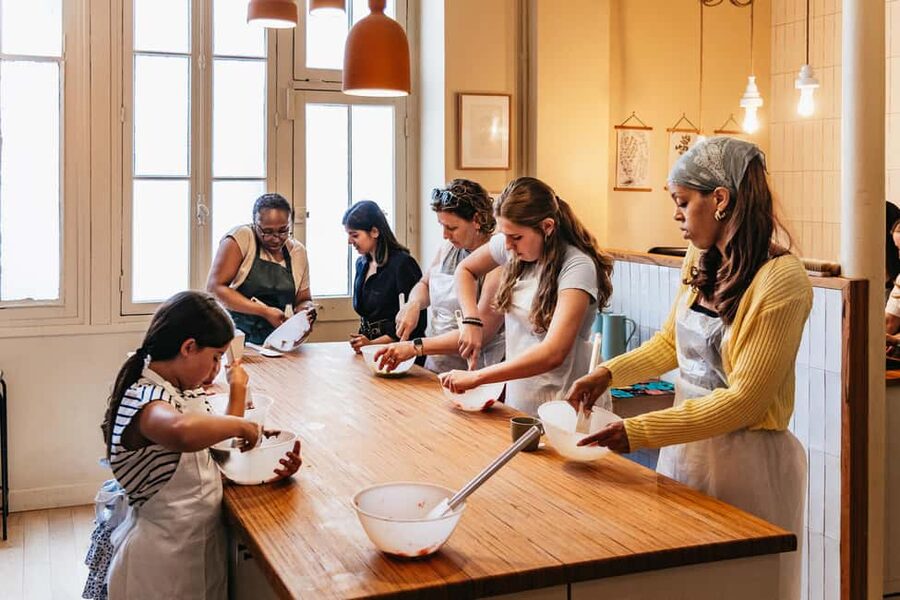
The ganache lesson brings the pastry together. You learn how to create the flavored center that sits between the shells and gives the macaron much of its character. The chef explains how to reach a smooth, delicate filling, then helps you assemble the finished pastries.
This is a useful section for home bakers because the filling can make or break the final result. A shell may look fine, but too much filling or a filling with the wrong consistency can overwhelm it. The workshop connects the technical points to the finished pastry, so you can see why each step matters.
The experience is not just about making something pretty. It also teaches you how texture works. The shell should give a slight crisp bite, while the center remains soft and flavorful. When you taste the finished macarons, you can connect that result to the mixing, piping, and filling decisions made earlier.
A friendly class with real individual help
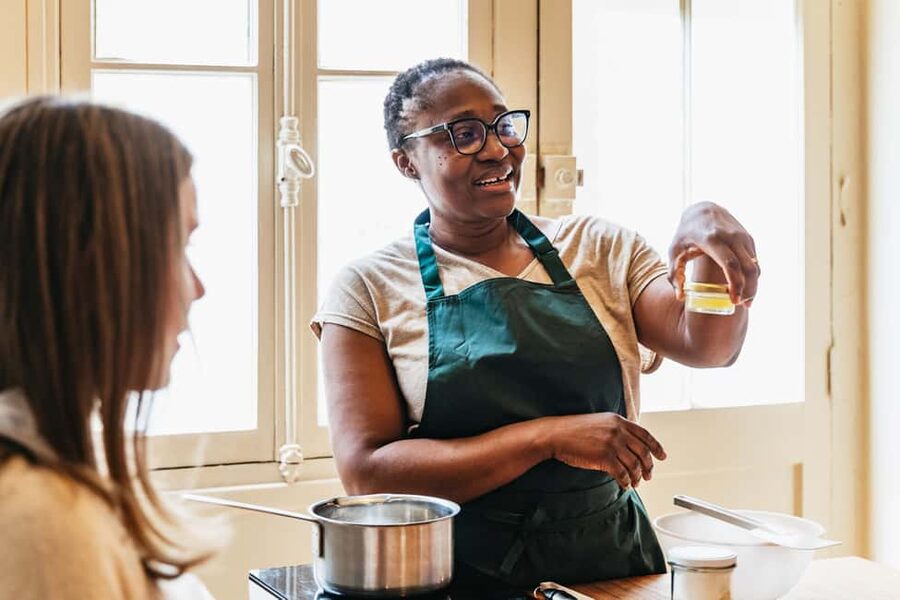
The instructors receive the strongest praise for the atmosphere they create. Amélie has been described as funny, patient, and reassuring. Delphine has taught in both French and English. Matthieu has been praised for explaining each stage clearly, and Christian for being patient and precise. Alice, William, Felix, Matteo, Pauline, and others have also guided sessions with a warm, encouraging approach.
That matters because macarons can make nervous bakers feel clumsy. A chef who corrects you without making a fuss keeps the class moving and lets you enjoy the work. The best sessions appear to combine demonstration with individual checks, rather than leaving everyone to copy instructions from a distance.
The group itself becomes part of the activity. You may chat with other participants, compare your shells, or trade a few pastries with people making croissants in another room. One participant even noticed other pastry classes nearby, including croissant and lemon tart workshops. That gives the school the feel of an active baking center rather than a one-off tourist demonstration.
There is one small caution. A participant found the final part too loud and wanted more advanced information. If you are seeking professional pastry training, this may feel basic. For a first attempt or a family activity, though, the accessible pace is a strength.
How long the 150 minutes feels
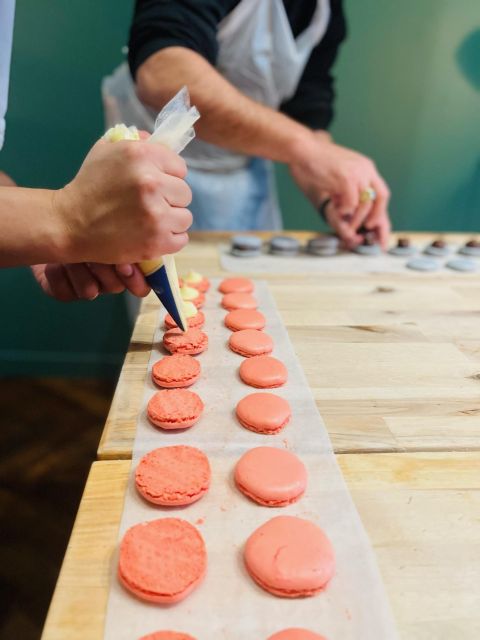
The advertised duration is 150 minutes, or two and a half hours. That gives enough time for instruction, preparation, baking, filling, and packing your macarons without rushing through every stage.
Actual timing can vary. One participant finished in about one hour and 45 minutes, shorter than expected. I would plan around the full 150 minutes because the class may run at a different pace depending on the group, the chef, and how much time is spent on questions. If you have a museum reservation or dinner booking afterward, leave a generous gap.
The pace suits a half-day Paris plan. You can place it between sightseeing stops, but baking requires attention, so I would not schedule it immediately before something you cannot miss. The class is best treated as the main event for that part of the afternoon.
What you take home
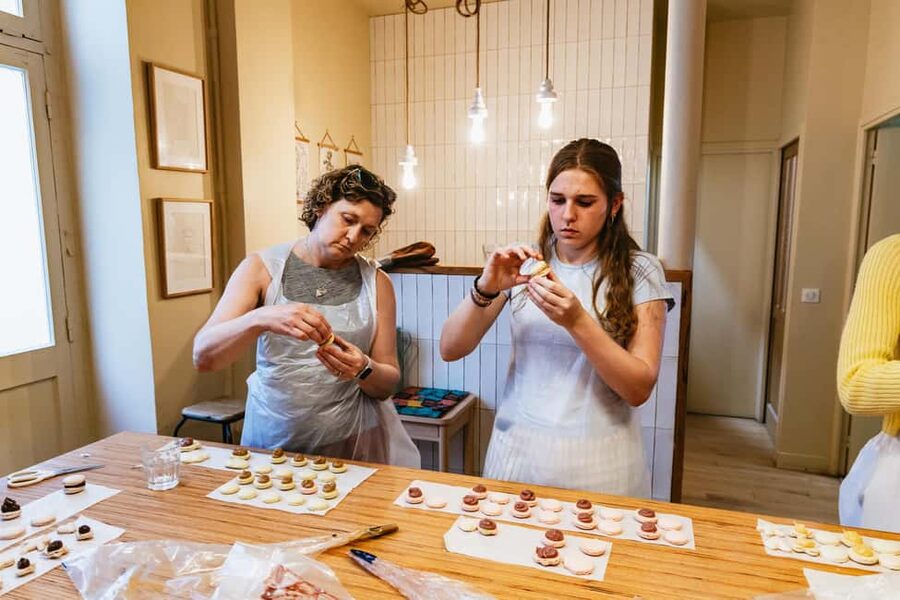
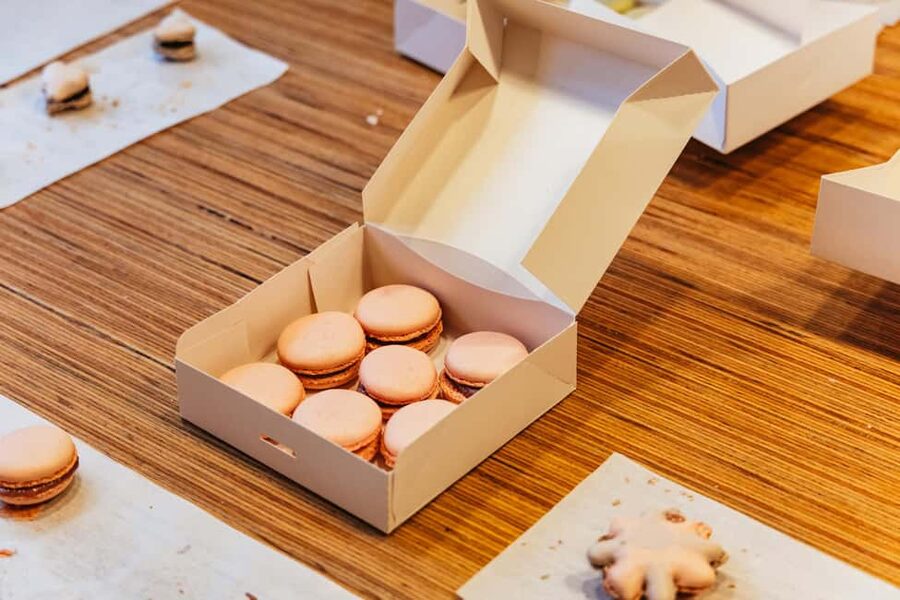
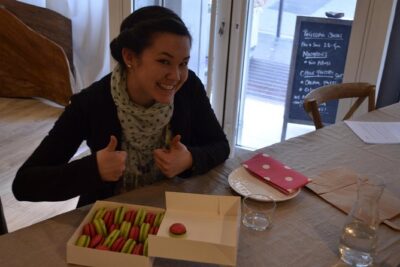
At the end, you receive a box of macarons made during the class. Several participants produced a dozen or more, though the exact quantity may vary. That is enough to enjoy later, share with family, or carry back to your accommodation for a second tasting.
The box is a practical souvenir. Unlike a packaged gift from a shop, it shows what you learned and gives you a chance to compare the pastries after they have rested. One participant managed to carry the box back to the United Kingdom despite heat and a long journey, but warm weather can still be a concern. Handle the box carefully and avoid leaving it in a hot place.
The finished macarons are also a confidence check. Families with children reported that the younger bakers’ results looked and tasted as good as the adults’ work. That does not mean every batch will be flawless, but the guided method gives beginners a good chance of leaving with attractive pastries.
Value for couples, families, and first-time bakers
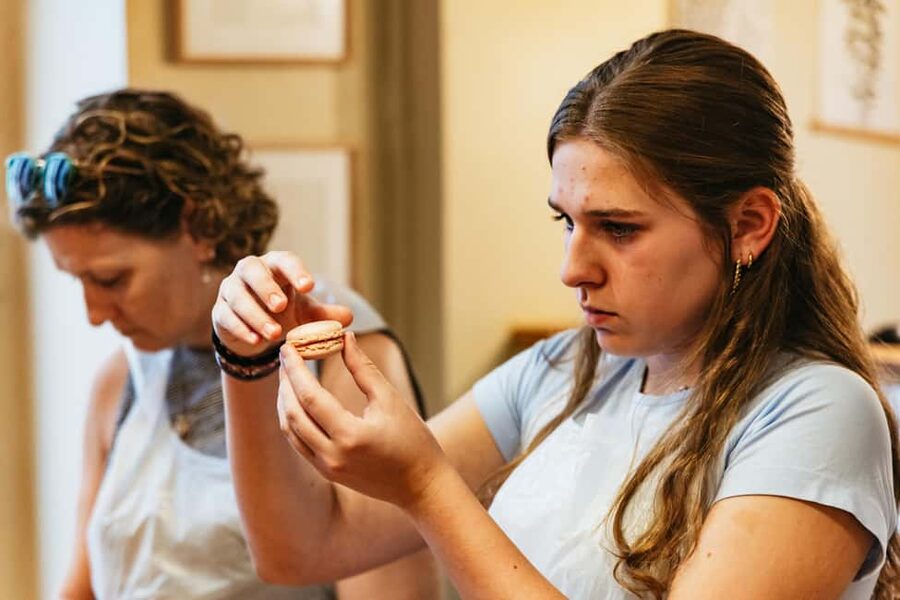
The class offers its best value to people who want to learn and participate, not just eat. You receive instruction from a chef, practical help, a social activity, and a box of finished macarons. Since the group is limited to six, the individual attention is more useful than it would be in a crowded kitchen.
Families should find this especially appealing. Children and teenagers have enjoyed the class, and several parents called it one of the favorite activities of their Paris trips. The work is tactile and creative, and the reward arrives quickly. You do not need to plan a separate dessert stop afterward.
Couples and friends can use the class as a relaxed break from museums and monuments. It also works well for a rainy day, since the activity takes place indoors and gives you something active to do. Solo participants can join comfortably, though the social side depends on the personalities in that particular group.
Experienced bakers need to set their expectations carefully. The lesson teaches a reliable basic method and home-baking tips. It may not cover advanced troubleshooting, professional production methods, or complex flavor development in great detail. If your past macarons have failed, the corrections may be exactly what you need. If you already produce consistent macarons, the class may feel familiar.
Practical details before you book
The class is taught in English, and the chef gives the instructions in a hands-on format. Some instructors, including Delphine, can also explain the process in French. The activity is wheelchair accessible, and hotel pickup and drop-off are not included, so you make your own way to Maison Fleuret School.
The meeting instruction is simple: arrive at the reserved time in front of the grey door. Because the outside may not have clear signage, allow a few extra minutes to identify the entrance. Check your booking messages before leaving, since the location or start time can change and the provider has communicated such changes promptly in past cases.
You can cancel up to 24 hours before the activity for a full refund. A reserve-now, pay-later option is also available, which helps if you are still arranging a busy Paris schedule. Starting times vary, so check availability for the date you want.
Should you book the macaron class?
Book it if you want an active Paris food experience with a strong chance of success, especially if you are traveling with children, teenagers, or someone who enjoys cooking. The small group, English instruction, patient chefs, and take-home box make the 150 minutes feel useful rather than merely decorative.
I would skip it if you want advanced pastry training or a quiet, highly technical lesson. The class is friendly and beginner-focused, and the room may become noisy near the end. For most visitors, though, the chance to make crisp shells, soft centers, and colorful macarons with a chef is a tasty way to spend part of a Paris day.
FAQ
How long is the French macaron class?
The stated duration is 150 minutes. The actual session can finish sooner, so allow flexibility if you are planning another activity afterward.
Is the class taught in English?
Yes. English is the listed teaching language. Some chefs, including Delphine, can also explain techniques in French.
How many people are in the group?
The group is limited to six participants. This allows the chef to give individual help while you mix, pipe, and assemble the macarons.
Do I take macarons home?
Yes. A box of macarons made during the class is included. Some sessions produce a dozen or more, though the exact amount can vary.
Can children join the workshop?
Yes. Families have taken part with children and teenagers, including children aged five and six. Younger children should have an adult involved in the activity.
Is hotel transportation included?
No. Hotel pickup and drop-off are not included. You meet at Maison Fleuret School, in front of the grey door, at the time of your reservation.
Newest classes around Paris
- Paris: Millefeuille baking class with a chef★ 5.0 · 5 reviews
- Paris: Traditional Croissant Cooking Class With Local Baker★ 5.0 · 2 reviews
- Paris: The Soufflé Baking Class with Chef★ 4.5 · 2 reviews
- Paris: Lemon Tart Baking Class with a Pastry Chef★ 5.0 · 4 reviews
- Paris: Macaron Baking Class★ 4.4 · 26 reviews
- Paris: Hands-On Small Group Cooking Class★ 4.9 · 19 reviews
- Paris: Evening Cooking Class with Optional Market Visit★ 4.8 · 19 reviews
- Eclair Baking Class with A Pastry Chef★ 5.0 · 3 reviews
Paris Cooking Classes, compared.
Paris Cooking Class and Lunch with Wine plus Market Visit Option
Read our review →
Paris Croissant Small-Group Baking Class with a Chef
Read our review →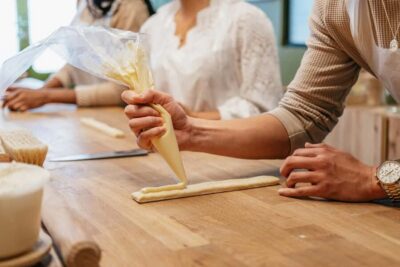
Paris Cooking Class: Learn How to Make Macarons
Read our review →
Paris Evening Cooking Class French Dinner and Market Visit Option
Read our review →
Paris French Cuisine Small Group Cooking Class with Lunch
Read our review →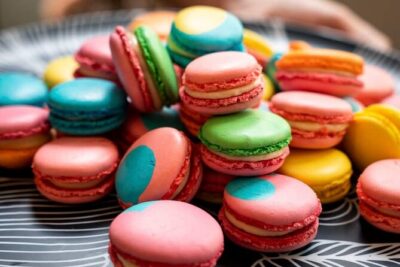
Paris Macarons Small-Group Baking Class with a Chef
Read our review →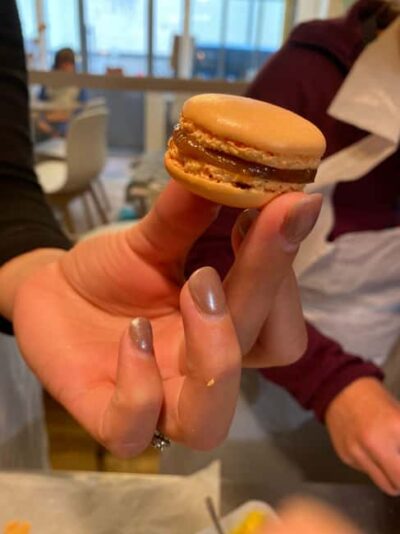
Browse the lists this tour appears in