
Review · PARIS COOKING CLASSES
Paris: 2.5-Hour French Pastry Cooking Class
Parisian pastry is not just a pretty shop-window treat. In Chef Noémie’s class, you learn what makes the pastry work: how choux dough should feel, why each step matters, and how to pipe and finish a dessert without panic. The class takes place in a private loft in the 17th arrondissement, far from the usual sightseeing circuit.
I like the small group of up to eight, which gives you a real chance to ask questions. I also like the relaxed finish, when you sit down with tea or coffee and eat what you have made. The one thing to keep in mind is that the class may not be completely hands-on at every moment. Some steps are demonstrated, then shared among the group.
Key points before you book
- Learn with Chef Noémie, a Lenôtre Culinary Institute graduate who explains both technique and the reasons behind each step.
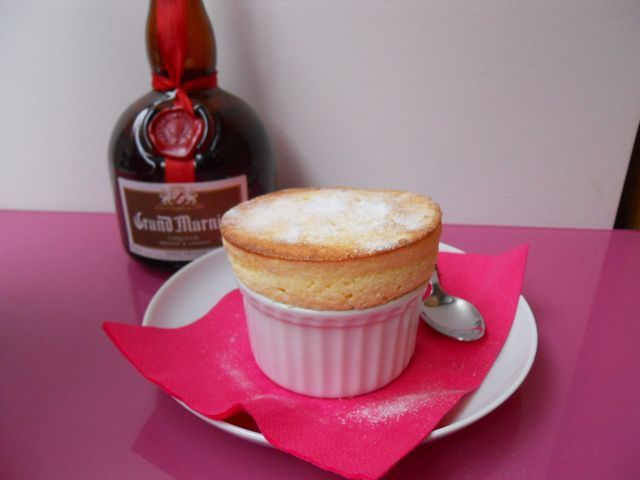
- Make two or three French desserts, with seasonal choices that may include Paris-Brest, molten chocolate cake, Grand Marnier soufflé, or crème brûlée.
- Work in a group capped at eight, a useful size for personal help without making the class feel too private or costly.
- Practice practical pastry skills, including measuring, mixing, piping, decorating, and handling choux pastry.
- Finish with tea or coffee, plus time to taste the desserts and chat with the chef.
- Meet at 92 rue Nollet, near Brochant or La Fourche on Metro Line 13.
A pastry lesson in a Paris loft
The setting is part of the appeal. You meet Chef Noémie at her cooking school at 92 rue Nollet in Paris’s 17th arrondissement. This is a private loft-style atelier, not a large commercial cooking studio. The small setting suits a class built around conversation and personal advice.
Chef Noémie trained at the Lenôtre Culinary Institute, one of France’s best-known pastry schools. That background matters because French pastry depends on small details. A recipe may look simple on paper, but the result can change with the temperature of the butter, the texture of the dough, or the way you pipe it.
You do not need to arrive as a baker. The class is designed for beginners as well as people who already spend time in the kitchen. A nine-year-old has enjoyed the class with a parent, and older children and teenagers have also taken part. Adults who call themselves kitchen disasters have managed to enjoy the piping and decorating, too.
The class is taught in English. You receive an English-language copy of the recipes, so the lesson does not end when you leave Paris. The apron is provided, which saves you from worrying about flour or chocolate on your clothing.
More Tiramisu and Dessert Classes in France
- Croissant Baking Class, Mastering the Art with a Pastry Chef
★ 5.0 · 116 reviews - Paris Cooking Class: Chocolate Éclairs and Cream Puffs
★ 5.0 · 87 reviews - Paris Desserts and Pastries Small Group Cooking Class with a Chef
★ 4.5 · 49 reviews
What happens during the 150 minutes
The class lasts two and a half hours. That is long enough to make several desserts, but short enough to fit into a busy Paris day. I would allow extra time around the class for getting to the address, especially if you are using Metro Line 13 and are unfamiliar with the neighborhood.
The exact menu changes with the season. You may make two or three classic French desserts, with examples including Paris-Brest, molten chocolate cake, and Grand Marnier soufflés. Crème brûlée has also been part of the class. The seasonal approach makes practical sense. Pastry is affected by ingredients, temperature, and timing, so the chef chooses recipes that suit the time of year.
The lesson proceeds step by step. You measure ingredients, mix dough or batter, and work with the tools under Noémie’s direction. Depending on the recipe, you may use a pastry bag to pipe shapes, fill pastries, or decorate the finished desserts.
One especially useful lesson is choux pastry. This dough appears in many French desserts, including Paris-Brest. It requires a few unfamiliar steps, but once you understand the texture and method, it becomes far less mysterious. The class gives you a chance to practice rather than simply watch a demonstration.
The group may share some tasks. One person might measure while another mixes, then several people take turns piping or decorating. If you expect to personally perform every single step for every dessert, adjust your expectations. The class is participatory, but it is not necessarily a private workstation where you produce three full pastries alone from start to finish.
That shared format has an upside. You can watch the technique closely before trying it, and you have time to ask why a step is done in a particular way. One attendee who ended up alone in a class received extra explanations and individual answers from Noémie. Group size can vary, but the limit of eight keeps the lesson manageable.
The techniques that make French pastry work
The best part of this class is not simply eating a pastry in Paris. You learn the small decisions that affect the result at home.
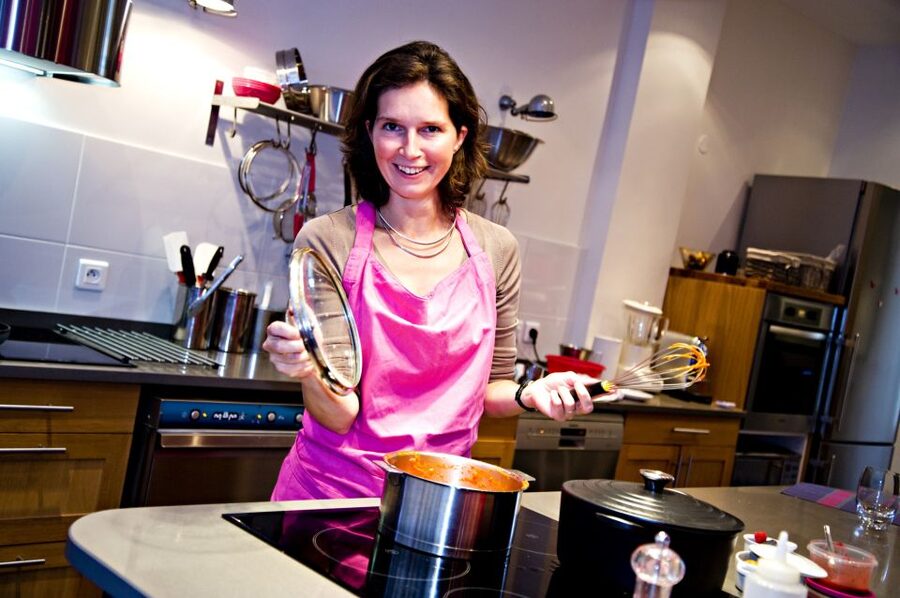
Noémie explains the reasons behind the method, not just the order of instructions. That can mean discussing texture, explaining how to get better results, or showing how a pastry bag should be handled. Her teaching style is patient and clear, which is useful when you are dealing with a dough that looks wrong until it suddenly comes together.
You also get pastry tips that a standard recipe often leaves out. A written recipe may tell you to mix until smooth, but a teacher can show you what smooth looks like. A recipe may say to pipe a shape, but a teacher can correct your hand position and pressure.
The class also includes some background about the desserts. You are not only following instructions for Paris-Brest or soufflé. You learn how these familiar French sweets fit into the country’s pastry tradition and why particular techniques are used.
Do not expect a full professional pastry qualification in 150 minutes. You will not master every French dessert in one afternoon. What you can gain is a solid introduction to several useful methods, along with the confidence to try them again at home.
Paris-Brest, soufflé, and seasonal desserts
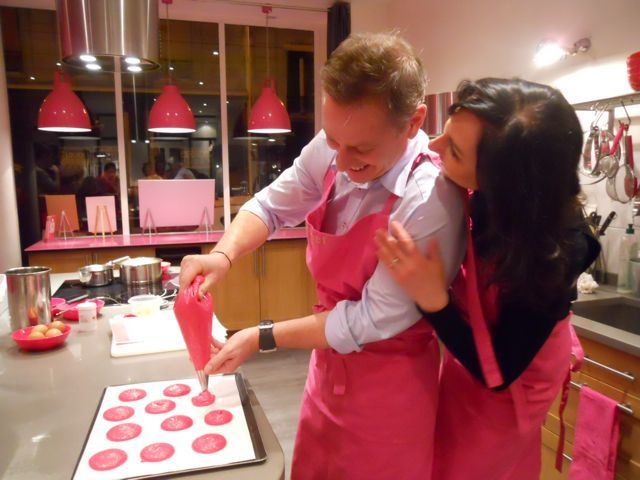
Paris-Brest is an especially good choice for a class because it brings several pastry skills together. You work with choux pastry, learn piping, and deal with filling and presentation. It also gives you a useful base for other French pastries that use the same dough.
Molten chocolate cake offers a different kind of lesson. Timing matters, and the goal is a soft, flowing center rather than a fully baked middle. It is a good example of how pastry can depend on careful baking rather than a long list of ingredients.
Grand Marnier soufflés introduce another technique. A soufflé needs care, but the class setting lets you see how the chef handles it and ask questions as you work. Crème brûlée, when included, adds a contrast, with a smooth custard and a crisp top.
Because the menu is seasonal, you should not book expecting a guaranteed combination unless the chef confirms it. The activity description gives examples, not a fixed menu for every date. If there is one dessert you particularly want to make, it is worth asking in advance. One parent arranged to include Paris-Brest, and Noémie was able to accommodate that request.
More Tiramisu and Dessert Classes in Paris
- Paris Cooking Class: French Desserts Class
★ 4.9 · 13 reviews - Paris: Lemon Tart Baking Class with a Pastry Chef
★ 5.0 · 4 reviews - Eclair Baking Class with A Pastry Chef
★ 5.0 · 3 reviews
Why the small group matters
A maximum of eight people is one of the strongest features here. Pastry classes can become frustrating when you are standing at the back, waiting for a turn, or unable to see what the instructor is doing. This format gives you a better chance to see the work and get an answer when something goes wrong.
The group setting also adds a social side without turning the class into a large party. You may be baking with a family, a couple, or people who have never met before. Shared mistakes tend to make the room more relaxed, especially during piping and decorating.
Still, small group does not mean every participant has identical hands-on time. Tasks may be shared, and some stages may be demonstrated. One of the clearest practical points from the feedback is that the class includes participation, but not necessarily nonstop individual work.
For families, this can be a good balance. Children as young as eight and nine have taken part, while teenagers have enjoyed it as a birthday activity. A parent or grandparent can join in rather than simply watch. If your child is very young or has little patience for waiting between tasks, remember that this is a real cooking lesson, not a quick craft activity.
Tea, coffee, and the best part of the afternoon
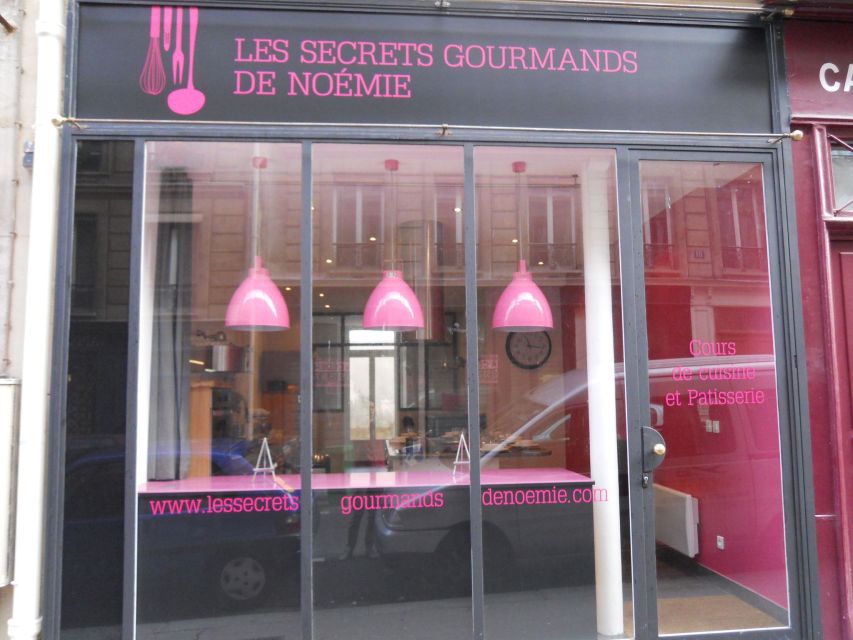
After the baking, you sit down in Noémie’s loft atelier with tea or coffee. Then you taste the desserts made during the class.
This ending is more than a snack. It gives you time to talk with the chef, compare results, and ask last-minute questions. It also lets you enjoy the work while the techniques are still fresh in your mind.
For many people, this shared table is the emotional payoff. You have spent the afternoon measuring, mixing, piping, and learning unfamiliar methods. Sitting down to eat the finished pastries makes the lesson feel complete.
The desserts are not packed as a separate takeaway item in the information provided, so do not assume you will leave with a box of pastries. The clear promise is that you will taste your creations at the end and receive recipes to use later.
Getting to 92 rue Nollet
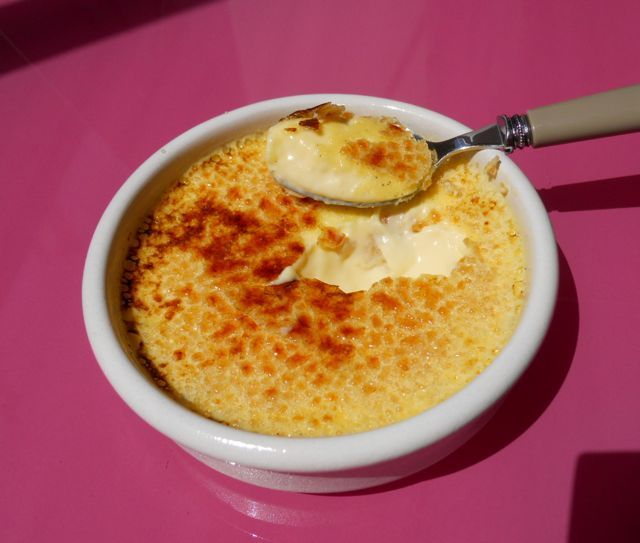
The meeting point is 92 rue Nollet, 75017 Paris. The nearest Metro access is on Line 13, with Brochant or La Fourche listed as the convenient stations.
You can also use buses. Routes 66, 54, and 74 stop at Legendre, while Route 31 stops at Parc Martin Luther King. The Navette Pèreire Pont Cardinet serves the Pont Cardinet stop.
Give yourself enough time to find the building. A cooking class has a firm start, and arriving late can mean missing the early instructions or interrupting a delicate step. The location is in the 17th arrondissement, so check your route before setting out instead of relying on a last-minute phone search.
Smoking and pets are not allowed. The activity is conducted in English, and the group is limited to eight participants.
Is $141 a fair price?
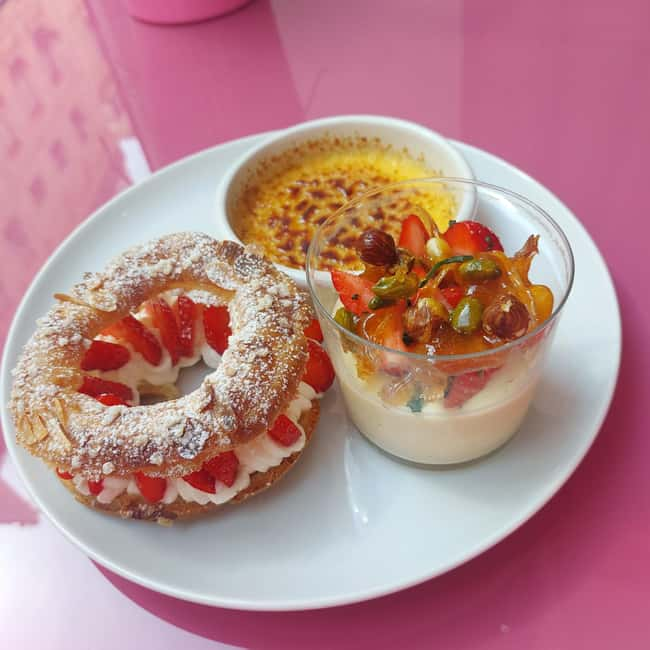
At $141 per person, this is not a cheap way to eat dessert in Paris. You could buy excellent pastries for far less. The value comes from the lesson, the chef’s attention, the recipes, the use of the cooking space, and the chance to make several desserts yourself.
The price makes more sense if you value an activity over another sightseeing stop. You are paying for 150 minutes of instruction, an apron, tea or coffee, and a small-group format. You also take home techniques that can be used again, especially the lessons on choux pastry, piping, and dessert presentation.
I would consider it good value for a family celebration, a honeymoon activity, or a visitor who has already seen the major monuments and wants a more personal afternoon. It is less compelling if you only want to sample Parisian pastry or if you dislike shared kitchen tasks.
The high overall rating of 4.9 from 71 reviews reflects a consistent strength: Noémie’s friendly, patient teaching. Her warmth is important because pastry can make beginners feel clumsy. She explains, corrects, and keeps the mood light without making the lesson feel careless.
Who should book this class?
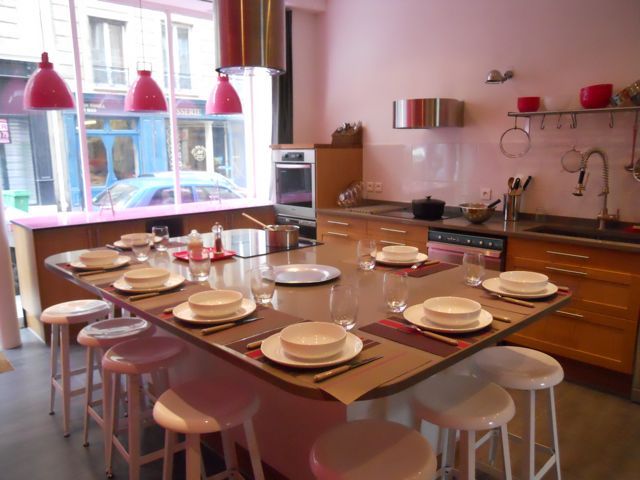
I would recommend it to first-time bakers, couples, families with older children, and anyone who wants a break from museums and monuments. It is also a smart choice for a birthday or a special family outing. Several families have used the class as a way to celebrate together, including a 13th birthday.
You will get the most from it if you like learning by doing and do not mind sharing tasks. You should also be comfortable with a menu that can change by season.
This is not the right pick if you need a fully private lesson, require a guaranteed recipe, or want to spend the entire time baking alone. It is also not a simple pastry tasting. The focus is instruction, practice, and conversation.
Cancellation is free up to 24 hours before the activity for a full refund, and you can reserve now and pay later. Those options help if your Paris schedule is still shifting.
Should you book the French pastry class?
Book this class if you want to learn a skill, meet a friendly chef, and eat several French desserts in a relaxed home-style setting. The small group, English instruction, and patient teaching make it suitable for beginners, while the range of techniques gives experienced home bakers something useful to take away.
I would book it especially for a family day or a special occasion. Just remember that the class is shared, the menu varies, and not every stage will be completely hands-on for every person. If that sounds like a fair trade for personal instruction and a memorable afternoon in Paris, this is a strong choice.
FAQ
Where does the French pastry class take place?
The class takes place at 92 rue Nollet, 75017 Paris, in Chef Noémie’s loft-style cooking atelier.
How long does the class last?
The class lasts 150 minutes, or two and a half hours.
Who teaches the class?
Chef Noémie teaches the class. She graduated from the Lenôtre Culinary Institute.
Is the class taught in English?
Yes. The live guide and instruction are in English, and an English-language copy of the recipes is included.
How many people can join the class?
The class is limited to eight participants.
Which desserts will I make?
The menu changes with the season. Possible desserts include Paris-Brest, molten chocolate cake, Grand Marnier soufflés, and crème brûlée. Two or three desserts are prepared during the class.
Are tea and coffee included?
Yes. Tea and coffee are served after the class while you taste the desserts you made.
Is an apron provided?
Yes. An apron is included. Pets and smoking are not allowed during the activity.
Newest classes around Paris
- Paris: Millefeuille baking class with a chef★ 5.0 · 5 reviews
- Paris: Traditional Croissant Cooking Class With Local Baker★ 5.0 · 2 reviews
- Paris: The Soufflé Baking Class with Chef★ 4.5 · 2 reviews
- Paris: Lemon Tart Baking Class with a Pastry Chef★ 5.0 · 4 reviews
- Paris: Macaron Baking Class★ 4.4 · 26 reviews
- Paris: Hands-On Small Group Cooking Class★ 4.9 · 19 reviews
- Paris: Evening Cooking Class with Optional Market Visit★ 4.8 · 19 reviews
- Paris: Cooking Class with Ferrandi at Galeries Lafayette★ 4.9 · 15 reviews
Paris Cooking Classes, compared.
Paris Cooking Class and Lunch with Wine plus Market Visit Option
Read our review →
Paris Croissant Small-Group Baking Class with a Chef
Read our review →
Paris Cooking Class: Learn How to Make Macarons
Read our review →
Paris Evening Cooking Class French Dinner and Market Visit Option
Read our review →
Paris French Cuisine Small Group Cooking Class with Lunch
Read our review →
Paris Macarons Small-Group Baking Class with a Chef
Read our review →Browse the lists this tour appears in