
Review · MALLORCA COOKING CLASSES
Palma de Mallorca: Spanish Cooking Experience
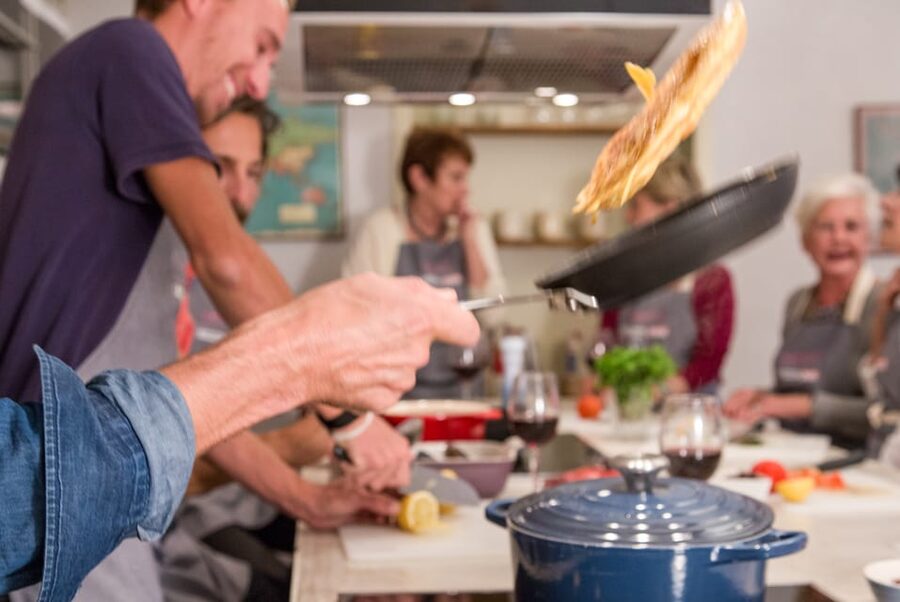
Palma’s most memorable cooking class takes place in an unexpected setting: a restored sixteenth-century windmill near the center of town. You work with a local chef, prepare a five-course Spanish meal, and then sit around one table to eat it together. I like the mix of practical recipes and local character, especially the chance to make paella rather than simply watch someone else cook it.
I also like the small group size, which keeps the class friendly and hands-on. Hosts such as Riccardo, Vivian, María, and Luís bring plenty of humor and clear instruction. The main consideration is that this is not a vegan class, and the accessibility information is mixed, so anyone with mobility needs should confirm details before booking.
Key points at a glance
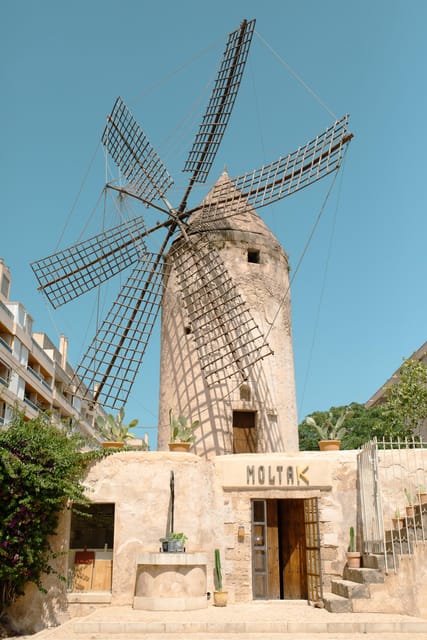
- Cook in a historic windmill: The kitchen occupies a restored old flour windmill dating from the sixteenth century.
- Make a full Spanish menu: Expect tortilla, seafood paella, a local sobrasada appetizer, and crema catalana, with the full session built around five dishes.
- Learn from a local host: Riccardo, Vivian, María, Luís, and other instructors explain family cooking methods, regional differences, and useful kitchen tricks.
- Eat what you prepare: The cooking ends at a shared dining table, with lunch or dinner and an open bar of water, soft drinks, local beer, and wine.
- Small and social: Groups are limited to 10 people, making it a good choice for solo visitors, couples, families, and small groups.
- Plan your arrival carefully: The windmill is at Carrer Industria 9, and driving or parking can take longer than expected.
A Spanish cooking class inside a Palma windmill
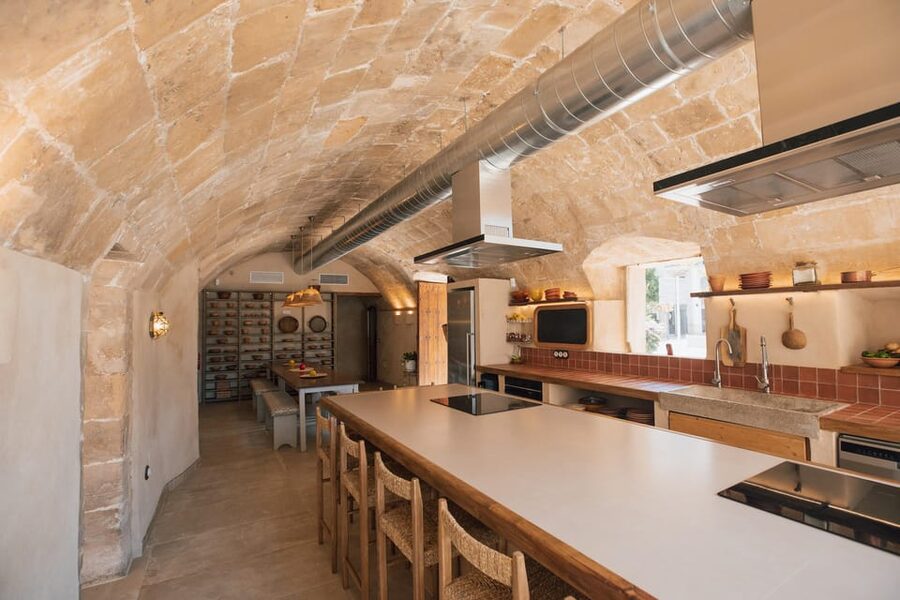
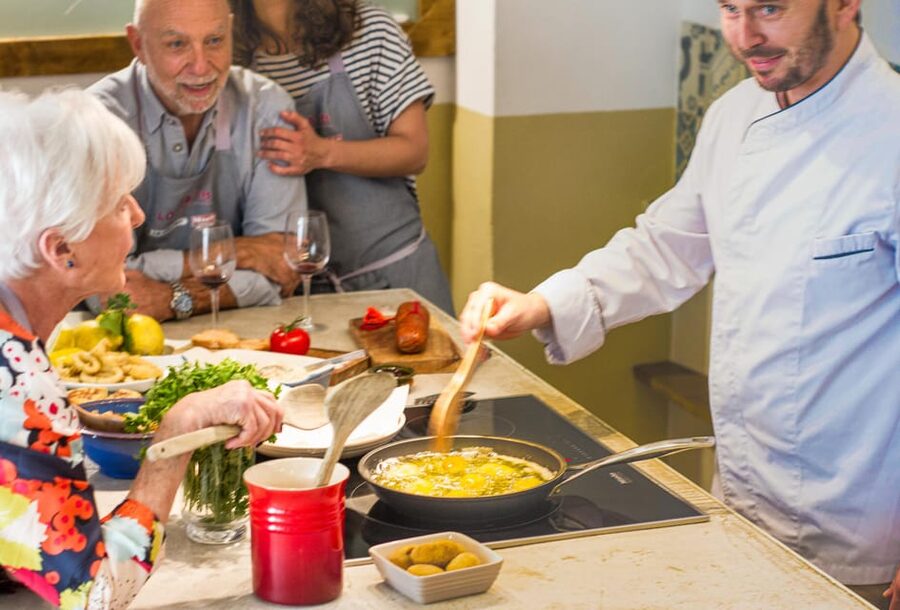
Many cooking classes take place in polished restaurant kitchens. This one has a stronger sense of place. You enter a former flour windmill, restored as a working kitchen in Palma, and the old building gives the class a clear connection to the city and its food traditions.
The setting matters because this is not presented as a technical cookery lesson alone. The hosts use the kitchen to talk about Spanish home cooking, Mallorca, and the way food is prepared for family gatherings. You are not simply collecting recipes. You are learning why these dishes belong around a shared table.
The class lasts about three hours. That gives enough time to prepare the food, hear explanations, and sit down for the meal without turning the afternoon or evening into an all-day project. Starting times vary, so check the available session when you book.
More Paella and Spanish Classes in Spain:
- Barcelona: Paella Cooking Experience & Boqueria Market Tour
★ 4.8 · 3,661 reviews - Barcelona Paella Cooking Class with Market Visit, Tapas & Sangria
★ 5.0 · 2,531 reviews - Barcelona Interactive Spanish Cooking Experience
★ 4.5 · 2,155 reviews
What you cook during the three hours
The menu moves through several familiar Spanish flavors. The exact number of preparations can vary slightly, but the experience is built around a five-dish meal.
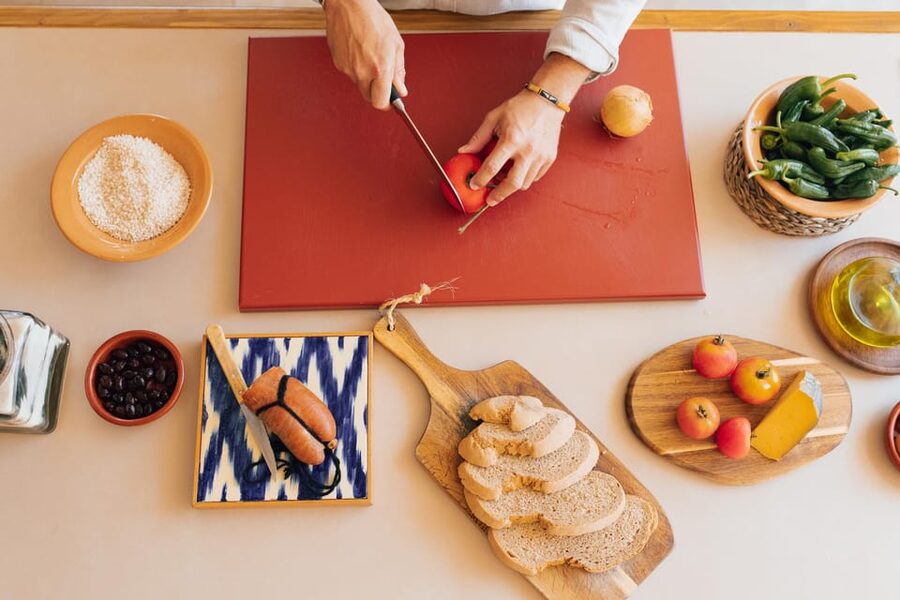
You begin with welcome snacks made from local island products. A sobrasada appetizer introduces one of Mallorca’s best-known foods. Sobrasada is a soft, seasoned sausage with a distinct local identity, and it gives the class a Mallorcan note before the menu moves across Spain.
The Spanish tortilla is another key lesson. This is not the thin Mexican-style tortilla, but the thick potato and egg dish found in homes, tapas bars, and family kitchens across Spain. The host explains the methods and small tricks that help with texture and timing. That kind of advice is useful because tortilla looks simple, but a good one depends on details.
Then comes the main event: paella. You prepare a seafood version, with meat or vegetarian alternatives available if requested in advance. The food information specifically says there is no vegan option, so vegans should not book expecting the menu to be adapted.
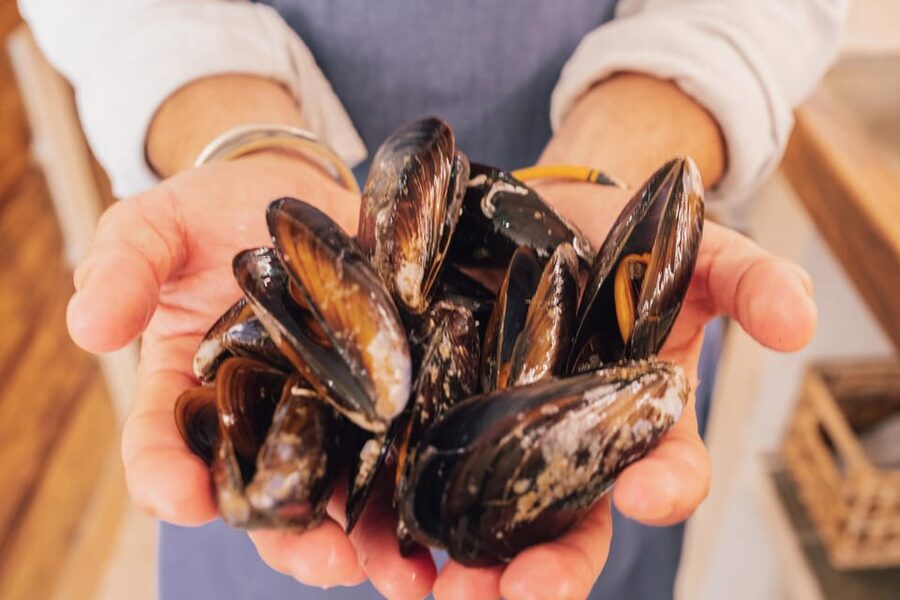
Some sessions include cleaning squid and mussels for the paella. That makes the dish more than a rice lesson. You get a closer look at how the ingredients are handled before they reach the pan, and the instructor can explain the choices behind the finished dish.
Dessert is crema catalana, the Catalan cousin of crème brûlée. The meal therefore covers savory snacks, eggs, seafood and rice, and a traditional dessert. It is a useful spread if you want recipes you can repeat at home rather than one elaborate dish that takes a specialist kitchen.
Learning from Riccardo, Vivian, María, and Luís
The hosts are central to the experience. Riccardo is repeatedly praised for his humor, patience, and ability to explain techniques in a way that works for beginners and more confident cooks. Vivian is known for bringing warmth and energy to the class, while María combines clear English with a playful manner and strong cooking skills. Luís is also part of the host team.
You may not have control over which chef leads your session, but the format is designed to work with different levels of ability. The instruction is in English or Spanish, and the cooking tasks are shared among the group. You can ask questions, help with preparation, and watch the stages that interest you most.
I especially like that the class does not assume you already know Spanish cooking. You might be an experienced home cook, a complete beginner, or someone who simply wants to make a meal with other people. The hosts explain traditional methods while keeping the mood light.
The strongest praise centers on the instructors’ personal style. Several people found that the chefs made the kitchen feel like a home rather than a formal classroom. That distinction is important. You are more likely to remember a practical tip when it comes with a story, a laugh, or a clear explanation of how a family uses the dish.
From shared preparation to the Mediterranean table
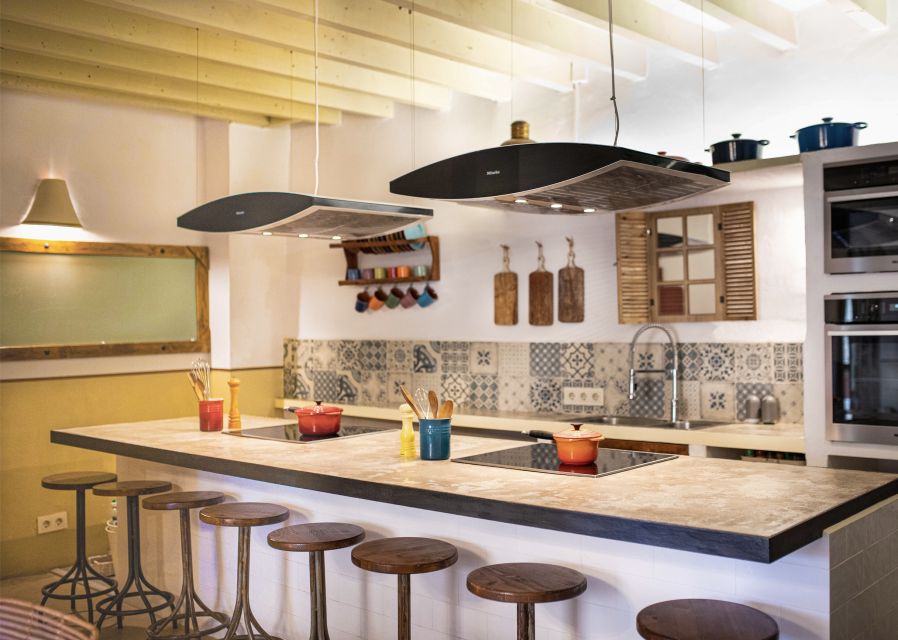
After the cooking, you sit at a large dining table and eat the food prepared by the group. This is one of the best parts of the format. Cooking together gives people an easy reason to talk, and the meal gives the class a natural finish.
The open bar includes water, soft drinks, local beer, and wine. Drinks are included in the price, which improves the value for anyone who would otherwise order several drinks with dinner. The wine and beer also suit the social character of the meal, though you can choose nonalcoholic options.
The meal is lunch or dinner, depending on the selected time. If you are spending the day sightseeing in Palma, a daytime class gives you a break from churches, shops, and museums. An evening session works well as a social dinner with a built-in activity.
I would allow a little flexibility after the official three-hour duration. The cooking itself is scheduled, but the meal can become a relaxed social occasion. The supplied details describe the activity as ending back at the meeting point, not as a quick meal that sends you straight out the door.
More Cooking Classes in Spain:
- Spanish Cooking Class Paella Tapas and Sangria in Madrid
★ 5.0 · 1,340 reviews - Paella Cooking Class, Wine Tasting & Central Market in Valencia
★ 5.0 · 1,150 reviews - Paella Cooking Class in Madrid with Bottomless Wine Pairing
★ 5.0 · 985 reviews - Seville: Spanish Cooking Class with Dinner
★ 4.9 · 900 reviews
Why the small group size matters
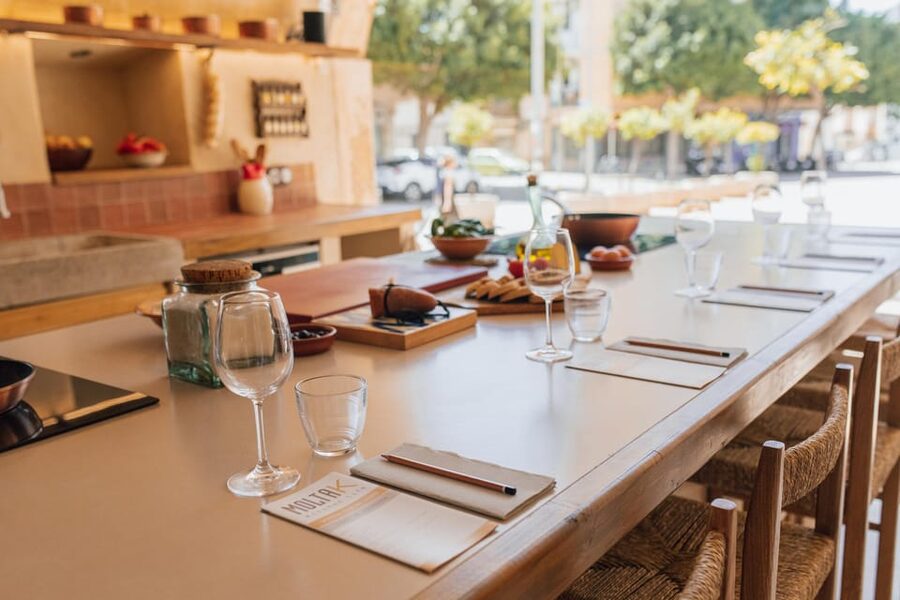
The class is limited to 10 participants. That is small enough for everyone to take part, but large enough to create a lively table at the end.
A solo visitor can book without feeling out of place. Several people have joined alone and found the group format easy, since the food provides an immediate common interest. Couples and families also fit well, especially if you want an activity that is more participatory than a restaurant meal.
The class can also suit families with older children, though no specific child age policy is provided. Because the work is hands-on, you should be comfortable taking instructions in a shared kitchen and working alongside other people.
The social side is not just decoration. It changes the value of the class. You pay for food, instruction, drinks, and the setting, but you also get an evening with people you may not otherwise meet in Palma. If you prefer a private lesson or a quiet meal, this may feel too communal.
Is $136 per person good value?
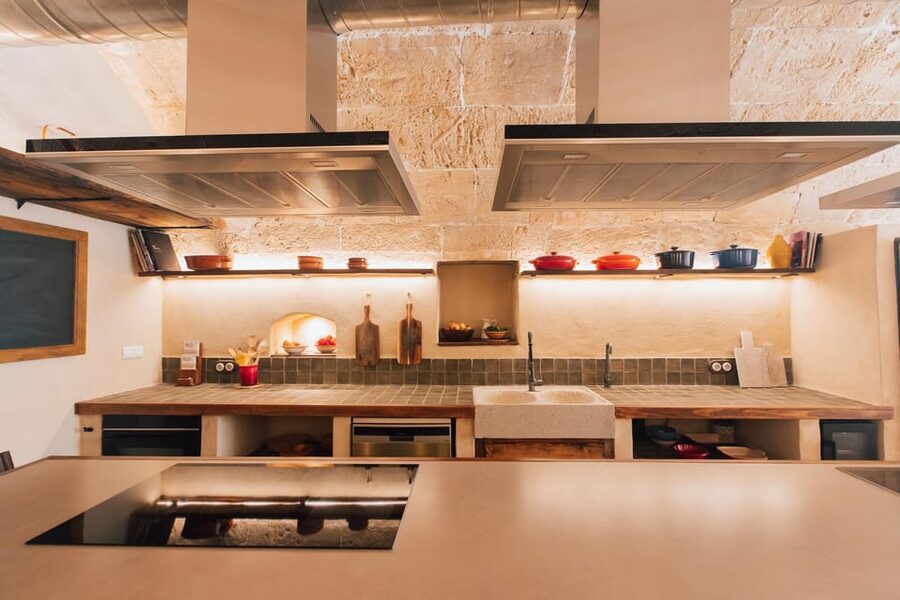
At $136 per person, this is not a cheap way to eat paella. You can find less expensive meals in Palma. The price makes more sense when you count the full package: a three-hour cooking session, a local host, several dishes, a substantial lunch or dinner, welcome snacks, and an open bar.
The historic building adds something that a standard restaurant cannot. You are using the kitchen, learning the recipes, and taking home methods you can repeat. The ability to make tortilla, paella, and crema catalana yourself gives the experience a longer life than a single restaurant booking.
I would consider it good value if you enjoy food, social activities, and practical cultural experiences. I would not recommend it solely as a budget meal. If you do not like group cooking, do not drink alcohol, or have no interest in preparing food, the price may feel high.
The class also received praise for the quality of the ingredients and drinks. That matters because a cooking experience can lose its appeal if the final meal feels like a basic demonstration. Here, the meal is treated as the payoff, not an afterthought.
Finding the windmill kitchen in Palma
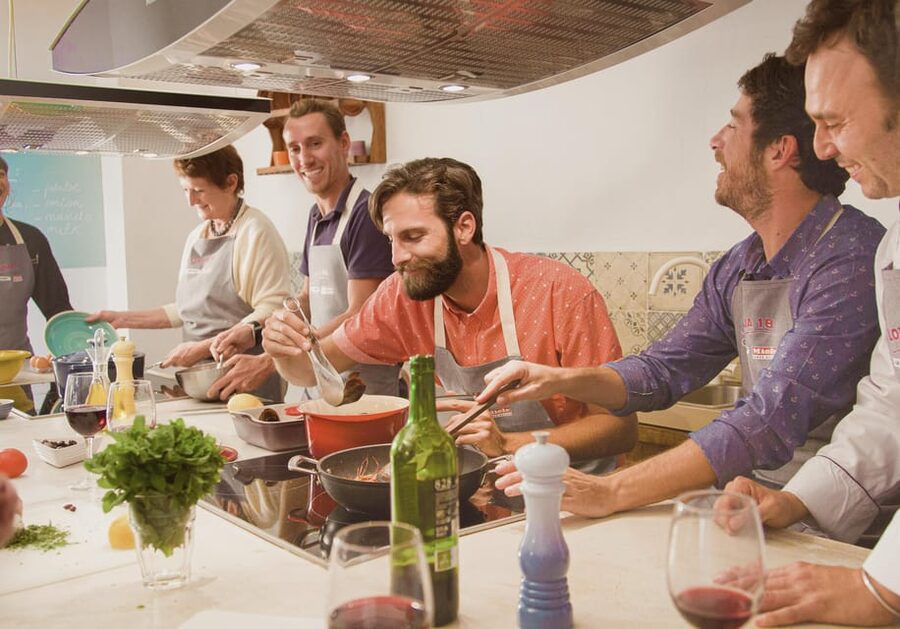
The meeting point is Moltak, The Windmill Kitchen, at Carrer Industria 9, 07013 Palma de Mallorca. It is the first windmill at the location, which makes it easier to identify than an ordinary storefront.
You are asked to arrive about five minutes before the start time. That is enough if you already know where you are going, but I would not cut it close. Palma traffic and parking can slow you down, particularly at busy times.
Walking, cycling, or taking the bus is recommended. This is practical as well as better for the island. If you drive, Parking Paseo Mallorca is about a three-minute walk away, but you should allow at least 30 extra minutes to find a space and reach the kitchen. Street parking is also possible in the surrounding area, with a ticket required in the car.
The class ends at the same meeting point. Hotel pickup and drop-off are not included, so plan your route independently.
Food restrictions and accessibility
Tell the provider about allergies or other food issues when you reserve. This is especially important for a menu involving seafood, meat, eggs, and dairy.
A meat or vegetarian paella can be arranged on request. There is no vegan option. If you are vegan, this is not the right class unless the provider changes that policy directly.
The activity information says the venue is wheelchair accessible, but it also says the experience is not suitable for people with mobility impairments. Those statements do not fully agree. If you use a wheelchair, have difficulty standing, or need step-free access, contact the provider before paying and ask about the kitchen layout and participation requirements.
The hosts speak English and Spanish. That makes the class workable for many international visitors, but you should choose the language you understand best when checking availability.
Who will enjoy this experience most?
I would choose this class if you want to do more than eat Spanish food. It suits you particularly well if you:
- Want a hands-on introduction to Spanish home cooking
- Enjoy meeting people over a shared meal
- Like small groups rather than large food tours
- Need an activity that works for both beginners and experienced home cooks
- Want a memorable setting in central Palma
- Hope to recreate the recipes after returning home
It is less suitable if you need a vegan menu, dislike seafood, want private instruction, or prefer a short demonstration with no kitchen participation.
The experience also works well as a break from sightseeing. Palma offers plenty of grand buildings and historic streets, but three hours in a kitchen gives you a different way to connect with the island. You handle ingredients, hear family-style cooking advice, and sit down to eat something you helped prepare.
Booking, cancellation, and timing tips
You can reserve now and pay later, which is useful if your Palma schedule is still changing. Free cancellation is available up to 24 hours in advance for a full refund.
Check the available starting times before booking, since the class may be offered as lunch or dinner. I would also send food restrictions at the time of reservation rather than waiting until arrival.
For customer care, the provider asks you to contact them through WhatsApp at 0034 672233555. Use that channel if you need to clarify accessibility, menu substitutions, or directions.
Should you book the Palma Spanish cooking experience?
Book it if you want a warm, social introduction to Spanish food with enough hands-on work to make the recipes stick. The restored windmill, small group, local hosts, shared table, and included drinks give it more character than a standard cooking demonstration.
The best reason to go is not simply the paella. It is the whole rhythm of the experience: local snacks, shared preparation, stories and tips from the chef, then a meal at a long table. Riccardo, Vivian, María, and Luís each bring their own style, but the format stays friendly and accessible.
Skip it if you need vegan food, private transport, or a fully confirmed mobility-friendly setup. For everyone else, $136 is a reasonable splurge for a three-hour cultural activity that feeds you during the class and gives you recipes to use long after Palma.
FAQ
Where does the cooking class take place?
It takes place at Moltak, The Windmill Kitchen, at Carrer Industria 9, 07013 Palma de Mallorca. It is located in the first windmill at the site.
How long does the experience last?
The cooking experience lasts three hours. Check availability for the starting times.
What language is the class taught in?
The instructors speak English and Spanish.
What dishes will I prepare?
The menu includes a local sobrasada appetizer, Spanish tortilla, seafood paella, and crema catalana. The full activity is described as a five-dish menu.
Can I request a vegetarian paella?
Yes. Vegetarian and meat paella options are available on request.
Is there a vegan option?
No. The activity is not suitable for vegans.
Are drinks included?
Yes. The open bar includes water, soft drinks, local beer, and wines.
Is hotel pickup included?
No. You must make your own way to the windmill kitchen, and the activity ends at the meeting point.
How many people are in each group?
The class is limited to 10 participants.
What should I do about food allergies?
Tell the provider about allergies or other food issues when making your reservation.
Is the venue wheelchair accessible?
The activity information describes it as wheelchair accessible but also says it is not suitable for people with mobility impairments. Contact the provider before booking to confirm whether the kitchen and cooking tasks meet your needs.
Can I cancel the booking?
Yes. You can cancel up to 24 hours in advance for a full refund.
How do I contact the provider?
For additional information, contact Moltak through WhatsApp at 0034 672233555.
Newest classes around Spain
- Pintxos and Tapas Cooking Class in Bilbao★ 5.0 · 38 reviews
- Basque Pintxos and Tapas Cooking Class in Bilbao★ 5.0 · 73 reviews
- Small-group Immersive Basque Cooking Class in Bilbao with Open Bar★ 5.0 · 65 reviews
- Paella and Burnt Basque Cheesecake Cooking Class (in Bilbao)★ 5.0 · 46 reviews
- Rooftop Paella Seafood Cooking Class Experience in Barcelona★ 5.0 · 59 reviews
- Private Authentic Paella Cooking Class in Barcelona with Josh★ 5.0 · 3 reviews
- Barcelona Tapas Cooking & Cocktail Class with Veronique & Mattias★ 5.0 · 3 reviews
- Private Barcelona Market Tour & Paella Cooking Class with Josh★ 5.0 · 4 reviews
Mallorca Cooking Classes, compared.
Palma: Mediterranean Cooking Class with Drinks
Read our review →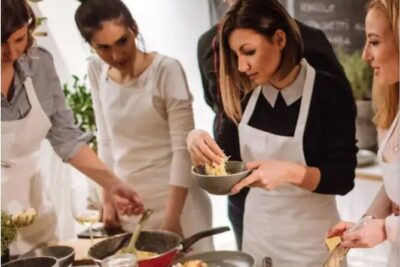
Spanish Cooking Class Palma meals+drinks 7 dishes Full meals
Read our review →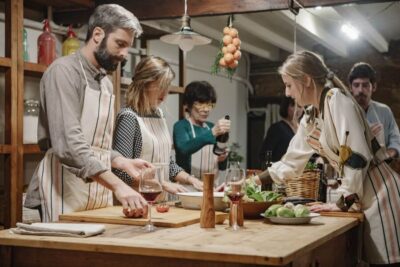
Mallorca: Market Visit and Traditional Cooking Workshop
Read our review →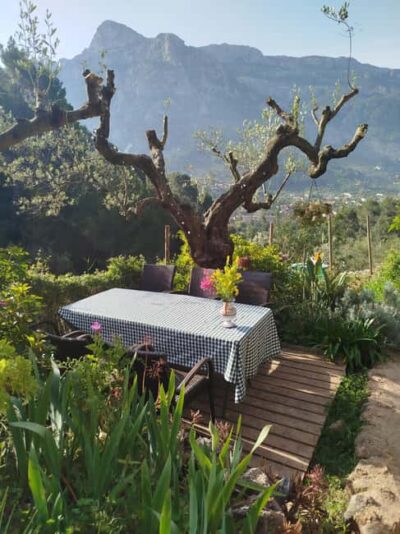
Mallorca: Paella Cooking Class in the Tramuntana Mountains
Read our review →Browse the lists this tour appears in