
Review · MARRAKECH COOKING CLASSES
Marrakech: Moroccan Cooking Class for vegetarians and vegan
Marrakech’s best cooking lessons do more than show you how to stir a tagine. This four-hour class brings you into a Moroccan family home, where you learn about homemade spice blends, prepare several dishes, and sit down to eat what you made. Chef Fatima and Yasser lead the sessions, and both have earned strong praise for their patience and clear teaching.
I like two things right away: vegetarian and vegan cooking is taken seriously, with vegetable tagine and several side dishes rather than one lonely meat-free plate, and the four-hour schedule gives you time to chop, cook, ask questions, and eat without a stopwatch hovering over the table. The family setting, Moroccan tea, and open conversation add much more than a standard demonstration.
The main point to check is that some classes are mixed. Other participants may prepare chicken or another meat dish, though the vegetarian cooking is kept separate. Also, the meeting point near Andalusia Restaurant can be tricky to find in the Medina, so allow time and use the chef’s help for the final walk.
Key points at a glance
- Four hours of hands-on cooking: You help prepare a starter, main dish, dessert, and side dishes rather than simply watching.
- Vegetarian and vegan-friendly menus: Vegetable tagine and vegan sides are available, and allergies can be discussed in advance.
- A family-home setting: Tea, coffee, or juice comes with conversation about Moroccan food and daily life.
- Spice guidance you can use later: You learn what common Moroccan spices taste like and how to choose them in the souks.
- Strong value at $30: The price includes the lesson, drinks, cookies, and the meal you cook together.
- A few practical cautions: Transport is not included, the Medina meeting point can be hard to locate, and mixed groups may include meat cooking.
Why this class works especially well for vegetarians and vegans
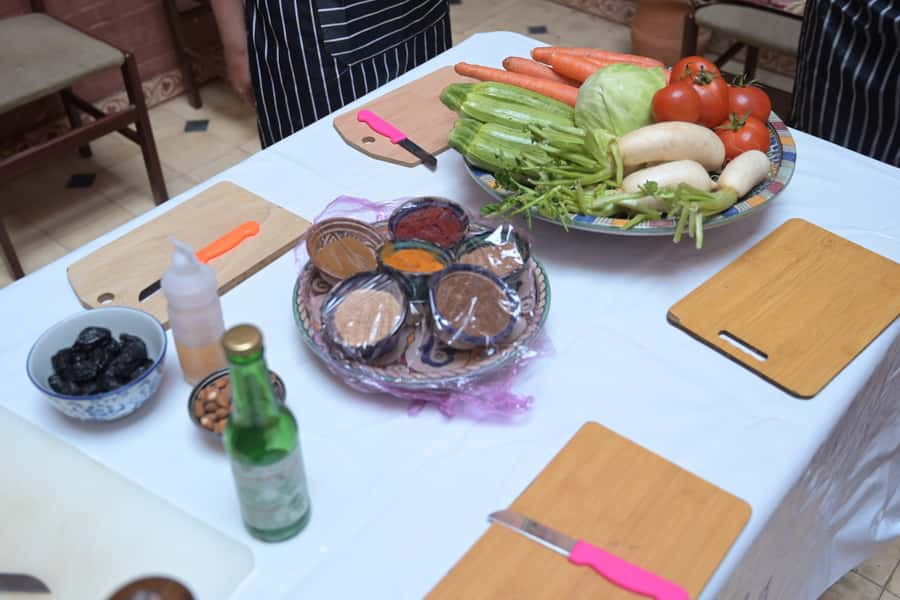
Moroccan food can be a good fit for plant-based diets, but restaurant menus do not always make the details clear. This class gives you control over the ingredients and lets you ask how each dish is prepared.
The plant-based menu can include a vegetable tagine, Moroccan salads, side dishes, briwat, couscous, and dessert. The exact menu is suggested by the chef, so you should not expect one fixed list every time. That flexibility is useful if you have allergies or strong food preferences.
Several participants with vegan diets found they had plenty to eat. One session included a vegetable tagine, three side dishes, and a dessert, with everything except the separate chicken tagine prepared without animal products. That is a much better arrangement than simply removing meat from a standard class.
Still, this is not necessarily an all-vegan kitchen. Some sessions include people making chicken or other meat dishes. The food is kept apart, and plant-based participants can focus on their own preparation, but anyone who wants a completely meat-free group should confirm the arrangement before booking.
More Moroccan Classes in Marrakesh:
- Marrakech: Moroccan Cooking Class with Pickup
★ 4.6 · 1,862 reviews - Marrakech: Traditional Moroccan Cooking Class & Market Visit
★ 4.8 · 1,861 reviews - Marrakesh: Moroccan Dishes Cooking Class with a Local Chef
★ 5.0 · 1,615 reviews
Meeting near Andalusia Restaurant, then into the Medina
The chef waits at the meeting point about 30 minutes before the scheduled start. The listed location is next to Andalusia Restaurant, a useful landmark, but the final route into the Medina can be confusing.
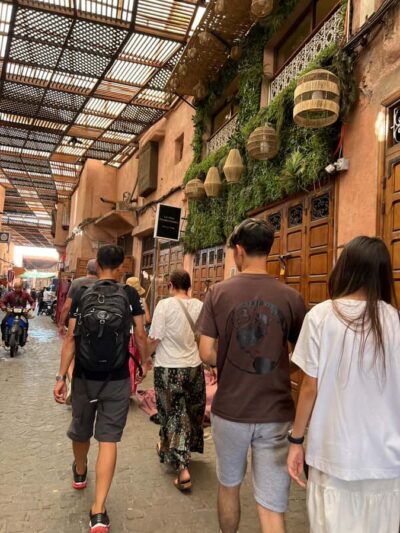
This is one part of the experience where you should not cut things close. A taxi driver may know the restaurant yet still struggle with the narrow lanes. In at least one case, the chef’s family had to guide the group through the last passages to the house.
The practical move is simple: arrive early, keep the meeting instructions handy, and call if you are unsure. The chef can help you make the final turn. Transport is not included, so you arrange your own way to the meeting point.
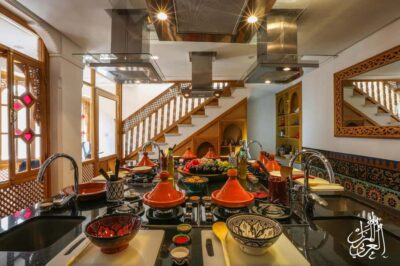
Once inside, the awkward navigation is behind you. The cooking takes place in an authentic Moroccan home, and some sessions have used a pleasant rooftop terrace at Riad Sultan. The setting helps the class feel like an invitation into local life rather than a lesson in a commercial kitchen.
Tea, family conversation, and a look at everyday Moroccan life
The class begins with Moroccan tea, coffee, or juice, along with cookies and a chance to talk with the chef’s family. This opening matters because it gives you time to settle in before the chopping begins.
You can ask about Moroccan meals, family routines, local ingredients, and daily life in Marrakech. The point is not a formal cultural lecture. It is a relaxed conversation around food, with the family home providing the backdrop.
The atmosphere can vary with the group. Some sessions have included children and families, and a 12-year-old enjoyed the class with her mother. The activity also works for couples, friends, and solo visitors who like sharing a table with other people.
One small etiquette point is worth noting. Smoking was an issue in one group, especially with children present. It is sensible to ask about a no-smoking rule at the start if that matters to you.
Learning Moroccan spices before you cook
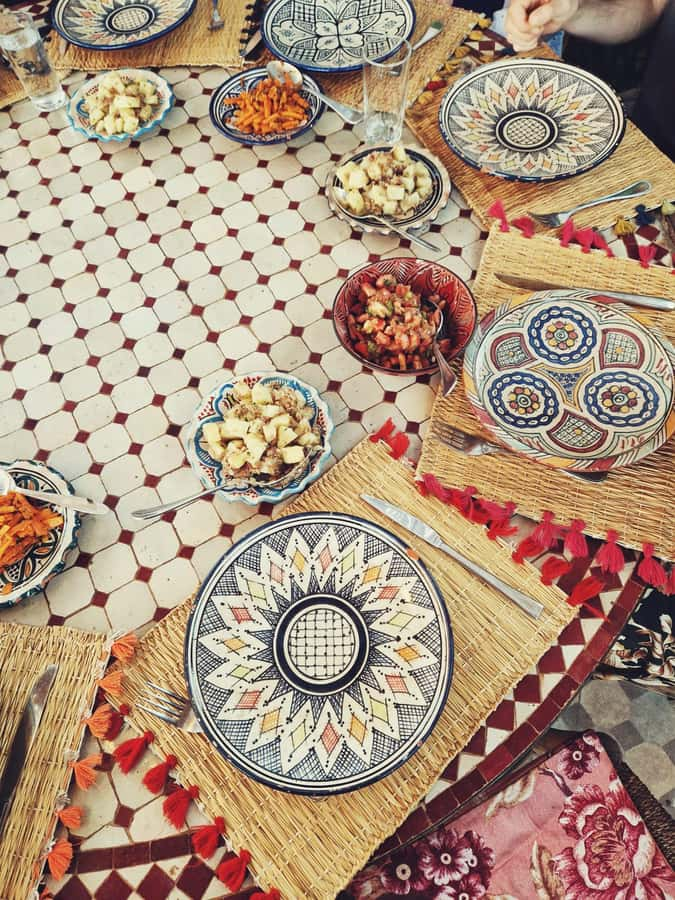
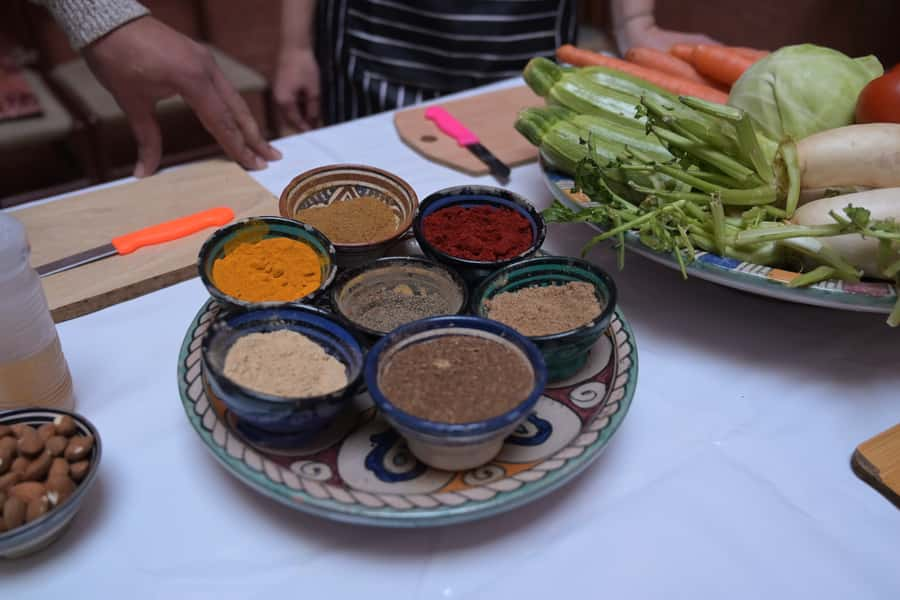
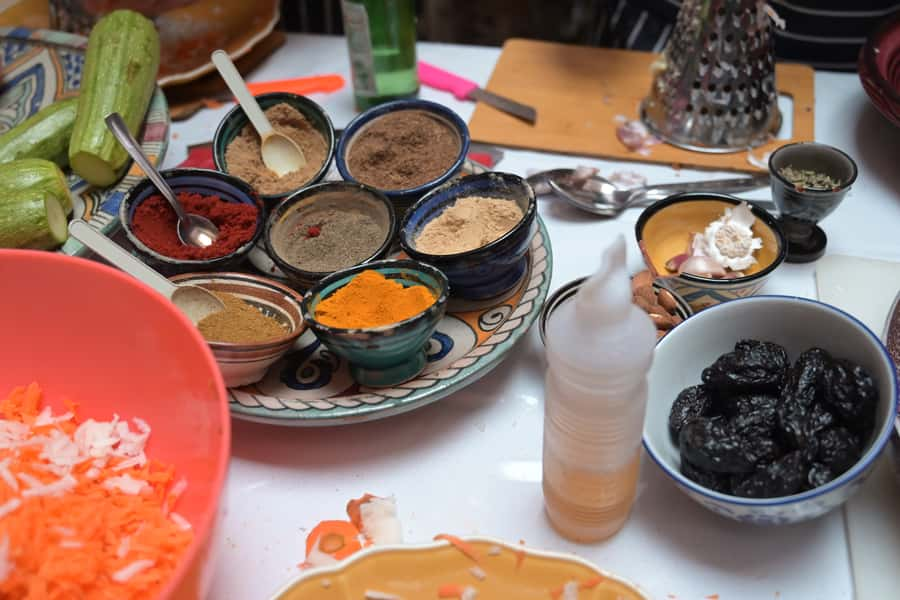
The spice lesson is one of the most useful parts of the afternoon. Instead of treating Moroccan seasoning as a mysterious blend, the chef explains the individual spices you taste in the food.
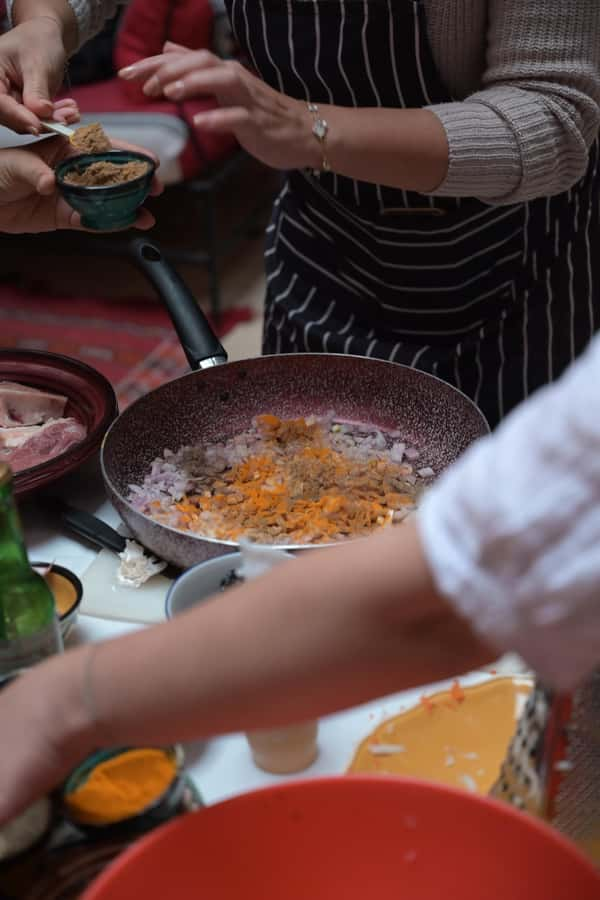
You learn what to look for if you shop in the souks, how different spices affect a dish, and why the chef combines them in particular ways. This turns a market purchase into an informed choice. You can smell and taste the seasonings, then see how they change once they cook.
The family uses homemade spice mixes, and Yasser has also offered fresh spices for sale at the end of some classes. You may receive advice about what to buy, though any purchases are separate from the $30 activity price.
This section is particularly useful if you want to recreate the meal at home. The cooking is not just a string of instructions. You learn the reasoning behind the seasoning, which makes it easier to adapt the recipes later.
More Vegetarian Cooking Classes in Marrakesh:
- Oaxacan Vegetarian Cooking Class
★ 5.0 · 235 reviews - Hoi An: Vegetarian Cooking Class w Local Family and transfer
★ 4.9 · 145 reviews - Oaxaca: Vegetarian Cooking Class
★ 4.8 · 139 reviews - Jaipur Market Tour & Vegetarian Rajasthani Home Cooking Class
★ 5.0 · 113 reviews
Chopping, tagine, salads, and dessert
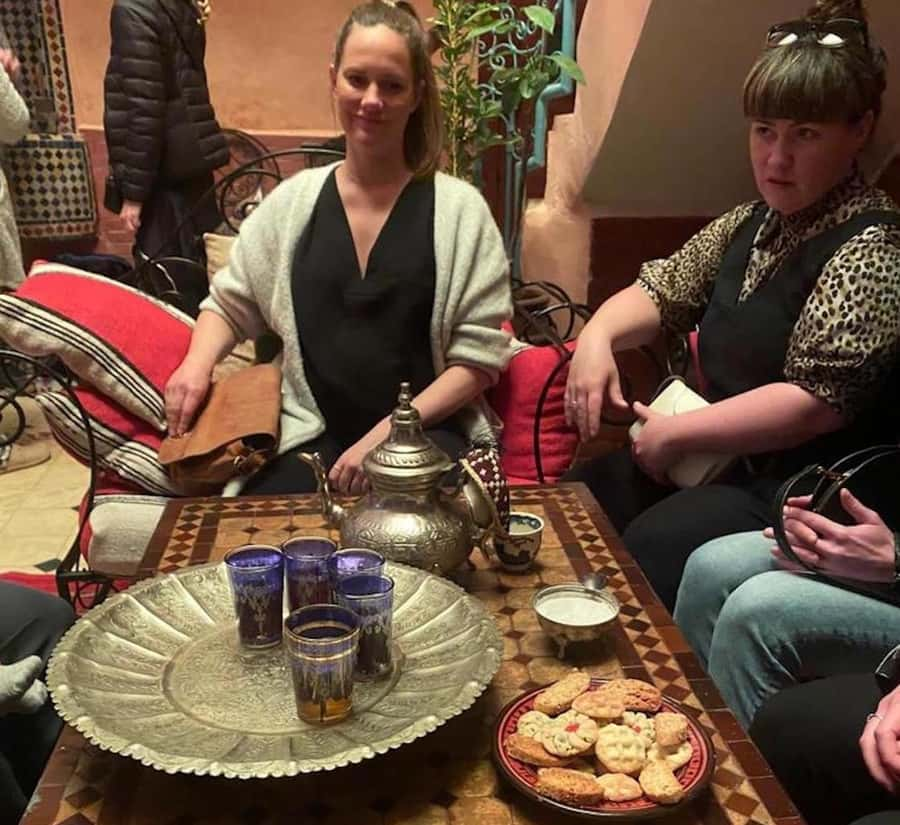
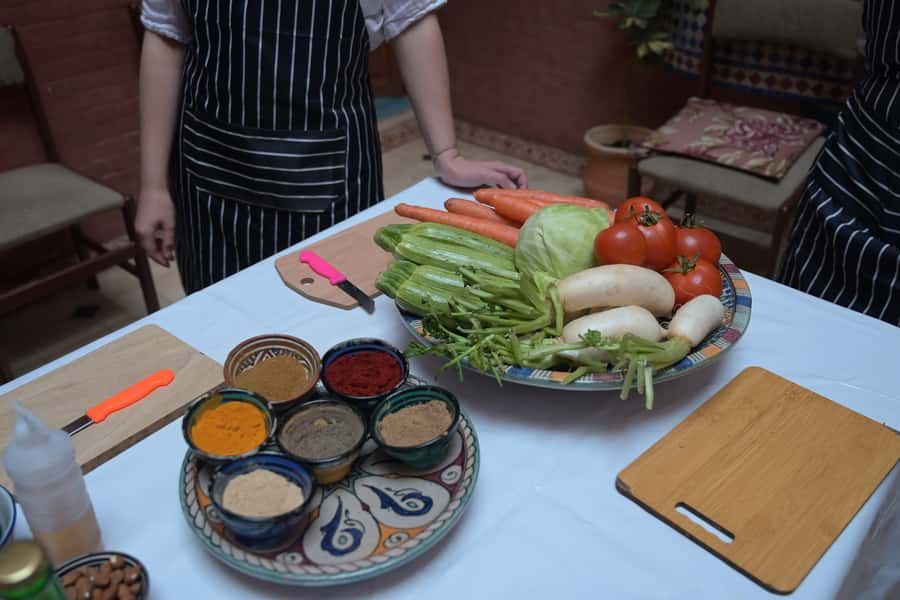
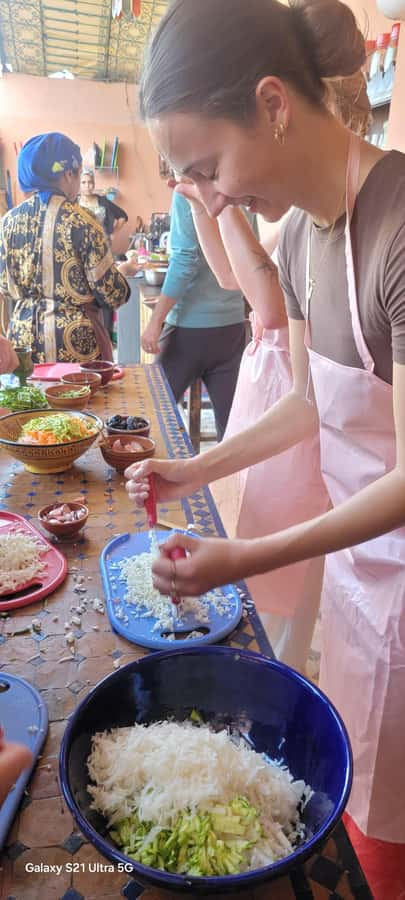
The cooking is hands-on from the beginning. You receive the ingredients needed for the recipe and take part in the preparation, including chopping and other basic techniques.
The starter may be Moroccan salads or briwat. Moroccan salads can introduce you to the careful use of cooked vegetables, herbs, oil, and spice. Briwat gives you a different lesson in filling and pastry, though the exact starter depends on the menu selected that day.
The main course may be a tagine, couscous, or another Moroccan specialty. Vegetarian participants commonly prepare a vegetable tagine, while other members of the group may work on chicken. You take part in the actual preparation rather than standing behind the chef while everything is done for you.
The chef explains cooking methods as the meal comes together. You learn why ingredients are added at certain points and how the spices work with the vegetables. Cutting tips also form part of the lesson, which is useful for anyone who wants to improve basic kitchen skills.
Dessert follows the main dish. Most people found the full meal satisfying, though one participant felt the dessert was rather basic. That is a fair expectation to set. The strongest part of the class is the savory cooking and the spice instruction, not elaborate pastry work.
Eating together makes the lesson feel complete
After the cooking, you sit down with the family and the other participants to eat the meal. This is more than a quick taste of the finished dishes. You have spent several hours preparing them, so the meal becomes a natural end to the activity.
I like this structure because it connects the work to the result. You can compare the tagine, salads, sides, and dessert, and you have time to talk about what you just made. The shared table also keeps the class social without requiring a separate dining activity.
Past groups have found the food among the best meals of their Marrakech stay. That claim is subjective, of course, but it makes sense why the meal leaves such a strong impression: the ingredients are fresh, the spice blends may be homemade, and you have helped create every dish.
The food is included in the price, along with drinks and cookies. That makes the activity feel generous at $30, especially given the four-hour length and the number of dishes involved.
Teaching style: patient, clear, and involved
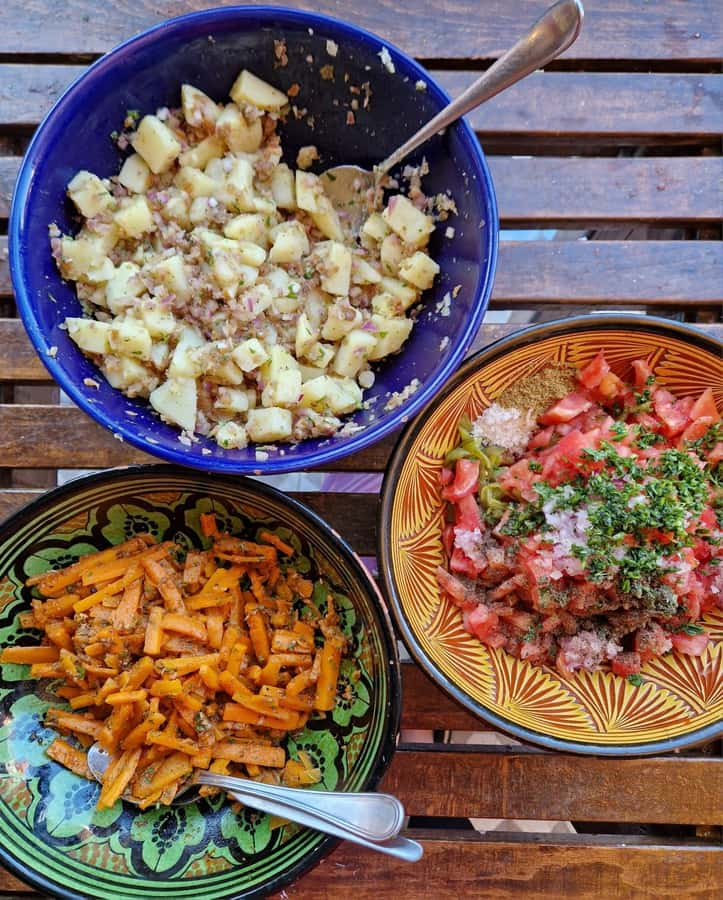
Yasser is described as friendly, patient, multilingual, and comfortable teaching in English. Chef Fatima receives similar praise for her humor, warmth, and practical explanations.
The class is designed so everyone takes part. You are not expected to be an expert cook, and the pace is generally relaxed enough for questions and conversation. One participant specifically appreciated that the session did not feel rushed, unlike shorter 90-minute classes.
The group format means the amount of time you spend on each task can depend on how many people attend. Some participants may chop while others prepare a different dish. The shared work is part of the charm, but it is not a private lesson.
The instructors also offer advice beyond the recipes. Yasser has helped participants with ideas for things to do in Marrakech and suggestions for useful cooking items. In some cases, he has sent the recipes from the class, plus additional recipes, through WhatsApp. Treat that as a helpful possibility rather than a guaranteed service.
How the $30 price compares
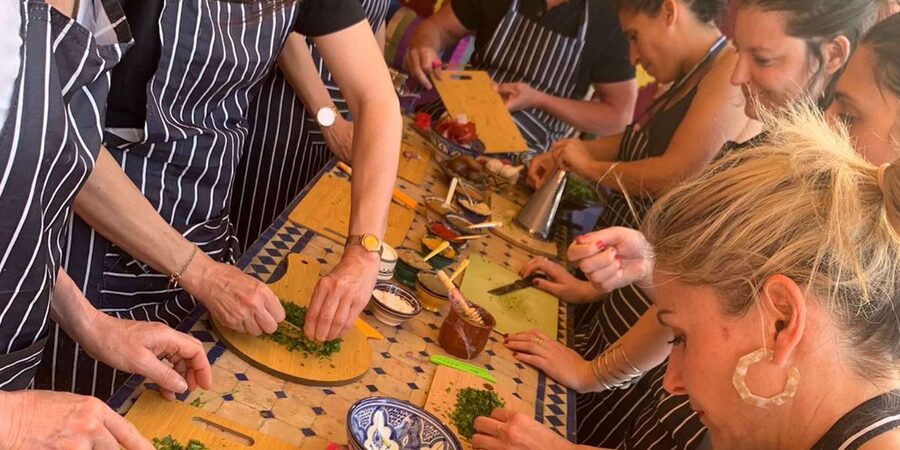
At $30 per person, this is good value if you want an activity that combines food, culture, and a full meal. The class lasts four hours and includes the cooking instruction, drinks, cookies, and everything you eat afterward.
A short demonstration can be cheaper, but it may not give you much time to participate. Here, you help make a starter, main dish, and dessert, then eat together. The longer format also leaves room for spice explanations and conversation with the family.
The price does not include transport, and any spice, tea, saffron, or souvenir purchases are extra. Still, those are easy costs to understand. The main activity itself covers a substantial part of your day without adding a separate restaurant bill afterward.
For families, the value is especially good because the class is active and social. For a solo visitor, it offers a ready-made meal and company. For a serious home cook, the spice and technique lessons may be worth more than the meal alone.
Language, access, and booking flexibility
Instruction is available in English and French. An English or French audio guide is also listed, which may help if you want extra support with the explanations.
The activity is listed as wheelchair accessible. Because the class takes place in or near the Medina and the final route can involve narrow passages, it is wise to confirm the exact access arrangements for your needs before booking.
You can cancel up to 24 hours before the activity for a full refund. The reserve-now, pay-later option lets you hold a place without paying immediately, which is useful when your Marrakech plans are still shifting.
The class lasts four hours, but starting times vary. Check the available time before you commit, then plan enough time to reach the meeting point early.
Who should book this Marrakech cooking class
I would choose this class if you want to cook every part of a meal, not simply watch a chef work. It suits vegetarians and vegans especially well, provided you are comfortable sharing a session where some people may prepare meat.
Families with older children can get a lot from it. A 12-year-old has taken part successfully, and the chopping, mixing, and shared meal give children something concrete to do. You should still mention dietary needs clearly before the class.
It also suits anyone curious about Moroccan food beyond restaurant menus. You learn how to choose spices, how dishes are built, and why Moroccan cooking relies on slow, well-seasoned preparation.
I would hesitate only if you need a fully private lesson, a guaranteed all-vegan group, or a short activity under two hours. The Medina meeting point also requires patience. Those limits are manageable, but they should be part of your decision.
Should you book it?
Book this class if you want a warm, participatory food experience for a fair price. The strongest reasons are the four-hour pace, the amount of cooking you actually do, the family-home setting, and the care given to vegetarian and vegan menus.
Confirm the meat arrangement if you need a completely plant-based environment, and allow extra time to find the meeting point. If you can accept those details, this is one of the better ways to spend an afternoon in Marrakech: you learn useful skills, eat a full meal, and leave with a clearer sense of how Moroccan food fits into daily life.
FAQ
How much does the Marrakech cooking class cost?
The class costs $30 per person.
How long does the cooking class last?
The activity lasts four hours.
Is the class suitable for vegetarians?
Yes. Vegetarian menus are available, including vegetable tagine and Moroccan side dishes.
Is the class suitable for vegans?
Yes. Vegan participants can be accommodated, and previous menus have included a vegetable tagine, vegan side dishes, and dessert.
Can the class accommodate food allergies?
Yes. The provided information says allergies are not a problem, but you should explain your needs before cooking begins.
What food might I prepare?
The menu can include Moroccan salads or briwat, a main course such as tagine or couscous, and Moroccan dessert. The chef suggests the menu.
Are drinks included?
Yes. Drinks and cookies are included, along with the cooking lesson and meal.
Where is the meeting point?
The meeting point is next to Andalusia Restaurant. The chef waits there about 30 minutes before the scheduled start.
Is transport included?
No. Transport to the meeting point is not included.
What languages are available?
The instructors speak English and French. An English or French audio guide is also included.
Can I cancel the booking?
Yes. You can cancel up to 24 hours in advance for a full refund.
Is the activity wheelchair accessible?
The activity is listed as wheelchair accessible. Since the class is in or near the Medina, confirm the exact route and access details when booking.
More Food Outings in Marrakesh
- Moroccan Food Cooking Class with a Local Chef in Marrakech
★ 4.7 · 90 reviews - Small Group Cooking Class & Market Food Tour in Florence
★ 5.0 · 1,574 reviews - Athens: Food Market Visit and Cooking Class with Wine
★ 4.9 · 1,087 reviews - Undiscovered Charleston: Half Day Food, Wine & History Tour with Cooking Class
★ 5.0 · 948 reviews
Newest classes around Marrakesh
- Marrakech: 3-Hour Open-Air Moroccan Cooking Course★ 4.9 · 74 reviews
- Moroccan Food Cooking Class with a Local Chef in Marrakech★ 4.7 · 90 reviews
- Moroccan cooking class in Marrakech with berber chef★ 5.0 · 16 reviews
- Edgy 8 Dish Private, Fusion Cooking Class, Menu Plan, Market★ 4.9 · 31 reviews
- Marrakech: Moroccan Cooking Class with Amazing Local Chef!★ 4.9 · 100 reviews
- Marrakech: Moroccan Cooking Class with Local Chef★ 4.6 · 87 reviews
- Marrakesh: Private Cooking Class & Local Market Shopping★ 4.7 · 15 reviews
- Marrakech: Cooking Class and Market Visit★ 4.4 · 5 reviews
Marrakech Cooking Classes, compared.

Traditional Moroccan Cooking Class & Market Visit
Read our review →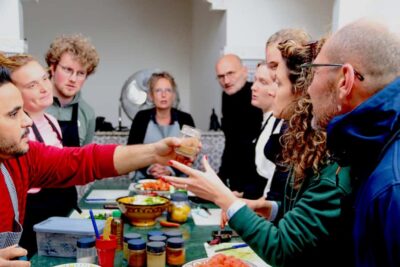
Moroccan Dishes Cooking Class with a Local Chef
Read our review →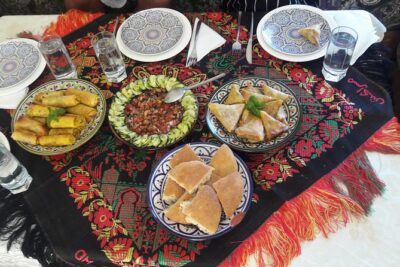
Moroccan Cooking Class & Marrakech Market Visit with Chef Khmisa
Read our review →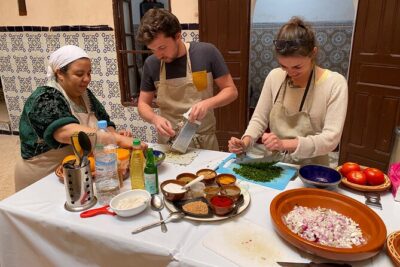
Half-Day Cooking Class with Local Chef Laila in Marrakech
Read our review →
Browse the lists this tour appears in