
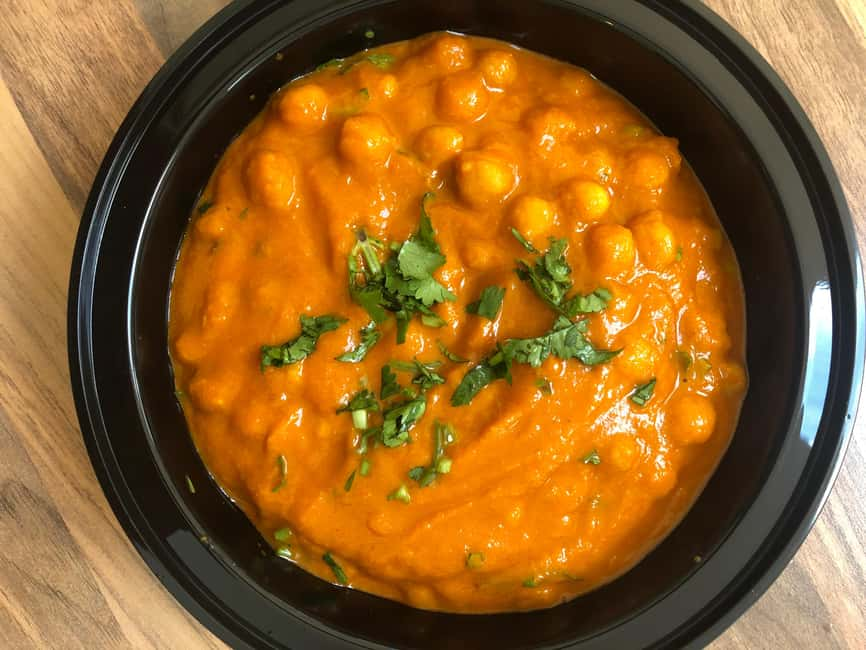
Review · COOKING CLASSES WITH A MARKET TOUR
London: Indian Cooking Masterclass with Market Tour
Indian food in London is best understood with a spice tin in one hand and a shopping basket in the other. This 150-minute class starts in Hounslow, where chef and food author Monisha takes you into a local Indian food shop before leading you to her nearby home to cook and eat together.
I like the small group of no more than eight, which gives the class a personal feel, and I like the focus on useful techniques rather than a long list of fancy equipment. The main consideration is the location: Hounslow West is about 25 minutes from central London on the Piccadilly Line, so this is not a quick central-London activity.
Key points at a glance
- Shop for hard-to-find spices: Learn about dried fenugreek, black cardamom, and other specialist ingredients in a local Indian food shop.
- Cook in Monisha’s home: Move from the shop to a nearby kitchen for a hands-on meal you prepare and eat together.
- Learn practical flavor skills: Blend spices, make curry pastes, and balance a dish without filling your cupboard with ingredients.
- Understand British curry culture: Hear how Indian cooking changed in Britain over more than 200 years.
- Keep it personal: The group is limited to eight, and the class is taught in English by chef and food author Monisha.
- Plan for a half-day outing: The class costs $119 per person, includes lunch and ingredients, and is for ages 15 and older.
Starting at Hounslow West with masala chai
Your meeting point is the foyer of Hounslow West tube station. From central London, take the Piccadilly Line. The ride takes about 25 minutes, making the class easy to reach by public transport, but it does add a little travel time to a day already filled with central London sights.
Monisha greets you with masala chai, a fitting start before you begin discussing spices and Indian food. The setting matters here. You are not meeting at a restaurant designed for tourists, but in a part of west London where Indian food is part of daily life.
The class is taught in English, and the small group limit keeps the introduction manageable. With no more than eight people, you should have a better chance to ask about ingredients, cooking methods, and the British love of curry without competing with a large crowd.
The experience is not suitable for children under 15. That age limit makes sense for a class involving shopping, cooking, and an informal food discussion rather than a child-focused activity.
More Indian Classes in the world:
- Indian Cooking Class in an Authentic Local Home – Learn 6 Dishes
★ 5.0 · 195 reviews - New Delhi: Indian Cooking Class in a Local Home
★ 5.0 · 65 reviews - Mumbai: Indian Cooking Class & Cultural Delights
★ 5.0 · 38 reviews
Inside a local Indian food shop
The first stop is a local Indian food shop near the station. This is more than a quick place to buy ingredients. Monisha uses the shop to explain products you may have seen in recipes but never known how to choose or use.
Dried fenugreek and black cardamom are two examples. These are not always easy to find in central London, and seeing them in their normal shopping setting gives you a clearer sense of how Indian cooks buy and use them. You get to notice the smells, packaging, and range of goods that a standard supermarket may not carry.
I like this part because it connects the meal to a real neighborhood. You are not just being handed premeasured spice jars in a classroom. You are learning how a cook might approach an Indian food shop and which ingredients are worth seeking out.
The shop visit also gives you useful context for future cooking. A recipe may call for an ingredient that sounds mysterious, but it becomes less intimidating when you have seen it, smelled it, and heard what it contributes to a dish.
Do not expect a long market tour across London. The information describes a visit to a local Indian food shop, followed by a short walk to Monisha’s home. That makes the outing focused and practical rather than a broad sightseeing tour.
Walking from the shop to Monisha’s kitchen
After the shop, you walk for a couple of minutes to Monisha’s home. The short distance keeps the transition simple, though you should still be comfortable walking between the station, shop, and house.
The move into a home kitchen changes the tone of the class. You are cooking in a more personal setting, with the meal prepared for the group rather than assembled behind a restaurant pass. That gives Monisha room to explain decisions as they come up: why one spice is toasted, how a paste changes in the pan, or how to correct a dish that tastes flat.
The available information does not name the exact dishes on the menu. That is worth noting if you are looking for a particular curry or hoping to master one specific regional recipe. The emphasis is on methods, spice combinations, pastes, and flavor balance, so you can apply what you learn to many Indian meals.
Ingredients for the cooking are included. You do not need to arrive with a shopping bag of spices, and the earlier shop visit helps you understand what those ingredients are before using them.
Learning to build flavor without a full cupboard
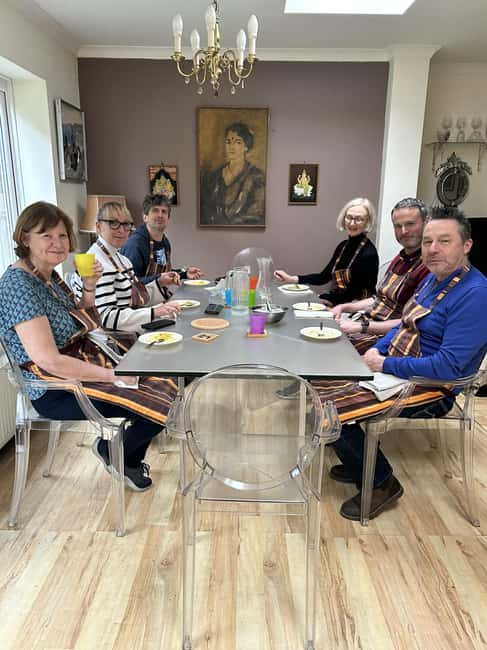
The central lesson is how to make a flavorful Indian meal without buying every spice in the shop. Monisha teaches you to blend spices, create curry pastes, and balance the finished dish.
That is useful because many home cooks get stuck at the ingredient stage. Indian recipes can look long, especially when the list includes whole spices, ground spices, aromatics, and garnishes. A good class should help you understand which elements matter most and how they work together. This experience is designed around that problem.
You also learn tips for making a healthy meal in a short time. The claim is not that Indian food is always fast or simple. Instead, the class shows how a few smart techniques can produce a satisfying meal without a whole afternoon of preparation.
I would pay close attention to the explanations about balance. Spice is not the same as heat, and a good curry depends on more than adding chili. The class focuses on creating harmony between flavors, which is the skill most likely to improve your cooking after you return home.
The hands-on format matters here. You are not only watching Monisha cook. You take part in preparing the food, then sit down to eat the result. That gives you a chance to remember the texture, aroma, and finished taste of the meal as well as the steps.
More Cooking Classes with a Market Tour in the world:
- Hanoi Cooking Class: Culture, Local Market & Meaning CSR Impact
★ 5.0 · 5,147 reviews - 5 Traditional Dishes Hanoi Cooking Class with Market Trip
★ 5.0 · 4,890 reviews - Cooking Class and Lunch at a Tuscan Farmhouse with Local Market Tour from Florence
★ 5.0 · 4,831 reviews - Chiang Mai: Cooking Class, Market & Thai Herbs Garden Tour
★ 4.9 · 4,824 reviews
Sharing lunch around the table
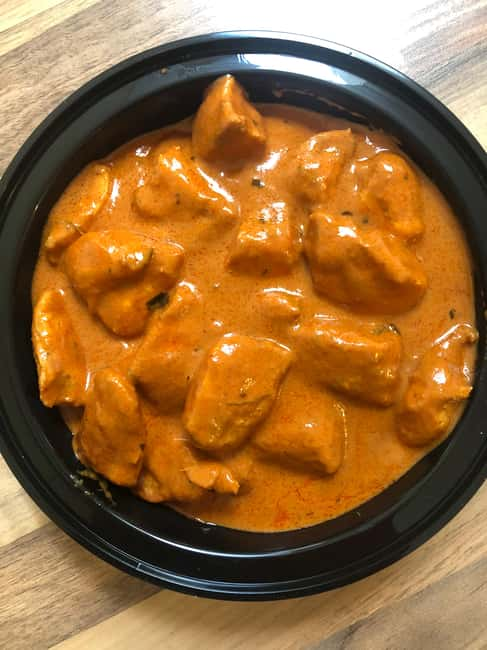
Lunch is included, along with the ingredients and welcome chai. You cook the meal as a group and eat it together at the end, turning the class into a complete food experience rather than a demonstration followed by a quick sample.
The exact lunch menu is not specified, so I would book this for the cooking process and the chance to eat what you prepare, not for a guaranteed named dish. If you have allergies or strict dietary needs, the available details do not explain how those are handled, so ask the provider before booking.
Eating together also gives the class a natural pause. After the work at the stove, you can focus on the food and discuss what you have made. The informal setting should appeal to you if you prefer conversation and practical instruction over a polished restaurant presentation.
Alcohol is not included. The welcome drink is masala chai, and the meal is part of the class. If you were hoping for a food-and-wine pairing, this is not that kind of experience.
How curry became part of British life
Monisha also explains how Indian cuisine came to Britain more than 200 years ago. This adds a useful cultural layer to the cooking.
Curry in Britain is not a simple copy of one Indian food tradition. Restaurant cooking, home cooking, regional recipes, migration, and British tastes all shaped what people now call curry. The discussion helps separate Indian home food from the familiar restaurant versions served across the United Kingdom.
That distinction is one of the most valuable parts of the class. You learn that a restaurant curry and an everyday home meal can follow different priorities. A restaurant may aim for a consistent menu and bold presentation, while home cooking can be more flexible and guided by what is available.
The history talk is informal rather than a separate lecture. It comes while you eat and discuss the meal, so you get context without losing the relaxed feel of a shared lunch.
Why the small group matters
With a maximum of eight participants, this class is suited to people who want to ask questions and take part. A large cooking school can be fun, but it often means watching from the back or waiting for your turn. This format should give you more direct contact with Monisha.
The teaching is a major reason to consider the experience. Monisha is an award-winning food author and chef, and the most consistent praise centers on her clear instruction, easy conversation, and strong command of the subject. Two recent participants described her as an excellent teacher and one of the best cooking instructors they had encountered in several cities.
Those comments point to something important: the value is not just in the ingredients or lunch. It is in having a skilled teacher explain why the food works. You also receive recipes to use later, which helps turn a pleasant afternoon into something you can repeat at home.
The group size may not suit you if you prefer to cook entirely alone or want a private class. The experience is shared, and you will cook and eat alongside the other participants.
Is $119 a fair price?
At $119 per person, this is not a budget lunch. The price includes a professional cooking class, a local food shop visit, ingredients, masala chai, lunch, and the discussion about Indian food in Britain.
I see the value in the combination. A meal alone in London could cost far less, while a private lesson with a professional chef could cost much more. Here, you are paying for instruction, a neighborhood food stop, a shared meal, and recipes you can use afterward.
The small group is also part of the value. You are not paying for a large demonstration where the main benefit is watching someone else cook. You are taking part in the preparation and getting access to a teacher who can explain techniques as you work.
The price makes more sense if you cook at home and want skills you can reuse. It is less compelling if you only want a quick tasting or a central London sightseeing activity. You also need to account for your tube fare to Hounslow West, since transportation to the meeting point is not included.
Timing, access, and practical planning
The experience lasts 150 minutes, or two and a half hours. That is long enough for the shop visit, walk, cooking, meal, and food discussion, but short enough to fit into a broader London itinerary.
Allow extra time to reach Hounslow West and find the station foyer. The meeting point is specifically inside the foyer, not at a restaurant or separate shop. From central London, the Piccadilly Line provides the direct route described for the experience.
The activity is listed as wheelchair accessible. It still involves walking to the Indian food shop and then to Monisha’s home, so contact the provider if you need details about the route or home access before reserving.
Free cancellation is available up to 24 hours before the start time, and you can reserve now and pay later. Those terms are useful if your London schedule may change, though they do not remove the need to check the start time and transport connection before booking.
Who will enjoy this class most?
I would recommend this to you if you enjoy food experiences that explain the setting as well as the recipe. It suits home cooks, curious eaters, and visitors who want to see a part of London beyond the usual central sights.
It is especially good for you if you want practical instruction. The focus on spice blending, curry pastes, quick healthy meals, and flavor balance gives you skills that should carry over to other recipes.
The class also works well for adults and older teenagers aged 15 and above who enjoy a small-group setting. The English-language instruction and informal discussion make it a good choice for people who want to ask questions and talk about food as they cook.
I would choose something else if you need a central London location, want a guaranteed dish on the menu, or prefer a formal restaurant meal. This is a local outing with a cooking lesson at its center.
Should you book the Indian Cooking Masterclass?
Book it if you want more than a curry meal and like the idea of learning how the food is built. The local shop visit, small group, home kitchen, recipes, and discussion of British curry culture make the experience feel connected to everyday food life in west London.
The strongest reason to go is Monisha’s teaching. Her chef and author background, clear instruction, and practical approach give the $119 price a solid foundation. You should return with more than a full stomach: you should understand how to use spices with purpose.
Skip it if your time is tight around central London or if the Hounslow journey feels like too much for a two-and-a-half-hour activity. For everyone else, this is a focused, friendly way to cook, eat, and understand why Indian food became such a lasting part of Britain.
FAQ
Where does the Indian cooking class meet?
Meet in the foyer of Hounslow West tube station. The station is about 25 minutes from central London on the Piccadilly Line.
How long does the experience last?
The class lasts 150 minutes, or two and a half hours. This includes the food shop visit, walk to Monisha’s home, cooking, lunch, and discussion.
Who teaches the cooking class?
The class is taught in English by Monisha, an award-winning food author and chef.
What is included in the price?
The experience includes the professional cooking class, local Indian food shop visit, masala chai, cooking ingredients, informal discussion about Indian cuisine, and lunch.
Is the class suitable for children?
The activity is not suitable for children under 15 years old.
Can I cancel or pay later?
You can cancel up to 24 hours in advance for a full refund. You can also reserve your place and pay later.
Newest classes around the world
- Aroidee’s Farm-Fresh Thai Cooking Experience★ 5.0 · 8 reviews
- Authentic Thai Cooking Class and Farm Visit in Chiang Mai★ 5.0 · 66 reviews
- Yummy Tasty Thai Cooking School in Chiang Mai★ 5.0 · 2 reviews
- Signature Thai Cooking Course★ 5.0 · 79 reviews
- Half Day Guided Thai Cooking Class in Chiang Mai★ 5.0 · 13 reviews
- Online Thai and Akha Cooking Class★ 5.0 · 70 reviews
- Northern Thai Cooking Class in Chiang Mai in a Countryside Home★ 5.0 · 2 reviews
- Private Half-Day Thai Cooking Class in Chiang Mai★ 5.0 · 4 reviews
Cooking Classes with a Market Tour, compared.
Hanoi Cooking Class: Culture, Local Market & Meaning CSR Impact
Read our review →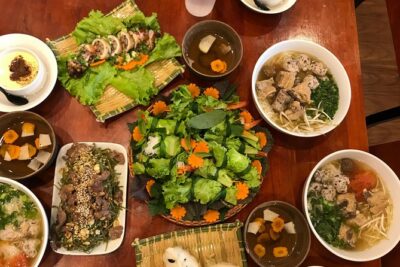
5 Traditional Dishes Hanoi Cooking Class with Market Trip
Read our review →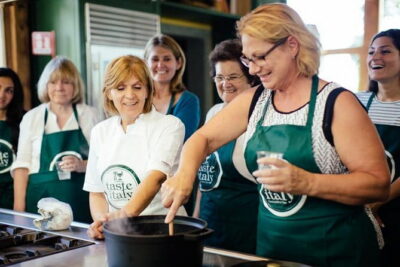
Cooking Class and Lunch at a Tuscan Farmhouse with Local Market Tour from Florence
Read our review →
Cooking Class, Market & Thai Herbs Garden Tour
Read our review →
Authentic Cooking Class with Market & Farm Visit
Read our review →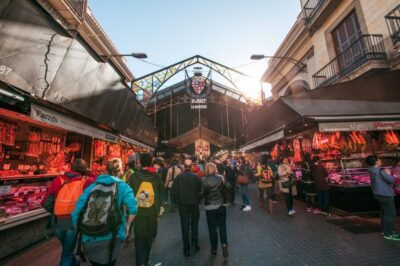
Paella Cooking Experience & Boqueria Market Tour
Read our review →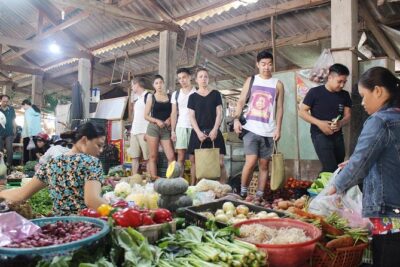
Cooking Class Hoi An:Local Market, Basket Boat, Fishing & Cooking
Read our review →
Hoi An Cooking Class(Market,BasketBoat Crabfishing&Cooking Class)
Read our review →Browse the lists this tour appears in