
Review · LISBON COOKING CLASSES
Lisbon: Pastel de Nata Baking Class
Lisbon’s famous custard tart is easy to eat and surprisingly tricky to make well. This two-hour baking class takes you past the bakery counter and into the dough, custard, shaping, and baking. You finish with warm pastel de nata and a better sense of why the crisp pastry and soft filling work so well together.
I like the clear, patient teaching, especially from instructors such as Marta, Beatrice, Miyuki, and Miguel. I also like the social side: you work with a partner or small group, taste local drinks, and leave with pastries you made yourself. The main drawback is location. Homecooking Lisbon HUB is not right in central Lisbon, and one class had a rushed ending, so allow time for getting there and do not expect a long, leisurely dessert session afterward.
Key points to know before booking
- You make the pastry by hand: Feel and shape the dough, prepare the custard, fill the shells, and follow the process from start to finish.
- The class is beginner-friendly: Ingredients are measured ahead of time, but the preparation is still hands-on and explained as you go.
- Portuguese drinks are part of the lesson: Expect homemade juice, coffee, water, Porto wine, and a ginginha tasting, though drink availability may vary by session.
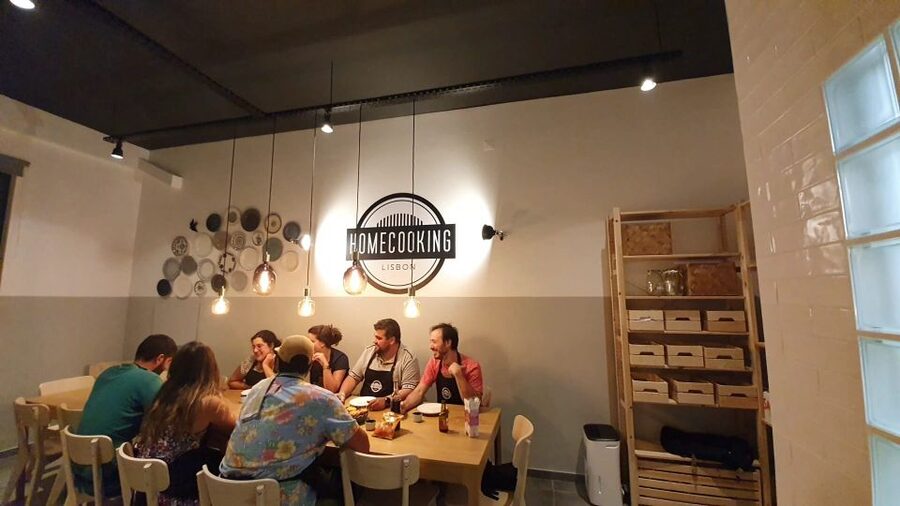
- The group can feel social: One class had 12 people, with participants often working in pairs and meeting people from several countries.
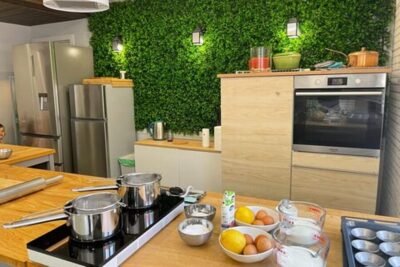
- The setting is practical and clean: The Homecooking Lisbon HUB has a modern kitchen, with a bus stop outside according to one visit.
- You can learn more than one recipe: Some sessions provide recipes for the pastel de nata and other Portuguese dishes.
What this Lisbon pastry class is really like
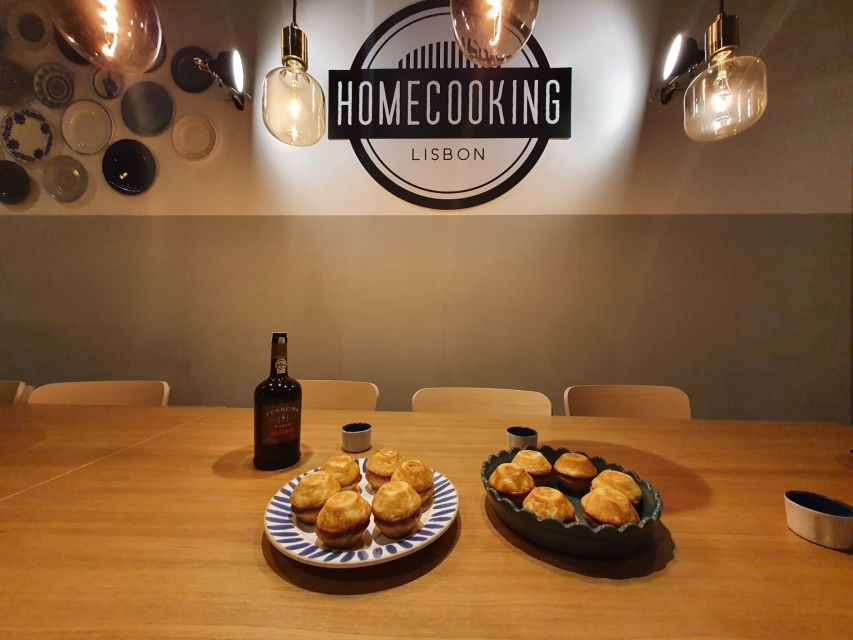
Pastel de nata is Portugal’s small custard tart, with a flaky shell and a baked yellow filling. You can find one almost anywhere in Lisbon, but a class gives you the useful part that a bakery visit cannot: a look at how the pastry is built.
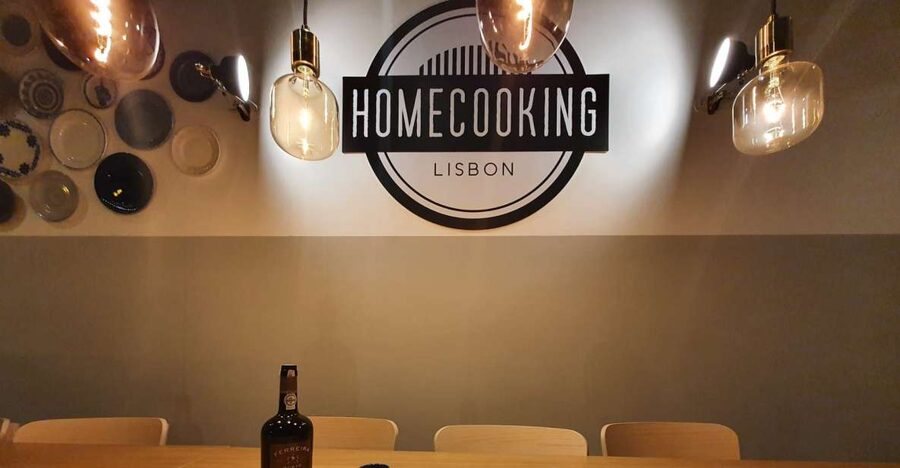
The class takes place at Homecooking Lisbon HUB in the Lisbon District. It is conducted in English, and the kitchen is described as clean, modern, welcoming, and easy to find. One person noted a bus stop right outside, while another found a taxi the easiest way to reach it because the location was not close to central Lisbon.
That location matters. You will not simply stroll in from the main sights of Baixa or Alfama unless your route happens to be nearby. Check the meeting point carefully before you leave, and give yourself enough time for transport. A previous class also dealt with a venue change caused by construction, so check your booking details close to the day of your visit.
More Baking Classes in Lisbon:
- Pasteis de Nata Baking Class from Lisbon
★ 5.0 · 248 reviews - Lisbon: Pasteis de Nata Baking Class
★ 5.0 · 134 reviews - Paris Croissant Small-Group Baking Class with a Chef
★ 5.0 · 910 reviews
Starting with the story behind the tart
The class begins with an introduction to the pastry and its place in Portuguese food culture. Your chef explains the origins and traditional method, then connects the recipe with everyday Portuguese eating.
This short history is not filler. It gives you a reason to pay attention to the technique. Pastel de nata depends on contrast: crisp layered pastry, smooth custard, and a hot bake that gives the surface its characteristic color. The class helps you understand how those parts fit together instead of treating the tart as a simple mixture of flour, milk, eggs, and sugar.
Instructors vary by session. Beatrice is praised for her warm, funny approach and for sharing family and food traditions. Marta is described as patient, clear, and attentive. Miyuki has been especially good at making solo participants feel comfortable, while Miguel is known for an energetic way of explaining the process. You may have one of them or another member of the Homecooking Lisbon team.
The language is English. Several instructors also appear comfortable moving between languages when needed, but English is the stated teaching language.
Working the dough instead of watching a demonstration
The best part of the class is that you do not simply stand around while a chef prepares the tarts. You handle the dough, learn how it is folded or shaped, and see how the pastry becomes a small shell ready for filling.
Some ingredients are pre-measured. That may sound less hands-on, but it is a sensible choice for a two-hour class. It keeps the pace moving and avoids spending precious time weighing flour or sugar for every pair. The important work is still explained and performed in front of you.
You can expect the instructor to demonstrate each stage, then give you time to copy it. Chefs step in when a fold needs correcting or when the dough is not behaving. This makes the class suitable for beginners, including people who have never made puff pastry before.
The method is also the part most likely to challenge you at home. A recipe card can tell you what to add, but it cannot always show the pressure, shape, and timing needed for good pastry. Pay close attention when the chef works with the dough, and ask questions while the instructor is beside you.
If you are paired with another person, you will share the preparation. Solo participants may be matched with someone else, which can be a pleasant way to meet people, but it is worth knowing in advance if you prefer to work alone.
Preparing the custard and filling the shells
The custard is the other key stage. You learn how the creamy filling is prepared, why certain steps are done in advance, and how the mixture is added to the pastry.
The teaching style is practical. Rather than rushing through a long recipe, the chef explains what you need to notice at each point. You may not perform every single task from raw ingredients to final bake, since some work is prepared ahead to fit the short schedule, but you are shown how the elements come together.
This is where the class gives you more value than a recipe downloaded at home. You can ask why a step matters, watch the correct texture, and get help before a small mistake ruins the batch. Several instructors are praised for clear instructions and hands-on help, which is particularly useful if you are unsure about pastry.
Families can also enjoy this section. The activity is not suitable for children under six, but older children and teenagers have taken part successfully. One family with children aged 12, 9, and 7 found the process manageable, while teenagers have also enjoyed the cooking and history. Children should be ready to listen, share workspace, and follow kitchen instructions.
More Cooking Classes in Lisbon:
- Lisbon: Traditional Portuguese Cooking Class
★ 4.9 · 592 reviews - Lisbon: 2-Hour Pastel de Nata Cooking Class
★ 4.8 · 461 reviews - Lisbon Portuguese Cooking Class with 3-Course Dinner
★ 5.0 · 445 reviews - Traditional Portuguese Cooking Class in Lisbon
★ 5.0 · 287 reviews
The oven wait and the reward at the end
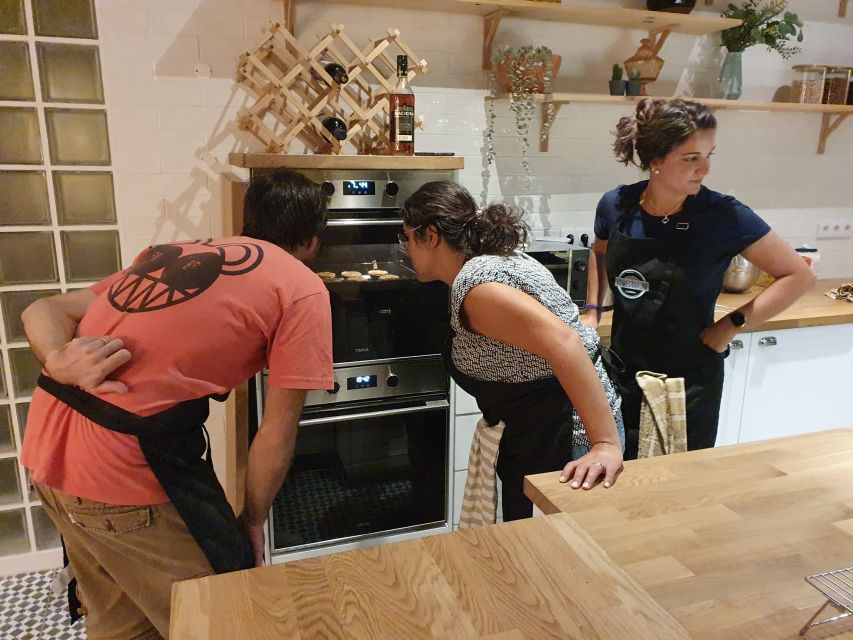
Once the tarts are ready, the chefs handle the oven stage. This is one of the practical limits of a short class. You learn how the pastries are prepared and see the finished result, but you do not control every minute of the bake yourself.
The reward comes when the pastel de nata emerge warm. The contrast is at its best right away: crisp pastry, hot custard, and the smell of freshly baked shells. You can taste your own work during the final part of the class, and some sessions leave you with enough tarts to take back to your hotel.
Do not plan a long after-class meal around the tasting. The pastries are filling, and one person found the final eating and conversation period a little rushed. In a two-hour format, the class needs to keep moving from dough to custard to oven. If sitting over dessert and chatting is your main goal, a café visit will offer more time.
Still, eating the finished tart immediately is important. It shows you what the recipe is aiming for, and it gives the lesson a satisfying finish rather than leaving you with only notes and instructions.
Local drinks make the class more than a pastry lesson
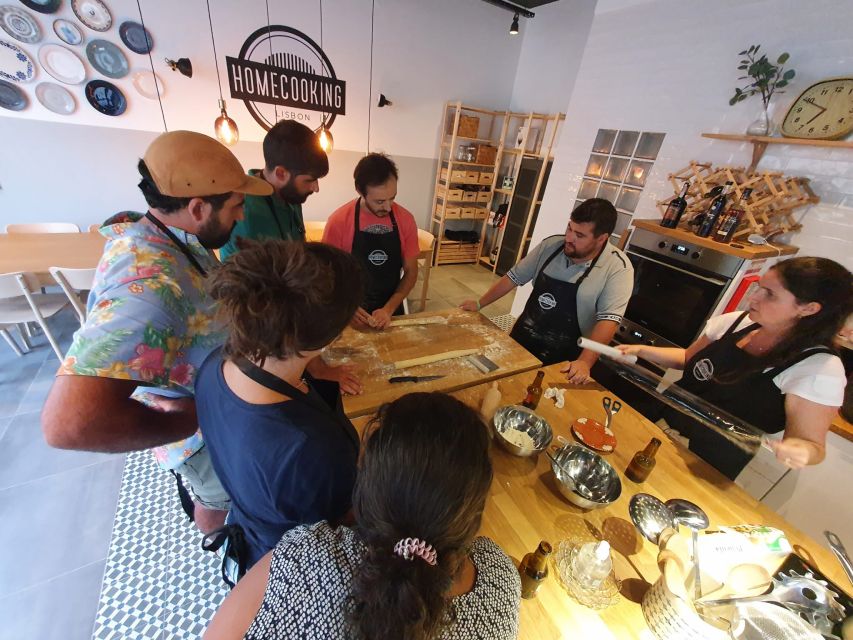
Drinks are included, and the selection adds a small Portuguese food lesson of its own. You may be offered homemade juice, coffee, water, Porto wine, and a taste of ginginha, the sweet cherry drink associated with Portugal.
The ginginha tasting is a nice touch because it turns the class into a broader introduction to local tastes. Coffee also makes sense with pastel de nata, as the pairing is common in Portugal and helps balance the sweetness of the custard.
Drink service can differ by session. One person specifically noted that wine was not served, despite the usual inclusion list. If the Porto tasting matters to you, confirm the current details when booking rather than assuming every session will offer every drink.
Alcohol is not the main reason to book this class. The food instruction is the heart of it, and the nonalcoholic choices keep the activity useful for people who do not drink.
The social side: good for couples, families, and solo visitors
A cooking class is a good way to break up a sightseeing schedule. You are doing something with your hands, not just moving from one viewpoint to the next. The shared work also makes conversation easier than it can be at a formal dinner.
Couples can treat it as a relaxed shared activity. Friends can make a batch together. Families with children over the minimum age can use it as a practical cultural lesson, provided the children are comfortable in a kitchen.
Solo visitors should not hesitate to book. Pairing is part of the format, and the instructors make an effort to involve people who arrive alone. You may work with someone you have just met, but that is part of the social appeal.
The class size can reach about 12 people. That is large enough to create a friendly atmosphere but still small enough for an instructor to move around and help. The experience will feel less private than a one-on-one lesson, and pairs may need to share tasks and equipment.
Is the $64 price good value?
At $64 per person, this is not the cheapest way to eat a pastel de nata in Lisbon. You can buy the finished pastry for very little at bakeries and cafés. The price makes sense only if you value the lesson, the guided preparation, the drinks, and the chance to eat pastries you made yourself.
For a two-hour activity, the package is solid. Ingredients, utensils, chefs or instructors, drinks, and insurance are included. You are also paying for the kitchen, preparation work, measured ingredients, and the instructor’s attention.
I would consider it good value for visitors who want a hands-on food activity rather than a tasting alone. It is less compelling if you mainly want a cheap snack or if you already bake laminated pastry confidently at home.
The recipe and technique can travel with you. Several people left feeling ready to try the tarts at home, while others were more cautious about reproducing the pastry without guidance. That difference is realistic. The class can teach you the process, but making a bakery-quality tart consistently will still take practice.
Practical details that can affect your day
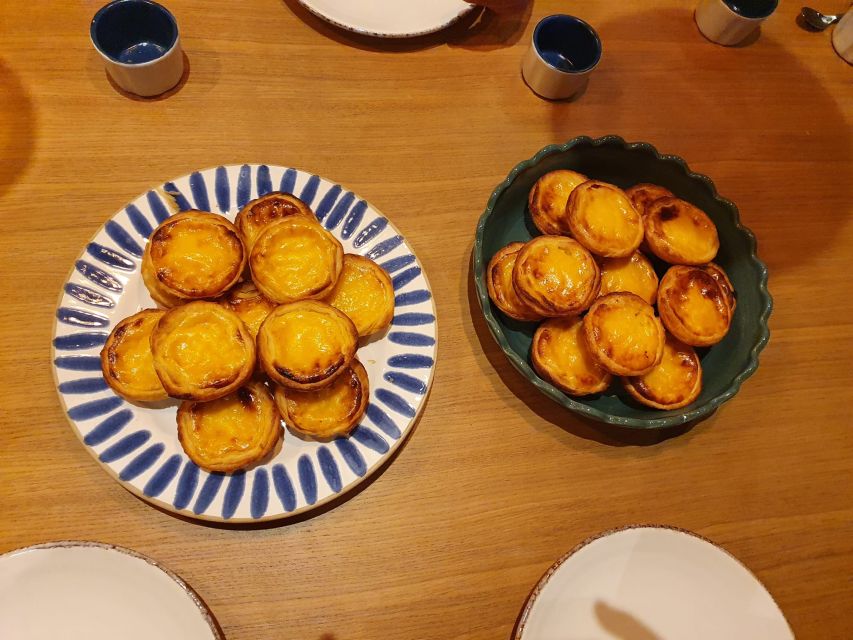
The class lasts two hours, with start times depending on availability. Hotel pickup and drop-off are not included, so you arrange your own way to Homecooking Lisbon HUB.
The activity is in English. It is not recommended for children under six or for people with mobility impairments. The kitchen requires you to stand, move around, and take part in food preparation, so consider that before booking.
Cancellation is flexible up to 24 hours before the start time for a full refund. You can also reserve and pay later, which helps if your Lisbon schedule is still shifting.
Wear something comfortable for a kitchen activity. The supplied information does not specify a dress code, but a practical outfit is sensible when you are handling dough and custard. Most important, arrive at the correct meeting point. The previous construction-related location mix-up was resolved, but it shows why checking the latest instructions matters.
Who should book this class?
I recommend it most strongly to:
- First-time visitors who want a food-based introduction to Portugal
- Couples looking for a shared activity
- Families with children aged six and older
- Solo visitors who enjoy meeting people through a class
- Beginner bakers who want help with pastry technique
- Anyone who plans to seek out pastel de nata during the rest of a Lisbon visit
I would think twice if you have limited mobility, dislike shared work, or want a long, slow meal. I would also choose a different activity if you need a central Lisbon meeting point or if your schedule cannot spare transport time.
Final call: book it if you want the skill, not just the snack
Book this class if you want to understand how Portugal’s best-known pastry is made and enjoy a friendly kitchen setting along the way. The strongest features are the patient instruction, the hands-on dough work, the cultural background, and the warm pastries at the end.
The drawbacks are manageable: the meeting point is outside the main sightseeing core, the class may use pre-measured ingredients, and the final tasting can feel brief. At $64, you are paying for participation and instruction, not simply dessert.
For most visitors, that is the right trade. Eat a pastel de nata at a café afterward or during the rest of your trip, but first learn what goes into the crisp shell and custard center. You will taste the pastry with more appreciation, and you may return home with a useful new party trick.
FAQ
Where does the pastel de nata class take place?
The class meets at Homecooking Lisbon HUB in the Lisbon District.
How long does the class last?
The activity lasts two hours. Starting times depend on availability.
Is the class taught in English?
Yes. English is the stated teaching language.
What drinks are included?
The included drinks are homemade juice, coffee, water, Porto wine, and a ginginha tasting. Drink availability can vary by session, so confirm current details if a specific drink matters to you.
Are hotel transfers included?
No. Hotel pickup and drop-off are not included, so you must arrange your own transport to and from Homecooking Lisbon HUB.
Can children join the class?
Children under six are not suitable for the activity. Older children have taken part, including children aged seven and above, but all participants should be able to follow kitchen instructions.
Newest classes around Lisbon
- Lisbon: Portuguese Petiscos Cooking Class★ 4.7 · 6 reviews
- Lisbon: Traditional Portuguese Cooking Class★ 5.0 · 41 reviews
- Lisbon: Portuguese street food cooking class with Drinks★ 4.9 · 37 reviews
- Lisbon: Setúbal Market and Wine tour with Cooking class★ 5.0 · 4 reviews
- Lisbon: Portuguese Cooking Class with Wine Tasting★ 5.0 · 4 reviews
- Lisbon: Portuguese Cooking Class for Beginners★ 4.9 · 78 reviews
- Lisbon: Pasteis de Nata Baking Class★ 5.0 · 134 reviews
- Private Traditional Portuguese Cooking Class in Lisbon with Paula★ 5.0 · 50 reviews
Lisbon Cooking Classes, compared.

Lisbon Portuguese Cooking Class with 3-Course Dinner
Read our review →
Traditional Portuguese Cooking Class in Lisbon
Read our review →
Lisbon Market and Food Tour with Cooking Class and Lunch
Read our review →
Private Lisbon Market Tour & Portuguese Cooking Class with Paula
Read our review →Browse the lists this tour appears in