
Review · LISBON COOKING CLASSES
Lisbon: 2-Hour Pastel de Nata Cooking Class
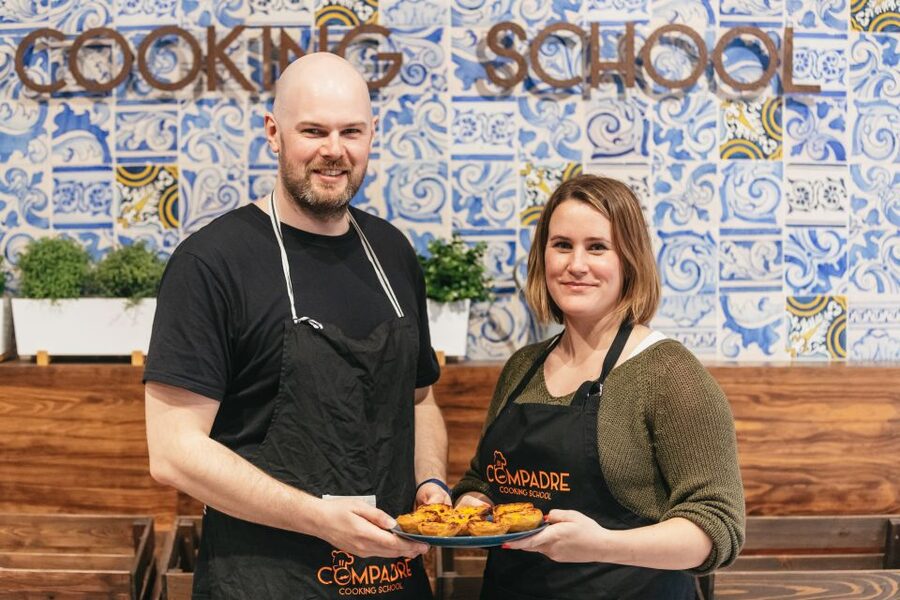
Lisbon’s famous egg tart is easy to eat and surprisingly tricky to make well. In this two-hour pastel de nata class, chefs Anna and Marta guide you through the pastry, custard, baking tricks, and the story behind Portugal’s most famous sweet. You’ll also prepare a second Portuguese recipe, which may be a dessert such as farófios or a savory treat such as cod fritters.
I like the friendly, social setup and the fact that you leave with two recipes you can make at home. I also like the useful history and practical tips, including how to get those crisp pastry layers and browned custard tops. The main consideration is that this is not a full from-scratch baking course: the dough is prepared ahead, and the custard is intentionally simple.
Key points
- Make two Portuguese recipes: Prepare pastel de nata plus a second local dish or dessert.
- Learn with Anna and Marta: The English-speaking instructors explain each step clearly and add cultural background.
- Expect a light tasting, not a full lunch: You eat the food made in class, with tea listed as included.
- Good for beginners and families: The recipes are designed to be approachable, and an eight-year-old successfully joined one class.
- Standing is part of the work: Plan on being on your feet for about 1 hour and 20 minutes.
- Bring comfortable shoes: The kitchen is at the local partner’s meeting location in Lisbon, with no pickup or drop-off.
Why pastel de nata is the right Lisbon cooking lesson
Pastel de nata is more than a pretty custard tart. It is tied to Portuguese baking, monasteries, cafés, and daily life. The pastry dates to the 19th century and has become a national symbol, so learning to make it gives you a small but tasty way into Portuguese culture.
The lesson focuses on the parts that matter most at home. You work with the flaky pastry shell, add the custard, and learn how the tarts reach their familiar golden finish. The process is manageable for a beginner, but there are still small techniques that can make the difference between a soggy tart and a crisp one.
I like this subject because it connects directly with the rest of your Lisbon visit. After class, you can look at pastel de nata differently. You will notice the pastry layers, the custard texture, and the dark spots on top instead of simply ordering another sweet with your coffee.
The class also avoids the common problem of a cooking activity that tries to cover an entire national cuisine in one afternoon. Two hours is enough time to focus on one iconic recipe and one extra dish without turning the session into a rushed parade of ingredients.
More Two-Hour Sessions in Lisbon:
- Cooking Class 2 Hour Spanish Steps – Fettucine and Tiramisù
★ 5.0 · 298 reviews - 2 Hour Florence Pizza and Gelato Small Group Guided Cooking Class
★ 5.0 · 54 reviews - Cooking Class and 2 hours Camel Ride
★ 5.0 · 7 reviews
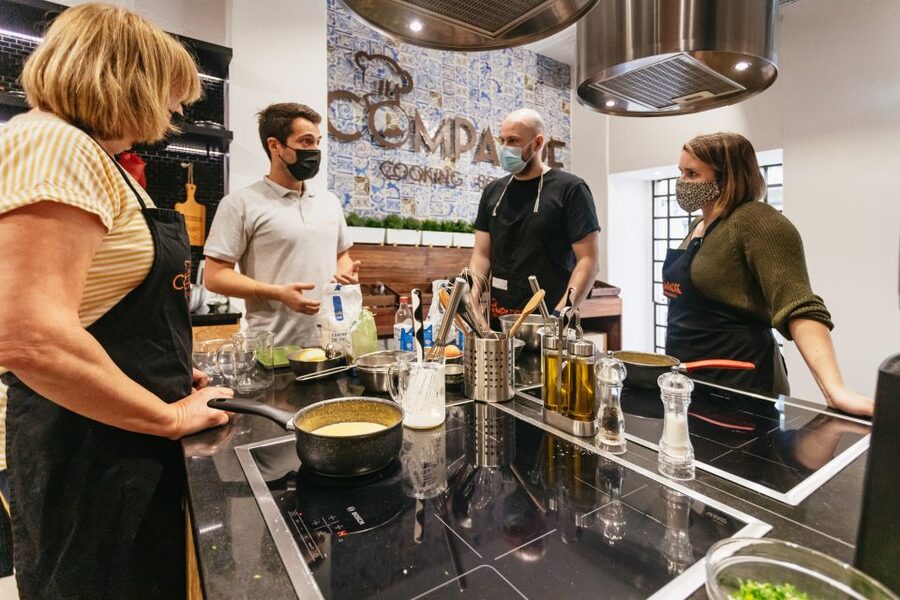
Meeting Anna and Marta in the Lisbon kitchen
You meet at the local partner’s kitchen in Lisbon. The exact meeting point should be checked carefully when you book, since the instructions stress entering Lisbon as the city. There is no hotel pickup or drop-off, so you need to make your own way there.
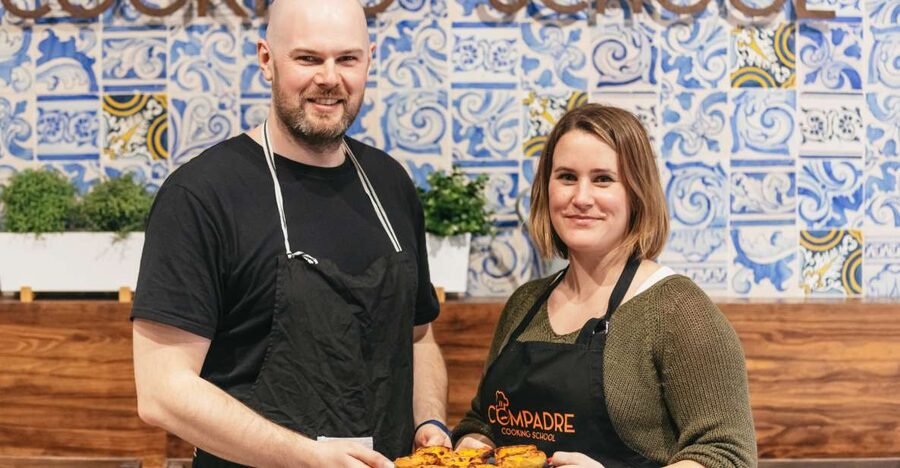
The class is taught in English. Anna receives especially strong praise for her storytelling, energy, and ability to make instructions easy to follow. Marta and Anna work well together, keeping the class moving while still making time for questions and small corrections.
The tone is casual rather than formal. You cook alongside people from different places and ages, then sit together to eat. One useful improvement would be a quick introduction round at the start, since that helps a group begin talking sooner. Still, the hands-on format naturally gives you something to discuss.
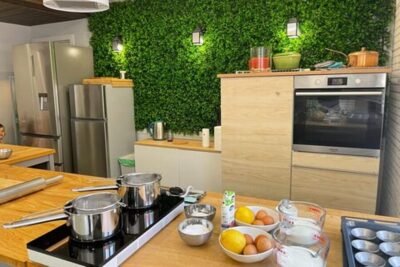
The kitchen has been described as clean, modern, and well equipped. Air conditioning was particularly welcome during a hot summer class. That detail matters more than it may sound. Standing near an oven while working with pastry can become tiring, and a comfortable room makes the two hours easier.
The pastel de nata lesson, step by step
The class begins with an introduction to the tart and its place in Portuguese food culture. You hear about its 19th-century monastic origins and how a local pastry became a symbol recognized far beyond Portugal.
Next comes the pastry. The dough is prepared before the class, so you are not making every part from flour and butter at the beginning. That saves time and lets the group concentrate on shaping and handling the pastry, rather than waiting for dough to rest.
This is both the class’s strength and its limitation. If you want a serious pastry course covering lamination from start to finish, you may find the preparation too limited. If you want to learn the practical method for making the tarts at home in a short class, the pre-made dough keeps the lesson focused.
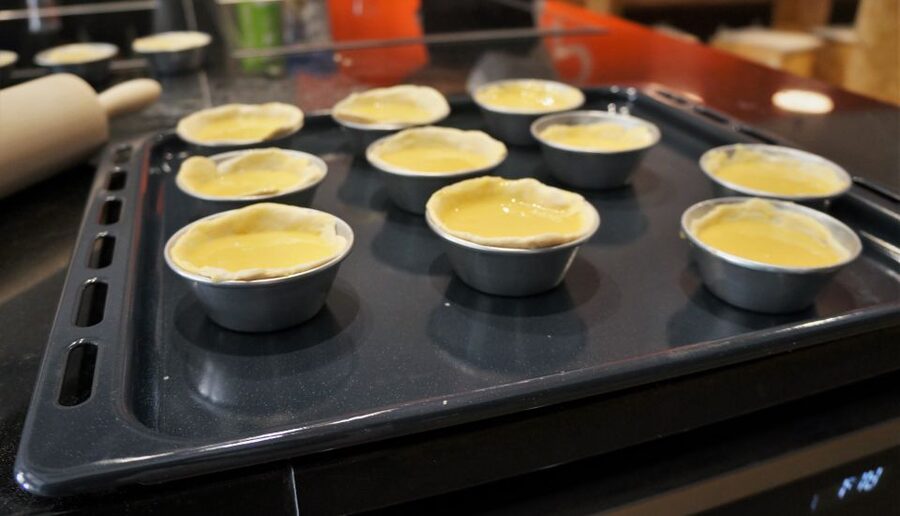
You shape the pastry into the small tart shells, then work with the custard filling. The custard itself is very simple, which is reassuring if you are not an experienced cook. The challenge is less about a long ingredient list and more about getting the balance of pastry, filling, heat, and timing right.
Anna and Marta explain the small tricks that help produce a near-perfect tart. You learn why the pastry needs careful handling and how the custard should look before baking. The instructions are given one step at a time, so you do not need prior baking experience.
The tarts then go into the oven. While you wait, the class can turn to the second recipe. The exact choice has varied, with examples including farófios, a meringue dessert served with custard, and cod fritters. That second recipe gives the session a wider taste of Portugal instead of making the entire class about pastry.
The second recipe adds useful Portuguese flavor
The extra recipe is one of the best parts of the experience. You are not simply shown how to make pastel de nata, then sent away. You also get a second recipe that introduces another style of Portuguese cooking.
In some classes, the extra dish has been cod fritters. That is a useful contrast: the pastel is sweet, delicate, and pastry-based, while the fritters offer a savory taste linked to Portugal’s fondness for salted cod. In other classes, the second dish has been farófios, a light dessert made with meringue and custard.
You should not book expecting one fixed second dish unless the supplier confirms it beforehand. The important point is that the class includes two recipes and that the additional preparation gives you another idea to try in your own kitchen.
This also makes the class more suitable for mixed groups. One person may be excited about pastry, while another prefers a savory recipe. Families and couples get more variety, and children have another task to enjoy.
More Cooking Classes in Lisbon:
- Lisbon: Pastel de Nata Baking Class
★ 4.9 · 2,106 reviews - Lisbon: Traditional Portuguese Cooking Class
★ 4.9 · 592 reviews - Lisbon Portuguese Cooking Class with 3-Course Dinner
★ 5.0 · 445 reviews - Traditional Portuguese Cooking Class in Lisbon
★ 5.0 · 287 reviews
Sitting down to taste what you made
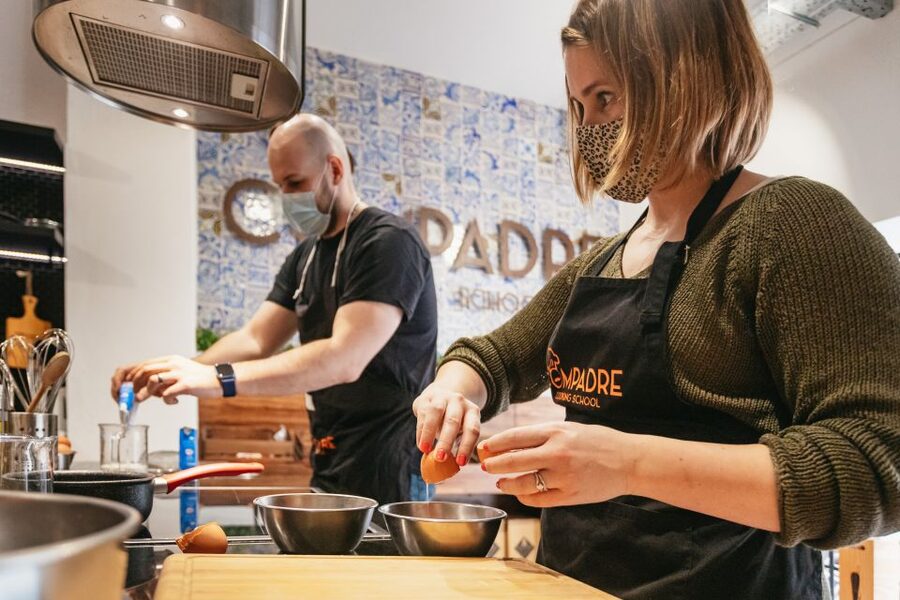
After the cooking, you sit down together and eat the results. This is a light meal or tasting rather than a substantial lunch, so plan another meal if you are hungry or have a long afternoon ahead.
That distinction is worth taking seriously. The food is filling enough as a snack, especially if you eat several warm tarts, but it should not replace a planned lunch. The class description includes tea, and coffee is mentioned in the activity details, but one recent experience did not include either. Water was available at the table.
I would treat the included drink service as a small bonus rather than the reason to book. If you want coffee or a full beverage selection, confirm what will be served or plan to stop at a café afterward.
The shared tasting is still valuable. Food prepared by your own hands tastes better for a simple reason: you paid attention to every stage. You also get a relaxed chance to talk with the other people in the room. Bags are available for anything you do not eat, though the warm tarts may disappear quickly.
What you really learn, and what you do not
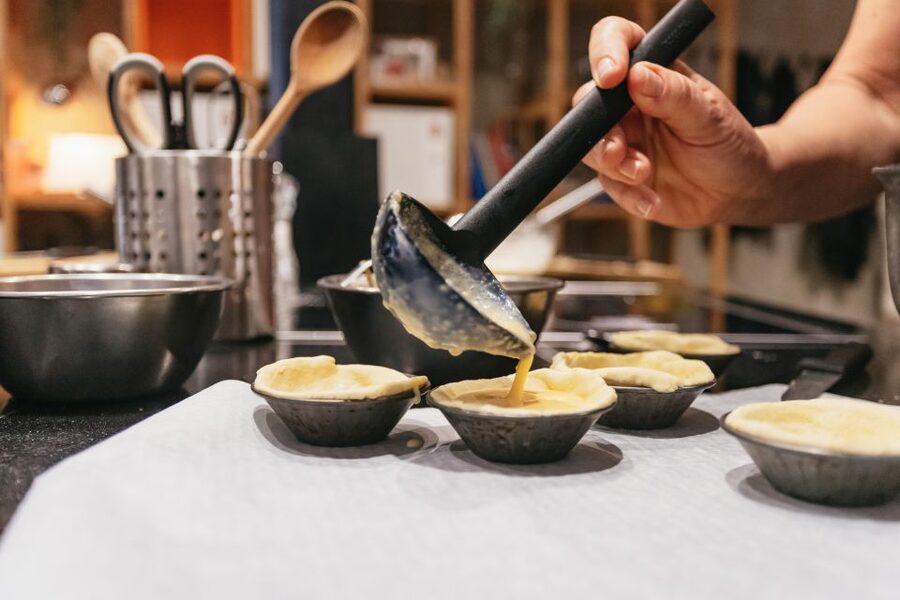
This is a practical introduction, not professional pastry training. You learn a repeatable home recipe, the broad method, and the key points that help you avoid common mistakes. The recipes are simple enough to try after returning from Portugal.
You do not spend the whole two hours making dough from raw ingredients. The pastry is pre-made, and the custard is straightforward. That may disappoint someone hoping for a detailed lesson in traditional pastry production, but it is a sensible choice for a short class aimed at visitors.
I see the class as a bridge between a demonstration and a full cooking workshop. You take part in the shaping, filling, cooking, and tasting, but the instructors remove the slowest parts. For most people on a city break, that is a fair trade.
The history is also kept useful. You learn why pastel de nata matters, not just how to copy a recipe. Anna is particularly good at telling the story in a way that makes the food feel connected to Lisbon rather than like an isolated kitchen exercise.
Who will enjoy this class most
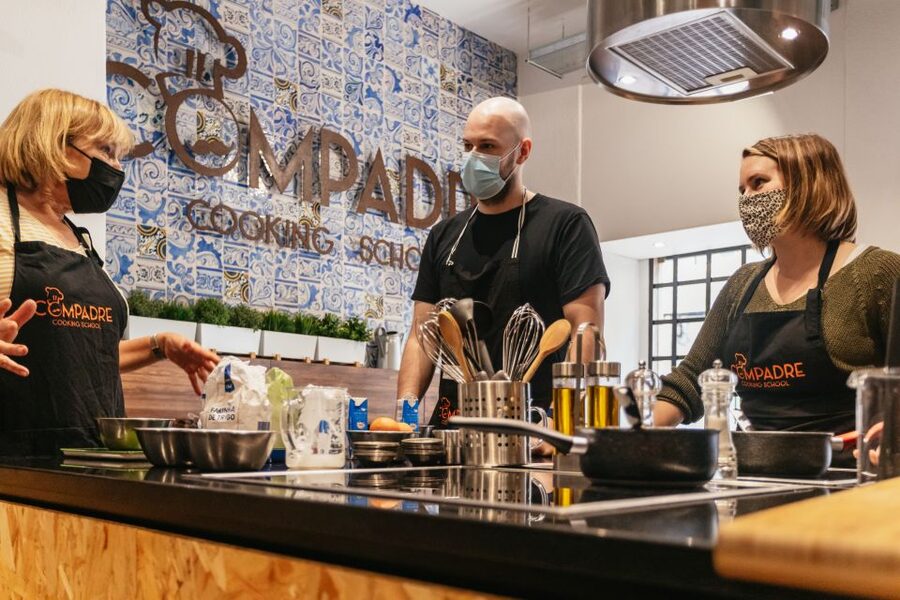
This is a strong choice if you want an activity beyond monuments and viewpoints. It gives you a social way to spend two hours and sends you back into the city with a new connection to something you will see everywhere.
It suits:
- First-time bakers who want clear guidance
- Couples looking for a shared activity
- Families with older children
- Solo visitors who want an easy group setting
- Food lovers interested in Portuguese culture
- Anyone who wants a recipe they can repeat at home
The class has also worked well for children. An eight-year-old joined successfully with a parent. You should still remember that the kitchen includes hot equipment and standing, so adults need to judge whether a child can manage the pace safely.
You do not need to be a confident cook. One of the appealing features is that the process is broken into simple steps. If your baking record is mostly burnt toast, you can still take part without feeling out of place.
Who may want to choose another activity
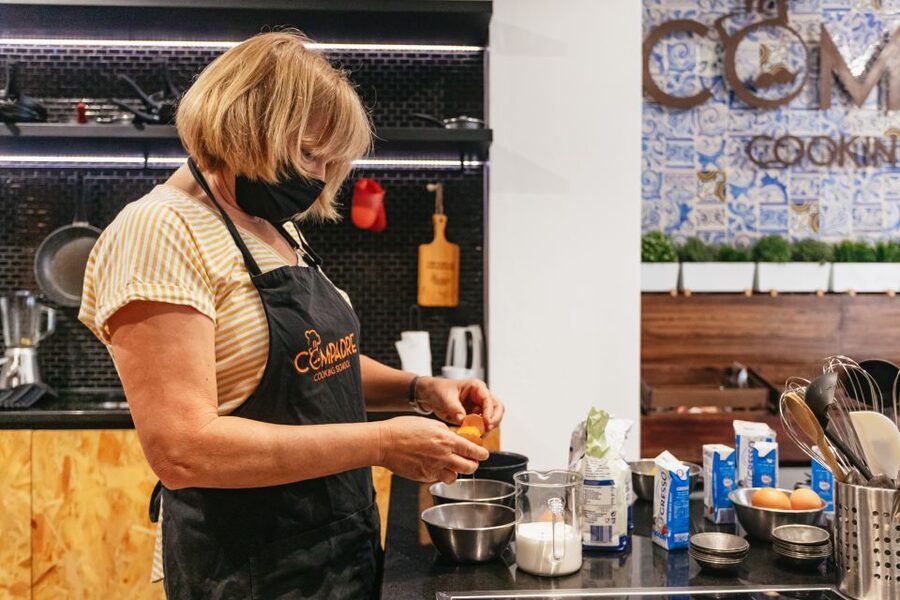
The main concern is physical. You stand for about 1 hour and 20 minutes, and the activity is not recommended for people with back problems. Wear comfortable shoes, since you will be working in a kitchen rather than sitting at a café table.
It is also not the right pick if your priority is a large meal. You taste what you prepare, but the food is described as a light meal, and one useful planning note is that the pastries alone may not keep you satisfied until dinner.
Vegans should contact the local supplier before booking. Portuguese cuisine is not especially vegan-friendly in this setting, and the available recipes may need adjustment. Vegetarian arrangements have been possible, but you should still explain your needs in advance rather than relying on last-minute changes.
Pets and smoking are not allowed. Those are simple rules, but they matter if you are organizing a family day or planning to arrive with a service animal. Contact the provider ahead of time if that applies to you.
Is $64 a fair price?
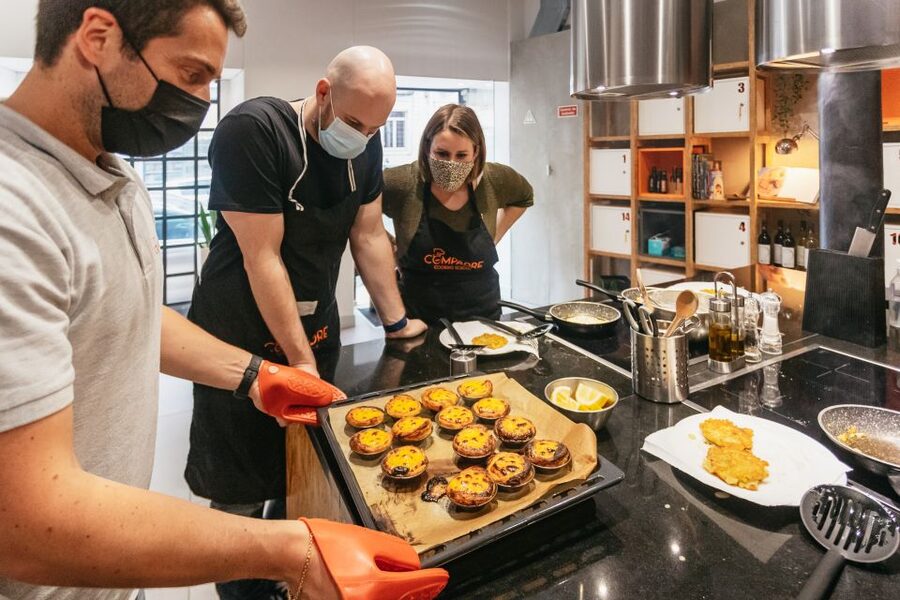
At $64 per person, the class is not the cheapest way to eat pastel de nata in Lisbon. You can buy the pastry very cheaply in a café. The value comes from the instruction, the kitchen access, the second recipe, the shared meal, and the chance to take the methods home.
For a two-hour guided activity in Lisbon, the price is reasonable if you will actually use the recipes afterward. It is less convincing if you only want to taste the tart. In that case, a café crawl or bakery visit will give you more food for less money.
The price includes equipment, utensils, ingredients, an instructor, insurance, two recipes, and tea. Drinks beyond those listed are not included. There is also no transportation, so include your own route to and from the meeting location when comparing the total cost.
The ability to reserve now and pay later adds flexibility, and free cancellation is available up to 24 hours before the class for a full refund. Those terms help if your Lisbon schedule is still changing.
Practical timing and preparation tips
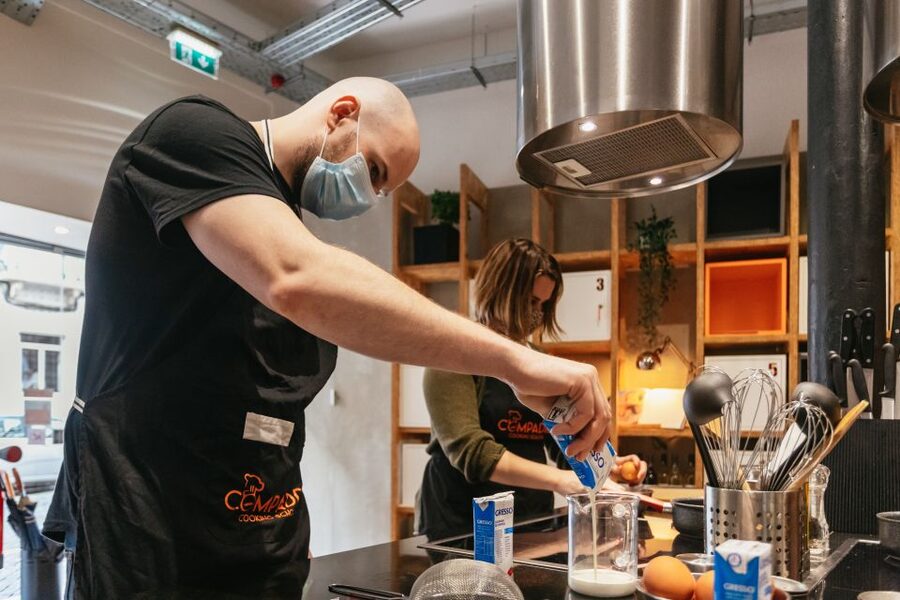
Check the starting time when booking, since availability varies. A morning class can work well before an afternoon of sightseeing, while a later class gives you an enjoyable break after walking around Lisbon.
Wear comfortable shoes and clothes you can work in. You will be standing, handling ingredients, and moving around the kitchen. You do not need to bring cooking equipment because everything required is supplied.
Do not plan a tight appointment immediately afterward. The class lasts two hours, but you may want time to finish tasting, pack any leftovers, and make your way back into the city.
If you have dietary concerns, contact the local supplier before booking. This is especially important for vegans. The class is taught in English, so you should be comfortable following spoken English instructions.
The experience has earned a 4.8 rating from 461 reviews, with repeated praise for the instructors, clear teaching, clean kitchen, enjoyable atmosphere, and tasty results. The most consistent practical praise goes to Anna and Marta, who make the lesson approachable without making it feel childish.
Should you book the pastel de nata class?
Book it if you want to do something hands-on in Lisbon and like the idea of bringing a Portuguese recipe home. The class works especially well for couples, families, solo visitors, and first-time bakers who prefer friendly guidance to a formal culinary course.
Skip it if you want a full meal, a complete pastry lesson from raw ingredients, or an activity with little standing. Also think twice if you are vegan unless the supplier confirms a suitable plan.
For most visitors, the best reason to book is the combination of three things: you learn a famous local food, you make a second Portuguese recipe, and you share the results with a small group. That is a useful two hours, provided you arrive expecting a focused workshop rather than a full cooking school course.
FAQ
How long does the pastel de nata cooking class last?
The class lasts two hours. You should expect to stand for about 1 hour and 20 minutes during the cooking portion.
Where does the class meet?
You meet at the local partner’s kitchen in Lisbon. Make sure Lisbon is entered as the city when placing the address.
Is the class taught in English?
Yes. The instructors teach the class in English.
Who teaches the cooking class?
The class is taught by local chefs including Anna and Marta. They explain the recipes, share cultural background, and guide you through each step.
What recipes will I make?
You make pastel de nata and one additional Portuguese recipe. The second recipe may be a dessert such as farófios or a savory dish such as cod fritters, so confirm the current menu if that matters to you.
Is a meal included?
A light tasting meal is included, based on the food you prepare. Tea is listed as included, while other beverages are not included. Plan another meal if you need a substantial lunch.
Do I need cooking experience?
No. The class is designed to be approachable for beginners, with clear instructions and supplied equipment, utensils, and ingredients.
Can vegans join the class?
Portuguese cuisine in this activity is not very vegan-friendly. Contact the local supplier before booking if you are vegan so they can discuss possible arrangements.
Can I cancel the booking?
You can cancel up to 24 hours in advance for a full refund. You can also reserve now and pay later, keeping your plans flexible.
Newest classes around Lisbon
- Lisbon: Portuguese Petiscos Cooking Class★ 4.7 · 6 reviews
- Lisbon: Traditional Portuguese Cooking Class★ 5.0 · 41 reviews
- Lisbon: Portuguese street food cooking class with Drinks★ 4.9 · 37 reviews
- Lisbon: Setúbal Market and Wine tour with Cooking class★ 5.0 · 4 reviews
- Lisbon: Portuguese Cooking Class with Wine Tasting★ 5.0 · 4 reviews
- Lisbon: Portuguese Cooking Class for Beginners★ 4.9 · 78 reviews
- Lisbon: Pasteis de Nata Baking Class★ 5.0 · 134 reviews
- Private Traditional Portuguese Cooking Class in Lisbon with Paula★ 5.0 · 50 reviews
Lisbon Cooking Classes, compared.

Lisbon Portuguese Cooking Class with 3-Course Dinner
Read our review →
Traditional Portuguese Cooking Class in Lisbon
Read our review →
Lisbon Market and Food Tour with Cooking Class and Lunch
Read our review →
Private Lisbon Market Tour & Portuguese Cooking Class with Paula
Read our review →Browse the lists this tour appears in