
Review · MEXICO CITY COOKING CLASSES
Learn to Cook Mexican Bread
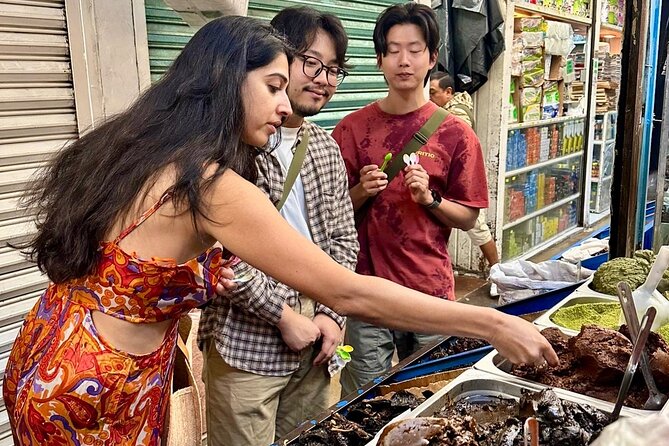
The best part of this Pan de Muerto class is that you do not simply taste a Mexican tradition. You make it yourself, from the first mix of ingredients to the final bone-shaped decoration. Veronica meets you at San Cosme market, introduces you to the local setting, then leads you to her apartment for the baking session.
I like two things right away: the class keeps its focus on one meaningful Mexican food, and the small group size, capped at 10, gives you room to work. I also like that you pair the bread with high-cacao Mexican hot chocolate. The main thing to consider is the setting: this is a home-based class, not a large professional cooking school, so you should expect a personal and informal format.
Key points at a glance
- Meet at San Cosme market: The experience begins at the front of the market in the Tacuba neighborhood.
- Bake Pan de Muerto from scratch: You mix, knead, let the dough rise, shape it, and bake it.
- Learn the symbolism: The bone-shaped decorations and special flavors are explained as part of the bread’s cultural meaning.
- Drink traditional hot chocolate: High-cacao Mexican chocolate gives you the classic partner for the sweet bread.
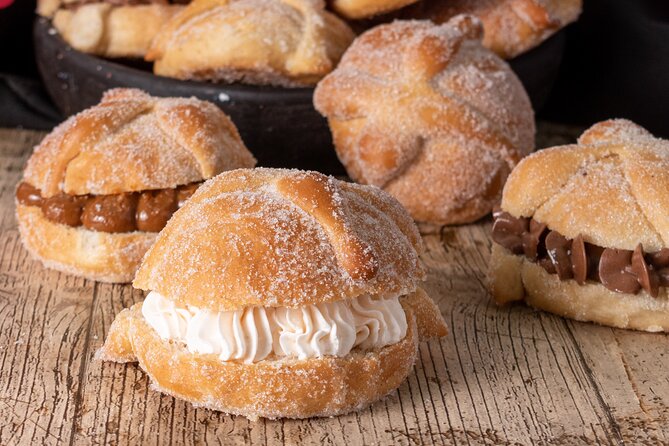
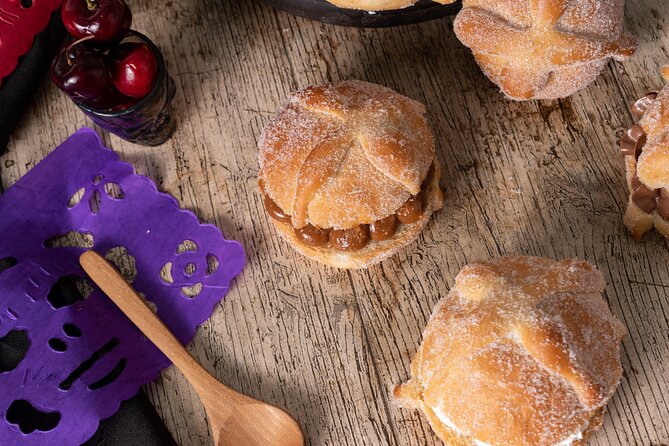
- Choose a filling: Chocolate, whipped cream, or dulce de leche can be prepared if you request it ahead of time.
- Small bilingual class: The instructor teaches in English or Spanish, with no more than 10 participants.
What this San Cosme baking class is really about
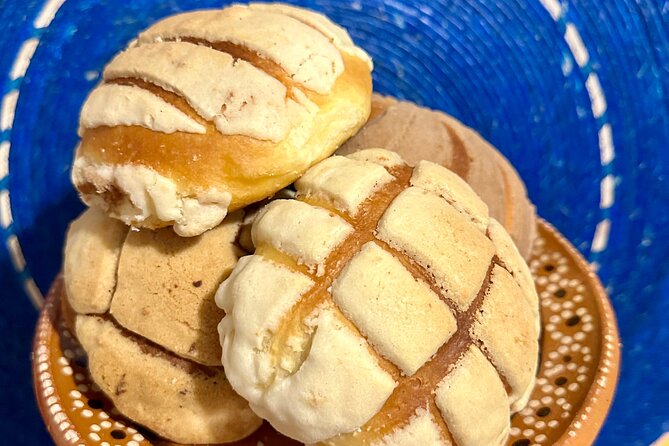
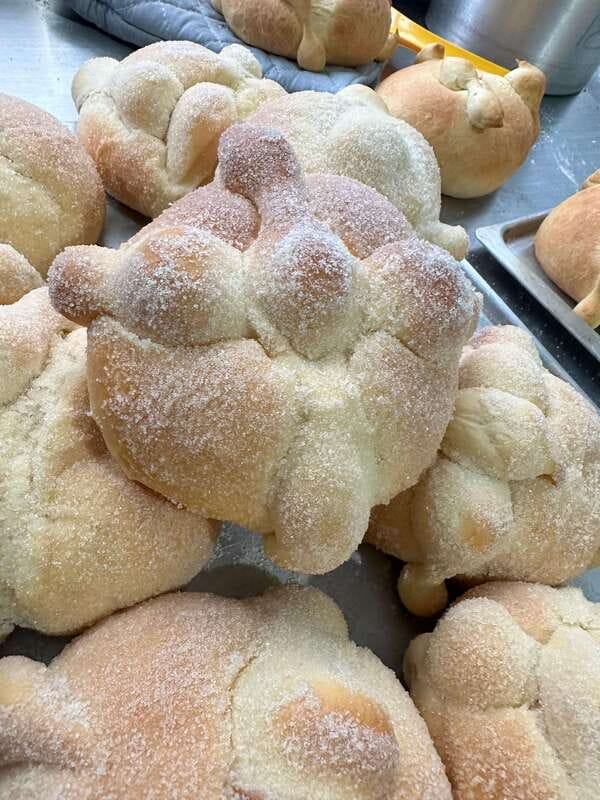
Pan de Muerto is not just a sweet loaf with an attractive shape. It is closely linked with Mexico’s Day of the Dead traditions, and the class gives you a practical way to understand that connection. You learn why the bread has its distinctive bone-shaped pieces, rather than treating the decoration as a random bakery design.
I like this approach because food carries cultural meaning best when you can handle it, smell it, and eat it. You are not sitting through a long talk about Mexican customs. Your hands stay busy while the instructor explains the ingredients, methods, and symbolism.
The activity lasts 2.5 hours, which is long enough for a full baking process without taking over your entire day in Mexico City. Since bread dough needs time to rise and bake, the pace is likely to include waiting periods. Those pauses are part of the process, not wasted time, and they leave space for conversation and hot chocolate.
More Baking Classes in Mexico:
- Lisbon: Pastel de Nata Baking Class
★ 4.9 · 2,106 reviews - Paris Croissant Small-Group Baking Class with a Chef
★ 5.0 · 910 reviews - Paris: French Croissant Baking Class with a Chef
★ 4.9 · 712 reviews
Starting at San Cosme market in Tacuba
Your meeting point is directly in front of San Cosme market. This gives the experience a useful local beginning instead of dropping you straight into a kitchen with no sense of place.
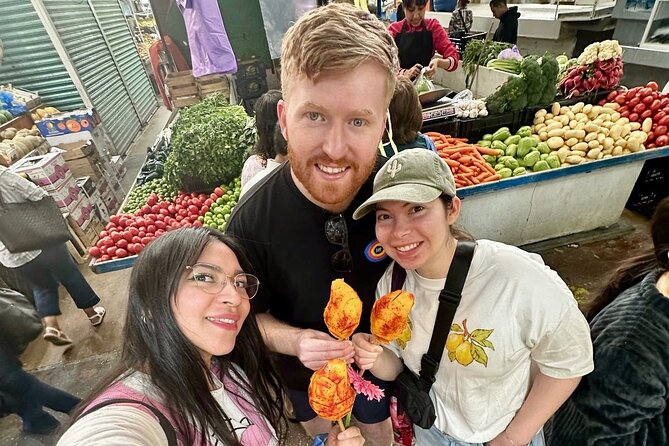
One of the participants described meeting Veronica in the Tacuba neighborhood, touring the local market, and then walking with her to her apartment. That route matters. You get a short look at the neighborhood and market before settling into the hands-on work.
The market portion is not presented as a full food tour, so keep your expectations in check. You are not signing up for a long market expedition or a broad survey of Mexican cooking. The market visit works more as an introduction to the area and the ingredients behind the class.
For you, that makes this a good choice if you want a local starting point and a small taste of neighborhood life. If you prefer a polished cooking studio with a formal demonstration kitchen, the meeting at a public market followed by a walk to a private apartment may feel less structured.
Walking to Veronica’s apartment kitchen
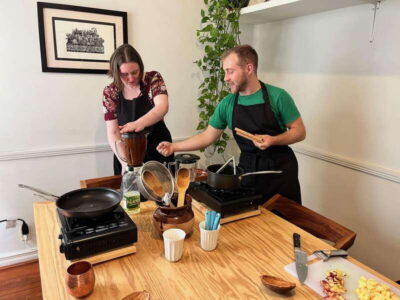
After meeting at the market, you walk to Veronica’s apartment, where the baking work is prepared. The home setting is one of the defining features of the experience.
A home kitchen can make a class feel more direct. You are learning in the kind of space where Mexican bread can actually be made, rather than watching a chef perform in front of a large group. The supplied equipment and ingredients are included, so you do not need to arrange a baking setup yourself.
At the same time, a home kitchen usually means the class is practical rather than theatrical. The emphasis is on participating, asking questions, and getting your hands into the dough. I would choose this format if you value contact with a local host more than a highly polished culinary production.
Veronica is identified as the instructor, and the class is offered in English and Spanish. That is useful for English-speaking visitors who want cultural explanations without having to follow a technical baking lesson in Spanish. If you speak Spanish, you can also use the class as an easy setting for conversation.
Mixing, kneading, rising, and baking the dough
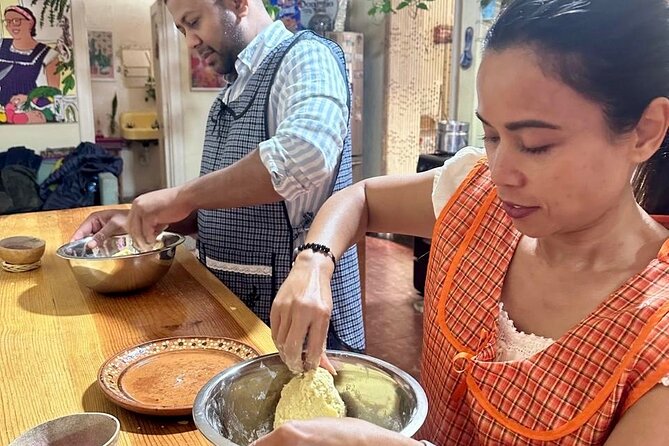
The main work follows the natural order of bread-making. You mix the ingredients, knead the dough, allow it to rise, shape it, and bake it.
That order is important for beginners. You are not just handed a finished piece of dough and asked to decorate it. You take part in the stages that determine the bread’s texture and flavor. The kneading stage gives you a feel for how the dough changes, while the rising period shows why bread cannot be rushed.
For experienced bakers, the class may not offer advanced pastry science. The value is in learning this particular Mexican bread and seeing how its shape and flavor connect with local tradition. For first-time bakers, the process offers a manageable introduction because the instructor guides you through each step.
The class includes the kitchen equipment and ingredients. You finish with your own Pan de Muerto to take home, giving the experience a useful result beyond the time spent at the table.
The flavor profile includes orange and anise, a combination that makes the bread aromatic without turning it into an ordinary cake or dinner roll. You also learn to form the bone-shaped decorations that give Pan de Muerto its recognizable appearance.
More Mexican Classes in Mexico:
- Cabo San Lucas Mexican Cooking Class Experience and Local Markets
★ 5.0 · 915 reviews - Mexican Cooking from Scratch in a Local Home in Tulum
★ 5.0 · 585 reviews - Authentic Mexican Legacy Cooking Class in Cabo San Lucas
★ 5.0 · 530 reviews - Mexican Cooking Class with Food Market Visit in Mexico City
★ 5.0 · 506 reviews
Understanding the bone-shaped decoration
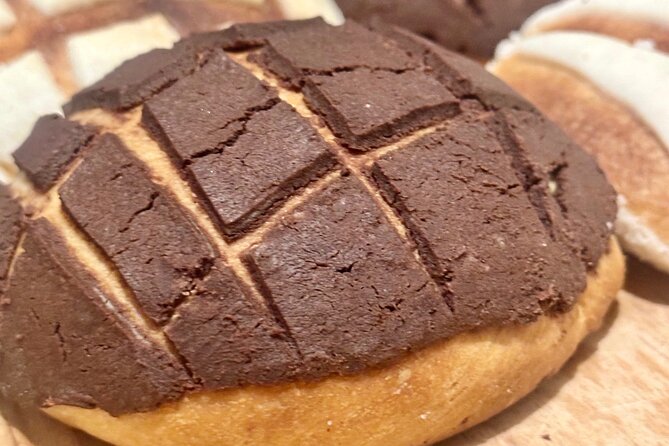
The shaping stage is where the cultural lesson becomes most visible. You create the bone-like pieces and place them on the loaf, then learn about their significance.
That detail gives the activity more weight than a generic baking class. You are making a food associated with remembrance and celebration, not simply choosing a recipe because it looks attractive in photographs.
The class description connects the bread with a Mexican Day of the Dead celebration. You should therefore expect the instructor to explain the bread’s place in that tradition while you work. The exact depth of the discussion is not specified, so I would view the cultural information as an important part of the baking lesson rather than a separate history lecture.
This is also where the activity suits families, couples, solo food fans, and anyone who prefers a creative cultural experience. You leave with a better sense of why this bread looks the way it does, and you can try making it again at home.
Mexican hot chocolate with high-cacao flavor
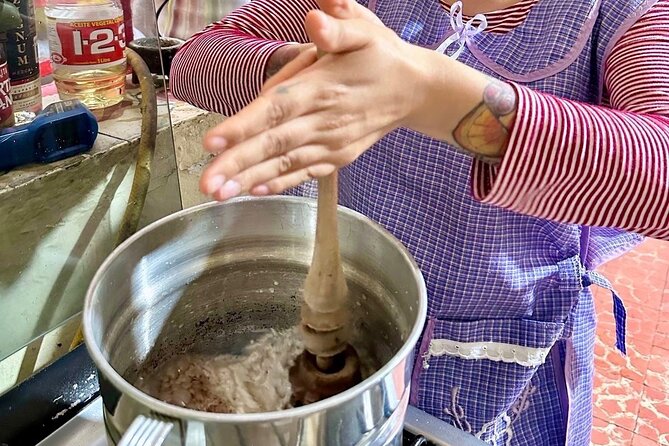
While the bread is being prepared, you also make or enjoy a traditional Mexican hot chocolate. The pairing is one of the strongest parts of the experience.
Pan de Muerto is sweet and fragrant, while high-cacao chocolate brings a darker, fuller flavor. Together, they create the kind of simple food match that helps you understand a tradition through taste. You get to eat the bread while it is fresh and pair it with a drink that is also part of Mexican food culture.
The hot chocolate is not an add-on in the way a bottled drink might be. It gives the class a proper shared finish. The aroma of bread, orange, anise, and cacao brings the separate parts of the activity together.
I would especially recommend this element if you enjoy food experiences that include eating what you prepare. Some cooking classes leave you with a recipe and a few small samples. Here, the bread and chocolate are the central reward.
Choosing a filling for your Pan de Muerto
You can request a filling for the bread, with three choices available: chocolate, whipped cream, or dulce de leche.
This is a useful option, but it requires planning. You need to send a message in advance if you want the filling ready. Do not assume you can decide at the last second when you arrive at the market.
The filling changes the character of the final bread. Chocolate keeps the flavor close to the cacao pairing, while dulce de leche adds a more pronounced caramel sweetness. Whipped cream gives you a softer, lighter option. The details of how the filling is added are not specified, so the class remains centered on the bread dough itself rather than on elaborate pastry decoration.
If you want the most traditional-feeling result, you may prefer to make the bread without a filling. If you are booking for a special occasion or simply have a strong sweet tooth, send the request ahead of time and choose one of the three listed options.
A small group and a personal teaching style
The group is limited to 10 participants, which is a helpful balance. It is small enough for a hands-on activity, while still giving the class a social feel.
Bread-making is not something you want to watch from the back of a crowded room. You need to see how the dough is handled and have a chance to shape your own loaf. A group of up to 10 should make that easier than a large demonstration class, although the exact experience depends on how many people book your session.
The two available ratings are both five out of five, and the strongest praise centers on Veronica’s welcome, teaching, and the taste of the finished bread. One participant specifically described the process of mixing, kneading, letting the dough rise, and baking it as lots of fun. Another singled out Veronica as a great teacher and the bread as delicious.
Those comments point to the right expectation: this is a warm, host-led activity built around participation. You should book it for the chance to work with Veronica and make the bread yourself, not because you expect a formal chef demonstration or a large menu.
Is $79 a fair price?
At $79 per person, this is not the cheapest way to spend a morning or afternoon in Mexico City. It is also more than the cost of buying Pan de Muerto and hot chocolate at a bakery.
The price makes better sense when you count what is included: a 2.5-hour guided experience, a market introduction, instruction in English or Spanish, kitchen equipment, ingredients, the baking process, hot chocolate, and your finished bread to take home. You are paying for access to a local host and for the chance to learn a recipe rather than simply consume it.
I see the value most clearly for visitors who enjoy small-group food activities. If you already plan to buy several Mexican cooking experiences, compare this with a broader cooking class that covers multiple dishes. This activity is narrower, but it gives you more time with one culturally important bread.
The price also includes the flexibility to reserve now and pay later. You can cancel up to 24 hours ahead for a full refund, which helps if your Mexico City schedule is still shifting. Those terms do not make the activity cheaper, but they reduce the risk of booking it early.
Who should book this experience?
I would recommend it to you if you like hands-on food work, local hosts, and cultural context. It is a strong pick for a first-time baker because the process is broken into clear stages, and it suits experienced cooks who want to learn a distinctly Mexican recipe.
It also works well for people who prefer a quieter alternative to a full day of sightseeing. You get a market visit, a neighborhood walk, a practical class, and a meal-like tasting in 2.5 hours.
Families may enjoy the shaping and decorating, though the supplied information does not give a minimum age or child policy. If you are booking with children, confirm that detail before paying.
You may want a different experience if you want a broad Mexican menu, a restaurant setting, or a professional culinary school. This class concentrates on Pan de Muerto, hot chocolate, and the story behind them.
Practical details before you book
The experience is usually offered in the morning and afternoon, so you can fit it around other Mexico City plans. The meeting point is the front of San Cosme market, not the apartment itself, which makes it important to arrive at the stated meeting location.
English and Spanish are available. The instructor is Veronica, and the group size is limited to 10 participants.
Send a message ahead of time if you want chocolate, whipped cream, or dulce de leche filling. Kitchen equipment and ingredients are supplied, so you do not need to bring baking tools.
The activity includes cancellation up to 24 hours before the start time for a full refund. You can also reserve now and pay later, giving you a little more room to adjust your itinerary.
Should you book the Pan de Muerto class?
Book this if you want to make a meaningful Mexican food, meet a local instructor, and spend a few relaxed hours doing something rather than merely seeing something. Veronica’s welcoming style, the San Cosme market meeting point, and the chance to bake from scratch give the class a personal shape.
The main limitation is its narrow focus and home-based setting. You will not prepare a full Mexican meal, and you should not expect a large cooking school or a long market tour. But if Pan de Muerto, hot chocolate, and practical cultural learning appeal to you, the $79 price is reasonable for the time, ingredients, instruction, and finished loaf.
FAQ
Where does the Pan de Muerto class meet?
You meet at the front of San Cosme market in the Tacuba neighborhood of Greater Mexico City.
How long does the experience last?
The class lasts 2.5 hours.
Who teaches the class?
The instructor is Veronica.
Is the class available in English?
Yes. The class is offered in English and Spanish.
How many people can join?
The group is limited to 10 participants.
What will I make?
You will make Pan de Muerto from scratch, including mixing, kneading, rising, shaping, and baking.
What flavors are used in the bread?
The bread includes orange and anise flavors.
Can I add a filling?
Yes. You can choose chocolate, whipped cream, or dulce de leche. You need to send a message in advance so the filling can be prepared.
Is hot chocolate included?
Yes. The experience includes traditional high-cacao Mexican hot chocolate to pair with the freshly baked bread.
Is equipment and food included?
Yes. Kitchen equipment and ingredients are included.
Can I cancel for a refund?
Yes. You can cancel up to 24 hours in advance for a full refund.
Can I reserve now and pay later?
Yes. The experience offers a reserve-now-and-pay-later option.
Newest classes around Mexico
- Private Pre-Hispanic Cooking Class in Mexico City with Martha★ 5.0 · 19 reviews
- Tasty Mexican Cooking Class with Feast in Riviera Maya★ 5.0 · 99 reviews
- Flavors of Mexico: Cancun Cooking Class & Market Visit★ 4.5 · 5 reviews
- Private Authentic Mexican Cooking Class in Cancun with Alberto★ 5.0 · 3 reviews
- Cancun small group Cooking Class with Local Chef★ 5.0 · 61 reviews
- Cancun Hands-On Mexican Cooking Class★ 4.5 · 95 reviews
- 4h Cooking Class in Cancun with 8 Recipes & Bottomless Drinks★ 5.0 · 50 reviews
- Private Mexican Cooking Class in Your Cabo San Lucas Villa or Condo★ 5.0 · 8 reviews
Mexico City Cooking Classes, compared.
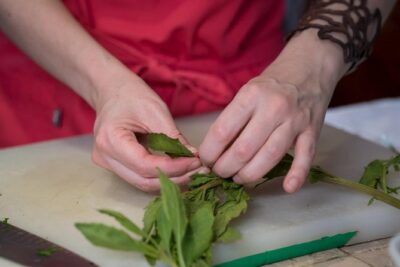
Mexican Cooking Class with Food Market Visit in Mexico City
Read our review →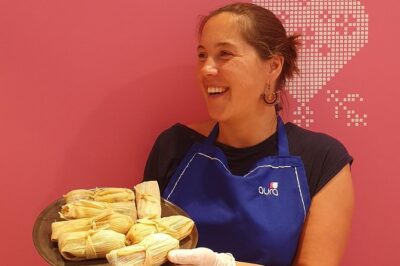
Essence of Mexico: Authentic Mexican Cooking Class & Market Tour
Read our review →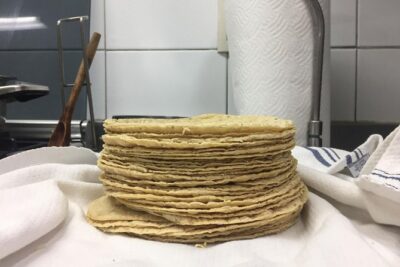
Private Mexican Cooking Class with Gastronomic Historian, Lucia
Read our review →
Mexican Street Tacos Hands-on Cooking Class and Market Tour
Read our review →
Market tour, cooking class & three-course Mexican feast
Read our review →Browse the lists this tour appears in