
Review · ATHENS COOKING CLASSES
Athens: Greek Cooking Class with Meal and Drinks
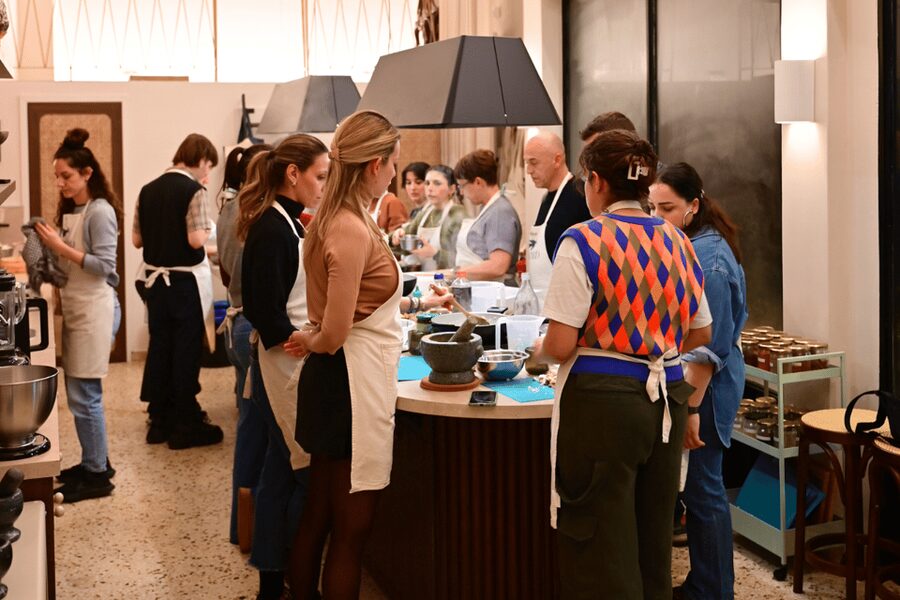
Greek cooking is often about vegetables, beans, olive oil, herbs, and time, and this class shows how satisfying that food can be without meat or dairy. You will work in a modern Soybird Studio near the Acropolis, preparing moussaka, spanakopita, fava, tzatziki, almond feta, and more before sitting down to eat it all.
I like the hands-on format, where you actually chop, stir, shape, and cook instead of watching a chef perform. I also like the friendly small-group setup, with hosts such as Alexandra, Dimitra, Dimi, Mirka, and Konstantinos guiding the work. The main thing to consider is that team cooking means you may not personally make every dish.
Key points
- A full vegan Greek spread: Prepare moussaka with cashew béchamel, spanakopita, fava, tzatziki, almond feta, dakos, koulouri, and ekmek.
- Near the Acropolis: The class takes place at Soybird Studio in Koukaki, central Athens.
- Team-based cooking: You join a small group and help prepare two dishes, while the whole class builds a large shared buffet.
- Plenty of food: The meal is generous, so arrive hungry and avoid planning a big dinner afterward.
- Useful take-home material: You receive an English digital recipe book so you can repeat the dishes at home.
- Good for mixed groups: You do not need to be vegan or an experienced cook, but children under eight cannot join.
A vegan Greek feast in Koukaki
At $93 per person for three and a half hours, this is more than a quick recipe lesson. You get a working cooking session, a substantial meal, drinks, an apron, fresh ingredients, kitchen equipment, and digital recipes.
The class is held in Soybird Studio, a modern cooking space on the ground floor in Koukaki, close to the Acropolis. The setting matters. You are not being rushed through a tourist photo stop or handed a pre-made plate. You are in a kitchen, working alongside other people, with the food gradually filling the room.
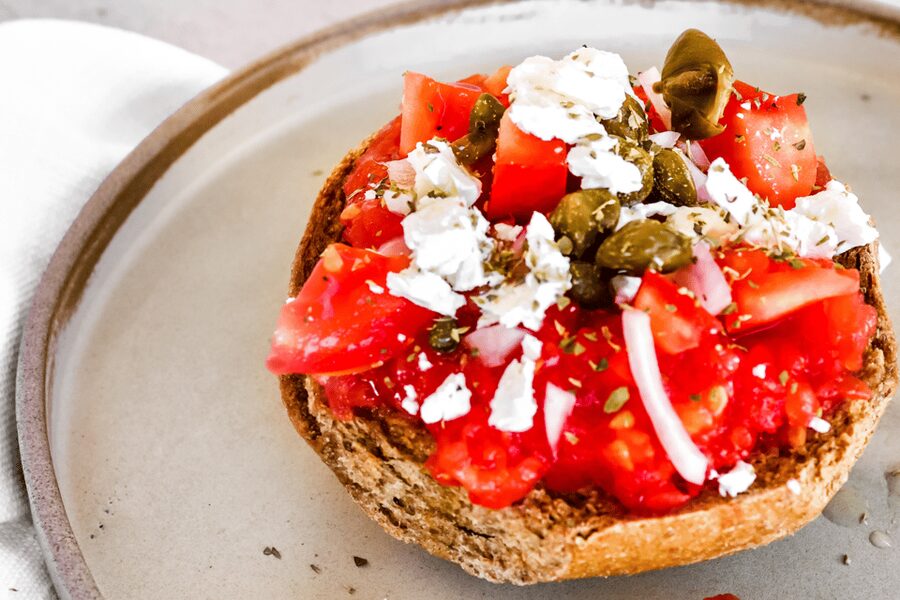
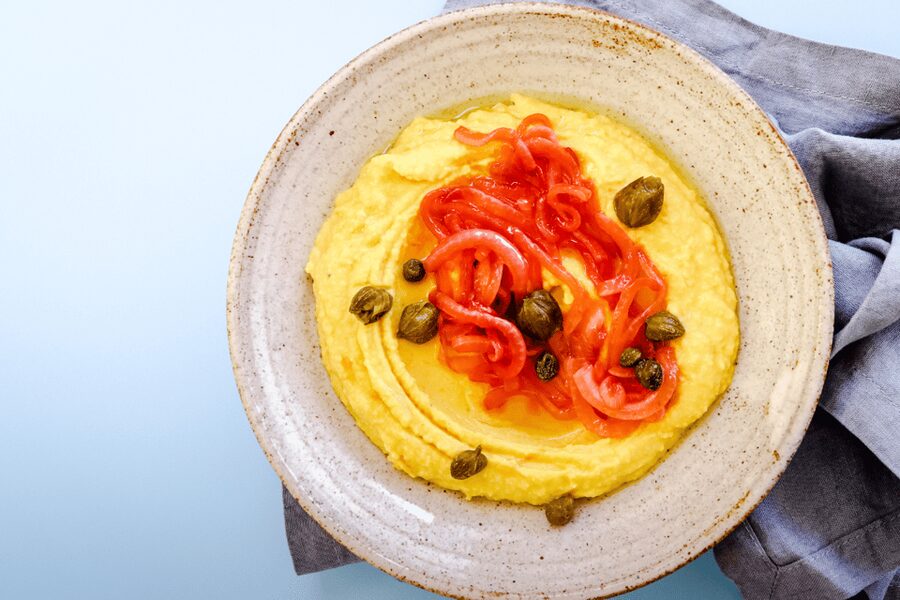
The menu also gives you a useful look at Greek food beyond the familiar grilled meat and seafood. Fava is a smooth yellow split-pea spread, spanakopita is a spinach-filled pastry, dakos is a Cretan-style dish built around crisp bread and tomato, and ekmek is a Greek dessert specialty. The class presents these in vegan form, using techniques and ingredients that keep the food filling and flavorful.
If you eat dairy and meat, do not assume the menu will feel like a compromise. Several non-vegan participants found the dishes satisfying, and some later made the recipes at home with either the original vegan ingredients or standard dairy products. That makes the class useful for a mixed group, not only for committed vegans.
More Greek Classes in Athens:
- Greek Cooking Class in Athens Including Rooftop Dinner with Acropolis View
★ 5.0 · 826 reviews - Greek Small-Group Athens Cooking Class & Dinner
★ 5.0 · 574 reviews - Athens: Greek Cooking Class & Dinner on a Rooftop
★ 5.0 · 383 reviews
Arriving at Soybird Studio
You should arrive 10 minutes before the start. Search for SOYBIRD in Google Maps rather than relying on a broad Koukaki address. The school is on the ground floor, at the far right-hand side of the building in front of you.
There is no hotel transfer, so you handle your own way to the studio. Since the class is near the Acropolis, it can fit neatly into a day spent around the Acropolis Museum, the pedestrian streets of Makrygianni, or Koukaki. I would not schedule it too tightly against another paid activity, though. The cooking takes three and a half hours, and the shared meal is part of the point.
The studio is wheelchair accessible. Comfortable clothes are recommended, which is sensible when you will be working at a counter and handling food for much of the session. An apron is provided.
The class operates with a minimum of six participants and a maximum of 14. That size is large enough to create a social evening but small enough for the instructors to give individual help. You may meet people traveling alone, couples, families with older children, and small groups of friends.
The opening lesson and team setup
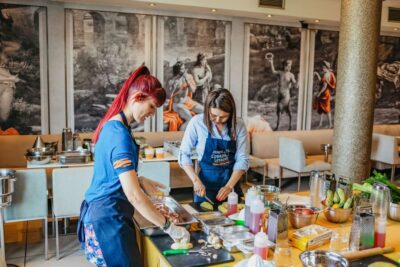
The class starts with an introduction, followed by an explanation of the dishes and the way the cooking will work. You are divided into two groups, and each person helps with two dishes.
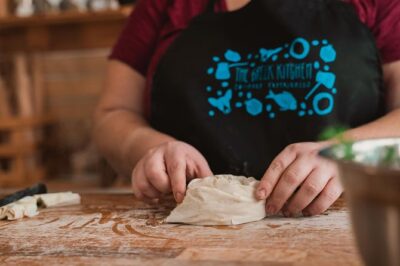
This arrangement has a clear advantage: you are doing real work rather than standing behind a crowd. The hosts explain each step, then let you handle the preparation. Participants have described making filo pastry from scratch, rolling it out, preparing fillings, and working through several recipes with help close at hand.
It also creates the class’s one real limitation. You will not personally prepare every item on the table. If your group is assigned moussaka and fava, for example, you may watch or assist less with the spanakopita or dessert. The digital recipe book helps fill that gap, but anyone wanting a complete lesson in every dish should know this before booking.
The teamwork usually works well for people traveling alone. You can choose who to work with, ask for help, and share tasks without needing to arrive with a group. Hosts have included Alexandra, Dimitra, Dimi, Mirka, Merka, Dina, Konstantinos, and Fotini. The exact instructor depends on the session, but the teaching style described across the class is patient, clear, and encouraging.
What goes into the Greek menu
The menu is the class’s strongest feature. You are not learning one basic dish and then waiting around. The group builds a spread that can include starters, main dishes, bread, dips, and dessert.
More Cooking Classes in Athens:
- Athens: Classic Cooking Class with Market Visit and Wine
★ 5.0 · 1,101 reviews - Athens: Food Market Visit and Cooking Class with Wine
★ 4.9 · 1,087 reviews - Athens: Greek Cuisine Cooking Class and 3-Course Dinner
★ 4.8 · 270 reviews - Traditional Greek cooking class and lunch or dinner with an Acropolis view
★ 5.0 · 250 reviews
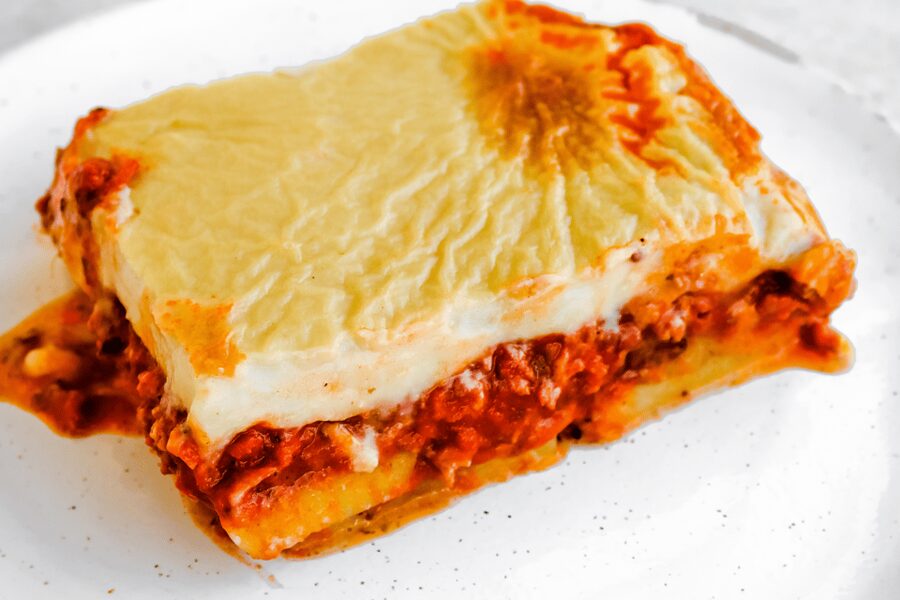
Moussaka with cashew béchamel
Moussaka is one of Greece’s best-known comfort foods, usually associated with layers of vegetables, sauce, and a creamy topping. Here, cashews replace the dairy in the béchamel. That gives you a practical lesson in how plant-based ingredients can create body and richness.
For many people, this is the dish that tests their assumptions about vegan cooking. The flavor comes from the vegetables, herbs, seasoning, and careful preparation rather than from meat or cheese. You also receive a recipe you can adapt later if you prefer a conventional version.
Spanakopita and filo pastry
Spanakopita combines spinach and pastry, and the pastry work can be one of the most memorable parts of the class. Making or rolling filo gives you a task that feels distinctly Greek and requires more than simply following a printed recipe.
Do not expect perfect pastry on your first attempt. That is part of the fun. The instructors guide the process and step in when needed, while you get a better sense of how thin dough should be handled and assembled.
Fava and tzatziki
Fava is a yellow Greek hummus made from split peas rather than chickpeas. It is simple, economical food, but it shows how Greek cooking can turn a few humble ingredients into a useful table dish.
The tzatziki is made as a yogurt and cucumber dip in the traditional style, though the class keeps the entire menu vegan. Together, the dips give you recipes that are easier to repeat at home than some of the more involved pastry and dessert dishes.
Almond feta
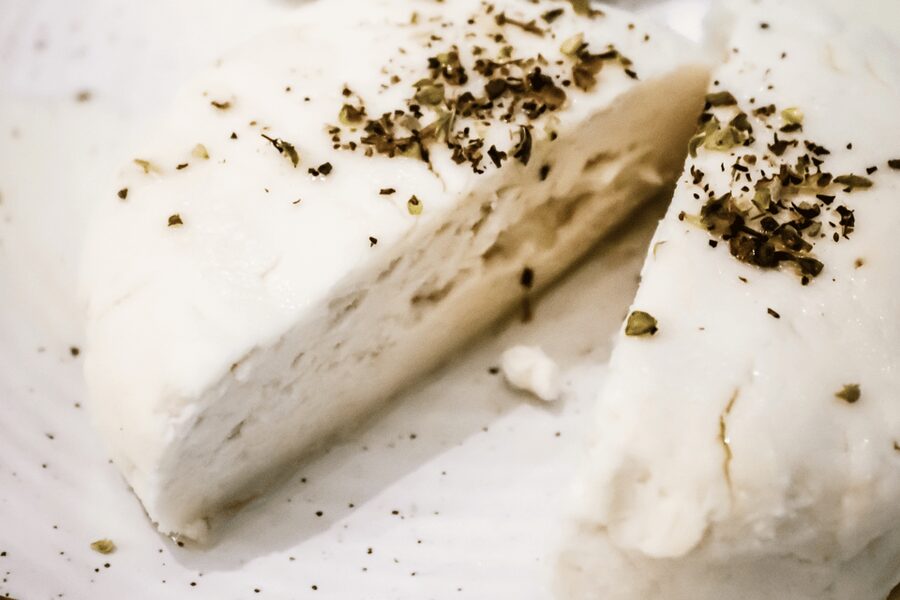
The almond-based feta is the class’s most unusual promise. It offers a plant-based alternative to a familiar Greek cheese, and preparing it gives the class a clear creative angle beyond simply removing dairy from old recipes.
You may be curious about how close it comes to feta. It is not a literal replacement for aged sheep’s milk cheese, but it adds a salty, creamy element to the shared table and gives you a technique you are unlikely to learn in a standard Greek food lesson.
Dakos and koulouri
Dakos brings a Cretan touch to the spread, with crisp bread and fresh toppings. Koulouri refers to sesame rings, a familiar Greek bakery food with a satisfying crust and nutty coating.
These dishes help round out the meal. You are not only cooking elaborate recipes. You are also learning the kinds of breads and small plates that make a Greek table feel generous.
Ekmek
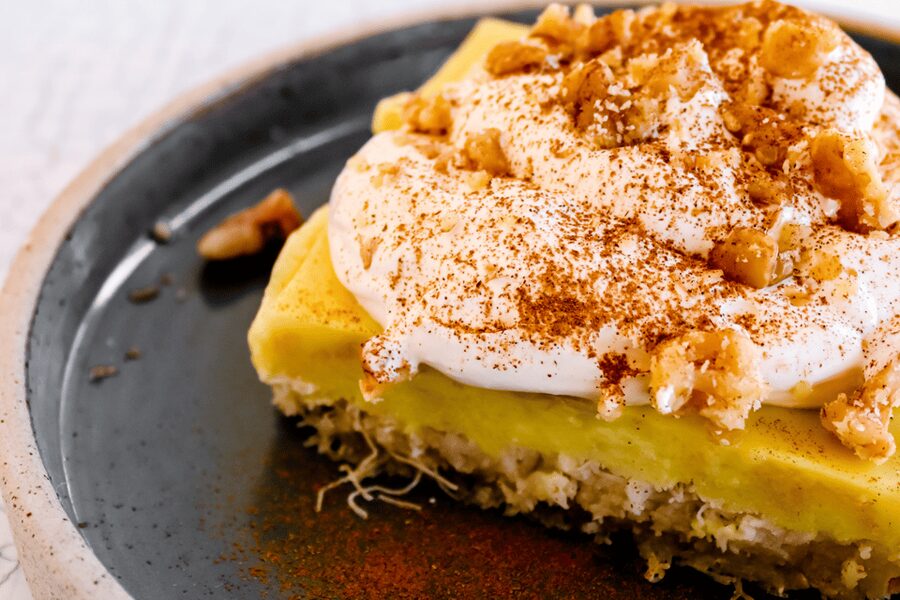
Ekmek is the dessert specialty on the menu. By the time it reaches the table, the class has moved from preparation to celebration, with everyone tasting the results together.
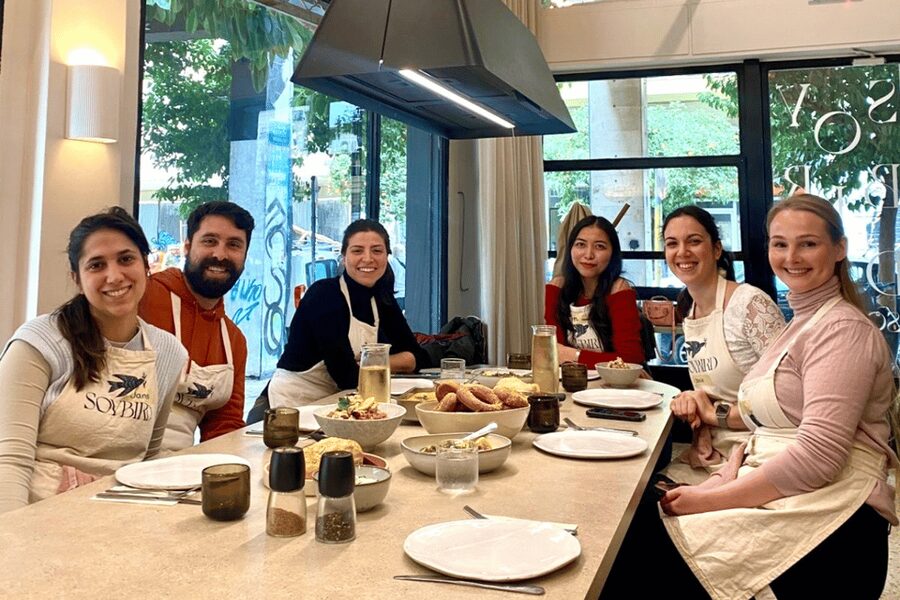
The food is served buffet-style at the end. You can try every dish, compare what each team prepared, and return for more. The portions are described as abundant, so arrive hungry. A light breakfast or lunch before the class is a better plan than a large meal.
Drinks, conversation, and the shared table
The class includes water, infused water, coffee, and a selection of alcoholic drinks. The information provided specifies wine and beer, with one glass of wine or a beer included, and also lists ouzo as part of the offering.
Because the exact drink service can vary, do not book this as a wine tasting. The drinks are there to accompany the cooking and meal. The bigger value is the time spent sitting down together after the work is done.
This final meal changes the feel of the class. You have already handled the ingredients, made decisions with your team, and watched the table fill up. Eating the food afterward makes the lesson stick. It also gives solo participants an easy way to meet people without forced introductions or a formal dining room.
The hosts are praised most often for the mood they create. Alexandra is described as patient and warm, Dimitra as attentive and engaging, and Konstantinos and Fotini as especially good at keeping the group involved. The consistent theme is that the instructors help without taking over. You get guidance, but you still do the cooking.
How much value do you get for $93?
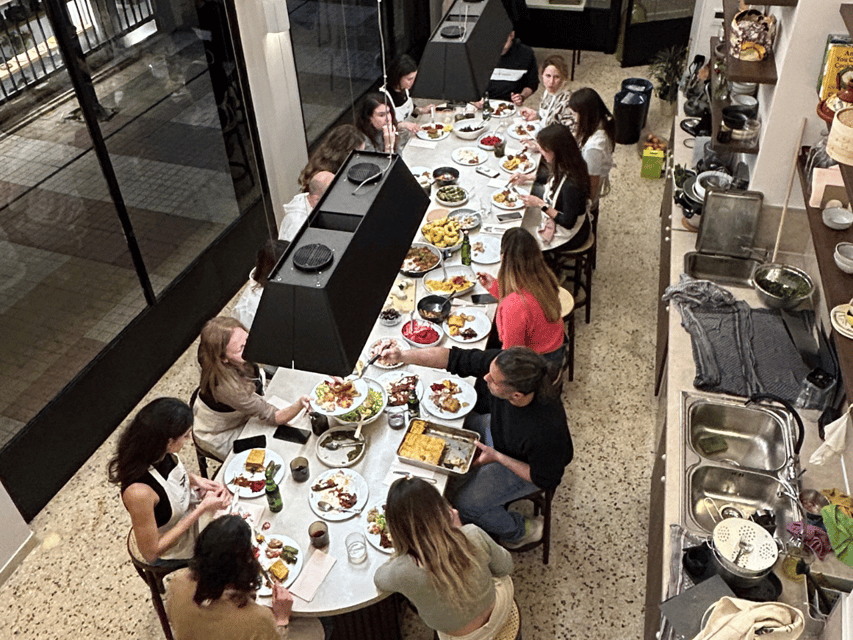
The price is not low for a cooking class, but the package is substantial. For $93, you receive three and a half hours of instruction, a complete meal, drinks, ingredients, equipment, an apron, and a digital recipe book.
A restaurant meal alone would not teach you how to roll filo, make almond feta, or prepare cashew béchamel. A shorter class might cost less but give you only one or two dishes. Here, the value comes from the combination of cooking time and the large meal at the end.
The digital recipes improve the value further. You will not remember every quantity or technique from a busy group session, especially if you work on only two dishes. Having the recipes in English lets you repeat the meal at home and try the dishes you did not personally prepare.
Still, the class is not the best match if you want a quiet, private lesson. You are working in a group of up to 14 people, and the social side is central. It is also not a traditional meat-focused Greek class. If you want souvlaki, lamb, or seafood, choose another experience.
Who should book this class?
I would recommend it to you if you want a food activity that combines instruction, culture, and an actual meal. It suits solo visitors especially well because the team format gives you a natural way to meet people.
It is also a good choice for couples and friends with different diets. Several people who were not vegan enjoyed the food and found the plant-based techniques useful. If someone in your group has dietary concerns related to meat or dairy, the all-vegan menu offers a straightforward option, though you should still communicate any allergies when booking.
Older children may enjoy the hands-on work, but children under eight are not accepted. The class also suits beginner cooks. You do not need advanced skills, and the hosts adjust their help to different levels.
I would hesitate only if you dislike group activities, want to prepare every recipe yourself, or prefer a short lesson with minimal food. The class is social, generous, and fairly involved. Plan on being there for the full three and a half hours.
Practical details before you book
The class is in English, with English and Greek-speaking hosts. It is wheelchair accessible, and you should wear comfortable clothing and arrive 10 minutes early.
You can cancel up to 24 hours before the activity for a full refund. A reserve-now, pay-later option is available, which helps if your Athens plans are still shifting.
The experience usually goes ahead when at least six people are booked. If an unusual cancellation means the class cannot run, you are informed at least 24 hours beforehand.
For a private group, customized arrangements are available for groups of eight or more. That may suit a birthday, family gathering, or small company outing, but you need to request a separate quote.
Should you book the Soybird Greek cooking class?
Book it if you want to do more than eat Greek food. The class gives you a generous vegan feast, useful techniques, a social evening, and recipes you can carry home. Its best qualities are the warm instruction, the real hands-on work, and the chance to sit down with the group and eat what you made.
Skip it if you want a meat-centered menu, a private chef lesson, or complete individual instruction in every recipe. For most food-focused visitors, though, the $93 price is fair because the cooking class and full meal are both substantial. Arrive hungry, expect to share the work, and leave room for the ekmek.
FAQ
Where is the Greek cooking class held?
The class takes place at Soybird Studio in Koukaki, central Athens, near the Acropolis. Search for SOYBIRD in Google for directions. The school is on the ground floor at the far right-hand side of the building in front of you.
How long does the cooking class last?
The experience lasts three and a half hours. Check the available start times when booking.
Is the menu fully vegan?
Yes. The class prepares vegan versions of Greek dishes, including moussaka with cashew béchamel, spanakopita, fava, tzatziki, almond feta, dakos, koulouri, and ekmek.
Do I need cooking experience?
No. The class is suitable for all levels. The hosts explain the steps, provide help during preparation, and let you take an active role in the cooking.
Will I cook every dish on the menu?
No. Participants work in two teams, and each person helps prepare two dishes. The whole group then shares the complete buffet. A digital recipe book is provided so you can make the other dishes at home.
What food and drinks are included?
Fresh ingredients, kitchen tools, an apron, water, infused water, coffee, and a shared meal are included. The drink information lists wine, beer, and ouzo, with one glass of wine or a beer specified.
Is the class suitable for children and wheelchair users?
The cooking school is wheelchair accessible. Children under eight are not suitable for this activity.
Newest classes around Athens
- Greek Cooking Class with Acropolis View★ 5.0 · 76 reviews
- Private Walking Meze Cooking Course★ 5.0 · 6 reviews
- Private Greek Cooking Class in Athens-Learn to Cook with Angelina★ 5.0 · 3 reviews
- Cook with Katerina: Authentic Greek Home Cooking Class in Athens★ 5.0 · 15 reviews
- Hands On Greek Cooking Classes in Athens★ 5.0 · 7 reviews
- Athens: Traditional Vegan Cooking Class incl. Drinks★ 5.0 · 41 reviews
- Cooking Class in Athens: Learn the Art of Phyllo with Christina★ 5.0 · 24 reviews
- “Fetaverse” Private Cooking Class in Koukaki Athens★ 5.0 · 3 reviews
Athens Cooking Classes, compared.
Classic Cooking Class with Market Visit and Wine
Read our review →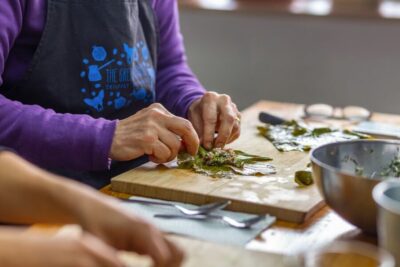
Food Market Visit and Cooking Class with Wine
Read our review →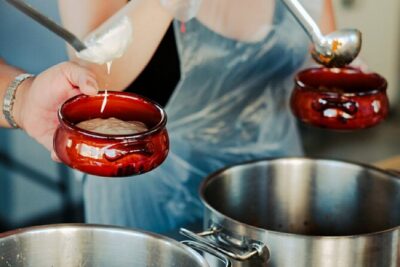
Greek Cooking Class in Athens Including Rooftop Dinner with Acropolis View
Read our review →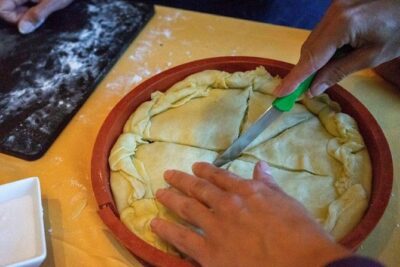
Greek Small-Group Athens Cooking Class & Dinner
Read our review →
Greek Cuisine Cooking Class and 3-Course Dinner
Read our review →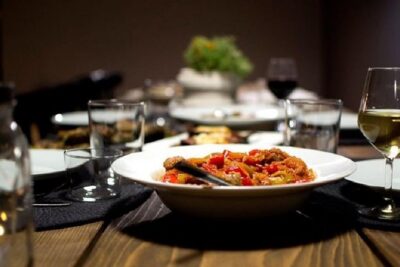
Traditional Greek cooking class and lunch or dinner with an Acropolis view
Read our review →
Athens Greek Cooking Class Pita Gyros from Scratch with a Local
Read our review →Browse the lists this tour appears in