
Review · INDIA COOKING CLASSES
Kerala Traditional village cooking class (Munnar)
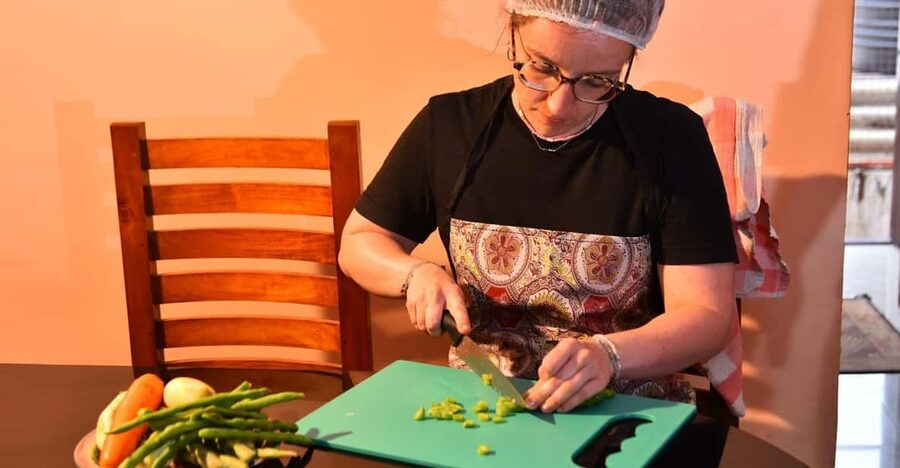
The best part of this Munnar cooking class is that it takes place in the home of Raveendra Kumar and Selvi, a couple who have been serving food since 2001. You begin with local produce and spices, then move into their kitchen for a practical lesson on Kerala food, family routines, and village life.
I like the market visit, which gives you a quick look at everyday Munnar beyond the tea viewpoints. I also like the generous meal: past classes have included fried bananas, masala chai, fish curry, and as many as eight prepared dishes. The main thing to watch is the timing. Four hours is the stated length, but a large menu can add an hour or more.
Key points to know before booking
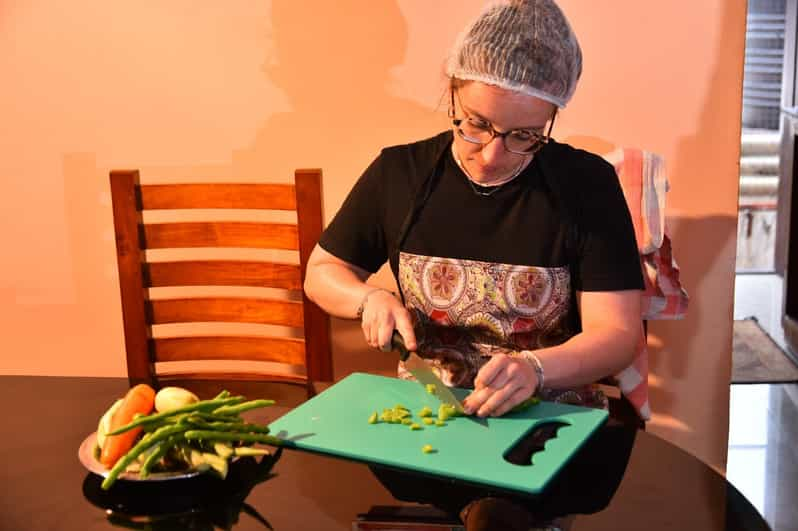
- You cook in a local family home: Raveendra and Selvi host the class in a personal, informal setting rather than a restaurant kitchen.
- The market visit comes first: You may help choose produce before returning home to cook.
- The menu is flexible: Choose from vegetarian, non-vegetarian, snack, welcome drink, and dessert options, then confirm your menu at least 12 hours ahead.
- The meal can be substantial: Depending on your choices, you may prepare six to eight dishes, plus tea and snacks.
- Pickup has a limit: Free pickup and drop-off covers locations within 2 kilometers of Munnar town. Hotels farther away cost extra.
- This is a private experience: English, Tamil, and Malayalam are available, with tools, an apron, ingredients, water, and a meal included.
A Kerala cooking class built around a family home
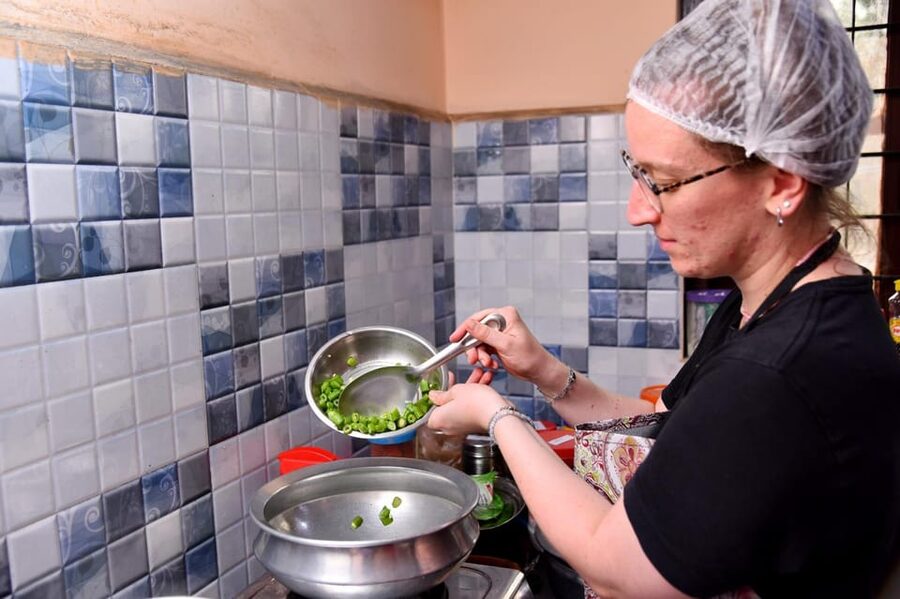
This experience is less about watching a polished chef perform and more about seeing how Kerala food comes together in a working home kitchen. Raveendra and Selvi guide you through the process, with help from other family members or cooks when needed.
That personal setting matters. You get to see ingredients in their everyday context, ask why a particular spice is added, and learn how dishes fit into local meals. Raveendra also helps with translation and practical guidance, while Selvi leads much of the cooking.
The class has been running since 2001, so the couple has had plenty of time to shape the experience. Still, you should expect a warm, simple home visit rather than a tightly timed culinary school. That is part of its appeal, but it also explains why the finish time can move.
More Farm Cooking Classes in India:
- Half-Day Thai Cooking Class at Organic Farm in Chiang Mai
★ 5.0 · 19,087 reviews - Cooking Class and Lunch at a Tuscan Farmhouse with Local Market Tour from Florence
★ 5.0 · 4,831 reviews - Chiang Mai: Authentic Cooking Class with Market & Farm Visit
★ 4.9 · 4,546 reviews
Start at the Munnar market
The market visit is a useful opening because it puts the food lesson in its proper setting. Instead of meeting every ingredient already measured in bowls, you can see the vegetables, fruit, spices, and other produce that feed local kitchens.
You may select ingredients for the class, depending on the menu and the day’s arrangements. This is also a chance to ask about unfamiliar items before they reach the cooking area. If you are interested in Kerala food beyond restaurant versions, the market adds context that a demonstration alone cannot provide.
The stop is not described as a long shopping tour, so I would think of it as a practical introduction rather than a full market expedition. It can also add a little time to the schedule, especially if your group spends longer choosing ingredients.
Learn the building blocks of Kerala food
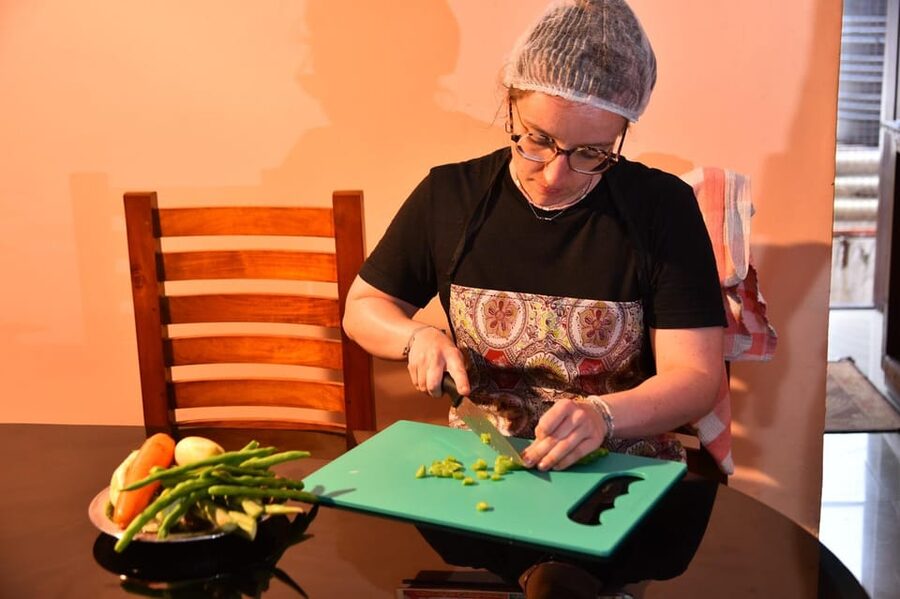
Before the cooking begins, you receive an introduction to the ingredients that give Kerala dishes their character. Expect discussion of coconut milk, curry leaves, mustard seeds, turmeric, coriander, cumin, vegetables, fruit, and local spices.
This section is valuable if you cook at home, because the focus is not only on what goes into a dish. You also learn when ingredients are added, how flavors develop, and how to balance seasoning. The instructors explain techniques step by step and encourage questions throughout.
The class also includes traditional medicinal supplements and local food customs as part of its wider look at village cooking. That does not turn the session into a medical lesson, but it gives you a broader idea of how food and household knowledge can overlap in Kerala.
Choose your menu before the class
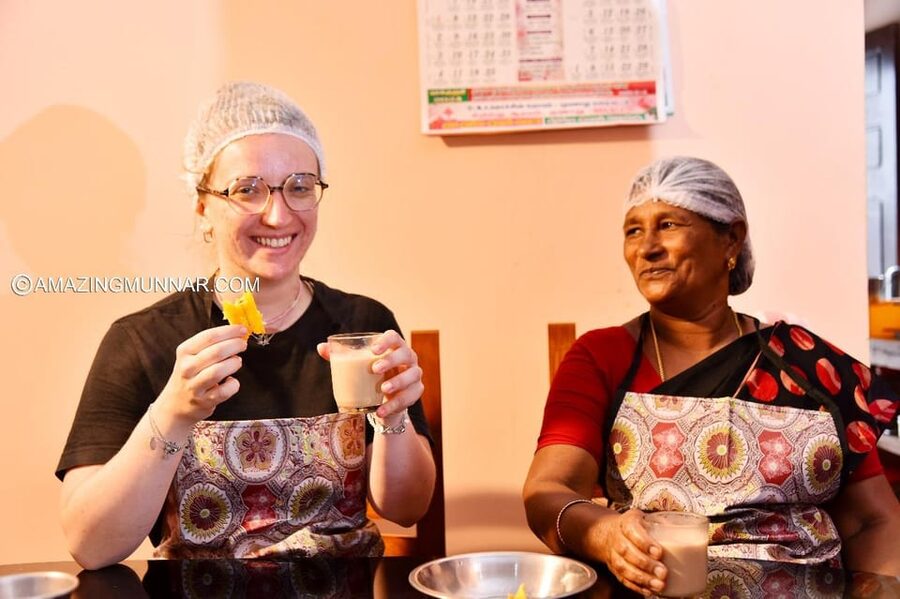
The menu should be finalized at least 12 hours before the start. This is an important detail, especially if you have dietary preferences or want to focus on a particular style of food.
Possible dishes include:
- Appam and stew
- Fish curry
- Avial
- Puttu and kadala curry
- Fried banana snacks
- Masala chai
- Vegetarian preparations
- Dessert and welcome drinks
The available menu is divided into vegetarian, non-vegetarian, snack, welcome drink, and dessert categories. You can ask for a vegetarian class, and past participants have prepared a broad selection of vegetable dishes. If fish curry is important to you, confirm it in advance rather than assuming it will appear on the day.
The flexibility is a strength, but it creates a little homework. Contact the provider early, state your preferences clearly, and confirm what you will cook. A larger menu can make the class more satisfying, but it can also stretch the four-hour schedule.
More Cooking Classes in India:
- Pink City Cooking Class
★ 5.0 · 452 reviews - Five Course Cooking Class & Meal
★ 5.0 · 250 reviews - Veg and Non veg : Private Cooking Class in Delhi home (7 meal)
★ 5.0 · 226 reviews - Indian Cooking Class in an Authentic Local Home – Learn 6 Dishes
★ 5.0 · 195 reviews
Watch the cooking, then take over
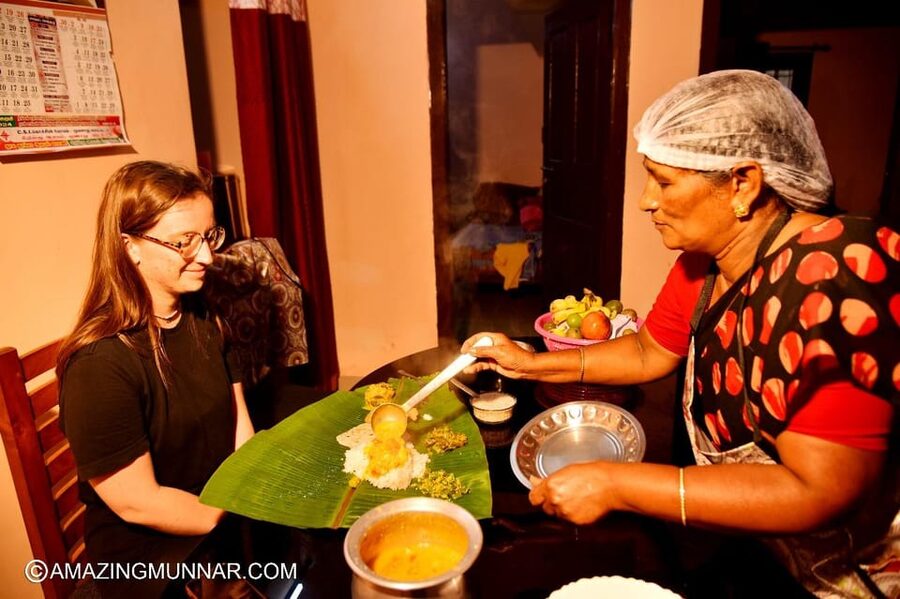
The demonstration is meant to be interactive. Raveendra and Selvi explain the order of ingredients, cooking methods, and ways to achieve familiar Kerala flavors. You can ask questions while the food is being prepared rather than waiting until the end.
The hands-on portion follows the demonstration. Groups may be assigned different dishes, with guidance and individual help as needed. The tools are supplied, including a knife, cutting board, and apron, so you do not need to bring cooking equipment.
This format works well for couples, families, or small private groups who want to cook together. It may be less suitable if you prefer a quiet demonstration with no participation. The class expects you to handle ingredients and work with others.
Past menus have ranged from a snack and tea to six, seven, or eight additional dishes. That variety is a real value at this price, but it also means the class is not a quick single-recipe workshop. If you want detailed instruction on every dish, allow extra time and be prepared for the schedule to run long.
The food is the reward at the table
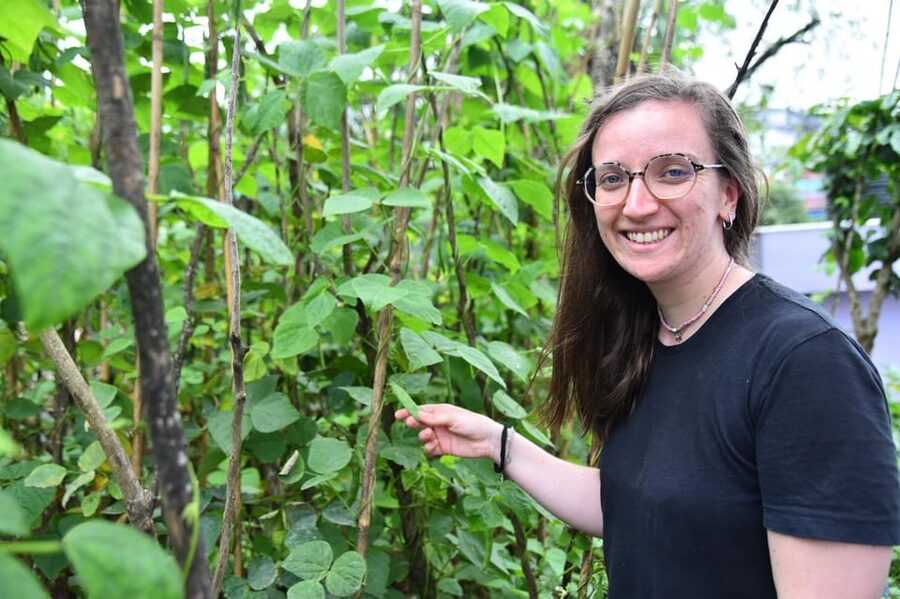
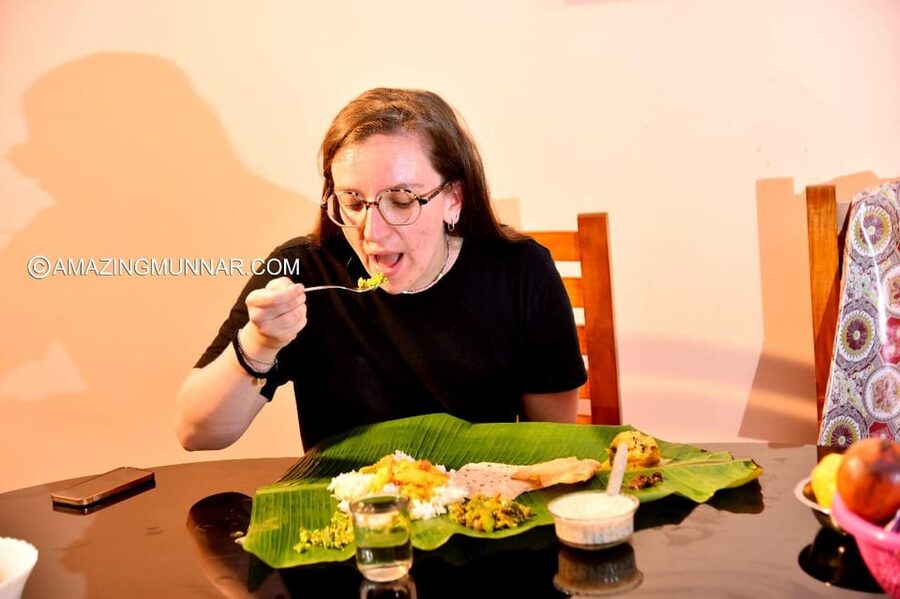
Once the dishes are ready, everyone sits down to taste the meal. You can compare flavors, textures, and aromas while asking questions about how the food is normally served.
The meal is included in the $21 price, along with snacks and a water bottle. That makes the cost attractive, especially when you consider the market visit, instruction, equipment, and private format. You are not simply paying for lunch. You are paying for several hours of access to a local kitchen and a guided food lesson.
The meal can also be adjusted around your chosen menu. A vegetarian class may feature several vegetable preparations, while a non-vegetarian menu could include fish curry. The exact number of dishes depends on what you arrange ahead of time.
I would not book this expecting restaurant-style presentation. The value is in the cooking process, the family setting, and the chance to eat what you helped prepare. If you want a polished tasting menu, a restaurant is a better fit. If you want food with a story and a place in daily life, this class makes more sense.
The people are central to the experience
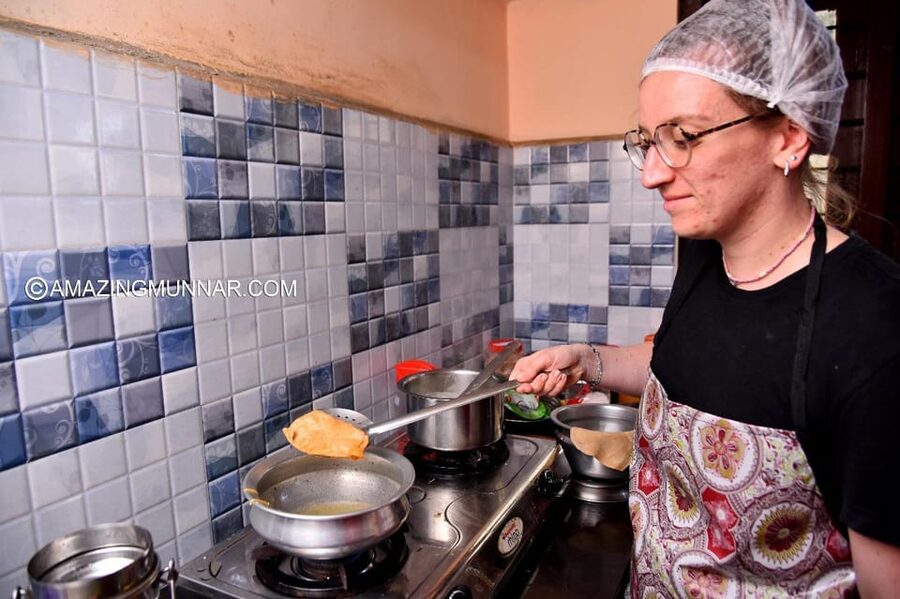
Raveendra is more than a driver or host. He helps with translation, offers travel guidance, and can suggest other activities in the Munnar area. One example from the experience is advice about a half-day tea plantation trek and a visit to the Spice Gardens.
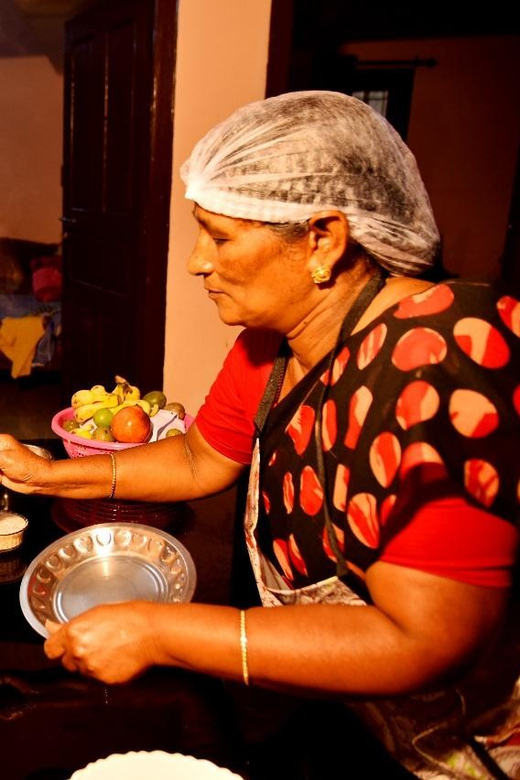
Selvi brings the home-cooking side of the class. She explains dishes patiently and helps you work through the preparation. Other women from the family or local cooking team may also assist, depending on the day.
The atmosphere is informal and friendly. You may be welcomed into the family home, see the kitchen, and spend time talking about food and daily life. This is a better choice for someone who values conversation and local contact than for someone who wants a formal lesson with a fixed script.
The class is offered in English, Tamil, and Malayalam. Raveendra’s role is especially helpful if you need English explanations while Selvi or another cook is demonstrating a technique.
Pickup, timing, and practical planning
The advertised duration is four hours, but the activity may run one hour or more beyond that. The number of dishes is the main reason. Do not schedule a tight airport transfer, train departure, or fixed evening tour immediately afterward.
Free pickup and drop-off is available within a 2-kilometer radius of Munnar town. If your hotel is farther away, you can arrange transport for an additional charge. One useful tip is to confirm the exact meeting point or request hotel pickup clearly. Communication can become confusing when the pickup point and final meeting location are different.
The class is private, which gives you more control over the menu and the pace. It is also wheelchair accessible according to the activity information. At the same time, the experience is not listed as suitable for people with visual or hearing impairments, so ask the provider about your specific needs before booking.
The class supplies a pen and paper, which is useful if you want to record recipes and spice combinations. Bring your appetite, comfortable clothing, and patience for a home-based schedule.
What the $21 price really buys
At $21 per person, this is good value if you take part fully. The fee covers the lecture and demonstration, hands-on cooking, snacks, the final meal, water, a market visit, travel guidance, and cooking equipment.
Transport is the one cost that can change the total. Pickup within 2 kilometers of Munnar town is free, but hotels farther away require an additional payment. Ask for the exact transport price before confirming if you are staying outside town.
The private format also improves the value for a small group. You can request a vegetarian menu, ask questions throughout the lesson, and spend time with the hosts rather than being one person in a large class.
The price does not guarantee a fixed number of dishes. That depends on your chosen menu and the pace of preparation. Confirming the menu 12 hours ahead helps you understand what you are buying.
Who will enjoy this most
I would recommend this class to you if you want food, conversation, and a look inside ordinary Munnar life. It suits people who enjoy learning by doing and who are happy to spend an afternoon at a relaxed pace.
It is especially good for:
- Couples looking for a private cultural activity
- Families who can work together in the kitchen
- Vegetarians who want several Kerala vegetable dishes
- Food-focused visitors who want more than a restaurant meal
- People who want market shopping and cooking in one experience
- Anyone interested in local spices, fruit, vegetables, and household food traditions
You may want to choose another activity if your schedule is packed, you dislike hands-on cooking, or you need a firm end time. It is also not suitable for pets, intoxication, alcohol or drugs, fireworks, explosive substances, alcoholic drinks in the vehicle, or nudity.
The overall rating is 4.8 from 15 reviews, with repeated praise for the warm hosts, tasty food, market stop, and personal attention. The strongest pattern is clear: people value the welcome and the feeling of being invited into a home.
Should you book the Munnar village cooking class?
Book it if you want to understand Kerala through its food rather than only through sightseeing. The market visit, home kitchen, flexible menu, and shared meal give you several connected experiences for $21.
Before booking, confirm three things: your menu, your pickup location, and the likely finish time. Ask for hotel pickup if you are staying outside the free 2-kilometer zone. If you do that planning and leave your afternoon open, this is a friendly, practical way to meet local hosts and take home useful cooking ideas.
FAQ
How long does the Kerala cooking class last?
The stated duration is four hours. It may run one hour or more beyond that, depending on the dishes selected and the pace of cooking.
How much does the experience cost?
The listed price is $21 per person.
Who hosts the cooking class?
The class is hosted by Raveendra Kumar and his wife, Selvi. The couple has been serving food since 2001.
Is the class private?
Yes. The activity is offered for a private group.
What languages are available?
Instruction and communication are available in English, Tamil, and Malayalam.
Is pickup included?
Free pickup and drop-off is offered within a 2-kilometer radius of Munnar town. Pickup from hotels farther away requires an additional charge.
What food can I learn to cook?
Possible dishes include appam and stew, fish curry, avial, puttu and kadala curry, snacks, welcome drinks, and desserts. The menu should be finalized at least 12 hours before the class.
Can I request vegetarian food?
Yes. Vegetarian menus are available, and the menu can be arranged in advance.
What is included in the price?
The price includes the lecture and demonstration, meal and snacks, a water bottle, market visit, travel guidance, knife, apron, cutting board, pen, and paper.
Can I cancel the booking?
You can cancel up to 24 hours in advance for a full refund. You can also reserve now and pay later, according to the activity terms.
Newest classes around India
- Chennai Super Market Tour and Cooking Class with a Fun Local★ 5.0 · 9 reviews
- Private tour to learn Traditional Indian Art, craft & Cooking★ 5.0 · 4 reviews
- Traditional Chettinad Cooking Class in a Local Home near Chennai★ 4.5 · 12 reviews
- Neighborhood Market Tour & South Indian Cooking Class in Chennai★ 5.0 · 7 reviews
- Chennai Dosa Making Class & Home-Dining Experience with Jyashree★ 5.0 · 8 reviews
- Traditional Gowda Cooking Class and Meal in a Bangalore Home★ 5.0 · 31 reviews
- Discover Bangalore’s Cuisine: Private Half-Day Cooking Experience★ 5.0 · 3 reviews
- Private South Indian Cooking Class in Bangalore with a Local★ 5.0 · 11 reviews
India Cooking Classes, compared.
Veg and Non veg : Private Cooking Class in Delhi home (7 meal)
Read our review →
Indian Cooking Class in an Authentic Local Home – Learn 6 Dishes
Read our review →
Private Guided Cooking Workshop Experience in Jodhphur
Read our review →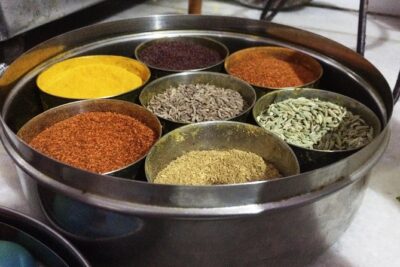
Jaipur Market Tour & Vegetarian Rajasthani Home Cooking Class
Read our review →
Cooking Class in Jaipur – Family Experience with Meal & Transport
Read our review →Browse the lists this tour appears in