
Review · CROATIA COOKING CLASSES
Traditional Dalmatian Cooking Class from Dubrovnik
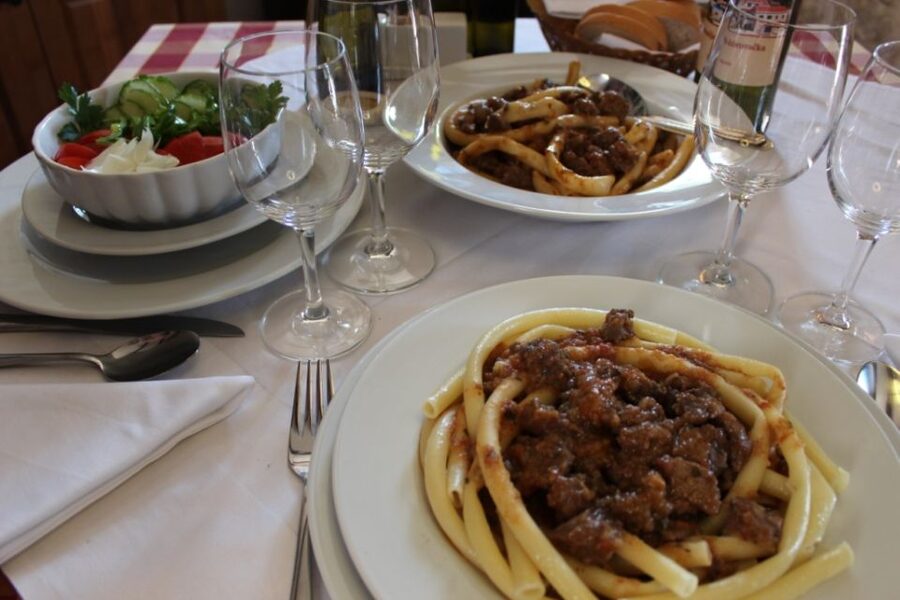
The best part of this experience is that the cooking happens in a real country home, not a polished demonstration kitchen. You might pick vegetables, handle bread dough, milk a goat, make fresh cheese, and help prepare dishes over an open fire. The meal begins in the garden and ends at the table.
I like the hands-on work and the family setting. I also like that the menu changes with the season, so you may learn peka, cabbage and potato stew, meat skewers, chicken stew, rustic bread, soup, or dessert rather than following one fixed recipe. The main consideration is that this is not ideal for vegans or anyone with limited mobility.
Key points at a glance
- Farm-to-table cooking: Pick seasonal produce and use it in a four-course meal.
- A real family estate: Spend the day with local hosts in rural Croatia, away from Dubrovnik’s busy center.
- Open-fire traditions: Depending on the day, help prepare food such as peka, skewers, bread, cheese, and dumpling soup.
- More than a cooking lesson: The day can include goat milking, family stories, an old olive mill, and a look at rural life.
- A generous drinks package: Wine, brandy, liquors, juice, and water are included with the meal.
- Best for curious eaters: This suits people who want culture and conversation as much as recipes.
Leaving Dubrovnik for a family kitchen
At $235 per person, this is a high-priced day trip by Dubrovnik standards. You are paying for much more than a cooking class, though. Transportation in an air-conditioned vehicle, a licensed English-speaking guide, cooking equipment, drinks, a four-course menu, and several hours with a local family are included.
The drive is part of the experience. Guides such as Marija, Oliver, or Miho have helped visitors understand the area on the way to the estate, pointing out sights and discussing Croatian food, wine, and history. The exact guide can vary, but the role matters: you are not simply dropped at a farmhouse and left to work out what is happening.
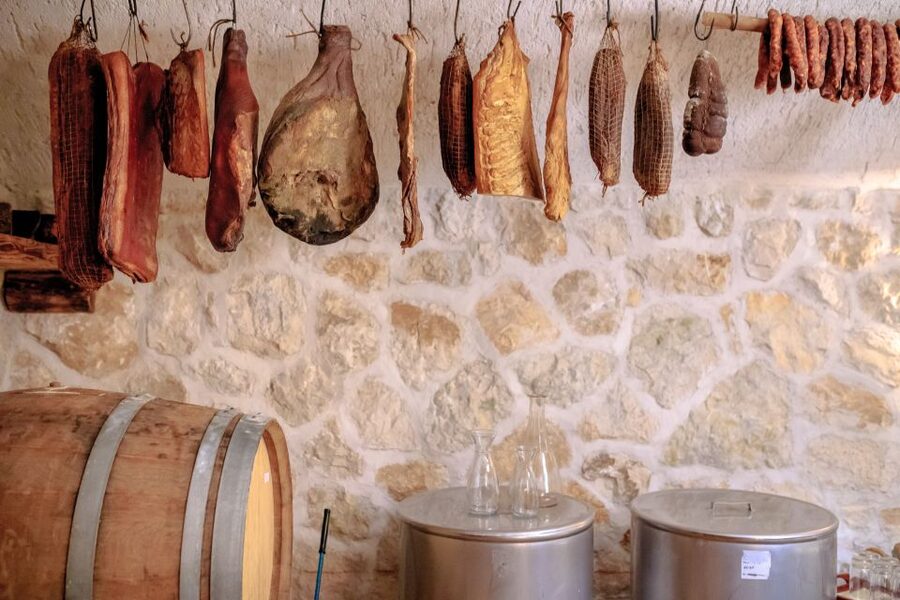
The trip may also include a stop at an old olive mill. That detail gives the day a wider frame. Dalmatian food is not just a list of recipes. Olive oil, garden vegetables, home-bottled wine, herbs, meat, bread, and preserved foods all connect the meal to the work of the household.
More Cooking Classes in the world:
- Half-Day Thai Cooking Class at Organic Farm in Chiang Mai
★ 5.0 · 19,087 reviews - Florence: Pasta Cooking Class with Unlimited Wine
★ 4.9 · 10,285 reviews - 3 in 1 Cooking Class near Navona: Fettuccine, Ravioli & Tiramisu
★ 5.0 · 7,376 reviews
Arriving at the country estate
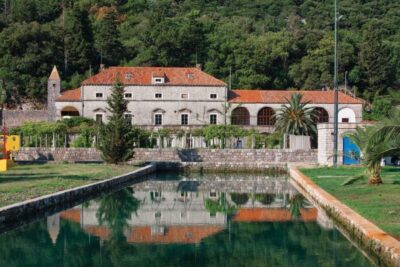
You begin with a welcome drink and an introduction to the property. The setting is a country house on the outskirts of Dubrovnik, with a garden and working farm elements. It offers a clear change of pace from the stone lanes, restaurants, and cruise-day crowds in the city.
The hosts share family stories and explain how the property is used. You may hear about the family’s history, daily routines, and older cooking methods before putting on an apron or gathering around the work area. This personal contact is one of the strongest reasons to book the experience.
I especially like that the family members take part together. One person may guide the cooking, another may explain the property, and someone else may help with the meal. Depending on the day, you might meet hosts named Nike, Ivo, Marija, or the family matriarch known as Ba Ba. The exact household and host lineup can vary.
Do not expect a staged show with a chef doing all the work while you watch. You are expected to get involved. That can mean washing or picking vegetables, mixing bread, shaping food, preparing meat, or working beside the family in an outdoor kitchen.
Picking ingredients from the garden
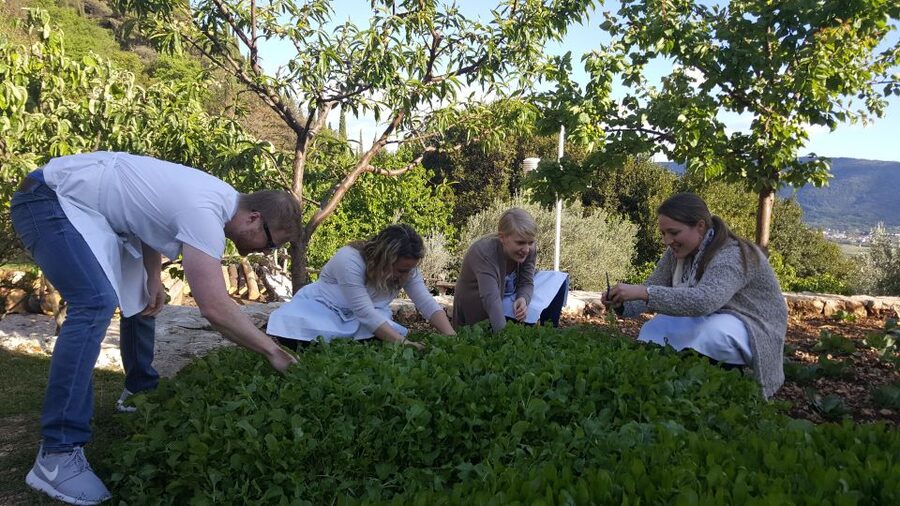
The garden is not just decoration. Seasonal vegetables and fruit may become part of your lunch or dinner, and you can help collect what is ready. This simple step explains the food better than a lecture about local cooking ever could.
You see what the ingredients look like before they reach a plate. You also get a feel for the seasonal nature of Dalmatian cooking. The menu changes according to what is available in the household garden and kitchen, so you should not book expecting a precise dish list.
The garden visit works well for people who enjoy food production as much as eating. It is also a good part of the day for families and groups who want a shared task. On the other hand, if you want a tightly timed professional cooking lesson with exact measurements and printed recipes, this may feel loose.
The available details do not promise take-home recipe cards, so you should plan to learn by watching, asking questions, and remembering the main steps. That is also part of the charm. These recipes have been passed down through families by word of mouth.
Cooking over an open fire
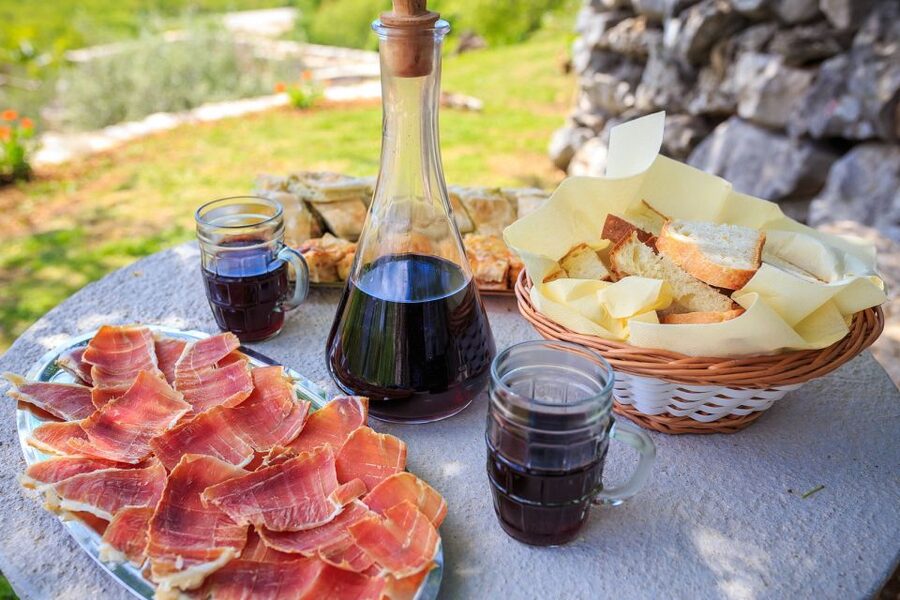
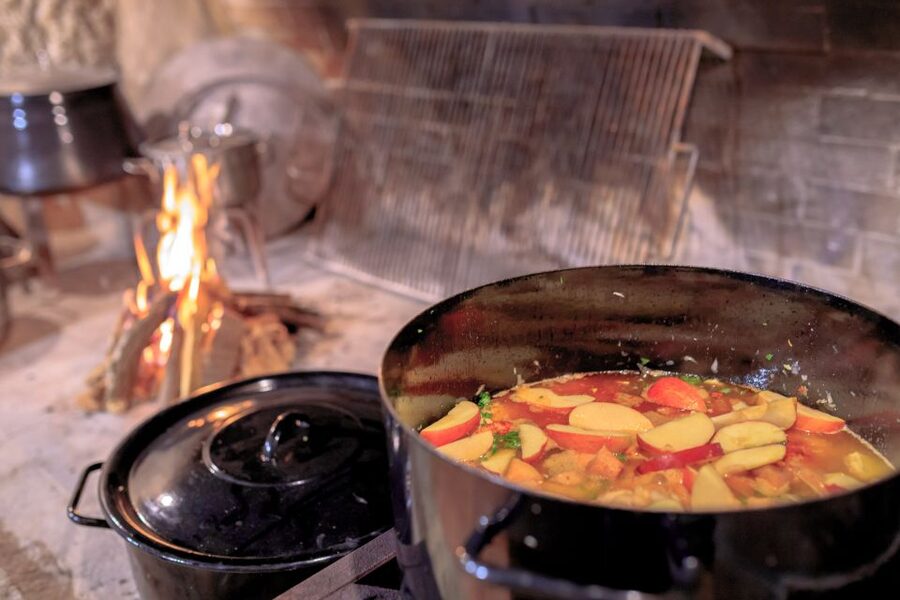
The cooking has a rustic feel. You may work in an outside kitchen, prepare food over an open fire, or help with traditional methods that are rarely shown in a city restaurant. One possible specialty is peka, lamb or veal cooked under an iron bell. Other possible dishes include meat skewers, Dalmatian chicken stew, menestra made with cabbage and potatoes, bread, soup, and dessert.
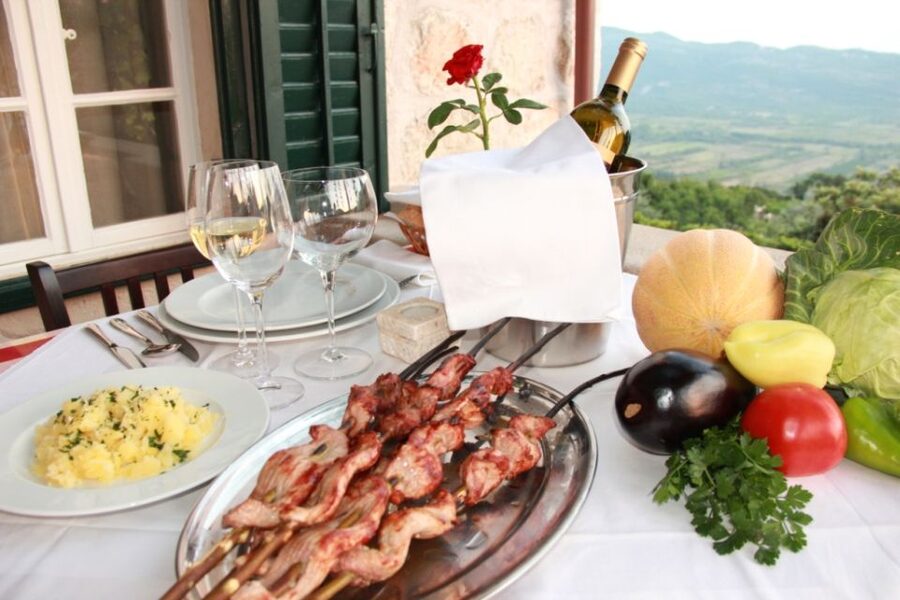
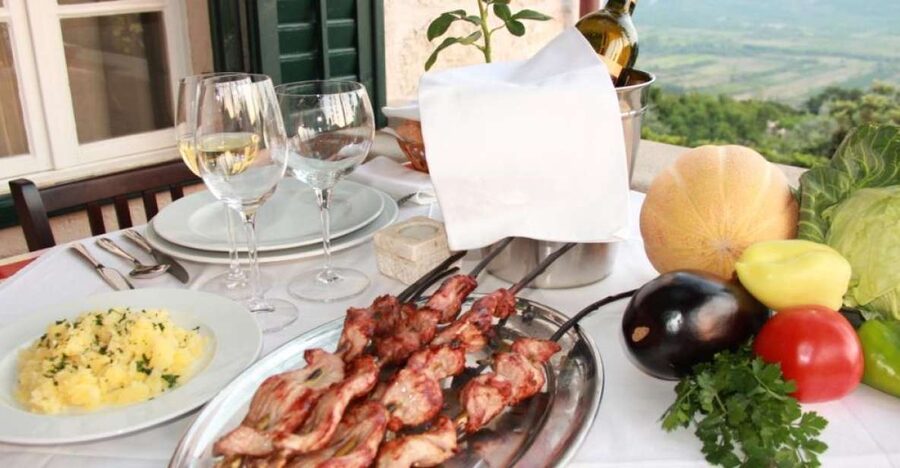
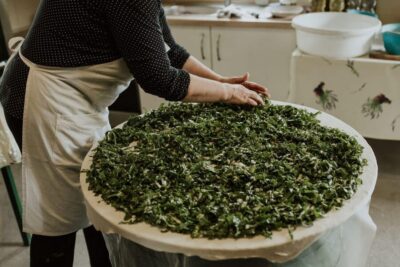
Some meals have included pork skewered on bay-leaf branches and cooked over a fire. That detail tells you what kind of class this is: practical, tactile, and tied to household tradition. You may handle raw ingredients, taste wild spices, and work your fingers into bread mixtures.
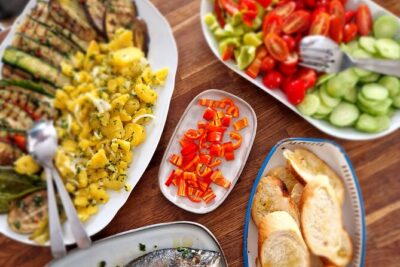
The four-course meal is seasonal rather than fixed. You could encounter rustic bread, dumpling soup, fresh cheese, vegetables from the garden, grilled or roasted meat, and pancakes or another homemade sweet. The selection depends on the family’s supplies and the day’s cooking plan.
The class is best understood as a shared preparation rather than a formal lesson with four separate teaching stations. Some parts may be explained, some demonstrated, and some done together. You will likely gain a better sense of how the food is made, even if you do not leave with a perfectly measured recipe for every dish.
Same region, a different dish to learn:
- Florence: Pasta & Tiramisu Cooking Class with Unlimited Wine
★ 4.9 · 6,708 reviews - Florence: Pasta Cooking Class with Unlimited Wine
★ 5.0 · 6,413 reviews - Hanoi Cooking Class: Culture, Local Market & Meaning CSR Impact
★ 5.0 · 5,147 reviews - 5 Traditional Dishes Hanoi Cooking Class with Market Trip
★ 5.0 · 4,890 reviews
Farm chores that make the food personal
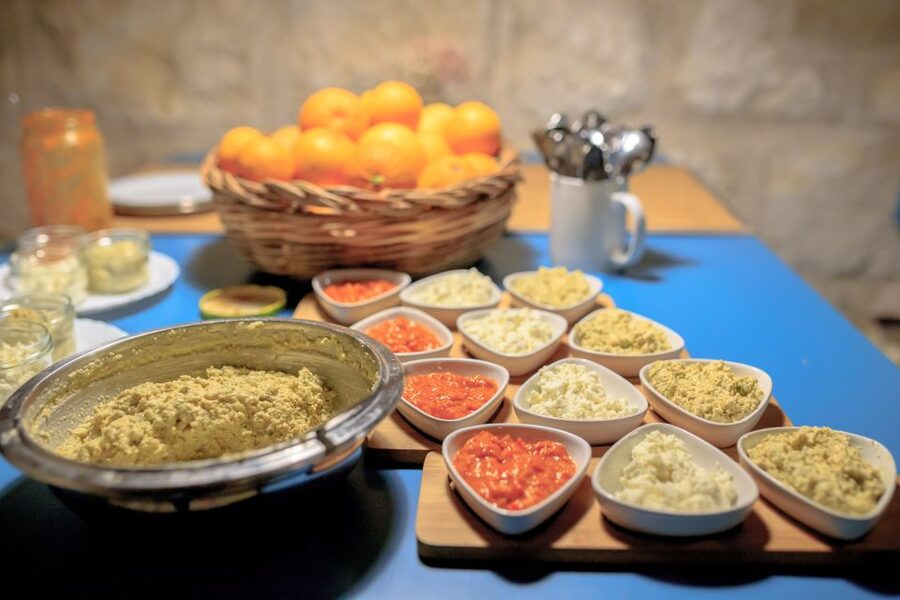
Milking a goat is one of the more unusual possible activities. You can also learn how fresh cheese is made. These tasks connect the meal to the farm in a direct way, and they give the day a light, good-natured edge.
Not every visitor wants to handle farm work, of course. If you prefer a clean, quiet kitchen class, the goat milking and open-fire cooking may be outside your comfort zone. For most food-minded visitors, though, the hands-on work is exactly what makes this different from a standard restaurant meal.
The experience also gives you time to ask about rural Croatian life. Hosts have shared their family story, agriculture, property, and daily routines. That conversation can be as valuable as the food because it shows how meals fit into the household rather than treating cuisine as an isolated tourist product.
Sitting down to the four-course feast
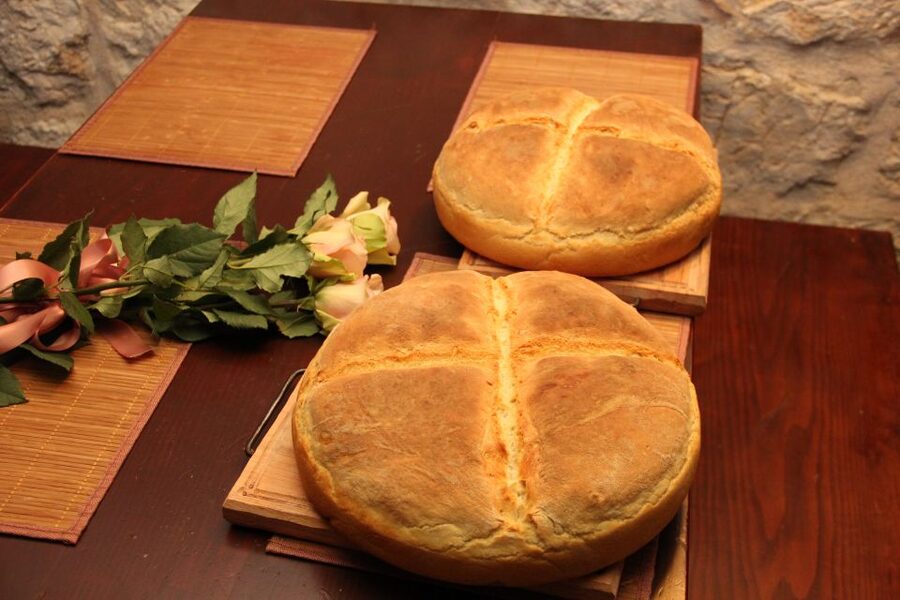
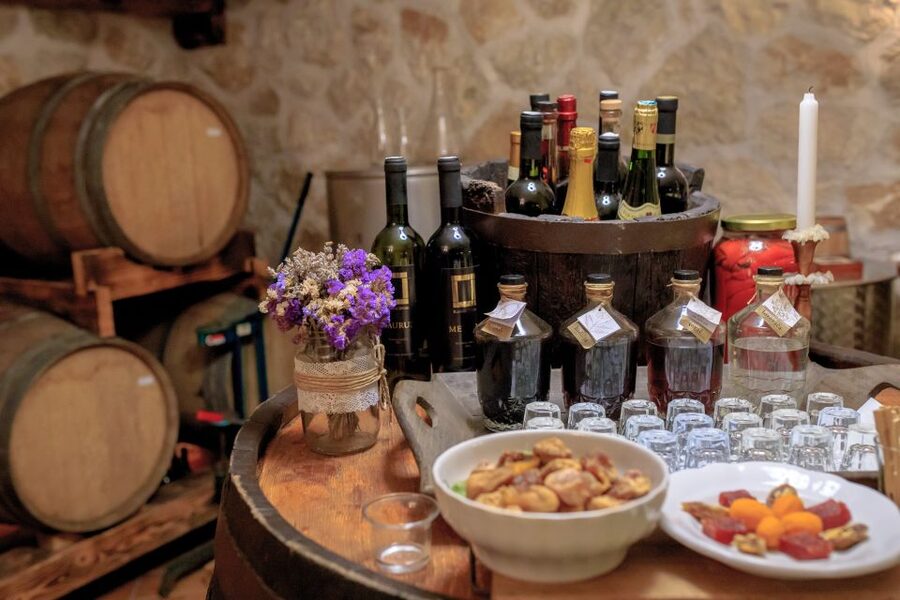
Once the cooking is finished, you sit down at the estate and eat what you helped prepare. Wine, brandy, liquors, juice, and water are included. The meal is designed to be generous, and you may find more food than you can finish.
The table is the payoff, but it is not the only point. Eating together lets you compare the finished dishes with the ingredients and methods you saw earlier. Bread tastes different when you have mixed it yourself. Garden vegetables feel more memorable when you picked them that morning.
Alcohol is part of the experience, so this works best for adults who enjoy a relaxed meal with local drinks. If you do not drink, juice and water are included. Food preferences deserve attention before booking because the experience is not recommended for vegans and the menu may center on meat, dairy, bread, and traditional farm products.
The dessert may be pancakes or another seasonal sweet. It is wise to save room. The meal is one of the day’s biggest features, and the serving style may be more generous than you expect.
How the guide shapes the day
The guide is important because the cooking takes place outside Dubrovnik. Oliver has provided route commentary and conversation during the drive, while Marija has hosted visitors and explained Croatian history and local life. Miho has also been praised for explaining food and wine, including Bosnian wines.
Names and assignments can change, but you should expect an English-speaking licensed guide. The guide handles transportation and helps connect the family’s cooking with the wider region.
That extra explanation adds value to the $235 price. You are not arranging separate transport, hiring a cooking instructor, finding a rural home, and buying drinks on your own. The day brings these pieces together.
Still, the value depends on your interests. If you only want to learn one or two recipes, the price may feel steep. If you want transportation, a countryside visit, a substantial meal, drinks, farm activities, and long conversation with a Croatian family, the package makes more sense.
Comfort, timing, and practical limits
Wear comfortable clothes and sturdy, comfortable shoes. Cooking, gardening, and farm work can get messy, and high heels are not allowed. Choose clothing you can move in and do not mind wearing near food preparation and an open fire.
The experience is described as a full day or day-long outing, although some accounts refer to an afternoon or evening meal. The exact timing can depend on the schedule and season. Keep the day open rather than planning a tightly timed Dubrovnik activity immediately afterward.
The tour is not suitable for wheelchair users, people with mobility impairments, or anyone who needs fully step-free access. Rural homes, gardens, and outdoor cooking areas can be uneven, and the activities involve standing and moving around.
The experience is offered in English. Booking can be made with pay-later flexibility, and cancellation is allowed up to 24 hours ahead for a full refund. Check the final booking terms for your date, since availability and operating details can change.
Who will enjoy this most
I would recommend this to you if food is one of the main reasons you travel. It is also a strong choice if you want to leave the city for a day and meet a local family rather than spend every meal in a Dubrovnik restaurant.
It suits couples, families, and small groups who enjoy doing things together. The garden work, bread mixing, goat milking, and shared meal give different people several ways to take part.
This is less suitable if you want a short, polished class with a fixed menu, restaurant-style presentation, or a guaranteed list of dishes. It is also a poor fit for vegans, people with serious mobility limits, and visitors who dislike meat, dairy, rustic cooking, or alcohol-centered meals.
Should you book the Dalmatian cooking class?
Book it if you want the countryside, the family contact, and the full farm-to-table day as much as you want the recipes. The strongest parts are the warm hosts, the garden produce, the open-fire methods, and the chance to understand how food fits into rural Croatian life.
Skip it if your goal is simply to cook one dish quickly or keep your Dubrovnik schedule tightly controlled. At $235, this is an experience purchase, not a budget meal.
For the right person, it offers a memorable break from the city: you pick food, cook with a family, share wine at the table, and return to Dubrovnik with a better sense of what Dalmatian home cooking really means.
FAQ
Where does the cooking class take place?
It takes place at a country estate on the outskirts of Dubrovnik, in the rural Dalmatian countryside.
How much does the experience cost?
The listed price is $235 per person.
Is transportation included?
Yes. Transportation by air-conditioned vehicle is included.
Is an English-speaking guide provided?
Yes. The experience includes a licensed guide, and English is the listed language.
What food will I cook?
The menu changes with the season and available ingredients. Possible dishes include peka, menestra, meat skewers, Dalmatian chicken stew, rustic bread, soups, fresh cheese, vegetables, and desserts.
Is the menu fixed?
No. The four-course menu depends on the season and what is fresh and available at the estate.
Are drinks included?
Yes. Wine, liquors, brandy, juice, and water are included.
Is the experience suitable for vegans?
No. It is specifically not recommended for vegans.
What should I wear?
Wear comfortable clothes and comfortable shoes. High-heeled shoes are not allowed.
Is the tour accessible for wheelchair users?
No. It is not suitable for wheelchair users or people with mobility impairments.
Newest classes around the world
- Aroidee’s Farm-Fresh Thai Cooking Experience★ 5.0 · 8 reviews
- Authentic Thai Cooking Class and Farm Visit in Chiang Mai★ 5.0 · 66 reviews
- Signature Thai Cooking Course★ 5.0 · 79 reviews
- Half Day Guided Thai Cooking Class in Chiang Mai★ 5.0 · 13 reviews
- Yummy Tasty Thai Cooking School in Chiang Mai★ 5.0 · 2 reviews
- Online Thai and Akha Cooking Class★ 5.0 · 70 reviews
- Northern Thai Cooking Class in Chiang Mai in a Countryside Home★ 5.0 · 2 reviews
- Private Half-Day Thai Cooking Class in Chiang Mai★ 5.0 · 4 reviews
Croatia Cooking Classes, compared.
Traditional Cooking Class in Dubrovnik Countryside
Read our review →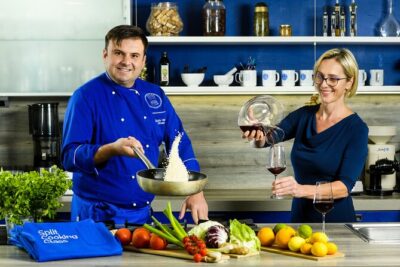
Browse the lists this tour appears in